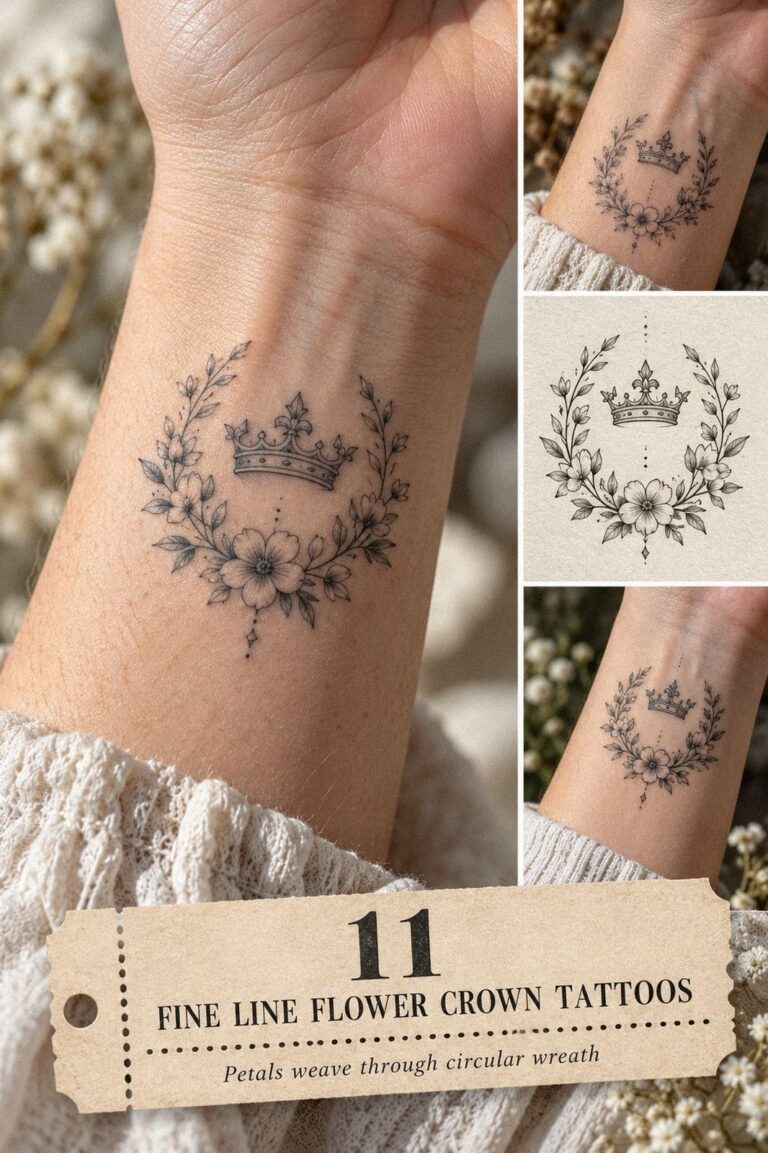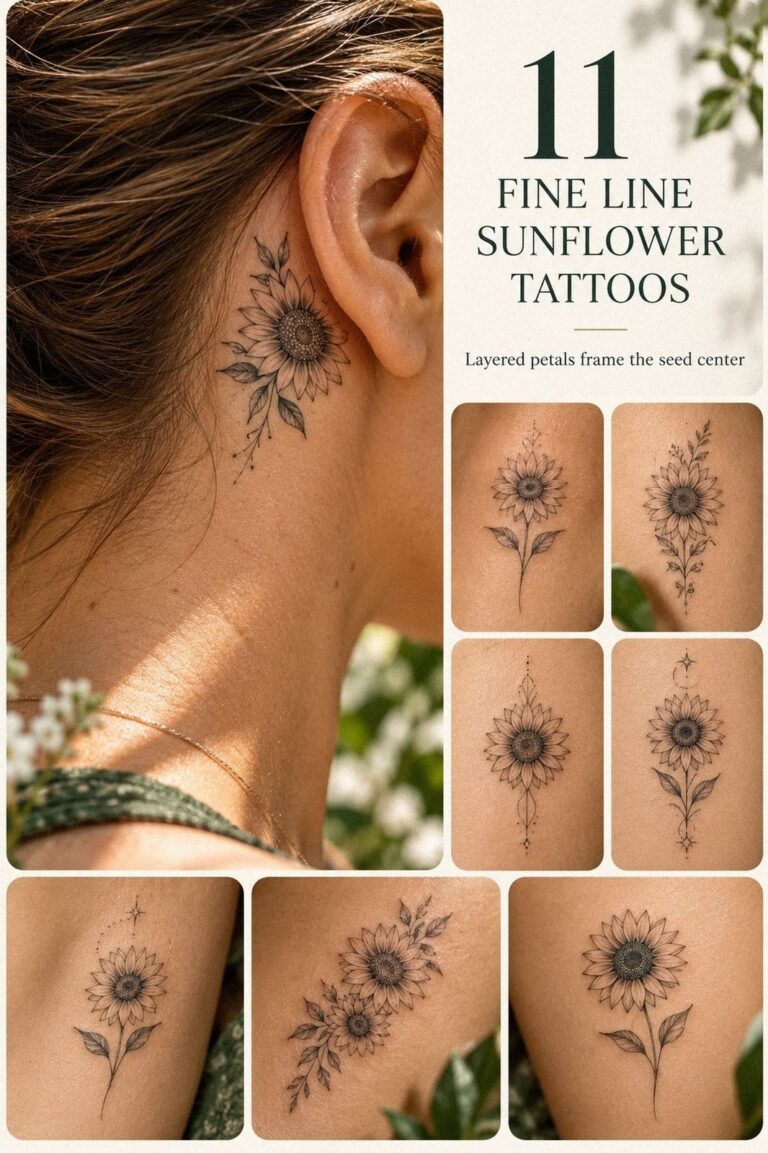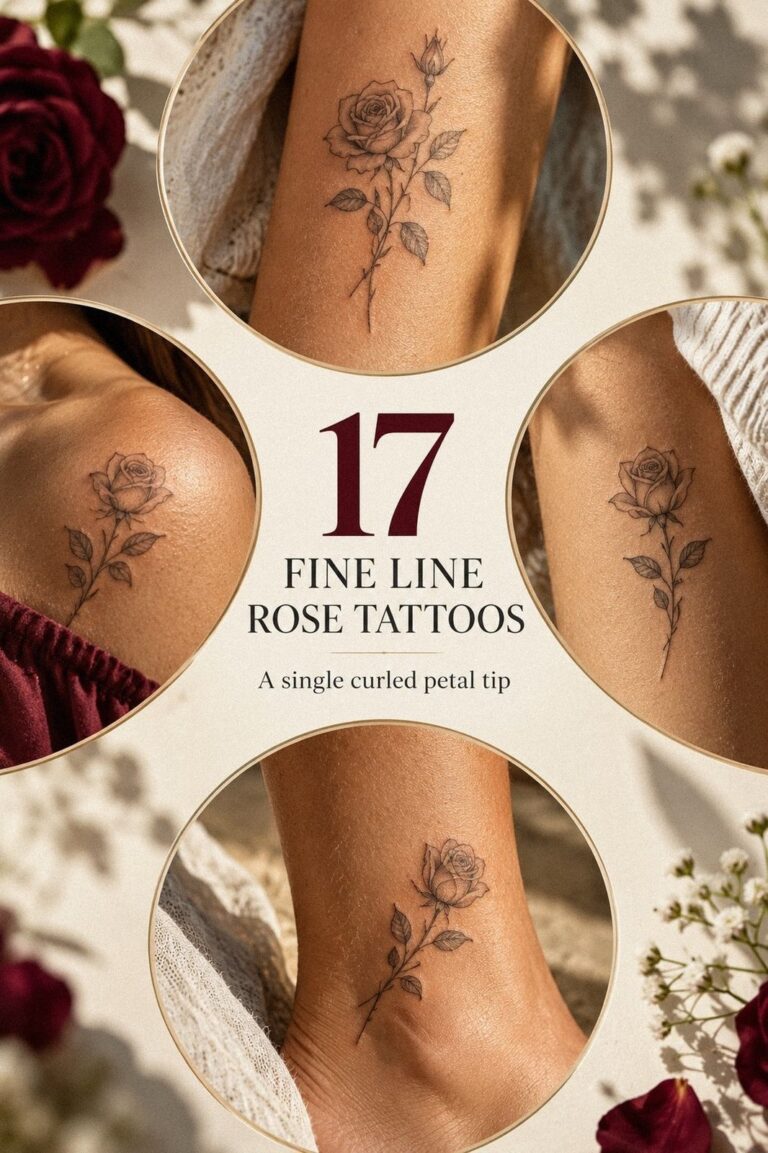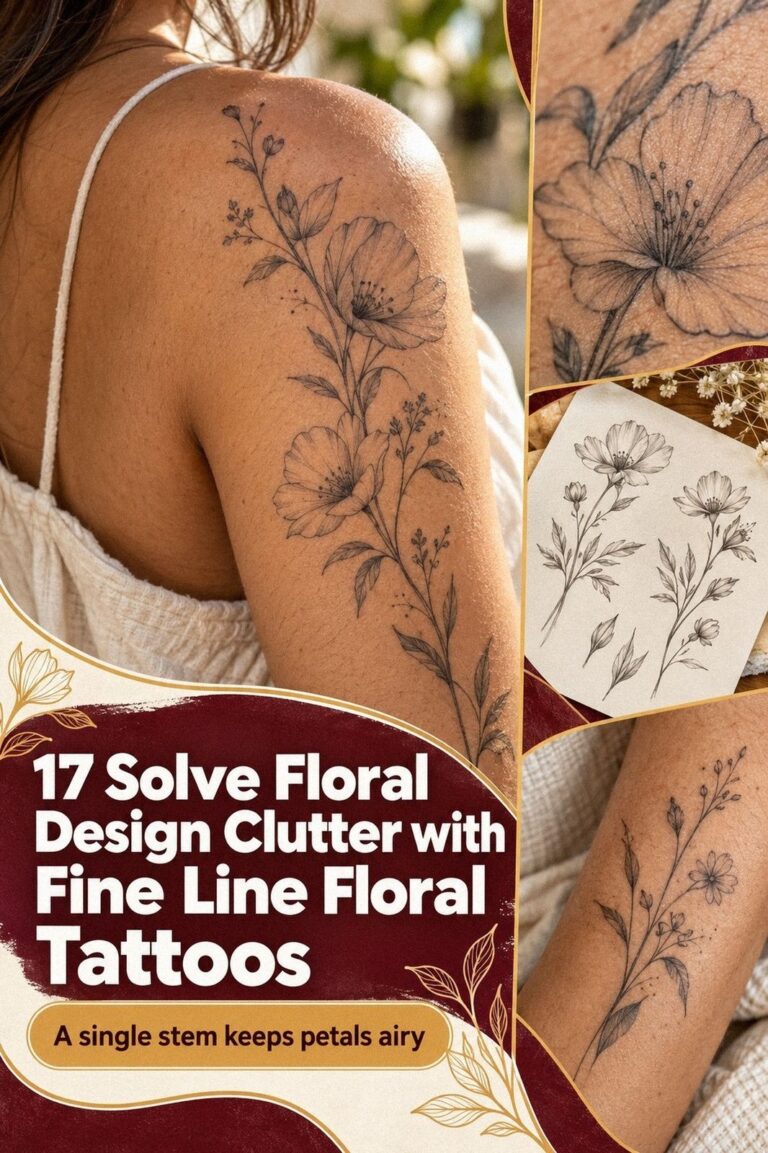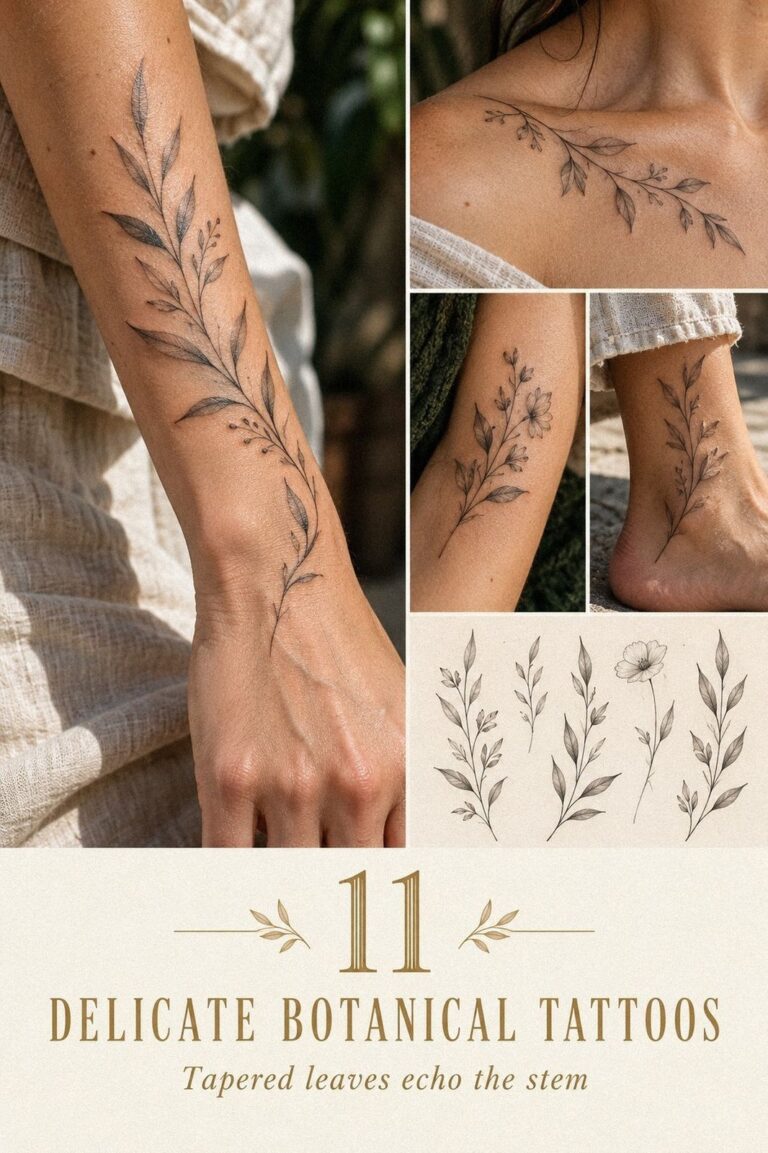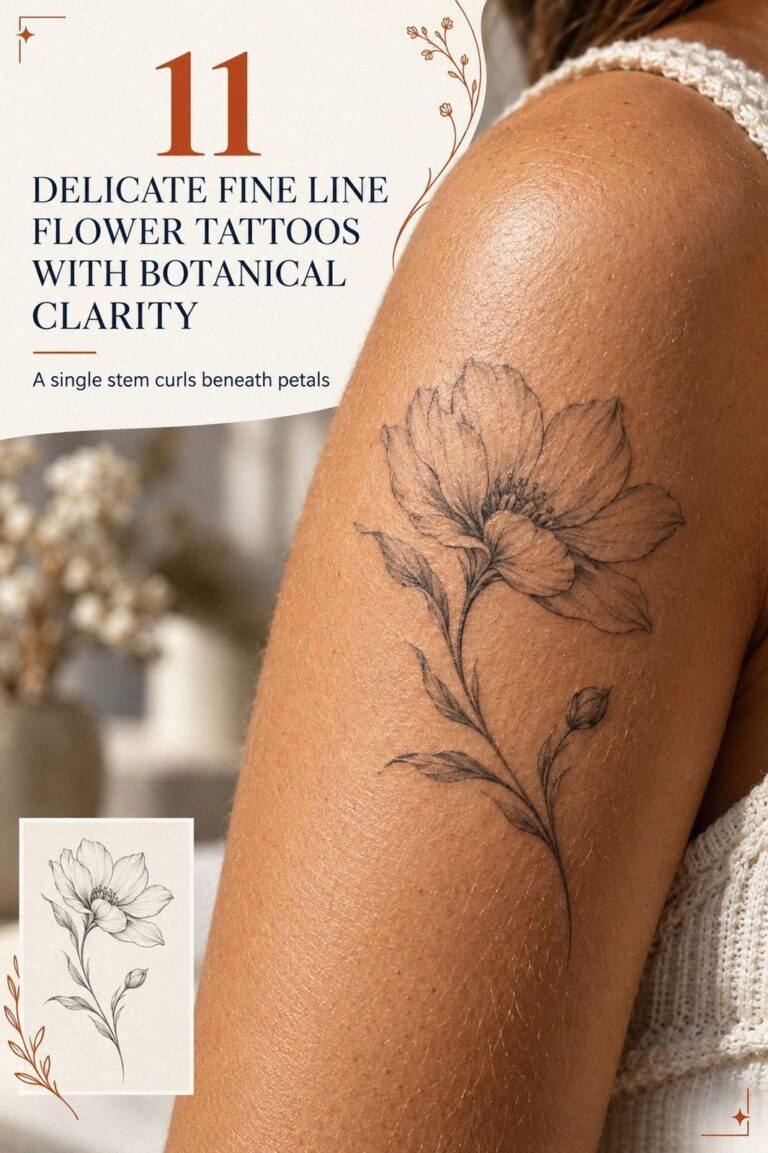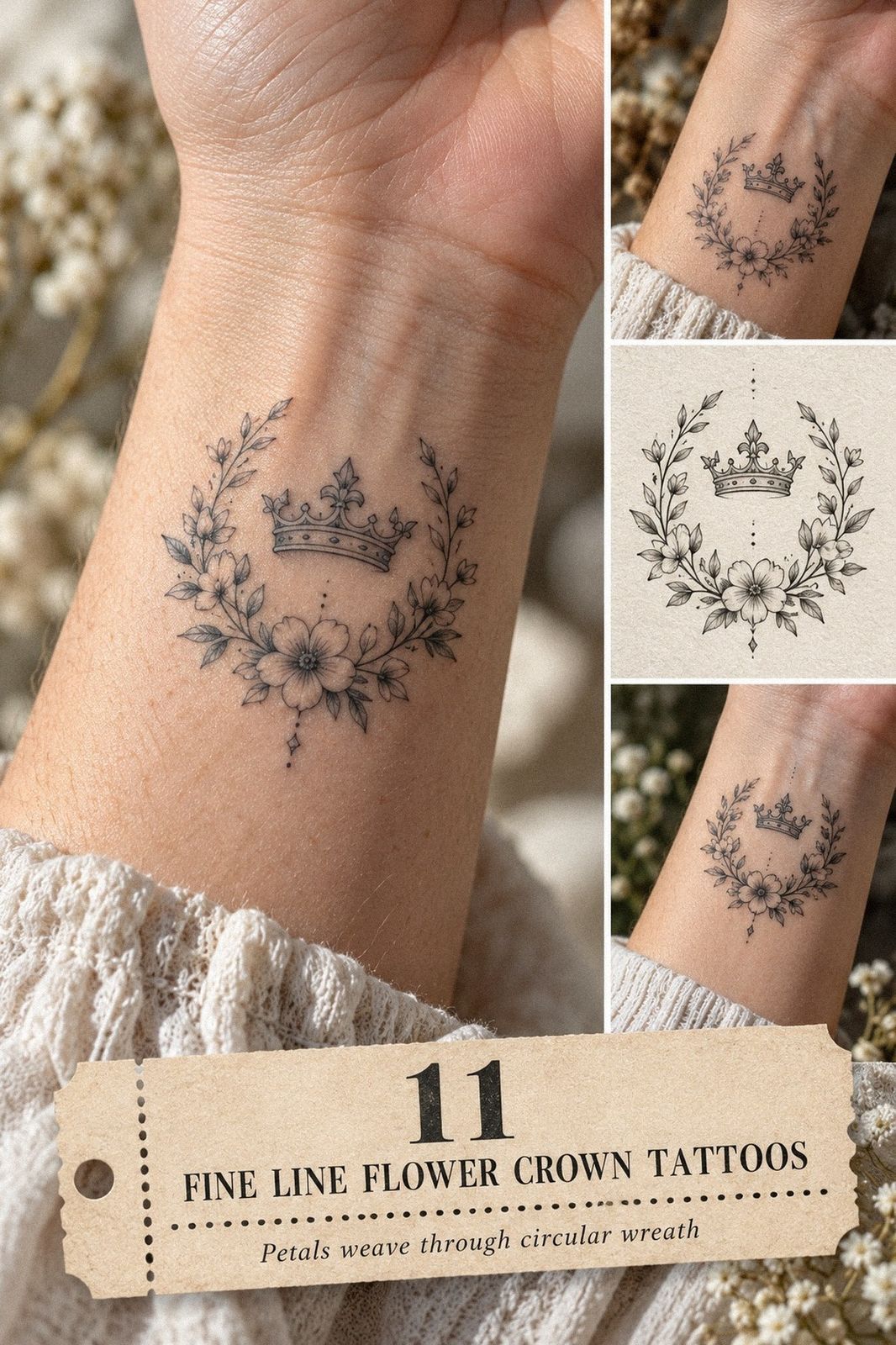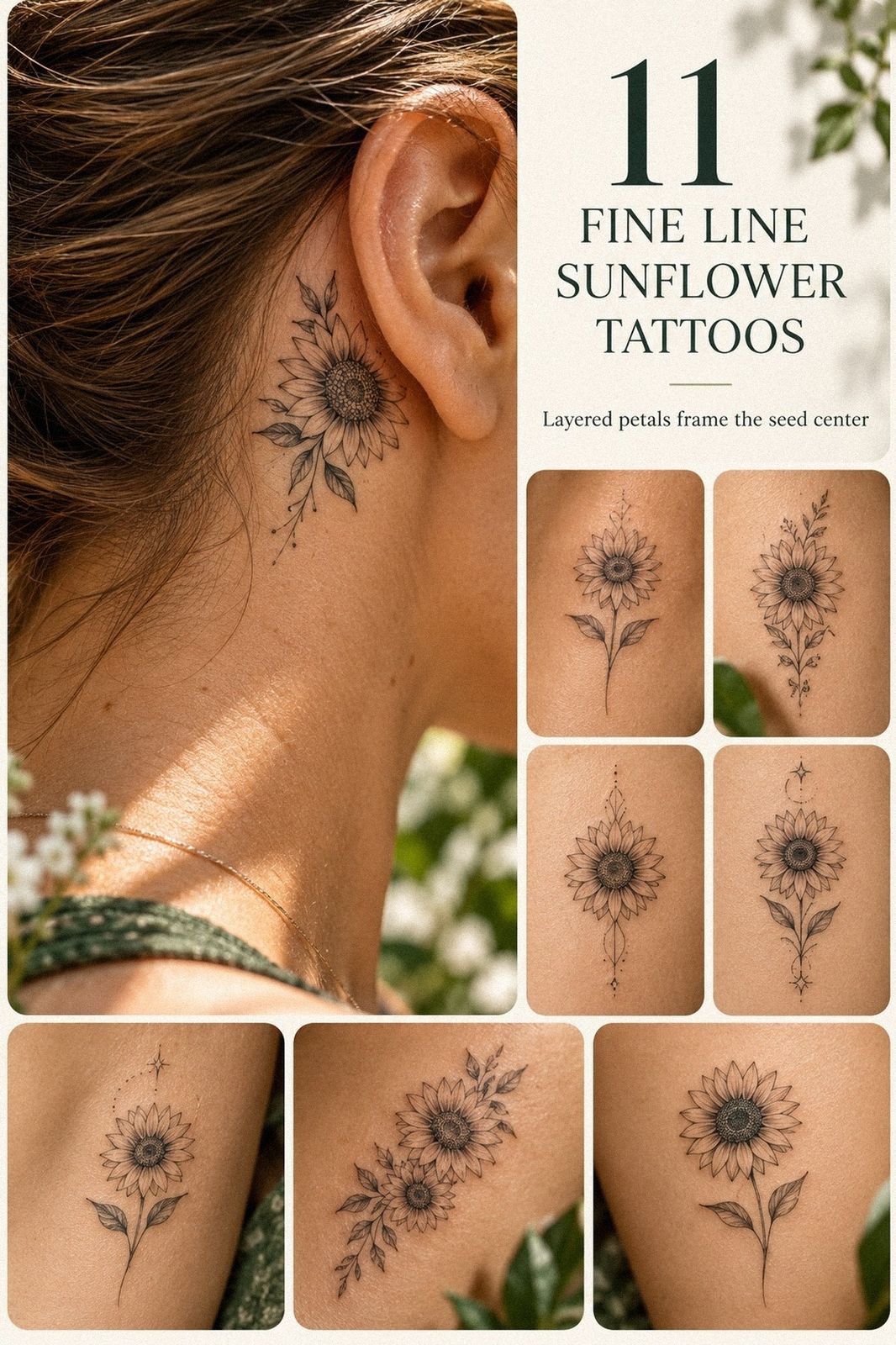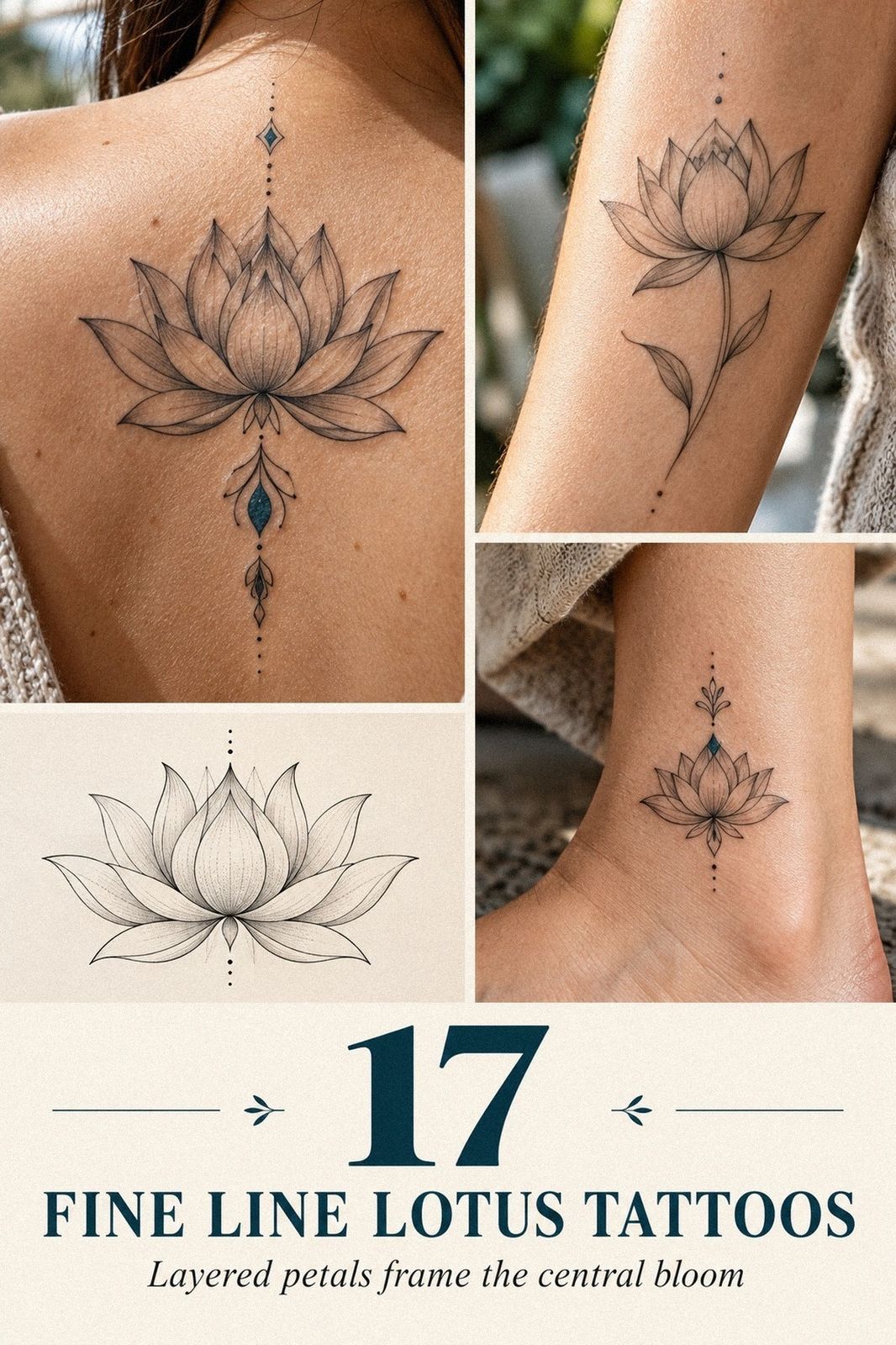
Fine line lotus tattoos can stay crisp when the design, placement, and aftercare work together. I learned that after choosing detail over breathing room, and the petals blurred sooner than I expected. These ideas keep the lotus delicate, symbolic, and readable without asking impossibly thin lines to do everything. A thoughtful design can still feel meaningful years later. Start with structure.
Small Fine Line Lotus Tattoos on the Wrist
A small wrist lotus looks striking when the bloom has space around each petal. Ask your artist for a front-facing shape with single-needle linework, a clear center, and fewer interior marks than you think you need. If you’re comparing scale, a 1 to 2 inch design usually gives the petals more breathing room than a tiny stamp.
Your wrist moves constantly, so choose a black tattoo ink design with crisp outer contours and restrained shading. I’d skip microscopic text beneath the flower. It can look dainty on the stencil, but the wrist gets sun, friction, and daily motion, which aren’t kind to crowded details.
I call this the Wrist Breathing-Space Rule. Your lotus should still read from several feet away, even if the linework feels delicate up close. A short stem, two open leaves, and one calm center create a more elegant result than seven tiny symbols competing for negative space.
Placement: inner wrist for a quieter look. Outer wrist for visibility. Side wrist for a slightly edgy angle.
If you want to compare scale before booking, look through these tiny lotus tattoo ideas and notice how much open skin surrounds each bloom. You can also save small lotus tattoos that use fewer petals.
And don’t treat the wrist like a flat page. Your artist will need to angle the stencil around the curve, and you’ll want to check it while your hand is relaxed. That small adjustment can keep the lotus graceful instead of visibly tilted.
Frame the Bloom with a Geometric Halo
A geometric halo gives your lotus an iconic outline. On the ankle, I like a thin circle or incomplete diamond around sterile needle cartridge linework, because the contrast makes the organic petals feel more expressive without adding heavy shading.
Your ankle has bone close to the skin, so you may find the session more intense than an inner forearm tattoo. The result can still be understated if your artist leaves narrow gaps between the halo and bloom. Those gaps matter, especially once swelling settles around the ankle placement.
The Halo Balance Method is simple: one geometric shape, one lotus, and no pile of symbols underneath. I’d choose a clean circle over three overlapping polygons. The circle looks timeless, while the extra geometry can make your ankle piece feel busy before it has even healed.
A warm ivory skin tone can carry black linework beautifully, but your artist should adjust stencil visibility and contrast for your skin. Ask to see healed work on a similar tone, not just fresh examples.
Fresh ink is crisp on everyone. Healed ink tells you much more.
For more floral structure, compare fine line floral tattoos before you commit. You might prefer a lotus with a halo, or a more organic arrangement with a small leaf beside it. Both can be meaningful, but they won’t age in the same way.
But don’t place the halo so close that it touches the petals. Your skin needs visual separation, and you’ll notice the difference every time you look down at your ankle. Clean spacing wins here!
Fine Line Lotus Tattoos Along the Spine
A spine lotus can look powerful without becoming large. Stack three small blooms vertically, or use one centered flower with a long, flowing stem. Your artist should mark the spine while you stand naturally, because a design that looks centered while seated can drift once your posture changes.
For this placement, I prefer fine-line stencil paper with a simple front-facing lotus and measured spacing between each element. A 2 to 4 inch vertical arrangement can feel dramatic, but you don’t need a full back piece to create movement. One bloom near the upper spine can look more refined.
The Spine Ladder concept keeps the vertical composition readable: large flower, smaller flower, then a small leaf or dot. I’d skip identical lotus stamps from neck to waist. Repetition sounds harmonious, yet it can make your back look like a ruler line instead of an intentional botanical design.
Your skin tone and natural curve matter. Medium olive skin can carry black ink with strong contrast, but delicate shading should stay light enough that the petals don’t merge. Ask your artist to leave the center open, especially if you want the lotus to remain crisp years from now.
If you’re building a floral collection, browse fine line rose tattoos for ideas about vertical flow. You can also study small fine line flower tattoos when you want a thinner, quieter spine arrangement.
And protect the placement during healing. You won’t want tight clothing rubbing fresh ink, and you should avoid swimming until the surface has closed. The linework may look soft at first, but a clear aftercare plan gives your final lotus a sharper read.
Pair a Lotus with Your Birth Flower
Pairing a lotus with a birth flower makes the design personal without forcing a long quote into your skin. On the wrist, a single-stemmed lotus with a second small bloom can feel intimate, especially when the flowers share one black ink line instead of sitting in separate outlines.
Your artist can simplify the birth flower into its most recognizable contour. I’d avoid copying every botanical detail from a reference image. A lotus already has layered petals, and adding a dense second flower can turn a graceful idea into a tangled one.
The Two-Bloom Meaning Rule keeps the hierarchy clear. Your lotus should remain the main subject, while the birth flower acts as a quieter companion.
That contrast feels romantic and symbolic, not random. You can also use one small leaf to connect them instead of adding another full blossom.
For golden tan skin, ask to review healed examples with similar contrast. A fine-line tattoo stencil should show the main outer shapes clearly, and the artist can decide whether a small amount of grey wash will support the petals. You don’t need color for the piece to feel vibrant.
Look through unique fine line lotus tattoos for combinations that use restraint. If you want the birth flower to carry more weight, fine line sunflower tattoos can show how a secondary flower changes the visual center.
I made the mistake of treating every meaningful symbol as equally important. Don’t do that. Your tattoo will feel more polished when one flower leads, one supports, and the remaining skin protects the visual hierarchy.
Fine Line Lotus Tattoos in Black Ink
A black ink flash sheet lets you judge the design before it reaches your skin. Look for a lotus with solid black anchor lines, open petal interiors, and shading that supports the silhouette instead of filling every gap. This is where a classic approach can feel unexpectedly fresh.
Your artist’s paper drawing should remain readable at thumbnail size. If it disappears into a dark tangle on the page, it won’t become clearer on skin. I’d choose bold outer petals with subtle interior marks over a fragile design that depends on ten barely visible lines.
The Black Anchor Principle gives the lotus a stable visual base. One or two darker contours can help the flower hold its shape as fine lines soften over time.
That doesn’t mean heavy blackwork everywhere. It means your design has a deliberate outer contour.
When you’re studying a flash sheet, check the off-white archival paper around the tattoos. The empty margin is useful. It shows whether the artist understands negative space, and you can compare the lotus with other floral motifs without the distraction of skin placement.
Save the designs you keep returning to, then compare them with fine line floral tattoos. You may find that a simpler lotus feels more personal than an ornate one. The strongest choice isn’t always the most intricate.
And remember that black ink doesn’t make every placement equal. Your hands, feet, ribs, and sternum may feel more painful than your thigh or shoulder, while sun exposure can affect how lines settle. Choose clarity first, then drama!
Dotwork Details: Keep the Silhouette Clear
Dotwork can give your lotus a soft, textured center without turning it into a shaded mass. On deep ebony skin, a front-facing bloom with fine black dotwork can look captivating when the dots stay clustered near the center and fade before they reach the outer petals.
Your artist should keep the dots intentional. I’d skip a full stippled background around a small lotus because the details can merge as the tattoo ages. A few dots beneath the center or inside two petals usually create enough depth for an expressive finish.
The Dot Fade Gradient is my favorite approach here. Start with closer dots where you want visual weight, then widen the spacing toward the edge. Your eye reads that change as shadow, but the skin still has enough open space to keep the flower crisp.
Ask to see healed dotwork on a similar skin tone, not only fresh work. Black tattoo pigment can settle differently across skin, and an artist who understands contrast will know when to simplify. Your lotus doesn’t need to be loud to feel powerful.
If you like the softness of stippling, compare minimalist lotus tattoos before adding more detail. You can also review small fine line flower tattoos for examples of restrained texture around small petals.
But don’t confuse more dots with more meaning. Your design should still read as a lotus from the first glance, and you’ll get a more timeless result when the texture supports the silhouette instead of competing with it.
Behind the Ear: Keep It Compact
Behind the ear, a small lotus can feel personal, playful, and slightly rebellious. The placement works best with fragrance-free transfer paper and a compact design that follows the curve behind your ear rather than sitting like a sticker on a flat surface.
Your artist may suggest a side-facing lotus or a front-facing bloom with a short stem. I’d choose the front-facing version if symbolism matters most, because the petals stay recognizable. A tiny side-facing lotus can be charming, but it may lose its center when the design shrinks too far.
The Ear Curve Test helps you decide. Hold a temporary sketch behind your ear, turn your head, and check it in a mirror. You’ll see whether the lotus disappears under your hair or catches the light when you tuck it back.
That small test can settle the placement quickly.
For fair cool-pink skin, clean black lines can look crisp and sharp. Ask about single-use ink cups and fresh, sealed supplies during your consultation. A polished studio should answer hygiene questions without making you feel difficult.
You can compare this scale with tiny fine line flower tattoo examples. If you want a slightly more visible version, tiny lotus tattoos may help you judge how much detail survives at that size.
And don’t forget daily friction. Hair, headphones, masks, and glasses can touch the area, so you’ll want a clear aftercare plan. It may be a delicate placement, but it still deserves serious healing time!
Build a Rhythm with Moon Phases
Moon phases can frame a lotus with a quiet, symbolic rhythm. On the upper arm, place the bloom at the center and let fine black crescent marks arc above it. Your design can feel sacred and ethereal without filling the entire space with stars.
I’d keep the moon sequence short. Three or five phases are enough to suggest change, cycles, and growth.
Seven tiny moons can look ornate on paper, but the row may become visual noise once the lines soften. Your lotus should remain the first thing people recognize.
The Lunar Spacing Rule gives each phase its own air. Leave a visible gap between the crescents and the petals, then match the spacing between the moons. This creates a sleek composition that feels intentional, not like symbols were added after the main tattoo.
Your artist can use healed black ink references to show how crescent tips settle. Ask where the design will sit when your arm hangs naturally, because a tattoo that looks balanced with your elbow bent can shift when your arm rests at your side.
For more floral symbolism, browse fine line sunflower tattoos and minimalist lotus tattoos. You might prefer the moon phases as tiny accents, or you may decide the lotus already says enough on its own.
And choose your symbolism honestly. A moon cycle can be meaningful, but you don’t need to explain it to anyone else. If the image feels personal to you, that’s a stronger reason than following a trend.
Fine Line Lotus Tattoos on the Ribcage
A ribcage lotus can follow the body’s natural length, which makes a single vertical stem look graceful. Use fragrance-free tattoo balm sparingly during healing, and ask your artist how much product your skin needs. Too much moisture can make the area feel sticky under clothing.
Your ribs can be more painful than an upper arm or thigh because the skin sits close to bone. I wouldn’t choose this placement only because it looks delicate under fresh ink. Choose it because you’re willing to keep clothing loose and follow healing instructions carefully.
The Rib Flow Method uses one bloom, one stem, and a slight tilt that follows your body. A perfectly rigid vertical line can look stiff, while a gentle curve feels more organic. Your artist can place the stencil while you stand and breathe normally, following your natural body curve.
For medium olive skin, ask whether subtle grey shading is worthwhile. Black and grey tattoo ink can add depth, but fine lines need restraint. I’d rather see clean petal outlines than a grey wash that muddies the center after the first few months.
If you’re collecting floral ideas, compare small lotus tattoos with fine line rose tattoos. The rose may encourage a denser design, while the lotus usually benefits from open, upward-facing petals.
But don’t schedule a rib tattoo right before a beach trip. Your skin needs time away from direct sun and swimming, and you’ll be happier with the result if you let healing happen without rushing it.
Check the Sanskrit Before You Ink
A lotus paired with Sanskrit meaning needs careful research and generous spacing. The clean split reference, with black stencil lettering on one side and healed skin on the other, is useful because it shows how the design changes after recovery.
Your artist should not guess the script from a random online image. Verify the wording and direction with a qualified language source, then bring the reference to your consultation. I’d choose a short, confirmed phrase rather than squeezing a full sentence under the flower.
The Translation Space Rule protects both elements. Your lotus needs open petals, and the lettering needs enough room to remain legible. A fine-line script stencil can look refined at 2 inches, but cramped characters may blur as the tattoo ages.
A clean black design can feel empowering and personal when the meaning is yours. Ask your artist to show healed lettering, especially if the phrase is small. Fresh lines often appear sharper than they will once the skin has fully settled.
You can compare floral symbolism in fine line floral tattoos. If you want the lotus to carry the full message, minimalist lotus tattoos may help you remove text that isn’t essential.
And don’t let anyone pressure you to add a translation just because the script looks stylish. Your tattoo should be meaningful first, expressive second, and decorative only after those choices are secure.
For Matching Sisters, Vary One Detail
Matching sister tattoos don’t need to be identical to feel connected. Choose the same lotus outline with different sterile black ink accents, such as one tiny dot, one moon, or one birth flower. Your shared design can be meaningful without making both tattoos feel copied.
For an ankle placement on deep brown skin with warm undertones, ask for healed examples that show clear contrast. A bold outer contour with a delicate center can stay readable, while overly pale shading may disappear into the design. Your artist should explain the choices plainly.
The Twin Variation Rule keeps the bond visible. I’d match the lotus silhouette and placement, then let each sister choose one small difference.
One can have an open stem, the other a leaf. That feels more meaningful than forcing two identical tattoos onto different bodies.
A fine-line stencil sheet can help you compare the designs side by side before the appointment. Check whether the flowers share the same scale, angle, and petal count. If you’re traveling together, leave time for a real consultation instead of treating the appointment like a quick errand.
Save unique fine line lotus tattoos for variation ideas, then compare small fine line flower tattoos if one sister prefers a smaller mark. You can keep the meaning aligned while respecting different taste.
And talk about aftercare together. The surface usually heals in about 2 to 3 weeks, while complete settling can take around 2 to 3 months. You’ll want both tattoos protected from sun and swimming during that early window.
The Collarbone Lotus Needs a Clear Center
A collarbone lotus can look bold and feminine when the bloom follows the body’s natural line. Keep the center open, then let the stem angle slightly toward the shoulder. A perfectly centered flower may look stiff once you move, while a measured tilt can feel more flowing.
Ask your artist to test the collarbone placement while you stand, relax your shoulders, and turn your head. The skin shifts more than people expect. I’d also check the stencil with your usual neckline, because friction from straps and collars can affect early healing.
This is a good location for a single-bloom design with one leaf or a tiny crescent. Adding a quote, birth flower, and halo can make the area feel crowded. If you’re weighing the value of extra detail, I’d spend that budget on better spacing and a portfolio review.
The collarbone can be sensitive, but the result may feel especially personal. Choose a strong silhouette that still reads when your arm is relaxed. A clear outline usually gives you more long-term value than fragile interior texture.
Can a Fine Line Lotus Work on the Forearm?
Yes, and the forearm is one of the easier placements for a readable lotus. The skin offers useful length, visibility, and generally tolerable sessions. You can choose a vertical forearm composition or a smaller bloom that follows the wrist toward the elbow.
A front-facing lotus works well here because people can recognize it immediately. For a more expressive result, angle the flower slightly and let the stem follow the muscle. Your artist should check the design with your arm both relaxed and turned.
Forearm tattoos still receive sunlight, so ask how the design may settle over time. A healed portfolio matters more than a fresh result. If an artist’s work remains readable after recovery, the appointment may be worth the investment.
I’d avoid squeezing tiny script between the petals. The forearm gives you more skin, but that doesn’t mean every open section needs another mark. A crisp lotus with one strong idea can feel iconic rather than crowded.
One Stem, One Decision
A single-stem lotus is minimal without feeling empty. The flower can carry the meaning, while a long stem gives the eye a graceful path. I like this approach for the inner arm, ribs, spine, or ankle when the wearer wants a personal design with a quieter footprint.
The stem should support the bloom rather than compete with it. Ask for a flowing stem line that follows your anatomy, then decide whether one leaf or a small dot genuinely adds something. Each extra detail has to earn its place.
This can be a smart choice when you’re watching your budget. A smaller appointment doesn’t automatically mean less meaningful work. In fact, a focused design often gives you better value because the artist can spend more attention on placement, line control, and clean spacing.
I wouldn’t call a one-stem lotus plain. It can be minimal, symbolic, and quietly powerful at the same time. If you keep returning to the same simple reference, that may be the design with the strongest personal pull.
Skin Tone Changes the Contrast
Fine line tattoos can look different across skin tones, so judge the design by healed examples rather than assumptions. Ask to see similar skin-tone work, especially when the lotus depends on very light shading or close-set interior marks.
On deeper skin, a clear outer contour and deliberate spacing can help the flower stay readable. On fair skin, soft grey wash may show more readily, but too much contrast can make a small lotus feel harsh. Your artist should adapt the design instead of forcing one formula.
Golden, olive, cool, and deep undertones all change how stencil marks and healed ink appear. Bring questions about contrast planning to the consultation. A confident artist will explain what they would simplify and why.
The best value comes from a design made for your skin, not a copied reference. You don’t need a loud tattoo for it to feel vibrant. You need an artist who understands how line weight, placement, and healing interact.
Bold Outline or Whisper-Thin Detail?
A bold outline gives the lotus a strong silhouette. Whisper-thin interior lines create a more delicate, ethereal mood. The most timeless designs usually combine both: a slightly stronger outer contour with restrained details inside the petals.
I’d be cautious with a design made entirely from hairline marks. It may look intricate at first, but those lines can soften into one another. A controlled line-weight plan gives the tattoo a better chance of remaining readable.
That doesn’t mean choosing heavy blackwork. A crisp outer petal, open center, and a few expressive marks can feel sleek without losing the feminine quality many people want from a lotus. If you prefer a masculine or more edgy result, a sharper geometric halo can shift the mood.
Ask your artist to explain which lines are structural and which are optional. If removing three details makes the lotus stronger, remove them. The point isn’t to prove how much can fit.
It’s to protect the design’s meaning.
Why Do Fine Line Lotus Tattoos Stay Crisp?
Crispness starts before the appointment. Your artist controls line spacing, ink saturation, placement, and scale, but your skin and daily habits matter too. I prefer a design that leaves breathing room over one that looks impressive only while the stencil is fresh.
Fine lines can soften or widen over time, especially when a design is crowded or repeatedly exposed to ultraviolet light. Broad-spectrum sunscreen belongs in your long-term routine once the tattoo has fully healed. It won’t freeze the image in place, but it can help protect the contrast you paid for.
Your placement changes the odds. Forearms, thighs, and shoulders are often more tolerable than ribs, feet, hands, or sternum during the session. Areas with friction or frequent sun exposure may need more practical planning, and you’ll want to consider those friction points before choosing a delicate lotus.
A typical studio may charge a minimum of about $50 to $100, while hourly rates often sit around $100 to $250 in the US. Small fine line lotus tattoos commonly land around $100 to $300, but your artist, region, size, and placement can shift the quote.
If you’re still comparing options, use fine line rose tattoos and fine line floral tattoos to study line density. The prettiest reference isn’t always the wisest one for your skin. Choose the design that can age with dignity.
What Should You Budget for a Fine Line Lotus?
A small lotus may fit within a studio minimum, while a larger piece with lettering, geometric details, or multiple flowers can cost more. Ask for a written studio quote before booking so you know whether the price is based on size, time, or the artist’s minimum.
The lowest price isn’t automatically the best value. Review healed work, hygiene practices, placement advice, and communication before comparing numbers. A tattoo can be worth the extra spend when the artist has a consistent record of clean, readable results.
Your budget should also include aftercare products and possible touch-up planning. Don’t book at the absolute edge of what you can afford if it means rushing the decision. You want enough room to choose the right artist and a design you’ll still find meaningful.
For a simple lotus, a realistic US budget may be around $100 to $300. Larger or more intricate work can move beyond that range. Your region, artist, skin tone, placement, and design complexity all affect the final cost, so treat online prices as a starting point rather than a promise.
Why I Choose Structure Over More Detail
I used to think a meaningful tattoo had to carry every symbol at once. A lotus, a phrase, moon phases, a birth flower, and tiny stars all seemed like valid pieces of the same story.
Then I saw how quickly a crowded design loses its quiet power. I changed my mind.
Fine line tattoos reward editing. One clear lotus with a measured center can feel striking compared with a complicated composition because your eye knows where to land. If you’re choosing between additional detail and more open skin, I’d choose open skin almost every time.
That doesn’t mean your tattoo needs to be minimal. An intricate halo, a birth flower, or a symbolic phrase can work beautifully when the hierarchy is clear. The question is whether each mark helps the lotus read, or whether it only proves that you had more ideas.
I also wouldn’t promise that any fine line tattoo will remain unchanged for decades. Skin moves, ink settles, and life adds variables nobody can control. What you can control is choosing an artist with healed portfolio work, a sensible size, clean technique, and an aftercare plan you’ll follow.
Your first decision should be the idea you still want when the trend has moved on. Your second should be the placement that fits your actual life. If you make those choices carefully, the result can stay elegant, meaningful, and readable enough to keep earning your attention.
That is the part I trust. Not a guarantee, not a dramatic sales line, just a thoughtful design with enough room to breathe. And if you keep returning to the same lotus reference after several weeks, you probably already know which one belongs to you.
What People Always Want to Know
How much does a fine line lotus tattoo usually cost?
In the US, a small piece often costs about $100 to $300, while studio minimums may be around $50 to $100 and hourly rates about $100 to $250. Your artist, region, placement, and detail level will change the quote, so request a clear estimate before booking.
Are fine line lotus tattoos a good idea for a first tattoo?
Yes, especially when you choose a tolerable placement and a design with open spacing. A small lotus can feel deeply significant for a first tattoo. Forearm, thigh, and shoulder placements are often easier to manage than ribs, feet, hands, or sternum.
How do I choose a tattoo artist for fine line lotus tattoos?
Review a portfolio with clean linework and healed examples, then ask about single-use supplies and studio hygiene. Look for an artist whose work stays readable after healing, not only fresh pieces with bright surface ink.
How much do fine line lotus tattoos hurt?
Pain varies by person and placement. Ribs, feet, hands, and sternum can feel more intense, while the forearm, thigh, and shoulder are often more tolerable. Your pain level may still be manageable if the design is small and your artist works steadily.
How long does a fine line lotus tattoo take to heal?
The surface usually heals in about 2 to 3 weeks, while complete settling can take around 2 to 3 months. Wash gently, moisturize as directed, and avoid sun and swimming during early healing.
What’s the best placement for fine line lotus tattoos?
The forearm, thigh, or shoulder can offer easier visibility and generally more tolerable sessions. Your ribs, feet, hands, and sternum can look striking, but those areas may hurt more and experience more friction or movement.
Where I’d Start First
If I had to pick one, I’d start with the small wrist lotus. Its open petals stay readable, the placement is easy to see, and the design won’t depend on fragile micro-detail. Pin this guide for later and compare it with our tiny lotus tattoo ideas before booking.