Tiny sunflower tattoos can make a smart first tattoo when you choose clear petals, a readable stem, and a placement your skin can carry. I once picked a design that was too crowded, and the details blurred faster than I expected. You’ll find striking sunflower ideas here, plus healing, cost, and placement notes. Save the one that still feels personal tomorrow!
- Choose Fine-Linework for a Readable Bloom
- Why Does Behind-the-Ear Placement Work?
- Birth-Month Details Make the Sunflower Personal
- Black and Gray Versus Full Color
- Wrist Flash Helps You Edit Before Booking
- Hide an Initial Beneath the Bloom
- Can the Collarbone Carry a Tiny Sunflower?
- Geometry Behind the Ear
- Finger Sunflowers and the Maintenance Tradeoff
- Add Color Without Losing Botanical Clarity
- What Does Growth Mean to You?
1Choose Fine-Linework for a Readable Bloom

Fine-line tiny sunflower tattoos work best when the flower has one stem, layered petals, and enough open skin between each mark. On fair cool-pink ribs, the black design looks delicate linework but still readable. You’ll want the artist to keep the center crisp, because a crowded seed pattern can turn muddy as the tattoo settles.
I’d ask for single-needle linework only if the artist’s healed portfolio proves they can keep those details clear. The fresh stencil may look almost weightless, but you’re choosing permanent ink, not a pencil sketch. I’ve seen the finest petals lose their rhythm when the design is packed too tightly.
The strongest version uses a narrow stem, two small leaves, and a clean flower head. A black ink outline gives the piece a more timeless edge than gray alone. If you’re comparing references, this tiny floral tattoo collection can help you notice spacing instead of copying a shape.
Ribs can feel sharper than an arm placement because the skin sits close to bone. That doesn’t mean you can’t choose it, but you should arrive rested and hydrated. Your artist may suggest a slightly larger flower so the petals won’t vanish into the skin over time.
Keep the reference minimal composition, crisp, and easy to read from a few feet away. You don’t need five leaves or a halo of dots to make the sunflower meaningful. One clean stem can carry the whole idea, and that restraint is what makes this option so elegant.
2Why Does Behind-the-Ear Placement Work?
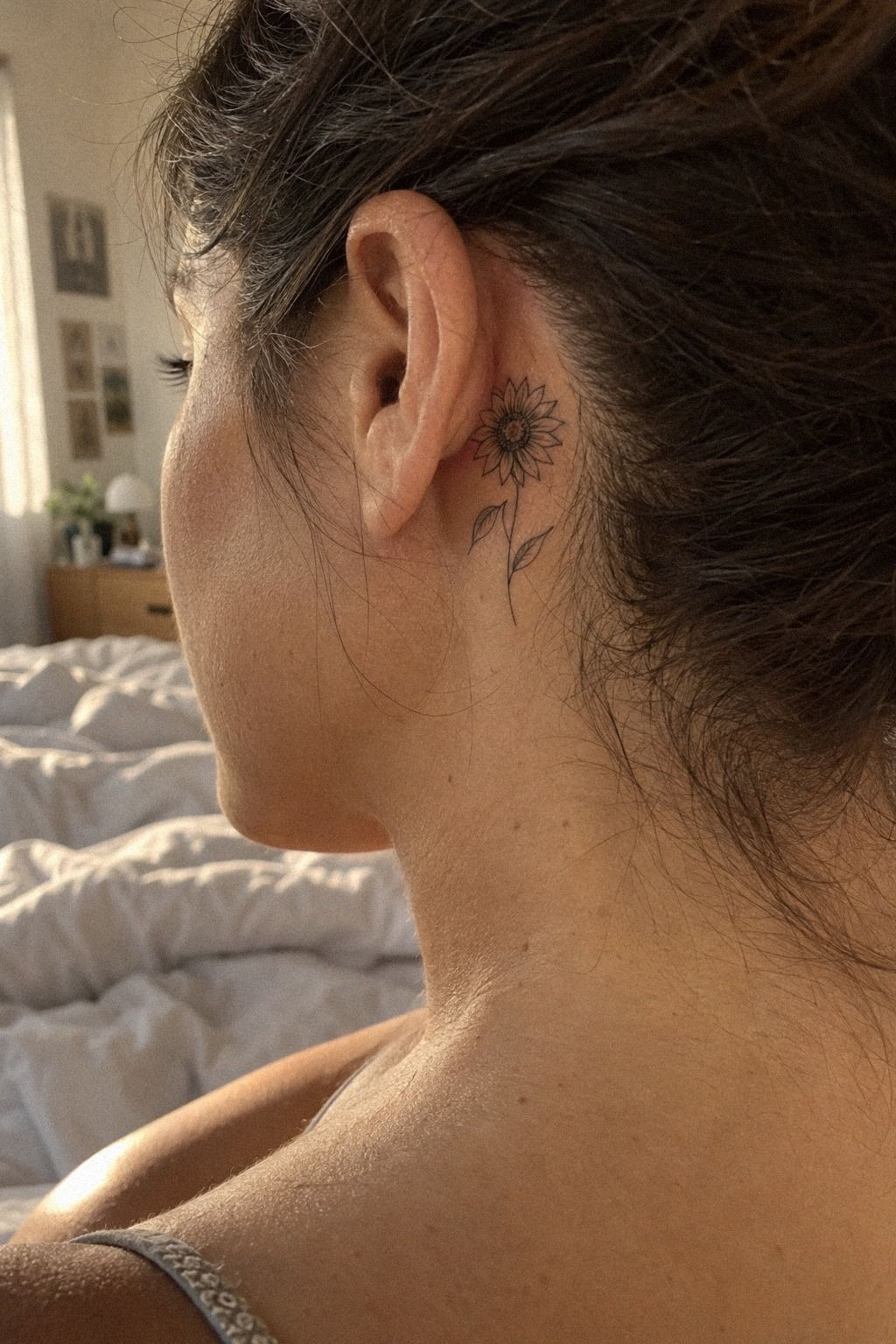
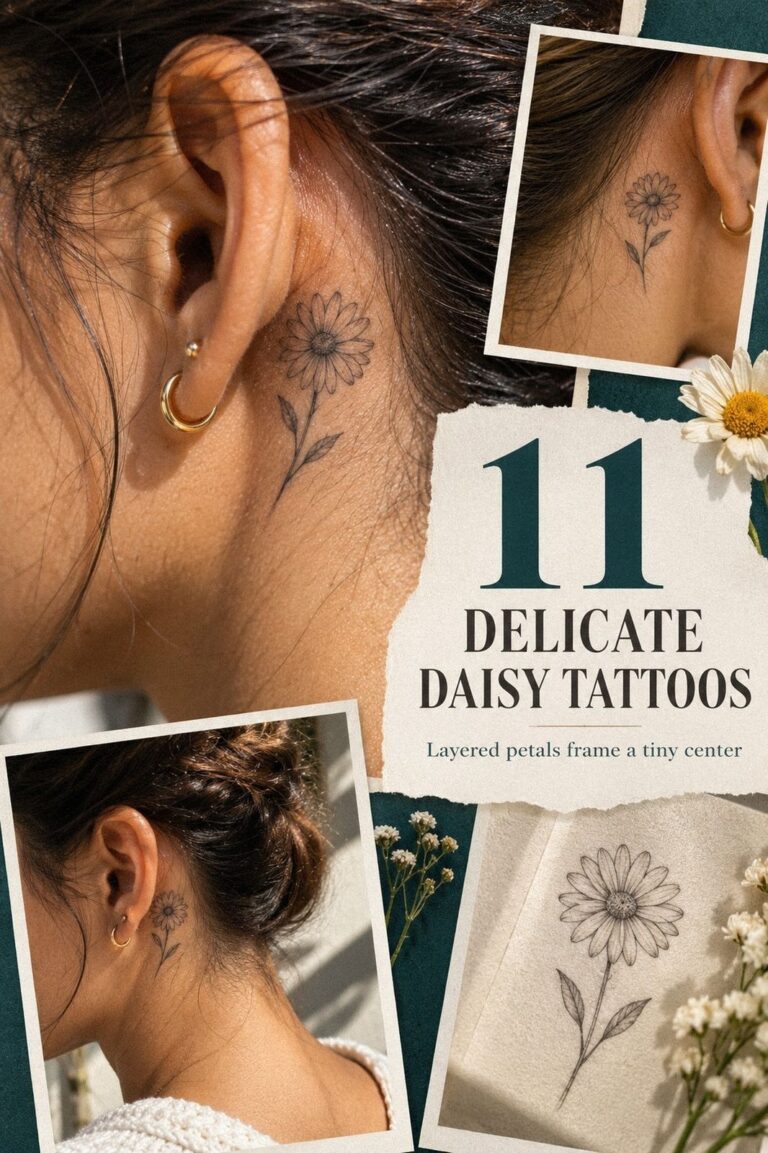
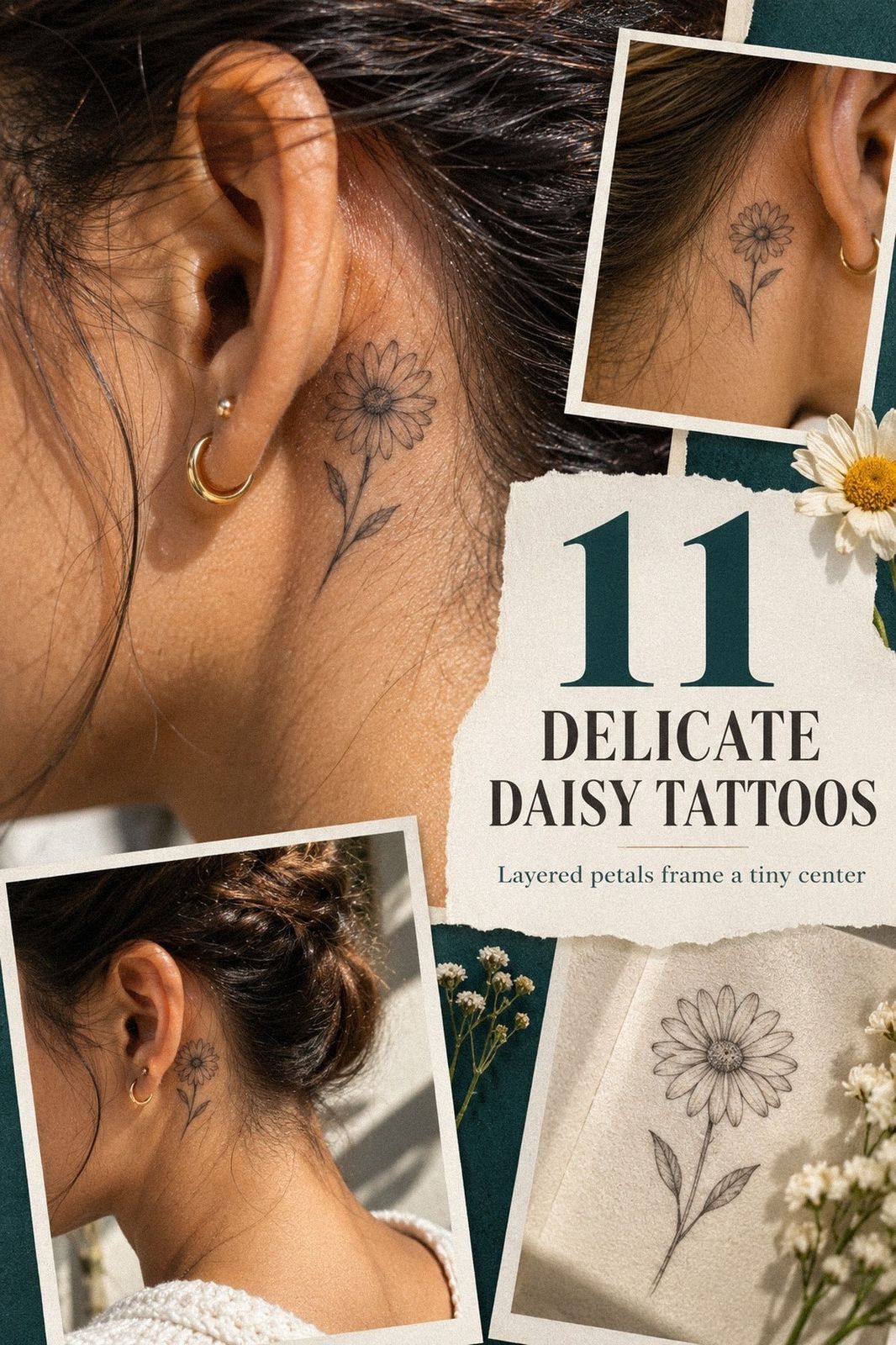
Behind-the-ear small sunflower tattoos create a sleek accent that can disappear beneath your hair or show when you want it visible. One stem and a small leaf usually work better here than a full bouquet because the curved skin gives the design very little room.
You’ll want to consider your hair, glasses, and how often that skin sees sun. I’d skip an oversized flower.
It can crowd the curve behind the ear and lose the dainty scale that makes the placement work. A compact design with layered petals will look more intentional.
The best stencil has a clear center, a gently flowing stem, and no unnecessary shading. Stencil transfer paper should show the placement before the artist begins, so you can turn your head and check the angle. That little test matters!
Behind-the-ear tattoos can be more sensitive than an upper arm, though many people find the session brief. You’re still dealing with a delicate area, so follow your artist’s washing and moisturizing instructions. Don’t scratch if the surface flakes during healing.
If you like this scale but want more visibility, compare it with these small sunflower tattoo placements. They’ll give you a better sense of how the same flower changes when your skin has more room. I’d keep this version graceful styling, neat, and quietly stylish.
3Birth-Month Details Make the Sunflower Personal
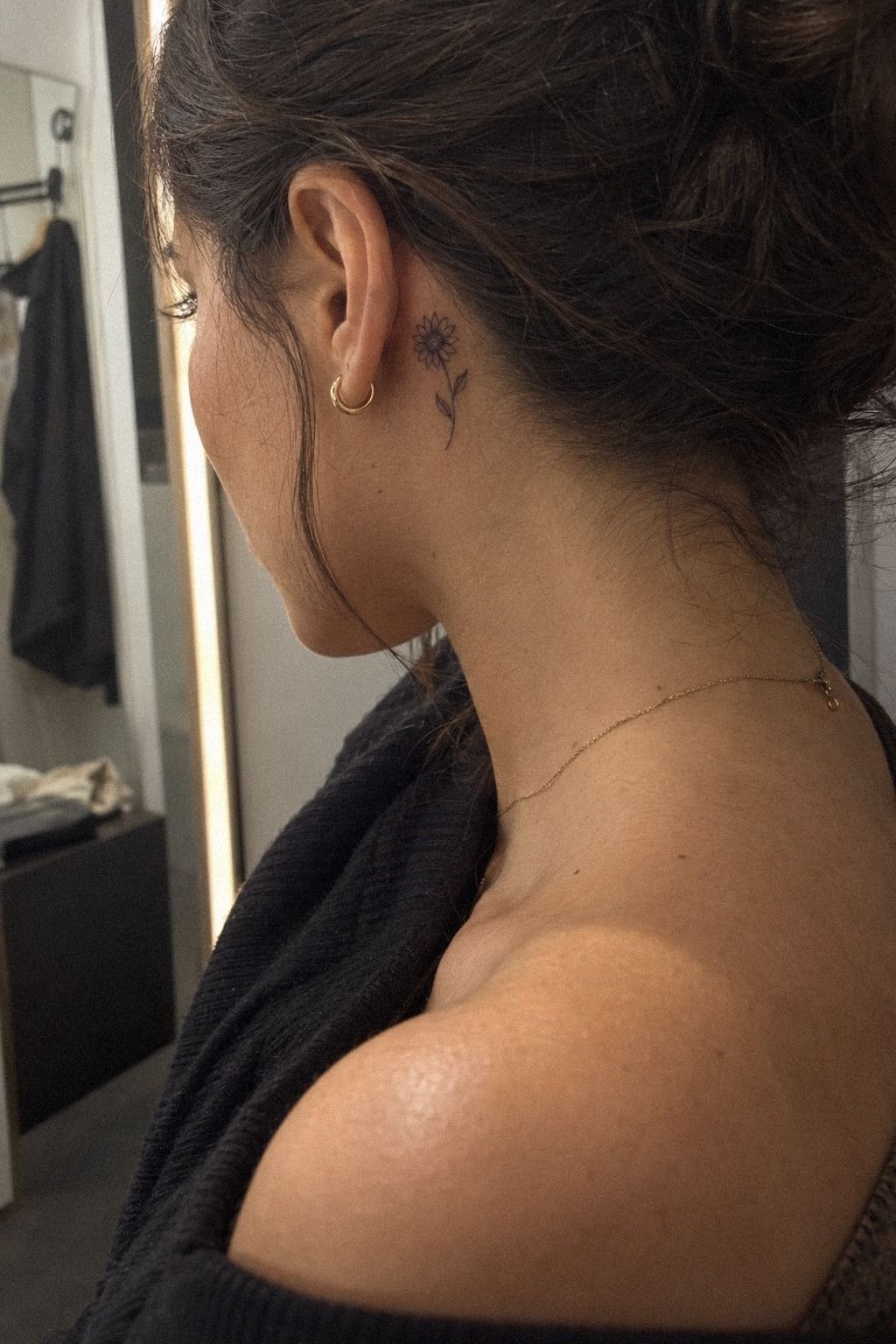
Birth-month details turn tiny sunflower tattoos into something more meaningful symbolism than a copied motif. You could use a birth flower, a date, or one discreet initial beneath the stem.
I’d avoid squeezing a full birth chart into the design. That gets busy fast. A birth-flower symbol can be enough, especially if your artist uses consistent line weight.
The added mark should support the sunflower instead of competing with it.
The most symbolic detail keeps the sunflower recognizable first. Maybe your month becomes one extra leaf, a small number, or a tiny star beside the stem. I’ve gone back and forth on hidden dates, but the best ones don’t require an explanation before they feel right.
Use this sunflower tattoo meaning guide if you’re still deciding what the flower represents. Your final design should reflect your own reason, not a generic list of meanings. If the date matters deeply, double-check every number before the stencil touches your skin.
A fine black outline will keep the piece clear while the birth detail stays secondary. The result can feel personal, sacred, and quietly empowering without looking like a miniature scrapbook. Ask your artist to show you the full-size stencil first, because tiny details can look very different on curved skin.

4Black and Gray Versus Full Color
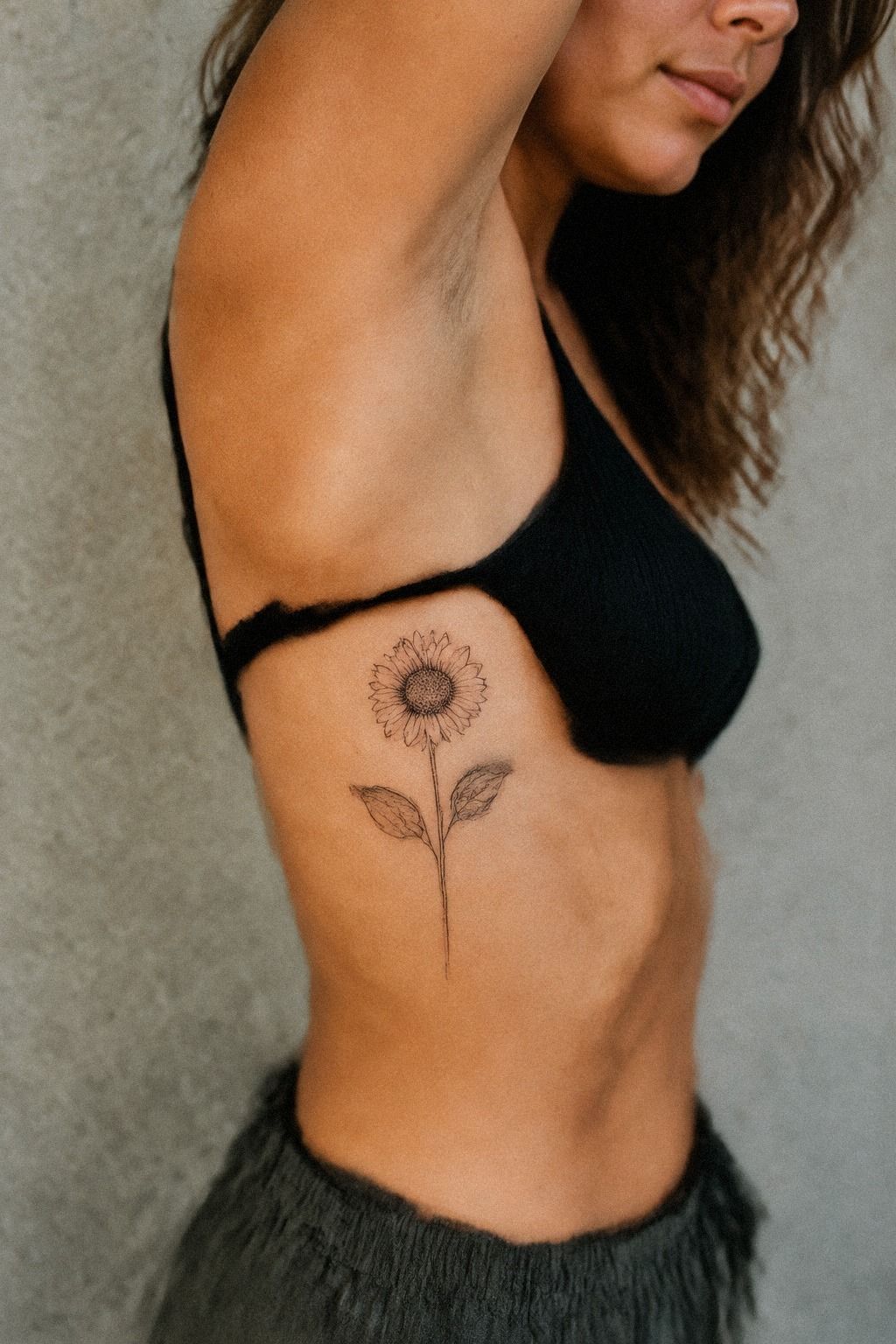
Black-and-gray sunflower tattoos can look raw shading and expressive without relying on color. A curved stem and gray wash inside the flower head can create depth while keeping the overall design compact.
I’d choose gray wash carefully. Too much can flatten the petals, while too little may leave the center looking unfinished.
A graywash ink blend should create separation between the layers, not turn the sunflower into a smoky circle. You’ll want to see healed examples before committing.
This design has an edgy outline because the petals stay fine while the shading adds weight. But don’t let the artist overwork a small placement just to make the tattoo look intense. Extra detail doesn’t automatically create better value.
If you like the unusual direction, browse these unique flower tattoo ideas. You’ll notice that originality often comes from proportion, not random symbols. A slightly tilted bloom or uneven leaf can feel more daring than a crowded composition.
Sensitive skin and clothing friction can make healing annoying. Keep fabric loose for the first few days, follow your artist’s aftercare, and avoid direct sun. The final look should be bold contrast at the center and polished edges around the petals.
5Wrist Flash Helps You Edit Before Booking

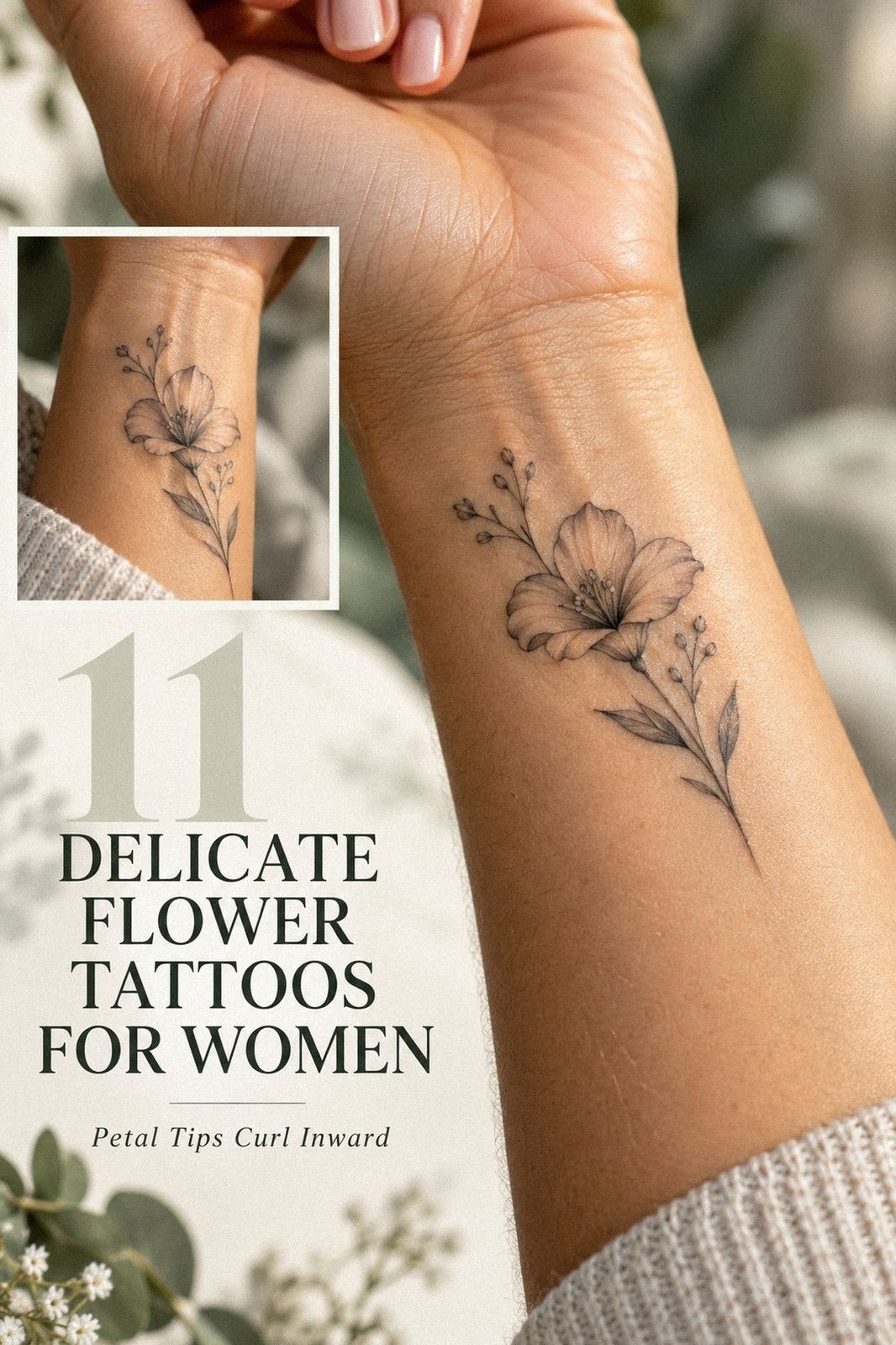
A wrist sunflower can be vintage-inspired without looking dated. Compare stem angles, petal counts, and tiny center details before choosing one. The best flash reference gives you a starting point, not a design you must copy exactly.
I like flash sheets because they force you to edit. You’ll see a plain bloom, a stemmed version, and perhaps one with small leaves. A black flash design gives you a clearer starting point than an overly complicated sketch, and your artist can adjust the scale for your wrist.
The wrist is visible, easy to monitor during healing, and often simple to photograph. It can also rub against sleeves and watchbands.
I’d place the flower slightly to the side rather than directly under a tight strap. That choice is practical, not just aesthetic.
If you want a similar floral scale with a different flower, compare these tiny rose tattoo designs. You’ll see how a compact outline can remain ornate without becoming crowded. Honestly, a simple flash design is often more iconic than an overworked custom sketch!
Ask whether the artist can show healed wrist tattoos, not only fresh work. Your skin will soften the lines as it heals, and the wrist gets plenty of movement and sunlight. Choose the understated design if you want a sunflower that won’t compete with every bracelet you wear.
6Hide an Initial Beneath the Bloom
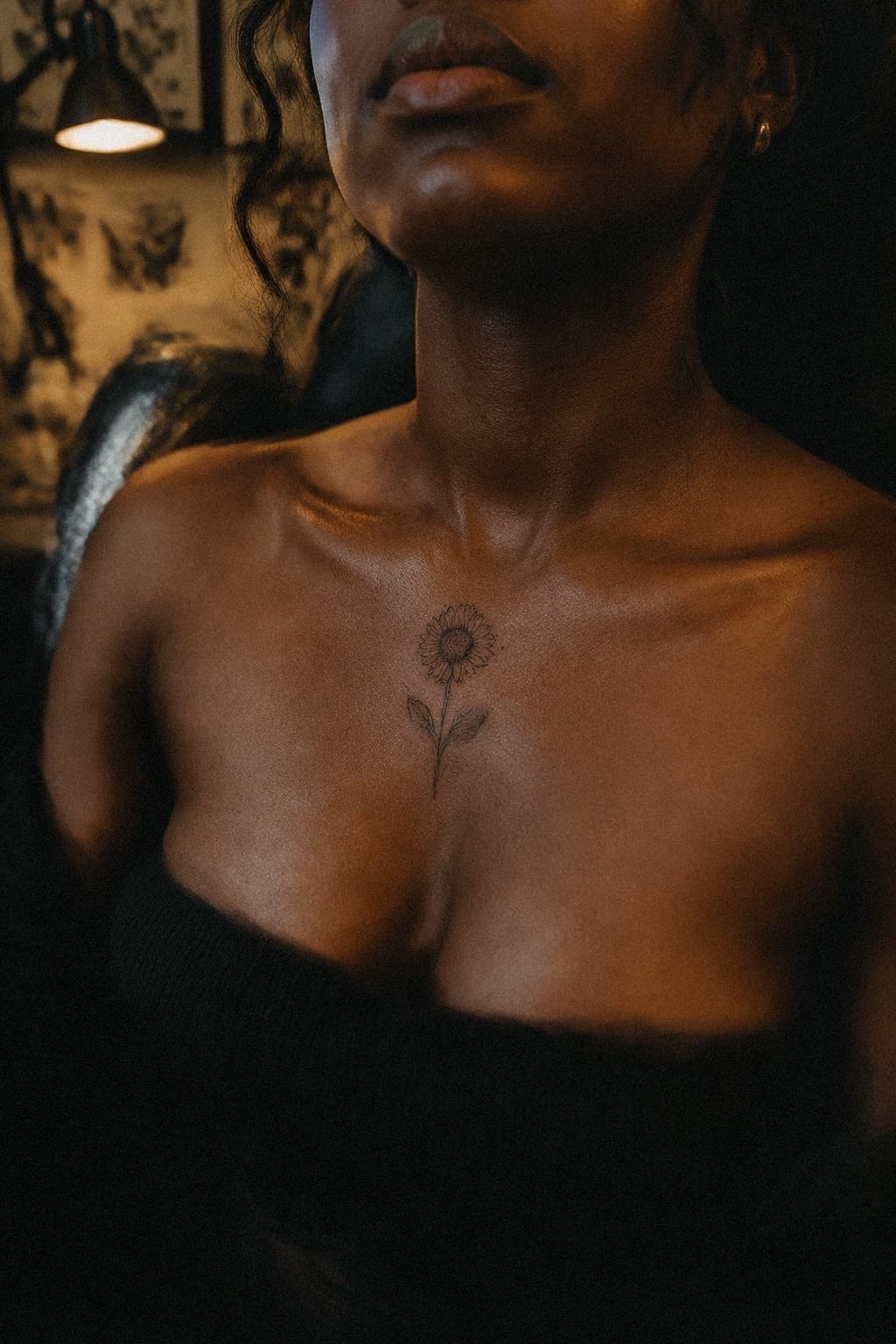
A tiny sunflower on the sternum can hold a hidden initial beneath the flower head or inside the stem.
7Can the Collarbone Carry a Tiny Sunflower?

Small sunflower tattoos on the collarbone have a naturally graceful curve because the stem can follow the bone without looking forced. Fine black lines can feel light here, even without color ink.
I’d angle the bloom slightly toward the shoulder rather than pointing it straight down. That gives your design movement and keeps the petals from looking stiff. A fine-line stencil should follow your anatomy, not float above it.
The collarbone is visible in tanks and open shirts, but you can cover it easily when needed. That flexibility makes it a strong first-tattoo choice. You’ll also be able to watch the surface during healing without twisting around or using a mirror.
If you’re weighing several flower shapes, compare these tiny floral tattoo ideas. Your favorite may be the one with fewer marks. I’d skip extra stars and script here, because the collarbone already gives the sunflower a natural frame.
Use a narrow stem, two leaves, and layered petals with clean gaps. The result can feel vibrant color-free, feminine, and refined without becoming fussy. Ask your artist how the design will sit when your shoulder moves, since a tattoo that looks straight at rest may shift during ordinary movement.
8Geometry Behind the Ear

Geometric accents can give a behind-the-ear sunflower a more sharp structure without overpowering the flower.
9Finger Sunflowers and the Maintenance Tradeoff

Finger tattoos need a realistic conversation about fading and touch-ups. A tiny sunflower running along the finger can feel fierce, but it won’t behave like a tattoo on the upper arm.
I’d choose a bold enough outline to survive frequent washing and hand movement. A solid black center can help the flower stay legible, while ultra-thin interior marks may soften first. You’ll want your artist to explain the tradeoff before choosing a miniature design.
Hands see more friction, soap, sunlight, and movement than most placements. That doesn’t mean the tattoo is doomed, but you should expect maintenance to be part of the long-term cost decision.
For another compact floral direction, browse these small rose tattoo ideas. You’ll see how artists simplify petals for high-use areas. A finger sunflower can still look bold and stylish when the artist prioritizes the outer shape.
Your tattoo may need a touch-up after it has fully settled, depending on how your skin responds. Don’t judge the result during the first week. Let the surface heal, keep it away from unnecessary sun, and follow the studio’s instructions before making changes.
10Add Color Without Losing Botanical Clarity

Color can make a tiny sunflower feel vibrant and playful while the black botanical structure keeps it readable. I’d use color selectively rather than filling every petal.
Keep the color limited to the petals or center. A yellow tattoo pigment can make the flower feel alive, but too many shades may blur the clean linework that gives the idea its shape. Ask how the chosen colors tend to heal on your skin tone.
Fresh ink is not the final look. Lines soften, color settles, and small gaps may become less obvious. I like a design that lets you judge the healed result rather than relying on a dramatic first-day effect.
If you prefer a more fluid style, compare this watercolor sunflower tattoo guide. Watercolor effects can be ethereal, but they need a strong outline underneath. A botanical black outline is the part I wouldn’t sacrifice.
Keep the design personal instead of chasing the brightest palette. A small sunflower with two colors can feel whimsical and organic without looking loud. If you’re nervous about color as a first-timer, ask for a black-and-gray stencil plus a small color test during consultation.
11What Does Growth Mean to You?

A tiny sunflower on the upper arm can symbolize growth without spelling out the message.
The Fine-Line Choice I’d Make Again
I’ve learned that a first tattoo doesn’t need to explain your entire personality. My earliest design tried to carry too many details, and the result looked clever on paper but cramped on skin. With a sunflower, I’d rather see one readable bloom, one intentional stem, and enough open space for the ink to settle gracefully.
The choice between fine line, black and gray, and color comes down to what you’ll still enjoy after the novelty wears off. Fine line can look ethereal, but it needs an artist who understands restraint.
Black and gray feels classic and often gives the petals more depth. Color can be romantic, but it asks you to accept a changing palette as the tattoo heals.
Placement matters just as much. Your ribs, feet, hands, and sternum may feel more painful because they sit close to bone, while your upper arm, thigh, shoulder, or forearm may be more tolerable. Match the design to your tolerance and daily habits.
I’d also choose an artist by healed work, not follower count. Look for clean linework, consistent spacing, clear hygiene practices, and photographs taken after the surface has settled.
Ask direct questions about touch-ups, sunlight, and aftercare. A good artist won’t rush you into a design because it looks captivating in a reference.
For me, the winning sunflower is polished, personal, and a little whimsical without needing decoration around it. You’re allowed to pause before booking. The right design should still feel like yours after the Pinterest board is closed.
A Cost and Value Snapshot
A tiny tattoo can be inexpensive compared with a larger custom piece, but the lowest tattoo price is not always the best value. Shop minimums, artist experience, placement difficulty, color, and future touch-ups all affect what you’ll actually spend.
Treat these figures as a planning guide, not a guaranteed quote. A simple sunflower may take less time than a custom design with initials, geometric accents, or color. Ask what the total cost includes before you reserve the appointment.
The design is worth it when the artist’s healed work matches the style you want and the placement suits your daily life. If you’re comparing two artists, consider line quality, hygiene, communication, and long-term value, not only the first number.
A tighter budget doesn’t mean you need to abandon the idea. You can simplify the petals, skip color, or choose a less demanding placement. Just don’t remove the artist’s experience from the decision to make the budget price work.
How I’d Vet the Artist
Start with healed tattoos in the same style and approximate scale. Fresh work can look sharp and impressive, but settled lines tell you much more about how the artist works.
Ask how the artist handles tiny petals, gray wash, yellow pigment, and finger placement. A confident answer should include realistic limitations, not just a promise that every idea will work.
Look for consistent line weight, readable centers, and intentional negative space. You can use these tiny floral tattoos to explain the scale you prefer, but your artist should adapt the design to your skin.
Hygiene is non-negotiable. The studio should explain its preparation, single-use supplies, and aftercare process clearly. If the consultation feels rushed, the booking value may not be there.
You can also use this unique flower tattoo reference to discuss symbolism. Bring one or two references, explain what you like about them, and leave room for professional judgment. Good collaboration creates a more expressive result.
Placement Tradeoffs Worth Taking Seriously
Upper arms, shoulders, and forearms are often easier choices for a first tattoo because they offer more room and less daily friction. They can still feel feminine or masculine depending on the stem, scale, and angle.
Ribs and sternum can look intimate and daring, but they may be more sensitive. Hands and fingers are highly visible but may require maintenance sooner. Behind the ear is discreet, though the skin can be curved and exposed to sunlight.
Think about work, clothing, exercise, and how often you want the tattoo visible. A placement can be beautiful and still be the wrong practical value for your routine.
For a wider comparison, revisit these small sunflower tattoo placements. Notice how the same bloom changes when it moves from a finger to an upper arm or collarbone.
Your best placement is the one you can care for properly and still enjoy seeing. That may sound obvious, but it’s a surprisingly powerful filter when every option looks appealing.
When Color Earns the Budget
Color earns the extra spend when it supports the flower instead of hiding its structure. Yellow petals with a black center can feel vibrant, while one muted accent may look more understated.
Ask how the pigment behaves on your skin tone and whether the artist has healed color examples. A fresh yellow can look vivid, but settled color may become softer.
If you want the watercolor direction, use this watercolor sunflower tattoo guide as a conversation starter. Keep the outer silhouette clear so the tattoo remains recognizable as it settles.
A black-and-gray version may offer better budget value if you want a lower-maintenance first piece. It can still be elegant, layered, and personal without adding several pigment choices.
Color is worth it when you genuinely love color. Don’t add it because a reference looks more exciting on booking day. Your own taste should make the final call!
The Small Details That Keep It Readable
Tiny tattoos need editing. Keep the petal count reasonable, leave breathing room around the center, and avoid stacking initials, dates, stars, and geometric shapes in one narrow area.
A clear stencil lets you judge the actual scale before the needle begins. Turn your wrist, move your shoulder, or tilt your head depending on the placement. The tattoo should still look balanced in motion.
Line weight matters more than most beginners expect. Extremely thin marks may soften, while a slightly stronger outer contour can preserve the flower’s identity. That doesn’t mean the design must look heavy.
Use this small floral tattoo collection to compare simplified shapes. Then ask which details you’d miss if they disappeared. Keep those and remove the rest.
The result can remain intricate without becoming crowded. A small sunflower should have one clear idea, one readable silhouette, and enough open skin to age with grace.
The Questions I Get Asked Most
How much do tiny sunflower tattoos usually cost?
In the US, a tiny sunflower tattoo often lands around $100–$300, though a shop minimum may be about $50–$100 and hourly rates may run about $100–$250. Your artist, region, placement, and detail level will change the quote. Ask for the full booking cost before reserving.
Are tiny sunflower tattoos a good idea for a first tattoo?
Yes, they can be a manageable first tattoo because the design is small and easy to personalize. Choose a placement you can tolerate, avoid overly crowded details, and review healed linework from the artist. These tiny floral tattoos can help you compare styles before deciding whether the idea feels worth it.
How do I choose a tattoo artist for tiny sunflower tattoos?
Choose an artist with clean fine-line work, healed photographs, strong hygiene practices, and experience with your chosen placement. Your artist should explain how fine lines, black ink, and color may settle on your skin. This unique flower tattoo reference can help you discuss your idea clearly.
How much do tiny sunflower tattoos hurt?
Pain varies by person and placement. Ribs, feet, hands, and sternum are often more sensitive, while the forearm, thigh, shoulder, and upper arm are usually more tolerable. Your session may be brief, but you should still arrive rested and follow the studio’s preparation advice.
How long do tiny sunflower tattoos take to heal?
The surface usually heals in about 2–3 weeks, while the tattoo can take about 2–3 months to fully settle. Wash gently, moisturize as directed, and avoid swimming and direct sun during early healing. Don’t pick at flakes or scabs.
What’s the best placement for tiny sunflower tattoos?
The upper arm, shoulder, and forearm are strong choices if you want easier healing and a more tolerable placement. The finger, hand, ribs, feet, and sternum can be more sensitive or prone to fading. Compare these small sunflower tattoo placements before choosing.
Where I’d Start First
If I had to pick one, I’d start with the tiny sunflower on the upper arm. It gives fine lines more protection than a finger and usually heals with less friction. The best value comes from choosing a design you’ll still recognize and love after the first excitement fades.
Pin that idea for later, compare your artist’s healed work, and request a clear quote. If the design still feels iconic after you’ve considered placement, cost, and maintenance, it may be the right first tattoo for you.