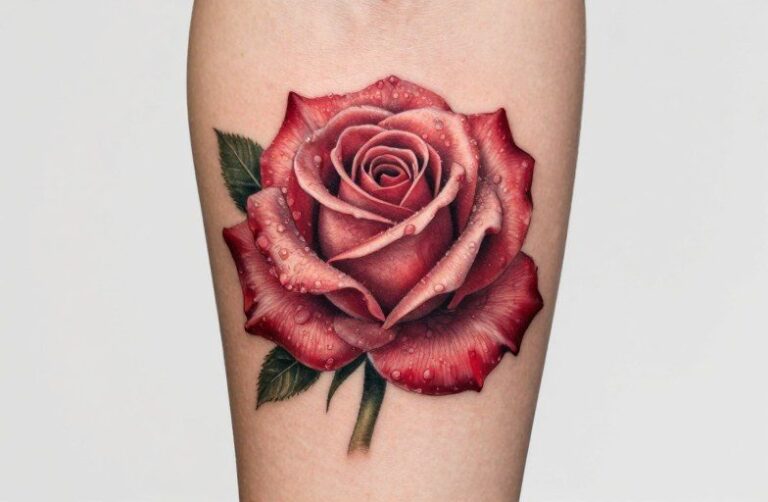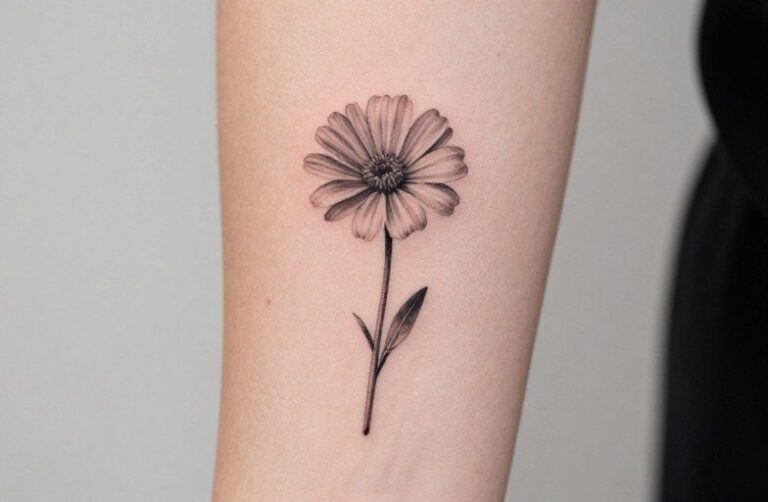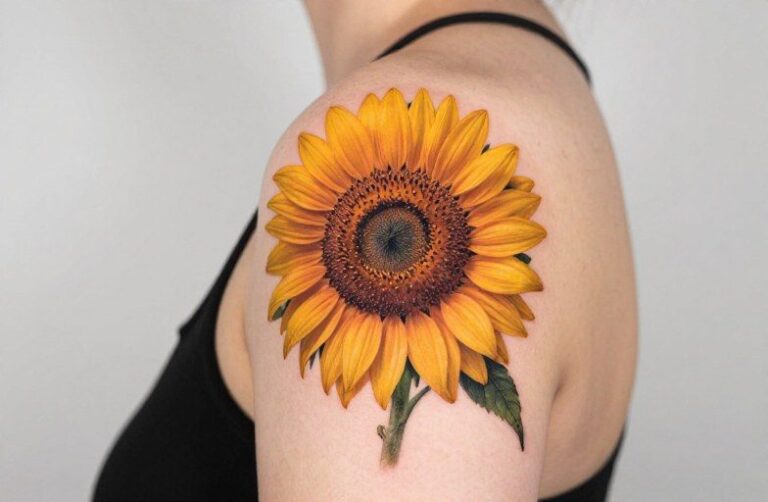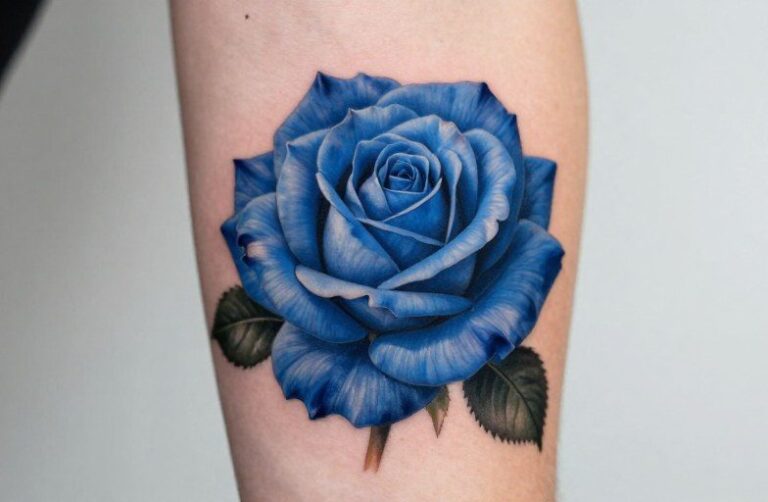
Flower tattoos dominate shop requests for good reason, organic shapes flow with the body, and the subject matter is endless. But the gap between a generic flower and something that feels genuinely yours is wider than most people realize. This guide cuts through the Pinterest clutter to focus on what actually works: specific design approaches, how ink behaves on different skin over time, and placements that flatter without fighting anatomy.
For First-Timers
Start With Line Weight, Not Just Flower Choice
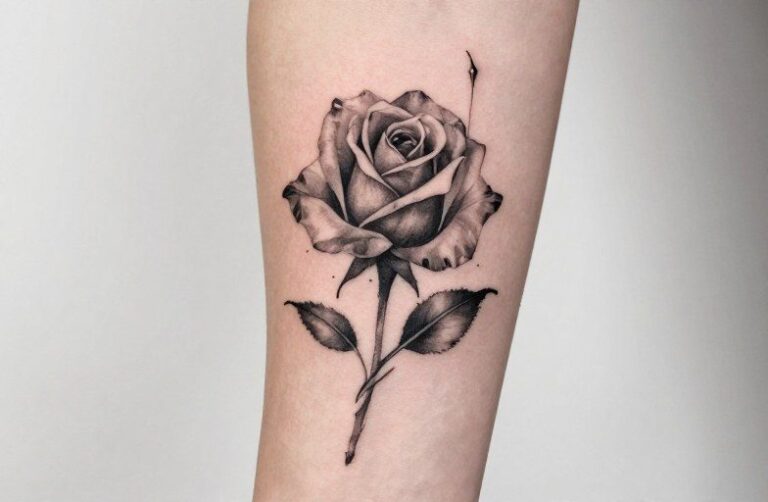
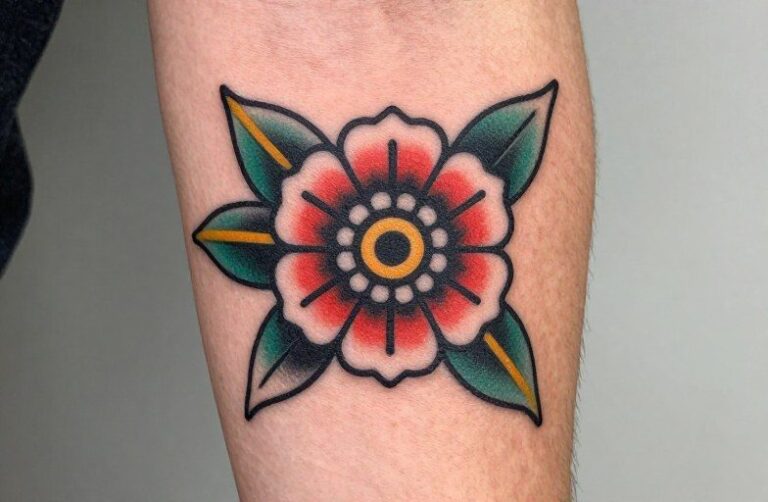
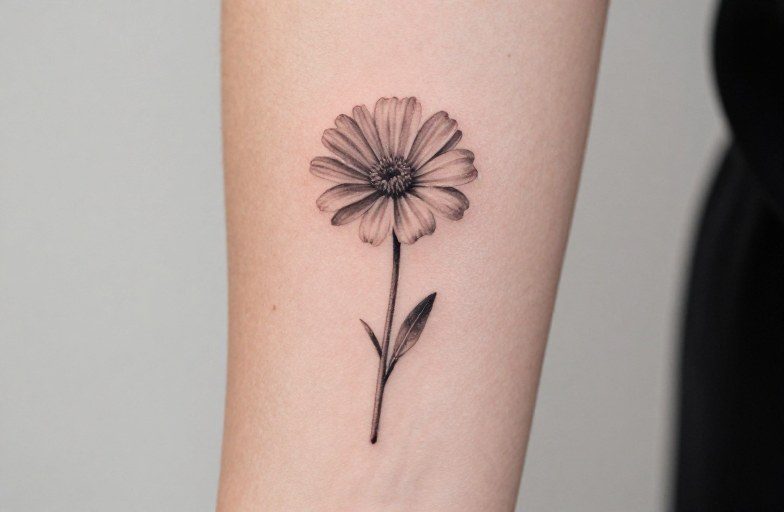
First tattoo? The flower species matters less than how it’s drawn. Single-needle fine lines look delicate fresh but can blur into fuzzy nothingness within five years on high-movement areas. A slightly bolder outline, think 3RL or 5RL needle groupings, gives the petals structure that ages readable. Black and grey heals more predictably than color, especially if you’re uncertain about aftercare discipline. That said, a limited palette of one or two colors, densely saturated, often outlasts washed-out full-color attempts from nervous newbies.
Common first placements that work well for florals:
- Outer forearm: flat canvas, easy to heal, visible for you
- Ribcage front (floating ribs): dramatic, but pain is significant, commitment test
- Behind the ear: small scale, heals fast, easy to hide
- Upper outer thigh: generous space, lower pain, minimal sun exposure
Healing Reality for Floral Detail
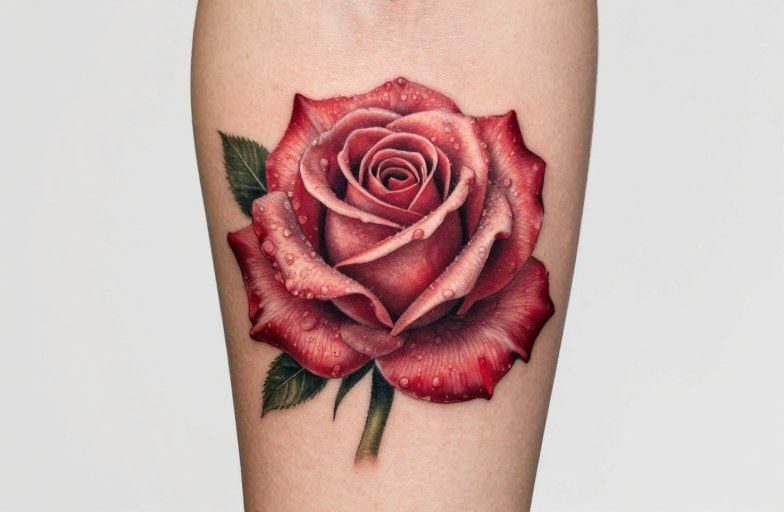
Petals with intricate veining or stippled shading look stunning day one. Three weeks later, scabbing and peeling obscure half that detail. The healed result settles into mid-tones; what read as subtle gradation fresh often becomes muddy. Ask your artist to show you healed photos, not just fresh work. If they can’t, that’s a signal.
Trending Variations
Botanical illustration style, think 19th-century herbarium plates, has surged for women wanting intellectual weight without heavy symbolism. These feature root systems, cross-section details, and Latin nomenclature banners. The aesthetic rewards precise line work and punishes lazy sketchiness.
Pressed-flower tattoos, where petals appear flattened and fragmented like they’re between glass, offer a melancholy twist. Technique matters enormously here: the “pressed” effect requires deliberate distortion of perspective, not just drawing a flower badly. Artists with printmaking or illustration backgrounds often execute this better than traditional tattooers.
Another direction: flowers in states of decay. Browning edges, dropped petals, visible stamens going to seed. This reads as narrative without needing literal storytelling devices. The visual language is immediate, beauty and impermanence held simultaneously.
How to Personalize It
Birth Month Flora Beyond the Obvious
Birth flowers carry personal resonance without requiring explanation. January’s carnation and snowdrop, July’s larkspur, October’s marigold, most people know their birthstone, not their flower. A tattoo artist can research the specific species (not just the generic common name) and render it with botanical accuracy that feels researched, not random.
Regional and Family Significance
A flower native to your grandmother’s home state, or one that grew outside a childhood window, grounds the design in actual memory rather than assigned meaning. The specificity is the personalization. A California poppy carries different weight for someone who grew up watching them colonize highway medians versus someone who discovered them on Instagram.
Consider also:
- Seasonal bloom timing that matches a significant date
- Color mutations or cultivars developed in specific decades
- Companion plants that grew alongside, ferns, grasses, seed pods
Best Placements
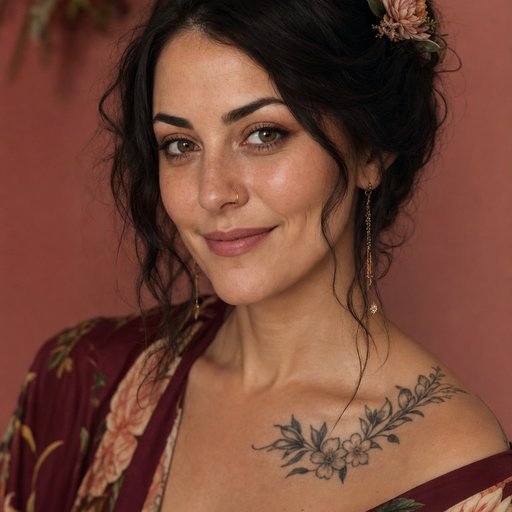
Flowers wrap and flow better than geometric designs, but certain placements exploit this while others fight it. The sternum, popular for mandala-style florals, requires the design to account for breast shape, petals that look centered on flat sketch paper drift asymmetrically on body. Experienced artists redraw specifically for this curve.
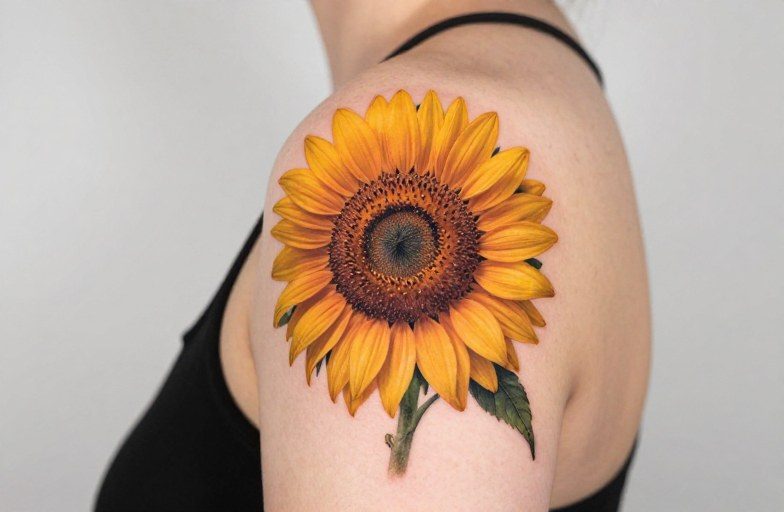
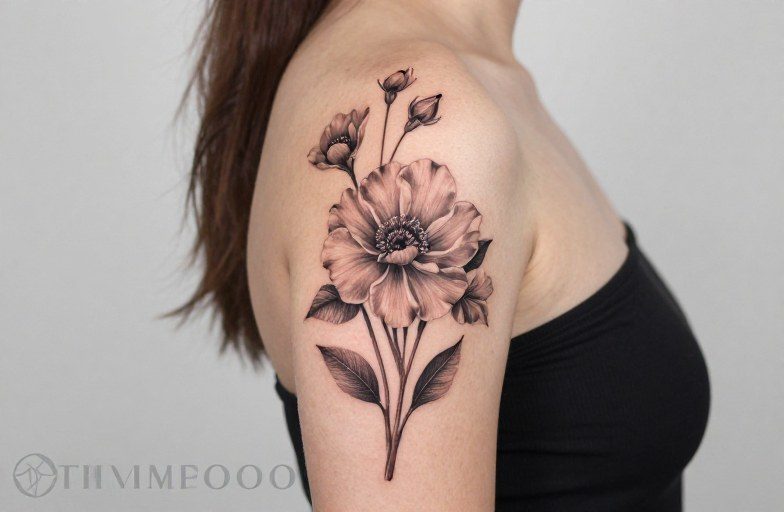
The shoulder cap allows flowers to “spill” down the upper arm, following deltoid rounding. This placement ages well because the skin is relatively stable, not subject to the stretching and compression that destroys stomach or inner bicep work.
Ankle and foot florals are technically challenging. Skin there is thin, bony, and vascular; ink saturation is inconsistent, and healing involves constant friction from shoes. If you’re set on this placement, accept that touch-ups are likely and that fine detail will degrade faster than elsewhere.
For larger scale, the side torso (from hip to under bust) lets stems elongate naturally, following rib direction. The canvas rewards vertical compositions, lupines, foxgloves, gladiolus, rather than rounded bouquet clusters that fight the body’s geometry.
Standout Design Ideas
Negative Space Techniques
Flowers carved out from black-filled backgrounds, or petals defined by skin showing through dense surrounding stippling, create contrast that doesn’t rely on color. These read as sophisticated and photograph distinctly. The trade-off: they require more sessions and cost more, and the negative space must be strategically placed where skin tone stays relatively consistent (avoiding areas that tan dramatically).
Mixed Media Illusion
Some artists execute florals that mimic watercolor, embroidery, or even pressed-tin texture. The watercolor approach is frequently requested but often poorly done, true watercolor tattooing requires understanding how pigments diffuse under skin, not just splashing color randomly. Better results come from artists who specifically advertise this specialty and show consistent healed examples.
Embroidery-style florals, with visible “stitch” lines and thread-like color blocks, have emerged from Eastern European and Russian tattoo traditions. The technique is labor-intensive but distinctive, and it ages surprisingly well because the “stitches” function as built-in texture that remains readable even as edges soften.
Size & Scale
Thumb-sized flowers on wrists or fingers are popular but problematic. The minimum readable size for a recognizable flower with identifiable petals is roughly 2.5 inches in any direction. Below that, you’re getting a colored blob within a few years. Finger placement accelerates this, constant use, sun exposure, and thin skin mean even excellent work degrades fast.
At medium scale (4-7 inches), you can achieve actual botanical detail: individual stamens, serrated leaf edges, stem texture. This is the sweet spot for most women’s first or second floral piece.
Large-scale work (full sleeve, back piece, torso) allows environmental context, roots, soil line, insects, atmospheric elements. The flower becomes a protagonist rather than an icon. Budget and pain tolerance scale accordingly; a full floral sleeve is 20-40 hours of needle time, often across months of healing intervals.
Scale also affects color choices. Small florals in bright color can look toy-like; the same palette at 8 inches reads as lush. Conversely, black and grey works at any scale but requires more reliance on texture variation to prevent flatness.
The Takeaway
A flower tattoo that holds up starts with honest assessment of your pain tolerance, healing habits, and long-term sun exposure. The design should fit the placement’s movement and shape, not just look good on a flat reference sheet. Prioritize artists whose healed work you can evaluate, and be specific about what you want, “something floral and pretty” wastes consultation time. The best floral tattoos feel inevitable, like they grew there, which requires both botanical knowledge and body-specific design thinking that generic flash can’t provide.
Frequently Asked Questions
Do colorful flower tattoos fade faster than black and grey ones?
Color pigments, especially yellows and light pinks, do break down faster under UV exposure and immune system activity. Dense, saturated color application lasts longer than light washes. Black and grey settles more predictably but can look muddy if poorly shaded. Sun protection matters more than color choice for longevity.
What’s the most painful placement for a detailed floral piece?
The sternum, ribs, and sternum-adjacent underbust area rank highest for most people due to thin skin over bone and nerve density. The outer upper arm and thigh are generally more manageable for extended sessions. Pain is individual, but these patterns hold across most clients.
Can I get a realistic flower tattoo if I have darker skin?
Absolutely, but the approach shifts. High-contrast designs with bold outlines and saturated darks read clearer than subtle color gradations. Some artists specialize in this specifically; seek them out rather than accepting a generalist who adjusts on the fly. White ink and pastel washes are generally not recommended.
How do I know if an artist can actually do botanical detail well?
Ask to see healed photos of floral work specifically, not just fresh Instagram posts. Look for consistent petal edge definition, readable leaf veining, and stem texture that doesn’t blur into surrounding skin. If their portfolio shows only bold traditional or only blackwork, they may not be the right choice for delicate botanicals.