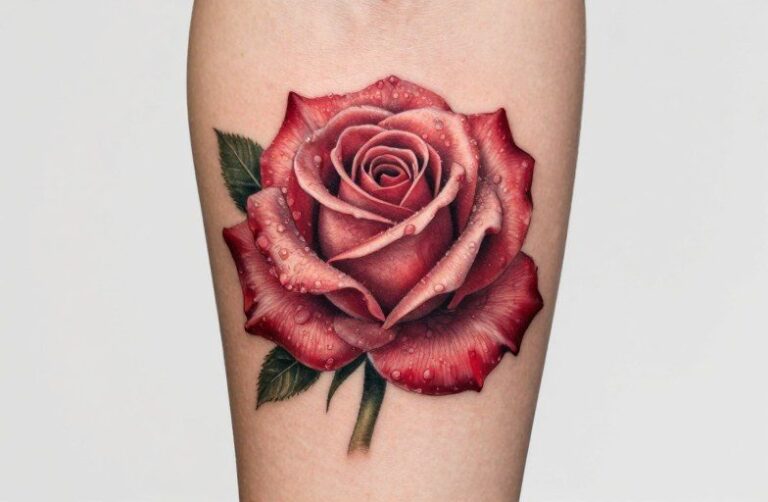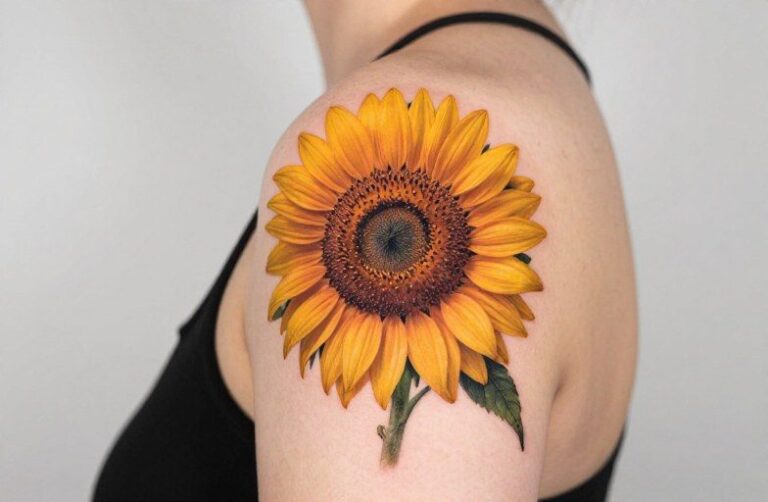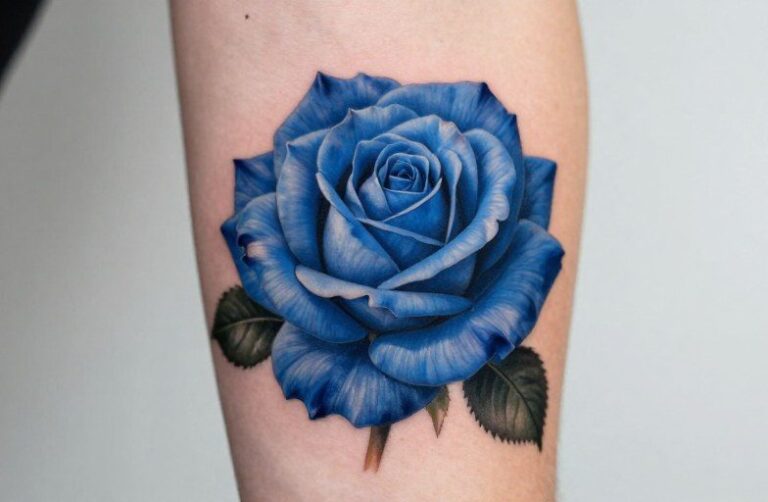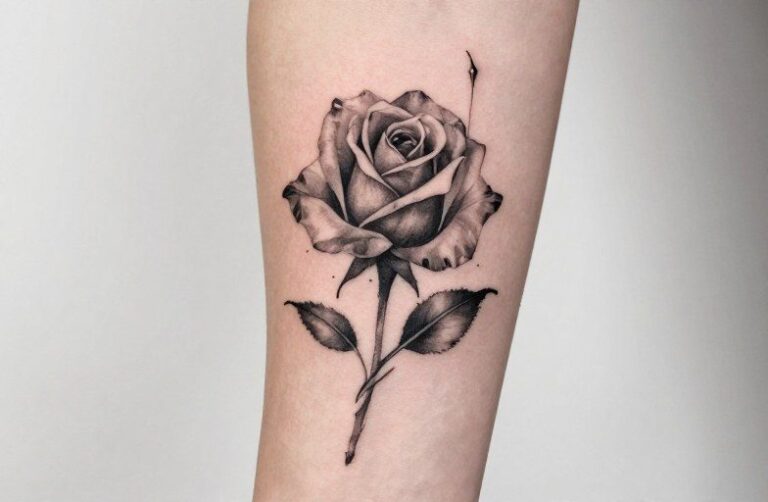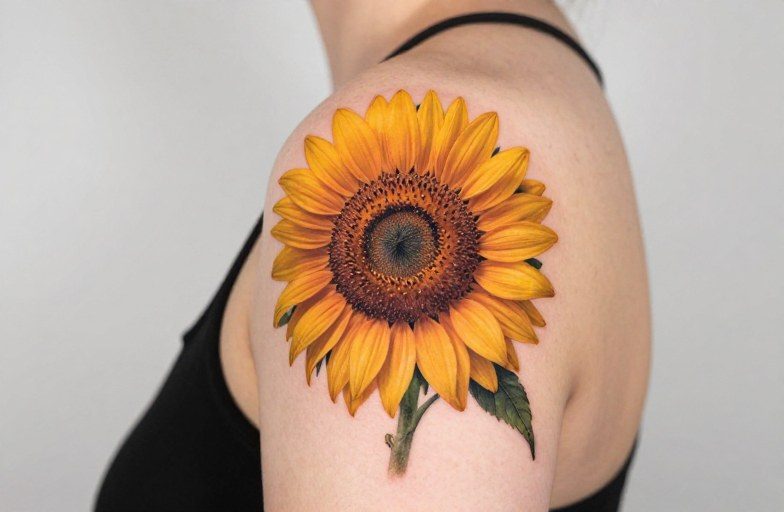
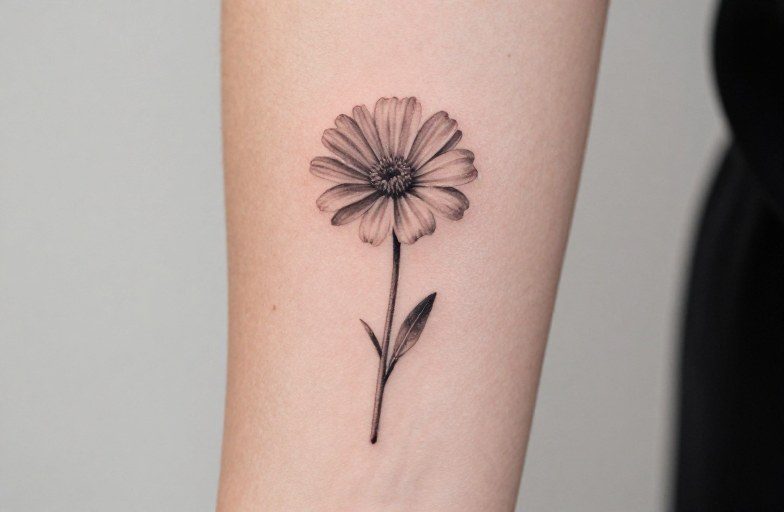
The semicolon flower tattoo combines two potent symbols: the semicolon, widely recognized as a mark of mental health survival and continuation, and the flower, representing growth, resilience, and natural cycles. Together they create a visual statement about choosing to keep going, with beauty emerging from struggle. The specific flower paired with the semicolon shifts the nuance, lotus for rising through difficulty, rose for love that persists, wildflower for untamed perseverance.
Religious & Spiritual Angles
Spiritual readings of this design depend heavily on which flower you choose and the tradition you draw from.
Christian and Western Traditions
The semicolon itself carries no ancient religious lineage, it emerged from the Project Semicolon movement founded in 2013. However, Christians have adopted it readily, reinterpreting the symbol through faith. The semicolon resembles a pause, not an ending; paired with a lily, traditional symbol of resurrection, or a rose linked to the Virgin Mary, the design becomes about spiritual continuation and divine grace after darkness. Some choose the lotus, though that’s more Eastern, and pair it with a cross or scripture reference to ground it in Christian narrative.
Buddhist and Eastern Frameworks
The lotus-semicolon pairing resonates strongly here. The lotus grows from mud through water to bloom in air, already a textbook metaphor for enlightenment emerging from suffering. For more on lotus symbolism in ink, see black and grey lotus tattoo meaning and design. Adding the semicolon frames that journey as an active choice, a daily decision to continue rather than a passive unfolding. In this reading, the tattoo becomes less about surviving a crisis and more about ongoing spiritual practice: the semicolon as the breath between meditations, the moment of choosing awareness again and again.
Personal & Modern Meanings
Most people choosing this tattoo aren’t reaching for ancient symbolism. They’re marking something immediate and lived.
The Semicolon’s Specific Weight
Project Semicolon established the symbol for those who’ve considered suicide, attempted it, or lost someone to it. The grammar reference is direct: a semicolon joins two independent clauses that could stand alone but are chosen to continue together. Applied to a life, it means the sentence isn’t over. This isn’t vague positivity. It’s a specific, gritty acknowledgment of nearly not continuing, then deciding to.
- Self-harm survival and ongoing recovery
- Depression or anxiety management as daily practice
- Honoring someone who didn’t survive
- Transition periods: sobriety, leaving abuse, gender affirmation
- Chronic illness or pain that makes continuing an active choice
What the Flower Adds
The flower softens the semicolon’s clinical edge and adds temporal dimension. Flowers bloom, fade, and return, proof that cycles include both dying and renewing. Someone five years into recovery might choose a blooming flower with a firm semicolon stem. Someone in early survival might choose a bud, tight and unopened. The flower makes the semicolon personal and particular rather than generic.
Similar & Related Symbols
Understanding what sits near this design helps clarify what the semicolon flower isn’t, and when alternatives might serve better.
Close Neighbors
The butterfly semicolon is the most common alternative, transformation, emergence, the ugly-crawly becoming winged. Where the flower version emphasizes grounded, recurring renewal, the butterfly emphasizes dramatic change and flight. The heartbeat line with semicolon adds medical specificity, often chosen by those with physical health crises alongside mental health struggles. The plain semicolon, no embellishment, reads as more raw statement, less integrated into daily life.
When to Choose Something Else
If your story centers on specific loss rather than survival, a memorial flower without the semicolon might communicate more clearly. If your struggle is primarily physical, cancer, autoimmune disease, the semicolon can feel mismatched, borrowed from a mental health context that isn’t yours. The semicolon flower works best when continuation through psychological darkness is central to your story.
Mythology & Folklore
No ancient myth features a semicolon; the symbol’s power is modern. But the flowers paired with it carry deep roots.
Narcissus and Hyacinth: Stories of Transformation
The narcissus, often linked to the youth who drowned staring at his reflection, carries warning about self-absorption, but also the promise of return, since the flower perennially reemerges. Paired with a semicolon, it can speak to recovery from addiction or self-destructive patterns. The hyacinth, born from Apollo’s grief for his dead lover Hyacinthus, carries mourning that becomes beauty, relevant for those continuing after loss.
Wildflowers and Resistance
Less specific myth, more folk tradition: wildflowers growing through pavement, walls, neglect. This isn’t tied to one story but to thousands of observed moments. The semicolon wildflower tattoo draws on this accumulated visual memory, life that doesn’t ask permission, that finds cracks and persists. It’s less elegiac than the hyacinth, more defiant.
Best Placements
Where this tattoo lives affects how it’s read and how it ages.
Visible vs. Concealed
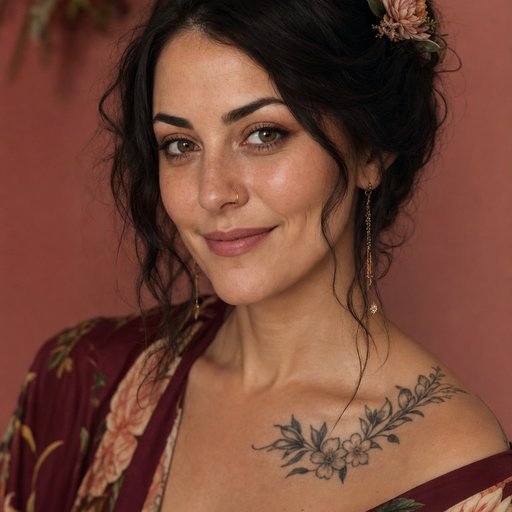
Wrist and forearm placements make the semicolon flower visible during daily life, reaching for coffee, typing, holding a phone. This visibility can be purposeful: a quiet signal to others who know the symbol, a personal reminder that doesn’t hide. But it also means explaining or deflecting questions, which not everyone wants. Behind the ear, along the ribcage, or on the upper thigh keeps it private, revealed only by choice.
How Placement Affects the Design
Small wrist pieces require simple flowers, single blooms, minimal detail, clean semicolons. The semicolon’s dot and comma need enough space to read clearly; too small and it becomes a confused mark. Larger areas like the shoulder or back allow compound designs: multiple flowers, a semicolon stem that becomes a vine, integration with existing tattoos. Rib and foot placements hurt more and fade faster due to friction and movement; plan for touch-ups if you choose these.
Design Tips & Pairings
Technical decisions shape how this tattoo looks in five years, not just five weeks.
Line Weight and Shading Strategy
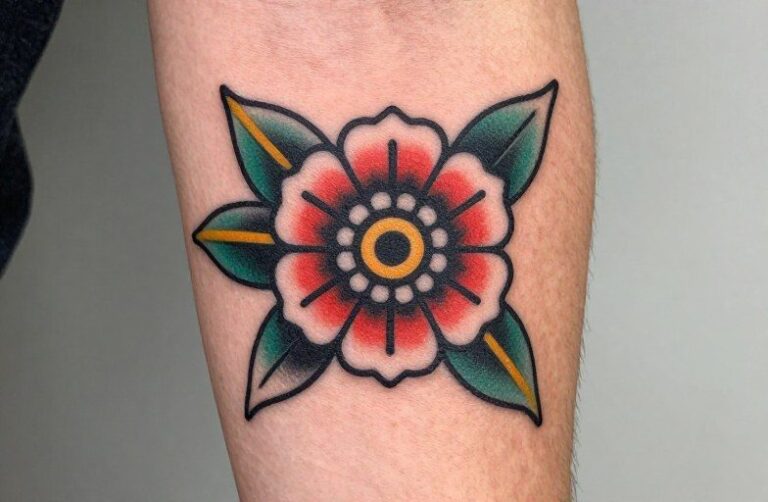
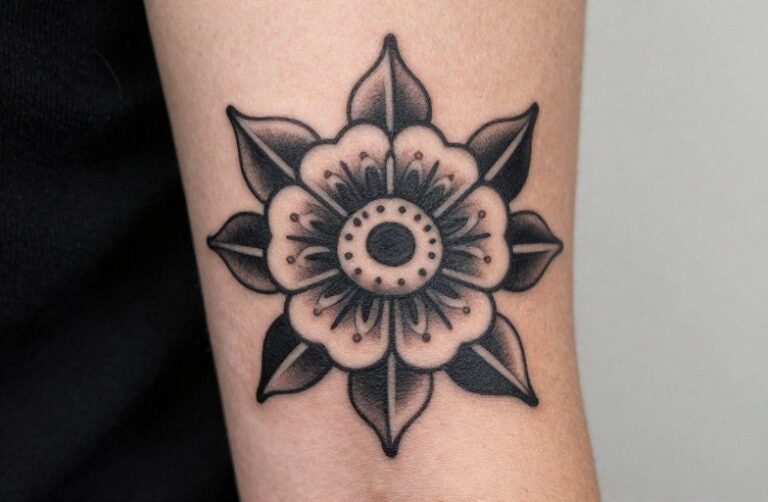
The semicolon needs crisp, consistent line work, its power is in legibility. A wobbly comma or dot that bleeds into a blob destroys the reference. Many artists use slightly heavier lines for the semicolon than the flower, creating visual hierarchy. For the flower, consider how shading will age: heavy black in petals can blur and muddy; dotwork or stippling holds detail longer but takes longer to execute. Watercolor-style backgrounds behind semicolon flowers are popular but fade fast; if you want that soft color wash, plan for refresh sessions every few years. If you prefer designs that hold up for decades, the American traditional flower flash approach is worth studying.
Color Choices and Their Effects
- Black and grey: timeless, reads clearly at any size, emphasizes form over sentiment
- Soft pastels (lavender, blush, sage): gentle, approachable, common for early recovery marking
- Bold primaries (saturated red, cobalt): assertive, less likely to be mistaken for decorative-only
- Single accent color (semicolon in black, flower in one hue): clear symbol integration, strong graphic impact
Yellow flowers specifically reference the semicolon’s origins, Project Semicolon’s branding used yellow extensively, but any color works if it speaks to you.
What to Remember
The semicolon flower tattoo carries genuine weight because of the specific story it references. It’s not a general positivity symbol or a pretty design with vague depth. If you’re considering it, know why you’re choosing continuation imagery and which flower matches your particular reason. Work with an artist who understands the semicolon’s significance, someone who won’t treat it as mere punctuation decoration. Plan for the long term: simple, clear, well-placed designs age better than intricate ones in fading-prone spots. And recognize that the tattoo marks a decision, not a conclusion. The semicolon is a pause, not a period; the flower blooms, fades, and returns. Both ask something of you going forward.
Frequently Asked Questions
Does the type of flower change the meaning significantly?
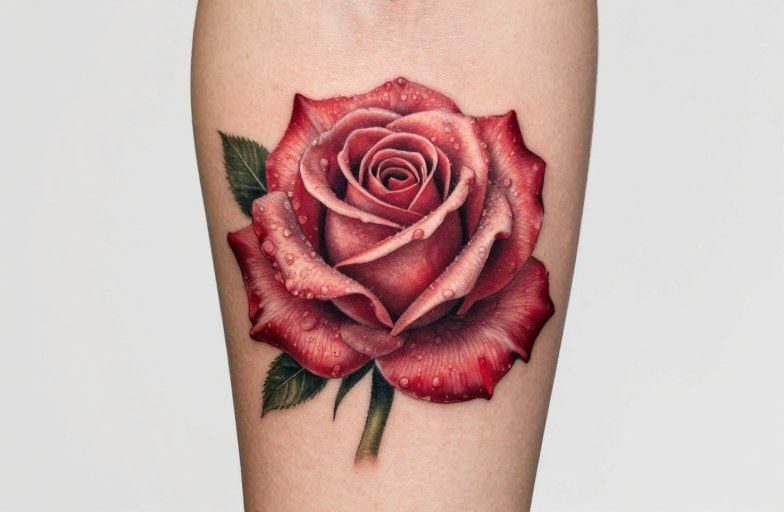
Yes. Lotus emphasizes rising through difficulty, rose focuses on persistent love or self-love, wildflower suggests untamed resilience, and lily carries resurrection or memorial weight. Choose based on what you specifically survived or continue through.
Can I get this tattoo if I haven’t personally struggled with suicide?
The semicolon specifically signals suicide-related survival or loss. If that’s not your experience, consider a flower-only design or a different symbol to avoid miscommunicating your story and co-opting a community marker.
How small can a semicolon flower tattoo be while staying readable?
The semicolon needs minimum 1-1.5 inches of clear space to remain legible as punctuation, not a blur. Below that, the dot and comma merge. Simple flowers work at small sizes; detailed ones need more room.
Will color or black and grey age better on this design?
Black and grey holds crisp edges longer. Color, especially soft pastels and watercolor effects, fades faster and requires more frequent refresh sessions. Bold, saturated colors last longer than muted ones.