A lotus tattoo primarily symbolizes resilience and the ability to thrive despite difficult circumstances. The flower pushes through murky water and mud to bloom clean and bright on the surface. This makes it one of the most requested designs for people marking recovery, transformation, or a new chapter.
Beyond the general concept of overcoming, the lotus carries layered meanings across cultures. In Buddhist and Hindu traditions, it’s tied to spiritual awakening, purity of mind, and detachment from desire. The ancient Egyptians associated it with rebirth and the sun. Today, most people choose it for personal reasons, surviving addiction, leaving a toxic relationship, mental health recovery, or simply committing to growth. The symbolism stays potent because it’s visual and immediate: everyone understands that mud-to-bloom journey.
Common Variations & Styles
Not all lotus tattoos read the same way. The style you choose changes the feeling from delicate to bold, spiritual to decorative.
Closed Bud vs Open Bloom
A closed lotus bud suggests potential, something still unfolding, a journey in progress. An open bloom reads as arrival, fullness, completion. Some people get a series showing progression, bud to partial open to full flower, tracking their own timeline. This works well as a forearm or rib piece where the eye travels naturally.
Geometric and Mandala Integration
Geometric lotus designs frame the organic flower with straight lines, symmetry, and repeating patterns. These often sit on sternum, upper back, or thigh where the shape can expand evenly. Mandala lotus tattoos layer petal shapes into circular patterns, creating a meditative quality. The geometry adds structure but requires a steady hand, wobbly lines here ruin the whole effect.
- Watercolor lotus: Soft color bleeds without hard outlines; ages faster, needs touch-ups sooner
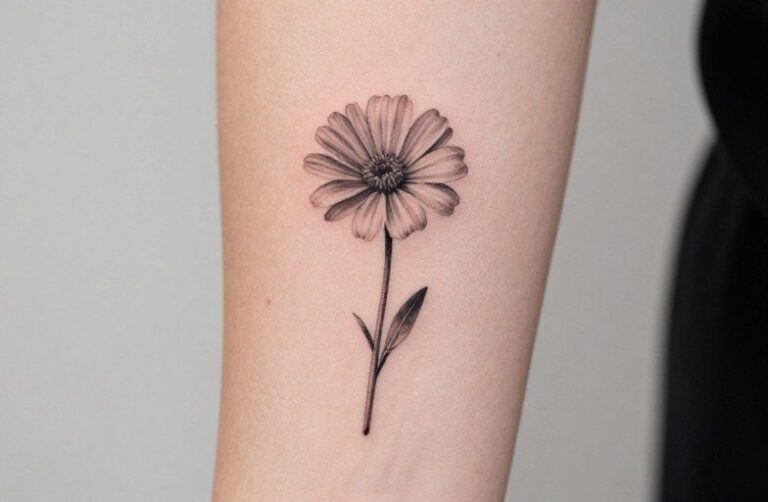
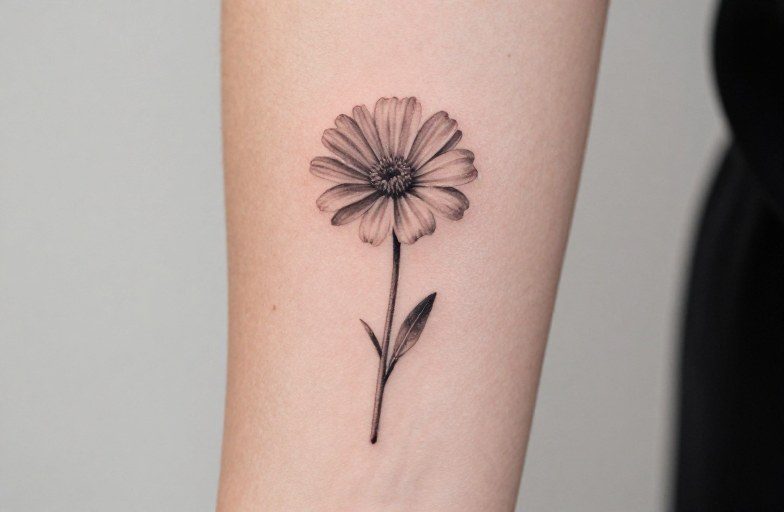
- Linework lotus: Single needle or fine line; elegant but can blur over time on high-movement areas
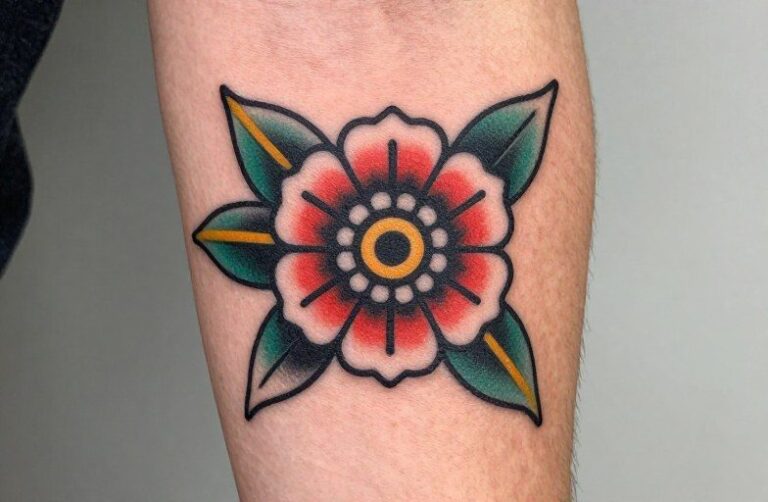
- Traditional/Japanese: Bold outlines, limited color palette, often paired with waves or koi
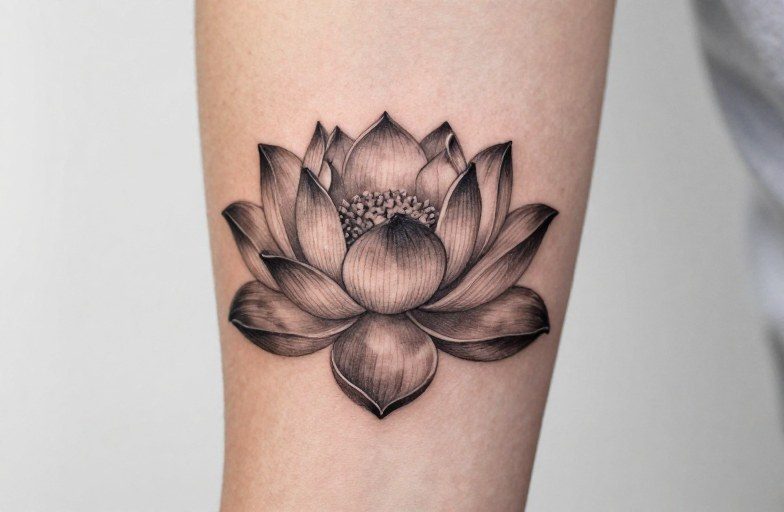
- Realistic: Shaded petals with depth and shadow; demands significant skin real estate to read properly
Best Placements
Where you put a lotus changes how the symbolism lands and how the design ages.
High-Visibility Spots
Forearms, wrists, and collarbones keep the reminder in your sightline. Wrist lotus tattoos are compact but challenging, small detail blurs faster here, and the bone proximity makes for a sharper session. Collarbone placement follows the natural line of the bone and frames well with clothing. These spots work when the meaning is something you want to confront daily, not tuck away.
Private or Contained Areas
Ribs, hips, behind the ear, and upper thigh offer concealment and more canvas. Rib placement hurts more due to thin skin over bone, but the vertical space suits a lotus with stem and leaves. Upper thigh provides flat, stable skin that ages well, good for detailed shading. Behind the ear stays tiny by necessity; best as a simple outline or small filled shape.
Consider how the design wraps. A lotus viewed from above (looking down into the bloom) works circular on shoulder or knee. A side-view lotus with stem needs vertical space, forearm, calf, spine.
Personal & Modern Meanings
People assign their own narratives to the lotus, and those have shifted over the last decade.
Mental health recovery is now one of the most common associations. The “rising from darkness” metaphor fits depression, anxiety, and trauma survival without requiring explicit imagery. Some add semicolons, butterflies, or phoenix elements nearby, but the lotus alone carries enough weight.
Another modern thread: sobriety anniversaries. The lotus marks clean time without the overt medical or religious symbols some prefer to avoid. It’s subtle in professional settings but meaningful to those who know.
Parenting and postpartum bodies also surface frequently. The lotus on a hip or lower stomach can acknowledge physical change, something beautiful emerging from a body that went through difficult work. Less common but present: marking the end of caregiving for a dying parent, the “blooming” into a new identity after that role ends.
Design Tips & Pairings
The lotus pairs well with specific elements that sharpen or expand its meaning.
Water and Mud Imagery
Adding water lines, ripples, or even murky shading beneath the bloom reinforces the origin story. This can be done subtly, soft grey wash suggesting depth rather than literal mud. Some artists use negative space for the flower and dark background for the water, creating contrast that reads immediately.
Animals and Additional Symbols
Koi fish swimming upward toward a lotus is a classic Japanese combination representing perseverance and the reward at the end. Snakes coiled around the stem add complexity, destruction and renewal intertwined. Bees or dragonflies suggest pollination, purpose, fleeting life. Each pairing should feel intentional, not decorative clutter.
- Script: Short phrases work if the font is clean and the placement doesn’t crowd the image; avoid long quotes that compete
- Moon phases: Cycles, change, feminine energy; arcs well above or below the bloom
- Chakras: Specific petal counts reference energy centers; research if you want accuracy
One practical note: lotus petals have a specific structure. Amateur designs often look like generic flowers. Real lotus petals are broad, rounded at the tip, and layered in a spiral. Reference botanical drawings, not just other tattoos.
Color vs Black and Grey
Color choice affects both symbolism and longevity.
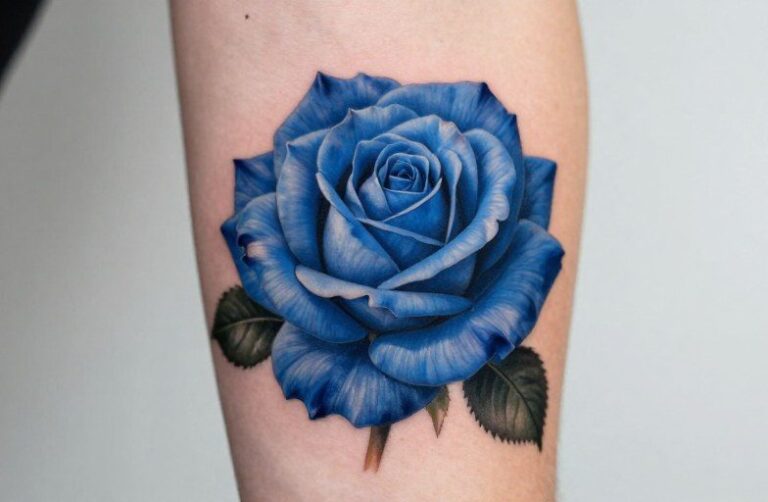
Pink lotus tattoos are often linked to Buddhist tradition specifically, the supreme lotus, Buddha himself. White suggests purity and spiritual perfection. Red leans into passion, love, or the heart. Blue lotus tattoos, common in Egyptian revival work, carry their own separate lineage of rebirth and dream states.
Black and grey ages more gracefully on most skin tones. Color saturation fades unevenly, reds turn pink, purples go muddy, yellows disappear entirely. If you want color, plan for maintenance. Watercolor-style lotus tattoos without black outlines degrade fastest; the soft edges blur together within a few years. Solid traditional color with bold black outlines holds decades longer.
Skin tone matters for visibility. Pale pinks and yellows can disappear on lighter skin; deep purples and blues may read as black on darker skin. A skilled artist adjusts value contrast, not just hue.
Similar & Related Symbols
The lotus shares territory with several other symbols of transformation and resilience. Understanding the differences helps you choose deliberately.
The phoenix is fire and destruction, dramatic, violent rebirth. The lotus is water and patience, quiet persistence, no explosion. The phoenix suits sudden life changes; the lotus fits gradual growth.
The butterfly is lightness, air, ephemeral beauty. The lotus is rooted, grounded, heavy with mud. Butterflies read more playful; lotus more solemn.
The unalome, often paired with lotus in Buddhist-inspired designs, represents the path to enlightenment, twists, straightens, ends at the bloom. It’s a specific spiritual symbol where the lotus alone can stay secular.
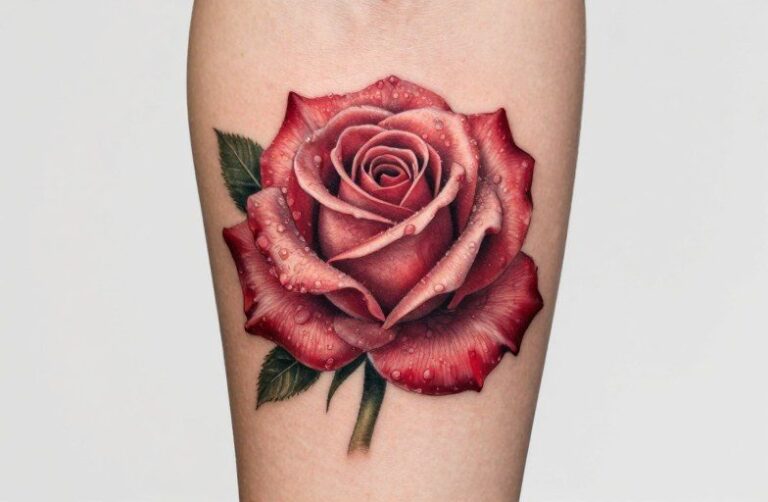
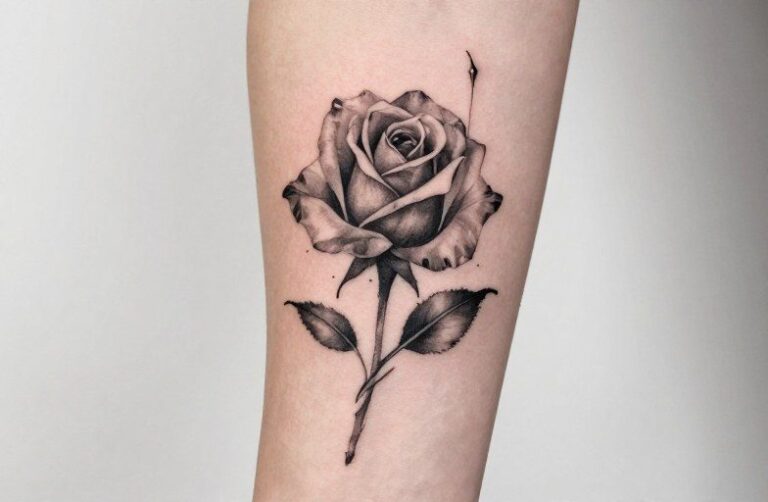
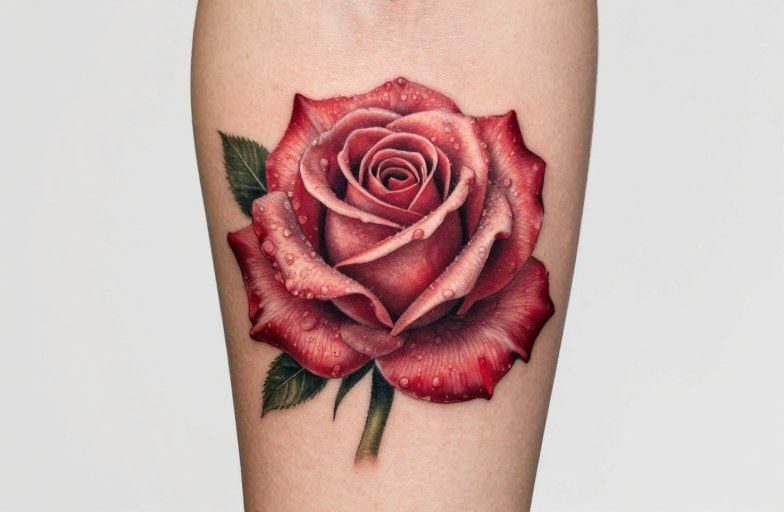
The rose is love, pain, romance. The lotus is self-work, isolation, internal process. They’re rarely interchangeable despite both being flowers.
Some people combine these deliberately: lotus with phoenix wings, or rising from a skull, merging symbols into personal hybrid mythology.
Final Word
A lotus tattoo works because the metaphor is built into the biology. You don’t need to explain it. The flower’s actual life cycle, rooted in muck, breaking surface, opening clean, does the symbolic labor for you. That said, the best lotus tattoos come from specific intent, not generic positivity. Know what you’re rising from. Choose placement and style that matches that weight. And find an artist who understands petal structure, because a lotus that reads as a generic tulip undermines the whole point. The symbol is ancient, but your reason for wearing it is what makes it matter now.
Frequently Asked Questions
Does a lotus tattoo always have to be about overcoming trauma?
No. While resilience is the most common association, people choose lotus designs for spiritual practice, aesthetic preference, or cultural connection. The meaning you assign is what matters, but the trauma-to-triumph narrative is only one valid reading.
How well do fine-line lotus tattoos hold up over time?
Fine-line work on high-movement areas like wrists and ankles tends to blur and fade faster than bolder designs. For longevity, choose slightly thicker lines or placement on flatter, more stable skin like the upper thigh or upper back.
Is there a specific number of petals I should request for religious accuracy?
In Buddhist tradition, different petal counts reference different meanings, eight for the Eightfold Path, sixteen for certain spiritual attainments. If this matters to you, research with a knowledgeable practitioner rather than relying on tattoo shop flash sheets.
Can a lotus tattoo be covered up easily if I change my mind?
Lotus shapes are relatively coverable due to their rounded, organic forms. Darker petals can be reworked into different flowers or abstract shapes. However, heavy black outlines or solid black centers limit your options, so consider future flexibility in the initial design.