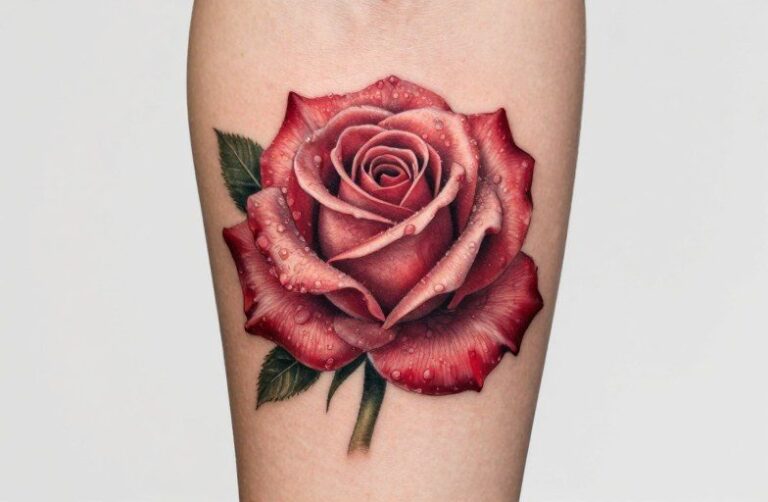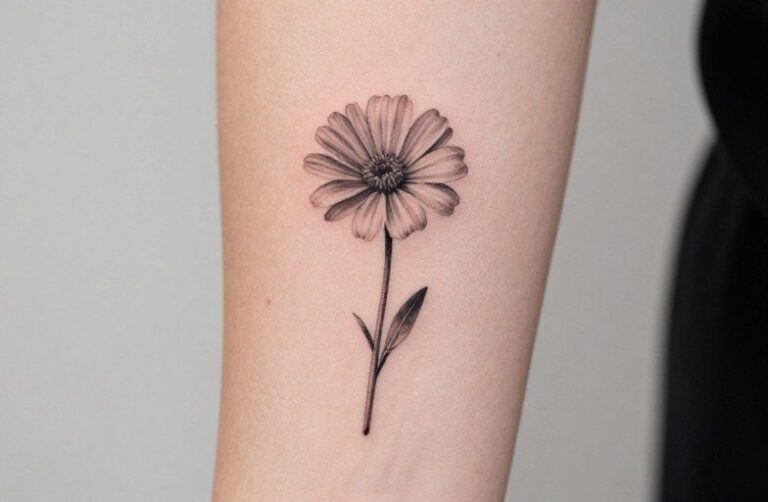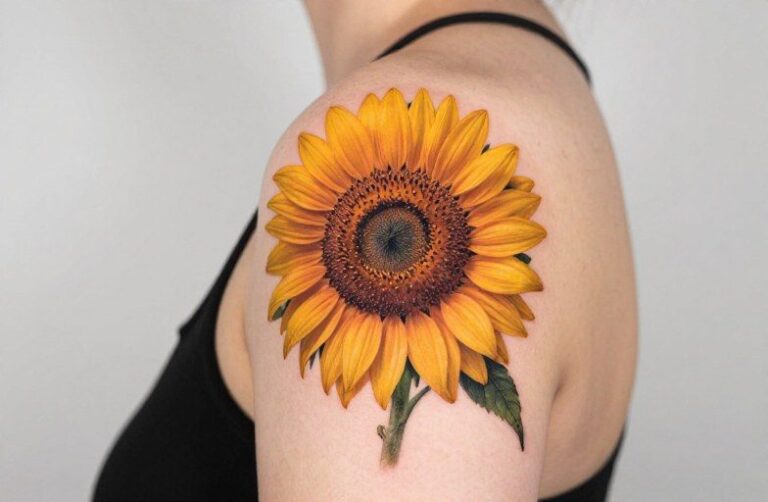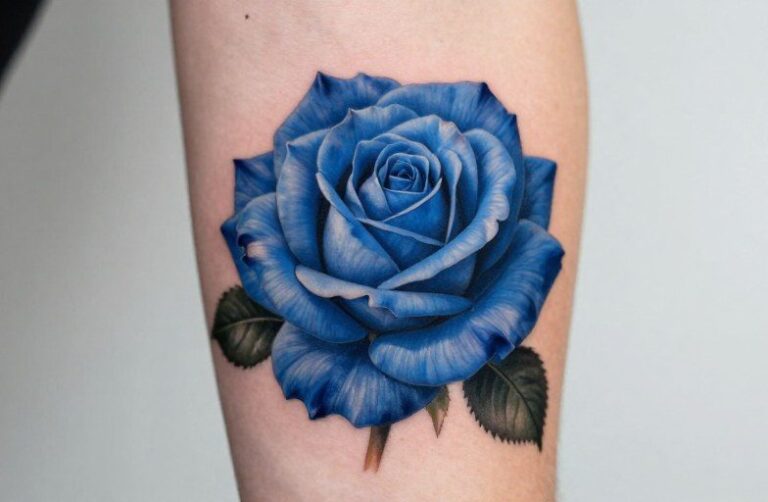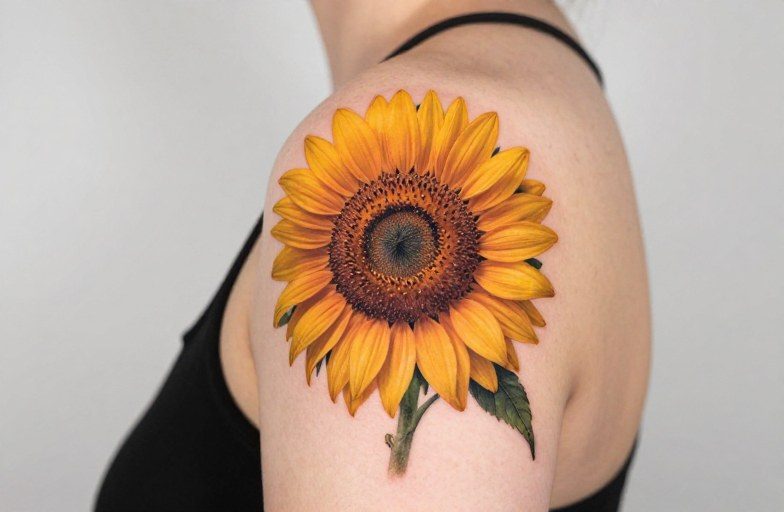
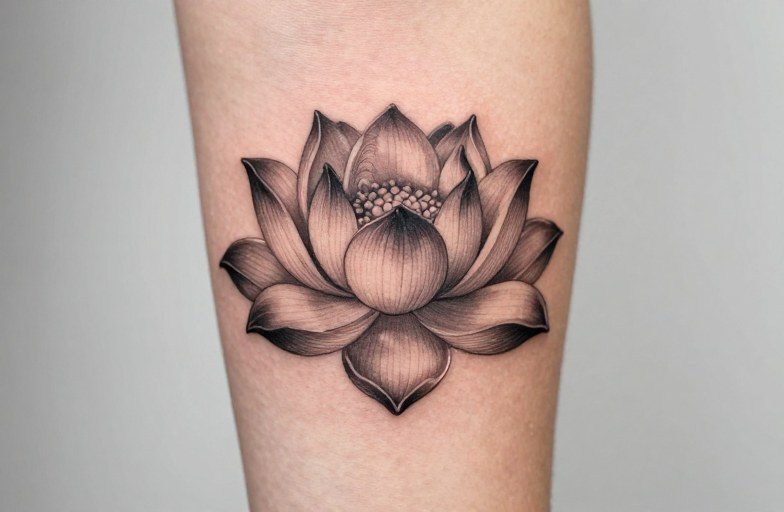
A strength lotus flower tattoo fuses two potent ideas: the lotus, which must push through thick mud and murky water to reach sunlight, and the explicit declaration of inner resilience. Together they create a design that speaks to surviving hardship rather than avoiding it. The meaning centers on transformation through difficulty, mud not as obstacle but as the necessary medium that produces the bloom.
History & Cultural Roots
Origins in Eastern Traditions
The lotus carries weight across multiple cultures, often linked to Buddhist and Hindu practice where it symbolizes purity emerging from attachment. In these contexts, the flower’s daily cycle, submerging at night and reblooming clean each morning, mirrors spiritual renewal. The mud itself is never condemned; it’s understood as essential. This acceptance of struggle as generative, not merely destructive, forms the backbone of why “strength” pairs so naturally with the lotus in Western tattooing.
Some trace the specific “strength lotus” pairing to the late 1990s and early 2000s, when Western tattoo clients began requesting Eastern imagery with English text overlays. The combination solidified as artists refined how to integrate lettering with organic forms without visual clash.
How the Symbol Crossed Into Western Tattooing
By the mid-2000s, the strength lotus had become a recognizable genre in American shops, particularly for clients seeking memorial or recovery-related pieces. The design appealed across demographics because it carried emotional specificity without demanding a particular religious commitment. Unlike a cross or om symbol, the lotus offered flexibility, recognizable enough to read clearly, open enough to carry personal weight.
Who Chooses This Tattoo
Clients requesting this design typically arrive with a clear narrative: surviving illness, leaving abusive relationships, recovering from addiction, or enduring prolonged grief. The lotus validates that the struggle itself mattered, that the hardship wasn’t merely something to forget but something that shaped them.
- Recovery contexts: Sobriety anniversaries, eating disorder recovery, post-surgery marking of survival
- Relationship endings: Divorce, estrangement, escaping controlling family dynamics
- Caregiver burnout: Parents of disabled children, adult children of declining parents, medical workers
- Career pivots: Leaving stable but soul-crushing work for uncertain but meaningful paths
What’s notable is how often the word “strength” appears in the client’s own vocabulary before the artist ever suggests it. They’re not being sold a concept; they’re naming something already present and asking for visual confirmation.
Best Placements
High-Visibility vs. Private Sites
Forearms and wrists dominate for this design, particularly among first-time clients who want the reminder within their own sightline. The inner forearm places the text readable to the wearer, which matters when the tattoo functions as a private anchor during difficult moments. Outer forearm reverses this, visible to others, more declarative.
Ribs and sternum offer concealment and scale. These placements accommodate larger lotus blooms with “strength” integrated into petals or flowing beneath in script. The pain level is significant, ribs rank among the more demanding placements, but that intensity itself becomes part of the ritual for some clients.
Technical Considerations for Lettering
Small text tattoos blur faster than imagery. “Strength” in fine script below a lotus on the wrist will need touchup within 5-8 years, sometimes sooner on oilier skin or with frequent hand-washing. Bold block lettering holds longer but reads more aggressively, potentially shifting the emotional tone from resilient to defiant. Experienced artists will discuss this tradeoff explicitly, adjusting letter weight to the client’s skin type and daily habits.
Similar & Related Symbols
The strength lotus sits within a broader family of resilience imagery that clients often consider alongside it:
- Koi fish: Similar mud-to-bloom narrative, more masculine-coded in Western shops, often requested by men who reject floral imagery but want equivalent meaning
- Phoenix: Destruction and rebirth through fire rather than water; more dramatic, less daily-cyclical
- Semicolon: Direct mental health reference, narrower meaning, less visually flexible for integration with organic forms
- Mountain ranges: Obstacles as scenery rather than medium of transformation; “strength” here reads as endurance rather than emergence
Some clients combine the lotus with secondary elements, roots visible beneath the bloom, a broken chain, or a specific date in small numerals. These additions personalize without diluting the core symbol.
How It Ages on Skin
Line Work and Color Fading
Black linework lotus designs age most predictably. The geometric petal structure provides natural boundaries that keep the shape readable even as lines soften slightly. Greywash shading inside petals adds dimension but requires heavier saturation to survive; washed-out grey can look like a mistake rather than intentional subtlety within 10-15 years.
Color lotus tattoos, pink, purple, or blue petals, face faster degradation. Red pigments hold best; purples and light blues fade toward grey or disappear entirely, leaving an outline that may no longer clearly read as lotus. If “strength” is lettered in color, it becomes illegible faster than black text. Most artists recommend black lettering regardless of petal color.
Skin Changes and Touchup Timing
Weight fluctuation affects rib and sternum placements most dramatically; pregnancy can distort a lower abdominal lotus beyond recognition. Sun exposure on forearms accelerates fading unevenly, often leaving the side facing windows more degraded. Plan for a touchup at 7-12 years, sooner if the tattoo sees daily sun without SPF coverage.
Mythology & Folklore
The Lotus in Creation Stories
In Egyptian cosmology, the lotus often linked to rebirth and the sun’s daily return, with the flower’s emergence from water mirroring the sun’s rising. The Book of the Dead includes spells for transforming into a lotus, suggesting the flower as a vehicle for continued existence. This ancient association with persistence through darkness-to-light cycles predates and parallels the later Buddhist emphasis on enlightenment emerging from worldly suffering.
Strength as a Named Virtue
The explicit word “strength” in tattooing is a more recent development, tied to English-language lettering traditions. In earlier periods, virtue was typically depicted through allegorical figures, Hercules, Fortitude holding a broken column, rather than named directly. The shift to text-based virtue tattoos reflects broader cultural movements toward personal affirmation language, though some traditional tattooers find the literalism less visually sophisticated than symbolic representation.
What to Remember
This tattoo works best when the design serves the meaning rather than the reverse. Avoid overly complex compositions that bury the lotus in decorative elements; the flower’s structural simplicity is its strength. Be specific about what kind of strength you’re marking, survival, persistence, the strength to leave, the strength to stay, and let that specificity guide placement, scale, and whether to include dates or names.
Choose an artist who shows you healed photos of their fine lettering, not just fresh work. Fresh tattoos lie; healed work tells you what you’ll actually live with. The lotus is a forgiving image in skilled hands, but “strength” in illegible script is a daily frustration, not a comfort. Finally, remember that the most powerful version of this tattoo is often the simplest: clean petals, clear text, no excess. The mud already did the heavy lifting. The ink just marks where you surfaced.
Frequently Asked Questions
Should the word ‘strength’ be inside the lotus or separate?
Both work, but separation usually reads better long-term. Text inside petals gets distorted as the flower shape softens with age. Below or beside the bloom keeps lettering legible and allows each element to do its job without compromise.
Can a strength lotus tattoo work for men?
Absolutely. The lotus carries no inherent gender, and the strength framing broadens its appeal. Many men choose darker, more geometric lotus interpretations or pair the flower with masculine-coded elements like stone textures or angular frames.
How big should a strength lotus tattoo be minimum?
For readable text, plan at least 3-4 inches in the longest dimension. Smaller than this, “strength” becomes a blur within years, and the lotus petals collapse into an unidentifiable blob. Wrist and ankle placements often force this minimum size constraint.
Is it disrespectful to get a lotus if I’m not Buddhist or Hindu?
The lotus appears across too many cultures to be claimed exclusively by any single tradition. Respectful use means avoiding direct replication of specific religious iconography, Buddha seated on a lotus, for instance, while the flower itself as a natural symbol of emergence from difficulty is broadly available.