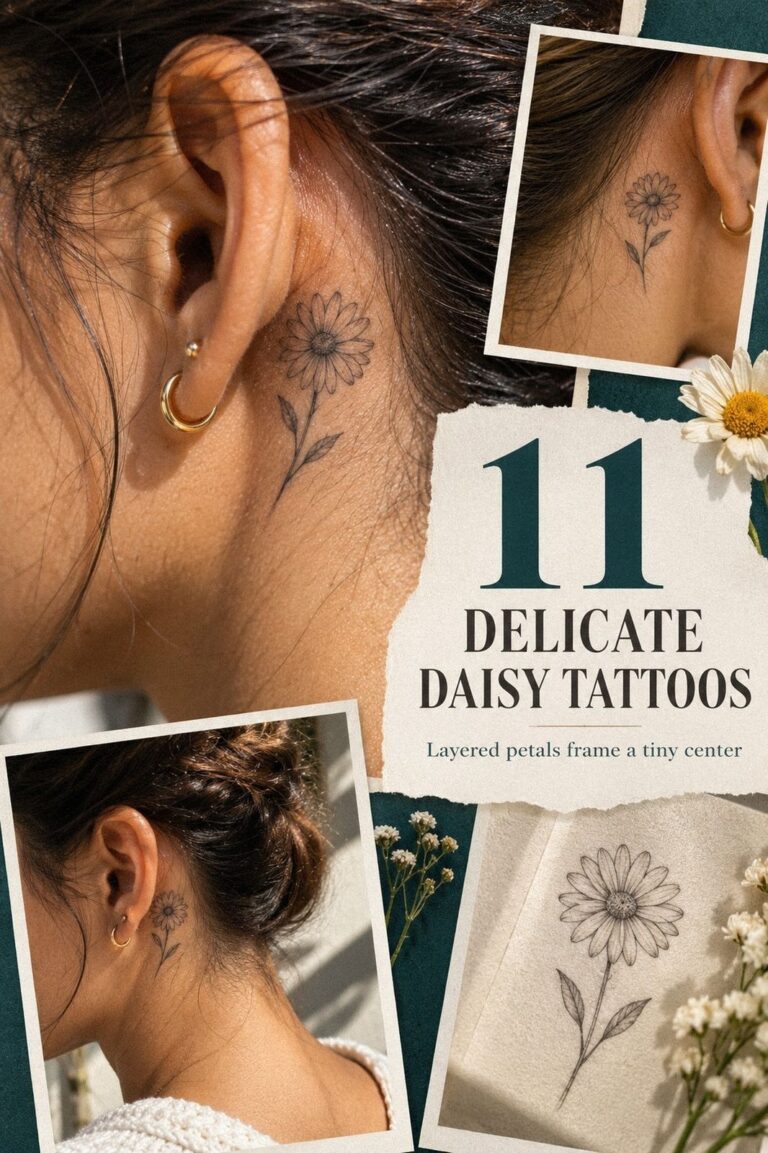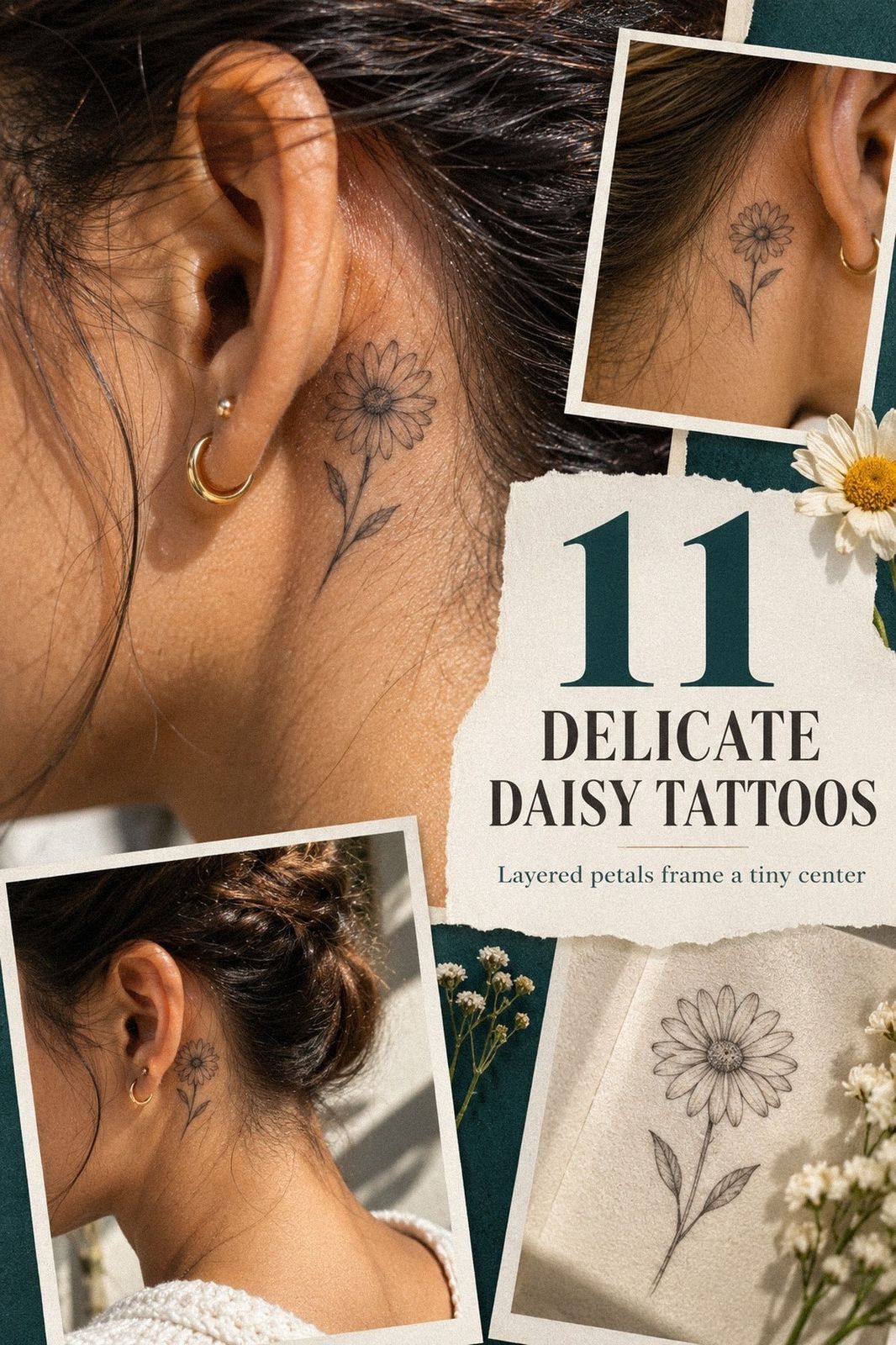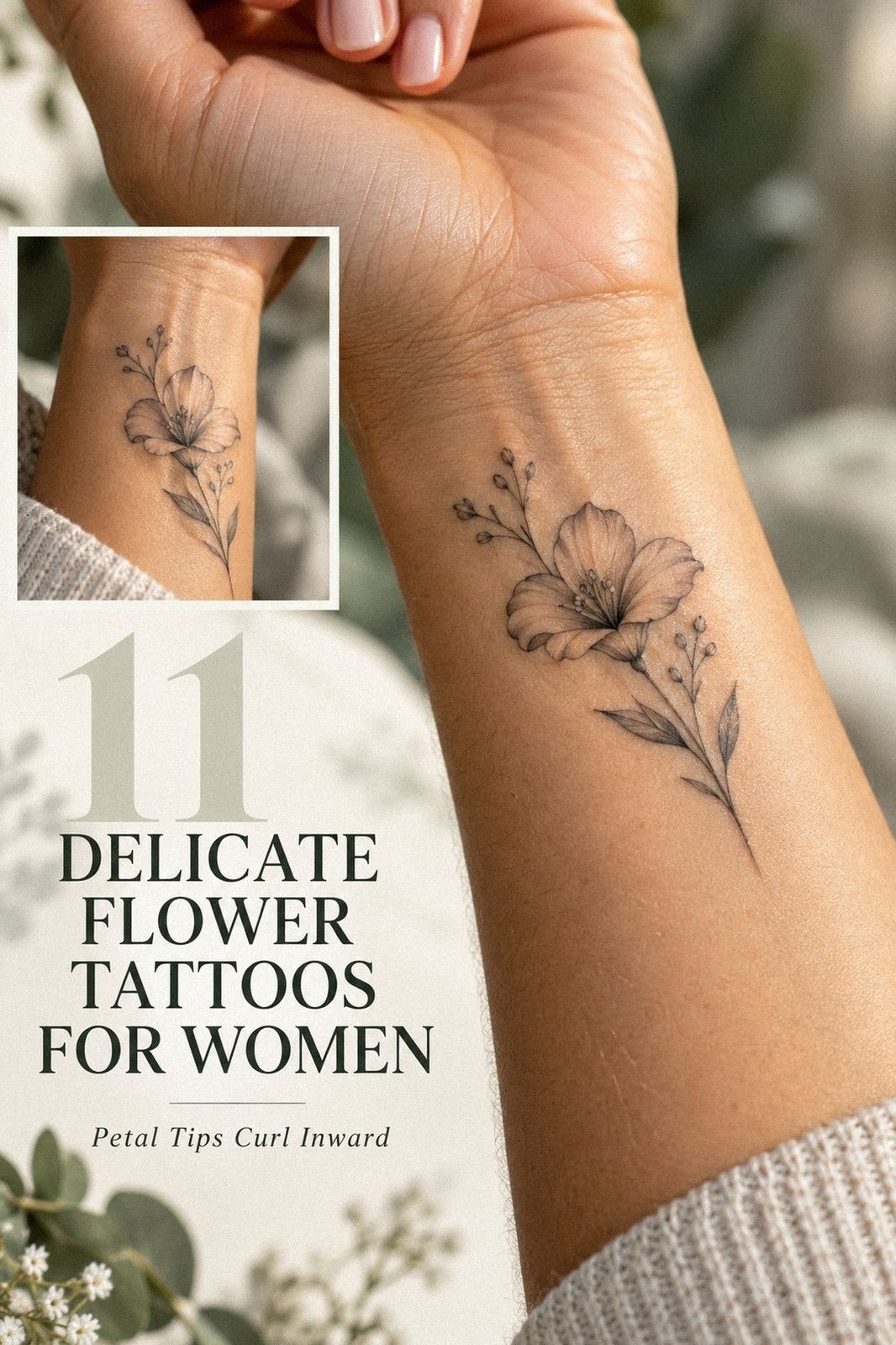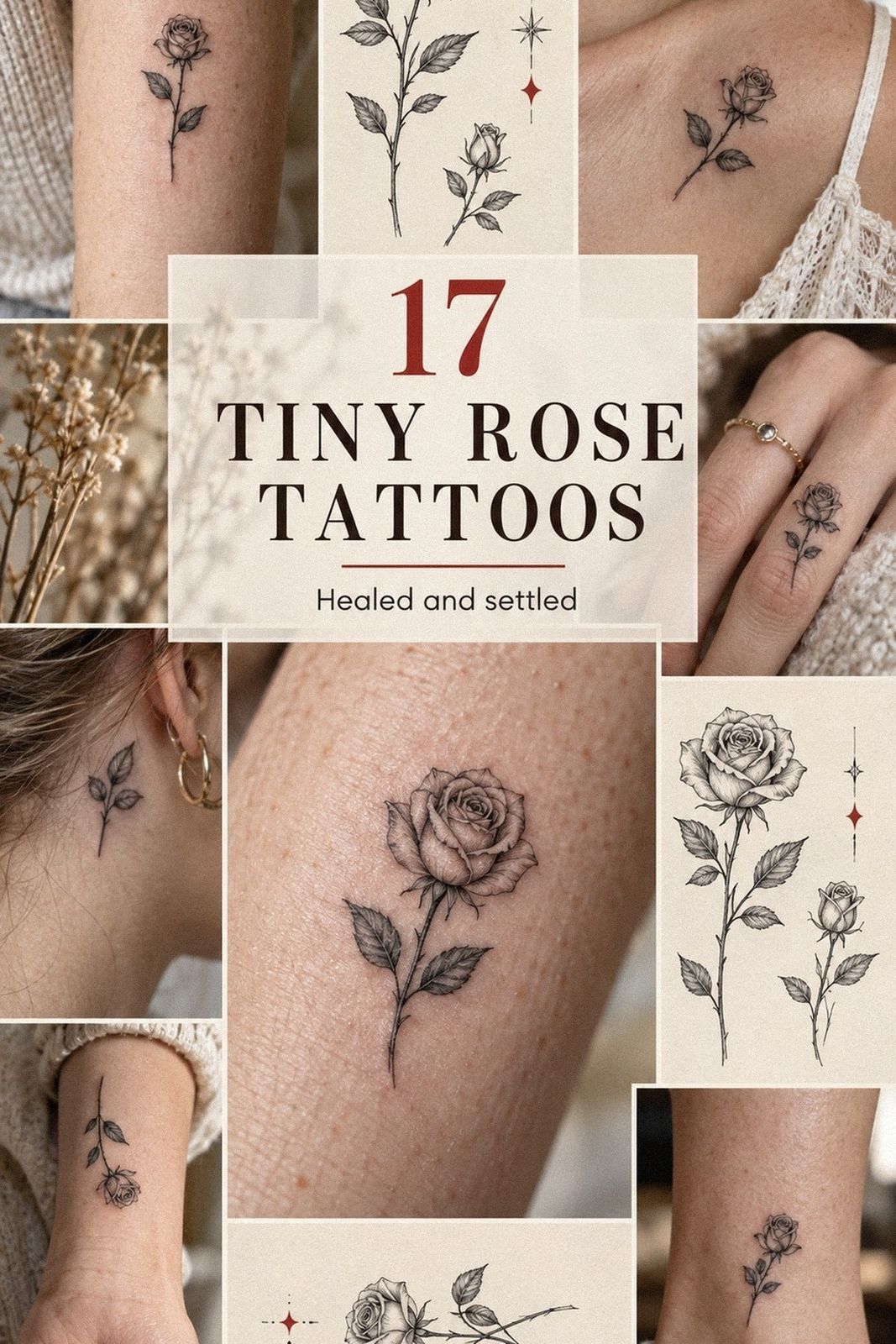
You want tiny rose tattoos that still read clean years from now. I once chose a design that was too delicate for its placement, and the petals blurred faster than I expected. These ideas keep the linework crisp, the symbolism personal, and the placement practical. Small can still feel powerful!
Editor’s note: Start with the silhouette. A clear rose profile usually ages better than a crowded miniature with too many petals, leaves, or shades.
My one rule is simple: choose a tattoo you’ll still understand from a normal distance. The most striking designs often use restraint. That doesn’t make them plain.
It makes every line matter.
Place a Tiny Rose Tattoo on the Inner Wrist
The inner wrist suits a single profile rose with layered petals and a short curved stem. On fair, cool-pink skin, carbon-black ink gives the outline crisp contrast without making the design feel heavy. You’ll see the tattoo often, so choose a delicate, personal shape you won’t get tired of reading.
Your artist should leave breathing room between each petal. If the lines are packed together, the rose may lose its expressive shape as it ages. I’d choose this placement over a crowded wrist cluster because the open skin keeps the flower graceful and understated.
Ask for a clean stencil first, then check the rose from a natural wrist angle. Single-use stencil paper lets you move it slightly before the needle touches skin.
You shouldn’t skip that step. Would you rather live with a crooked tiny tattoo or spend five extra minutes checking the angle?
For more compact inspiration, compare this idea with these small rose tattoos. The strongest designs aren’t always the most ornate. A bold outline, one graceful curve, and a clear profile can look more timeless than complicated shading.
Fine-Line Tiny Rose Tattoos Behind the Ear
Behind the ear works beautifully for a fine-line rose in profile, especially when you want something discreet but still striking. On medium warm ivory skin, 3RL cartridge needles can create the narrow petal lines this placement needs. You’ll get an intimate, edgy tattoo that appears when your hair moves.
The skin behind the ear is small and curved, so your artist needs to simplify the flower before starting. I’d avoid adding leaves, initials, and heavy shading all at once. The rose should remain readable from a few inches away, and a minimal silhouette often ages better than a crowded miniature.
You’ll also want to think about visibility during healing. Hair can brush the area, and headphones may irritate it, so keep aftercare gentle.
Fragrance-free aftercare balm is a better choice than a strongly scented product. Trust that pause!
Look through tiny floral tattoos if you’re deciding between a rose and a smaller botanical shape. I’d pick the rose here because its rounded petals soften the sharp curve behind the ear. The result feels romantic, dainty, and quietly meaningful.
Trace a Dainty Rose Along the Collarbone
A collarbone rose can follow the natural line beneath the bone, with a thin stem that gives the design a flowing direction. On medium olive skin, black greywash ink can add restrained depth inside the petals while keeping the outline clear. You’ll get a feminine, elegant tattoo that looks intentional.
The stem should be slightly longer than the bloom, but it shouldn’t become a vine. I once asked for too many leaves on a small design, and the center became muddy after healing. Keep one narrow leaf or a single thorn if you want the botanical detail to stay sharp.
Your artist may angle the rose toward your shoulder or toward the center of your chest. I’d choose the shoulder-facing version if you want a longer visual line.
A centered angle feels more symbolic and intimate. Sterile disposable ink caps and fresh supplies should be visible during your appointment because hygiene matters as much as style.
If you’re weighing a rose against a larger floral composition, read about what a rose tattoo represents. The meaning can shift from love to resilience, grief, remembrance, or self-respect. That flexibility makes this placement especially personal.
Minimal Tiny Rose Tattoos on Finger Sides
Finger-side roses need the simplest possible design: a profile bloom, a short stem, and enough open skin to keep the petals legible. On golden tan skin, solid black pigment can create a sharp, bold mark.
Your artist should avoid squeezing too much detail into the small area. You’ll want a fierce idea with a restrained execution.
Hands experience frequent washing, friction, and sun exposure. Finger tattoos can fade or spread sooner than tattoos placed on more protected areas.
I’d skip a heavily shaded version here. A minimal outline gives you a better chance of keeping the rose recognizable.
The side of a finger can feel more painful than an inner forearm or upper arm because there’s less cushioning near the bone. Single-use medical gloves and a fresh needle cartridge should be standard. You can also ask how the studio handles touch-ups before booking.
For a softer alternative, compare the design with these unique tiny rose tattoos. I prefer a side-facing bloom over a frontal flower on fingers. It uses less ink, looks crisp from the side, and feels playful without becoming whimsical.
Build Tiny Rose Tattoos with Botanical Linework
Several rose shapes can help you compare petal spacing, thorn size, and stem length before you choose. Ask your artist to redraw the selected design for your body instead of copying it without adjustment. Transfer paper stencils can show whether the rose looks balanced on your wrist, collarbone, or ankle.
You can ask for two versions: one with a single leaf and one without. Then compare them in natural light. A design that looks intricate on paper can become a dark knot at tattoo size, so leave room around every major line.
Browse small rose tattoo designs before your consultation. Save only references that match the line weight you want.
Your artist needs a clear direction, not twenty unrelated screenshots. A crisp, dainty rose often feels more polished than an overworked miniature.
Unique Tiny Rose Tattoos on the Collarbone
The collarbone gives a tiny rose room to breathe, especially on deep ebony skin where a clean black outline can look striking. A single profile rose with layered petals, restrained shading, and a short stem can feel elegant and powerful. It can remain visible or disappear beneath a neckline.
Ask your artist how they’ll adapt contrast and line weight to your skin. Opaque black tattoo ink can create a strong outline, while selective negative space keeps the petals from becoming a solid patch. I’d avoid relying on pale ink for definition because it may not offer the same long-term clarity.
The collarbone is more sensitive than a cushioned upper arm. The process may feel sharp over the bone.
Arrive rested, hydrated, and ready to speak up if the placement feels wrong. Check the stencil while you’re standing naturally, not only while your body is angled in a chair.
If you’re thinking about eventually building a larger floral composition, read these rose sleeve tattoo meanings. A tiny rose can become a first symbol rather than a disconnected decoration. For a first tattoo, that kind of meaningful restraint wins.
Add Meaningful Initials to Tiny Rose Tattoos
A rose with one small initial can turn a discreet behind-the-ear tattoo into something deeply personal. On fair, cool-pink skin, fine black linework will keep the profile rose readable while the letter sits near the stem or beneath the lowest petal. The initial should support the flower, not compete with it.
Use one letter, a simple serif, or a clean handwritten form. I’d skip ornate script because tiny loops can close together as the tattoo settles. The most empowering version is often the least complicated, especially if the initial stands for someone you love, a place you survived, or a promise you made to yourself.
Your artist can stencil the rose and letter as separate elements before combining them. Thermal transfer stencils make that adjustment easier.
Don’t approve the design until you can read the letter at a normal distance. A meaningful tattoo still needs practical spacing.
If the rose represents remembrance, explore white rose tattoo meaning before choosing your final symbolism. A simple flower and one initial can say more than a paragraph of text. If the letter feels forced, leave it out.
The rose can carry the emotion on its own.
Tiny Rose Tattoos in Blackwork Style
A blackwork rose on the spine can look dramatic, sharp, and iconic without becoming oversized. A profile bloom with layered petals can use dark fills and controlled negative space. You’ll want the blackwork to follow the spine’s vertical movement rather than sit like a random stamp.
Ask for solid black anchors only where they improve the silhouette. Dense black pigment can make the center feel powerful, but too much fill will erase the petal structure. I’d choose smooth blackwork over scratchy micro-shading because a clean value difference is easier to read as the tattoo ages.
The spine can be more painful than the outer arm or thigh, especially where the skin sits close to bone. You can ask for a short session if you’re nervous. Your artist should explain the stencil position while you’re standing and relaxed.
For a more symbolic direction, compare blackwork with these rose tattoo meaning ideas. Black ink can feel sacred, fierce, and timeless when the shape is deliberate. It doesn’t need bright color to carry emotion, and that’s why this style remains such a strong first-ink choice.
Tiny Rose Tattoos with Subtle Color Accents
A tiny rose on the inner forearm gives you enough visibility to enjoy a small color accent without overwhelming the design. On medium olive skin, muted red pigment can tint one petal or the center of the bloom while the rest stays fine-line black. You’ll get a vibrant, romantic detail that still feels understated.
I’d choose one controlled color area rather than a full watercolor wash. Black outline ink should carry the shape because color alone may not define the petals as the tattoo settles. Your artist can test the balance on a stencil first.
Compare a red accent with muted pink or warm ochre. A single color choice can change the mood from classic to daring. Too many shades can make a tiny rose lose its crisp identity.
Subtle color can look polished, but it needs thoughtful aftercare and sun protection. The surface may heal in about 2 to 3 weeks, while the tattoo can take 2 to 3 months to settle completely. Keep it clean, moisturized, and away from pools and direct sun during healing.
If you’re curious about a looser color approach, read this watercolour rose tattoo meaning guide. I’d still keep the inner forearm version crisp rather than painterly. You’ll have a daring accent, but the rose won’t depend on a fading wash to stay recognizable.
Wear Tiny Rose Tattoos Along the Ankle
An ankle rose works well when you want a design that can be shown or covered. Use a clear profile rose with a compact stem and no crowded background. You’ll want to judge how the design will look after healing, not only when the ink is fresh.
Place the bloom away from the exact point where a shoe edge will rub every day. White stencil paper makes the first version easy to inspect. Ask to see the placement while standing, walking, and sitting before you approve it.
Ankle skin can feel sharper than the outer thigh or shoulder, and swelling may be noticeable after the appointment. Your footwear matters during healing, so plan loose socks and shoes that won’t press against the tattoo. Breathable aftercare film may protect the fresh work briefly, but follow your artist’s exact instructions.
For another placement with a symbolic twist, look at upside-down rose tattoo ideas. You can angle the ankle bloom toward your foot for a grounded, personal feeling. This choice is elegant and playful, but confirm the design from both standing and seated positions.
Symbolic Tiny Rose Tattoos with Thorn Details
A rib tattoo can make a tiny rose feel private, raw, and meaningful. Keep the thorns small but visible. They give the flower expressive tension without taking over the bloom.
Ask for one or two thorns rather than a full thorny stem. Fine black tattoo ink can define the outline, while open skin around the thorns keeps the design crisp. I’d choose this version if you want the rose to symbolize love with boundaries, resilience, or the cost of becoming stronger.
Ribs are commonly more painful than the forearm, thigh, or shoulder. You can request a short appointment and bring water, a snack, and a reference you trust. Your artist should also discuss how breathing movement may affect the stencil position.
A rose doesn’t need a universal meaning. Read yellow rose tattoo meaning if you’re considering a color shift, or stay with black for a more timeless result.
If the symbolism is yours, you don’t have to explain it to anyone. That privacy can make the tattoo feel even more empowering.
Should You Choose a Single Rose or a Pair?
A single rose usually gives you the cleanest silhouette. It suits a wrist, ankle, finger, or behind-the-ear placement. A single-rose profile also leaves more room for the petals to stay readable over time.
A pair can feel romantic, balanced, or symbolic. Two small blooms might represent two people, two stages of life, or a private promise. Keep the flowers slightly different if you want the result to feel expressive rather than copied.
Matching roses need careful spacing. If they sit too close together, the lines can merge as the tattoo settles. I’d rather see two dainty flowers with open skin between them than a cramped cluster that loses its shape.
How Big Should a Tiny Rose Tattoo Be?
There’s no universal size for a tiny rose. A design with several petals and one leaf may need more room than a simple outline. Ask your artist whether the smallest version will still hold its negative space after healing.
For most detailed roses, a 3-to-5-inch design gives the petals more breathing room than a one-inch symbol. That doesn’t mean bigger is always better. It means the size should match the number of lines you want.
The needle grouping also affects the final result. Your artist may simplify the design, widen certain lines, or remove a thorn. Those choices protect the rose’s shape and help you get better value from the appointment.
Can a Rose Tattoo Stay Readable Over Time?
Yes, but no tattoo stays unchanged. Ink can soften, spread, or fade with age. Placement, sun exposure, skin movement, line weight, and aftercare all affect the result.
Ask to see healed portfolio photos, not only fresh tattoos. Fresh ink can look sharper and darker than settled work. Healed examples tell you whether the artist knows how to keep small petals distinct.
You’ll also need to protect the tattoo from strong sun. Use sunscreen after the tattoo has fully healed, and think twice before choosing a high-friction placement. A tiny rose can remain crisp when the design and daily habits support it.
Which Rose Meaning Feels Like Yours?
A red rose can suggest love, courage, or desire. A black rose may feel haunting, protective, or symbolic of change. A white rose can carry ideas of remembrance, innocence, or peace.
You don’t have to choose meaning from a fixed list. Rose symbolism can come from a person, a loss, a milestone, or a promise you made to yourself. The most personal tattoo may be the one you never explain.
Think about the emotion you want to feel when you see it. Do you want something empowering?
Choose a strong outline. Do you want something softer?
Try a flowing stem and delicate petals. Do you want a reminder of survival?
Add one sharp thorn.
Fine Line or Blackwork: Which Is Worth It?
Fine line can look sleek, delicate, and understated. It suits small roses with open petals and limited shading. If you like quiet detail, a fine-line tattoo may be worth the cost.
Blackwork is bolder and more graphic. It can feel fierce, iconic, and timeless when the dark areas are carefully placed. If you want the rose to read from farther away, a blackwork tattoo may offer stronger value.
Neither style is automatically better. The right choice depends on your skin, placement, pain tolerance, and the artist’s healed work. Don’t choose a style only because it looks popular online.
What Should You Budget for a Tiny Rose Tattoo?
A tiny rose tattoo can cost about $100 to $300 in the United States. The shop minimum often matters more than the number of minutes under the needle. A simple design may still carry a set studio price.
A lower price isn’t always better value. Check the artist’s healed work, hygiene standards, and linework before you book. Paying more can be worth it when the artist has a strong record with tiny designs.
Ask about the touch-up policy before confirming the appointment. Some studios include a small touch-up, while others charge separately. Add that possible cost to your budget so you’re not surprised later.
Why I’d Choose Fine Line Carefully for a First Tattoo
I like tiny rose tattoos because they force you to decide what matters. You can’t hide a weak silhouette under large shading, and you can’t rely on a dramatic composition to rescue a crowded design. For a first tattoo, that pressure is useful!
I’d choose a crisp black outline over ultra-thin decoration when longevity is the priority. Very fine lines can spread or soften with time, especially when they’re exposed to frequent friction and ultraviolet light. Black pigment with open spacing usually gives the rose a better chance of remaining readable.
I also wouldn’t choose a placement only because it looks good in a photograph. Behind the ear may be discreet, but headphones can annoy it during healing.
Fingers look edgy, but hands deal with washing and sun. Ribs feel intimate, but the pain can be stronger.
Before you book, ask for healed photos, sanitation details, and the artist’s preferred linework style. Portfolio reference photos should show more than fresh close-ups.
If you’re still deciding between a first rose and a broader floral idea, revisit tiny floral tattoo inspiration. Your first piece doesn’t need to be loud.
It needs to feel like yours!
A Few Things Worth Answering
How much does a tiny rose tattoo usually cost?
A tiny rose tattoo typically costs about $100 to $300 in the United States, depending on the artist, region, placement, and detail. Some shops have a minimum of roughly $50 to $100, while hourly rates often sit around $100 to $250. Compare portfolios, not just prices, before booking.
Are tiny rose tattoos a good idea for a first tattoo?
Yes, tiny rose tattoos can be a good first choice because the design is personal, adaptable, and usually quick to discuss with an artist. Choose a placement you can tolerate and request healed examples. Clear linework gives you a better starting point than a crowded miniature.
How do I choose a tattoo artist for tiny rose tattoos?
Look for clean fine-line work, healed photographs, consistent spacing, and a hygienic studio. You can ask where to book directly through the artist’s official page.
A portfolio with unique tiny rose tattoos should match the style you want. Sanitation records should also be easy to discuss.
How much do tiny rose tattoos hurt?
Pain varies by placement. Ribs, feet, hands, and the sternum are often more sensitive, while the forearm, thigh, and shoulder tend to be more tolerable. Placement comfort matters, so choose a meaningful area you can sit through without rushing the artist.
How long does a tiny rose tattoo take to heal?
The surface commonly heals in about 2 to 3 weeks, but complete settling can take about 2 to 3 months. Wash gently, moisturize as directed, and avoid swimming and direct sun during healing. Artist aftercare instructions should take priority.
What’s the best placement for tiny rose tattoos?
The inner forearm, shoulder, and thigh are often practical choices because they’re more tolerable and easier to protect from friction. Hands and feet can be more painful and may need more maintenance. You’ll find more symbolism in this rose tattoo meaning guide.
Can I tattoo a tiny rose myself on a budget?
No, you shouldn’t tattoo yourself at home. A professional studio provides sterile equipment, skin preparation, and safer technique. Save for the appointment instead of cutting corners, and ask about the artist’s minimum.
A small tattoo still deserves professional care!
Where I’d Start First
If I had to pick one, I’d start with the inner-wrist rose. Its open profile stays readable, you’ll see it often, and the placement makes the design feel personal without forcing heavy detail.
Pin it for later, then compare it with these tiny floral tattoo ideas before booking. Check the healed work, confirm the cost, and make sure the design still feels like yours. Start there!