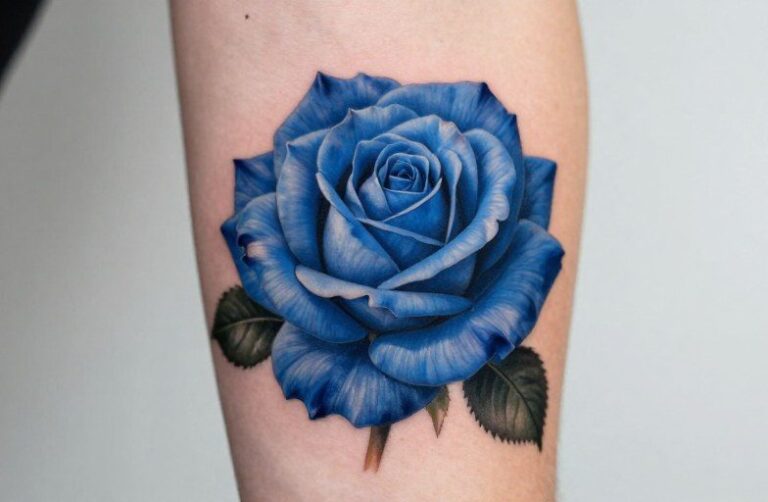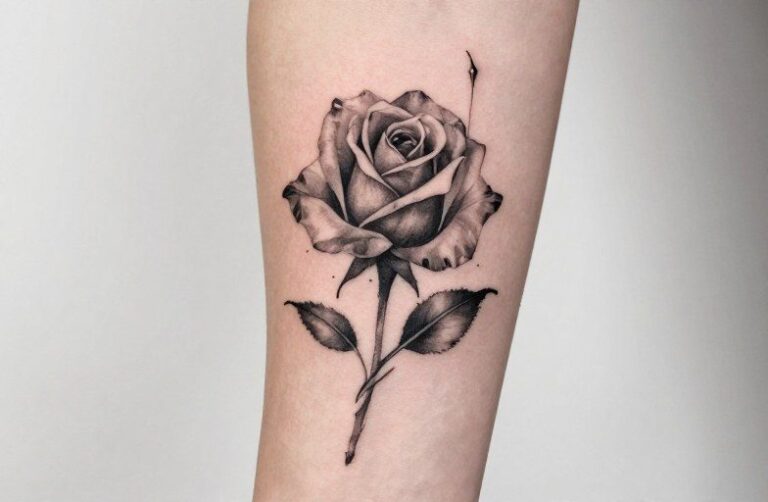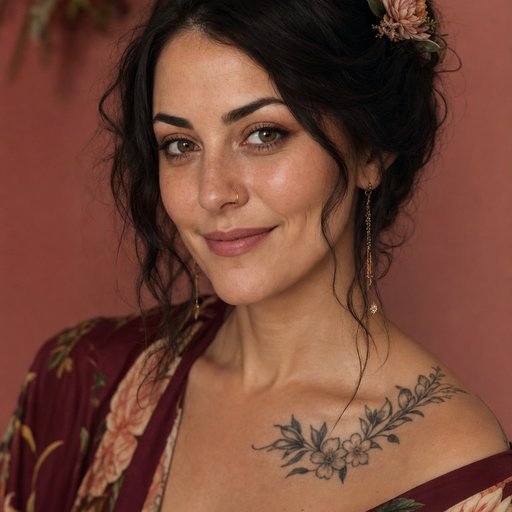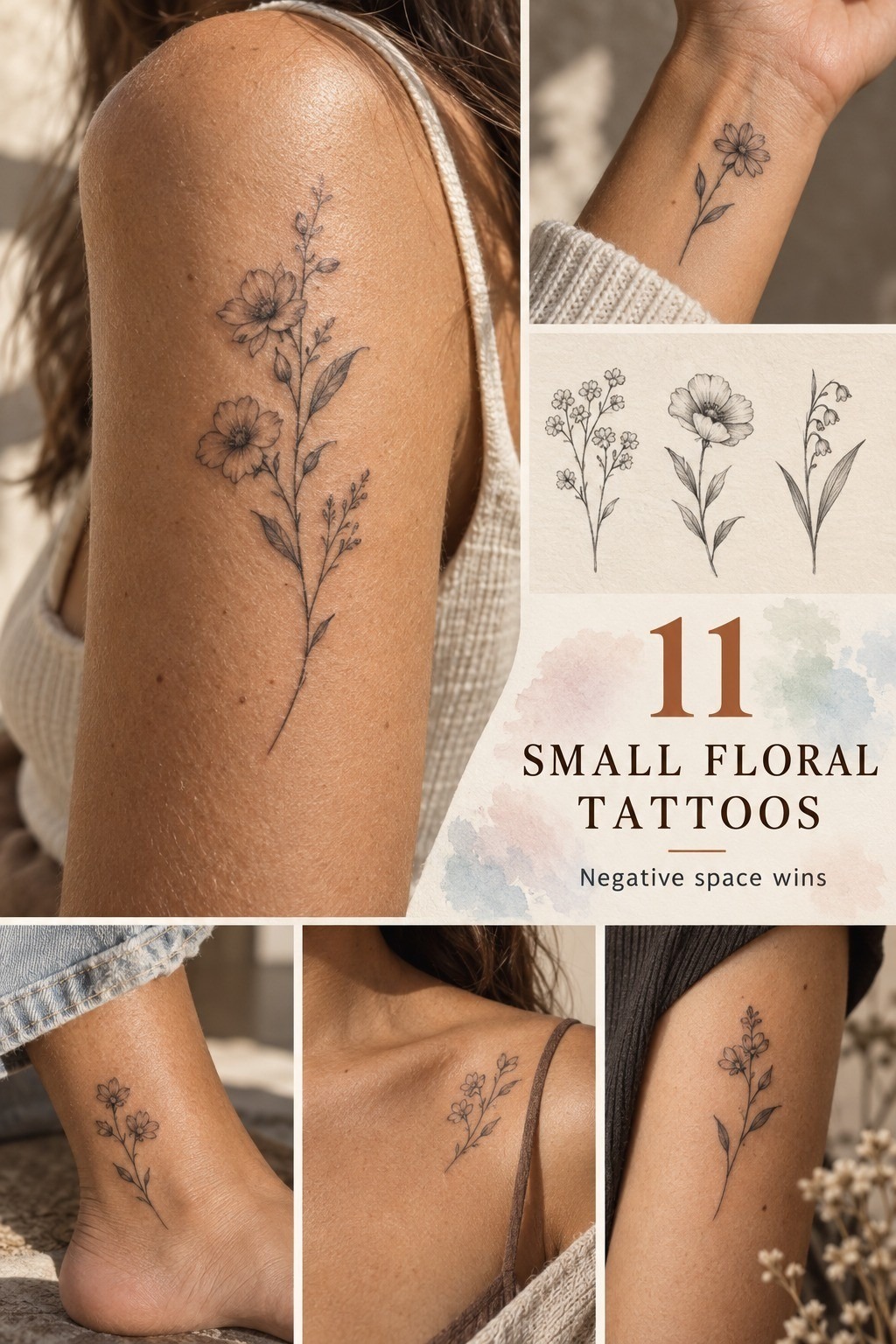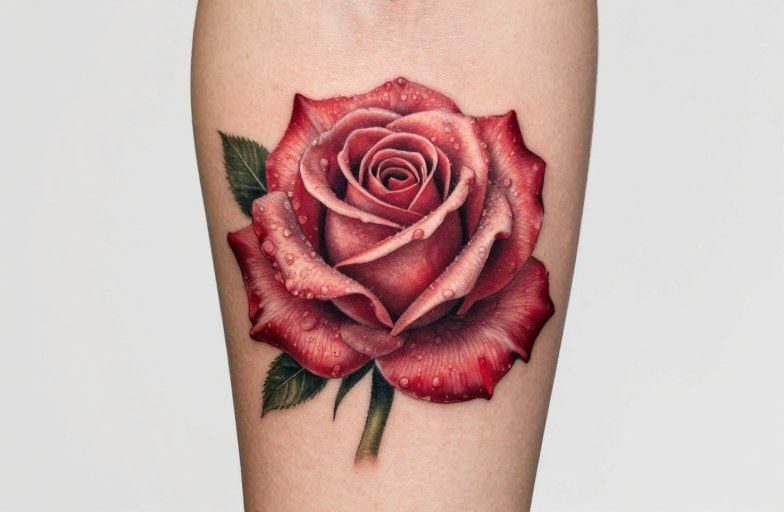
Floral tattoos generally symbolize growth, mortality, beauty, and emotional states tied to the specific flower chosen. A rose signals passion and pain through its thorns; a lotus points to emergence from difficulty; chrysanthemums in Japanese tradition honor the dead. The meaning hinges on which flower, where it sits on the body, and how the design handles aging skin.
Best Placements
High-Detail Areas
Petals demand clean lines and smooth gradients. The inner forearm, outer upper arm, and calf offer flat, stable surfaces where fine lines stay crisp. Ribs and sternum work for flowing compositions but hurt more and stretch with breathing; artists often simplify petal edges there to account for movement. Finger and hand placements blur fast, knuckles especially chew through ink, so florals here usually go bold and graphic rather than delicate.
Scaling to the Body
A single bloom needs room to breathe. Quarter-sized roses on ankles turn to mush inside five years. Better to let a peony or magnolia spread across a shoulder blade, where the natural curve of muscle gives the flower dimension. Thigh pieces accommodate full stems with leaves and buds, creating narrative sequence: bud, bloom, wilt. Behind the ear suits a single stylized petal or small cluster, kept high-contrast so it reads from a distance.
- Forearm: excellent for wraparound vines or single large blooms
- Upper back/shoulder: ideal for symmetrical arrangements or cascading designs
- Ankle/foot: high friction, plan for thicker lines and simpler shapes
- Collarbone: popular for horizontal sprigs; watch for sun exposure
Who Chooses This Tattoo
Floral work cuts across demographics harder than almost any other category. You see heavy black traditional roses on bikers, fine-line wildflowers on teachers, full Japanese sleeves with peonies and wind bars on collectors. The unifying thread tends to be commemoration or transition, births, deaths, recoveries, relocations. Someone marking sobriety might choose a lotus; a parent mourning a child often picks forget-me-nots or the flower of a birth month.
Gender presentation matters less than it once did. Thirty years ago, florals were coded feminine in Western shops. Now black-and-grey masculine interpretations dominate certain styles, especially Chicano black-and-grey and Russian prison-derived work. The flower itself hasn’t changed; the framing and surrounding imagery has.
Mythology & Folklore
Greek and Roman Roots
Narcissus, hyacinth, and anemone all carry origin stories involving transformation and death. The anemone, often linked to the blood of Adonis, symbolizes fleeting love and mourning. Roses connect to Aphrodite and secrecy, the term “sub rosa” derives from Roman practice of hanging roses over meeting tables where spoken words were confidential. These layers persist: someone choosing an anemone today may not know the myth, but the flower’s cultural association with loss remains active.
East Asian Traditions
The peony in Chinese culture carries wealth and honor; in Japanese irezumi, it appears alongside lions and serpents as a talisman against evil and a symbol of masculine bravery. Cherry blossoms encode mono no aware, the pathos of things, beauty in impermanence. This isn’t decorative background; it fundamentally shapes how Japanese tattooers compose floral elements with falling petals, wind, and negative space to emphasize transience.
How It Ages on Skin
Line Weight and Petal Structure
Thin single-needle lines defining individual petals soften within three to five years on most skin types. The gap between lines fills in visually, turning detail into grey mush. Thicker outlines (three to five needle rounds) hold definition longer. Shading technique matters enormously: whip-shaded grey petals age smoother than solid black fill, which can look blotchy as ink settles unevenly. White highlights, popular in contemporary floral work, disappear almost entirely on medium to deep skin tones and fade to yellowish on fair skin.
Color Fidelity
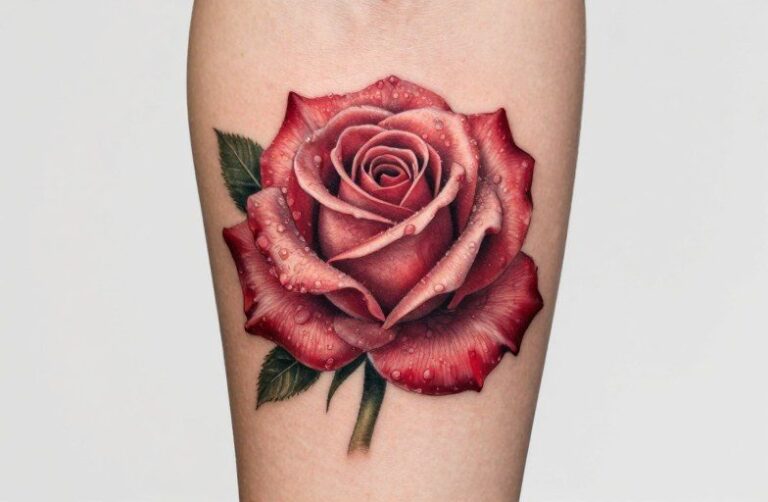
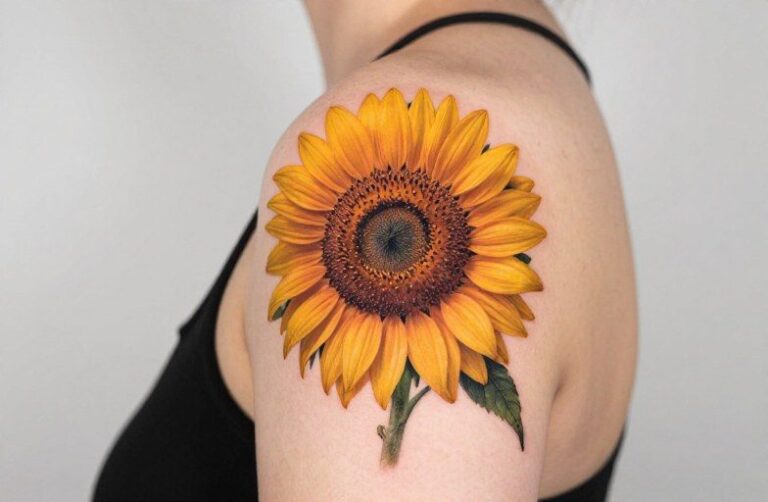
Pinks and purples derived from magenta bases fade fastest to muddy rose. Blues and greens from phthalo bases hold longer but can shift toward grey. Yellows stay surprisingly stable if applied densely. The real enemy is sun: unprotected floral color on forearms or shoulders degrades visibly within two summers of regular exposure. Saturation levels at application predict longevity better than brand of ink, thin, washed color goes first.
- Black and grey: 15-20 years before significant blur, often longer with care
- Bold traditional color: 8-12 years before refresh needed
- Fine-line single needle: 3-7 years before redefinition
- Watercolor style (no outlines): 2-5 years before significant loss of structure
Religious & Spiritual Angles
Christian iconography uses lilies for Mary’s purity and roses for the rosary and martyrdom. The lotus dominates Hindu and Buddhist contexts, representing spiritual awakening and detachment from material existence, roots in mud, stem through water, bloom in air. In Mexican folk Catholicism, marigolds guide spirits during Día de los Muertos; tattooed cempasúchil connect living memory to ancestral presence.
Less formally, many people assign private spiritual weight to flowers tied to specific locations or people. Lavender from a grandmother’s garden. The wild iris that grew by a childhood creek. These personal sacred meanings operate outside institutional religion but function identically in the wearer’s life. The tattoo becomes a fixed point of reference, not a billboard for others to read.
Common Variations & Styles
Traditional and Neo-Traditional
American traditional roses, daggers, and skulls rely on bold black outlines, limited color palette (red, green, yellow, black), and stylized rather than botanical accuracy. Petals read as geometric shapes. Neo-traditional loosens the rules, allowing more naturalistic shading and expanded color but keeping the graphic punch. Both age well due to structural clarity.
Botanical and Scientific Illustration
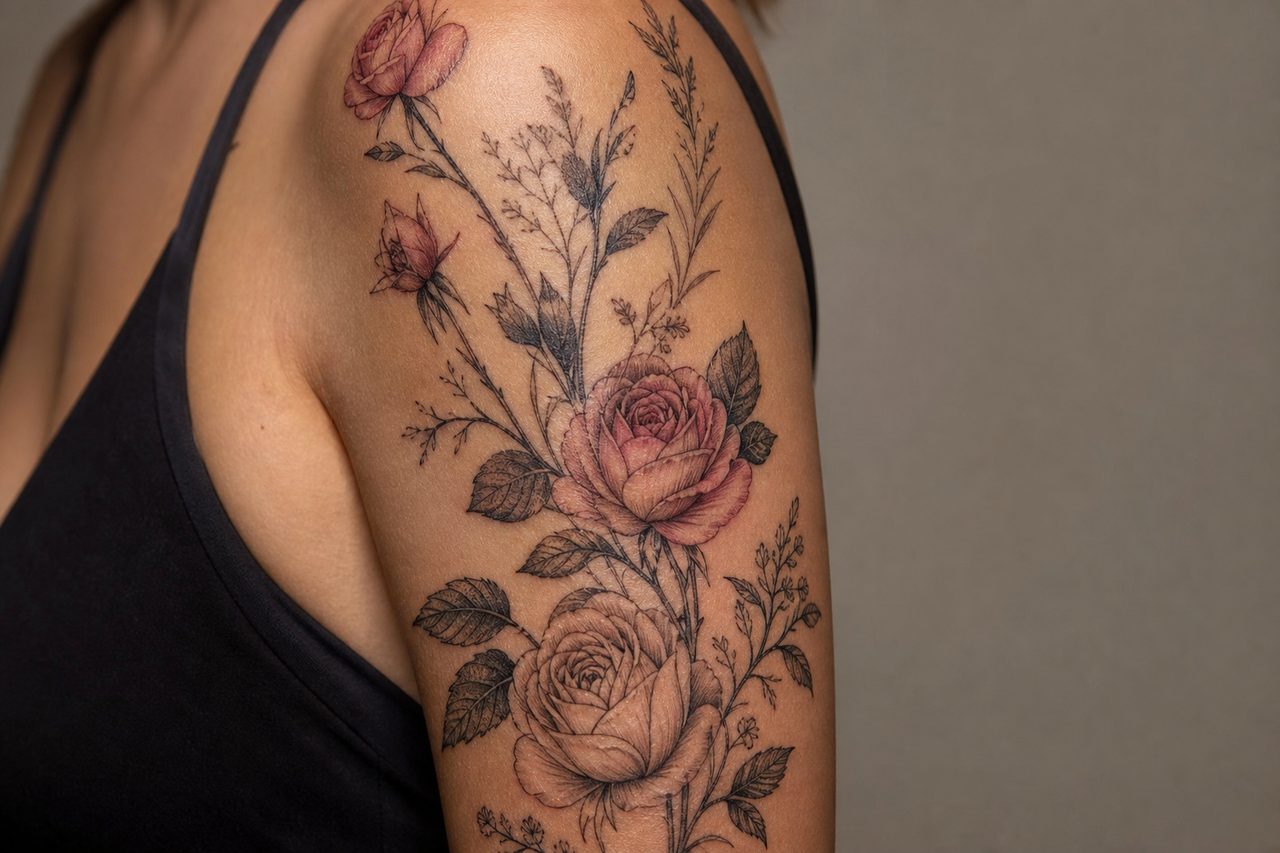
These prioritize accurate morphology, stamens, pistils, leaf venation, growth habit. Often done in fine line or etching style, sometimes with Latin names included. The precision makes them harder to execute well and more vulnerable to aging. Best suited to larger scales and protected placements. Artists with printmaking or natural history illustration backgrounds tend to excel here.
Japanese (irezumi) floral work integrates peonies, cherry blossoms, and maple leaves into larger narratives with background elements (wind, water, clouds). The flowers never float alone; they anchor composition and provide color balance against darker figural elements. This demands specialists, few generalists handle the technical and cultural knowledge required.
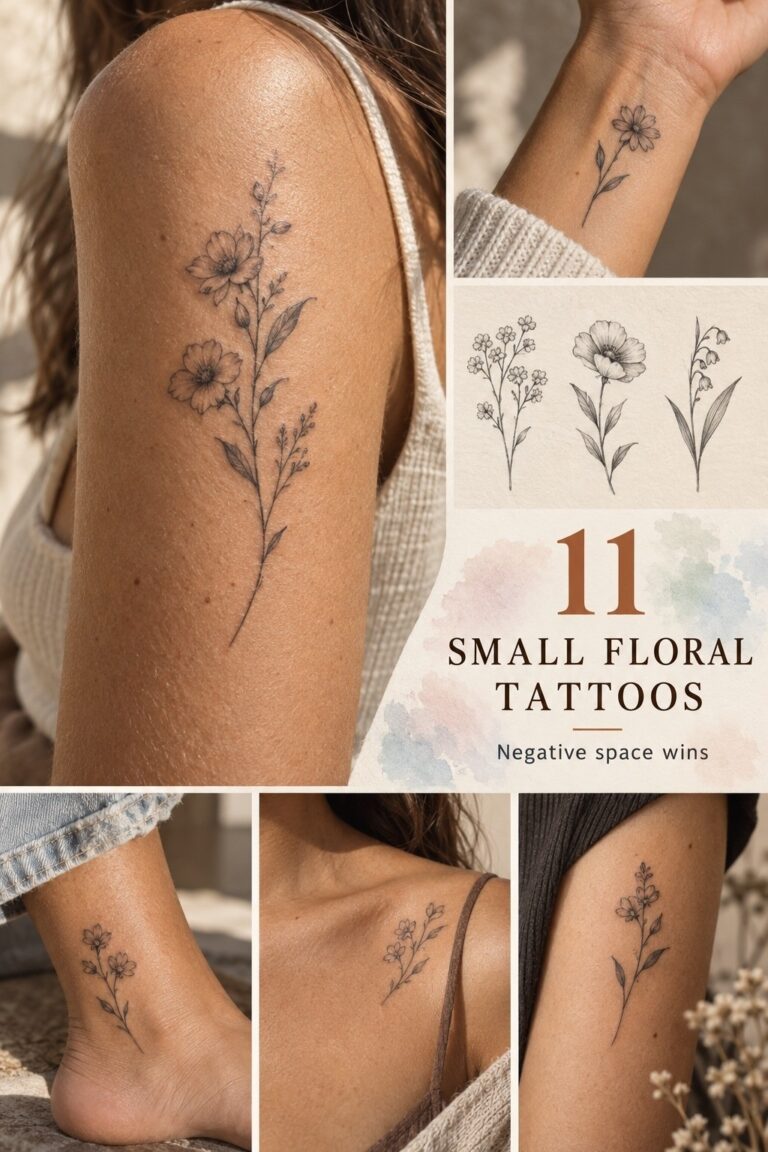
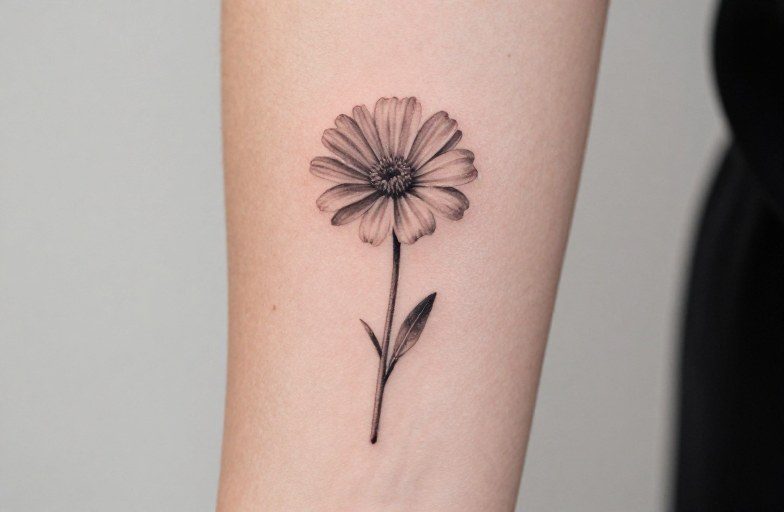
Contemporary fine-line and “stick-and-poke” aesthetics favor minimalism: single stems, sparse leaves, negative space dominance. Visually striking when fresh, these require disciplined aftercare and realistic expectations about long-term readability. They suit collectors who view tattoos as temporary installations or who plan regular refresh sessions.
Final Thoughts
Choosing a floral tattoo means choosing a specific flower for specific reasons, then matching it to a style and placement that respects how ink behaves on human skin over decades. The symbolism is real but layered, cultural, personal, botanical, aesthetic. Avoid generic “flower means love” thinking. A rose means something different in a black-and-grey prison-style hand tattoo than in a full-color traditional chest piece than in a single-needle fine-line rib piece. The flower is a vessel. What fills it depends on your intention, your artist’s skill, and the life your skin will live after the needle stops.
Frequently Asked Questions
Do floral tattoos hurt more than other designs?
Pain depends on placement, not subject. Ribs, sternum, and feet hurt regardless of whether you get flowers or geometric patterns. The detailed shading some florals require can extend session time, which increases cumulative discomfort.
Can any flower be tattooed in any style?
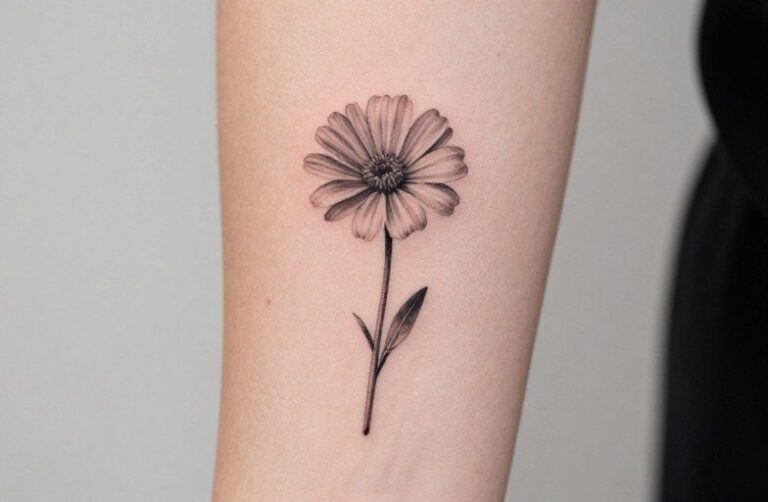
Technically yes, but some translate poorly. Highly complex flowers like orchids lose detail in traditional bold-line styles; simple flowers like daisies can look underwhelming in massive photorealistic pieces. Match botanical complexity to stylistic approach.
Why do my white flower highlights look yellow now?
White ink contains titanium dioxide, which can yellow with sun exposure and time. On deeper skin tones, white often heals to a subtle ash tone rather than bright white. Many artists now avoid relying on white for essential structure in floral work.
Should I bring a real flower or photo to my consultation?
Reference helps, but understand the translation process. A photo shows color and form; your artist will interpret it through their style’s constraints. Botanical illustrations often work better than photos for traditional or neo-traditional approaches.