Flowers have dominated tattooing for decades, and for solid reasons. The shapes wrap around body contours naturally, line work stays readable even as it ages, and the subject matter spans everything from delicate minimalism to heavy black-and-gray realism. For women considering floral work, the real questions aren’t about symbolism, they’re about where the design will sit best, how it’ll look in five years, and how to avoid the generic flash-sheet look that every shop has hanging on the wall.
Best Placements
High-Movement Areas vs. Stable Skin
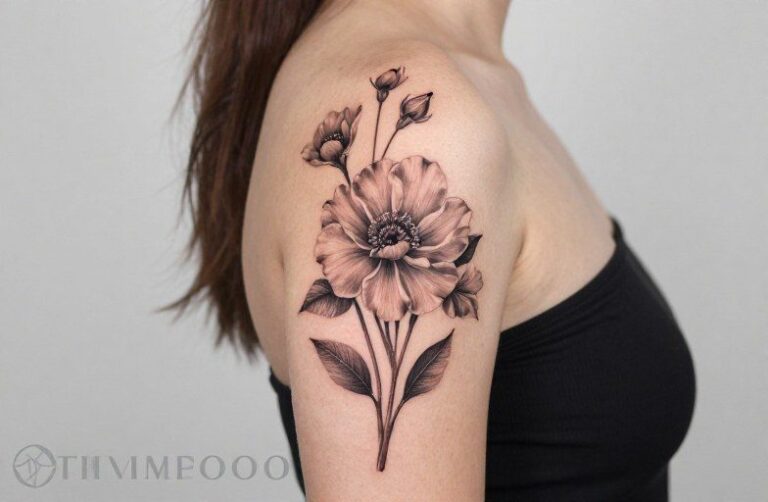
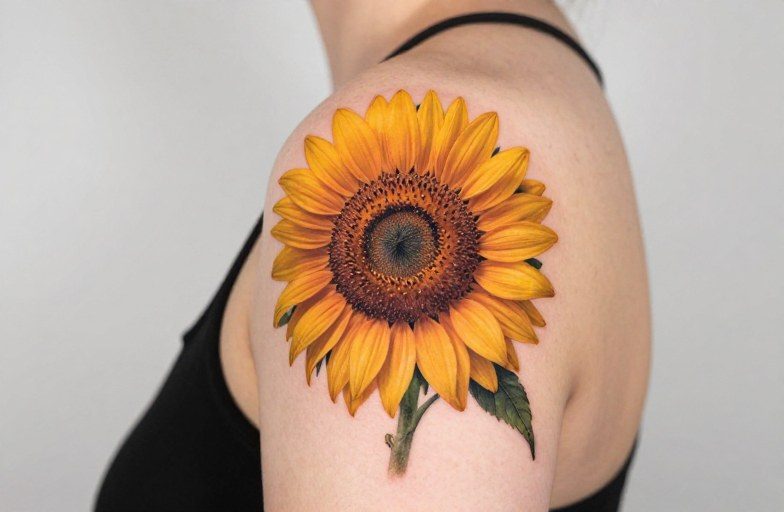
Ribs, hip bones, and sternum centerpieces get attention for good reason: the canvas is flat and the shape of petals can follow the natural lines of the body. That said, these spots hurt more and the skin shifts significantly with breathing and weight fluctuation. Lines stay crisper on the outer upper arm, the flat of the thigh, and the calf. The shoulder cap offers a rounded surface that suits a bouquet or mandala-style arrangement, while the forearm gives you something you can actually see without a mirror.
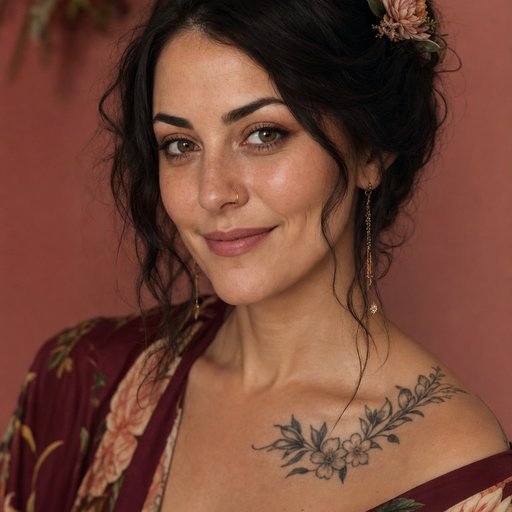
Behind the ear and along the collarbone work for single stems or small clusters, but expect touch-ups. The skin there is thin, and sun exposure is constant. If you want something that reads clean at a distance, the upper back between the shoulder blades provides a stable, relatively low-pain zone with room for detail.
Scaling for the Spot
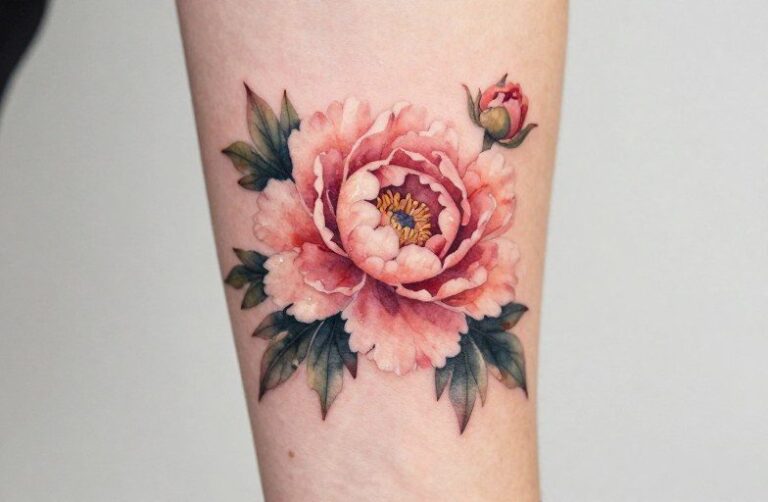
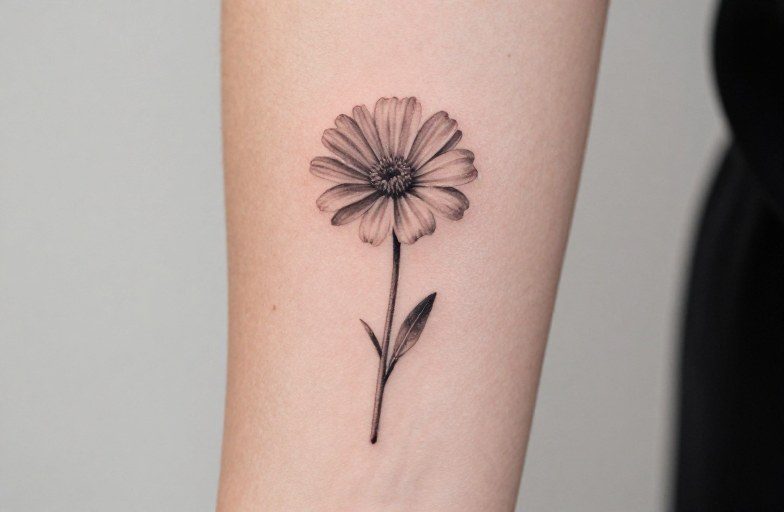
A peony thigh piece can carry dense shading and fine stamen detail. Shrink that same design to wrist size and the center becomes a muddy blob in under two years. Small florals need simplified structure: bold outlines, limited petal layers, and high contrast between dark and light areas. Your artist should redraw the reference specifically for the chosen size, not just shrink a larger design.
For First-Timers
Start With Structure, Not Detail
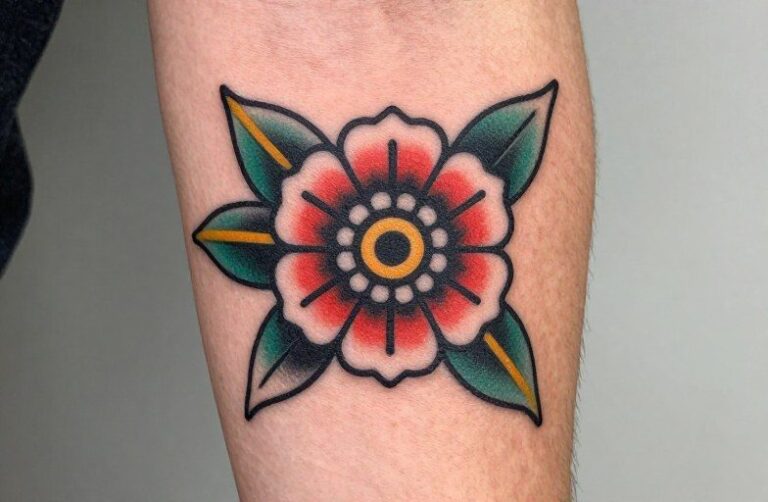
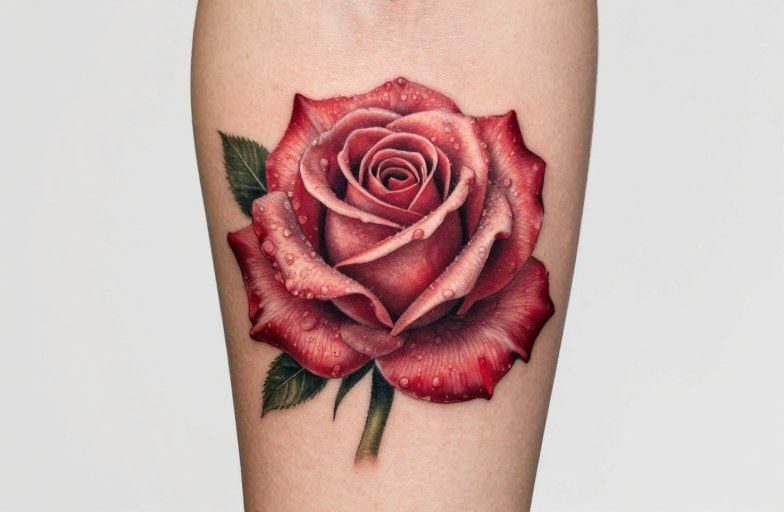
First tattoos benefit from designs that won’t embarrass you if trends shift. A single flower with clean linework, think a rose, poppy, or daisy, ages better than intricate watercolor splashes or fine-line-only pieces that rely on hair-thin strokes. Those strokes blur. They always blur. A design with some black line holding the shape together gives your tattoo a fighting chance against time and sun.
Pain reality: the outer arm, calf, and upper back are manageable. The ribcage, inner bicep, and anywhere directly over bone will test your commitment. If you’re nervous, pick a spot you can see during the process. Watching helps some people; others prefer to look away. Either way, sessions under two hours are easier to sit through than marathons.
Healing Expectations
Floral work with solid black and saturated color heals in roughly the same timeline: two weeks of careful aftercare, six weeks of settling. The difference is that heavy black shows scabbing more obviously, and color packing can weep plasma longer. Plan around your calendar. Don’t get a foot tattoo right before a beach trip or a rib piece before a camping weekend where you’ll be sweating in a sleeping bag.
Standout Design Ideas
Beyond the Generic Bouquet
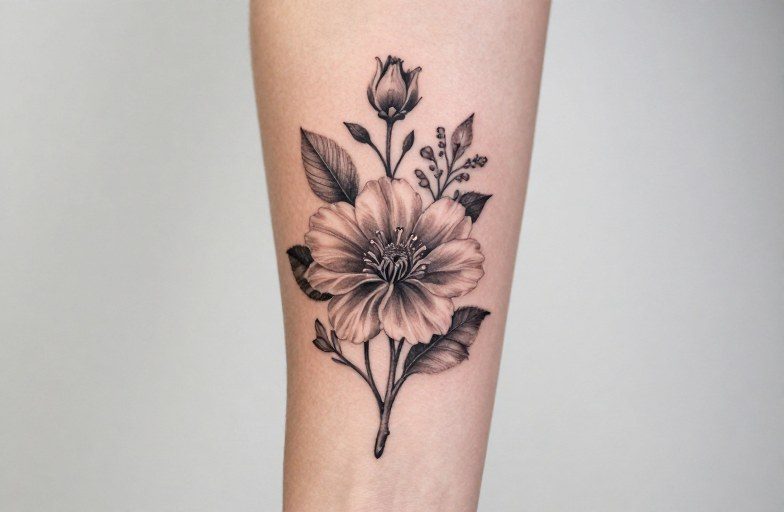
The difference between a floral tattoo that feels personal and one that looks like stock art comes down to specificity. Instead of “a rose,” consider a particular variety: the tight spiral of a cabbage rose, the wild irregularity of a species rose with visible hip. Instead of mixed flowers, try a single stem with botanical accuracy, correct leaf arrangement, proper stem texture, the slight droop of a cut flower past its prime.
- Pressed-flower aesthetic: flattened perspective, visible stem cross-section, delicate veining
- Negative-space florals: black background with the flower carved out in skin tone
- Scientific illustration style: labels, root systems, cross-section diagrams alongside the bloom
- Wilted or decaying stages: seed heads, drying petals, autumn color shifts
- Floral anatomy close-ups: stamens, pistils, the architecture inside the bloom
Combining Techniques
Mixing approaches within one piece creates visual tension. A single flower rendered in fine dotwork shading against a background of heavy black traditional leaves. A photorealistic bloom with a graphic, geometric stem. A watercolor-style wash contained within crisp black outlines that prevent the color from bleeding into visual chaos. The contrast is what makes it memorable.
How to Personalize It
Generic floral tattoos happen when people pick from a flash sheet or Pinterest board without pushing further. The personalization comes from specific references: a flower from your grandmother’s garden, a bloom that grew wild where you spent childhood summers, a variety that doesn’t appear in standard tattoo imagery. Bring your artist a photograph, not an illustration. Ask them to interpret the real plant.
Consider timing and state. A morning glory at 6 AM versus wilted afternoon. A cherry branch in bud, full bloom, or petal-fall. These choices carry weight without needing to spell out a narrative. Birth flowers are fine if the actual flower interests you, but don’t force it if the form doesn’t appeal aesthetically.
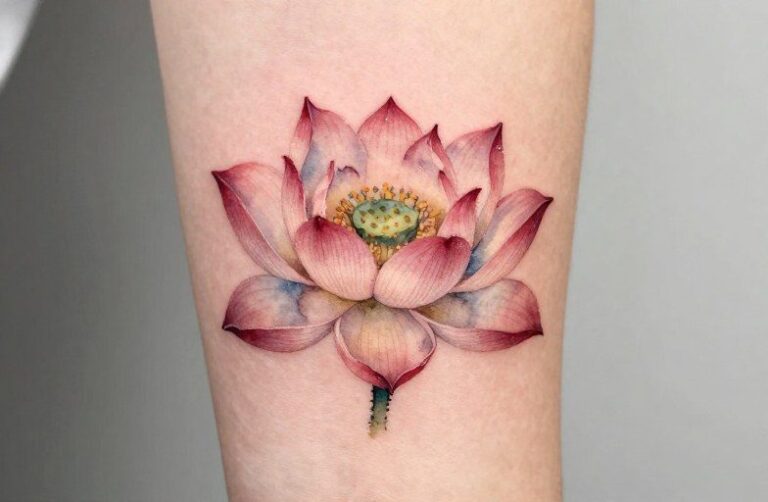
Incorporate non-floral elements that share the same visual language: insects that pollinate the actual plant, the specific soil or rock type where it grows, weather conditions. A lavender sprig with Provencal limestone texture behind it. A lotus with actual pond-water surface tension and floating debris. These details ground the image in reality rather than symbol.
Matching & Pairing Ideas
Sister and Friendship Sets
Matching florals work best when they’re clearly related but not identical. Same flower species, different stages of bloom. Same composition, mirrored placement. One person’s color, the other’s black and gray. The connection reads without being literal copy-paste work.
For mother-daughter pieces, consider the same plant rendered in each person’s preferred style: perhaps a traditional bold approach for one, fine and delicate for the other. The shared subject does the connecting; the individual execution respects separate identities.
Pairing With Non-Floral Work
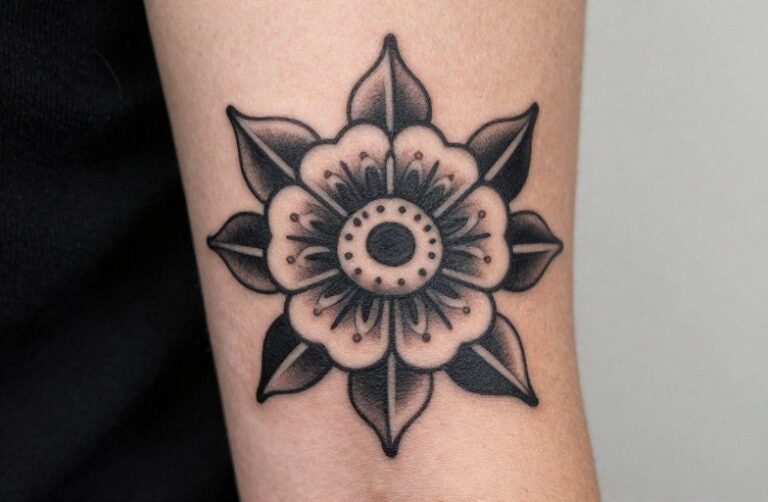
Existing tattoos don’t have to dictate everything, but new floral pieces should speak to what’s already there. Heavy black traditional work pairs better with bold, graphic florals than with soft watercolor. Fine-line existing pieces welcome similarly delicate botanicals. A sleeve in progress needs planned negative space; a floral filler can connect larger pieces if designed with the gaps in mind, not squeezed in as an afterthought.
Color Choices
What Lasts vs. What Fades
Black and gray florals age with dignity. The contrast remains, the structure stays readable. Color adds vibrancy but demands maintenance. Yellows and light greens fade fastest, sometimes noticeably within three to five years. Deep purples, blues, and dark reds hold longer. White ink, often requested for “soft” highlights, tends to yellow or disappear entirely on most skin tones.
Skin tone affects color choice significantly. On darker skin, saturated jewel tones and heavy black outlines create visibility; pastel washes can disappear. On very fair skin, even subtle color reads clearly, but sun damage becomes a bigger concern. Talk to your artist specifically about how pigments behave on skin similar to yours, not in theory.
Strategic Color Placement
One approach: color the focal flower, keep surrounding elements black and gray. This draws the eye and limits the area needing future touch-up. Another: full color but with black line throughout, so even as color mutes, the drawing remains intact. Watercolor-style pieces without black lines require committed maintenance schedules; budget for that if you choose this route.
Key Takeaways
Floral tattoos succeed on technical fundamentals more than symbolic weight. Pick placement based on how you live, not just how it’ll look in a photo. Prioritize designs with structural integrity, bold enough lines, enough contrast, enough black, to survive aging. Bring specific references from real plants rather than relying on tattoo clichés. If you want color, understand the maintenance commitment and choose saturation levels appropriate to your skin tone and sun exposure habits. The best floral work doesn’t need to explain itself; it reads as beautiful drawing on skin, period.
Frequently Asked Questions
How much detail can I get in a small floral tattoo?
Less than you think. At under three inches, stick to simple shapes with clear outlines and minimal interior shading. Dense detail blurs into gray mush over time. Your artist should design specifically for the size, not shrink a larger piece.
Will a floral tattoo on my ribs stretch if I get pregnant or gain weight?
Rib and hip skin stretches significantly with body changes. The tattoo won’t necessarily look bad, but lines may soften and composition may shift. If stability matters to you, choose the upper back, outer arm, or calf instead.
Can I get a realistic color flower that looks like a photograph?
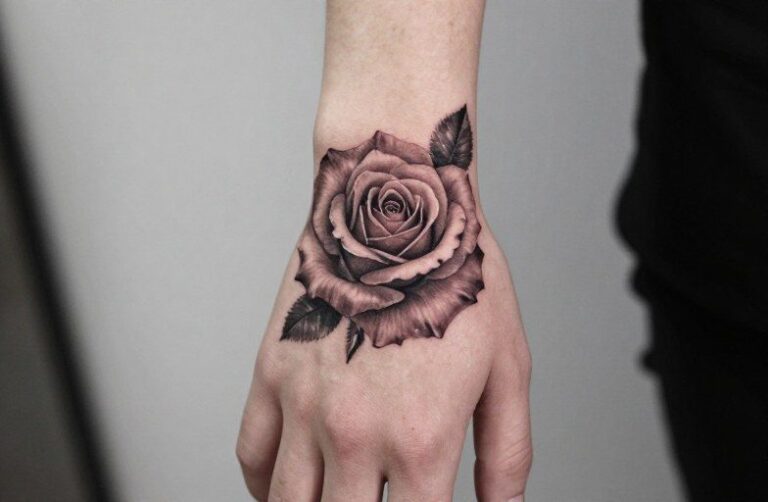
Photorealism is possible but high-maintenance. Without black lines holding the structure, color realism relies on contrast that fades. Expect touch-ups every few years, and know that the crisp edges of a fresh tattoo won’t last indefinitely.
How do I find an artist who specializes in botanical work?
Look through portfolios for actual plant accuracy, not just pretty flowers. An artist who knows botany draws correct leaf attachment, proper petal overlap, and recognizable species character. Ask specifically about their experience with the plant you want.