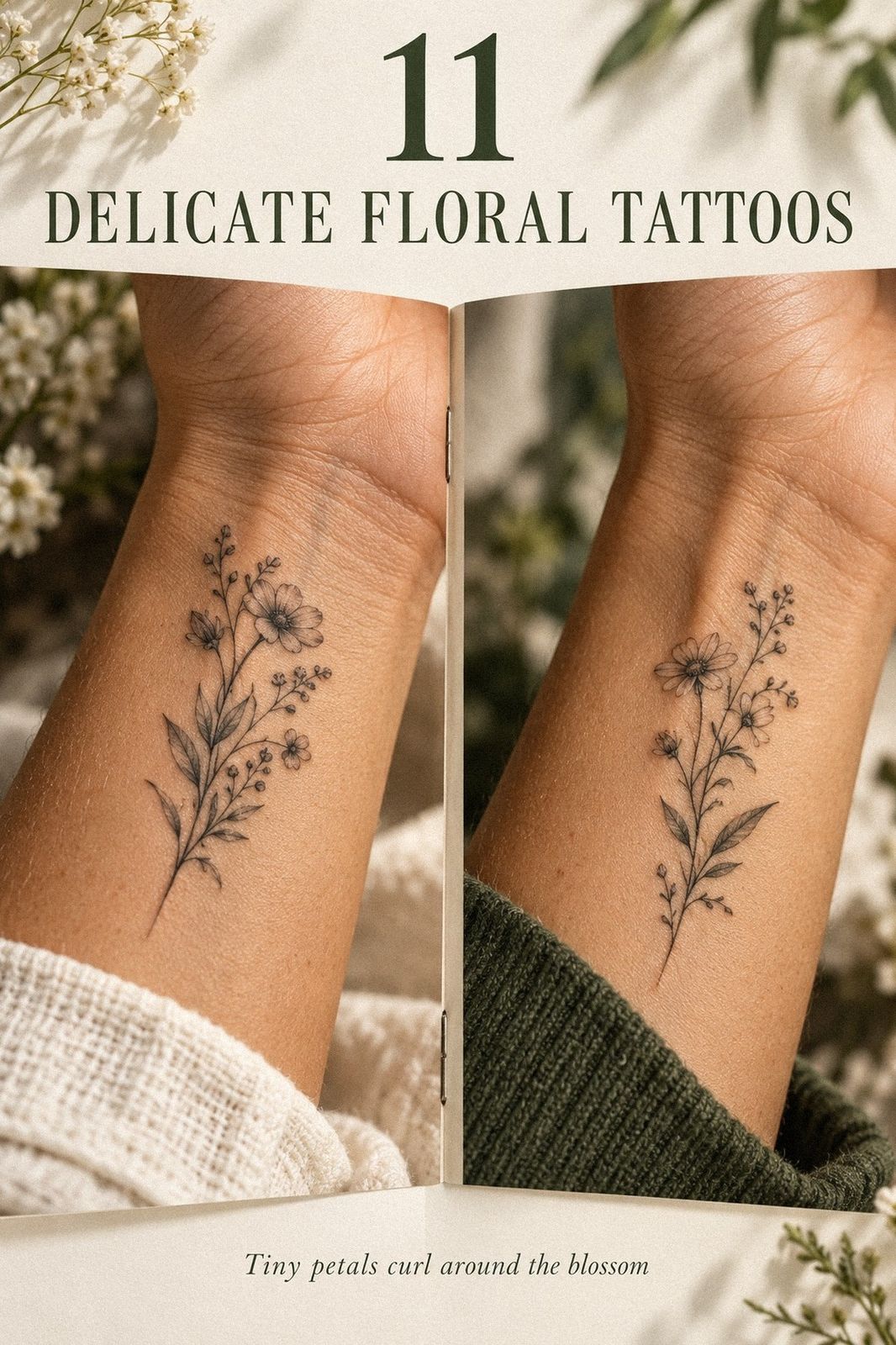
Delicate floral tattoos can stay crisp when placement, spacing, and line weight work together. I learned that after a tiny wrist sprig blurred faster than I expected. Now I look for discreet spots, clear negative space, and an artist whose healed work remains expressive rather than merely fresh. These ideas are personal, symbolic, and easy to keep private!
Editor’s note: begin with the part most people rush past: how visible you want the tattoo to be. A striking flower can still feel understated when its scale, contrast, and direction match your real habits.
My one rule is simple: choose the flower second. Start with your lifestyle, then let the design become meaningful within that boundary.
- Fine-Line Wildflower Wrist Tattoos
- A Tiny Botanical Ankle Sprig That Stays Discreet
- Why a Single-Needle Rose Works on the Collarbone
- Watercolor Floral Rib Tattoos With Controlled Color
- Keep Minimal Daisy Finger Tattoos Readable
- Intricate Floral Forearm Linework With Room to Breathe
- Birth Flower Shoulder Tattoos for Meaningful Dates
- Let a Delicate Floral Spine Tattoo Follow the Centerline
- Dainty Lavender Behind the Ear, Kept Personal
- Bold Blackwork Floral Hand Tattoos vs. Fine Detail
- Build a Feminine Floral Bouquet on the Thigh
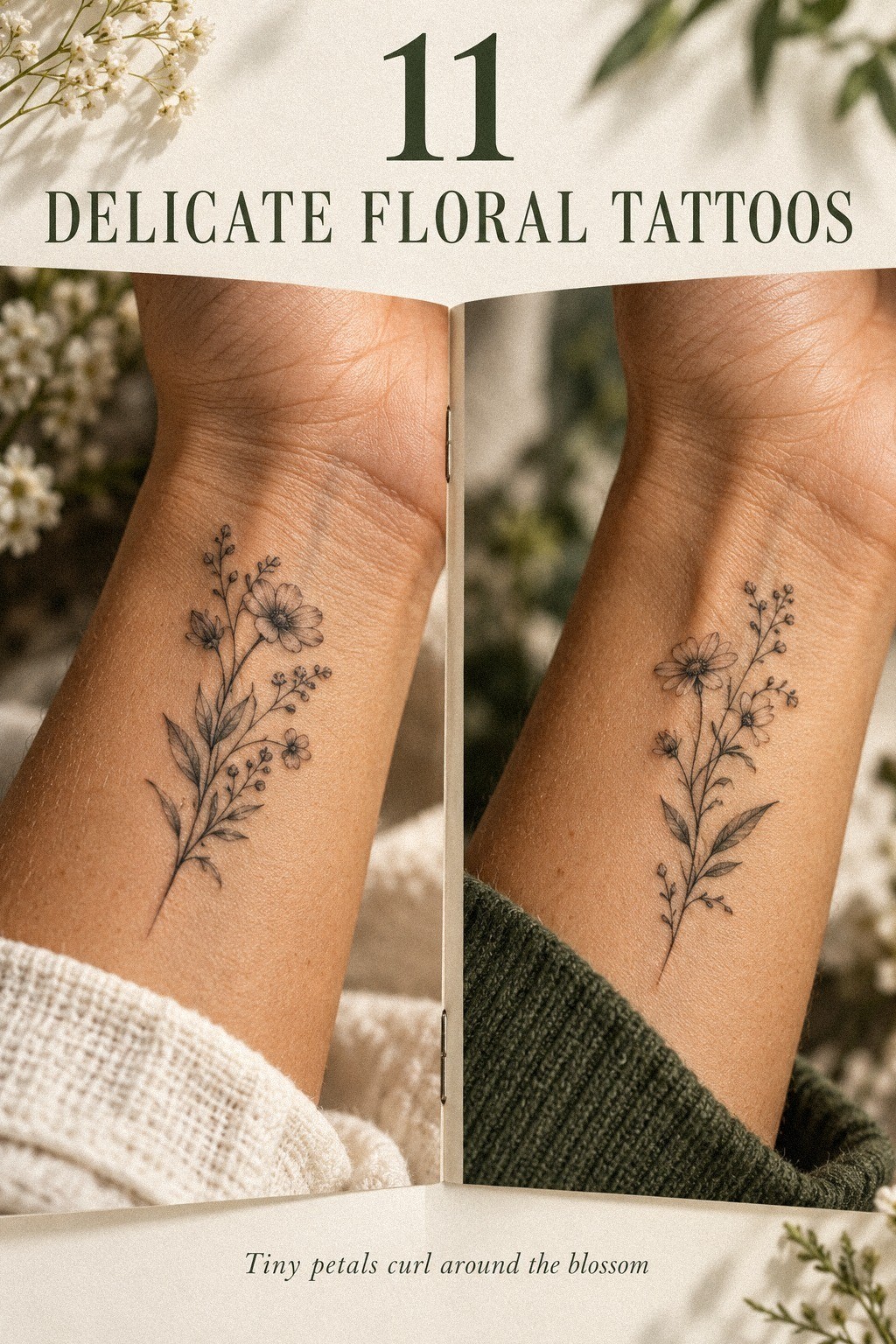
1Fine-Line Wildflower Wrist Tattoos
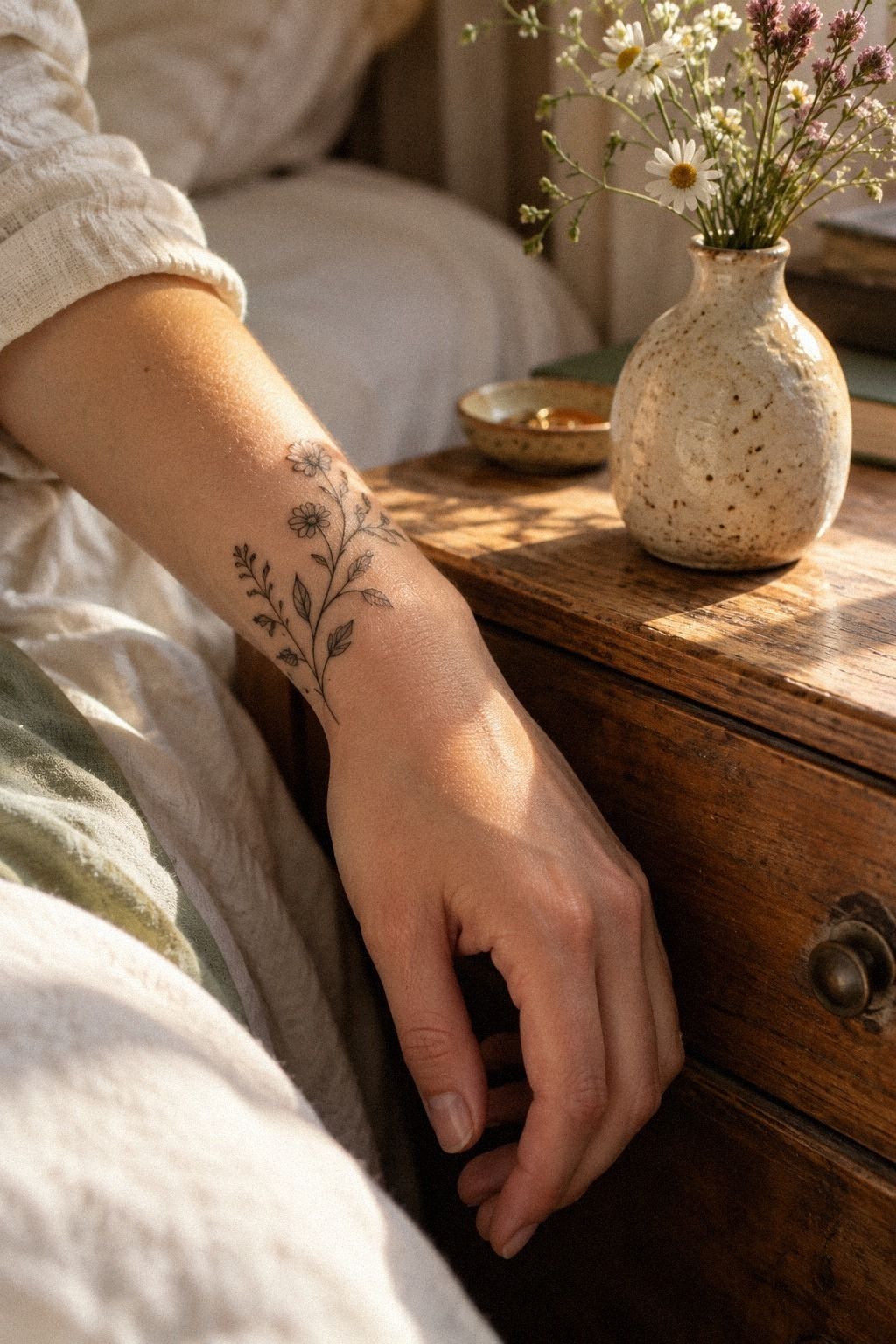
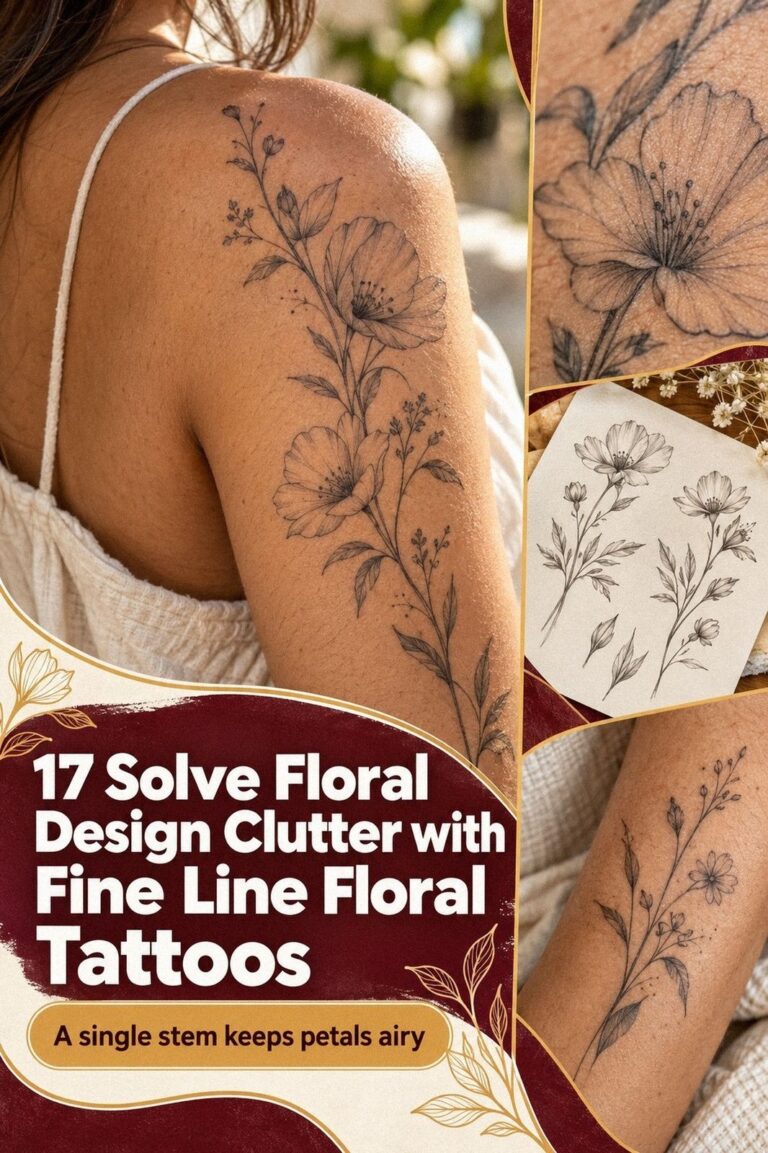
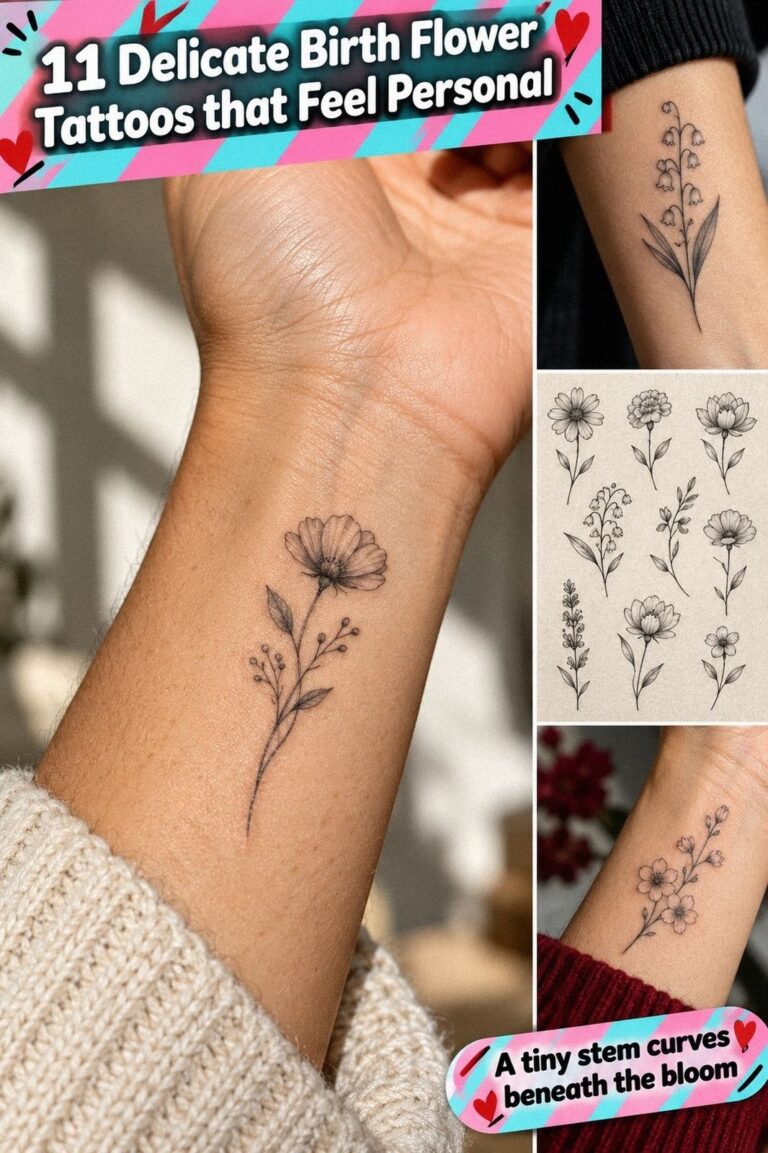
A fine-line wildflower sprig on the inner wrist feels personal without demanding attention. The fine-line wildflower works best with small petals, clear stems, and a graceful curve that follows your natural movement.
If you’re drawn to single-needle linework, ask your artist to leave visible skin between each bloom. That negative space helps a minimal design remain readable instead of becoming one dark mark over time.
I’d choose three or four distinct flowers rather than a crowded bouquet. It feels more flowing, more personal, and less visually busy when your hand moves.
A tiny wildflower sprig can carry a date, memory, or place without spelling out the whole story. It’s a dainty option with an expressive edge.
Wrists see sunlight, soap, friction, and frequent movement. Your artist should explain aftercare clearly, especially if you work with your hands.
If you’re rough on your hands, I’d skip hair-thin details. A slightly stronger stem may offer better long-term value.
For more understated inspiration, browse these small floral tattoos.
2A Tiny Botanical Ankle Sprig That Stays Discreet
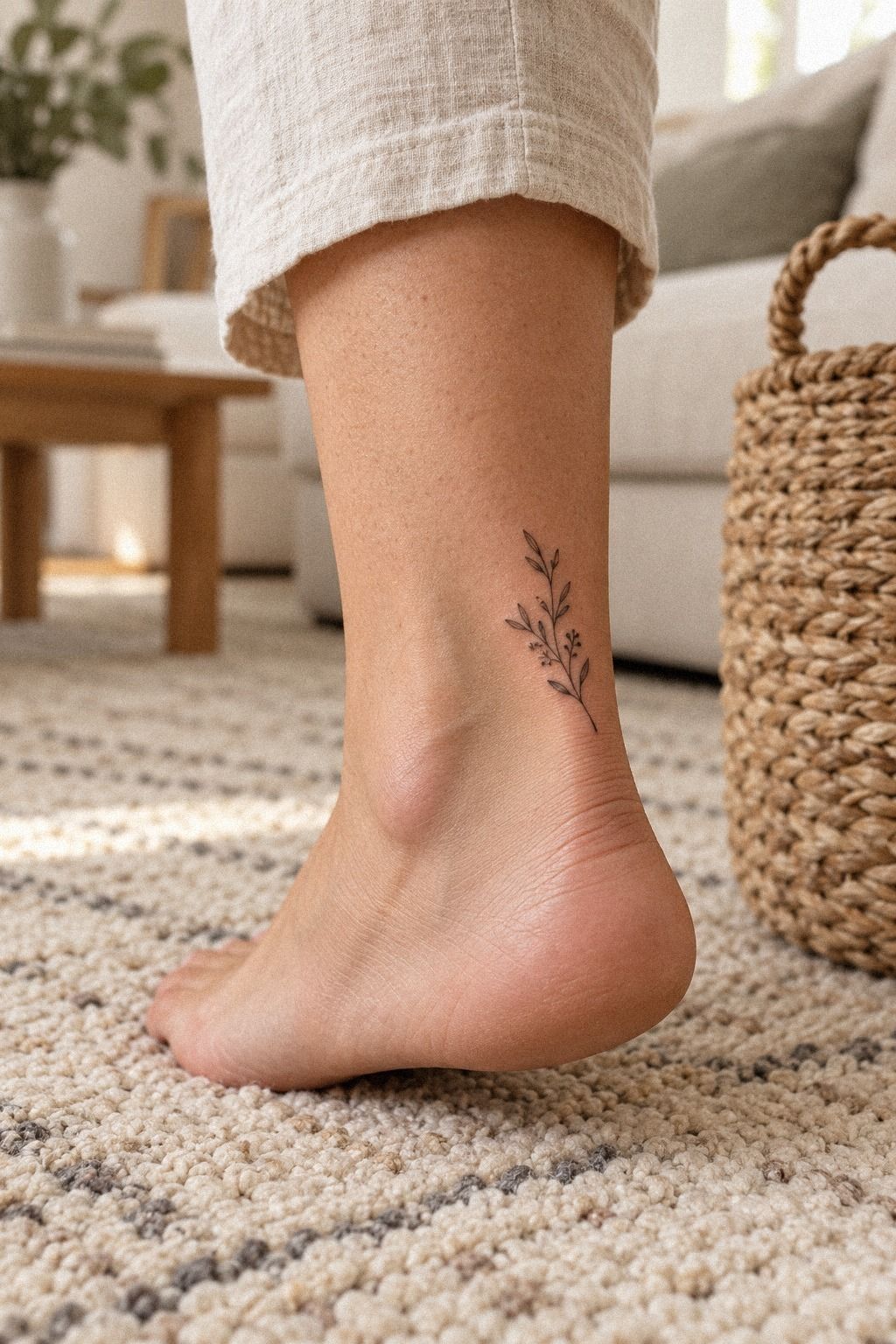
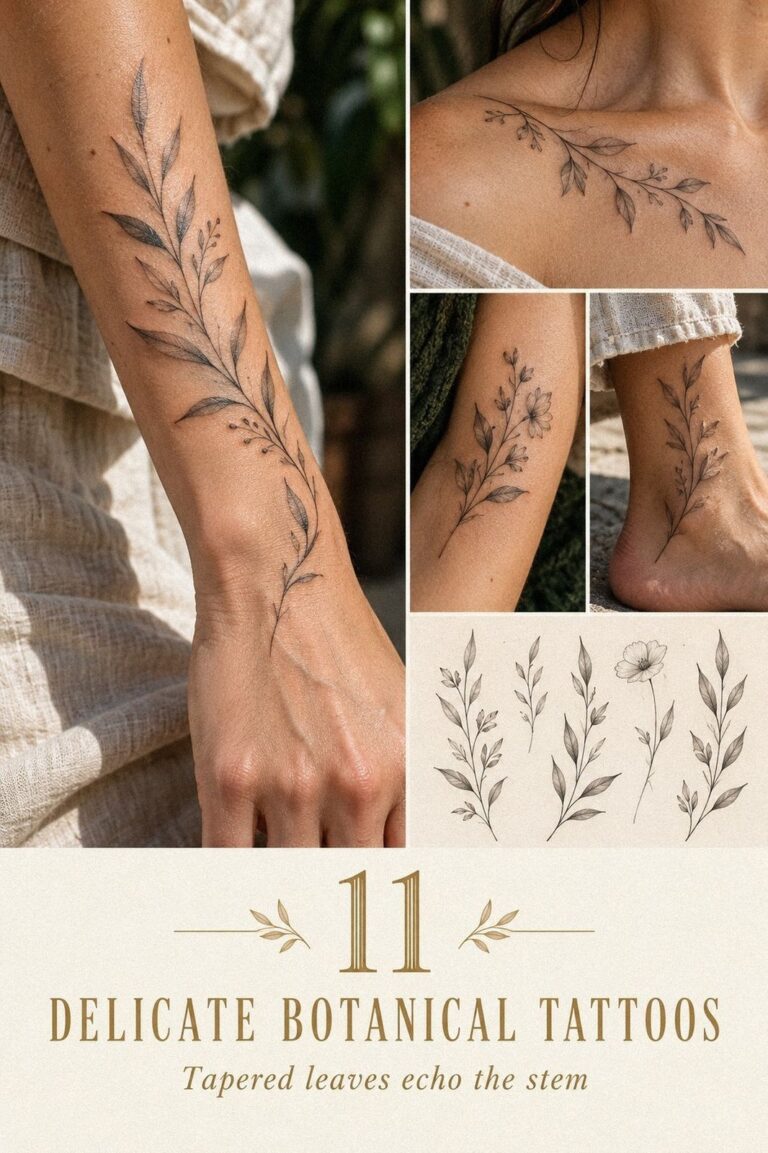
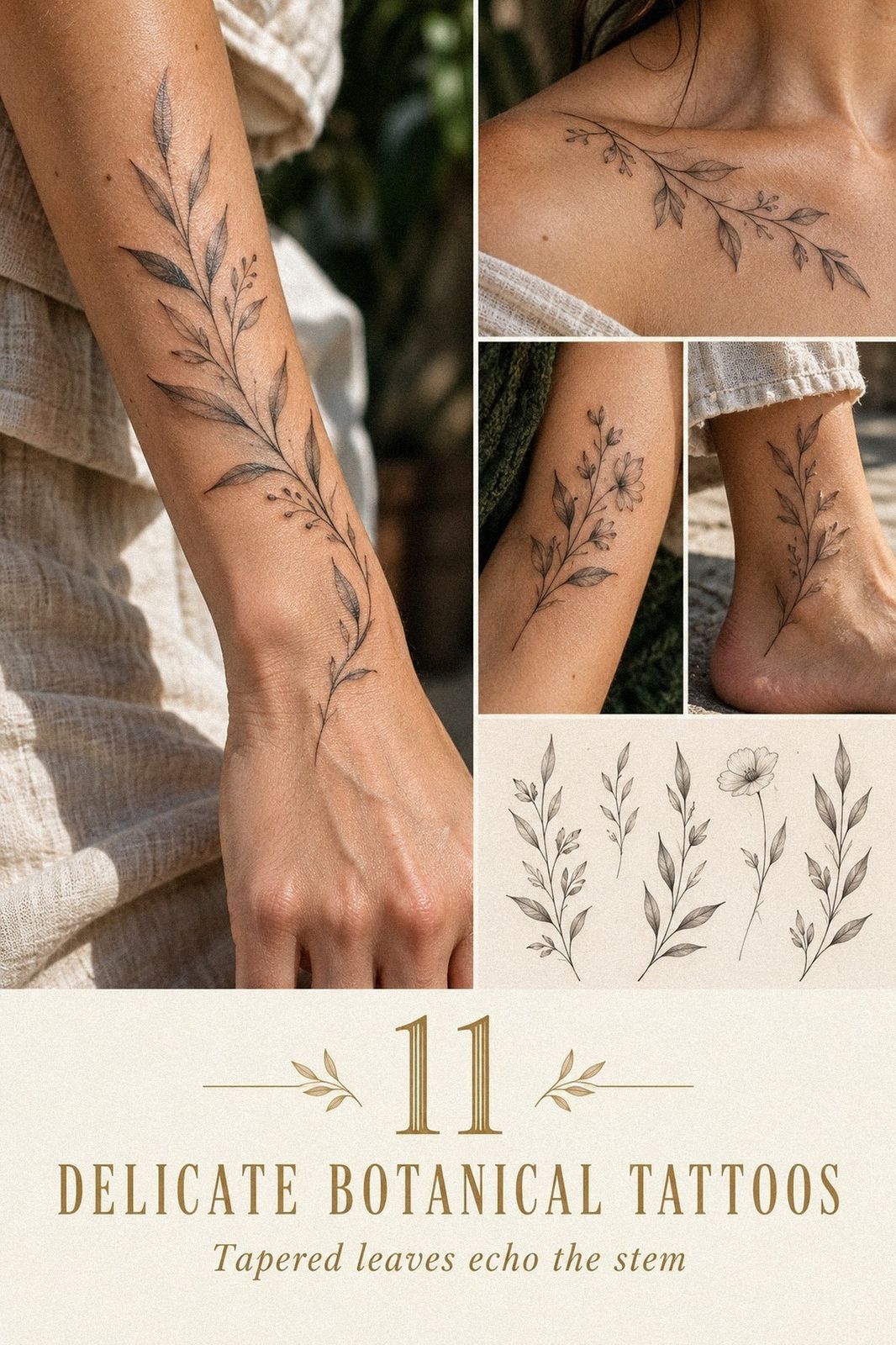
An ankle sprig is a smart choice when you want your tattoo hidden under socks or shoes, but ask for enough spacing around the leaves so the design does not collapse into a dark strip. I prefer a short, graceful stem with one focal bloom instead of several miniature flowers competing for attention.
Before booking, wear the shoes you use most often and show your artist where the edge will sit. That practical check can protect the understated effect and leads naturally to comparing other small floral placements.
3Why a Single-Needle Rose Works on the Collarbone

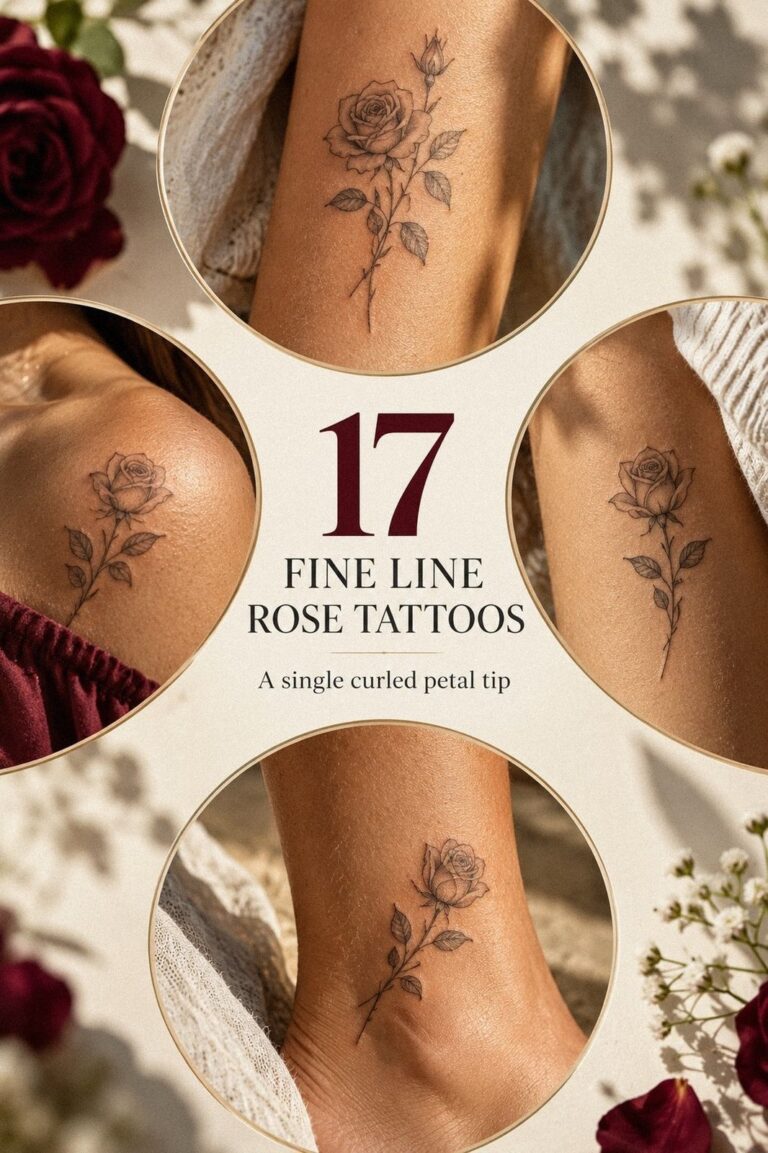
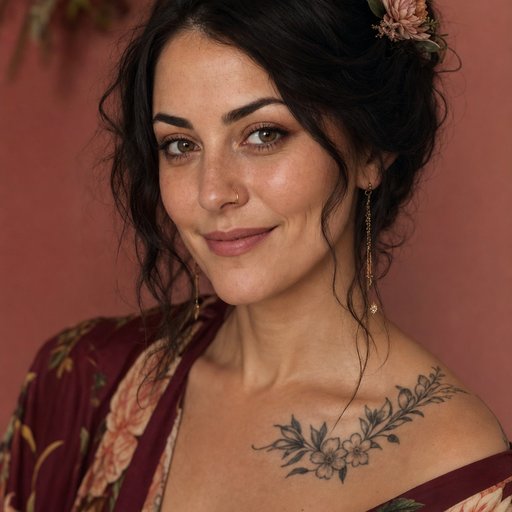
Why choose a single rose along the collarbone? The placement gives a romantic, elegant flower enough visibility to feel intentional while still disappearing beneath a shirt.
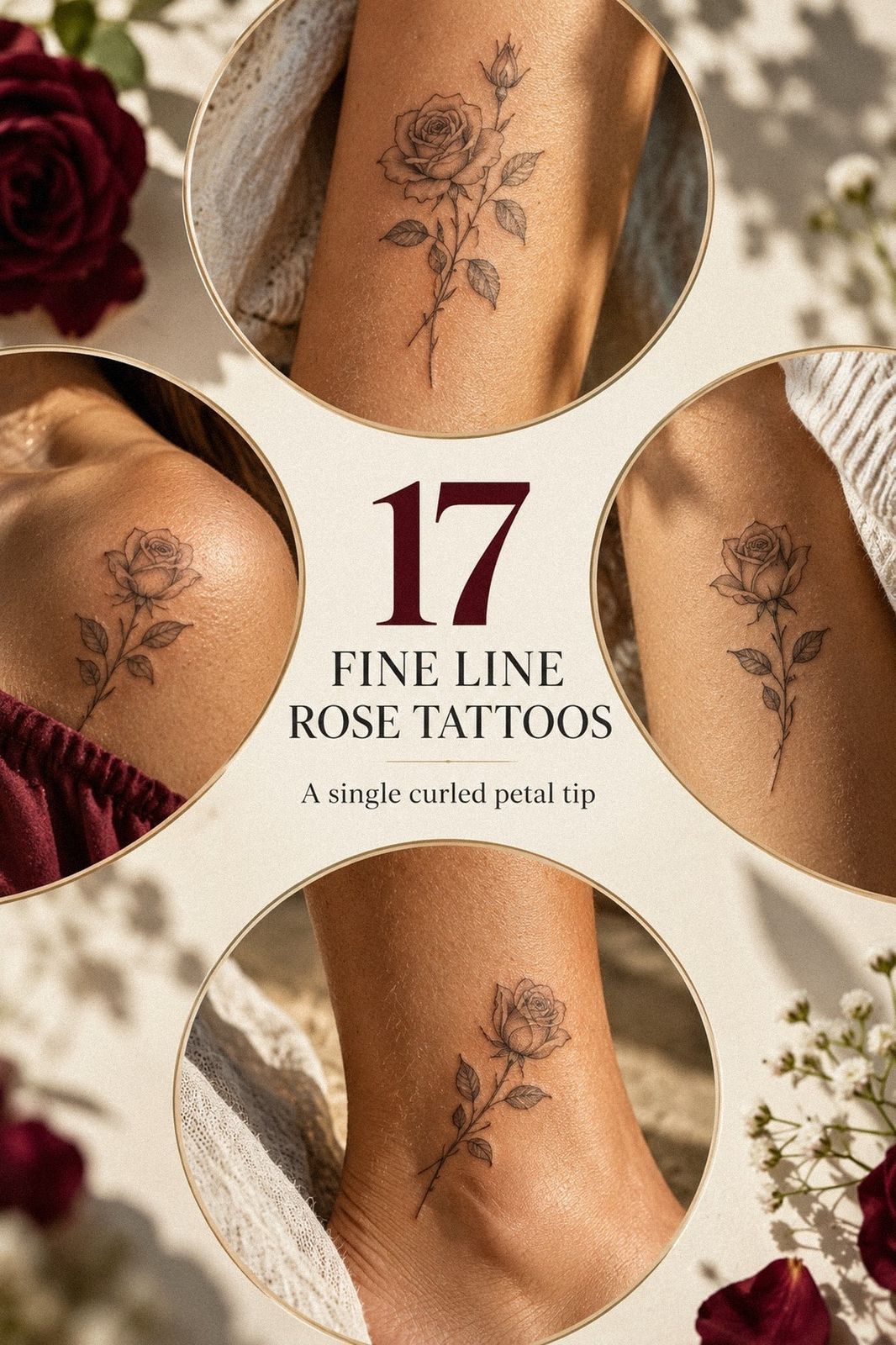
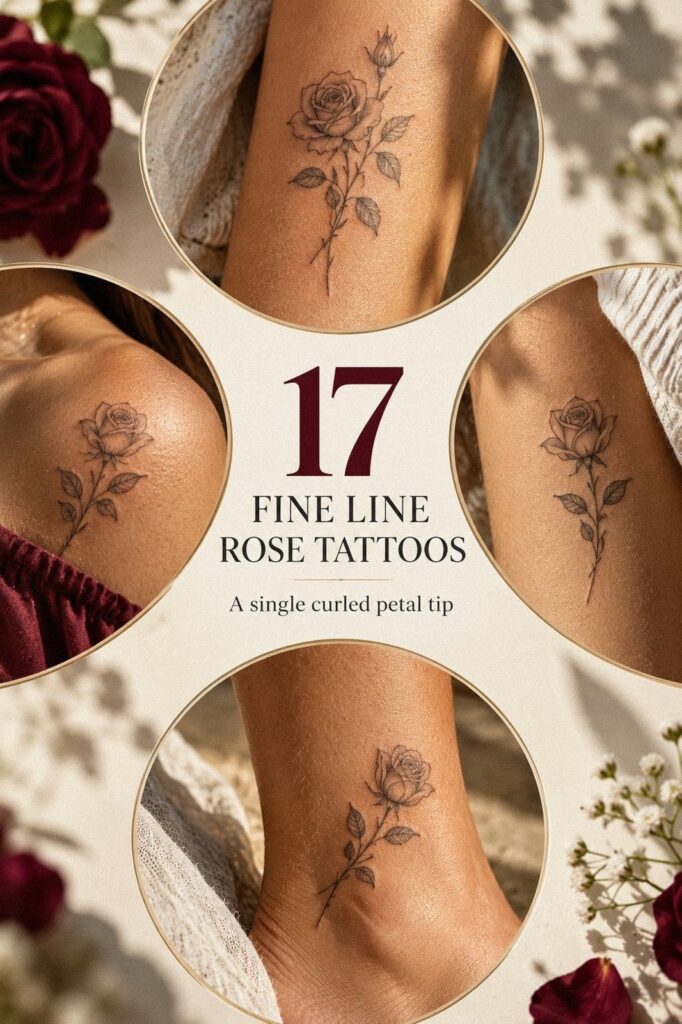
A single-needle rose can look delicate without becoming fragile. Ask for open petals rather than dense shading so the structure remains crisp.
The collarbone naturally gives the stem direction. Your artist may follow the bone or curve the flower slightly beneath it.
I prefer a gentle curve because a rigid horizontal line can look stiff. A flowing stem feels more organic and more expressive.
One rose can be symbolic without explaining everything. It might represent love, grief, resilience, or a person you’d rather keep close than announce publicly.
The collarbone can be sensitive, especially near the bone. Your artist should discuss collarbone placement and explain whether a slightly larger scale would improve readability.
If you want a recognizable flower without a huge design, the open-petal rose offers strong visual value. For more references, see these tiny rose tattoos.
4Watercolor Floral Rib Tattoos With Controlled Color
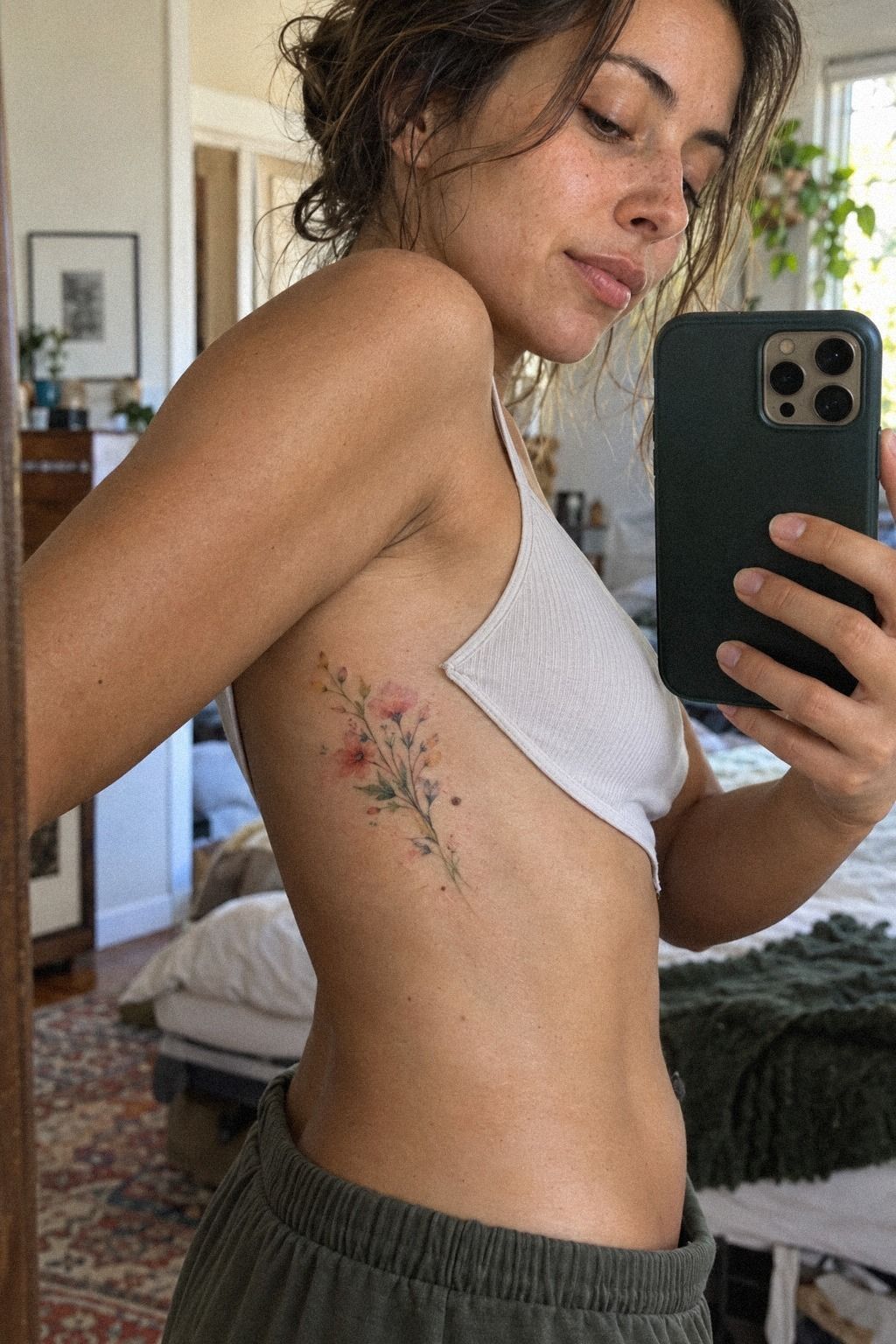
Watercolor floral tattoos bring soft color into an intimate placement, but the concept needs a firm outline or clear tonal boundary so the flower does not lose its identity. I’d keep the palette narrow and let one vibrant petal area carry the visual emphasis.
Ask your artist how the color will settle and whether the design needs more scale than your reference suggests. A controlled, expressive rib piece can feel romantic without relying on excessive detail, which makes it a natural contrast to the crisp blackwork ideas ahead.
5Keep Minimal Daisy Finger Tattoos Readable
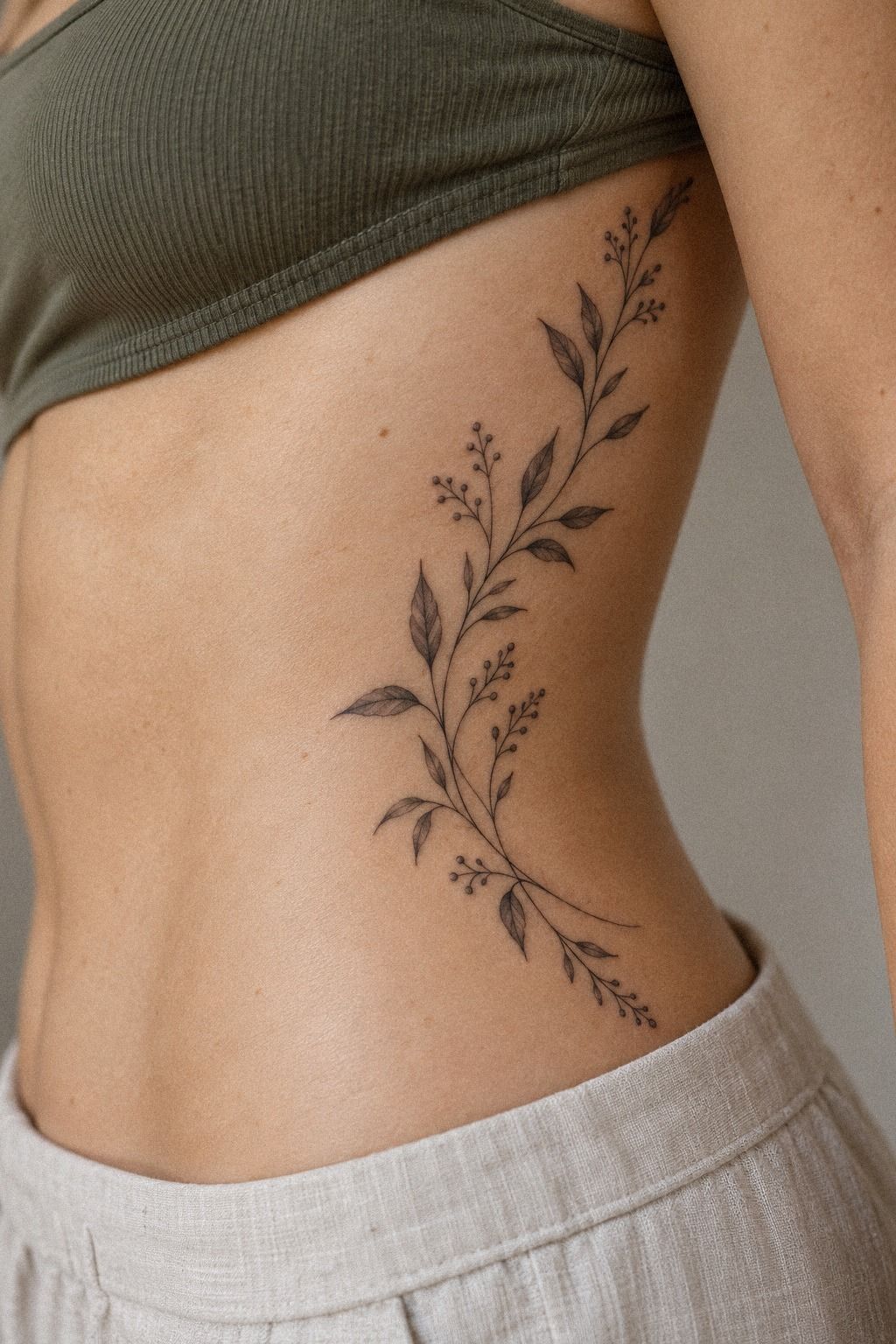
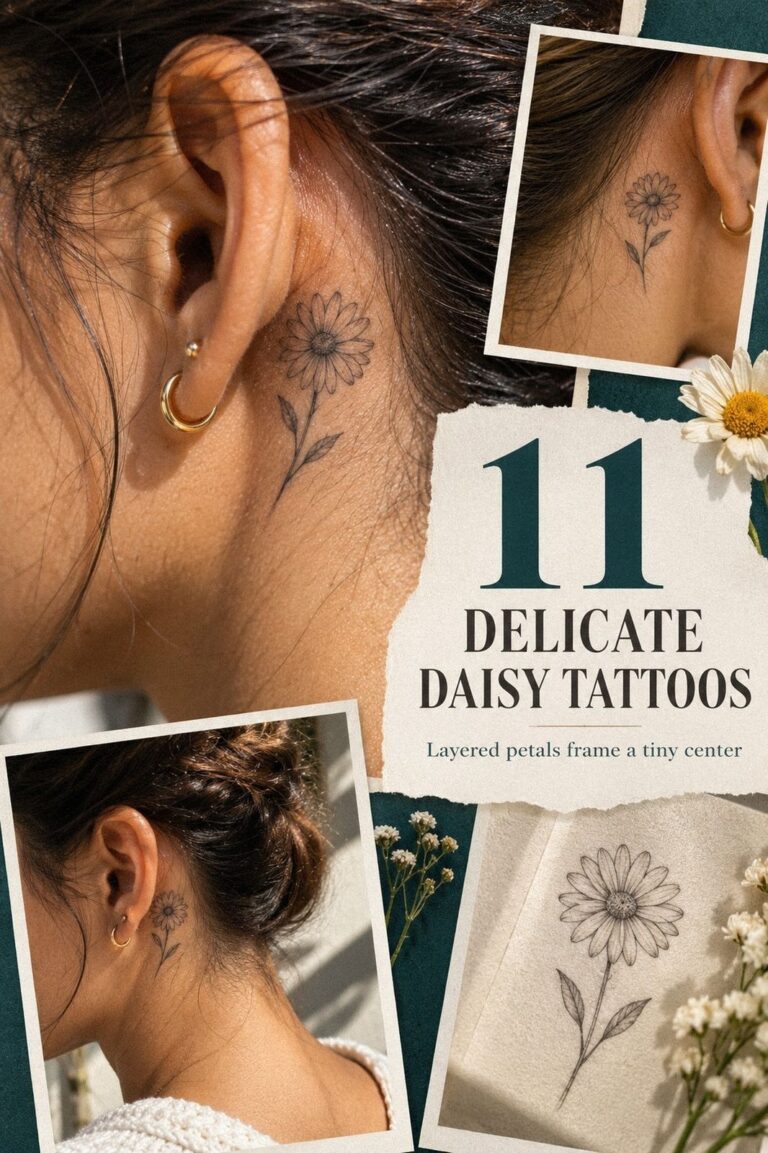
A small daisy on the finger can be playful, feminine, and easy to recognize. The minimal daisy needs a clear center and sturdy outer petals more than it needs tiny decoration.
Finger tattoos face washing, bending, gripping, and constant friction. Those conditions can soften delicate details faster than they would on the upper arm.
I’d avoid adding miniature dots that may disappear. You shouldn’t pay for detail that cannot remain readable.
The side of the finger is more discreet than the front. It can still wear quickly, but the placement offers a subtle reveal.
Ask your artist about finger tattoo longevity and whether a future touch-up may be needed. That conversation matters more than chasing the smallest possible design.
A clean daisy can look classic without feeling ordinary. Its simple shape gives the tattoo an understated, timeless quality.
If you’re comparing discreet ideas, these minimalist floral tattoos share the same crisp visual language.
6Intricate Floral Forearm Linework With Room to Breathe
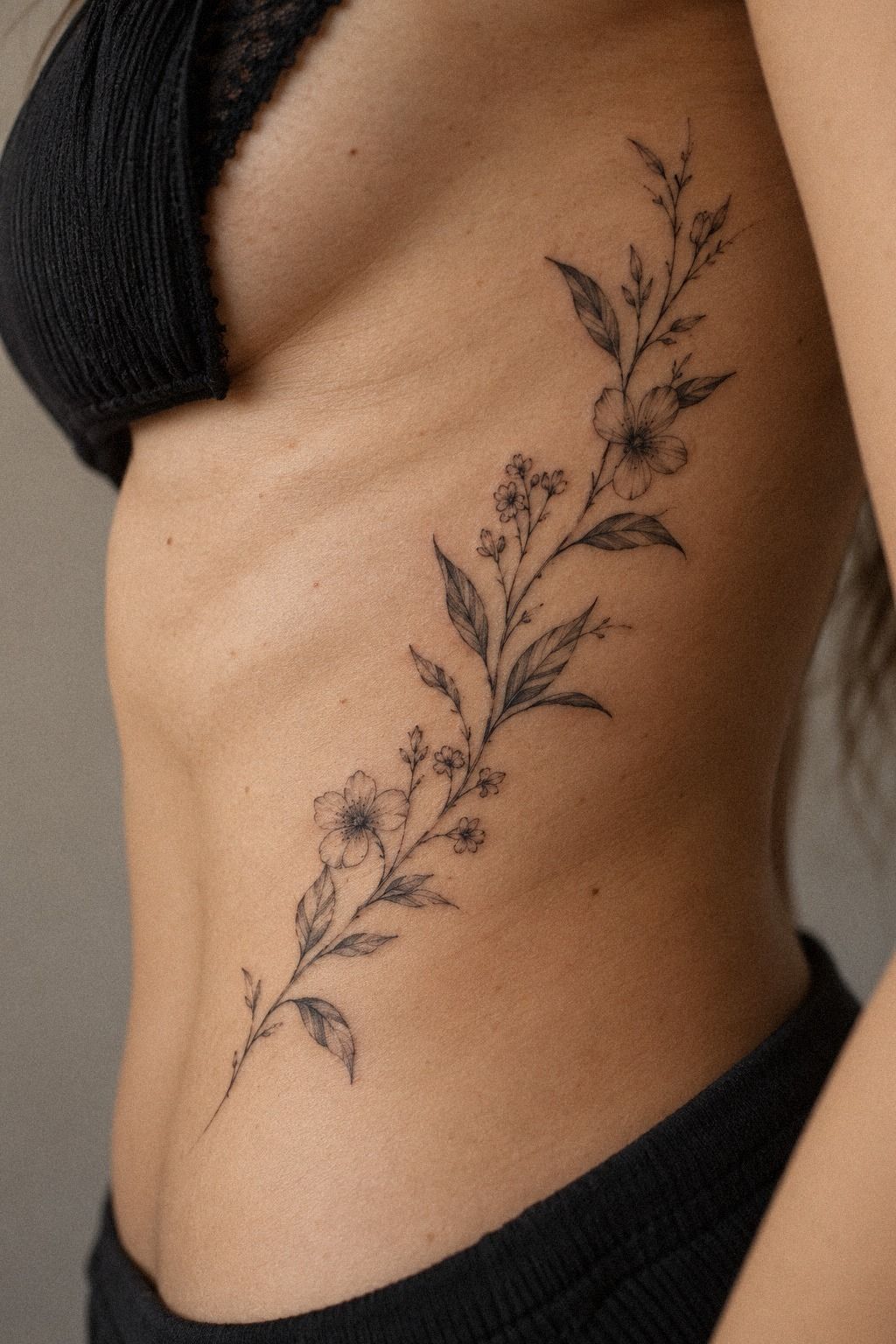
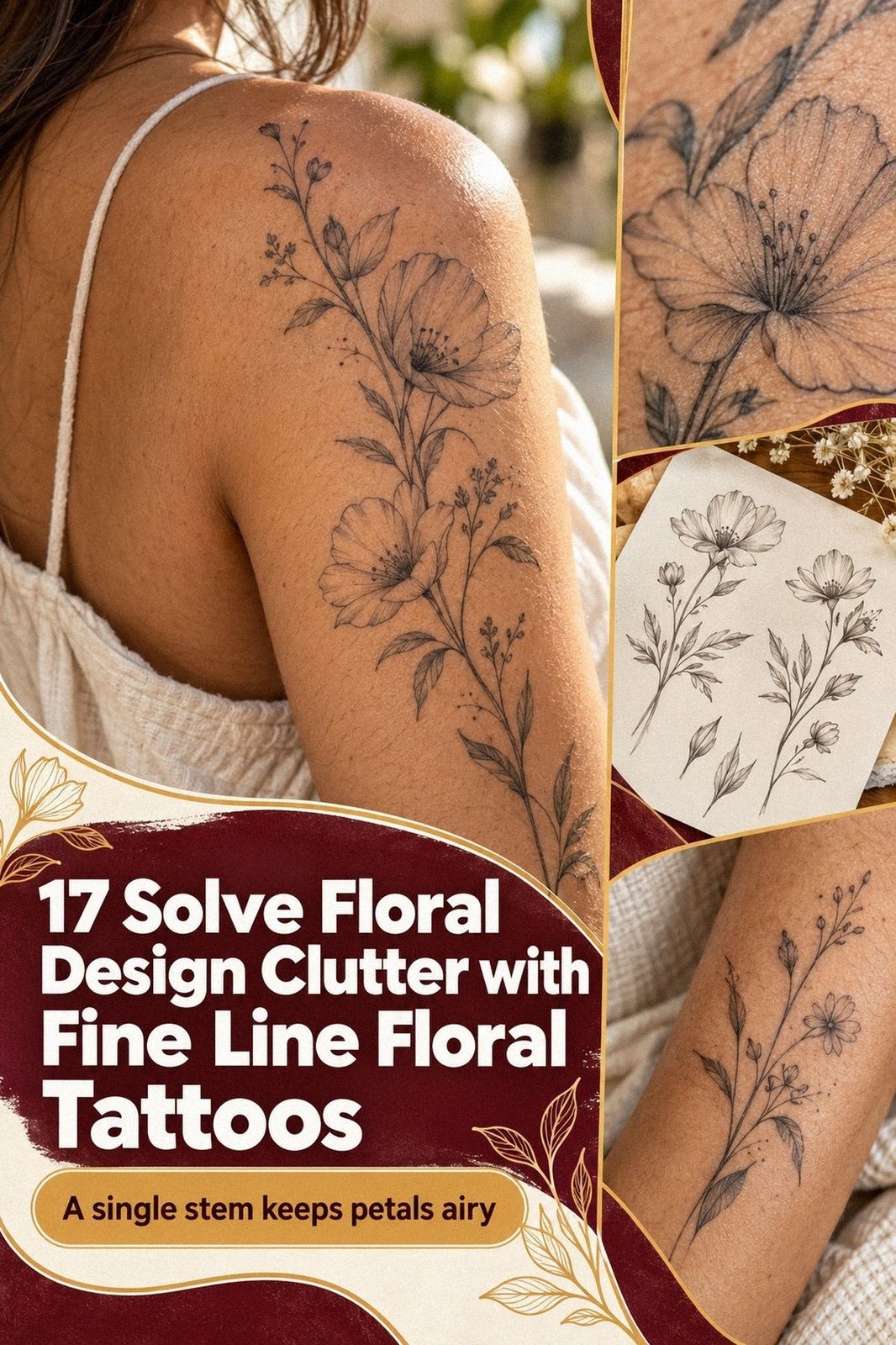
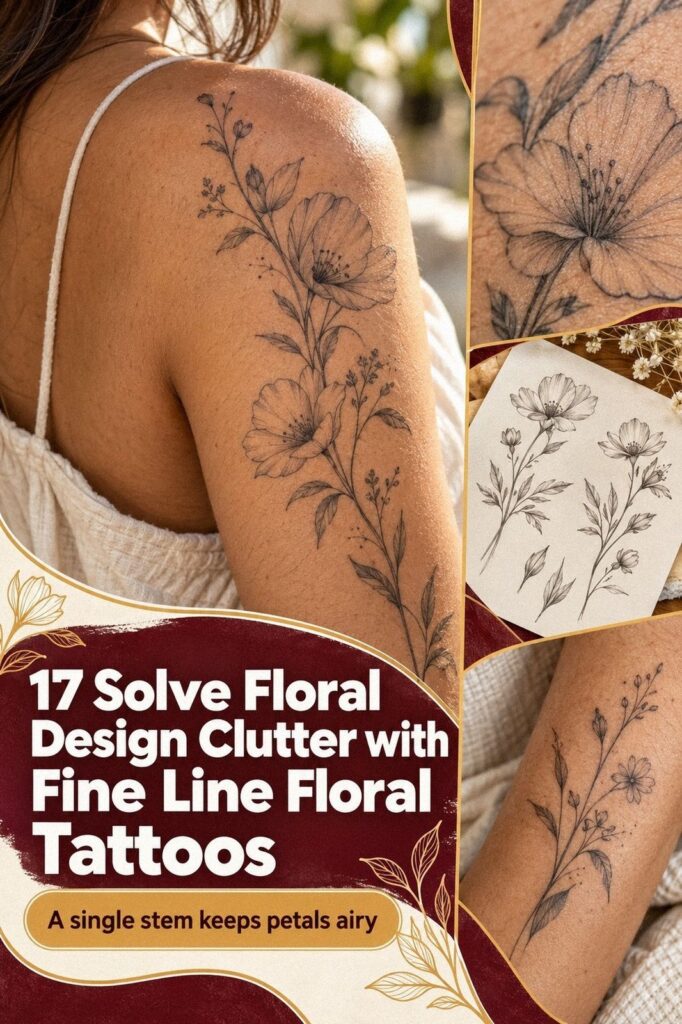
Intricate floral forearm linework gives you more skin to work with than a finger or ankle. The forearm floral composition can include leaves, stems, petals, and symbolic details without becoming cramped.
I’d keep one flower dominant and let the smaller elements support it. That contrast gives the design a sharper visual rhythm.
Forearm skin is usually easier to read than high-friction placements. Your artist still needs to judge scale carefully, especially if you want delicate interior marks.
A detailed tattoo can be ornate without becoming chaotic. Use repeated shapes sparingly, and let the main bloom carry the meaning.
The forearm is also easier to show or cover. A sleeve-friendly placement gives you practical control when work, family, or personal preference calls for privacy.
If you want a design with more presence, this is often better value than forcing a complicated idea into a tiny footprint. More scale can protect the fine details.
Your artist should show settled examples on similar skin tones. Fresh lines can look sharp, but healed work tells you far more about the artist’s real ability.
7Birth Flower Shoulder Tattoos for Meaningful Dates
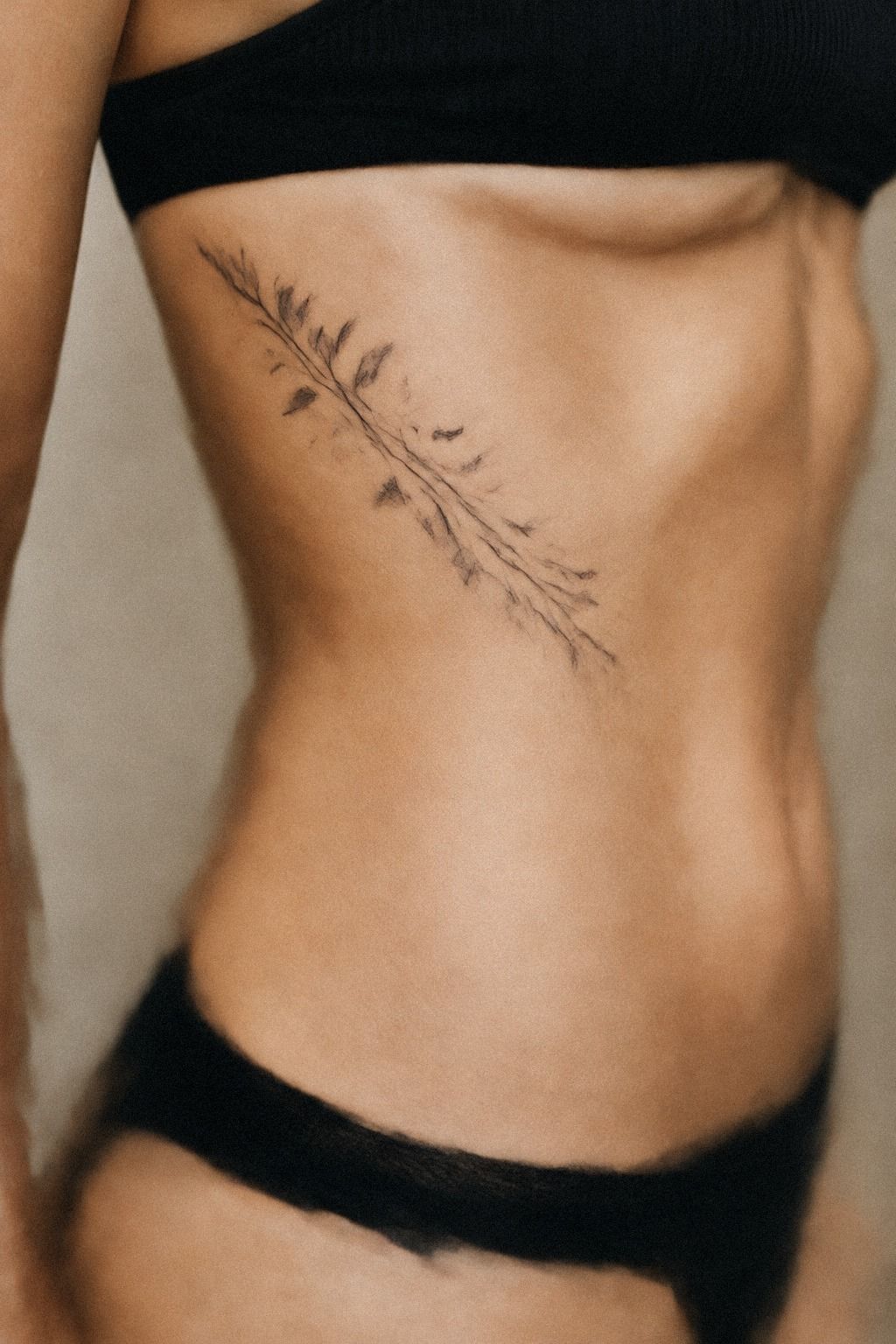
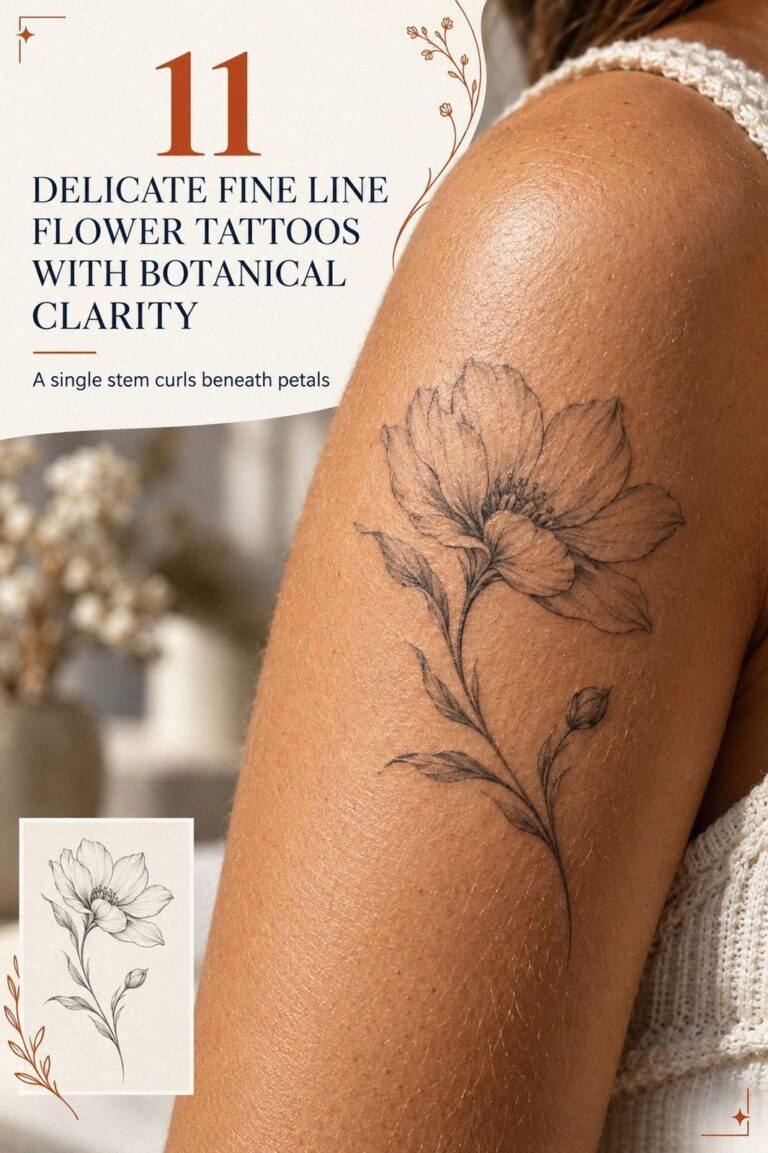
A birth flower shoulder tattoo can hold family meaning without looking overly literal. The birth flower lets you represent a person, date, or season through a symbolic shape instead of text.
Confirm the correct flower before the appointment. Some months have more than one traditional option, and your artist can simplify the shape without losing its identity.
I’d choose one central bloom and a few leaves rather than combining every family member into one crowded cluster. The result feels more personal and more polished.
The shoulder gives you flexibility. You can hide the shoulder tattoo beneath a sleeve, let it peek from a tank top, or extend it slightly toward the collarbone.
This placement is generally more tolerable than ribs, feet, hands, or sternum. That can make a longer appointment feel more manageable.
A meaningful design doesn’t need to be literal. A small date hidden in the stem or leaf pattern can feel empowering without turning the tattoo into a label.
If you’re collecting symbolic ideas, these unique flower tattoos for females offer more directions for meaning and placement.
8Let a Delicate Floral Spine Tattoo Follow the Centerline
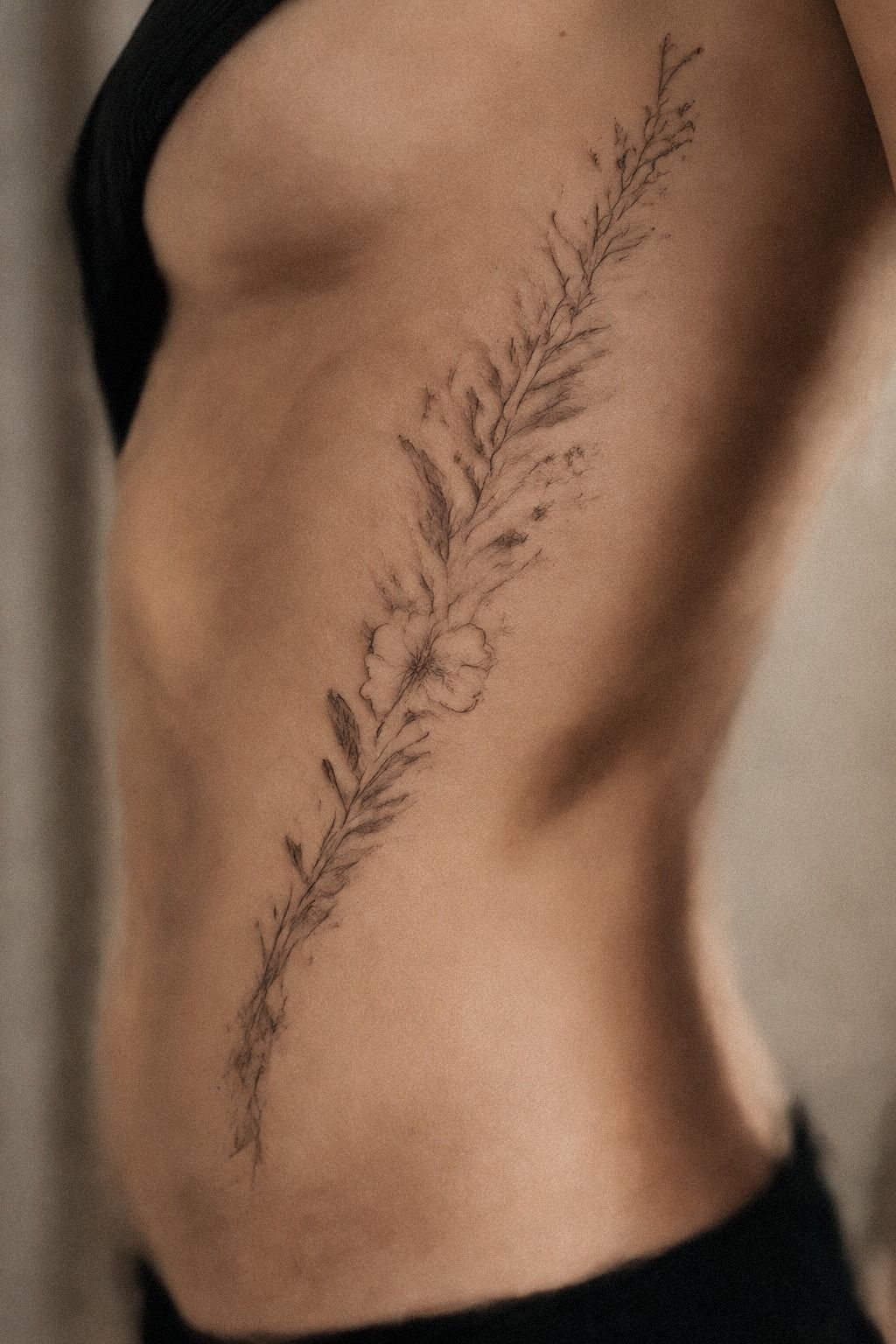
A floral spine tattoo can feel sacred and quietly dramatic because it follows the body’s center line. The spine floral design benefits from a narrow rhythm of stems, leaves, and repeated petals.
Keep the main direction simple. A straight botanical line can look powerful when the flowers change subtly in scale.
You might choose a single blooming stem or several connected flowers. I’d avoid forcing too many symbols into the same vertical path.
The spine is easy to conceal, but it becomes striking when revealed. That hidden quality gives the tattoo a personal, almost secretive character.
Ask about the length before booking. A design that runs from the upper back toward the waist may need more time, more budget, and more patience than a small sprig.
Pain can vary along the spine. Discuss breaks and positioning with your artist, especially if you’re considering a longer centerline tattoo.
A sacred flower, moon detail, or family bloom can work beautifully here. Keep the secondary symbols clean so the design remains expressive rather than crowded.
For more symbolic directions, save these tiny lotus tattoos before your consultation.
9Dainty Lavender Behind the Ear, Kept Personal
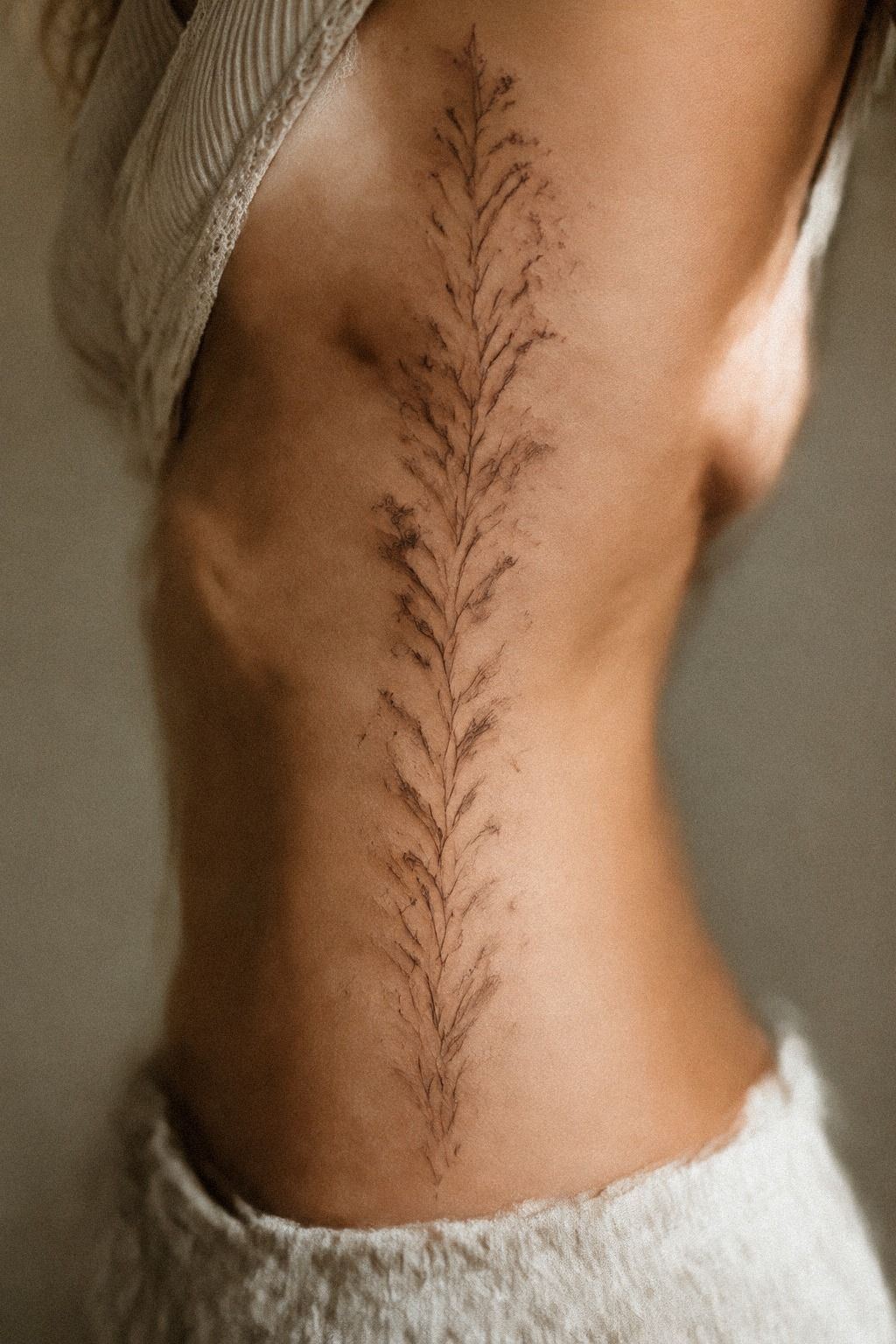
Lavender behind the ear has a romantic, personal quality without becoming overly sweet, and the narrow shape works best when the stem follows the curve behind the ear instead of sitting like a separate sticker. I’d choose a simple sprig with two or three readable leaves, then check how hair and glasses may brush the area.
This placement can disappear beautifully when you want privacy, but it needs a realistic scale to keep the lavender recognizable. That makes it a useful middle ground between a hidden ankle sprig and a more visible collarbone rose.
10Bold Blackwork Floral Hand Tattoos vs. Fine Detail
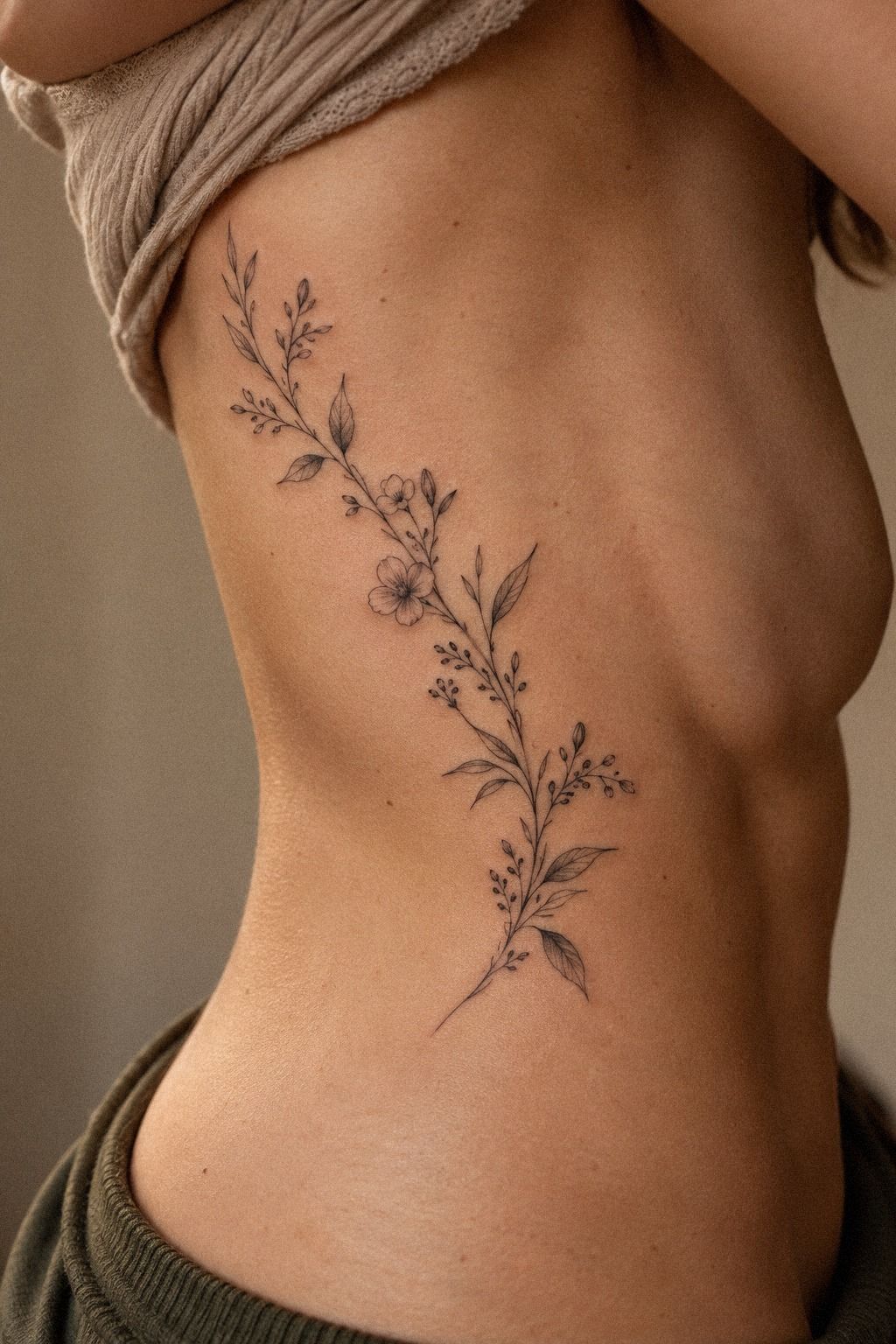
Bold blackwork on the hand makes a much stronger statement than a delicate wrist or ankle sprig. The blackwork flower should have a clear silhouette that reads from a distance.
I’d favor solid petals, deliberate negative space, and only a few interior details. High-friction areas can soften tiny marks quickly.
Hands receive constant washing, sunlight, movement, and contact. Your artist may explain that touch-ups are more likely than with a shoulder or thigh piece.
This placement is edgy, sharp, and highly visible. It’s not the best choice if you need your tattoo to stay private.
A bold design can still feel elegant. The key is contrast: strong black shapes paired with clean skin rather than endless decoration.
That visibility can be empowering, but it deserves an honest budget conversation. Ask whether the quoted hand tattoo cost includes a future touch-up.
It makes a statement! If you want a smaller but still powerful direction, compare these tiny sunflower tattoos.
11Build a Feminine Floral Bouquet on the Thigh
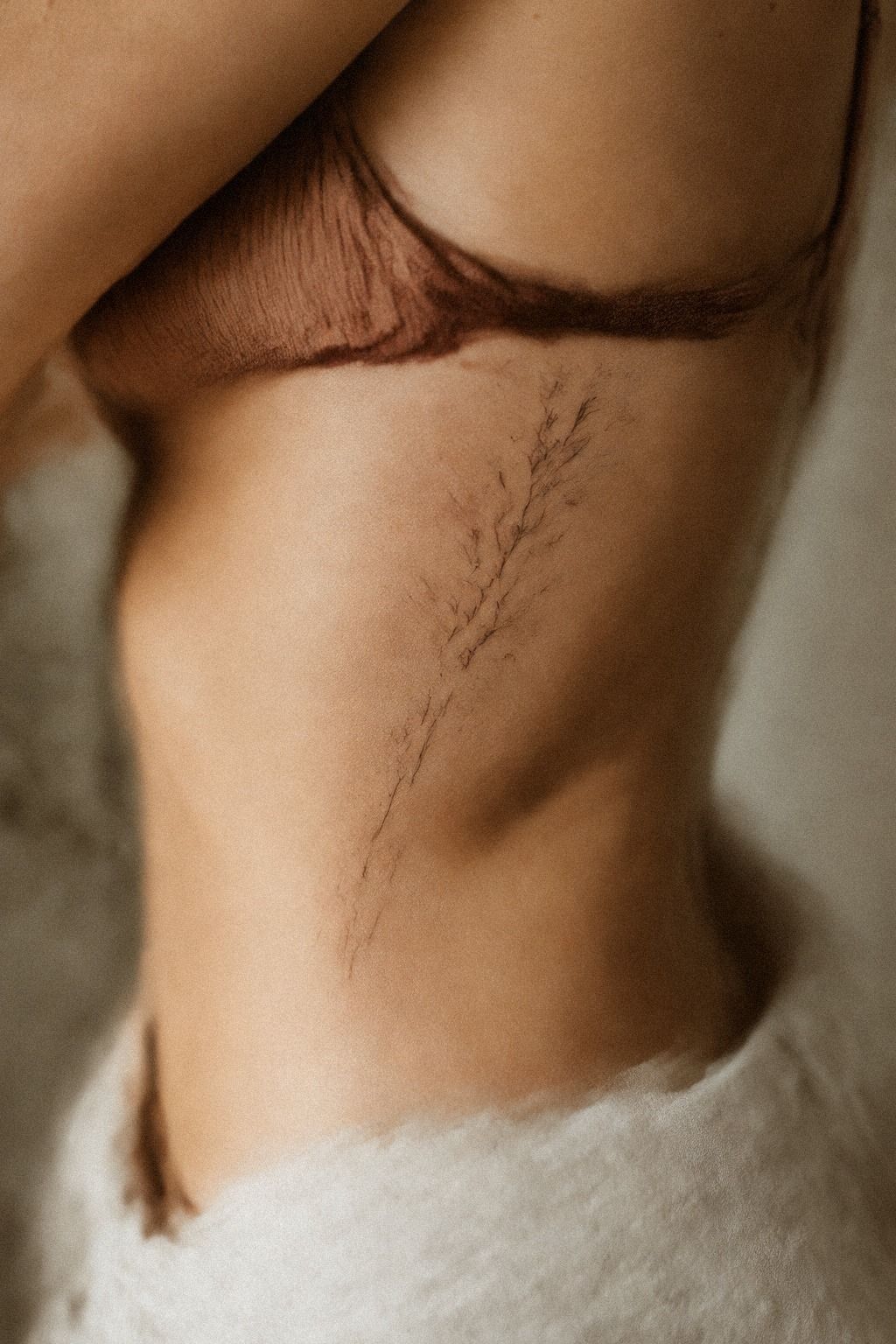
A floral bouquet on the thigh gives you generous skin for fine stems, leaves, and several blossoms. The thigh bouquet can feel feminine, expressive, and personal without becoming overly ornate.
You can make the bouquet meaningful through flower choice rather than excessive detail. A rose, wildflower, lavender stem, and daisy can create a symbolic mix.
Vary the scale so the arrangement doesn’t look repetitive. I’d keep one flower dominant and let the others support it.
The thigh is usually more tolerable than ribs, feet, hands, or sternum. That makes it a practical choice for a longer appointment.
It’s also easy to hide beneath clothing. A private thigh placement gives you freedom to choose a larger, intricate concept.
Plan loose clothing while the surface settles. Tight fabric and repeated friction can make care more annoying than expected.
If you’re choosing between one sprig and a fuller arrangement, these small rose tattoos can help you compare scale before you book.
Before You Book, Check the Artist’s Healed Work
Start with the artist’s healed portfolio, not only fresh work. Look for healed floral tattoos in ordinary conditions.
Check whether the artist has worked on your preferred placement. Someone who excels at fine-line forearms may not have the same experience with fingers, ribs, or hands.
Ask how the artist approaches your skin tone and contrast. You want clear communication about line weight, color saturation, and expected settling.
Bring a simple reference and explain what you like about it. The most useful detail might be the flower shape, the privacy level, or the amount of visible skin.
Ask whether the artist recommends changing the scale. A slightly larger tattoo may offer better long-term value than an ultra-tiny version that loses its structure.
Before paying a deposit, confirm the consultation policy, cancellation terms, and touch-up expectations. Clear answers make the booking feel more secure.
Placement Tradeoffs Worth Thinking Through
Wrists and ankles offer discreet visibility, but they experience movement, friction, and exposure. Shoulders and thighs usually provide more forgiving conditions.
Hands and fingers are highly visible and often need more maintenance. That can be worth it if you love the look, but it shouldn’t surprise you later.
Behind the ear feels private, though hair and accessories may affect settling. The collarbone offers elegant visibility but can sit close to bone.
Ribs and spines create an intimate, dramatic effect. They may also require more patience during the appointment.
Think about your work, clothing, exercise routine, and sun exposure. The best placement is the one that fits your real habits, not only your saved references.
A placement decision should include visibility, sensitivity, settling, and future maintenance. Those factors matter more than chasing a trend.
Questions to Ask About Scale and Touch-Ups
Ask your artist which details are essential to the design. Removing one tiny leaf may help the main flower stay readable.
Ask how the tattoo may settle over time. A professional should explain possible softening without making unrealistic promises.
Find out whether the studio includes a free touch-up or charges separately. That detail changes the total cost and helps you plan your budget.
Ask what happens if a fine line heals lighter than expected. The answer can reveal how thoughtfully the artist handles touch-up planning.
You should also ask about recommended care products and activity limits. Swimming, intense exercise, and sun exposure may need to wait.
If the artist pressures you to choose an even smaller design, pause. A tattoo can be delicate without being so tiny that its structure disappears.
The best consultation leaves you feeling informed rather than rushed. That is real value, especially for a permanent decision.
Typical U.S. Cost and Healing References
These figures are broad U.S. reference points, not a quote from any specific studio. A shop may set a minimum of about $50 to $100, while an artist’s hourly rate may fall around $100 to $250.
Your final price depends on location, artist demand, design size, and appointment length. Ask for an estimate before booking so you know whether the idea fits your tattoo budget.
A small tattoo may still have a shop minimum. That doesn’t automatically mean it isn’t worth the cost, especially when the artist’s experience and hygiene standards are strong.
Bring a clear reference, explain the placement, and say whether privacy matters. Those details help the artist give you a more useful quote.
I’d never bargain by asking an artist to rush or remove safety steps. Clean work is worth planning for, and your skin will carry the decision long after the appointment ends.
For additional scale comparisons, browse these tiny floral tattoos and small floral tattoos before your consultation.
What I’ve Learned From Watching Fine Floral Tattoos Settle
I used to think the freshest example told me almost everything. It doesn’t. A new tattoo has sharp contrast and slightly raised skin, while a settled tattoo has to survive sunlight, movement, soap, clothing, and ordinary neglect.
That difference changed how I judge settled tattoo work. Now I look for evidence of structure after the initial brightness fades, especially when the design uses very thin lines.
My strongest preference is for clear spacing over excessive detail. A floral tattoo doesn’t need twelve petals, three layers of shading, and a miniature constellation to feel meaningful.
One crisp stem, one recognizable bloom, and visible skin between shapes can feel more personal than a crowded composition. I’d rather see an artist remove two details than force them into a small area.
Scale is not a compromise. It is part of the style. A slightly larger flower may preserve a delicate feeling better than a tiny version packed with fragile marks.
Placement also changes the design’s future demands. A forearm, shoulder, or thigh usually gives a fine floral tattoo more breathing room than a hand, foot, rib, or sternum.
That doesn’t make sensitive areas wrong. It means you should choose them with open eyes, particularly when your schedule makes careful settling difficult.
A strong consultation includes an honest conversation about contrast, spacing, and your skin’s needs. I want an artist who can say, “This will read better if we simplify it,” even when that answer is less exciting.
The most polished floral tattoos often look simple at first glance. Then you notice the controlled curve, the purposeful gap, and the one detail that makes the flower feel personal.
I’ve also learned to separate emotional urgency from a good design decision. Save the reference, revisit it after a few days, and ask whether you still love the flower or only the mood of the moment.
If the idea still feels timeless, bring it to the consultation with one placement option and one backup. That keeps the process focused without turning it into a rigid script.
Good tattooing is both expressive and practical. The best result feels empowering because it reflects your meaning while respecting how you actually live!
A Few Things Worth Answering
How much does a delicate floral tattoo usually cost?
A delicate floral tattoo usually costs about $50 to $100 at a studio minimum or around $100 to $250 per hour, depending on the artist and region. Your final quote may change with size, placement, and detail. Ask for the tattoo price before booking, and check whether future maintenance costs extra.
Are delicate floral tattoos a good idea for a first tattoo?
Yes, delicate floral tattoos can be a strong first choice because you can select a tolerable placement and a subject with personal meaning. Your artist should still explain that fine lines may soften. A clear, slightly larger design often offers better value than an ultra-tiny one.
How do I choose an artist for delicate floral tattoos?
Choose an artist with clean linework, healed portfolio examples, and experience with your preferred placement and skin tone. Confirm studio hygiene, consultation practices, and care guidance. If the portfolio only shows recent tattoos, ask for settled examples before you commit to the artist portfolio.
How much do delicate floral tattoos hurt?
Pain varies by person and placement. Ribs, feet, hands, and sternum tend to feel more intense, while forearm, thigh, and shoulder placements are often more tolerable. Your artist can suggest breaks, repositioning, or a shorter session if you’re nervous.
What is the best placement for a delicate floral tattoo?
Forearm, shoulder, and thigh placements are practical when you want clearer aging and easier care. Behind the ear, ankle, collarbone, and ribs offer more privacy, but they can be more sensitive or exposed to friction. Choose the best tattoo placement for your lifestyle, visibility needs, and pain tolerance.
For a different symbolic direction, compare these unique flower tattoo ideas and unique flower tattoos for females.
Where I’d Start First
If I had to pick one, I’d start with the meaningful birth flower shoulder tattoo. The shoulder gives the artist enough skin for clean petals, it’s easier to hide than a hand tattoo, and the symbolism doesn’t depend on ultra-fine details.
I’d bring one flower reference, one placement reference, and a few settled examples. That keeps the consultation focused without boxing the artist into a copy.
Before booking, I’d compare the final quote, care instructions, and maintenance policy. Those details tell you whether the design is genuinely worth it for your lifestyle.
Pin unique flower tattoo ideas for later, then save your tiny rose tattoos and tiny sunflower tattoos before the appointment. That’s the one I’d choose!