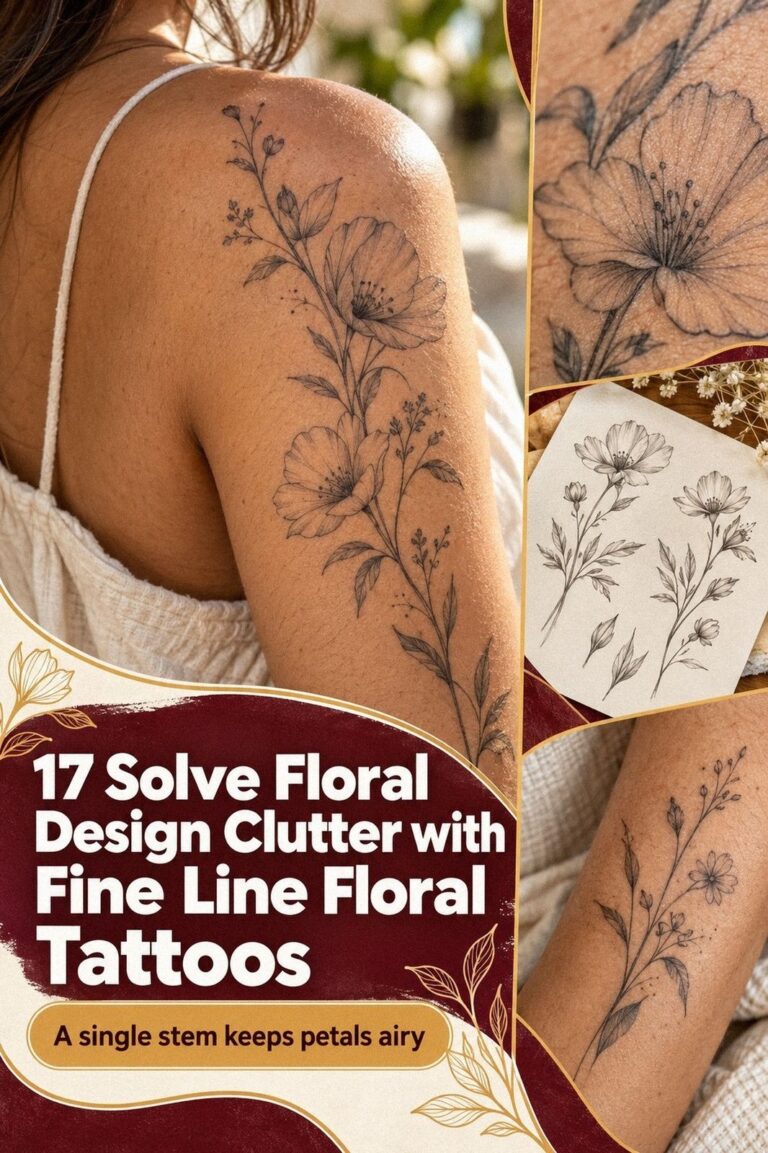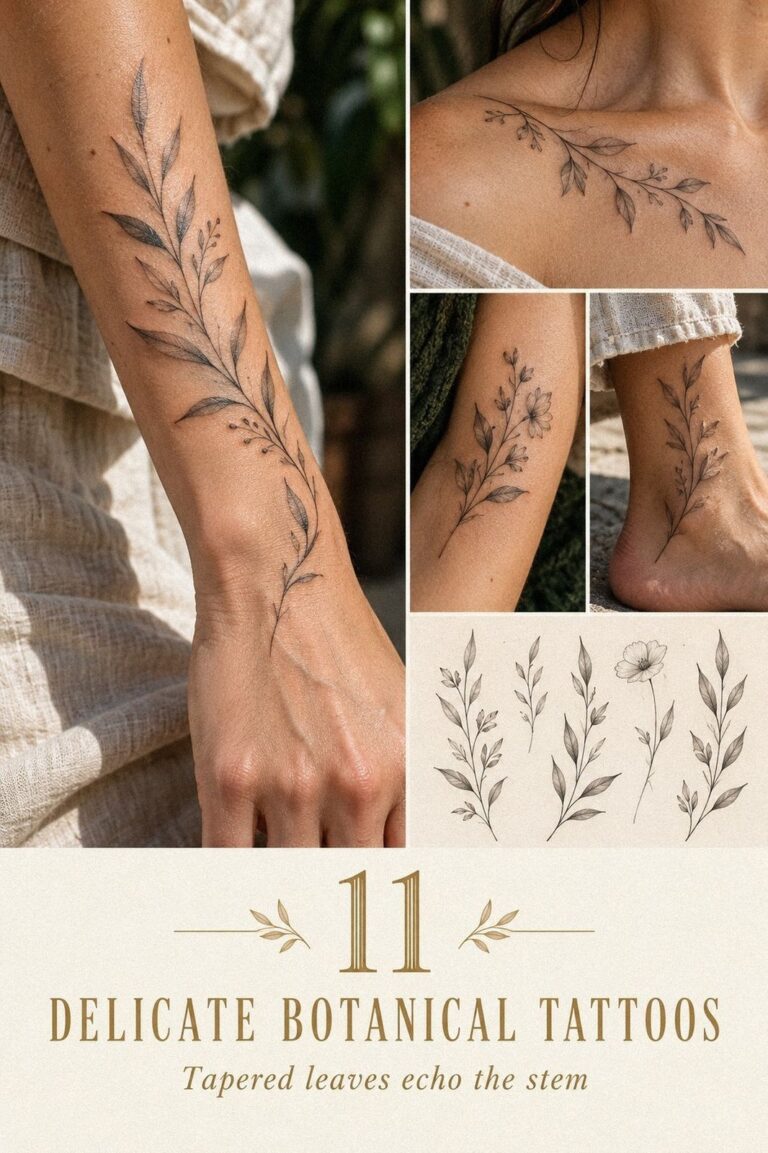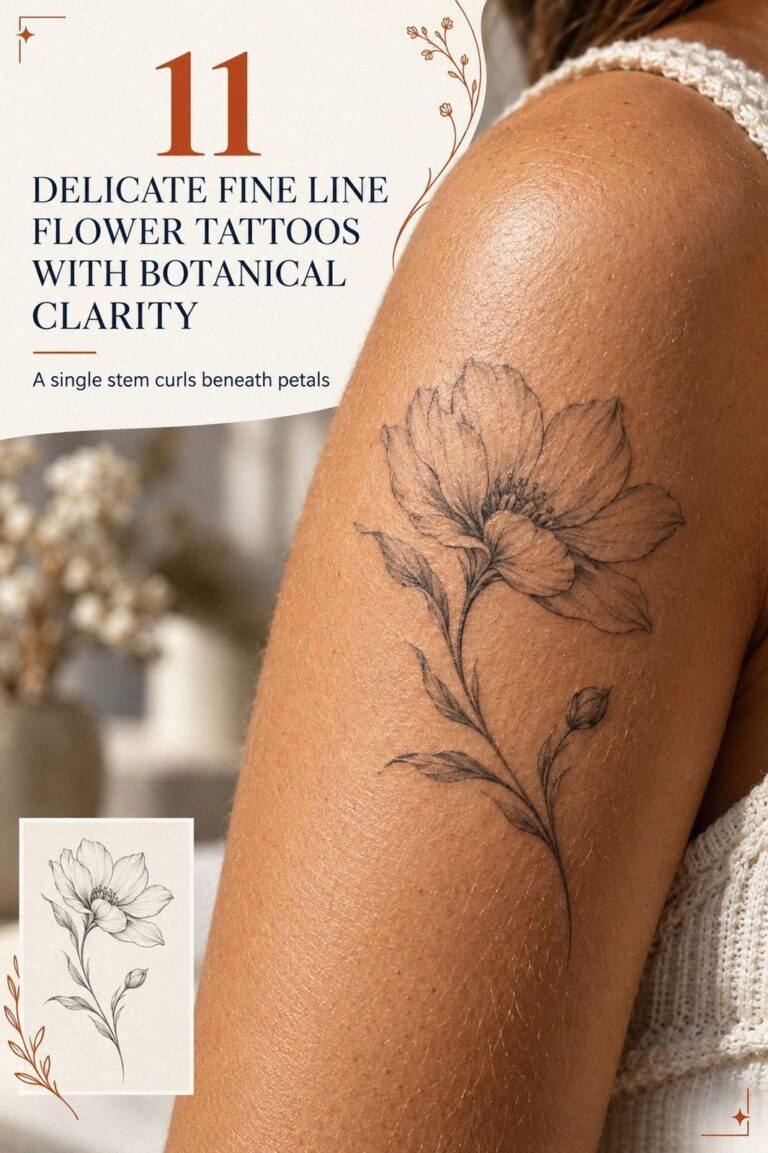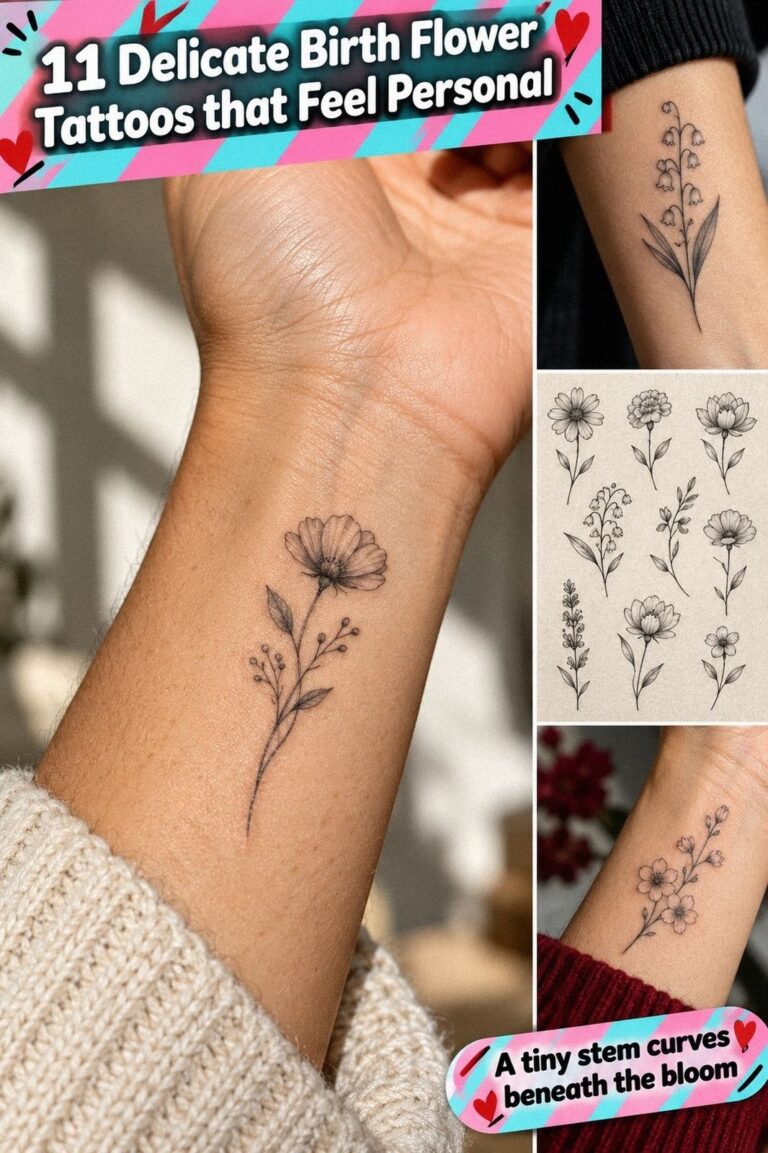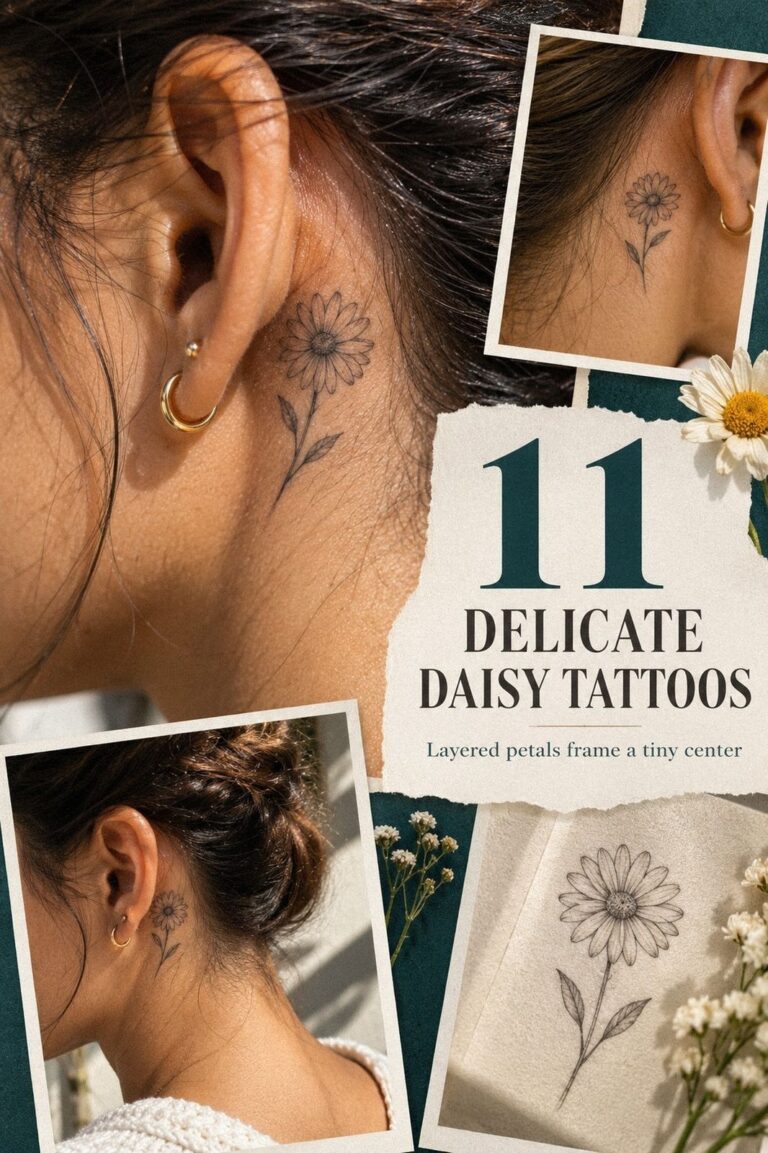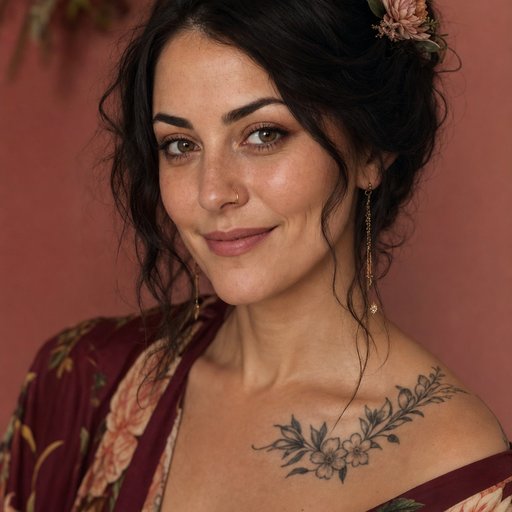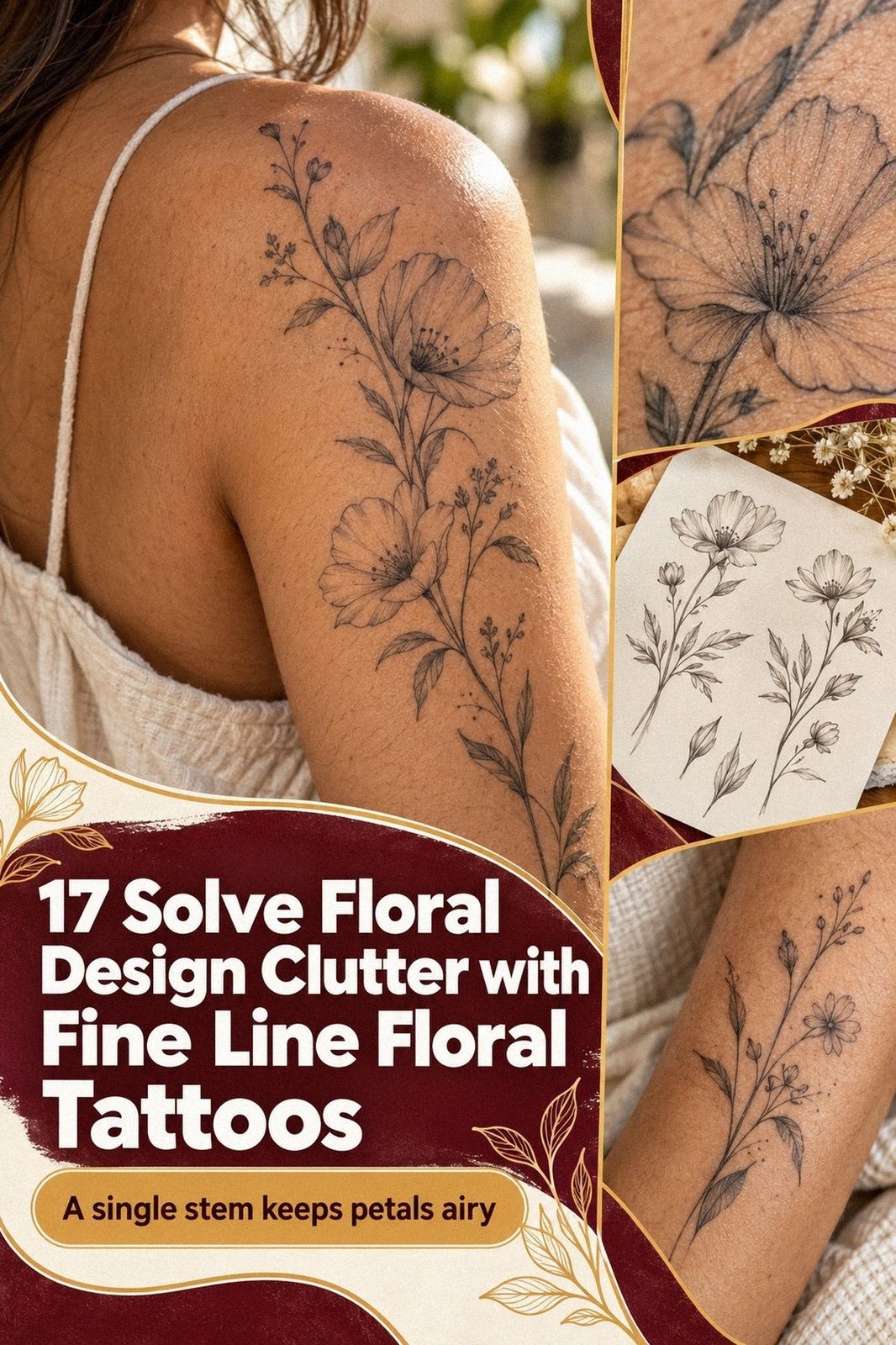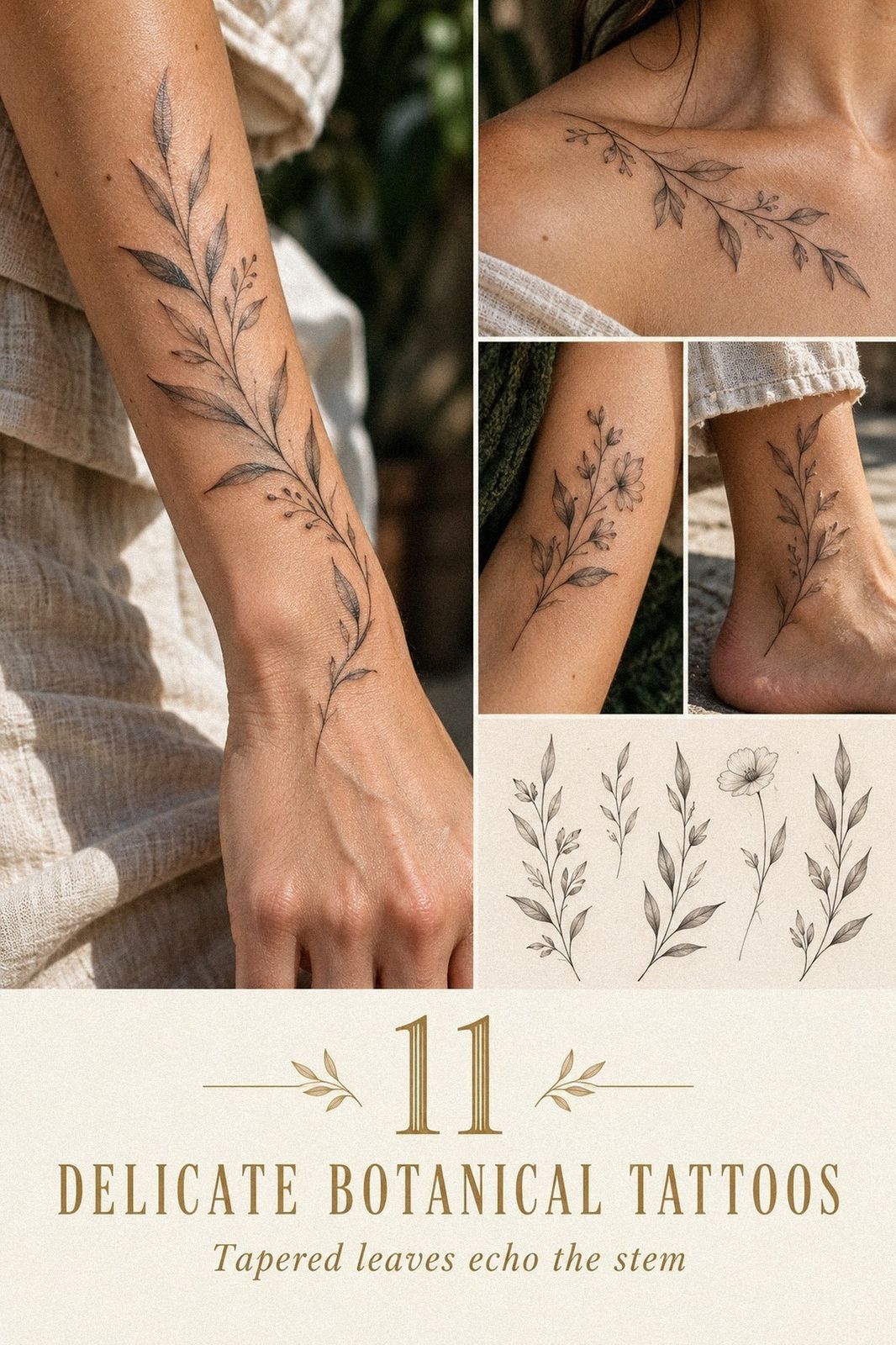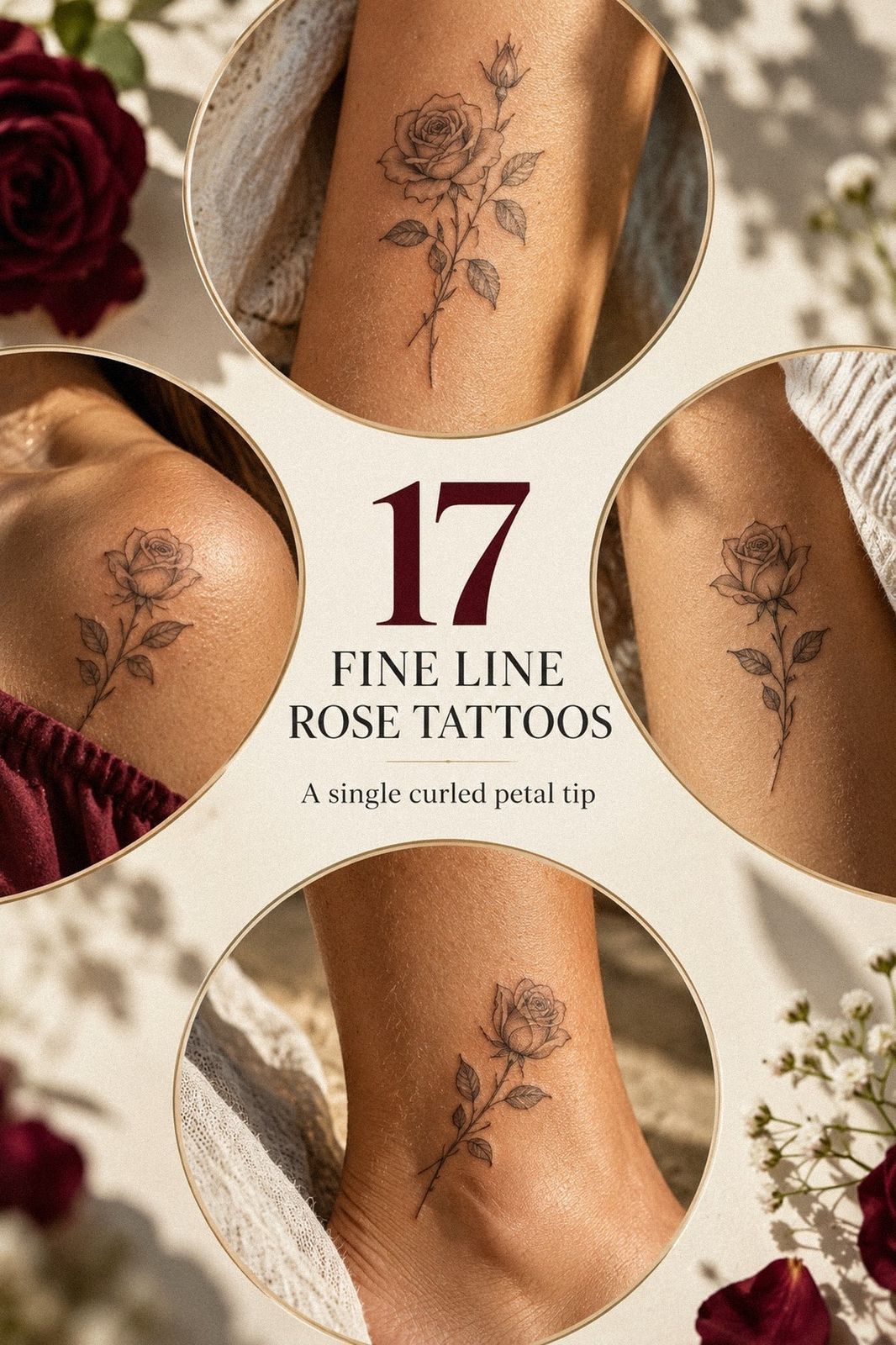
Fine line rose tattoos can stay discreet without losing their meaning. I once chose placement before thinking about sleeves, collars, and work clothes, and I regretted that shortcut. You’ll see striking rose ideas here that balance crisp detail, personal symbolism, and easy coverage. Small doesn’t have to be forgettable!
My strongest advice is to choose the body position first. Then shape the rose around your daily routine, skin tone, pain tolerance, and budget. A personal tattoo plan will save you from choosing a design that looks beautiful but never feels practical.
Small Fine Line Rose Tattoos on the Wrist
A wrist rose gives you visibility when you want it and coverage when you don’t. Choose a side profile with single-needle black pigment so the layered petals stay readable without feeling heavy. You’ll catch the outline whenever you reach for something.
I’d keep this placement minimal and slightly smaller than a full floral cluster. A dainty rose with one curved stem looks more polished than several crowded leaves. If you’re comparing discreet ideas, browse these tiny rose tattoos before you show your artist a reference.
The wrist is expressive, but it isn’t the gentlest spot for everyone. You’ll want to ask your artist how the placement may age, especially if the lines are extremely delicate. Fine-line placement can widen over time, and regular sun exposure won’t help.
For your consultation, bring a photo of your wrist with your hand relaxed, not flexed. That matters.
The rose should follow your natural movement instead of looking pasted onto it. I’d skip a dense shaded center because the crisp outer petals make this wrist placement easy to recognize.
Fine Line Rose Tattoos with Botanical Stems
A botanical stem makes a single rose feel more intricate without turning it into a full bouquet. Ask for botanical black linework with one long, flowing stem and two restrained leaves. On the thigh, you’ll have enough space for graceful curves and practical coverage.
I like this version because the stem creates direction. Your eye travels from the narrow base to the open flower, so the design feels intentional rather than simply small.
A flowing stem direction can make the composition feel more graceful. A medium warm ivory skin tone can carry delicate black lines beautifully.
You can make the piece more personal with a thorn, a tiny initial, or a slightly tilted bloom. Keep the additions meaningful.
If you add every symbol you’ve collected, the rose loses its understated quality. Compare these fine line floral tattoos with small fine line flower tattoo ideas before deciding.
I’d choose the thigh over the foot for this composition. The foot can look edgy, but it’s more exposed to friction and movement. The thigh placement gives your artist a calmer area and can make the session easier if you’re nervous about your first detailed piece.
Fine Line Rose Tattoos Behind the Ear
Behind the ear is a playful hiding place for a small rose. Black tattoo ink keeps the profile crisp against medium olive skin, while a compact bloom can disappear beneath your hair whenever you need more coverage. You’ll get a flash of it when your hair moves!
This spot works best with a clean silhouette rather than complicated shading. A rose seen in profile, one short stem, and two defined petals are enough.
I’d avoid a large cluster because the narrow area can make the design look cramped instead of delicate. A compact silhouette keeps it dainty.
You should think about visibility before booking. Hair can cover the tattoo, but a ponytail, short cut, or tucked style may reveal it completely.
You can also explore tiny fine line flower tattoo references for scale ideas that won’t overwhelm the placement. Hair coverage can change with your routine.
Behind the ear can feel sharper than the thigh or upper arm. Your artist will explain what to expect, and you’ll want to follow early aftercare closely. Gentle washing, light moisturizing, and avoiding sun or swimming during early healing all matter.
Unique Fine Line Rose Tattoos with Thorns
Thorns change the message immediately. Solid black pigment gives the rose enough weight to support a fiercer outline, especially on the sternum where the composition can follow the center of your body. You’ll get something romantic and raw at the same time.
I’d draw the thorns sparingly. Three thorn details can suggest resilience; a ring of them makes the design look busy. Your artist can let the stem curve naturally beneath the flower, then leave small areas of skin untouched.
The sternum is a meaningful location, but it’s also a sensitive area. You’ll want to discuss size, breaks, and placement before the appointment. If you’re drawn to a softer symbol, look through these minimalist rose tattoos before choosing a heavily detailed reference.
Sternum placement deserves careful planning.
I’d choose thorns over extra lettering here. Words can compete with the body’s natural center line, while thorns add meaning without crowding the rose.
The final effect can be bold, symbolic, and quietly empowering. Negative space will help every thorn stay legible.
Fine Line Rose Tattoos Across the Collarbone
A collarbone rose can look elegant and visible without becoming difficult to cover. Carbon stencil paper can help your artist test the shape, angle, and scale before the needle touches your skin. That planning step is worth the extra few minutes.
Study the outline for shape, not for a direct copy. You can choose the single rose with the cleanest profile, then ask your artist to simplify the stem for your collarbone. That keeps the rose outline crisp and understated.
I’d place the flower slightly off-center rather than stretching a long design across your entire collarbone. An off-center placement follows your anatomy better, and you’ll have more control with different necklines. These small rose tattoos show how scale can change the mood of a simple bloom.
Collarbones can feel bony and sensitive, so you should plan for a session with pauses. The result can look elegant and feminine without becoming overly sweet. I’d skip an oversized bouquet because collarbone placement is harder to conceal.
Fine Line Rose Tattoos with Birthdate Details
A birthdate turns a rose into a deeply personal marker. Fine-line numeral lettering can sit beneath the stem or curve around the base, but you’ll want the characters clear enough to read after healing. Your artist should assess contrast with healed examples.
Use the date that carries real meaning for you, not the one that looks most symmetrical. You can choose a birthdate, anniversary, or private family reference. A meaningful date with a short line of numbers feels meaningful and polished.
Bring the exact numbers in writing and check them twice before the stencil begins. I made that mistake once, and a tiny moment of confidence can create a permanent problem.
You can compare minimalist fine line flower tattoos for a quieter composition. A number stencil deserves a second check.
The calf gives you practical coverage with trousers or longer skirts. It’s generally more tolerable than ribs, feet, hands, or sternum.
I’d keep the birthdate secondary so the rose remains the first thing you notice. Calf placement gives the design room to breathe.
Fine Line Rose Tattoos on the Ribcage
Ribcage roses have a haunting quality because the placement stays private until you decide to show it. Soft greywash pigment can give the profile a little depth, but the shading should stay light enough for every petal to remain distinct.
The ribs are one of the more painful areas for many people, so choose a size and session plan that feels realistic. You don’t need an oversized piece to make the placement meaningful. A narrow rose can follow the curve of your ribs while staying easy to cover.
Ribcage placement keeps the idea intimate.
I’d skip dense stippling if privacy and longevity are your main goals. Extra dots may look intricate at first, but simple contrast often ages more cleanly. Browse these small fine line flower tattoos and notice how much clarity comes from untouched skin.
Wear loose clothing to the appointment and follow the aftercare your artist gives you. The surface may heal in about 2 to 3 weeks, while complete healing can take about 2 to 3 months. It’s an intimate and expressive choice, and the privacy is part of its power!
Fine Line Rose Tattoos in a Floral Bouquet
A rose can work beautifully as part of a restrained bouquet. Single-use needle cartridges help your artist create controlled lines, while varied flower shapes keep the composition from becoming repetitive. The rose should support the arrangement instead of dominating it.
You can pair one profile rose with a wildflower, a small stem, and a few open leaves. The design will feel harmonious when every element has breathing room. I’d keep the bouquet mostly black and let untouched skin create contrast.
An upper-back tattoo gives you plenty of coverage and a broader area for curved stems. Your artist can angle the flowers so they follow your shoulder blades. For more inspiration, explore these rose sleeve tattoos for females and borrow the balance without copying the scale.
Upper-back placement gives the bouquet room.
This idea can be romantic, graceful, and expressive, but it shouldn’t become a collection of unrelated symbols. Choose one main rose, one supporting flower, and one small detail with meaning. Every line should have a job.
Keep the main rose visually clear.
Fine Line Rose Tattoos with Crescent Moons
A crescent moon gives a sternum rose an ethereal, symbolic edge. Black crescent detailing can sit above the bloom, below the stem, or lightly behind the petals. You’ll want the moon to support the flower’s shape.
I like a narrow crescent with open space inside it. An open crescent keeps the design delicate and crisp, while an outlined shape preserves the rose’s focus. Your artist can adjust the curve so it mirrors the flower’s profile.
The sternum is sensitive, and you should talk through the position before the stencil is applied. If you’re undecided between a celestial accent and a simpler design, compare these minimalist fine line flower tattoos with tiny rose tattoo ideas. Sternum placement needs thoughtful spacing.
I’d choose the moon over stars scattered everywhere. One crescent feels intentional; five tiny stars can make the piece look generic. You’ll get a more timeless result when the rose remains the emotional center.
A single crescent feels more iconic.
Fine Line Rose Tattoos Along the Forearm
A forearm rose gives you control over visibility. White stencil paper makes the planning stage easy to inspect, but you should judge the healed result more seriously than a fresh stencil. Your rose needs to remain readable after the early sharpness softens.
You can turn the design inward for privacy or place it outward for a more expressive look. I’d choose the inner forearm if you need a discreet option, then keep the rose narrow enough to sit beneath a sleeve without constant rubbing.
Your artist should show healed examples, not only fresh photographs. Fine lines may spread slightly over time, and black pigment with sensible placement generally holds up better than an overly delicate design exposed to regular sunlight. For related references, see these small rose tattoos and small fine line flower tattoos.
The forearm is usually more tolerable than ribs, feet, hands, or sternum. I’d choose a bold outer contour with restrained interior lines, because that balance keeps the rose crisp without making it heavy.
Fine Line Rose Tattoos with Single-Needle Shading
Single-needle shading can make a rose feel intricate without turning it into solid blackwork. Greywash tattoo pigment creates a soft transition inside the petals, while the outline keeps the profile recognizable. Your artist should show healed work on comparable skin whenever possible.
You can ask for shading beneath one petal, inside the center, or along the stem. I’d pick one shadow direction and repeat it gently. Random shading may seem expressive, but a consistent light source makes the rose look more polished.
This style needs a patient artist with a strong fine-line portfolio. You’ll want to ask how the artist handles healed work, how they plan contrast, and whether the reference matches your desired size. More ideas are available in these minimalist rose tattoos and fine line floral tattoos.
I’d skip colored shading if hiding the tattoo and aging well are your priorities. Black and grey can look timeless and sharp when the design isn’t overloaded. A few controlled shadows will usually beat a fully filled petal.
Choose a Tiny Fine Line Rose on the Ankle
Ankle rose can feel whimsical and discreet at the same time. Tiny black contour work keeps the design readable while socks, trousers, and shoes give you practical coverage. You’ll still see it whenever you choose sandals.
Keep the stem short and the bloom open. An open bloom can blur less easily at a very small scale, especially where friction and movement are constant. Your artist can simplify the petals without removing the rose’s personality.
The ankle can be more sensitive than people expect. Ask about placement above the ankle bone rather than directly over it. Ankle-bone placement may give you better comfort and a longer-lasting result.
This choice is worth it if you want occasional visibility without committing to a prominent placement. I’d avoid too many leaves, dots, or letters because the area needs practical coverage and visual breathing room.
Shoulder-Blade Roses: A Quiet Choice
A rose near the shoulder blade offers sleek lines and reliable coverage. Healed black linework matters here because the design may rub against straps or clothing while it settles. Ask to see work that has fully healed.
You can angle the flower toward the spine or let the stem follow the shoulder blade. The first option feels more private, while the second creates a longer, more flowing silhouette. Both can look graceful when the scale matches your anatomy.
A shoulder-blade angle can change the whole mood.
This placement works well for someone who wants a meaningful tattoo without seeing it constantly. You’ll have control over when it appears, and your artist will have enough space to protect the petal structure. Private placement can feel especially empowering.
I’d choose a slightly larger rose here than I would behind the ear. That extra space can make the details more readable and give the design a more polished finish. A larger rose can still feel understated.
Turn the Rose Into a Blackwork Accent
A fine line rose doesn’t have to remain soft. Controlled blackwork accents can deepen one petal, sharpen the center, or strengthen a short section of the stem. The key is contrast, not filling every open area.
This approach can feel daring and gritty without becoming bulky. You might use one black petal beside several open petals, or place a dark thorn beneath a lighter bloom. That contrast gives the rose a stronger visual rhythm.
I’d keep the accent away from the smallest details. If the center becomes too dark, the flower can lose its identity from a distance. Ask your artist to test the balance at the final-size stencil.
A blackwork touch can also improve value over time. A slightly stronger focal point may stay readable longer than an ultra-thin design, especially if the tattoo will see regular sunlight. Choose a stronger focal point carefully.
Fine Line Rose Tattoos with Initials
Initials can make a rose feel iconic without adding a long phrase. Small letter placement works best beneath the stem, inside a leaf, or along a short curve. Keep the lettering large enough to remain clear after healing.
You’ll want to decide whether the initials belong to you, someone you love, or a meaningful place. That choice can make the design stylish and intimate without explaining it to everyone who sees it. Personal initials can carry quiet meaning.
I’d avoid combining initials, dates, quotes, and extra symbols in one tiny rose. One personal detail usually creates a stronger result than five competing ones. You can always add meaning through the flower’s shape or thorn count.
A single detail often feels more powerful.
The design can feel classic, feminine, or masculine depending on the stem and lettering. Ask your artist to show several letter-spacing options before you approve the stencil.
Which Placement Gives You the Best Value?
The cheapest tattoo isn’t always the best value. Studio minimum pricing may apply even when the design takes only a short time, so ask about the total cost before booking. A skilled artist and clean studio are worth paying for.
These are planning ranges, not a quote. A written studio estimate gives you better control than guessing from a social media post. Ask whether the price includes the consultation, stencil changes, and aftercare instructions.
A smaller design may lower your cost, but don’t rush into the lowest offer. The value comes from clean technique, sound hygiene, thoughtful placement, and healed work that still looks intentional.
Visible or Discreet? Compare the Trade-Offs
A wrist or forearm rose is easier to admire every day. Visible placement options can feel expressive and empowering, but they also receive more sunlight and may be harder to conceal at work. You’ll need to weigh that honestly.
A thigh, calf, rib, or upper-back rose gives you more privacy. Discreet placement choices can feel just as meaningful, especially if the symbolism belongs mainly to you. They’re also easier to cover during formal events or changing routines.
There’s no single best answer. If you want quick visibility, choose the wrist or forearm. If privacy matters most, the thigh, calf, or upper back may offer better value.
I’d test the placement with a temporary marker first. Wear your usual clothes, move normally, and check whether the position still feels right after a full day. That small experiment can prevent an expensive regret.
Build a Meaningful Rose Without Overloading It
Start with the rose itself. A symbolic rose outline can represent love, grief, courage, memory, growth, or a private promise without needing a paragraph of text. The strongest designs often leave some meaning unspoken.
Add only details that change the message. A thorn can suggest resilience. A birthdate can honor someone.
A crescent moon can point toward change or mystery. Each addition should earn its place.
You can also shift the mood through the bloom. An open rose feels expressive, while a side profile feels understated. A downward stem can look more reflective, and an upward stem can feel hopeful.
I’d write down your three most important ideas before the consultation. If one symbol matters more than the rest, let the artist build around it. That keeps the tattoo personal instead of visually crowded.
What I Learned Before Choosing a Fine Line Rose Tattoo
The most important decision isn’t the rose itself. It’s the relationship between placement, contrast, and your real life. I once focused so closely on the petal shape that I forgot to imagine sleeves, work clothes, and sunlight.
For a discreet tattoo, I’d rank the inner forearm, thigh, calf, upper back, wrist, and behind-ear placement differently depending on your routine. The wrist offers quick visibility and coverage. The thigh and calf are easier to keep private.
Your artist’s portfolio should show clean linework and healed examples. A fresh tattoo can look vibrant, while healed skin gives you a better sense of how the lines settle.
Ask questions. A serious artist won’t rush you.
I’d choose a slightly stronger outline over the thinnest possible line every time. The ultra-delicate version can look romantic in a first photograph, but the crisp version gives your future self more visual structure. You’ll still have a delicate rose, just one with a better chance of staying readable.
A Few Things Worth Answering
How much does a fine line rose tattoo usually cost?
A fine line rose tattoo in the US typically costs about $100 to $300, depending on the artist, region, placement, and detail. Some studios have a minimum of about $50 to $100, while hourly rates may run about $100 to $250.
Your design may take less time than a large piece, but you’ll still pay for skill, setup, and studio standards. I’d ask for a written quote before booking so you know whether the price feels worth it.
Are fine line rose tattoos a good idea for a first tattoo?
Yes, fine line rose tattoos can be a meaningful first choice if you select a tolerable placement and an experienced artist. A simple rose design gives you personal symbolism without requiring a large piece or long session.
The forearm, thigh, calf, and shoulder are often more tolerable than ribs, feet, hands, or sternum. You’ll want a size that leaves the petals readable after healing.
How do I choose a tattoo artist for fine line rose tattoos?
Choose an artist with a portfolio showing clean healed linework, not only fresh tattoos. Look for consistent outlines, controlled spacing, and rose designs that still read clearly after healing.
You should also check hygiene practices and ask how the artist approaches your skin tone and placement. If the portfolio feels too heavy or too loose, keep searching until the style matches your idea.
How much do fine line rose tattoos hurt?
Pain varies by person and placement. Ribs, feet, hands, and sternum are generally more sensitive, while the forearm, thigh, and shoulder are often more tolerable.
Your artist can plan session breaks if you need them. A small design may shorten the session, but a sensitive placement can still feel intense. You’ll do better if you arrive rested and hydrated.
How long does a fine line rose tattoo take to heal?
The surface usually heals in about 2 to 3 weeks, while complete healing can take about 2 to 3 months. Follow your artist’s instructions rather than picking at flakes or over-moisturizing.
Gentle washing, light hydration, and avoiding strong sun and swimming during early healing are standard care points. You’ll want to keep the skin protected after healing too.
What’s the best placement for fine line rose tattoos?
The best placement depends on your privacy needs, pain tolerance, and desired longevity. The inner forearm, thigh, calf, and upper back offer practical coverage, while the wrist and behind-ear areas are easier to reveal.
For the most discreet result, choose the thigh, calf, or upper back. For more daily visibility, choose the wrist or forearm and protect the healed tattoo from regular sun exposure.
Can I do a fine line rose tattoo myself on a budget?
No, you shouldn’t tattoo yourself to save money. Professional hygiene and controlled technique matter more than a low price, especially with fine lines that require steady depth and spacing.
Instead, choose a smaller design, ask about the artist’s studio minimum, and compare healed portfolios. A simple, well-placed rose is a better budget decision than a rushed tattoo you’ll later need to alter.
Where I’d Start First
If I had to pick one, I’d start with the inner forearm rose. It’s easy to cover, easier to monitor while healing, and gives fine lines enough visibility to stay readable. Pin the small rose tattoo guide for later and save your favorite reference before booking!
The best choice is the one that fits your actual life. Keep the personal design meaningful, ask about healed results, and spend your budget where it matters most. A small rose can still feel bold, timeless, and completely yours.