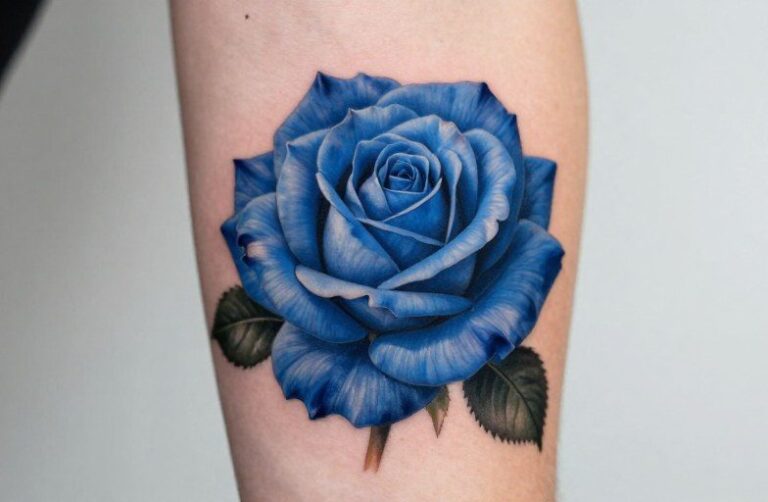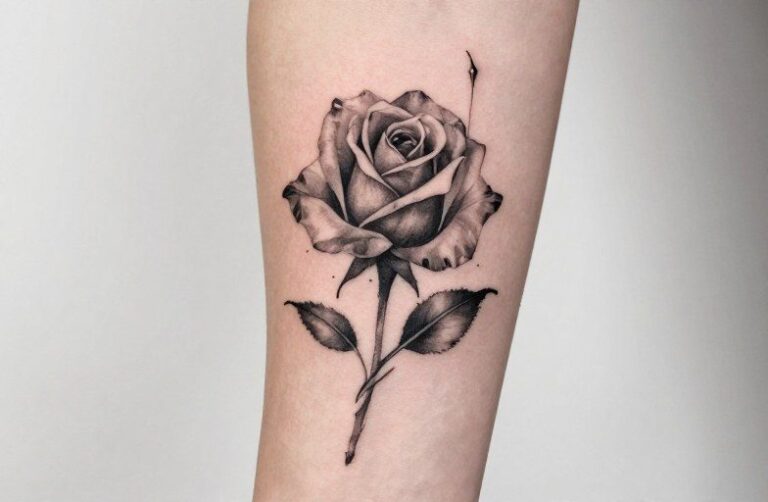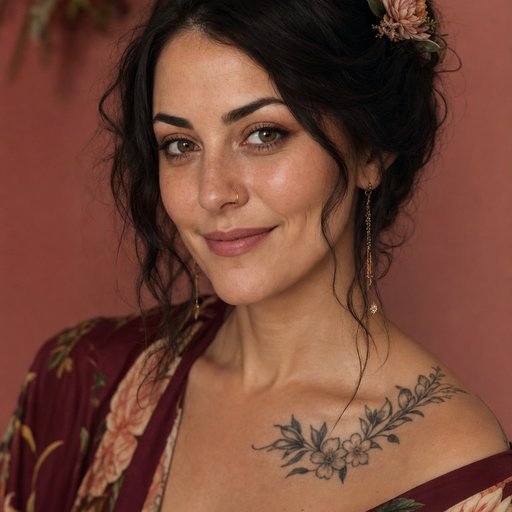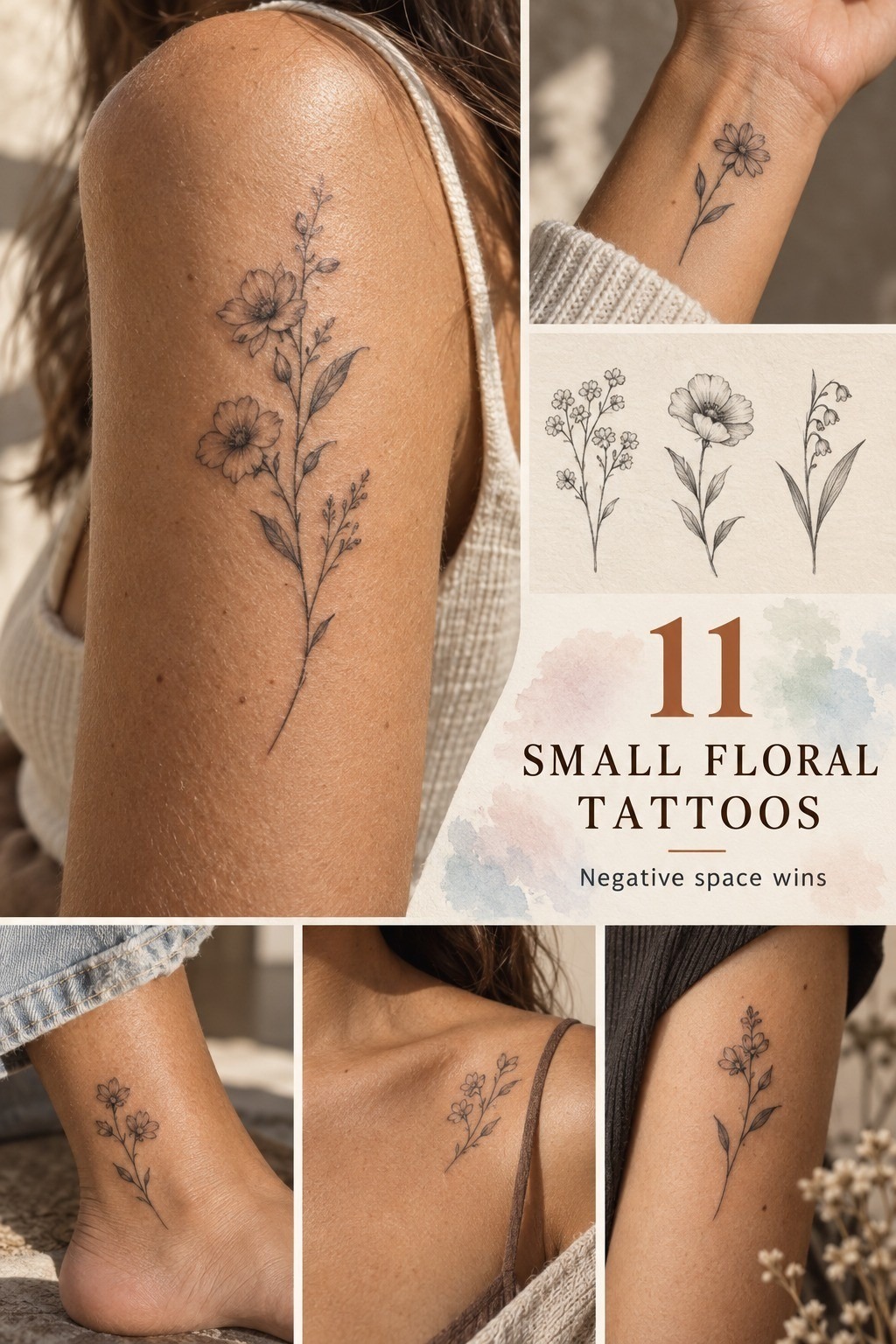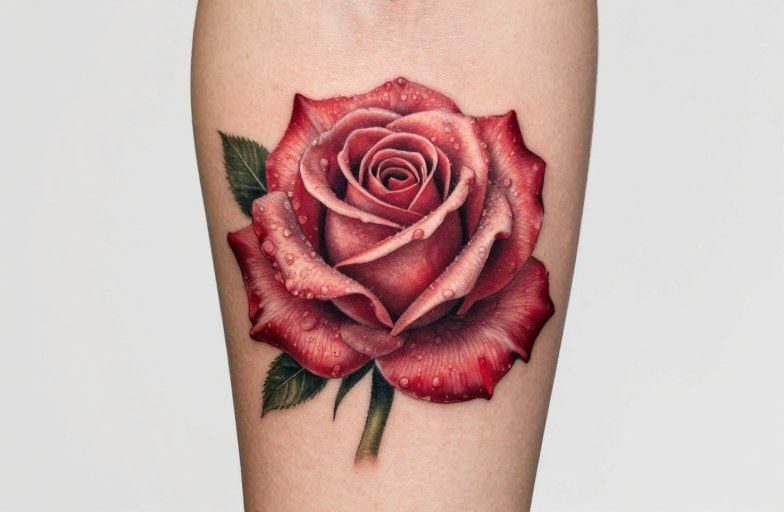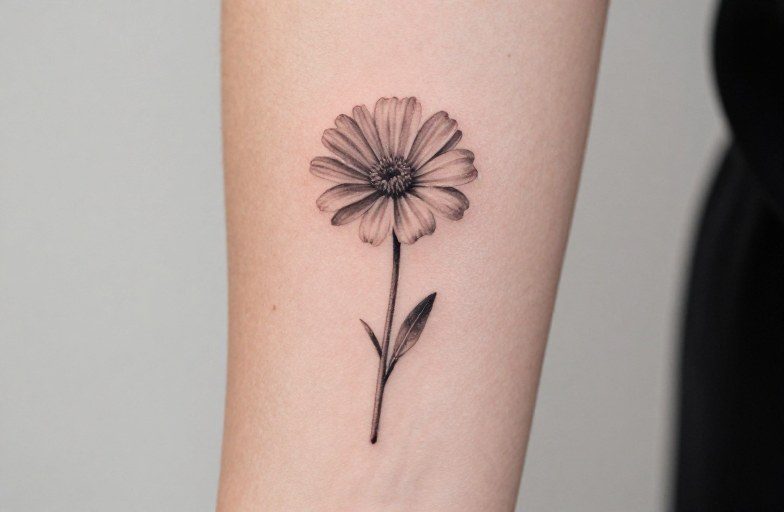
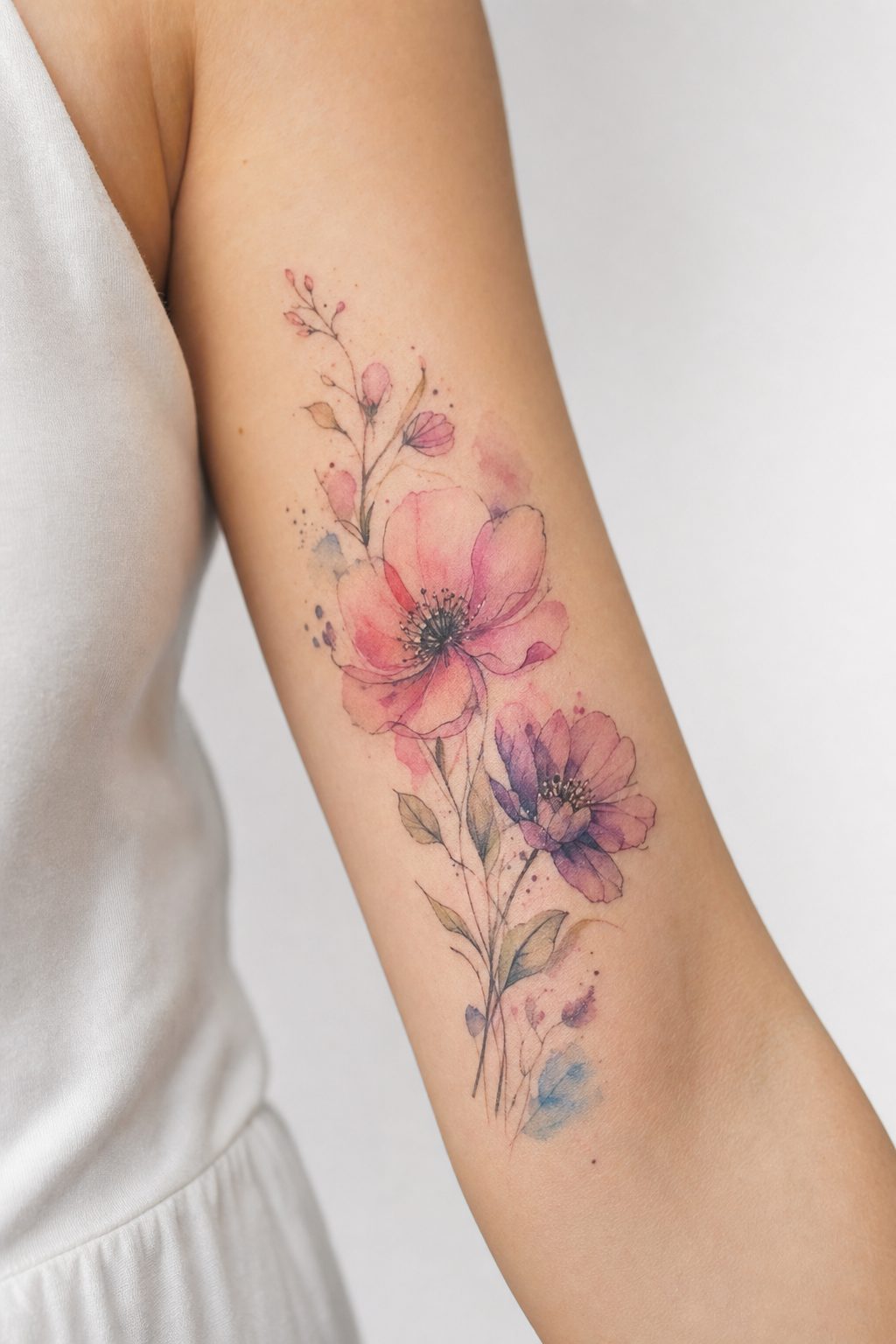
A floral watercolour tattoo blends the soft, bleeding edges of paint-on-paper with the permanence of ink, typically symbolizing natural beauty, emotional fluidity, and personal growth. The style itself carries meaning: the deliberate lack of hard borders suggests openness, impermanence, and a comfort with life’s messier edges. Most people choose specific flowers for their traditional meanings, roses for passion, peonies for prosperity, lotus for resilience, while the watercolour technique amplifies themes of transformation and delicate strength.
Symbolism & Core Meaning
What the Technique Itself Conveys
Watercolour painting relies on pigment finding its own path through water, and that unpredictability translates directly into tattoo symbolism. The bleeding edges and color gradients represent emotional release, the acceptance of not being fully in control. Unlike traditional tattooing’s crisp outlines, this style embraces diffusion, ink that appears to have just settled, still wet, still alive. That visual quality attracts people who’ve learned that strength doesn’t always look rigid.
Flower Choice Layered Onto Style
The specific bloom matters enormously. A watercolour cherry blossom carries different weight than a watercolour thistle. Cherry blossoms already symbolize transient beauty; rendered in bleeding pink washes, that impermanence becomes visceral. A protea in watercolour technique emphasizes survival through harsh conditions, its hardy form made unexpectedly delicate. The combination of subject and method creates meaning neither would achieve alone. Some trace the style’s popularity surge to the mid-2010s, when fine art techniques began crossing into tattoo studios more deliberately.
How It Ages on Skin
The Soft Edge Problem
Watercolour tattoos age differently than bold traditional work, and anyone considering one should understand this reality. The subtle gradients and light color washes that make the style striking fresh are the same elements most vulnerable to time. Without black outlines to hold shape, watercolour florals can blur and soften faster, sometimes beautifully, sometimes into muddy indistinction. Placement matters here: areas with constant movement (inner forearm, ribs) or frequent sun exposure will degrade those delicate transitions sooner.
Strategies for Longevity
Experienced artists often build in “insurance” against aging: a barely-there grey wash structure beneath the color, strategic placement of darker pigment near the design’s center, or incorporating negative space that will read clearly even as surrounding color softens. The best watercolour florals have enough contrast in value, light to dark, that they remain legible even as color saturation drops. Touch-ups are more common with this style than with lined work, typically needed every 5-8 years depending on placement and sun exposure.
Color vs Black and Grey
When Color Carries the Meaning
Color watercolour florals dominate the style for good reason. The bleeding technique was developed to mimic actual watercolour paint, which derives its emotional punch from pigment interaction. A blue-to-purple gradient in a hydrangea tattoo suggests melancholy shifting toward dignity; warm orange bleeding into yellow in a marigold evokes memory and light. Color allows the “paint splatter” and “drip” effects that read as spontaneous and emotionally unguarded. Black and grey watercolour exists but functions more like charcoal wash, moodier, more subdued, often chosen for memorial pieces or when the aesthetic rather than specific flower symbolism matters most.
Black and Grey’s Quiet Advantage
Black and grey watercolour florals age more gracefully. The contrast between deep black pooling and soft grey wash maintains readability longer than pastel color washes. This approach suits people drawn to the painterly aesthetic but skeptical of long-term color maintenance. It also works well for cover-ups or blending existing tattoos, since black provides more structural “anchor” than transparent color.
Design Tips & Pairings
Complementary Elements That Work
Watercolour florals pair effectively with specific additions:
- Geometric frames: a hexagon or circle of fine line work containing the bleeding color creates tension between control and release
- Script: handwritten text integrated into the “splatter” reads as personal letter or journal entry
- Single needle detail: tiny precise linework of stems or leaves against loose color grounds the composition
- Animal silhouettes: a bird or deer shape filled with floral watercolour rather than solid black
What fails: heavy black tribal elements, photorealistic portraiture, or American traditional motifs, the visual languages clash rather than converse.
Placement for Maximum Effect
The style needs space to breathe. Small watercolour tattoos (under 3 inches) often lose their impact because the bleeding effect requires room to develop visually. Upper arm, thigh, and side rib placements allow the color gradients to flow naturally with body contours. The upper back/shoulder blade offers a flat canvas where the “paint splatter” effect reads most convincingly. Finger and hand placements are generally discouraged, the fine detail blurs quickly, and the style’s delicacy becomes illegible at small scale.
Who Chooses This Tattoo
The Psychology of the Choice
People selecting floral watercolour tattoos often have specific relationship to control. Many have experienced situations, illness, loss, major transitions, where rigid planning proved impossible. The style’s beauty in chaos resonates. Others come from creative fields where traditional tattoo boldness feels aesthetically foreign; the watercolour approach reads as “art piece” rather than “tattoo culture.” There’s also a notable pattern of people choosing this style for first tattoos, drawn by its perceived gentleness and departure from stereotypical ink.
Gender and Cultural Notes
While tattooing has broadened across demographics, floral watercolour remains disproportionately chosen by women, partly due to feminine-coded floral associations, partly because the style’s softness aligns with permitted emotional expression in female socialization. However, men selecting this style often report deliberate choice against masculine tattoo norms, particularly in creative or therapeutic contexts. The style crosses cultural boundaries but carries different weight: in East Asian tattoo contexts, watercolour technique applied to chrysanthemums or peonies connects to long painting traditions; in Western contexts, it’s more often linked to contemporary fine art influence.
Religious & Spiritual Angles
Specific Symbolic Combinations
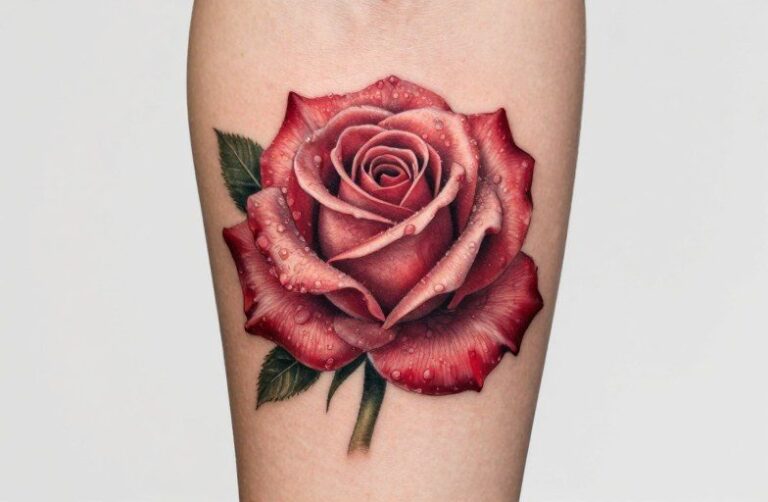
Certain flowers carry established spiritual weight that watercolour technique amplifies or complicates. The lotus, often linked to Buddhist and Hindu traditions of enlightenment emerging from murk, becomes almost paradoxical in watercolour, its precise symbolic structure rendered in deliberately imprecise method. Some find this freeing; others feel it disrespects the symbol’s discipline. Christian contexts occasionally use watercolour roses for Mary or the rosary, though traditionalists often prefer outlined sacred heart imagery. Poppy watercolour tattoos connect to sleep, death, and remembrance in ways that bleeding red pigment makes viscerally literal.
Secular Spirituality
Beyond organized religion, the style appeals to people describing “spiritual but not religious” orientations. The watercolour method’s emphasis on flow, impermanence, and non-attachment mirrors Buddhist-adjacent mindfulness practices without requiring doctrinal commitment. The floral subject matter grounds this in nature worship, Gaia-oriented belief, or simply biophilia, innate human connection to living systems. The tattoo becomes ritual object rather than doctrinal statement.
The Bottom Line
Floral watercolour tattoos mean what their wearers invest in them, but the style itself carries inherent significance: beauty without borders, strength in softness, the willingness to let pigment find its own path. The technique demands more maintenance awareness than bold traditional work, and benefits enormously from experienced artists who understand how to build structural integrity beneath apparent chaos. Whether commemorating growth, marking survival, or simply claiming space for visual poetry on skin, this style works best when chosen with full knowledge of both its ephemeral aesthetic and its permanent consequences.
Frequently Asked Questions
Do watercolour tattoos fade faster than traditional tattoos?
Yes, generally they do. The light washes and lack of black outlines mean less pigment density and no structural borders to maintain shape as skin ages. Sun protection and occasional touch-ups help significantly.
Can any flower work as a watercolour tattoo?
Technically yes, but flowers with layered petals and natural gradient color, peonies, roses, hydrangeas, translate most successfully. Simple flat-petaled flowers can look muddy when rendered in bleeding technique.
How do I find an artist who actually specializes in this style?
Look for healed portfolio photos, not just fresh work. Ask specifically about their approach to maintaining structure without outlines. Many artists advertise watercolour but execute it poorly; healed results reveal true skill.
Is a watercolour floral tattoo more painful than other styles?
Pain level depends on placement and your personal sensitivity, not style. However, watercolour technique often requires more passes over the same area to build color saturation, which can mean longer sessions for equivalent coverage.