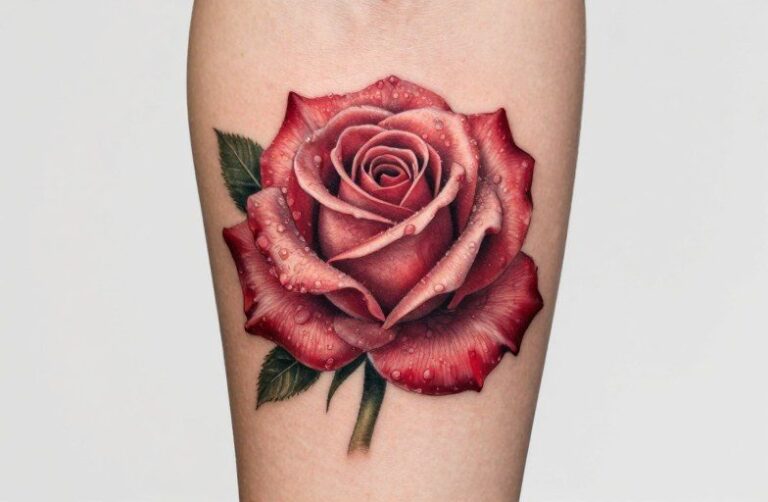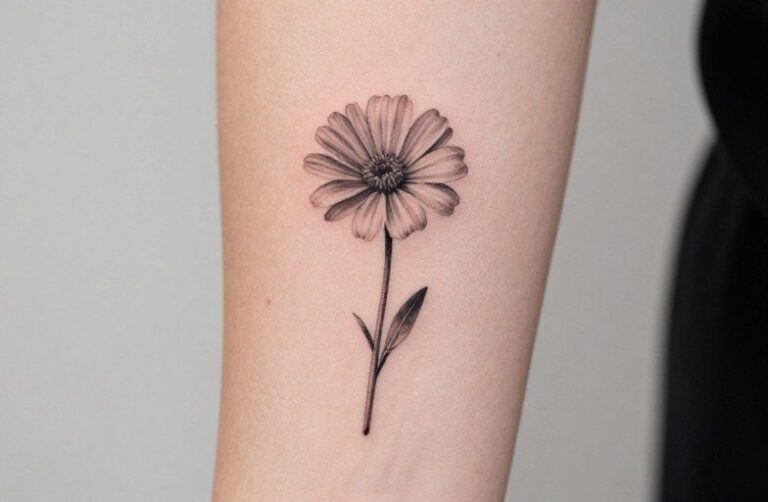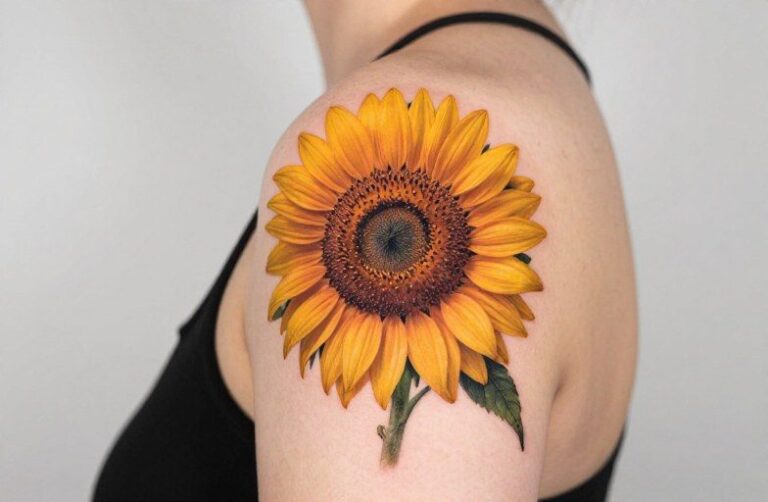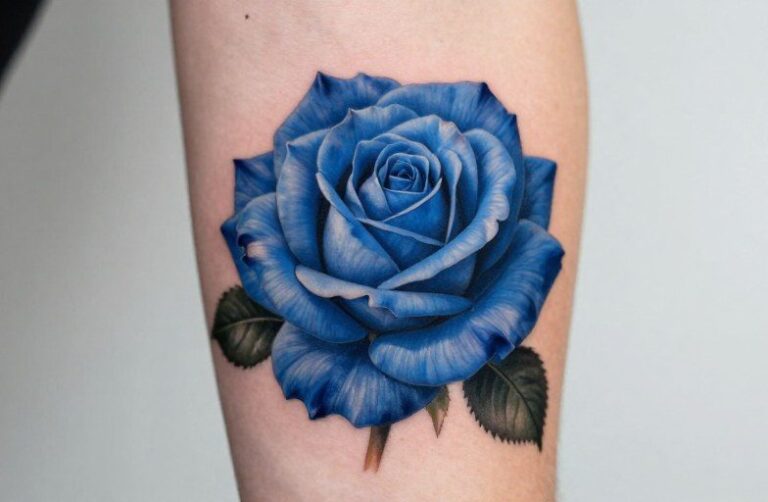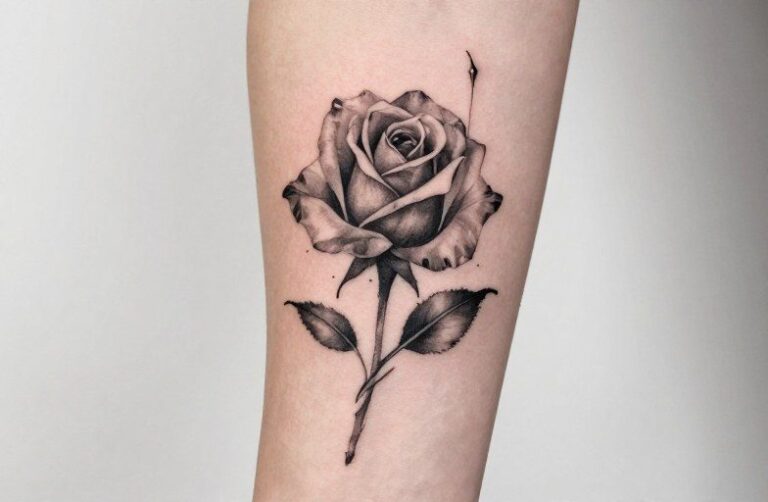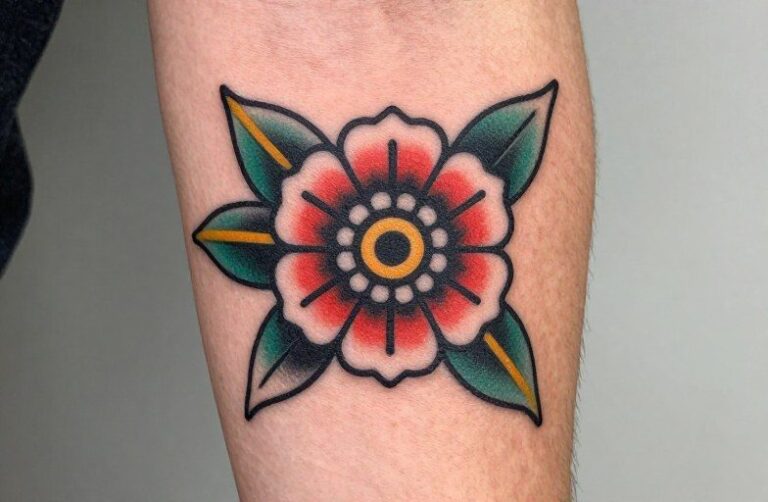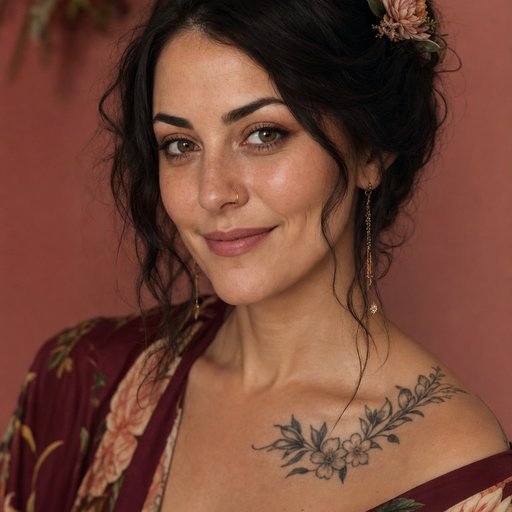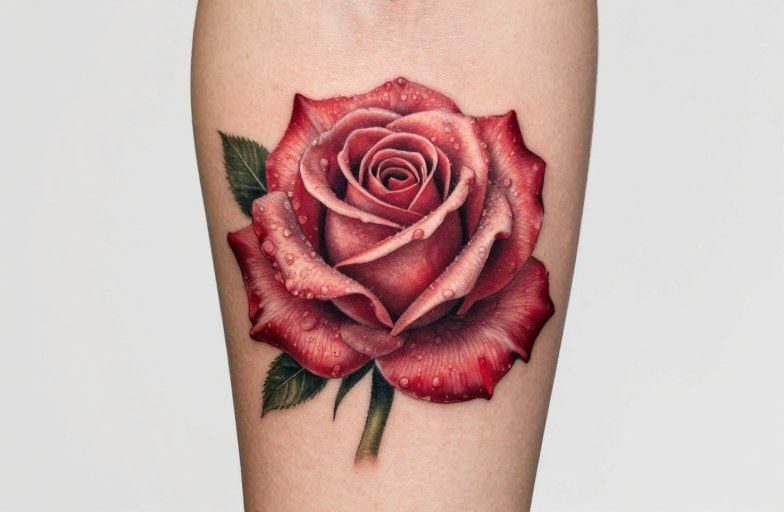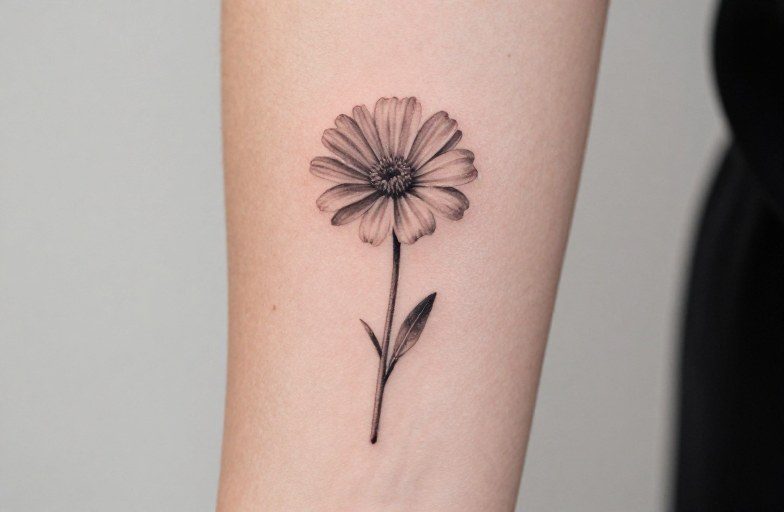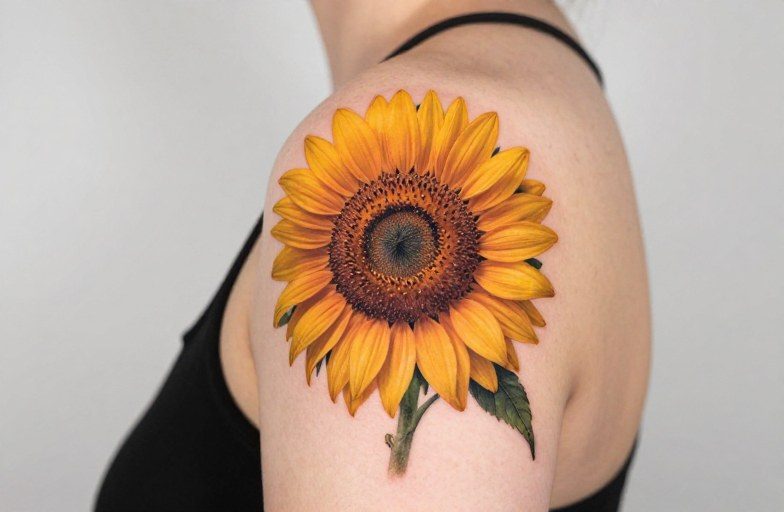
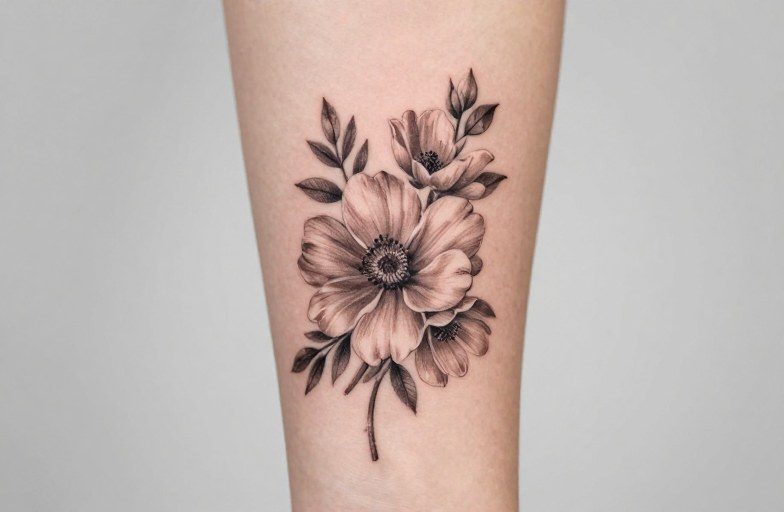
Flower tattoos for females most commonly symbolize growth, renewal, and the natural cycles of life, blooming, withering, and returning again. Beyond that universal thread, specific flowers carry their own vocabulary: roses for passion, lotus for rising above difficulty, peonies for prosperity, cherry blossoms for impermanence. The meaning sharpens when you pair the flower with placement, style, and personal context.
Who Chooses This Tattoo
There’s no single type. Women get flower tattoos at sixteen and sixty, after breakups and after promotions, as first pieces and as tenth additions. What unites them is usually a desire for something organic that still reads clearly as decorative. Flowers bridge the gap between symbolic and beautiful without trying too hard.
First-Timers vs. Collectors
First-time clients often gravitate toward single blooms on the shoulder, wrist, or ankle, small enough to hide, detailed enough to feel significant. Collectors tend to use flowers as filler between larger pieces or as part of sleeves where botanical elements soften harder imagery like skulls, daggers, or script. The flower becomes connective tissue, literally and figuratively.
Cover-Ups and Powerful Pieces
Flowers work exceptionally well for cover-ups because petals naturally obscure older lines. A dense peony or layered rose can mask faded blackwork or names that no longer fit. The organic shapes let an artist rebuild skin without the geometric constraints of, say, a mandala or tribal pattern.
Personal & Modern Meanings
Traditional symbolism still matters, but most women today build personal meaning through combination and placement rather than relying on a flower’s dictionary definition.
Pairing Flowers With Other Elements
- With a snake: temptation and transformation intertwined, or simply an appreciation for contrast between soft and dangerous imagery
- With a moon: cyclical change, feminine energy, nocturnal blooming
- With a name or date: memorial or commemorative, the flower softening what might otherwise feel like a gravestone inscription
- With geometric frames: the organic contained by the artificial, a visual tension that reads as modern and deliberate
Color vs. Black and Grey
Color choices shift meaning without changing the flower itself. A red rose signals romantic love; a black rose reads as grief, rebellion, or aesthetic preference. White ink on pale skin creates ghost flowers that feel private, almost secret. Watercolor-style splashes behind a black outline suggest emotion spilling out of structure. These aren’t universal codes, they’re visual tones you set yourself.
Best Placements
Flowers adapt to almost anywhere, but certain placements carry practical and visual weight.
High-Visibility Spots
Forearms, collarbones, and upper shoulders make flowers conversational. A forearm peony or shoulder rose becomes part of how you’re seen daily. These spots also age relatively well, moderate sun exposure, less friction than hands or feet, enough flat surface for detail. The downside: harder to hide for conservative workplaces.
Intimate and Concealed Areas
Ribs, hip bones, sternums, and upper thighs hold flowers close to the body. Sternum pieces between breasts have become almost a genre of their own, symmetrical blooms that follow the body’s natural lines. These placements hurt more (bone proximity, thin skin, nerve density) but reward with privacy. A rib piece is yours to share or keep.
Hands, Feet, and Fingers
These look striking fresh but demand realism about longevity. Finger tattoos blur within months. Top-of-foot pieces fade from shoe friction and sun. If you want a flower here, expect touch-ups every couple years and choose simpler designs, fine lines won’t survive.
How It Ages on Skin
This matters more than most people consider upfront. Flowers rely on detail, and detail is what time erases first.
Line Weight and Shading
Ultra-fine single-needle lines look ethereal at six months but can become fuzzy grey threads by year five. Slightly bolder outlines, think 3-5 needle groupings, hold definition longer. Solid black shading in petals ages better than stippled or whip-shaded greywash, which can look patchy as skin texture changes. Color saturation varies by pigment: blacks and deep reds last; pastels, yellows, and light greens fade fastest.
Skin Type Realities
Darker skin tones make color work harder, some yellows and light pinks simply won’t read without white ink bases, which themselves yellow over time. On very fair skin, black and grey flowers can look harsh without warmth. Keloid-prone skin needs careful placement away from high-tension areas like chest and shoulders. Dry skin holds detail better than oily skin, which can blur lines slightly faster.
Symbolism & Core Meaning
While personal meaning dominates, the flower’s historical associations still whisper underneath.
Specific Flowers and Their Weight
- Lotus: rising from mud into bloom, often linked to spiritual growth and resilience across Buddhist and Hindu traditions
- Cherry blossom: commonly associated with Japanese mono no aware, the beauty of impermanence, life’s transience
- Peony: in Japanese tattooing, a symbol of wealth and honor; in Western contexts, often chosen for lush visual density
- Poppy: remembrance of war dead, but also sleep, dreams, and the dangerous edge of opium’s history
- Lily: some trace it to Greek associations with motherhood and rebirth; Christian contexts add purity
- Chrysanthemum: the imperial flower of Japan, longevity and nobility; in some European traditions, death and grief
Number and Arrangement
A single bloom reads as singular focus, one moment, one person, one quality. A bouquet suggests complexity, relationship, gathering. A stem with thorns adds struggle to beauty. A falling petal or wilting stage acknowledges that nothing stays peak forever. These compositional choices carry as much meaning as the flower species itself.
Common Variations & Styles
The same flower in five different styles becomes five different tattoos.
Traditional and Neo-Traditional
American traditional roses use bold black outlines, limited color palettes (red, green, yellow, black), and stylized rather than realistic petals. They read instantly, age excellently, and carry vintage toughness. Neo-traditional keeps the boldness but adds more color gradation, more complex compositions, sometimes ornamental frames or jewels.
Realism and Botanical Illustration
Photorealistic flowers demand large scale and skilled artists. Every petal vein, every shadow gradient, every color transition must be precise. Botanical illustration style, think vintage science textbook, trades photographic perfection for clean linework and labeled accuracy. Both require significant skin real estate to work.
Minimalist and Abstract
Single line drawings, negative space flowers, geometric deconstructions. These age better than you’d expect if the line weight is sufficient, but they sacrifice immediate recognition for aesthetic restraint. A viewer might need a moment to see the flower, which is either the point or a problem depending on your intent.
Japanese (Irezumi)
Flowers in Japanese tattooing follow specific conventions, peonies with lions, cherry blossoms with wind bars, chrysanthemums with waves. They’re not standalone decorative choices but narrative elements within larger compositions. The style uses flat color areas, bold outlines, and background patterns that Western floral tattoos rarely attempt.
What to Remember
Flowers are forgiving in concept but demanding in execution. A bad rose is still recognizable as a rose, which makes lazy work common. Vet your artist’s floral portfolio specifically, botanical tattooing requires understanding how petals overlap in three dimensions, how light falls on curved surfaces, how color transitions read at tattoo depth rather than on paper.
Think about scale relative to your body. A delicate flower on a large back gets lost; an oversized bloom on a small wrist looks blown out and awkward. Consider your future self: the 22-year-old who wants a hip peony and the 45-year-old who’ll still have it after pregnancy, weight change, and sun exposure are not always the same person planning for the same life.
Most importantly, the flower you choose should feel specific to you, not generically feminine. The world doesn’t need more Pinterest-identical clusters. The best floral tattoos carry personal botany, your grandmother’s garden variety, the wildflower from a specific hike, the bloom that was blooming when something pivotal happened. Generic beauty is forgettable. Specific beauty lasts.
Frequently Asked Questions
Do flower tattoos hurt more on certain parts of the body?
Yes. Sternum, ribs, and hip bones hurt significantly more due to thin skin and nerve proximity. Fleshy areas like outer thighs and upper arms are more manageable. Pain varies by individual, but bone-adjacent floral placements are genuinely tough.
Can I get a colorful flower tattoo if I have darker skin?
Absolutely, but work with an artist experienced in your skin tone. Deep reds, purples, and greens show well. Light pastels and yellows often need white ink bases that can yellow over time. Bold saturation beats subtle shading for visibility.
How do I keep a flower tattoo from looking blurry as I age?
Start with slightly bolder lines than the trendiest ultra-fine work. Protect from sun with SPF 50+ consistently. Moisturize regularly. Expect touch-ups every 5-10 years, sooner for high-friction areas like hands and feet.
Is it okay to mix different flower types in one tattoo?
Yes, and it’s common. Just understand their traditional associations if they matter to you. A lotus with a rose creates different resonance than a lotus with a wilted poppy. Your artist can help compose them so they interact visually rather than just sit side by side.