An orchid tattoo most commonly signals rare beauty, resilience, and refined sensuality. Unlike louder floral designs, the orchid carries an understated intensity, delicate in appearance but built to survive harsh conditions. That tension between fragility and toughness drives most people’s interest in the design.
History & Cultural Roots
The orchid’s symbolic weight stretches across millennia and continents. Understanding where these meanings originated helps explain why the flower still resonates in tattoo form today.
East Asian Lineage
In Chinese tradition, the orchid ranks among the “Four Gentlemen” alongside plum blossom, bamboo, and chrysanthemum. These plants represented scholarly virtues, integrity, humility, and perseverance against adversity. A Confucian scholar might cultivate orchids as a moral exercise, not merely decoration. Japanese ikebana raised the flower similarly, associating it with refined spirituality and quiet dignity.
This heritage matters for tattoo work because clients sometimes request specific cultivars, Cymbidium for classical Chinese association, Dendrobium for Japanese connections. The visual difference is real: Cymbidium carries broader, more structured petals; Dendrobium sprays thinner, more numerous blooms along a stem.
Western Victorian Adoption
European orchid mania exploded during the 19th century, when collectors risked death to harvest rare tropical specimens. The flower became synonymous with luxury, exoticism, and barely restrained eroticism. Victorian floriography assigned orchids meanings of beauty, mature charm, and “refined sensuality”, a coded acknowledgment of sexual allure that propriety couldn’t name directly.
Who Chooses This Tattoo
Certain life contexts and personality types gravitate toward orchid designs more than others. The pattern isn’t random.
Common Motivations
- People marking survival through illness or hardship, drawn to the orchid’s reputation for thriving in marginal conditions
- Those celebrating mature femininity or reclaimed sensuality after trauma, divorce, or aging transitions
- Individuals with East Asian heritage reconnecting cultural symbols
- Botanical enthusiasts who want something less common than roses or lotuses
- Partners memorializing specific relationship milestones, orchids frequently appear in wedding bouquets for their longevity
The gender split is more balanced than many floral tattoos. Men sometimes hesitate, then commit when learning about samurai-era associations with strength and self-discipline.
Symbolism & Core Meaning
The orchid’s symbolic vocabulary runs deeper than generic “beauty.” Specific interpretations attach to its biological realities and visual characteristics.
Resilience in Fragility
Orchids grow on other plants rather than soil, extracting moisture from air and rain. This epiphytic existence, seemingly dependent, actually self-sufficient, mirrors how many people see their own survival strategies. The tattoo becomes a private acknowledgment of thriving despite unconventional circumstances.
Visually, this translates to designs emphasizing root structures or aerial growth patterns, not just blooms. A skilled artist can render the velamen (spongy root covering) in fine detail that photographs beautifully and ages distinctly.
Sensuality and Gender
The flower’s bilateral symmetry and prominent labellum (modified petal) have invited human sexual comparison across cultures. Greek origin stories often linked the orchid to male virility, the name derives from “orchis,” testicle, referring to root shape. Yet the bloom’s visual effect reads as distinctly feminine in most Western contexts. This productive tension makes the orchid unusually versatile for expressing complex gender identity or sexual self-definition.
Personal & Modern Meanings
Contemporary tattoo clients rarely adhere strictly to historical dictionaries. Modern orchid work accumulates personal significance through specific color choices, combinations, and contextual details.
Color-Specific Associations
- White: purity, new beginnings, memorial for lost children or parents
- Deep purple: royalty, spiritual ambition, creative mastery
- Pink: playful affection, maternal bonds, breast cancer survival
- Yellow: friendship, rare platonic devotion, sometimes caution or jealousy in East Asian contexts
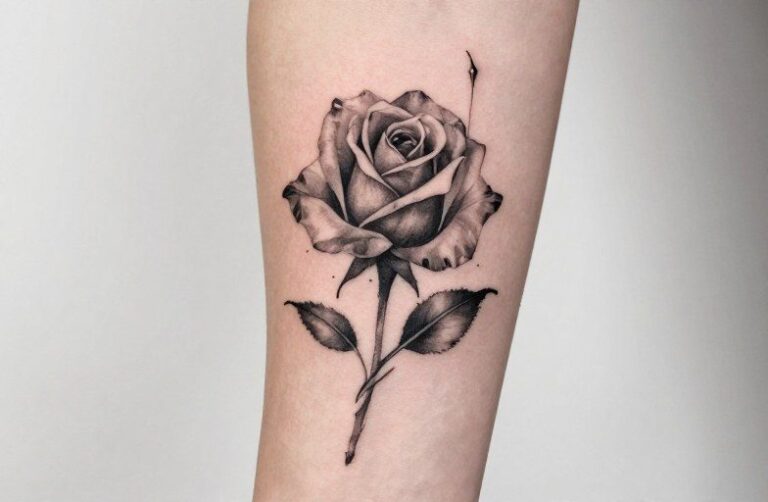
- Black or greyscale: mourning, aesthetic minimalism, emphasis on form over sentiment
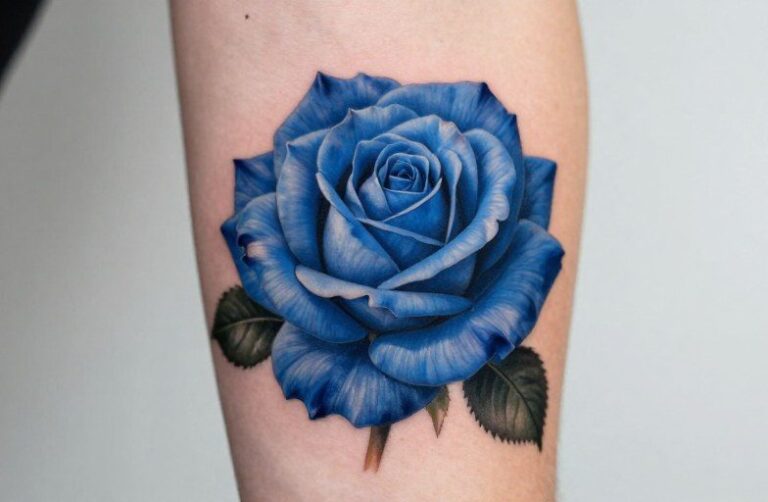
- Blue (often dyed or fantastical): rarity, the impossible made visible, transgender identity markers
White ink orchids on darker skin create particular visual impact, ethereal, almost luminous, but require touch-ups sooner than traditional approaches. The technique demands an artist experienced with how white pigment settles and spreads in melanin-rich skin.
Combination Motifs
Orchids pair effectively with specific elements that modify meaning:
- Skulls or hourglasses: memento mori with elegant rather than macabre tone
- Geometric frames: contrast between organic and structured, often chosen by architects or engineers
- Script in flowing scripts: the bloom’s curves complement calligraphic text without competing
- Snakes or insects: predator-prey dynamics, ecological awareness, danger beneath beauty
Best Placements
Orchid anatomy determines ideal body placement more than many floral designs. The stem’s natural curve and the bloom’s directional facing reward specific locations.
Flowing with the Body
Ribcage and flank placements allow the stem to follow natural body contours, creating movement that feels organic rather than imposed. The bloom can face outward (toward viewer) or inward (toward wearer), significantly altering emotional effect. Inward-facing designs read as more private, contemplative.
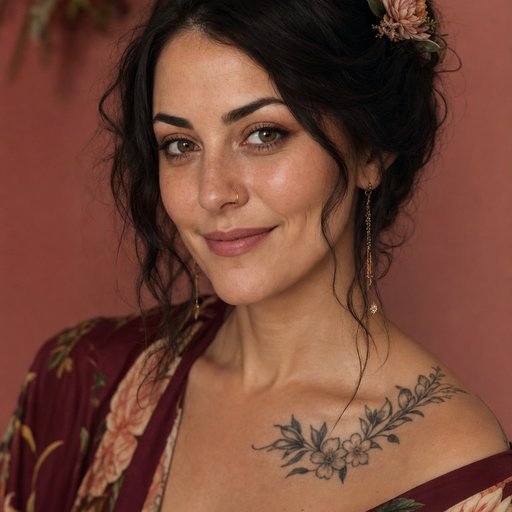
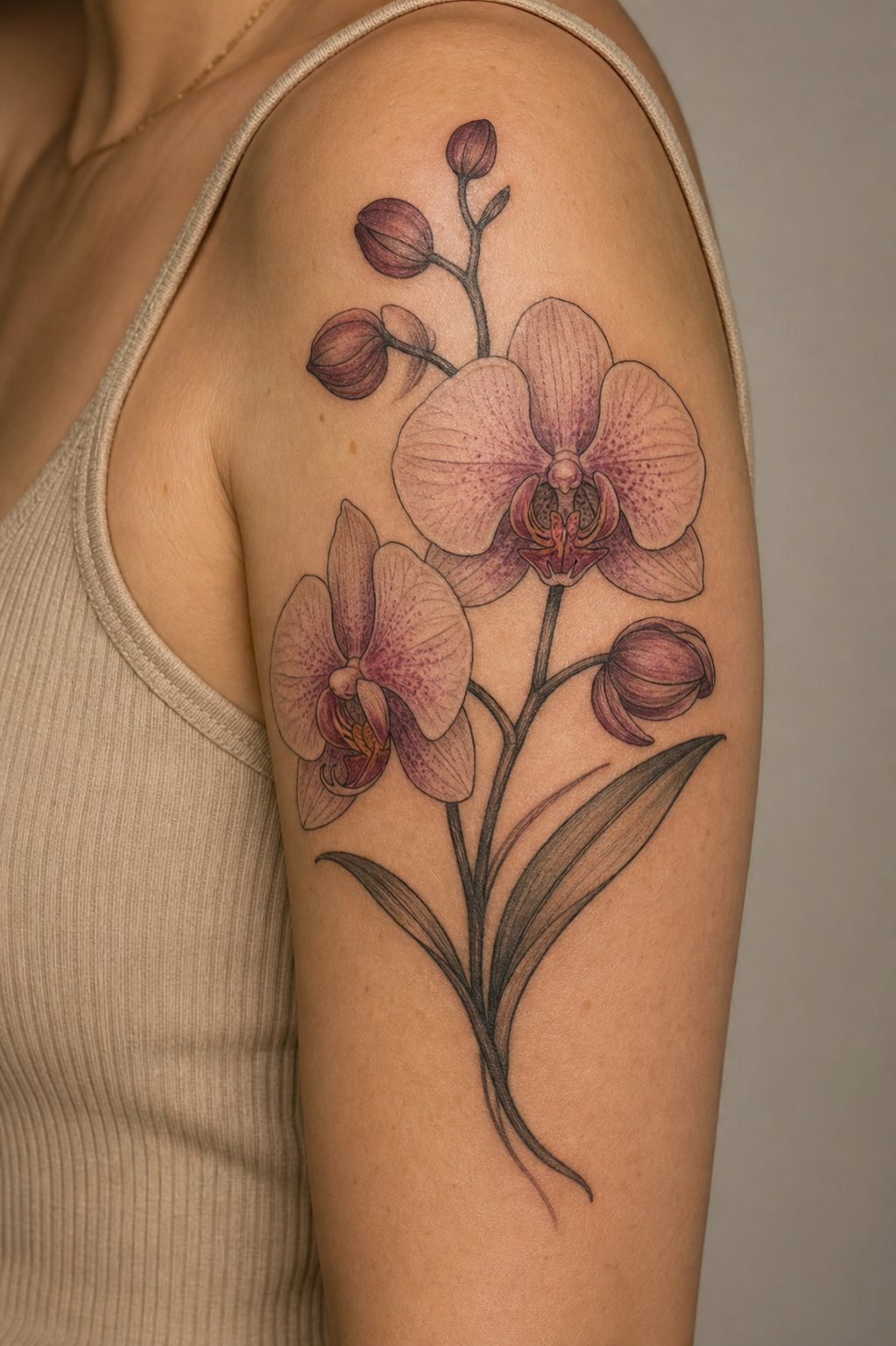
Shoulder caps and upper arms suit single-bloom designs with minimal stem. The rounded muscle structure complements the flower’s radial symmetry. Forearm placements work better for elongated sprays with multiple blooms, using the limb’s length.
Technical Considerations
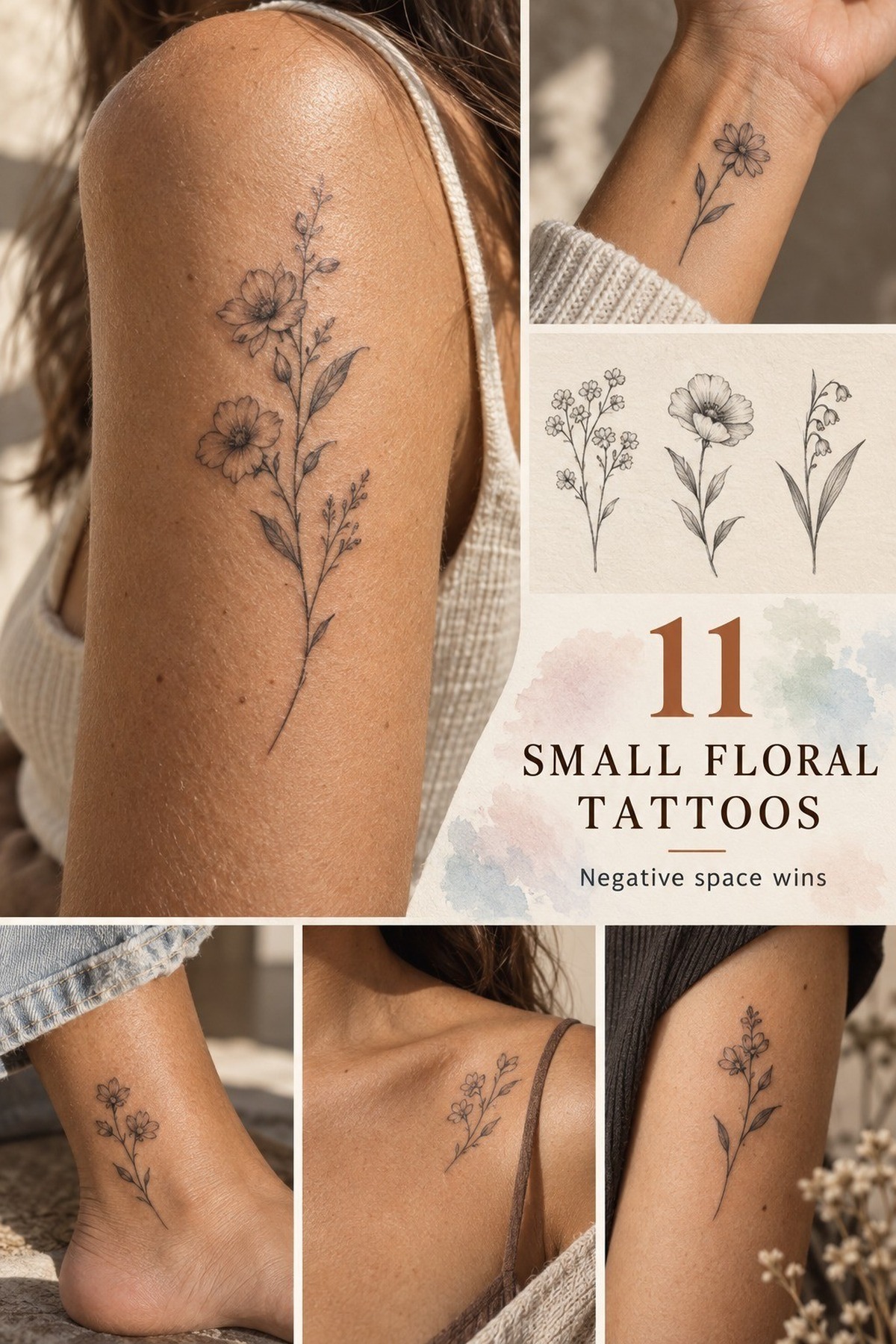
Orchid tattoos demand precision in line weight and color saturation. The petal edges blur quickly if blown out, thin skin areas (wrists, ankles, collarbones) require extra restraint from the artist. Conversely, areas with thicker dermis (thighs, upper back) hold fine detail longer but may need larger scale to prevent the design from feeling lost.
Shading technique matters enormously. Realistic orchids rely on smooth gradients between highlight and shadow; traditional or neo-traditional approaches use bolder contrast. Watercolor styles can capture the flower’s translucency but fade faster, especially pinks and pale yellows. Expect 7-10 year refresh cycles for lighter color palettes.
Mythology & Folklore
Stories surrounding orchids vary enormously by region, and no single origin dominates global understanding.
Greek and Roman Threads
The Orchis myth, involving a youth transformed into a flower after offending Dionysus, often gets simplified into cautionary tales about lust. More nuanced readings suggest the story encodes ancient anxiety about gender instability, since the flower’s root resembles both male and female anatomy depending on viewing angle. Some trace Roman medicinal use of orchid tubers to fertility treatments, though evidence remains scattered across disparate sources.
Indigenous American and Pacific Narratives
Vanilla orchids carry sacred significance in Totonac and later Aztec traditions, associated with divine sacrifice and sensual pleasure. Polynesian cultures developed extensive orchid-based lei protocols where specific species indicated rank, relationship, and spiritual protection. These associations rarely surface directly in contemporary tattoo work but inform color and composition choices for clients with relevant heritage.
Chinese folklore often links orchids to loyal friendship and integrity tested by isolation, the flower’s preference for remote, shaded growing conditions interpreted as moral self-selection rather than mere biology.
The Takeaway
An orchid tattoo works when you want botanical beauty with conceptual weight. It carries enough cultural history to satisfy symbolic interest, enough visual flexibility to suit diverse bodies and styles, and enough technical challenge to reward skilled execution. The design ages well if planned with realistic color expectations and placement-aware scale. Whether marking survival, celebrating sensuality, or simply loving the form, the orchid offers substance that outlasts trend cycles.
Choose your cultivar deliberately, match color to your actual intention rather than generic charts, and find an artist whose botanical work demonstrates patience with fine detail. The difference between a generic floral and a meaningful orchid lives in those specifics.
Frequently Asked Questions
Do orchid tattoos fade faster than other flower designs?
Lighter colors, especially soft pinks, yellows, and whites, do fade faster than deep purples or blues. Orchids also rely heavily on smooth shading gradients, which blur sooner than bold linework. Plan for touch-ups every 7-10 years if you choose a pale palette.
What’s the best orchid species for a realistic tattoo?
Phalaenopsis (moth orchid) offers the most recognizable silhouette with broad, accessible petals. Cymbidium works better for structured, architectural compositions. Cattleya carries vintage glamour associations but requires more space to render properly.
Can an orchid tattoo work for cover-ups?
The flower’s natural shape, large bloom, minimal surrounding foliage, limits cover-up utility unless the existing tattoo is small and lightly saturated. Dark orchid varieties with dense purple or black shading offer more coverage potential than pale designs.
How much should an orchid tattoo cost?
Single-bloom designs in black and grey typically start around $200-400 at reputable shops. Full-color pieces with multiple blooms and background elements run $500-1,500+ depending on size, artist specialization, and geographic location. Botanical realism commands premium rates.