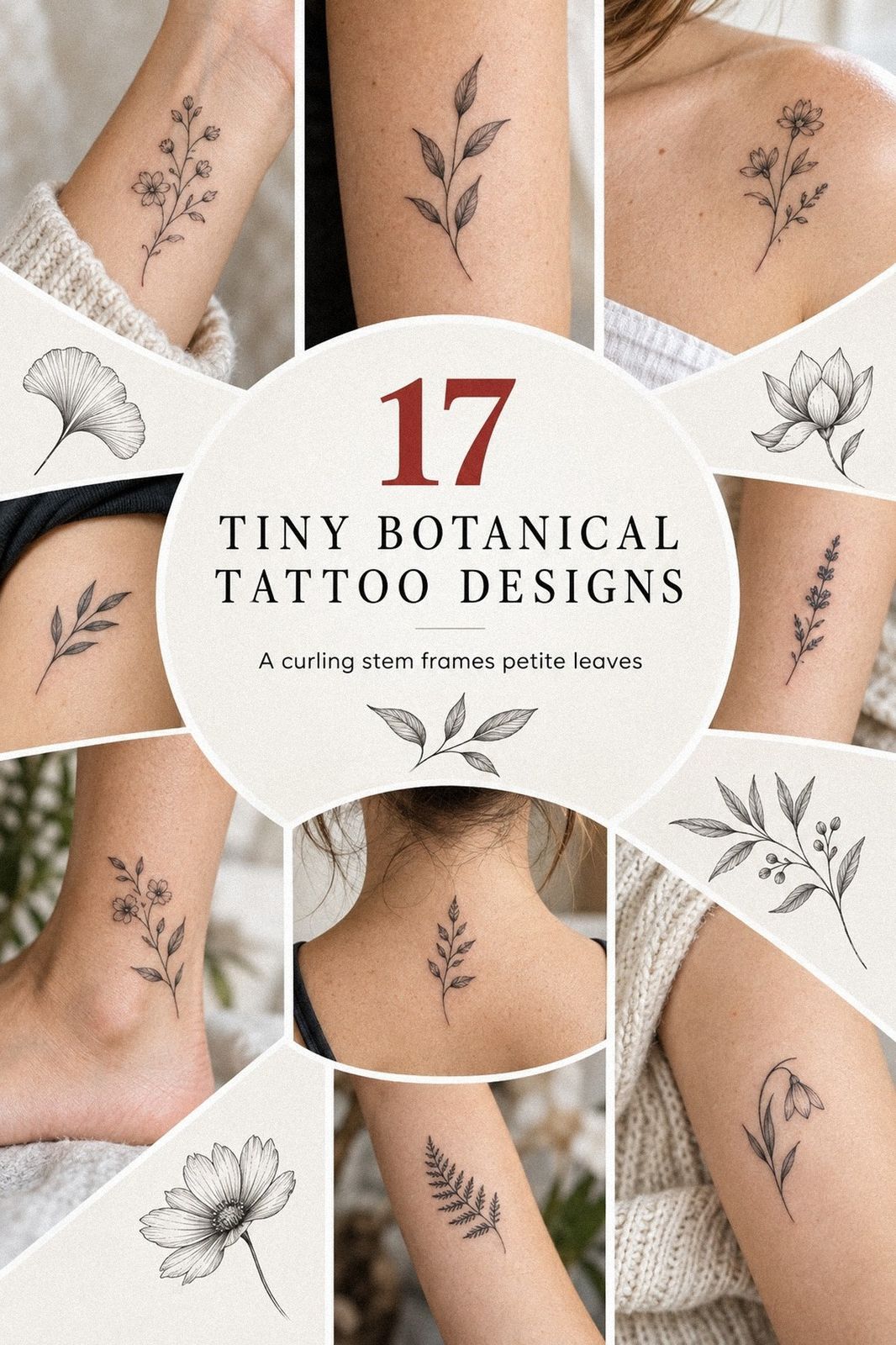
Tiny botanical tattoo ideas can stay around the typical $100 to $300 US range when you keep the design small, choose a practical placement, and skip needless detail. I once made a tiny stem too delicate for its size. It blurred sooner than I expected. These ideas keep the linework crisp, meaningful, and affordable!
The smartest budget choice is usually a simple botanical silhouette with clear separation between leaves and petals. You’ll spend less time on drawing, and your artist can focus on clean placement, balanced spacing, and a result that still feels personal years later.
Place a Tiny Botanical Tattoo on the Wrist
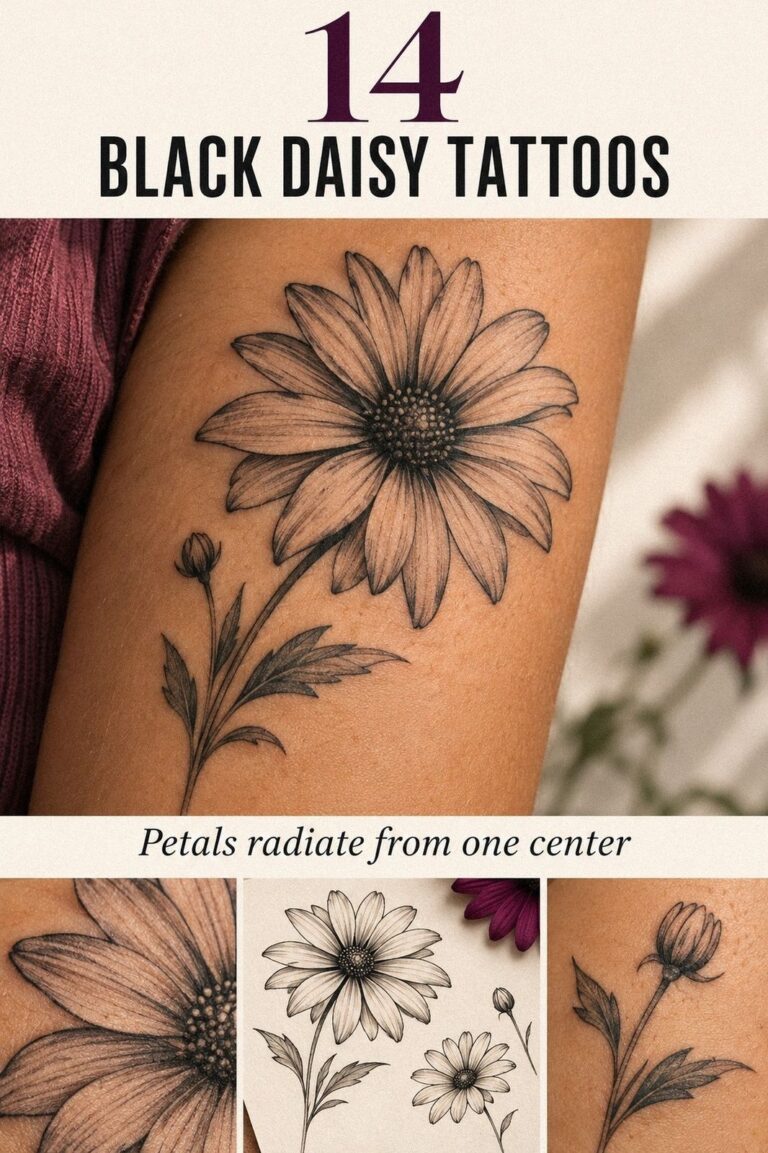
A wrist design gives you a visible, personal reminder without demanding a large session. On fair cool-pink skin, single-needle black ink can look striking against the natural tone, especially when the stem stays simple and the leaves have clear separation. You’ll want a design that reads from a few feet away, not one that needs a magnifying glass.
I’d choose one slender wildflower with two or three leaves. A 0.5-inch botanical stem may sound tiny, but you’ll get a more timeless result if your artist has enough space to separate each line. I’ve seen overly packed petals turn muddy, and that’s a poor trade when you’re trying to stay cheap.
The wrist moves constantly, so your placement matters. Keep the design slightly above the wrist crease rather than directly across it. Your skin will flex less there, and your artist can keep the outline more elegant, crisp, and understated.
– Hair-thin stem – Two open leaves – Small rounded bud – Black ink only
If you’re comparing flower shapes, browse these tiny wildflower tattoo references before your consultation. You don’t need a complicated custom drawing when a graceful silhouette already does the work.
Fine-Line Tiny Botanical Tattoo Behind the Ear
Behind the ear is a delicate placement with an intimate feel. On medium warm ivory skin, fine-line black ink can create a sleek little sprig that feels personal without becoming the first thing everyone notices. You’ll probably want a design that follows the curve behind your ear instead of sitting like a sticker.
A tiny fern, olive branch, or single daisy works well here. My opinion is firm: skip dense shading behind the ear. The space is small, and heavy detail can make an elegant idea look crowded.
A fragrance-free aftercare wash is also easier to use when the tattoo sits close to your hairline.
Your artist may suggest a slightly larger shape than you planned. Listen to that advice if the first sketch has three or more overlapping leaves.
You’re paying for clean work, and clean work needs room. The result can feel feminine, polished, and quietly romantic.
This placement can be more sensitive than the forearm, so your session may be short. That helps your budget, but you’ll still want a studio with strong hygiene standards and healed portfolio photos. Check this tiny fine line flower tattoo guide for shapes that stay readable.
But don’t copy the exact size from a reference. Your ear’s curve, hair, and skin tone will change how your botanical outline reads.
Choose a Unique Tiny Botanical Tattoo for the Finger
A finger tattoo can look bold even when the design is small. On medium olive skin, solid black botanical ink gives a tiny leaf or stem enough contrast to stay expressive. You’ll need to accept that fingers experience friction, handwashing, and sun exposure, so this is a placement for someone comfortable with possible touch-ups.
I’d choose a vertical stem along the side of the finger rather than a detailed flower across the knuckle. The side gives your artist a cleaner path, and your design won’t fight the constant bend. A small black leaf motif can feel sharp, masculine, and personal without needing color.
Why settle for six petals when one curved leaf can say more? Your artist should show you healed finger work, not just fresh photographs. Fresh ink can look crisp on day one, while healed skin tells you whether the linework stayed readable.
The budget question is straightforward. A tiny finger tattoo may fit within a shop minimum of $50 to $100, but the artist’s region and experience can change that. You’ll want to ask before booking, since a low price isn’t useful if the work needs early correction.
For more delicate shapes, compare your sketch with these tiny daisy tattoo ideas. Keep your final version simpler than the reference if your finger is narrow.
Build Tiny Botanical Tattoo with Wildflower Linework
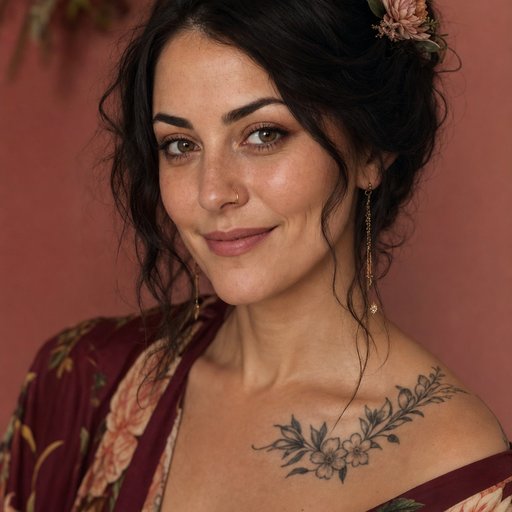
A single stemmed flower on the collarbone can look graceful, intimate, and quietly powerful. The layered petals need enough separation to remain visible, especially on golden tan skin. Black floral linework gives you a classic base, while a few open spaces keep the piece from looking heavy.
I’d ask your artist to angle the stem slightly toward the shoulder. That direction follows the collarbone and makes your posture part of the composition. You’ll get a more natural flow when the design follows your body instead of sitting perfectly horizontal.
The wrong move is squeezing too many petal layers into a tiny shape. I made that mistake on a reference sketch once, and the flower looked more like a dark button than a flower. A 3RL single-needle grouping may create delicate lines, but your artist still needs enough scale for every mark to heal clearly.
– One curved stem – Four or five open petals – Two narrow leaves – No background dots
You can compare the silhouette with these tiny flower tattoo for women references. Your final piece doesn’t need to be ornate to feel meaningful. A crisp, feminine outline can carry the emotion!
Tiny Botanical Tattoo Along the Collarbone
The collarbone gives a botanical tattoo a graceful direction without requiring a wide design. Black archival-style ink can inspire a vintage mood, but your artist should redraw the motif for skin rather than preserve every scratch from a paper sketch.
I’d mark the designs that still read clearly from several feet away. Your favorite may be the most intricate one, but the simplest leaf can become more timeless once it’s reduced to skin-sized linework.
Look for a stem with a strong outer contour and only a few interior marks. Open negative space will help the flower stay sharp, especially if you want an understated result that doesn’t dominate your neckline.
This is where a consultation earns its place in your budget. You can bring one page, circle two options, and ask which shape will age better on your skin. A thoughtful artist may remove details, and that’s a good sign, not a loss.
For more references, save these tiny flower crown tattoo designs. You’ll see how repeated stems can create rhythm without making your chosen piece oversized.
Keep a Minimal Tiny Botanical Tattoo on the Ankle
A tiny botanical tattoo on deep ebony skin can look refined and bold when the artist relies on clear black lines. The ankle gives you a narrow canvas, so opaque black ink can provide the contrast needed for a graceful botanical shape without introducing extra color.
I’d place a short stem just above the ankle bone rather than directly over it. The bone can make the session feel sharper, and the skin there gets friction from socks and footwear. Your artist can help you find a spot that keeps the piece visible while giving the linework a steadier surface.
The best design here is minimal, but minimal doesn’t mean empty. A two-leaf sprig with one small bud can feel empowering, crisp, and quietly fierce. Skip soft gray shading if you’re trying to keep the cost low.
Solid black structure gives your tattoo a stronger foundation.
You’ll also want to think about sun exposure. If your ankle shows often, use sunscreen once the surface has fully healed. Fresh aftercare still comes first, with gentle washing and light moisturizing, not aggressive rubbing.
If you’re choosing between a sprig and a flower, compare the scale in this tiny lotus flower tattoo collection. Your ankle will usually reward a design with a clean vertical direction.
Tiny Botanical Tattoo with Fern Detailing
Fern detailing gives a tiny tattoo movement without requiring a large flower. On fair cool-pink skin, fine black fern lines can look delicate, earthy, and expressive. The ankle placement also lets the fronds follow the leg, which makes a small design feel more flowing than its measurements suggest.
I’d keep the fern between roughly a small few-centimeter footprint and a compact vertical shape. Your artist should avoid drawing every microscopic leaflet. A simplified frond will hold its identity better, while a packed fern can lose its crisp edge as the skin changes.
My preference is one main stem with alternating leaves, not a cluster of three ferns. You’ll get a more polished silhouette, and the session should stay shorter. Black botanical shading can anchor the lower stem, but it shouldn’t fill every gap.
Your reference should show the ankle from the side and from the front. Placement changes the balance, especially if you wear low shoes or sandals. A fern that looks elegant from one angle may disappear behind the ankle bone in another.
For a softer alternative, look through these tiny floral sleeve tattoo references, then isolate one small detail. You don’t need the full composition to borrow its rhythm.
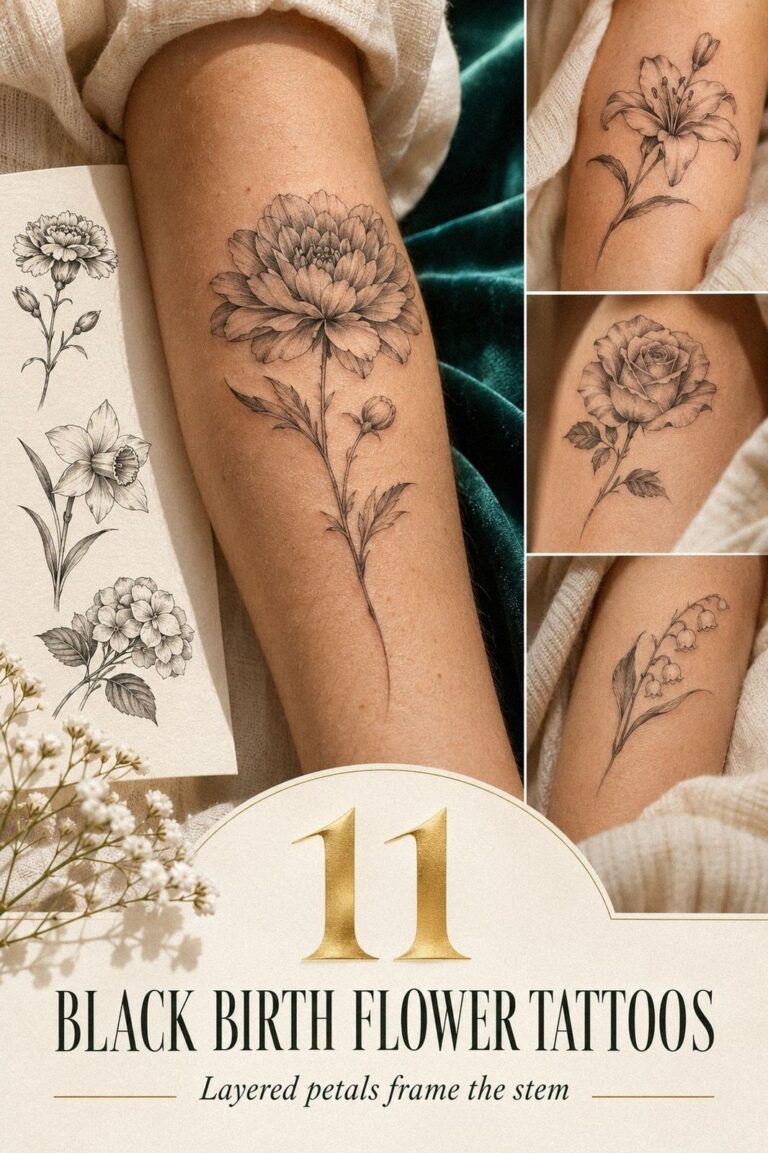
Tiny Botanical Tattoo Inspired by Birth Flowers
A birth flower makes your tiny botanical tattoo more meaningful because the symbol already connects to a month, person, or memory. On medium warm ivory skin, single-stem black ink can keep the design symbolic while the layered petals provide enough character to feel personal.
You’ll want to verify the birth-flower list assigned to your month before you book. Lists vary, and your artist may offer several interpretations.
I’d choose the version with the clearest outline rather than the most ornate botanical illustration. An elegant shape will serve you longer than a crowded one.
The collarbone placement gives the stem space to follow your natural line. Ask your artist to angle the flower toward your shoulder if you want a graceful, feminine finish. If you want something more understated, keep it nearly vertical and remove the extra leaves.
– One birth flower – One personal date, if needed – Open petal shape – No tiny lettering inside the bloom
You can compare flower symbolism with these tiny peony tattoo ideas. Your tattoo doesn’t need a date or initials to feel deeply personal. Sometimes the flower does enough.
Could a Tiny Stem Carry a Big Meaning?
Yes, especially when the plant connects to a person, season, place, or private promise. A meaningful botanical symbol doesn’t need elaborate detail to feel powerful. The emotional weight comes from why you chose it, not from how many leaves fit inside the design.
A rosemary sprig can suggest remembrance. An olive branch can suggest peace.
A wildflower can mark independence, change, or a season you survived. Those meanings are flexible, which gives you room to make the design personal rather than literal.
I’d write down the memory first, then choose the plant. That order helps you avoid selecting a fashionable motif that looks striking but says nothing to you. Your artist can then turn the idea into an ethereal personal stem shape with a clear silhouette.
If you’re unsure, start with one flower and remove half the details. You can always discuss a larger version later, but a small tattoo needs discipline from the beginning. Start small!
Tiny Botanical Tattoo on the Ribcage
The ribcage gives a botanical tattoo a private, almost sacred quality. On medium olive skin, black fine-line ink can create a haunting vertical stem that follows the ribs without becoming too visible in everyday clothing. You’ll want to plan the design around your body’s curve, not a flat piece of paper.
I’d keep the flower narrow and place it between the ribs rather than stretching across them. The area can be more sensitive than the forearm, thigh, or shoulder, so a compact design may help you keep the session manageable. Your artist can pause if you need it.
Skip heavy internal shading here. Crisp black linework will give your tattoo a more timeless structure, while excessive gray can make the flower look softer than you intended. I’d also avoid placing the smallest leaves directly over the deepest rib curve.
The healing period needs attention because clothing can rub the area. For the first 2 to 3 weeks, you’ll want gentle washing, light hydration, and no swimming while the surface settles. Surface healing can take about 2 to 3 weeks, while complete healing can take about 2 to 3 months.
For another private botanical direction, save these tiny flower crown tattoo references. Your rib design can borrow the curved rhythm without copying the full crown.
Match Botanical Stems Without Copying Them
Matching stems work well for siblings, partners, or close friends, but I wouldn’t force identical placement. Your wrist, ankle, or collarbone may need a different angle. The shared shape can stay meaningful even when your bodies aren’t identical.
A white transfer stencil helps you judge size before the needle starts. You’ll want to see the design on your actual skin, move your arm or leg, and check whether the stem still feels balanced. This is where a short consultation can prevent an expensive change later.
The strongest matching design is one that can stand alone. My opinion: skip mirrored complexity. Choose one recognizable stem with a leaf or bud, then let each person personalize the direction.
That keeps the result polished, personal, and quietly romantic.
You can compare simple shared motifs with these tiny wildflower tattoo designs. If you’re both on a budget, a compact design may also keep each appointment closer to the studio minimum.
Tiny Botanical Tattoo Using Single-Needle Technique
Single-needle technique can create a delicate and expressive botanical tattoo, but the design still needs structure. On deep brown skin with a warm undertone, black single-needle ink should be placed with care so the stem remains readable and the contrast stays intentional.
I’d choose a simple ankle sprig with one central stem and a few open leaves. Your artist may recommend slightly thicker lines than your reference shows, and you should take that seriously. Hair-thin marks can spread or soften as they age, especially when the design is too small.
The tattoo can still feel bold without heavy filling. A clean black outline gives you an iconic anchor, while negative space keeps the flower elegant. Why force a dense bloom when one curved leaf can make the whole idea more memorable?
You’ll want to ask for healed photographs, not only fresh work. And you should ask how the artist approaches darker skin tones, since confidence with placement and contrast matters more than a trendy label.
If you’re comparing fine-line options, save these tiny fine line flower tattoo examples. Your best choice may be the less intricate one, especially if you want the tattoo to remain crisp over time.
Frida’s Botanical Echo
A bold, graphic flower can carry the expressive energy of a botanical painting without copying a specific artwork. Think vibrant petal shapes, a dark central line, and one confident stem. The design should be simplified enough to remain readable at a tiny scale.
I’d avoid reproducing a detailed portrait or dense painted texture. Instead, borrow the feeling of exaggerated petals and strong contrast. That gives you an edgy, recognizable tattoo while keeping the drawing time and final cost under control.
A collarbone, upper arm, or outer forearm can support this style well. Strong outer contours matter more than tiny interior marks, particularly if you want a daring tattoo that still heals cleanly.
The result can feel artistic without becoming complicated. Your artist should help you reduce the flower until its personality survives in a few decisive lines.
Black Ink or Color?
Black ink is usually the more practical budget choice because it gives a tiny stem a reliable visual anchor. Solid black structure can remain clear when a design has only a few leaves, while pale colors may lose contrast more quickly depending on placement and skin tone.
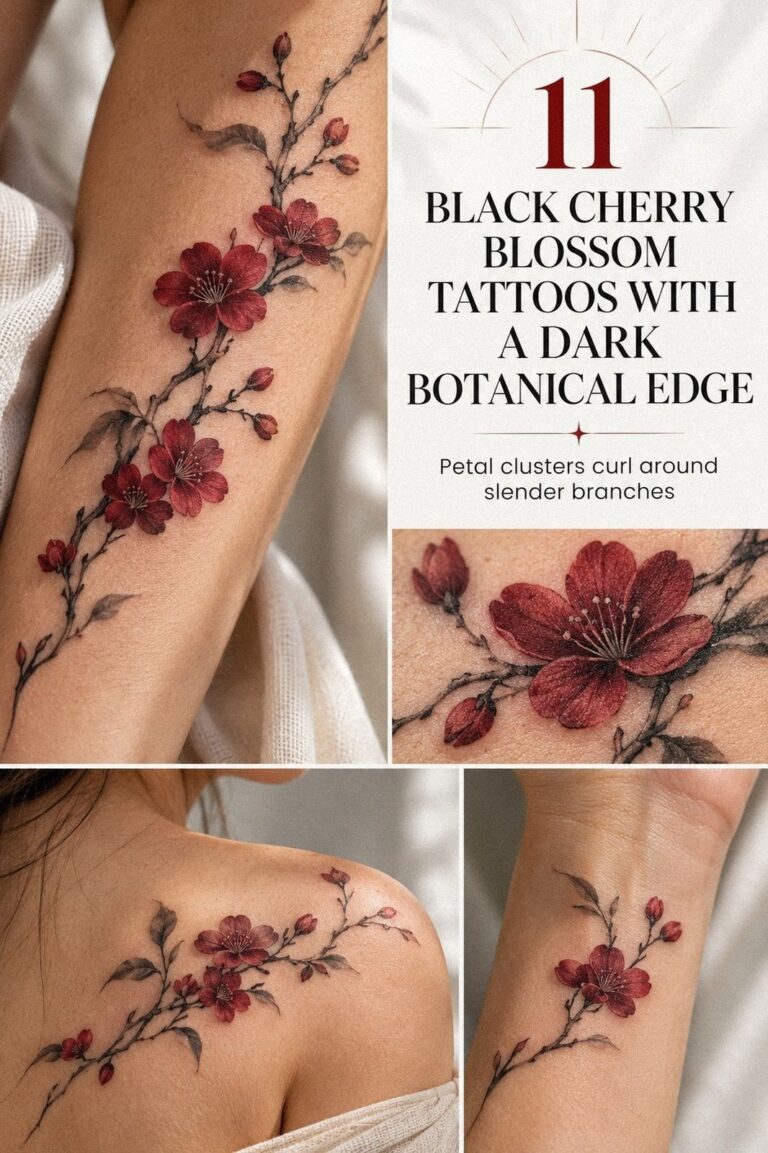
Color can still work when it has a clear purpose. A single red bud, muted green leaf, or blue accent may make the symbol more expressive, but extra pigment adds another decision and may require more careful planning.
I’d prioritize the outline first. If the flower doesn’t read without color, the color won’t rescue it. A black botanical foundation keeps the design crisp and gives you the option to add restrained color later.
Ask your artist how a chosen shade behaves on your skin. Their healed color work will tell you more than a fresh reference, especially for delicate or dainty designs.
Choose the Simplest Flower You Still Love
Start with the flower that has emotional meaning, then remove anything that doesn’t improve its silhouette. One open bloom can feel more elegant than a crowded bouquet when the tattoo is smaller than a coin.
I’d keep one main stem, two or three leaves, and enough negative space between the elements. That structure can look sleek on the wrist, graceful along the collarbone, or sharp on the finger.
A tiny tattoo doesn’t have to be plain. A curved stem can feel whimsical, a pointed leaf can feel fierce, and an unusual petal can make the design iconic. The key is choosing one memorable feature instead of six competing ones.
If your artist says the design needs to be slightly larger, listen before assuming they’re upselling you. Artist sizing advice often protects readability, skin movement, and healing space.
The Budget and Longevity Notes I’d Use
The cheapest tattoo isn’t always the smallest one. Your final cost depends on the shop minimum, the artist’s rate, the placement, and how much drawing time your design needs. In the US, these are useful typical ranges, not guarantees.
I’d spend your money on a skilled artist and a readable design before spending it on color. Black solid linework generally gives a tiny botanical piece a stronger visual base, while very fine lines may soften or widen over time.
Your placement also matters. Ribs, feet, hands, and sternum can feel more painful, while the forearm, thigh, and shoulder are often more tolerable.
That doesn’t mean one zone is right for everyone. Your artist should help you weigh visibility, friction, and how you handle sensitivity.
The design should match the budget you actually have. A small botanical stencil with one stem can look refined, meaningful, and polished without a long drawing session. Don’t let a low quote push you toward an artist whose healed work you haven’t seen.
For more long-term references, compare these tiny lotus flower tattoo ideas. Save the reference, note the placement, and bring one focused direction to your consultation.
Why Tiny Botanical Tattoos Keep Working for Me
I’ve come back to tiny botanicals because they give you room for meaning without demanding a dramatic commitment. I’ve had sketches that looked exquisite on paper and ordinary on skin, usually because I was trying to preserve too many little marks. The better choice was always the one with a clear stem, fewer leaves, and one memorable curve.
Your first decision should be scale. If you want a flower that still reads after healing, you can’t shrink a detailed reference forever.
I’d rather see one bold petal and open negative space than a crowded bloom that loses its identity. That’s where a modest budget can help, because limits force you to edit.
I also think placement should reflect how you live. A wrist or ankle can be visible and expressive, while a rib or behind-ear design can stay more intimate. You’ll know the right answer when the placement feels connected to your daily gestures, not just attractive in a saved reference.
And your artist matters more than a style label. Ask to see healed work, ask how they size fine lines, and ask what they’d remove from your sketch. A thoughtful artist may make your idea simpler, sharper, and more personal.
The point isn’t to chase the tiniest possible tattoo. It’s to choose a striking shape that your skin can carry well.
Healed botanical linework may look less dark than fresh ink, but that softer finish can feel timeless, elegant, and honest. That is the point!
What People Always Want to Know
How much does a tiny botanical tattoo usually cost?
A tiny botanical tattoo usually costs about $100 to $300 in the US, though a shop minimum may be around $50 to $100 and hourly rates may run about $100 to $250. Your artist, region, placement, and detail level will change the final quote. A clear consultation protects your budget.
Are tiny botanical tattoos a good idea for a first tattoo?
Yes, a tiny botanical tattoo can be a good first tattoo because you can choose a manageable placement and a meaningful subject. A simple design is easier to evaluate, especially if you select the forearm, thigh, or shoulder instead of a more sensitive zone.
How do I choose a tattoo artist for a tiny botanical tattoo?
Choose an artist with clean linework, healed portfolio photos, and strong studio hygiene. Ask how they size small designs and whether they’ve worked confidently with your skin tone. Healed examples matter most, because fresh ink can hide how delicate lines settle.
How much do tiny botanical tattoos hurt?
Pain varies by person and placement. Ribs, feet, hands, and sternum are often more sensitive, while the forearm, thigh, and shoulder can feel more tolerable. A short tattoo session may help, but your artist should still explain pauses and positioning before you begin.
How long does a tiny botanical tattoo take to heal?
The surface usually heals in about 2 to 3 weeks, while complete healing can take about 2 to 3 months. Wash gently, moisturize lightly, and avoid sun exposure and swimming during early healing. Simple aftercare supports clearer results.
What color works best for a tiny botanical tattoo in 2026?
Black remains the most practical choice for a tiny botanical tattoo because it gives the stem and leaves a clear visual anchor. Solid black structure tends to age more reliably than tiny pale details, especially when your design is under an inch.
Where can I find references, and are these affiliate recommendations?
You can find references through tattoo portfolios, healed-work galleries, and the internal guides linked here. This article contains no affiliate links or product sales. Your artist’s healed portfolio is the strongest reference for deciding whether a design fits your skin and placement.
Start with the Wrist, Then Compare
If I had to pick one, I’d start with the tiny botanical tattoo on the wrist. You’ll see it easily, the placement is easier to judge, and a simple stem won’t need crowded detail to feel personal. Pin the wrist placement for later and compare it with these tiny flower tattoo references.