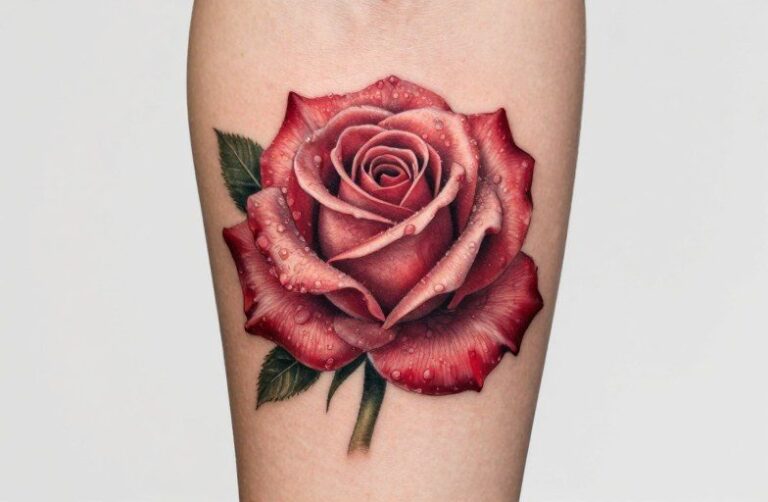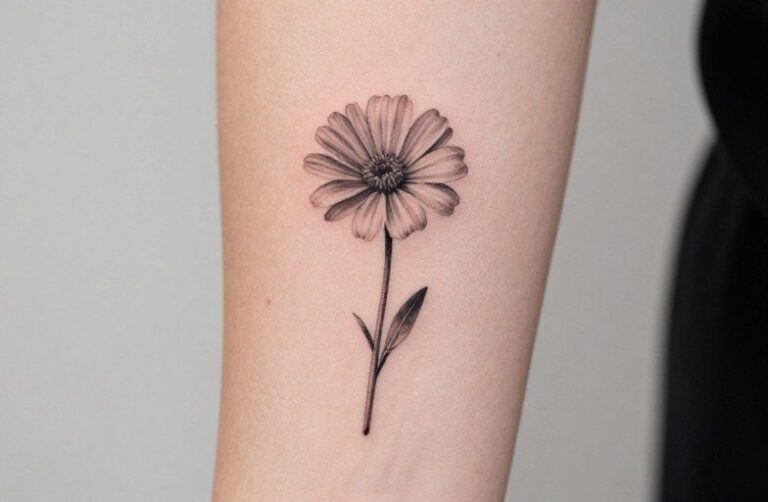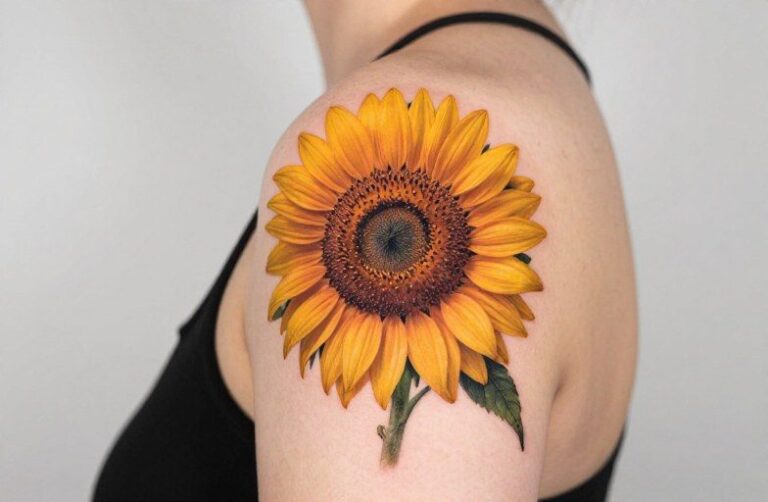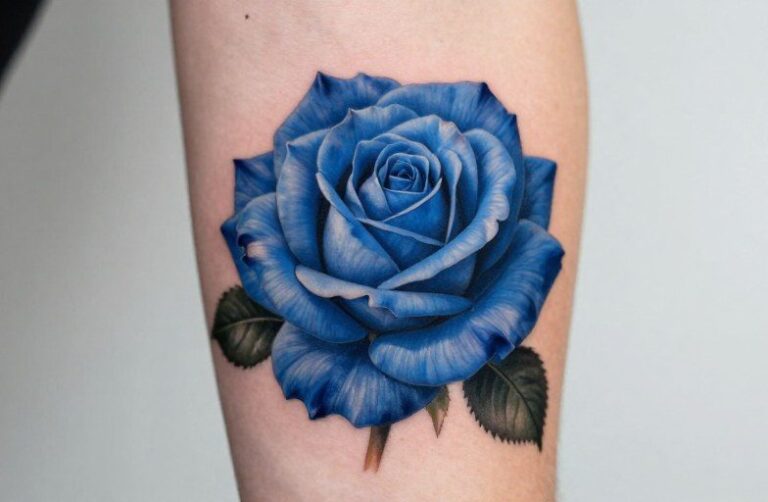
An A Court of Thorns and Roses tattoo signals devotion to Sarah J. Maas’s fantasy series and its themes of survival, chosen family, and radical transformation. Most pieces reference the seven courts, the Night Court’s starry sigil, or the thorn-and-rose duality central to Feyre Archeron’s journey from human captive to powerful fae High Lady. The imagery carries weight because it maps real emotional terrain, trauma, recovery, agency, onto a fictional framework that resonates deeply with readers.
Symbolism & Core Meaning
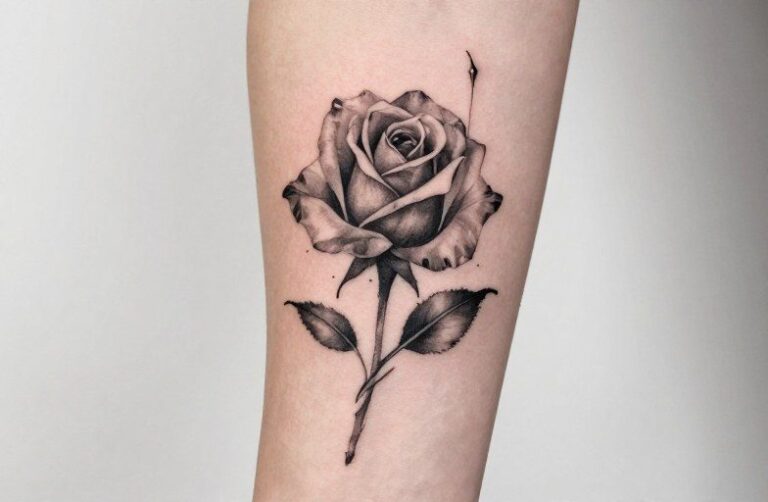
The core tension in ACOTAR tattoos sits between the thorn and the rose: protection versus vulnerability, pain alongside beauty. Feyre’s narrative arc, hunting to save her family, entering Prythian under duress, eventually claiming power on her own terms, gives these symbols personal anchor points for people who’ve survived their own versions of that journey.
The Night Court and Starlight Imagery
Velaris, the City of Starlight, generates the most requested ACOTAR imagery. Tattoo collectors typically choose:
- Constellation maps matching Rhysand’s court, sometimes with the specific eight-pointed star described in the books
- Moon phases paired with mountain silhouettes (the Night Court’s geography)
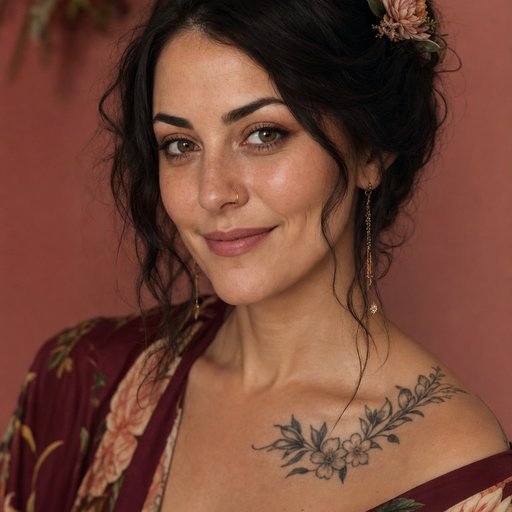
- “To the stars who listen” rendered in delicate script, often placed on ribs or collarbones where the text stays private
The star motif works especially well in fine-line work where individual points can remain crisp without heavy ink saturation.
Thorns as Armor
The thorn element rarely appears as decoration alone. Most designs integrate thorns wrapping wrists, climbing forearms, or framing larger compositions. This placement choice matters: thorns encircling a limb read as deliberate boundary-setting, a visual echo of the series’ exploration of consent and reclaimed agency. The barbed wire-adjacent shape also ages better than fine rose petals, maintaining legibility as the tattoo settles.
Color vs Black and Grey
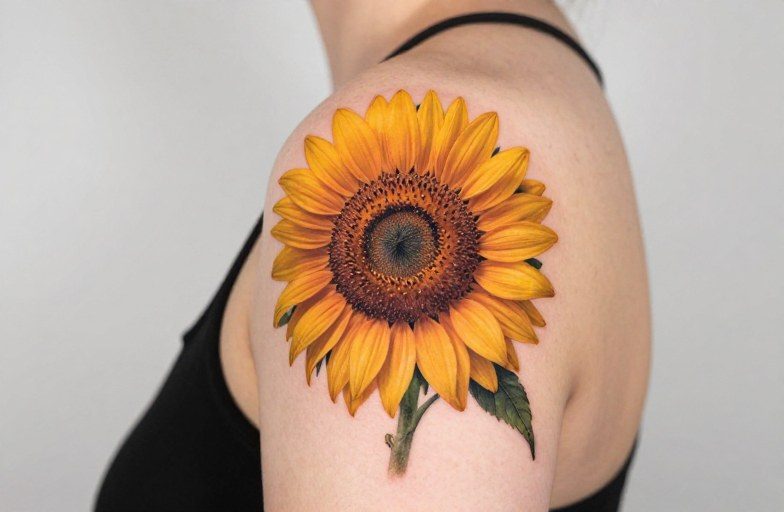
ACOTAR’s visual world demands color to capture its full impact, but not all placements suit it. The Illyrian wings, massive, bat-like, often spanning shoulder blades, need solid black saturation to read as shadow and membrane. Without it, the wing structure dissolves into grey wash within a few years. Conversely, the Spring Court’s florals and the Autumn Court’s amber palette require warm pigments: burnt orange, gold, deep green.
Where Color Pays Off
Rib pieces and upper thighs offer enough real estate for color gradients that mimic the book’s described magic systems. The “winnowing” effect, dark smoke with silver starlight, translates to tattoo form through grey-to-black transitions with white ink highlights. These highlights fade fastest, though. Expect touch-ups on white ink within three to five years, sooner on sun-exposed skin.
Black and Grey Strengths
Black and grey excels for text-heavy designs and smaller scale work. The series’ notable quotes, “I was not a pet, not a doll, not an animal”, need legible line weight more than color drama. A single-needle approach on inner biceps or behind ears keeps the text readable at small sizes. The Night Court’s aesthetic also naturally suits monochrome: star fields and mountain ranges hold their structure without color dependency.
Common Variations & Styles
Three approaches dominate actual ACOTAR tattoo requests, each with distinct technical considerations.
Court-Specific Iconography
Each of Prythian’s courts carries visual shorthand that dedicated readers recognize:
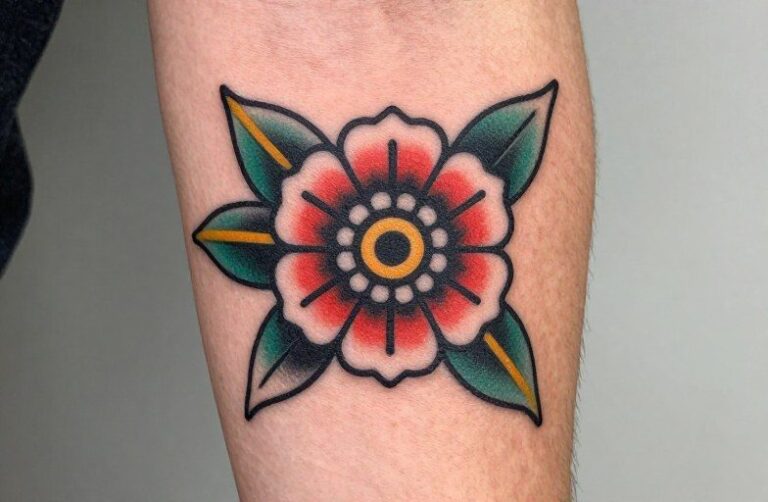
- Spring Court: roses, green growth, dawn light (soft color, prone to fading in pale skin)
- Summer Court: sunbursts, ocean waves, bronze tones (holds color well, needs larger scale)
- Autumn Court: falling leaves, harvest imagery, fire elements (orange and red pigments fade to pink/yellow; plan for this)
- Winter Court: ice crystals, bare branches, blue-white palettes (white ink essential, high maintenance)
- Dawn, Day, and Night Courts: celestial transitions, starlight, shadows (most technically forgiving)
Character Portraits and Hybrid Creatures
Some collectors request the Suriel, a prophetic, bone-faced creature, or the Attor, a winged humanoid. These demand experienced portraiture work; the Suriel’s hollow eye sockets and the Attor’s skeletal structure require precise black and grey shading to avoid reading as muddy abstraction. Feyre’s bow, a simpler alternative, works at smaller sizes and carries the same narrative weight without the technical risk.
How It Ages on Skin
ACOTAR’s detailed fantasy imagery presents specific aging challenges. Star fields, a favorite element, rely on negative space and fine dots that spread over time. What reads as delicate constellations at six months can become blurry clusters at five years. Plan for this: ask your artist to space star points slightly wider than looks ideal fresh, knowing they’ll tighten together as ink settles.
Thorn lines, especially the curved barbs wrapping around limbs, need consistent line weight. Variation in the original work, common in hand-poked or single-needle styles, becomes unevenness as skin texture changes. A slightly heavier outline on thorn structures prevents the “fuzzy” look that develops when thin lines blur into surrounding skin.
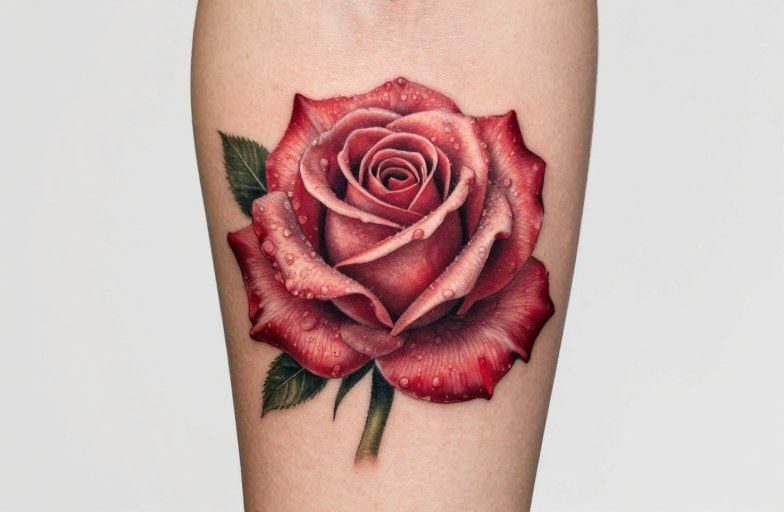
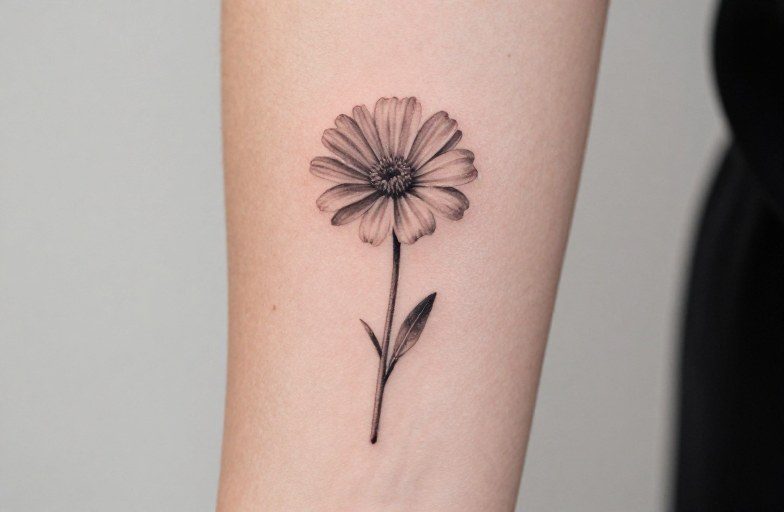
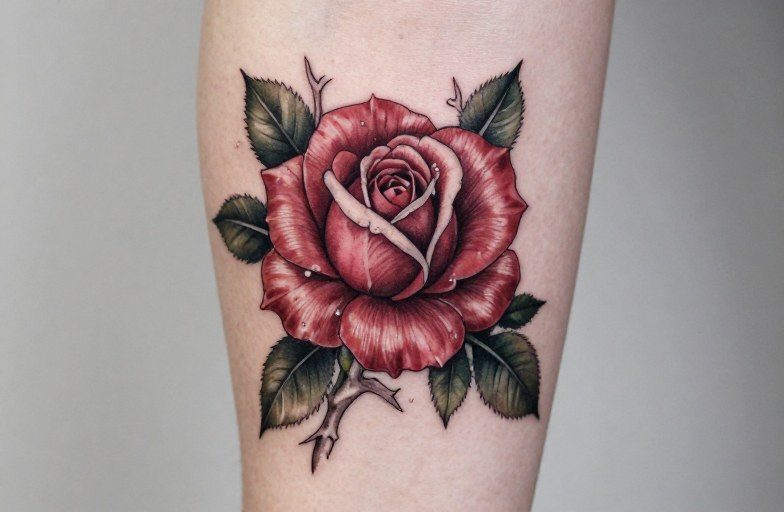
Color saturation in floral elements (the “roses” half of the equation) shifts predictably: reds move toward orange-pink, deep purples brown out, greens stay relatively stable. This isn’t failure, it’s chemistry. Designing with eventual color drift in mind, rather than fighting it, produces tattoos that look intentional at year ten.
History & Cultural Roots
The thorn-and-rose pairing predates Maas’s series by centuries, though ACOTAR recontextualizes it. Medieval European iconography often linked roses to the Virgin Mary and thorns to Christ’s passion, a duality of sacred beauty and suffering. The Tudor rose specifically merged white and red varieties to symbolize political union after conflict, a visual precedent for ACOTAR’s court-merging narrative.
Fae folklore across Celtic and Germanic traditions contributes the series’ other major symbolic layer. The dangerous, capricious fair folk of pre-Disney folklore, creatures who’d trap humans with bargains, transform bodies, and operate by alien moral codes, directly inform Prythian’s court system. ACOTAR tattoos tap this older tradition when they emphasize the predatory or uncanny aspects of fae imagery rather than purely romantic interpretations.
Contemporary Fantasy Tattoo Precedents
Literary tattoos gained mainstream visibility with the Harry Potter generation, but fantasy book ink has matured significantly. Where early fandom pieces tended toward direct quotation and house sigils, ACOTAR collectors often choose more abstracted, personal imagery. This evolution reflects broader tattoo culture’s shift toward client-specific design rather than flash-sheet selection.
Religious & Spiritual Angles
ACOTAR carries no explicit religious doctrine, but its themes intersect with spiritual frameworks in ways that matter for tattoo meaning.
Rebirth and Transformation Narratives
Feyre’s three-trial arc and subsequent resurrection under the cauldron parallel death-and-rebirth motifs found across spiritual traditions. Collectors who’ve undergone major life transitions, sobriety, leaving abusive situations, gender affirmation, sometimes frame their ACOTAR tattoo as a marker of that passage. The imagery functions as personal ritual object rather than religious icon, but the structural similarity to mystery cult initiations (death of old self, emergence of new) is hard to miss.
Mate Bonds and Sacred Commitment
The “mating bond” in ACOTAR, a fated, irrevocable connection, gets interpreted variously by collectors. Some treat it as romantic ideal, others as metaphor for found family or deep creative partnership. Tattooed representations (interlocking designs between partners, shared constellation maps) work or fail based on the relationship’s actual stability, not the fictional framework. The imagery doesn’t protect against real-world breakups; plan placement accordingly if the bond is to a person rather than the text itself.
Final Word
An A Court of Thorns and Roses tattoo works best when it carries specific personal weight, a particular scene that recontextualized your experience, a character’s decision that mirrored your own, a visual motif that stuck in your imagination past the closing chapter. The series offers enough symbolic density to support that specificity without collapsing into generic fantasy imagery. Choose technical approaches that match the imagery’s demands: color for courts and magic, black and grey for text and Night Court minimalism, larger scale for wings and creatures, tighter composition for thorn-and-rose balance. The books will keep selling; your skin only gets one version of this.
Frequently Asked Questions
What’s the most requested ACOTAR tattoo design?
The Night Court star constellation and “To the stars who listen” text dominate requests, often placed on ribs, collarbones, or inner arms where they stay relatively private. The imagery’s technical flexibility, working in both color and black and grey, contributes to its popularity.
Do ACOTAR tattoos work at small sizes?
Text and simple thorn-rose combinations work small, but wing pieces and court landscapes need significant real estate to maintain detail. Star fields specifically suffer when compressed; the negative space between points collapses as ink spreads.
How do I choose between character portraits and symbolic imagery?
Symbolic imagery ages better and carries more personal interpretive room. Character portraits require exceptional portraiture skill and still risk uncanny valley effects. Most experienced collectors lean toward symbolic approaches for longevity.
Can ACOTAR imagery blend with other tattoo styles?
The thorn-and-rose structure integrates naturally with existing botanical work, and the Night Court’s celestial elements pair well with established astronomy or moon-phase pieces. The series’ specific visual language is distinctive enough to read clearly even in mixed-style compositions.