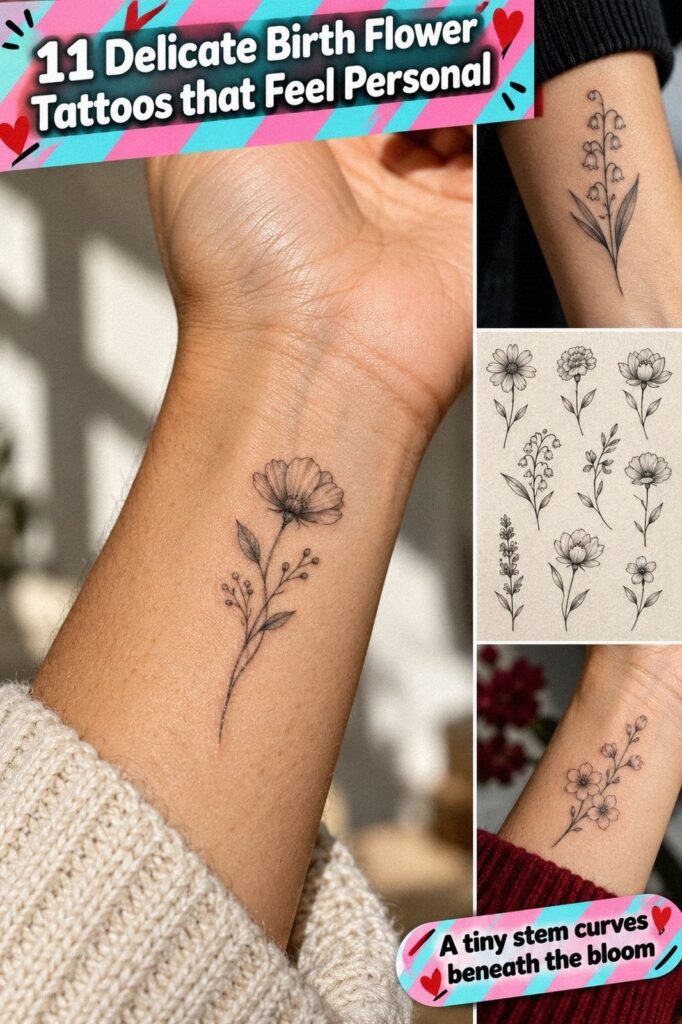
A minimalist flower crown tattoo can feel striking without becoming a marathon of pain or detail. I learned that the easiest session starts before you enter the studio, with a small sketch, an honest placement choice, and a clear aftercare plan.
Editor’s note: the most worthwhile design is usually the one you can still read from a normal distance. Your budget, pain tolerance, skin tone, and daily routine matter just as much as the personal reference you save.
- Start With Small Minimalist Flower Crown Tattoo Ideas
- Pick Delicate Linework For A Minimalist Flower Crown Tattoo
- Where Should You Place Your Flower Crown Tattoo?
- Keep the Botanical Outline Crisp, Not Crowded
- Plan A Unique Minimalist Flower Crown Tattoo
- Choose Yasmin, Anemone, or a Flower That Matters
- Balance Tiny Blossoms Across the Curved Crown
- Add Fine Leaves To Frame Each Flower
- How Should the Crown Shape Move With Your Anatomy?
- Prepare For Fine Line Tattoo Healing
- Protect Your Minimalist Flower Crown Tattoo During Healing
1Start With Small Minimalist Flower Crown Tattoo Ideas

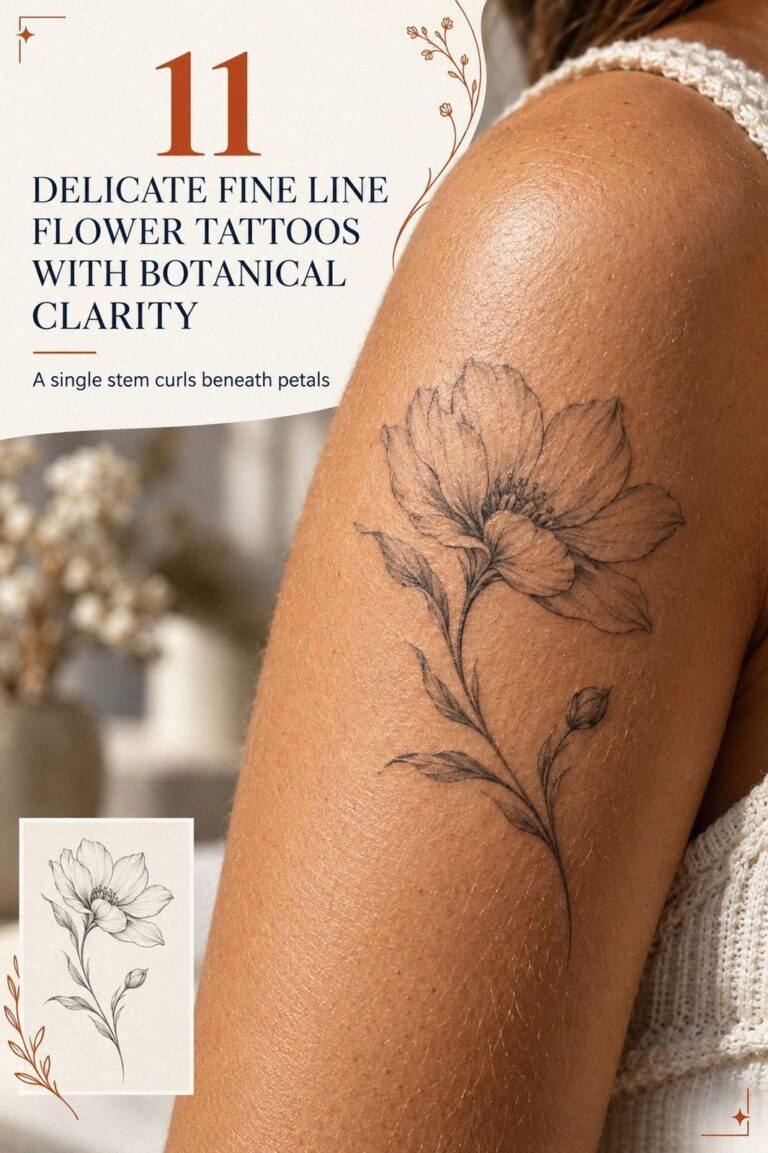
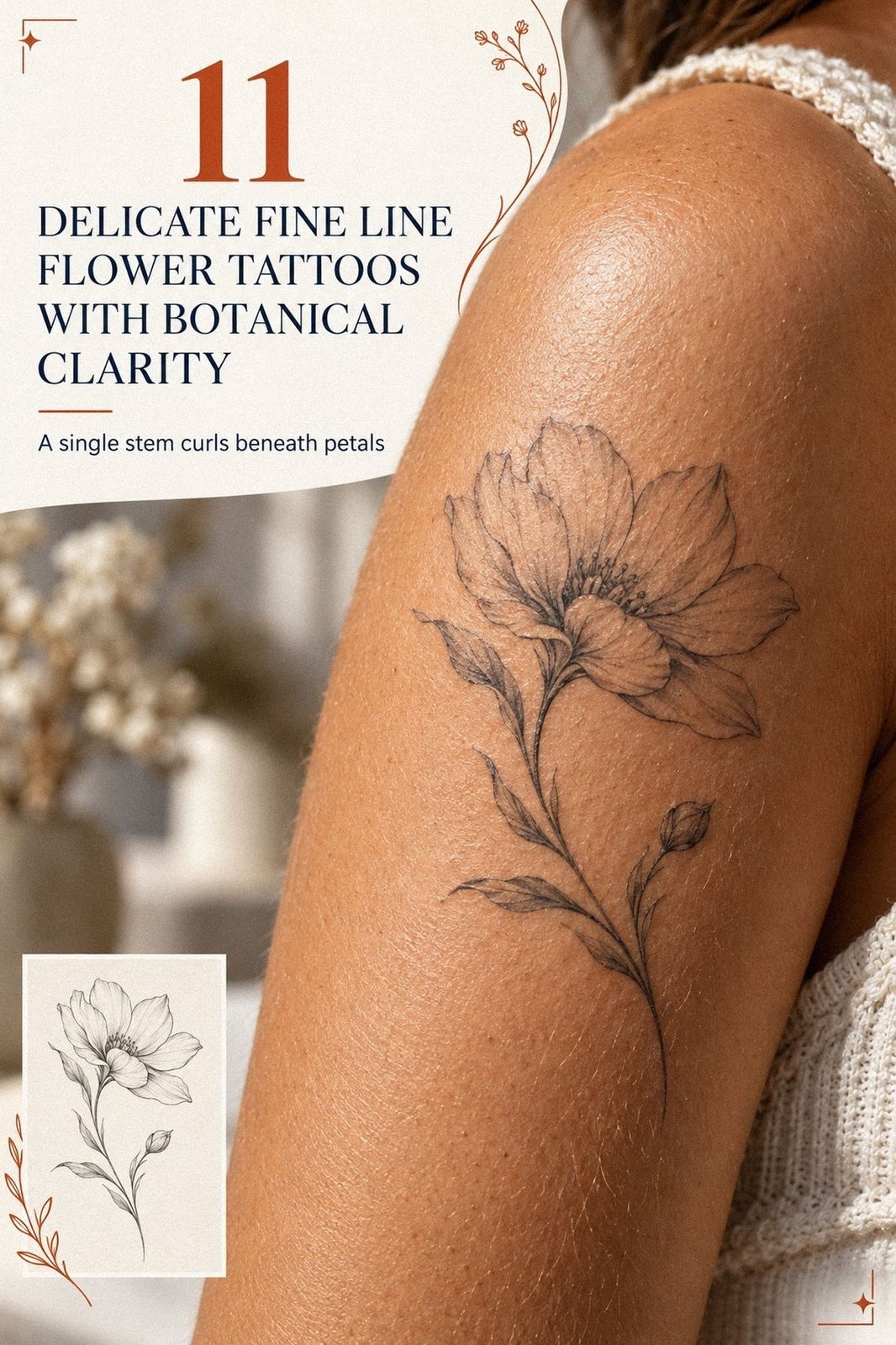
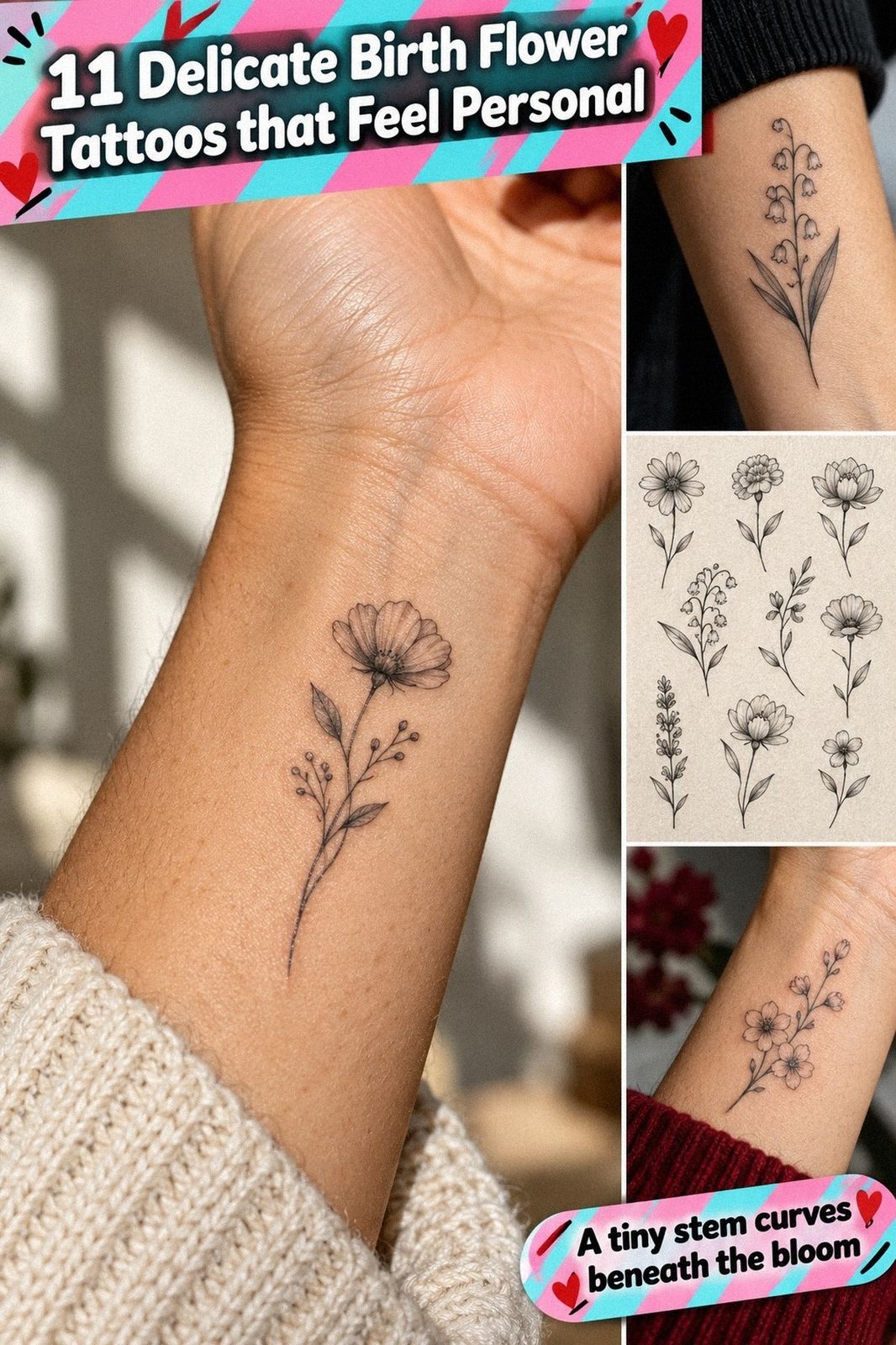
Begin with a single stemmed flower on the inner forearm. A small crown gives you a clear silhouette, and the placement lets you watch the work without twisting your body. If you’re nervous, this is where I’d start.
Ask to see the design at its actual stencil size, not only on a phone screen. A black mark should still read when you hold your arm at a normal distance.
You don’t need many petals to suggest a crown. One curved stem, two leaves, and a partial bloom can carry the idea.
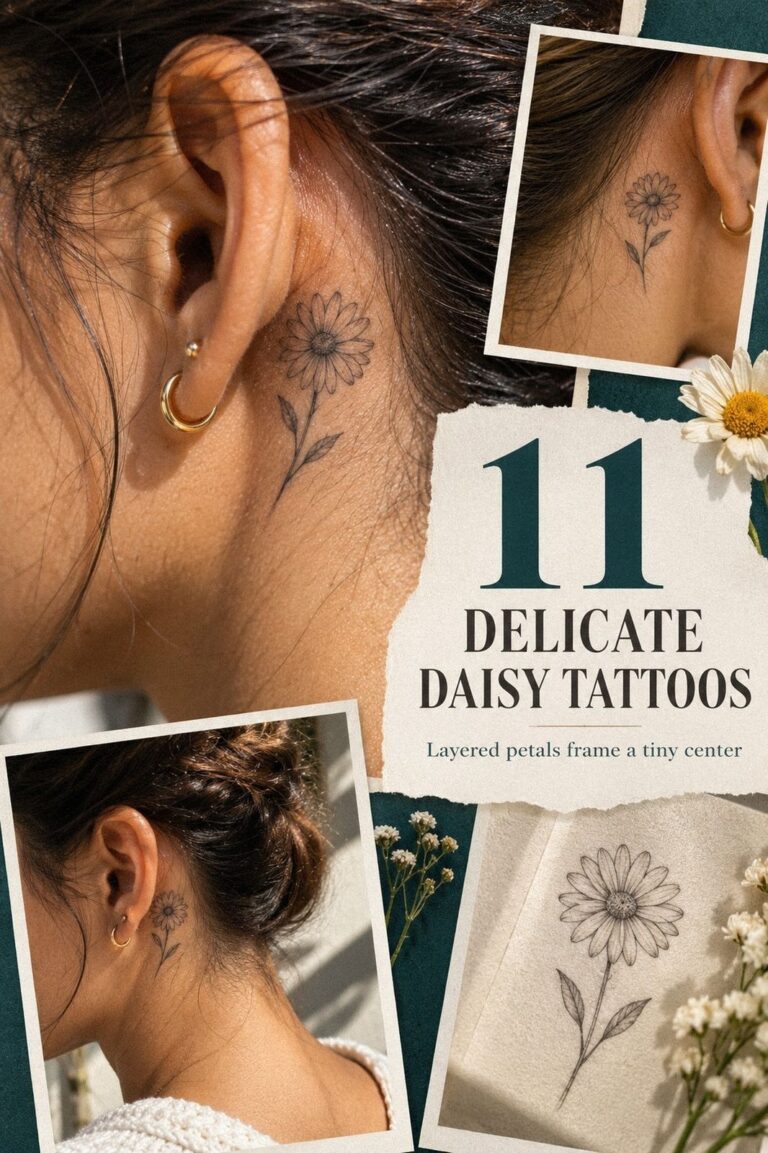
I’ve seen people bring an intricate reference and then lose the crisp, minimal quality they wanted. Keep your first draft simple, then compare it with these tiny flower crown tattoo ideas. You’ll notice how much the flower silhouette depends on open skin.
Before you approve the stencil, check:
– One main flower shape. – One clear stem direction. – Two or three open spaces. – A silhouette that still looks personal when reduced.
The design shouldn’t fill every gap. Your skin needs open space, and the final mark will look more polished when the artist doesn’t force extra petals into a small area. That negative space is part of the design, not an unfinished patch.
A One-Minute Stencil Test
Hold the stencil at arm’s length, then look at it in a mirror. Does the stencil test still make sense when the design is no longer inches from your eyes? If yes, you have a stronger starting point.
I’d also check the skin placement while standing, sitting, and moving your arm naturally. A flower crown can look graceful in one position and slightly awkward in another. Make that discovery before the needle touches skin.
2Pick Delicate Linework For A Minimalist Flower Crown Tattoo

Delicate linework works best when your reference has a clear hierarchy. Let the flower outline lead, let the stem support it, and let the leaves stay secondary. A delicate linework plan can be elegant without becoming fragile.
A single-needle setup can create a sleek result, but equipment and line weight should be chosen for your skin, placement, and design. Fine work isn’t automatically safer or better. It has to remain readable after the skin settles.
Look for a healed portfolio, not only fresh tattoos. Fresh black marks can look sharper before the skin settles, while healed work tells you how the lines soften.
Ask how the artist protects small details from spreading over time. That distinction matters!
My opinion is firm here: I’d skip an artist who shows only freshly completed tattoos. A polished portfolio should include different skin tones, multiple placements, and healed examples. Compare that work with these small flower crown tattoo styles before you commit.
Your linework plan can include:
– A single-needle setup suited to the placement. – Open petal centers. – A stem that doesn’t cross itself. – A line weight that remains visible after healing.
A small design isn’t automatically easier. It’s easier when the lines have somewhere to go.
Is Fine Line Really Minimal?
A fine-line tattoo can look understated, but minimal does not mean invisible. The strongest version usually has one clear outline, a few interior marks, and enough contrast to keep the flower recognizable.
I prefer black tattoo ink when the design depends on a clean botanical shape. A small amount of color can be vibrant, but additional tones may change the price, healing plan, and long-term maintenance. Ask what gives you the best value for the amount you want to spend.
3Where Should You Place Your Flower Crown Tattoo?

The forearm is a graceful choice because the skin gives the artist a relatively steady, visible surface.
4Keep the Botanical Outline Crisp, Not Crowded

A spine placement gives a botanical outline a strong centerline, but it demands careful planning. The design should follow the body instead of forcing a perfectly flat drawing onto a curved surface.
Ask the artist to mark the spine gently and check the stencil while you stand upright. Transfer gel can shift if the skin is stretched, cleaned repeatedly, or positioned differently. You’re allowed to pause and inspect the shape from behind with a mirror.
That pause matters!
The crisp look comes from restraint. Keep the outer contour sharp, then use only a few interior lines to suggest the petals. I’d avoid dense shading here because it can make a fine botanical tattoo look heavier than the reference.
Your outline checklist:
– One readable outer contour. – Petal overlaps that remain open. – No crowded interior hatching. – A stem aligned with your natural center.
If you’re drawn to a more flowing flower, review this watercolor flower tattoo meaning guide for symbolism, then tell the artist which parts you want translated into black linework. The final result can be raw or refined, but it should still feel intentional.
What Makes an Outline Age Well?
The best outline is not always the thinnest one. A crisp outline gives the flower a visual anchor, especially when the design is small and the petals are close together.
Think about petal structure before decorative detail. If the bloom is recognizable from its outer shape, it has a better chance of remaining expressive as the lines soften. That is a better long-term investment than adding five tiny marks nobody can distinguish later.
5Plan A Unique Minimalist Flower Crown Tattoo

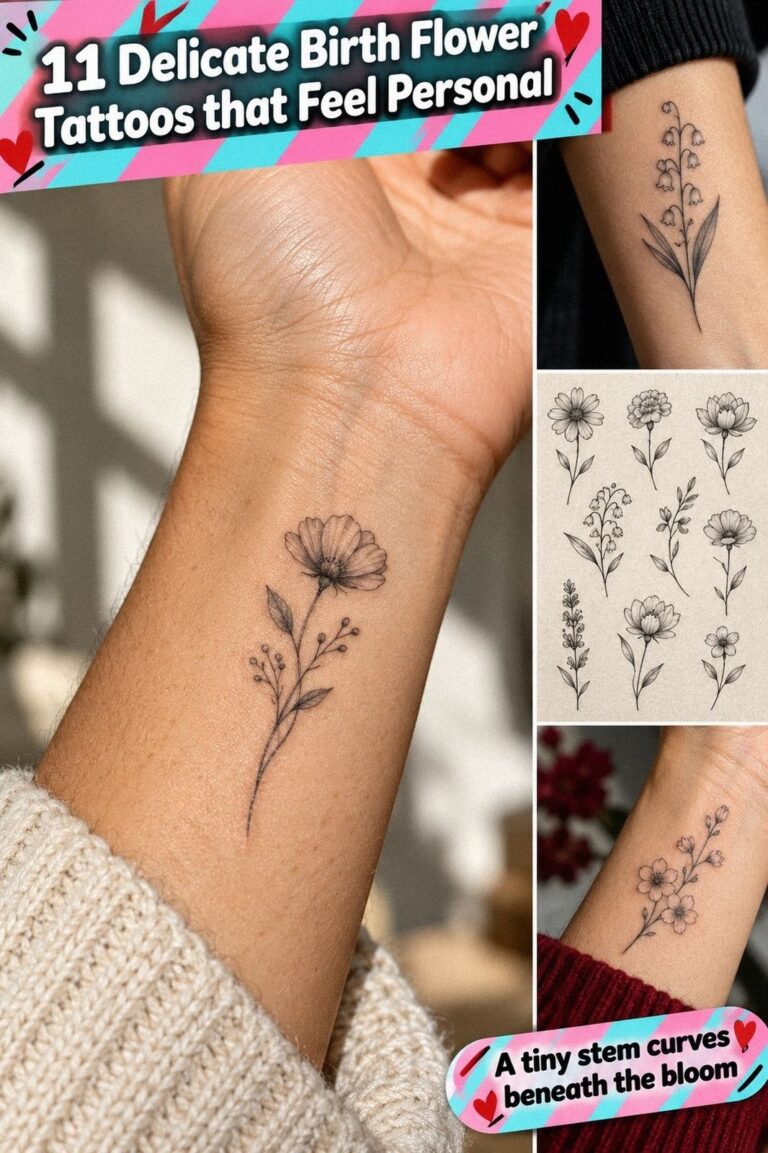
A flash sheet can help you discover a unique minimalist flower crown tattoo without copying one finished piece exactly. Compare silhouettes, stems, and petal shapes at the same scale. Notice what attracts you before deciding what belongs on your skin.
Bring two or three references, then explain what connects them. Maybe you like pointed petals from one sketch, a curved stem from another, and an open crown shape from a third. That approach gives the artist direction without asking for a duplicate.
You’ll want a personal detail that doesn’t turn the tattoo into a long explanation. A birth flower, a petal count connected to a date, or a small leaf from a family garden can make the design expressive. I’ve found that one personal choice usually feels stronger than five symbolic additions.
Try this planning note:
– Flower or flowers that matter to you. – Preferred stem direction. – One linework reference. – One detail you definitely don’t want. – Your approximate budget and preferred price range.
Don’t ask the artist to reproduce a random online image without discussion. Give them the concept and let them draw a version that fits your body, your skin, and your preferred scale. That custom adjustment is often worth the cost.
For more symbolism, browse this flower tattoo meaning guide and save only the ideas that still feel meaningful after the first excitement fades.

6Choose Yasmin, Anemone, or a Flower That Matters

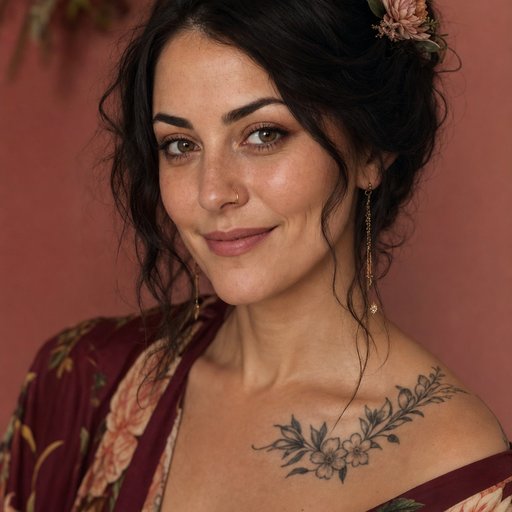
A collarbone placement gives a flower crown an intimate, visible position. The collarbone placement can look powerful because the stem follows a natural line, but the area may feel more sensitive than the forearm.
Choose a bloom because its meaning matters to you, not because its name is trending this month. Yasmin, anemone, lotus, and other flowers carry different associations, but you don’t need to follow a fixed dictionary.
A botanical reference card can help you compare petal structure before the appointment. If you’re choosing a flower for someone else, your shared memory matters more than a generic list of meanings.
The collarbone can feel sharper because the skin is thinner and the bone is closer. Eat beforehand, hydrate, and tell the artist if you need a short pause. A calm session is more useful than pretending you’re comfortable.
Trust that reaction!
For a meaningful crown, consider:
– One flower tied to a person. – One leaf shape tied to a place. – A stem that follows the collarbone. – A petal opening that faces toward you.
You can compare possible symbolism in this Yasmin flower tattoo meaning guide or this guide to white anemone flower tattoo meaning. Pick the sacred flower or ordinary garden bloom that still feels right when nobody else knows the explanation.
Which Flower Holds Meaning for You?
A Yasmin flower can suggest affection, memory, or family depending on what it means in your life. An anemone may feel haunting, romantic, or expressive. The personal story matters more than a fixed online definition.
If neither flower fits, choose by shape. A round bloom can feel classic, while pointed petals may look daring. A narrow stem can create a flowing impression, and a compact bloom can keep the design dainty.
You might also choose a flower linked to a season, a relative, or a place you return to often. That small connection can make the tattoo feel empowering without making the symbolism obvious to everyone who sees it.
7Balance Tiny Blossoms Across the Curved Crown

An upper-arm crown can carry several tiny blossoms if you space them with care. The upper-arm placement gives you enough length for a flowing arrangement without requiring every flower to match.
Ask the artist to vary the height slightly. One blossom can sit higher, another can angle inward, and a third can remain open toward the shoulder. Fine-line black ink needs enough separation to stay readable when several small shapes share one curve.
I’d choose two or three blossoms before adding more. A crowded crown can lose its dainty quality, and you can’t always recover open skin after the lines are placed. If you’re tempted to keep adding, ask whether each flower changes the meaning or only fills space.
Use this spacing test:
– One dominant bloom. – Two smaller supporting blooms. – Leaves placed between, not over, petals. – Open skin around every small shape. – A consistent crown spacing rhythm.
Your design can still feel ornate in spirit while remaining minimal on the skin. The difference comes from the rhythm between marks, not the total number of marks.
If you prefer softer color symbolism, compare this watercolor lotus flower tattoo guide with your black-line concept before deciding. You may discover that the shape matters more to you than the color.
8Add Fine Leaves To Frame Each Flower

A wrist placement benefits from small leaves because the narrow area gives the stem a clear direction.
9How Should the Crown Shape Move With Your Anatomy?

The shoulder gives a flower crown space to arc, but the design still has to move with you. The shoulder curve should guide the arrangement rather than forcing a rigid semicircle.
Stand while the artist positions the stencil. Stencil transfer solution can look correct when your shoulder is relaxed and then shift when you lift your arm. Test both positions because a tattoo that looks centered at rest may lean when you reach for something.
Anatomy should guide the crown, not restrict it. A shoulder design can open toward the collarbone, wrap slightly toward the back, or sit closer to the upper arm.
I’d avoid a rigid arc if your shoulder slopes sharply. A slightly uneven curve usually looks more organic and flattering.
Check these movement points:
– Arm resting at your side. – Arm raised halfway. – Shoulder turned toward a mirror. – Edge of the design near clothing seams. – Full anatomical movement through a normal day.
This is where an edgy choice can still look refined. Let the artist adjust the curve by sight rather than forcing symmetry that your body doesn’t naturally have.
For another way to think about placement and symbolism, read this watercolor flower tattoo meaning guide. You can borrow the emotional idea without copying the color treatment.
How Should a Crown Move?
Good anatomy work is partly visual and partly practical. Your shoulder anatomy changes when you lift, rotate, or relax your arm, so the stencil should be checked in all three positions.
A slightly curved stencil may look more personal than a mathematically perfect arc. If the design follows your body, the asymmetry can feel intentional, bold, and polished rather than imperfect.
Ask whether the crown should open toward your face, toward the back of your arm, or along the shoulder line. That small directional decision can change the tattoo from merely pretty to genuinely expressive.
10Prepare For Fine Line Tattoo Healing

The fresh design and the settled result will not look identical. Your artist should explain that change before the appointment, not after. Ask what the lines may look like during the first week and which changes are normal.
A healing instruction sheet should cover gentle washing, light moisturizing, sun protection, and pool avoidance. The surface usually heals in about 2 to 3 weeks, while complete healing can take about 2 to 3 months.
You’re caring for a small wound, so follow the artist’s instructions even if the tattoo looks settled early. Surface healing may include dryness, mild flaking, and temporary dullness. Don’t pick at it.
Rib placement can feel more intense because the area is close to bone and moves with breathing. If you’re choosing ribs for the visual effect, plan a shorter appointment and wear clothing that won’t rub the tattoo. The line may look softer during healing before it settles into its long-term appearance.
Keep these expectations in mind:
– Complete healing: about 2 to 3 months. – Gentle washing only. – No swimming or direct sun while healing. – Avoid tight friction around the placement. – Follow the written aftercare plan even when the tattoo looks calm.
The fine line may spread slightly with time. SPF 30 sunscreen after full healing can help reduce UV damage, and black solid marks generally hold their shape better than extremely faint work.
11Protect Your Minimalist Flower Crown Tattoo During Healing

A calf placement can be practical for people who want a larger design with more privacy.
The Three-Line Longevity Rule
I’m opinionated about minimalist tattoos: the strongest ones aren’t the ones with the most delicate detail. They’re the ones with three clear priorities, a readable outer shape, enough black to anchor the design, and open skin around the marks. That visual weight keeps a flower crown expressive after the first excitement fades.
I’ve seen people chase an ultra-fine result because they fear visible ink. Then the design loses its structure.
A tattoo can be feminine, masculine, or completely outside those labels, but it still needs visual weight. If every line is whisper-thin, the petals can disappear as the skin changes and the ink settles.
Your artist should explain how the design may age on your chosen placement. Areas exposed to frequent sun, rubbing, or movement may need more protection. The ribs, feet, hands, and sternum are often more painful than the forearm, thigh, or shoulder, while each person’s experience is different.
I’d also avoid treating fine line as one universal technique. Ask to see healed work made by the specific artist you’re considering.
Healed work can tell you more about the long-term result than a dramatic fresh tattoo. The most timeless result may use a slightly stronger outline than your first reference.
A personal design can still follow a practical rule: keep the crown simple enough that its meaning survives time. That is usually a better value than paying for detail that disappears into the skin.
The Questions Worth Answering First
How much does a minimalist flower crown tattoo usually cost?
I would budget about $100 to $300 for a small design in the United States, depending on size, placement, artist, and region. A custom crown with several flowers may cost more. Ask for a written cost estimate after the artist sees the reference and placement.
The lowest price is not always the best value. A small flower crown tattoo with clean planning may be more affordable than a rushed bargain that needs correction later.
Are minimalist flower crown tattoos a good idea for a first tattoo?
Yes. I think they can be a meaningful first choice because you can select a relatively tolerable placement and keep the design visually clear. An artist consultation helps you choose a scale that will not disappear into overly fine detail.
Forearm, thigh, and shoulder placements are often easier to discuss than ribs or feet. If you’re comparing black linework with color, read these watercolor lotus flower tattoo guides before deciding. The most affordable option is not always the one with the best long-term value.
How do I choose a tattoo artist for a minimalist flower crown tattoo?
Choose an artist with clean linework, healed photographs, strong hygiene practices, and experience working across different skin tones. Healed portfolio photos matter because fresh marks can look sharper than the settled result.
Look for:
– Recent healed examples. – Clear studio hygiene. – Relevant botanical work. – Honest discussion of aging. – A clear quote before booking.
You don’t need the artist with the largest following. You need someone whose work matches your preferred line weight and who’ll explain the stencil, placement, and care process without rushing you.
How much do minimalist flower crown tattoos hurt?
Pain varies by person and placement, but ribs, feet, hands, and sternum are often more sensitive than the forearm, thigh, or shoulder. I’d choose a short appointment if you’re new to tattoos or unsure how your body will respond.
Eat beforehand, drink water, and tell the artist if you need a break. You can ask questions at any point. It is worth it to create a calm plan before the session begins!
How long does a minimalist flower crown tattoo take to heal?
The surface usually heals in about 2 to 3 weeks, while complete healing can take about 2 to 3 months. Gentle aftercare includes washing softly, moisturizing as directed, avoiding swimming, and protecting the healed tattoo from UV exposure.
The tattoo may look dry or slightly uneven during the early stage. Don’t judge the final appearance until the skin has fully settled, and contact your artist if you have care concerns.
What’s the best placement for a minimalist flower crown tattoo?
The forearm, thigh, and shoulder are strong choices when you want a relatively tolerable placement and clear visibility. Forearm placement is often easier to inspect, while the shoulder gives the crown a naturally curved shape.
Ribs, feet, hands, and sternum create more sensitivity but can give the design a private or dramatic position. Compare the visual effect with these flower tattoo meaning references before choosing. Your body, work needs, and comfort should guide the decision.
Where I’d Start First
If I had to pick one step, I’d start with the forearm stencil. You can inspect the curve, line spacing, and flower direction before the session begins, and the placement is often more tolerable than ribs or feet.
Save the reference, ask for healed examples, confirm the price, and let the design stay simple enough to remain readable. A personal crown does not need to shout. It only needs to keep its shape, meaning, and character over time.
If you want to compare another delicate botanical direction first, save these tiny flower crown tattoo ideas and this Yasmin flower tattoo meaning guide. Your strongest choice will probably be the one that still feels personal after the trend has passed.