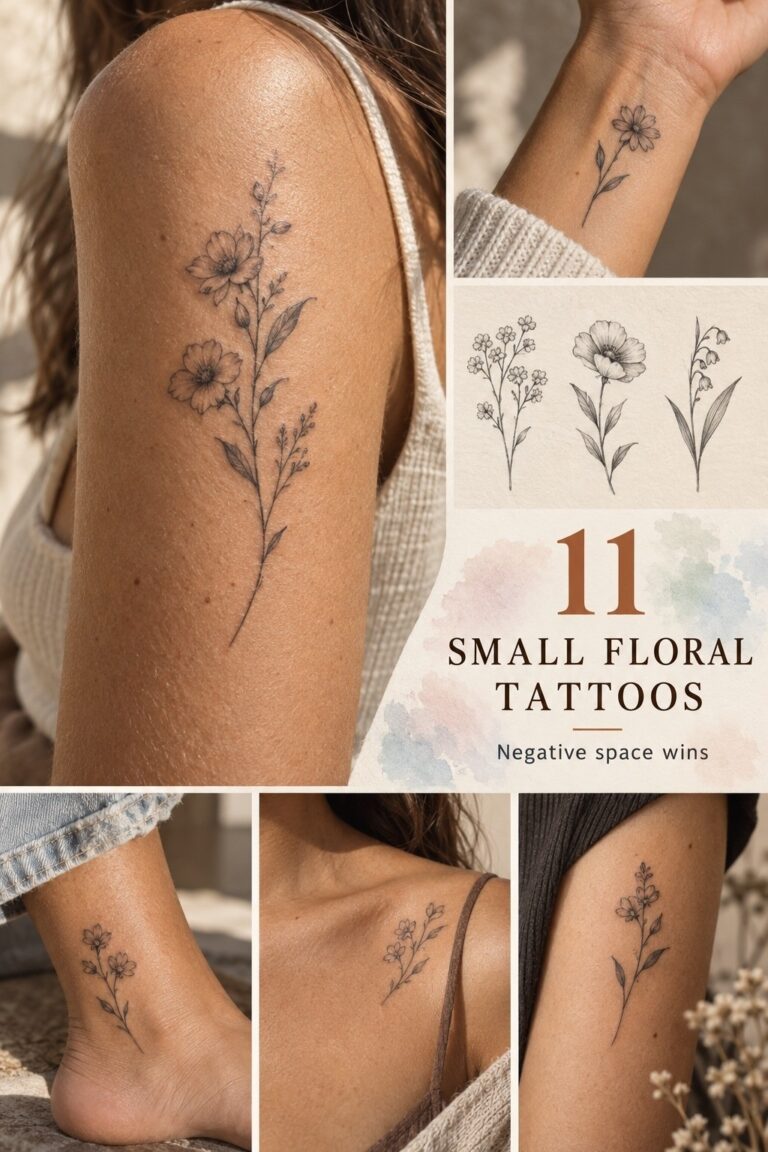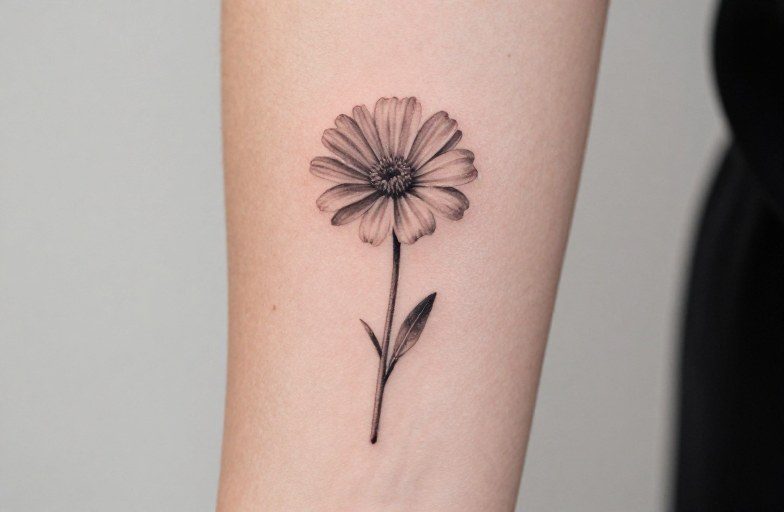
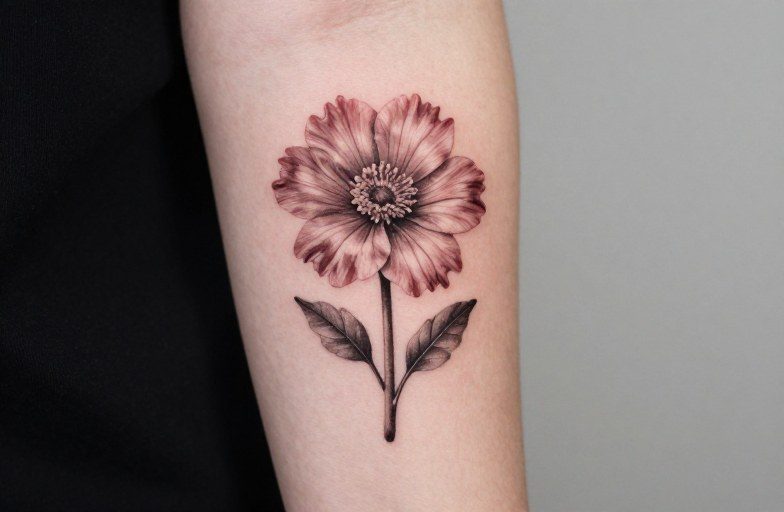
The May birth flower tattoo for women centers on the lily of the valley, a plant loaded with specific, layered meanings. this design signals humility, sweetness, and the “return of happiness”, a phrase tied to the flower’s habit of blooming reliably each spring. For women born in May, it functions as a personal emblem, but the symbolism extends well beyond birthday markers into territory around motherhood, resilience, and quiet strength.
Personal & Modern Meanings
Today’s interpretations of lily of the valley tattoos have expanded far past Victorian flower-language charts. Women choose this bloom for reasons that intersect with lived experience rather than fixed dictionary definitions.
Marking Transitions and Recovery
The “return of happiness” meaning resonates strongly with people who’ve moved through difficult periods. The flower’s emergence from cold ground mirrors personal comeback narratives without requiring explicit explanation. Unlike more aggressive rebirth symbols, the lily of the valley keeps that recovery private and understated. It’s optimism without the volume turned up.
Connection to Mothers and Grandmothers
This flower frequently appears in bridal bouquets across multiple cultures, which has created a generational thread. Women sometimes get this tattoo to honor maternal figures who carried it at their own weddings, or to mark their own marriages. The scent memory alone, sweet, unmistakable, drives choices here more than visual recognition. A small cluster behind the ear or on the wrist can function as a sensory trigger even without literal fragrance.
- Subtle femininity without performative girliness
- Preference for symbols that reward close looking rather than immediate readability
- Affinity for spring and seasonal cycles as personal metaphors
- Desire for a birth flower that reads less common than roses or lilies
Mythology & Folklore
Stories around this flower carry more shadow than its delicate appearance suggests. Some trace the name to Christian legend, where the plant sprang from Eve’s tears as she left Eden. The “lily” portion is often linked to the Virgin Mary’s purity in medieval European art, though the plant itself isn’t a true lily.
Norse traditions connect the flower to Ostara, the spring goddess, though these associations are reconstructed rather than continuously documented. More solidly established: the plant’s extreme toxicity. Every part contains cardiac glycosides capable of killing. This lethal underside creates an interesting tension with the “sweetness” meaning, something beautiful that demands respect and distance.
European folklore often positioned lily of the valley as a protective against evil spirits when planted near doorways. The tattoo adaptation occasionally picks up this guardian quality, though more abstractly.
Common Variations & Styles
How this flower gets rendered dramatically shifts its impact and longevity. The lily of the valley’s structure, tiny bell-shaped blooms on arched stems, presents specific technical challenges and opportunities.
Line Work vs. Shaded Approaches
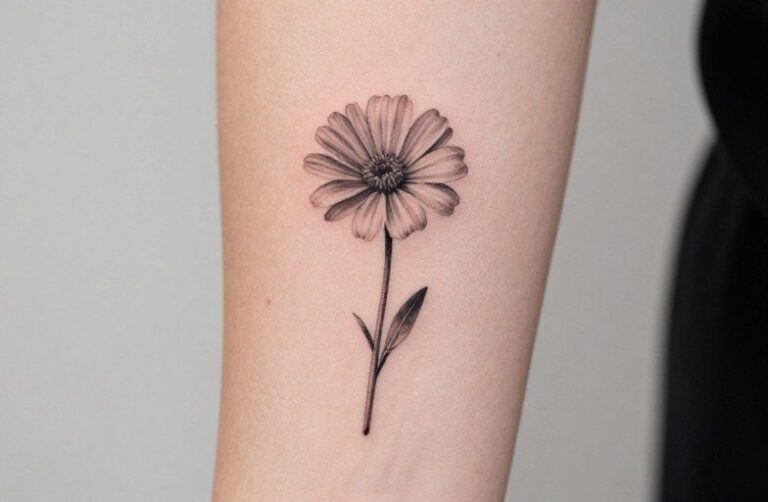
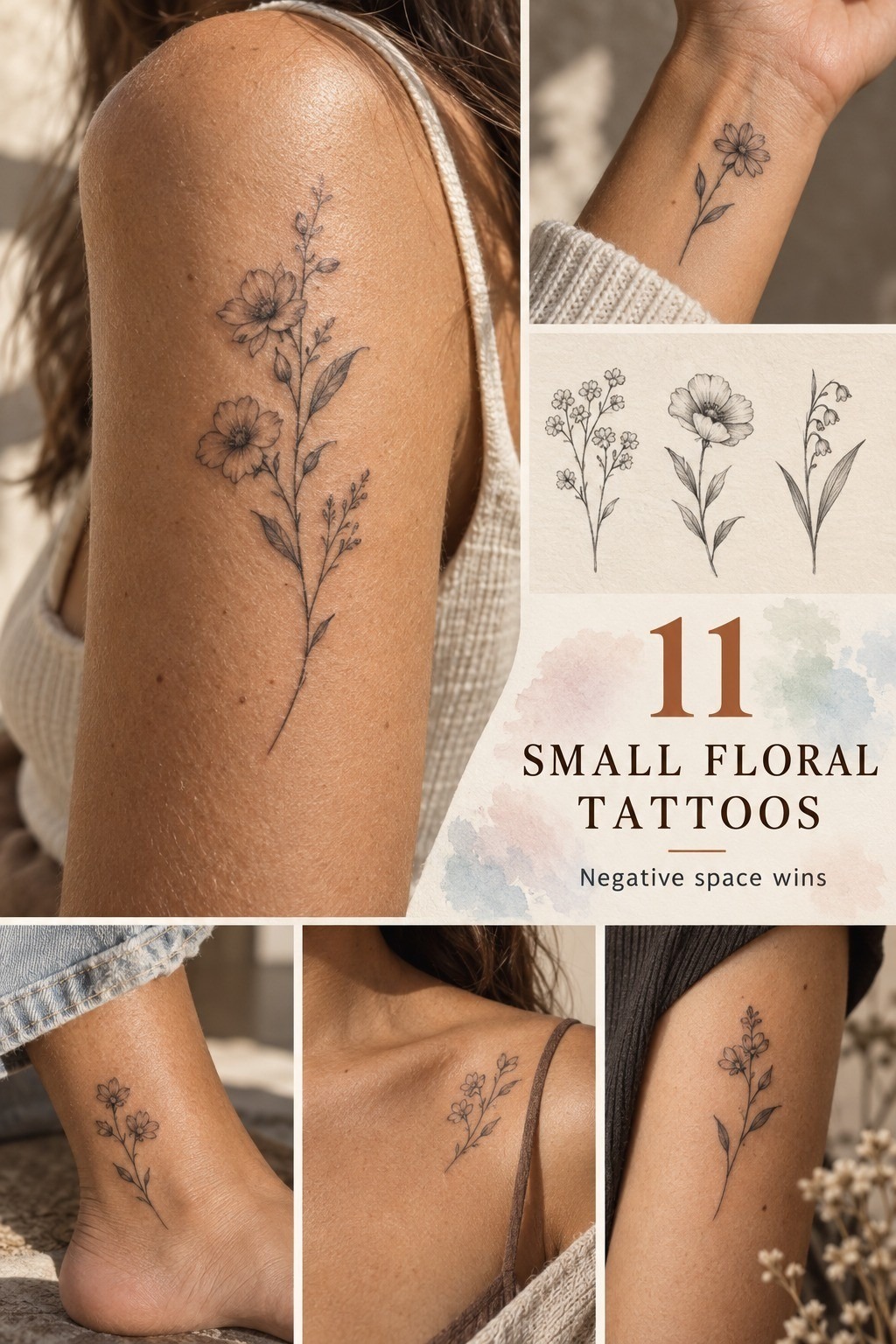
Fine-line single-needle work dominates current lily of the valley tattoos, and for good reason. The actual flowers are small and detailed; translating that to skin without blowout requires restraint. Heavy black shading tends to age poorly here, turning delicate bells into indistinct blobs over five to ten years. Artists who understand this plant typically recommend:
- Minimal dotwork for texture rather than solid fills
- Strategic negative space to maintain the bell shape’s interior
- Slightly larger scale than instinct suggests, detail needs room to breathe
- Color limited to soft greens and whites, or omitted entirely for black-and-grey longevity
Accompanying Elements
Birth month numbers, Roman numerals, or names sometimes integrate into the stem line. Others pair the flower with specific insects, bees for pollination and industry, or butterflies for transformation. The arching natural curve of the stem makes it adaptable to body contours: wrapping around wrists, trailing along collarbones, or following the rib line.
History & Cultural Roots
The lily of the valley’s tattoo presence is relatively recent compared to roses or lotuses. Its popularity surged alongside the fine-line tattoo movement of the 2010s, which favored botanical precision over traditional boldness. Before that, the flower appeared primarily in European heraldry and religious painting rather than skin art.
France’s tradition of “muguet de mai”, giving lily of the valley sprigs on May Day for luck, dates to the Renaissance. This secular gifting practice, later formalized by Charles IX in 1561, created a cultural habit of associating the flower specifically with May. The tattoo adoption often references this European calendar custom, particularly among French-Canadian and Franco-American women maintaining regional heritage.
In East Asian tattoo contexts, the flower sometimes substitutes for native species with similar meanings, creating cross-cultural hybrid designs. Korean and Japanese tattooers have developed distinctive approaches to the plant’s rendering that differ from European fine-line aesthetics, slightly more graphic, with bolder stem weight.
Who Chooses This Tattoo
Demographics here are broader than the “May birthday” category suggests. The lily of the valley attracts women who specifically reject louder floral options. It’s common among those with gardening or botanical knowledge who recognize the plant on sight rather than needing explanation. The tattoo also appears frequently in nursing and caregiving professions, possibly reflecting the flower’s traditional association with maternal care and its literal use in heart medication history.
Age distribution skews slightly older than average for first tattoos, late twenties to early thirties rather than early twenties. The design’s restraint appeals to people establishing professional identities where visible tattoos require some camouflage or conversation. The white-collar adoption of this particular flower is notably high compared to more rebellious bloom choices.
Best Placements
The lily of the valley’s form dictates placement more than many floral designs. The arched stem wants space to display its curve, and the small bells need positioning where they won’t be constantly abraded.
High-Visibility Options
Behind the ear remains the signature placement, referencing the flower’s traditional use in bridal hair arrangements. The wrist’s inner surface works well for single stems, though sun exposure here accelerates fading. Collarbone placements follow the natural bone line, with the stem arching toward the shoulder. These locations suit the design’s conversational nature, visible when chosen, concealable when needed.
Private and Contoured Placements
Rib placements allow for longer stems with multiple flower clusters, following the body’s vertical line. Ankle and foot tattoos reference the flower’s ground-level growth habit, though healing is complicated by shoe friction and swelling. The upper arm’s inner surface provides flat, stable skin where fine detail holds crisp.
What doesn’t work: finger tops (too much wear, too little space), direct sternum center (the stem curve fights the body’s center line), and anywhere with significant stretch risk if the wearer anticipates body changes.
Before You Decide
The lily of the valley tattoo rewards patience in artist selection. Not every fine-line specialist has botanical knowledge sufficient to capture the flower’s specific structure, generic “little white bells” read as lazy design. Ask to see healed photos, not just fresh work; the delicate nature of this tattoo means blowout and migration show disastrously over time.
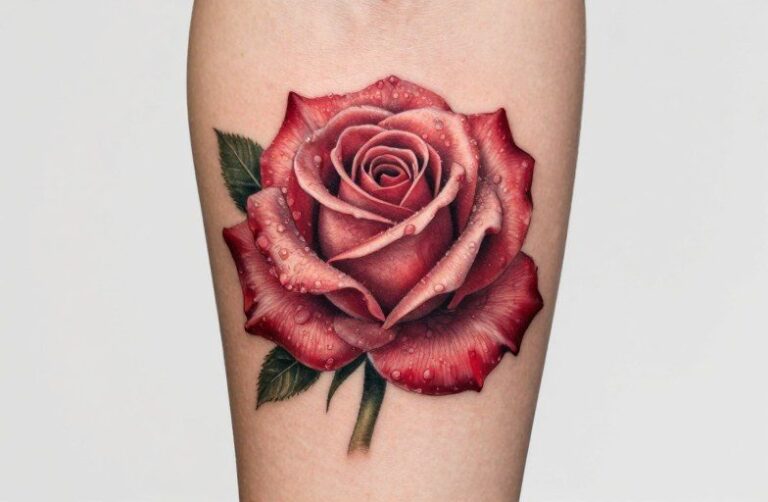
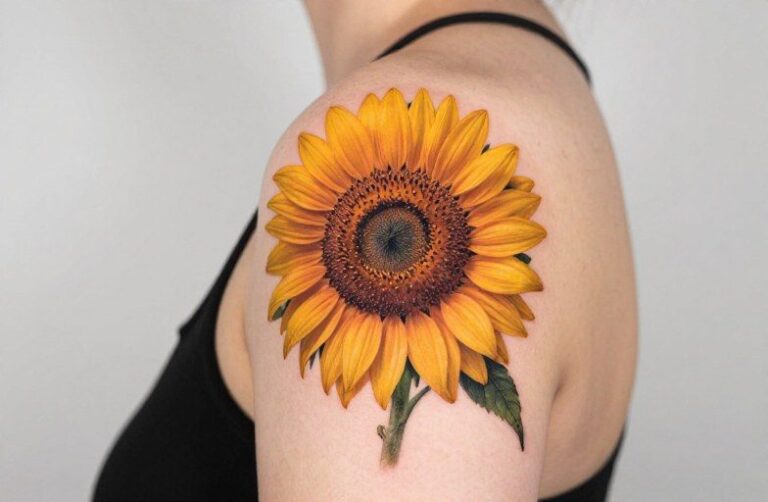
Consider whether you want the plant identified on sight or kept personal. The lily of the valley lacks the instant recognition of roses or sunflowers, which is either a feature or a bug depending on your intent. If generational connection drives the choice, bring reference photos from family weddings or gardens rather than relying on Pinterest templates.
Finally, sit with the toxicity meaning. Some wearers embrace the hidden danger as part of the appeal; others prefer to emphasize only the sweetness. The tattoo can hold both, but clarity about your own leaning helps guide the artist’s mood and detail choices.
Frequently Asked Questions
Can I get a May birth flower tattoo if I wasn’t born in May?
Absolutely. Many women choose the lily of the valley for its specific symbolism around humility and return of happiness, regardless of birth month. The flower’s meaning stands independent of its calendar assignment.
How well does a lily of the valley tattoo age compared to other floral designs?
It ages poorly if done too small or with heavy shading. The tiny bell shapes blur together over time without adequate spacing and scale. Plan for touch-ups every few years, and prioritize an artist who builds in longevity from the start.
What’s the difference between lily of the valley and regular lily tattoos?
They’re entirely different plants. True lilies are large, trumpet-shaped, and visually bold. Lily of the valley has small, nodding bell flowers on arched stems, much more delicate and technically demanding to tattoo well. The symbolism differs too: true lilies lean toward purity and majesty, while lily of the valley emphasizes humility and quiet resilience.
Is there a male equivalent or is this specifically a feminine tattoo?
The lily of the valley carries no inherent gender restriction, though current tattoo culture codes it feminine due to its delicacy and bridal associations. Men who choose it typically scale larger or pair it with contrasting elements to shift the visual weight.