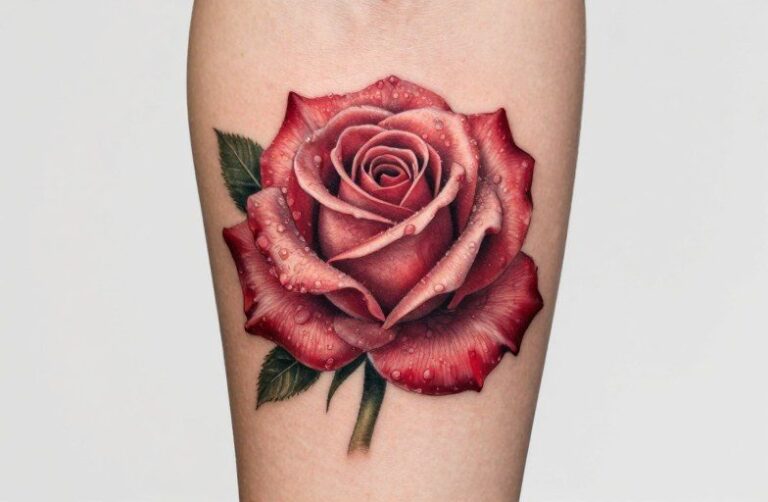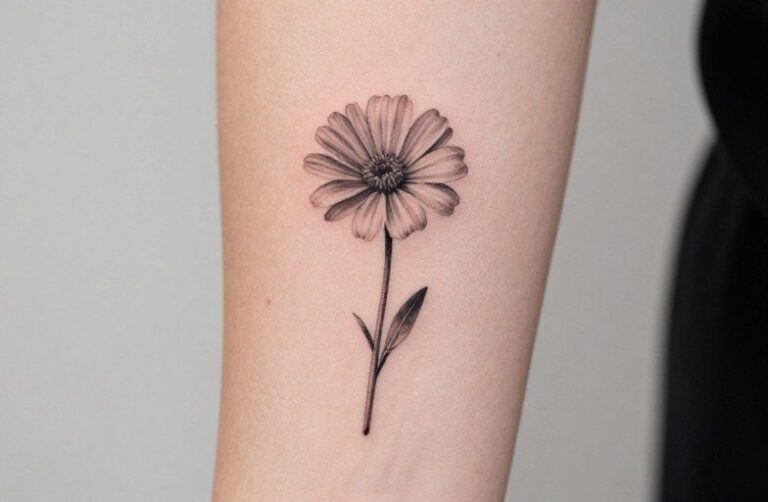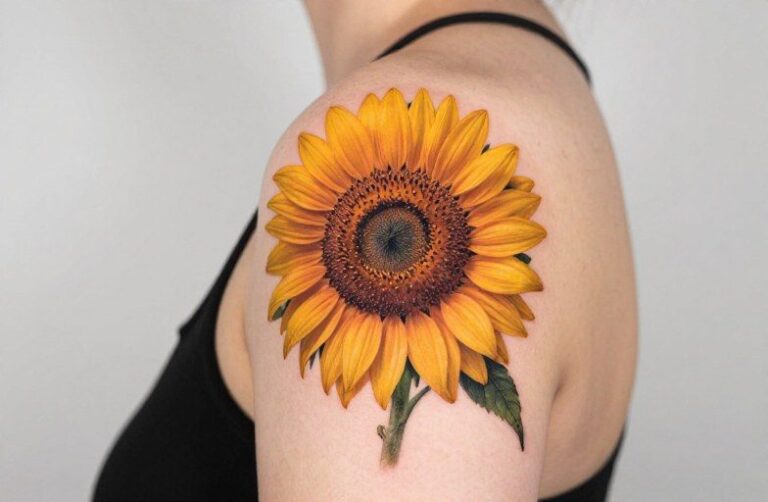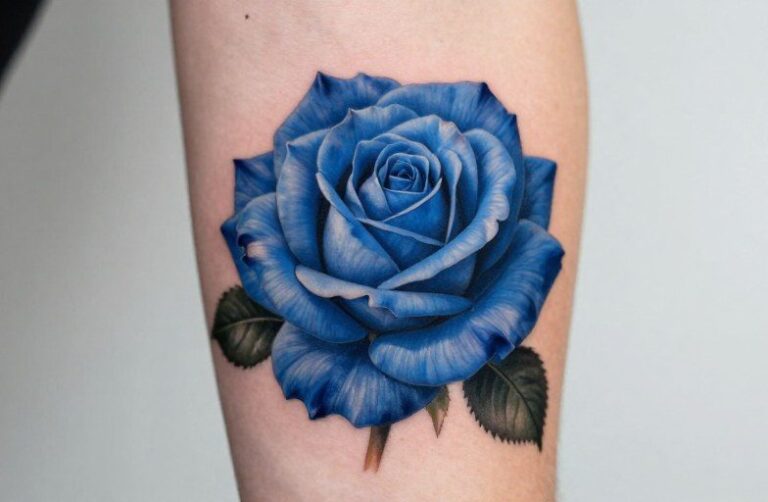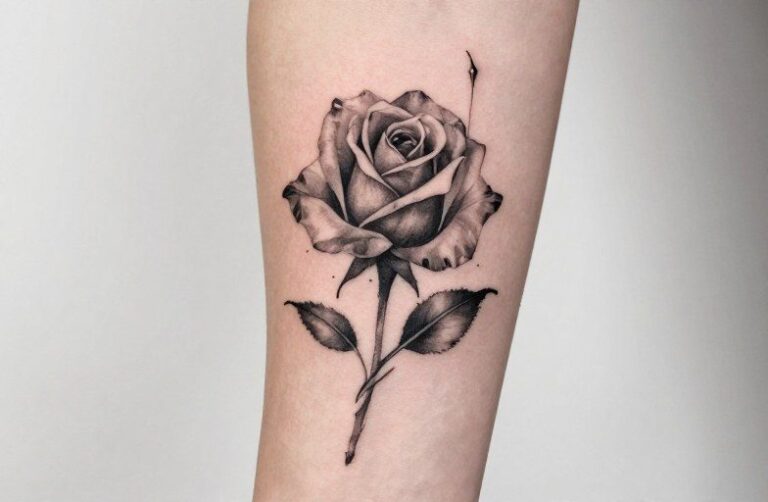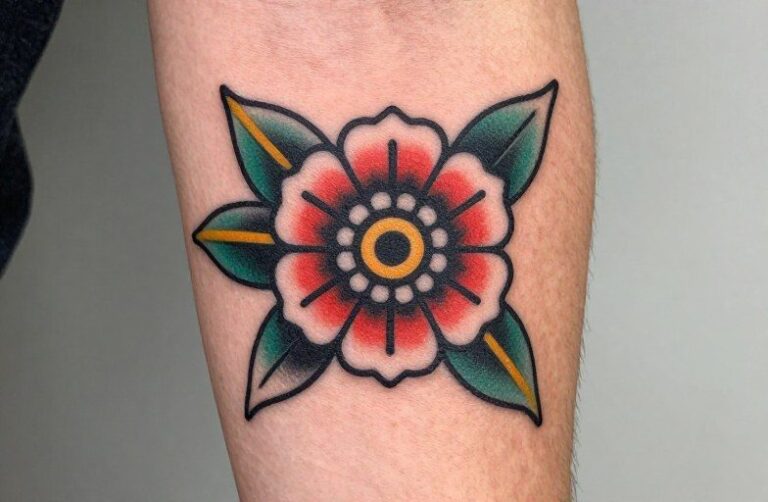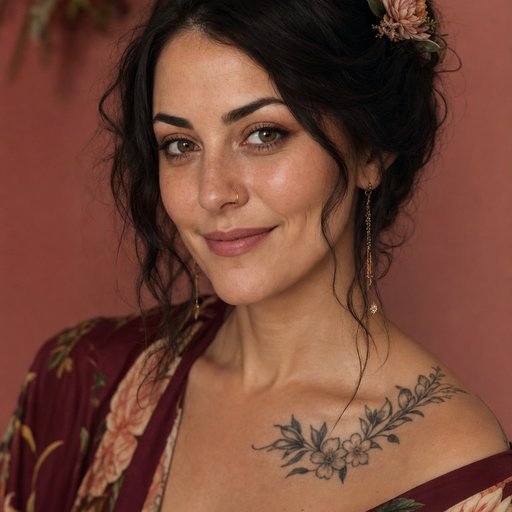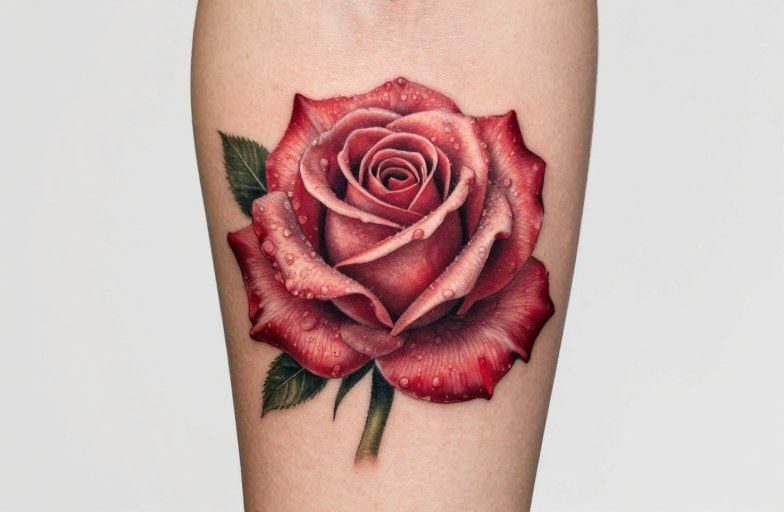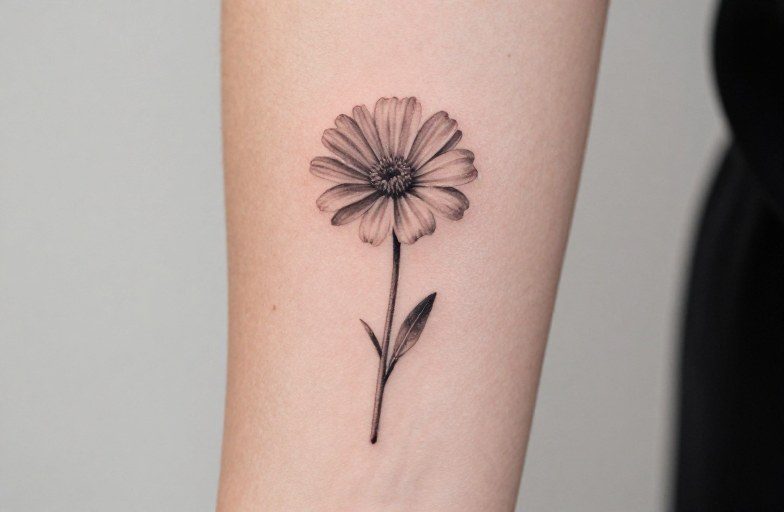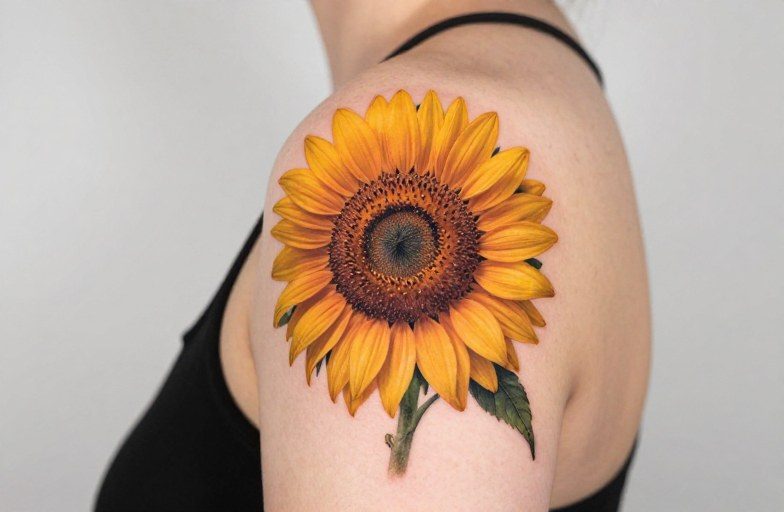
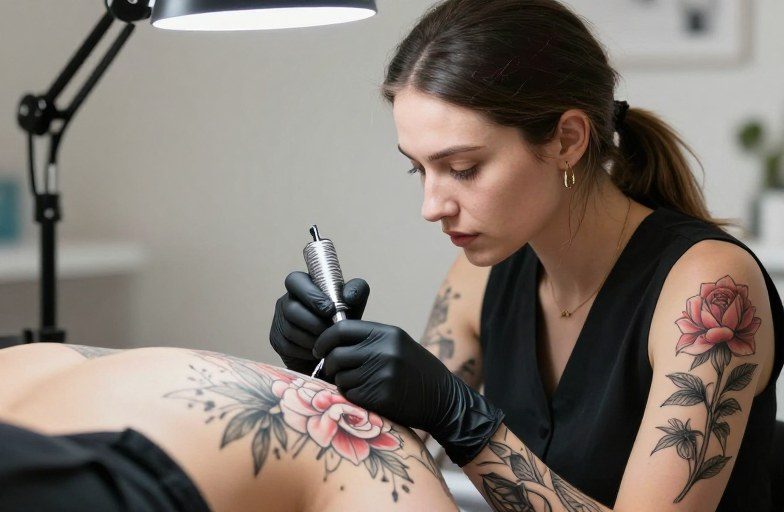
A floral artist tattoo typically combines botanical imagery with the tools or hands of creation, paintbrushes, pencils, chisels, or tattoo machines, to represent the act of making beauty from raw material. It speaks to someone who builds, designs, or cultivates: the painter, the gardener, the tattooer, the maker. The flowers themselves carry their own language, roses for passion, peonies for prosperity, wildflowers for resilience, while the artist element grounds that symbolism in human effort and skill.
Similar & Related Symbols
Floral artist tattoos sit at a crossroads of several established motifs, each carrying overlapping DNA that can sharpen or broaden your piece’s message.
The Vanitas Tradition
Skulls paired with wilting flowers, hourglasses, and extinguished candles form the vanitas genre, memento mori reminding viewers that beauty fades and time runs short. A floral artist tattoo can invert this: instead of decay, the flowers emerge from active creation. The brush still moves. The ink still flows. Where vanitas mourns impermanence, the floral artist celebrates the fight against it through making.
The Muse and the Maker
Classical imagery shows flowers crowning the heads of muses, figures who inspire but do not themselves create. The floral artist tattoo collapses this distance. The wearer is both bloom and gardener, both inspiration and craftsperson. Related symbols include:
- The painter’s palette with trailing vines
- The tattoo machine sprouting petals from its grip
- The sculptor’s hand releasing a bird from carved marble
- The writer’s pen nib blooming into a single stem
These all share the same core: the tool becomes organic, the mechanical becomes alive.
Color vs Black and Grey
This choice fundamentally changes how the tattoo reads on skin and how it holds up over decades.
Color: The Living Garden
Bright florals with saturated reds, magentas, and golds read immediately as celebratory. Color allows specific flower identification, a blue forget-me-not carries different weight than a black one. The artist element (a brass palette, a wooden brush handle) gains material presence through brown and metallic tones. Downside: yellows and light pinks fade fastest, sometimes within 3-5 years depending on sun exposure and skin type. Color floral work demands larger scale to prevent muddiness as pigment spreads slightly during healing.
Black and Grey: The Etched Quality
Stippled shading and whip-shaded petals create a vintage engraving feel, like botanical illustrations from 19th-century field guides. This approach ages more predictably, black holds, grey settles into soft tones. The artist tools gain weight and gravity: a crosshatched paintbrush reads as artifact, not advertisement. Fine line black and grey floral artist pieces work well smaller, but require an artist with steady, consistent machine control; shaky lines in delicate petals become obvious fast.
Personal & Modern Meanings
Contemporary wearers push this motif beyond literal profession into identity territory.
The Side Hustle as Self
Many people with floral artist tattoos do not make their primary income from creative work. The tattoo becomes a claim on identity deferred, a declaration that the spreadsheet job is not the whole person. The flowers represent what grows in stolen hours: the pottery practiced at midnight, the poetry written on lunch breaks. The artist tool acknowledges that this growth requires active, repeated effort, not passive wishing.
Queer and Trans Reclamation
Flowers historically coded feminine; art tools historically coded masculine (the “serious” painter, the “master” sculptor). Combining them disrupts this binary. For some, the floral artist tattoo marks a refusal to compartmentalize softness and ambition. The peony and the chisel coexist on the same arm, same person, same breath.
History & Cultural Roots
Specific origins for this exact combination remain scattered, but the components have deep lineages worth understanding.
Flower symbolism in tattooing is often linked to Victorian floriography, the language of flowers, where specific blooms carried coded messages in an era of restrained emotional expression. Roses meant love, lavender meant distrust, yellow tulips meant hopeless love. Tattooers in the late 1800s and early 1900s sometimes incorporated these meanings for clients who wanted private communication visible only to those who knew the code.
The “artist” element, tools of trade as tattoo subject, has roots in sailor and trade traditions. Carpenters carried hammers, sailors carried anchors, and eventually tattooers began tattooing machines on each other as a mark of craft pride. The floral artist motif likely emerged from the 1970s-1980s fine art tattoo movement, when shops moved from flash sheets toward custom design and tattooers began identifying as artists rather than mere technicians. Some trace the specific combination to the 1990s neo-traditional wave, where illustrative quality and symbolic layering became central.
Japanese tattooing offers a parallel: the chrysanthemum, often paired with carp or warriors, represents the imperial family and autumnal perfection achieved through difficulty. The Western floral artist tattoo lacks this institutional weight but shares the structure, natural beauty joined to human striving.
Best Placements
Where this lives on the body changes its daily visibility and symbolic weight.
The Forearm: The Working Surface
Forearm placement keeps the artist tool near the actual hand that uses it. A paintbrush emerging from wrist flora reads as extension of self, not decoration. This area tolerates detail well, muscle movement is minimal, skin thickness moderate. The downside: hard to conceal, impossible to forget. For someone whose creative identity is central, not optional, this placement makes sense.
The Ribcage and Thigh: The Hidden Garden
These areas offer larger, flatter canvases for complex compositions, a full bouquet spilling from an open sketchbook, perhaps. Rib work hurts more (thin skin, bone proximity, breathing movement) but rewards with intimacy; only chosen viewers see it. Thigh pieces allow for generous scale and can incorporate flowing composition that follows muscle contours. Both areas see less sun, which preserves color longer.
The Hand and Fingers: The Tool Itself
Small, specific tools, a single brush, a tiny sprig, work here. Hand tattoos fade faster due to constant use, washing, and sun exposure. They also carry professional weight in many industries. But for tattooers, painters, florists whose hands are literally their livelihood, this placement collapses symbol and reality completely.
How It Ages on Skin
Every tattoo changes; this motif has specific vulnerabilities and strengths.
Line-dominant artist tools, outlined brushes, pencils, pens, hold their readability longer than shading-dependent elements. A crisp black outline around a paintbrush handle remains legible at fifteen years; soft grey wash shading inside the bristles may blur into a soft blob. Plan for this: prioritize line information you need preserved, use shading as secondary texture.
Fine petal details suffer similarly. Single-needle lines defining individual stamens or tiny leaf veins tend to spread or drop out. Slightly bolder petal edges, with interior detail kept to broader shapes, age more gracefully. Negative space (skin showing through) in flower centers and tool highlights prevents the “muddy flower” effect where everything fills in to a single dark mass.
Color saturation matters. Deeply packed reds and greens in florals last longer than lightly applied pastels. If you want soft pink peonies, accept that they will warm toward skin tone over time, or choose a slightly deeper initial shade than desired. The artist tools, metallic golds, wood browns, benefit from solid black underlying structure so they remain identifiable even as surface color shifts.
White ink highlights, popular in contemporary floral work, yellow or disappear entirely within 2-7 years. Use them sparingly if at all.
Final Thoughts
A floral artist tattoo works best when the specific flower and the specific tool carry personal weight, not just aesthetic appeal. The generic “pretty bouquet with paintbrush” reads as Pinterest pastiche. The wild rose that grew behind your grandmother’s shed, held by the exact brand of pen you wrote your first published piece with, that carries the density this motif deserves. Work with an artist who understands botanical structure enough to simplify without cartooning, who can render your tool with the weight of actual use. The best versions of this tattoo look like they were made by someone who has held both bloom and brush long enough to know their real weight.
Frequently Asked Questions
Do I need to be a professional artist to get a floral artist tattoo?
Not at all. Many wearers use this motif to honor creative practice as identity, not profession, weekend painters, amateur gardeners, or anyone who sees making as essential to who they are.
What flower pairs best with which artist tool?
Roses and paintbrushes pair naturally for passion-driven work; wildflowers with pencils suggest observational, patient craft; peonies with tattoo machines speak to prosperity through permanent art. Match the flower’s traditional meaning to your specific creative practice.
How big should a floral artist tattoo be to age well?
Minimum palm-sized for any color work; smaller pieces lose detail fast. Black and grey can go slightly smaller, but tool recognition requires enough scale for clear silhouette. When in doubt, size up and simplify rather than cramming detail.
Can this motif work as a cover-up or addition to existing tattoos?
Yes, particularly because flowers naturally frame and soften edges. Vines and leaves can weave around existing pieces, and the artist tool element can anchor composition where older work sits. Dark existing tattoos may limit flower color options toward deeper reds and purples.