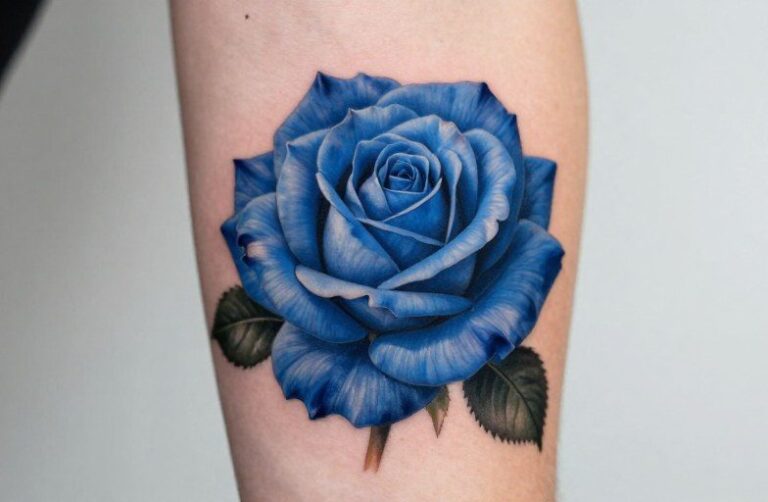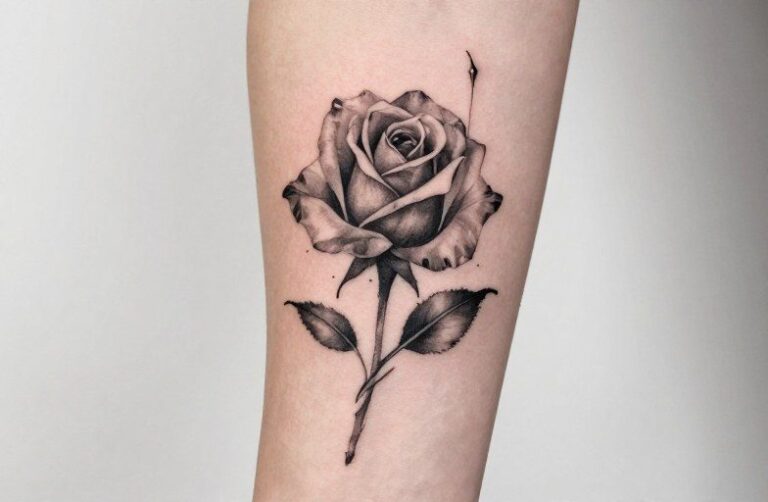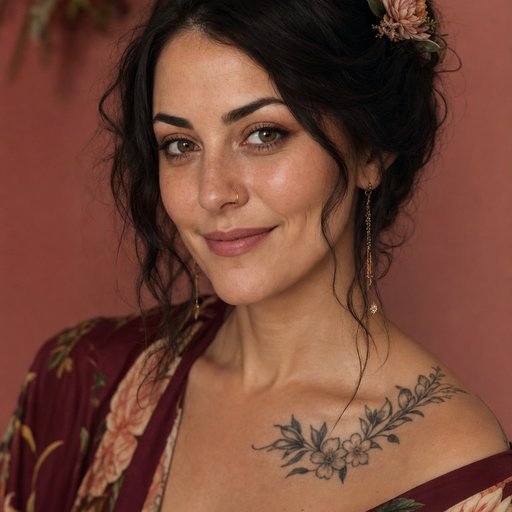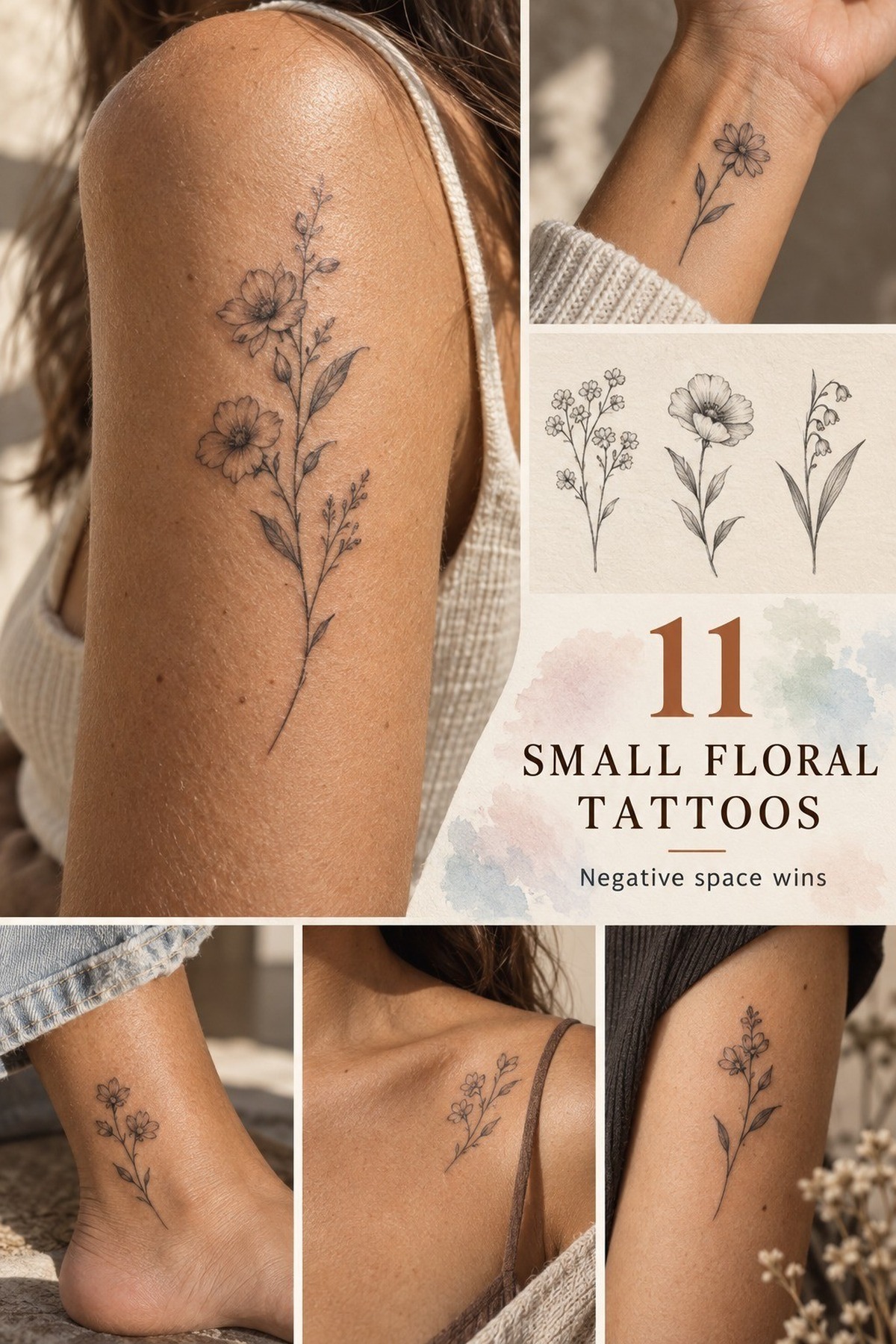
The Daisy Marquez tattoo brings together two threads that don’t obviously belong to the same tradition. The daisy itself carries old European symbolic weight, innocence, loyal love, discretion, and the Marquez surname anchors that flower in Chicano and Latin American identity work. Most people who choose this aren’t looking for a pretty flower. They’re marking something specific about family, survival, and the kind of strength that doesn’t announce itself loudly.
What the Daisy Actually Means
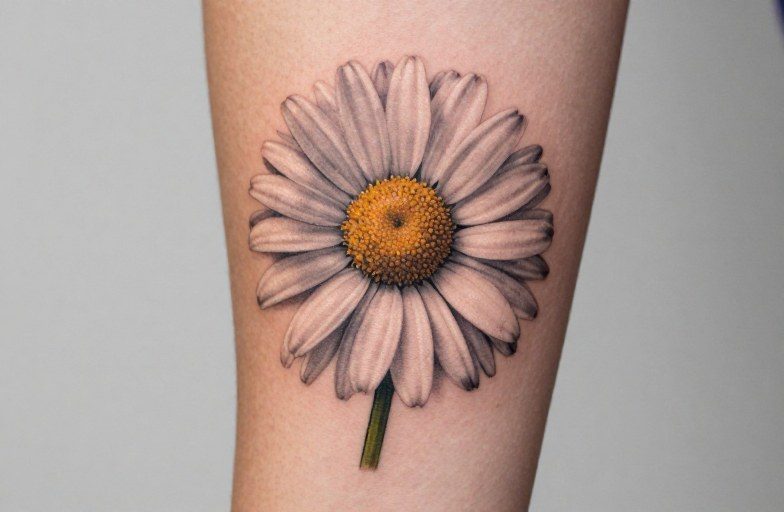
The flower’s structure invites double reading. White petals radiate from a dense yellow center. The white suggests openness, beginnings, clarity without armor. The central disk reads as sun, as eye, as the self held intact while everything around it remains exposed and vulnerable. This duality has kept the daisy relevant in tattooing long after more dramatic flowers have cycled through trend status.
Victorian floriography made the daisy an emblem of loyal love and innocence, but that coding was always class-marked, available to those with education and leisure for flower languages. Working-class tattoo adoption stripped away some of that refinement and kept the core: constancy, simplicity that persists, the kind of beauty that doesn’t require cultivation. The daisy grows in cracked pavement, in neglected lawns, in spaces where roses would fail. That tenacity matters more to most wearers than Victorian delicacy.
Related reading: daisy marquez tattoo meaning | cosmos flower tattoo meaning | dogwood flower tattoo meaning | gentle flower tattoo meaning
What “Marquez” Changes
Adding the surname transforms the tattoo from decorative floral into territory that demands to be read as biography. In Chicano tattoo culture, family names function as lineage claims, territorial markers, and acts of visibility against histories that tried to erase or flatten Mexican-American identity. The combination signals several possible intentions:
- Pride in matrilineal heritage, the feminine-coded flower paired with a family name that may carry mother’s or grandmother’s line
- Reclamation work, particularly for those reconnecting with roots after generational distance, adoption, or assimilation pressure
- Memorial function, honoring a specific Marquez woman, mother, grandmother, sister, aunt, whose name and memory the wearer carries forward
- Working-class aesthetic alignment with lowrider art, prison lettering traditions, and the visual vocabulary of Chicano tattooing that emerged from California and Southwest barrio culture in the 1970s and 1980s
The name grounds the flower’s airy symbolism in concrete human history. Without it, the daisy drifts toward generic decoration. With it, the design insists on being read as someone’s specific story.
Color Work Versus Black and Grey
This technical choice fundamentally alters how the tattoo reads on skin and how it survives decades of aging. Color daisy Marquez pieces typically deploy traditional palette: white petals with yellow or orange centers, sometimes green stems. White ink presents genuine technical challenges that many artists and clients underestimate.
On darker skin tones, white often reads as translucent or ash-grey once healed, and may require additional sessions to achieve intended brightness. On lighter skin, white can yellow slightly or disappear into surrounding complexion over time, becoming visible primarily as texture rather than color. Experienced artists often substitute very light grey or pale blue for “white” petals to maintain contrast long-term, a substitution that clients sometimes resist until they see healed results.
Black and Grey Approaches
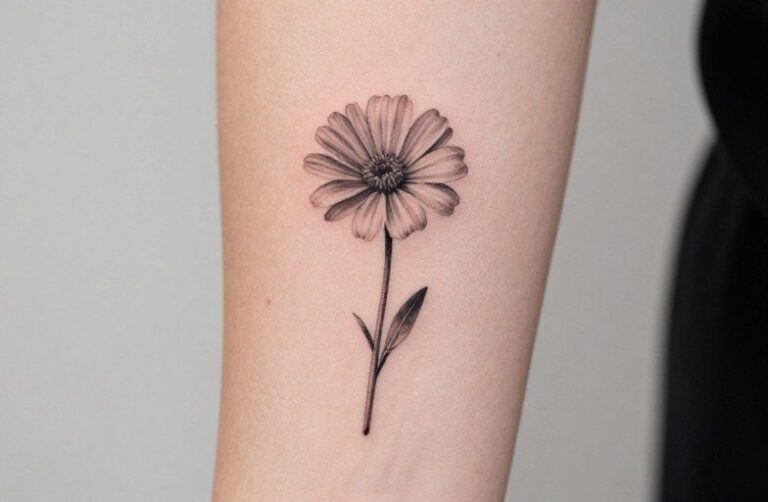
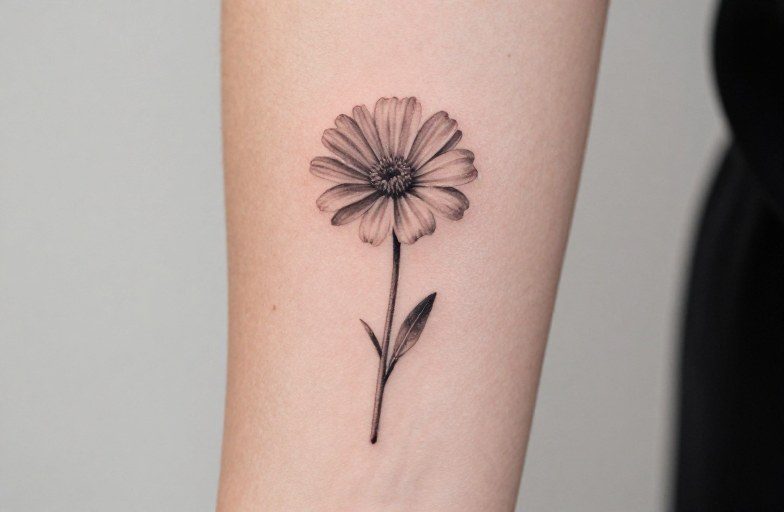
Black and grey execution, common in Chicano lettering tradition, emphasizes structure over botanical accuracy. The daisy becomes pattern and negative space rather than literal flower. Shading creates petal forms; the center might render as solid black with grey wash transitions or as stippled texture. This approach ages more predictably: black holds, grey softens uniformly, and the name “Marquez” in script or Old English maintains legibility far longer than fine color work in small scales.
Some artists split the difference: black and grey lettering with single accent color in the daisy center, or full-color flower with black and grey name work beneath. These hybrids require careful technical planning. Color and black ink heal at slightly different rates and can blur into each other if placed too close without adequate planning for tissue trauma and saturation levels.
How People Actually Wear This Design
Contemporary wearers push the motif beyond traditional symbolism into lived narrative territory. The daisy’s reputation as a weed, tenacious, overlooked, thriving in conditions that should prevent growth, resonates with people who have survived circumstances that should have broken them. Pairing this with a family name creates declaration of inherited resilience, the strength that came from somewhere specific and continues through specific people.
Gender, Placement, and Scale
Floral tattoos carry feminine coding in mainstream American culture, but the Marquez name element and Chicano stylistic roots complicate easy gender reading. Men wearing this design typically emphasize the lettering, keeping the daisy smaller or integrating it into larger composition such as chest pieces or half-sleeves. Women often scale the flower larger and render the name more delicately, though individual variation matters more than these tendencies suggest. The tattoo’s gendered reading depends heavily on placement, surrounding imagery, and the wearer’s own presentation.
Modern variations include birth month integration (daisies as April birth flowers), coordinates paired with the name, or the daisy rendered as skull flower, a direct nod to Chicano Day of the Dead visual tradition that transforms innocence into memento mori. These variations succeed when they emerge from genuine personal meaning rather than trend adoption.
History and Folklore Considerations
The daisy’s mythological associations are often linked to Norse tradition, where the flower is commonly associated with Freya, goddess of love and fertility, though scholarly consensus on this specific link remains limited. This connection, where accepted, feeds the tattoo’s use as marker of romantic fidelity or maternal devotion. Celtic tradition offers more contested associations, with some sources connecting the flower to spirits of the unfinished or to spring renewal, though documentation is sparse and often romanticized by later interpreters.
Chicano Cultural Context
Within Mexican and Chicano folklore, the daisy lacks the prominence of marigolds or roses, but flower symbolism broadly permeates curandismo and folk healing practices. The name Marquez carries weight through literary association: Gabriel García Márquez’s magical realism informs how some wearers understand their own family stories as containing the extraordinary within the ordinary. Whether this represents intentional citation or post-hoc interpretation varies by individual.
Practical observation of the flower also matters: daisies close at night and open with sun, a behavior that has been read as discretion, as hope, or as the soul’s vulnerability to darkness. This cyclical quality suits memorial tattoos particularly well, suggesting continuation rather than permanent loss.
Spiritual and Religious Dimensions
Christian readings of the daisy focus on white petals as purity and yellow center as divine light of Christ. Medieval art sometimes depicted the Virgin Mary with daisies at her feet. For Catholic wearers, common within Chicano communities, this layer adds sacramental weight to a design that might otherwise read as purely secular. The combination of family name and Marian association can create powerful devotional marker, particularly when combined with dates of baptism, first communion, or death.
Beyond Christian Frameworks
Earth-based spiritual practitioners value the daisy for its medicinal properties, wound healing and digestive aid, and may choose the tattoo as commitment to herbal knowledge or natural living. The Marquez name in this context becomes less about blood lineage and more about chosen identity, self-given designation that marks spiritual rather than genetic inheritance.
Some Buddhist-influenced wearers emphasize the daisy’s radial symmetry as mandala-like, meditation on center and periphery, self and world. The name then functions as specific within universal, particular life held within larger patterns of existence. These readings require genuine practice to sustain; they fail when adopted as aesthetic overlay without contemplative foundation.
Placement and Technical Planning
Forearm placement dominates for this design, particularly the inner forearm where the name reads clearly to the wearer and the flower faces outward. This location allows for healing without significant distortion; forearm skin moves relatively little compared to joints or torso. The flat plane suits both color and black and grey work, and the visibility allows the tattoo to function as intended social marker.
Scale and Longevity Realities
Small daisy Marquez tattoos, under three inches, on wrists or behind ears trend toward jewelry-like delicacy but sacrifice longevity. Fine lines blur; small lettering becomes illegible within years rather than decades. For pieces where the name matters, minimum three inches width preserves readability over time. This constraint sometimes disappoints clients seeking minimal or hidden placement, but illegible memorial fails its purpose.
Upper arm and shoulder placements accommodate larger compositions and integrate well into half-sleeve developments. The curvature of the shoulder can distort the flower’s circular center if not carefully adapted by experienced artist. Ribs and sternum offer large, flat canvases but heal poorly due to constant movement and friction from clothing, requiring high pain tolerance and realistic expectation of touch-up needs.
Thigh and calf placements suit larger scale work and allow for more detailed petal rendering. These locations age better than sun-exposed areas, preserving color longer. The trade-off is visibility: these tattoos communicate primarily to the wearer and intimate partners rather than to general public, which may or may not match the wearer’s intent.
What to Remember
A Daisy Marquez tattoo succeeds when technical execution matches symbolic weight. The name demands legibility; the flower demands accurate color or confident black and grey structure. Neither element works as filler. Choose an artist with demonstrated strength in Chicano lettering or botanical work, depending on which element you prioritize. Bring reference that shows your family’s actual handwriting or documents if the name carries memorial weight, generic fonts flatten personal history into decoration that could belong to anyone.
Plan for the long fade. What reads crisp at twenty-five will soften by forty-five, and the meaning you have embedded needs to survive that softening. The best versions of this design do not simply decorate skin. They archive a specific person’s claim on a specific lineage, rendered in the permanent, imperfect medium that tattooing provides. The imperfection is part of the honesty. Skin changes, ink spreads slightly, colors mute. The meaning you build into the design must be robust enough to accommodate these changes without collapsing into mere shape and color.
Before committing, ask yourself what you want this tattoo to do in social space. Some wearers want the name recognized, questioned, acknowledged. Others want private marker visible only to those already close enough to matter. Your placement, scale, and stylistic choices should follow from this intention rather than from current trend or artist preference. The Daisy Marquez design has enough history and flexibility to accommodate genuine personal need, but only if you know what that need actually is before the needle starts.
Frequently Asked Questions
How do I find an artist who can handle both the lettering and the flower well?
Look for portfolios showing healed results, not just fresh photos. For Chicano lettering, seek artists with documented script or Old English work that has aged five-plus years. For botanical accuracy, ask to see healed color florals on skin tones similar to yours. Few artists excel at both; consider whether you want one artist to handle both elements or a collaboration between specialists. Most reputable shops can facilitate this if you ask.
Will white ink in the petals look bad on my skin tone?
White ink behaves differently across skin tones. On darker skin, it often reads as translucent or ash-grey once healed, and may need additional sessions. On lighter skin, it can yellow slightly or disappear into surrounding complexion over time. Experienced artists typically substitute very light grey or pale blue for “white” to maintain contrast. Ask your artist to show you healed examples on clients with similar skin tones before committing.
How small can I go before the name becomes illegible?
For the name “Marquez” to remain readable over decades, plan for minimum three inches width for the lettering element. Smaller scales work temporarily but blur as skin ages and ink spreads. If you need a smaller piece for placement reasons, consider abbreviating to an initial or choosing a location with more available space. Illegible memorial tattoos fail their primary purpose.