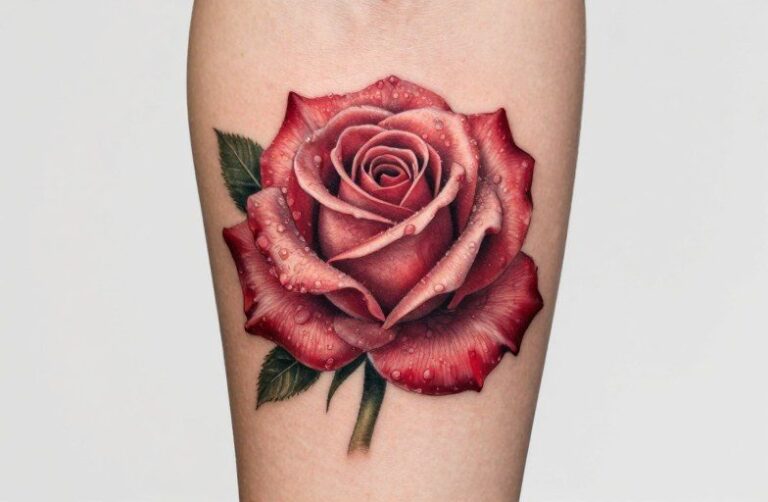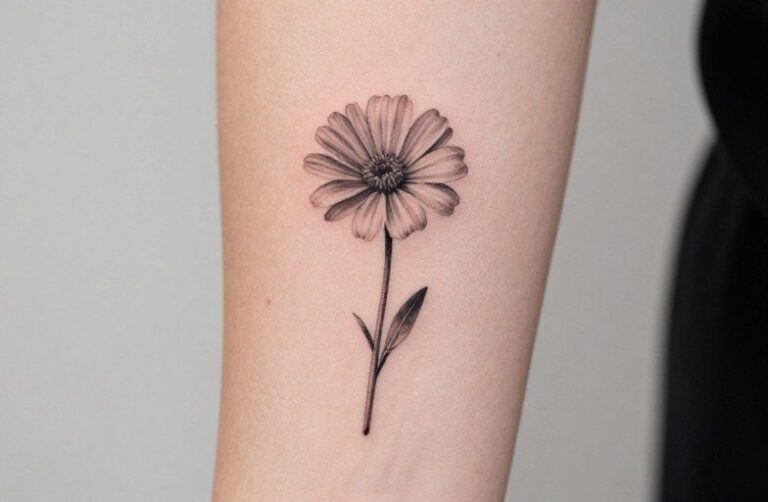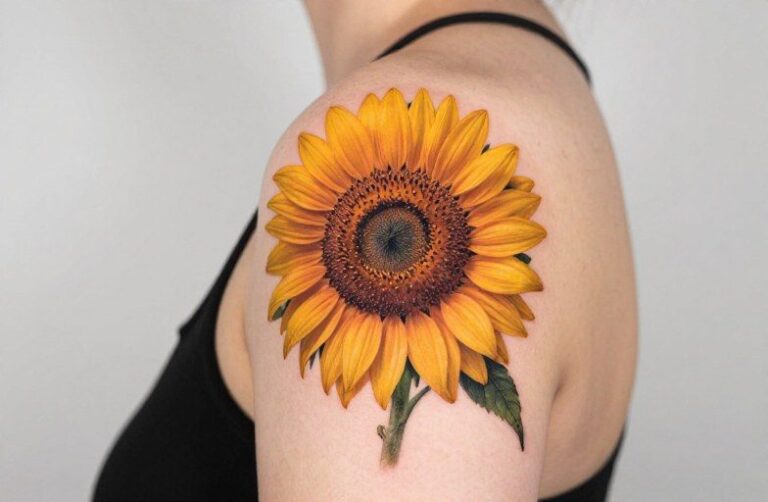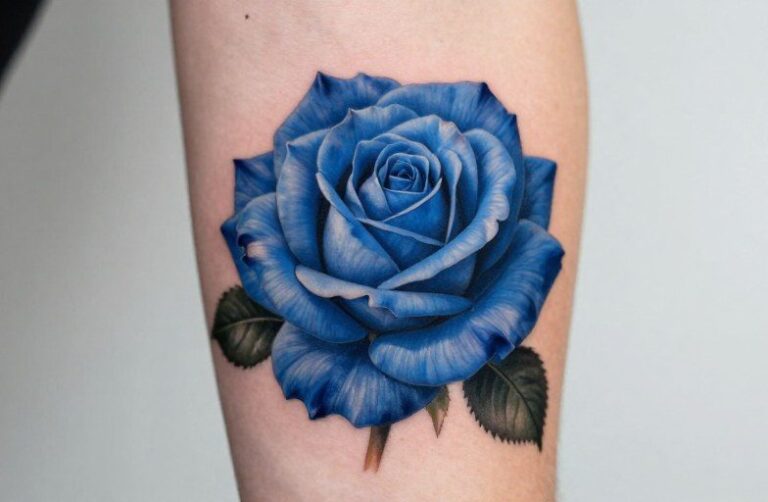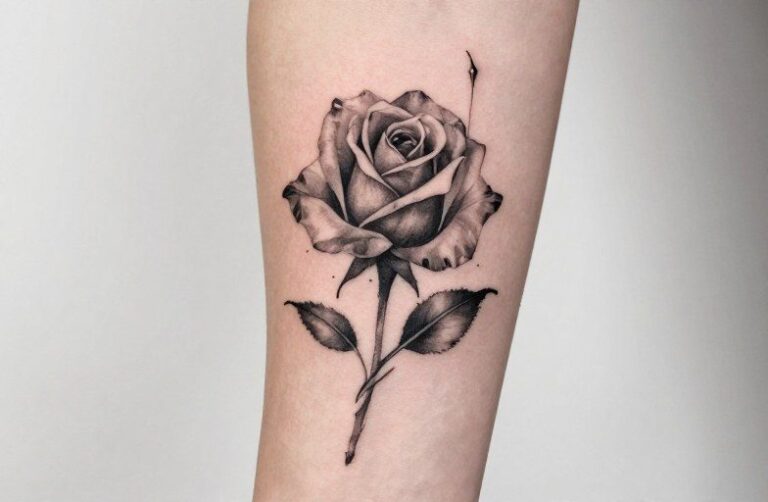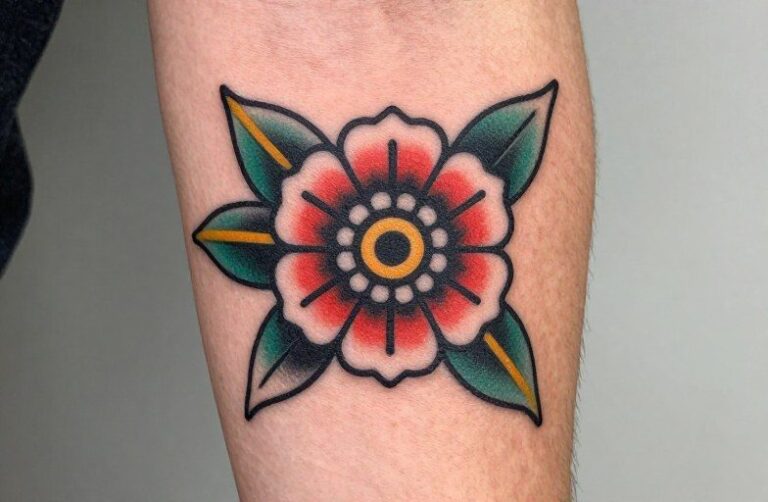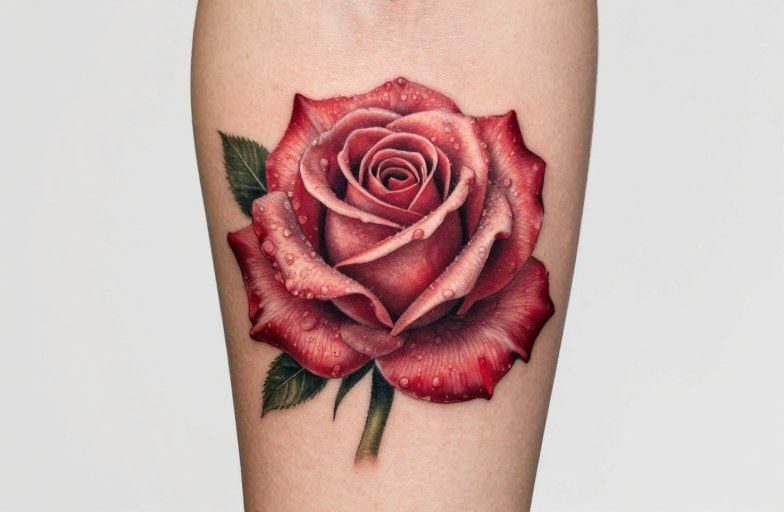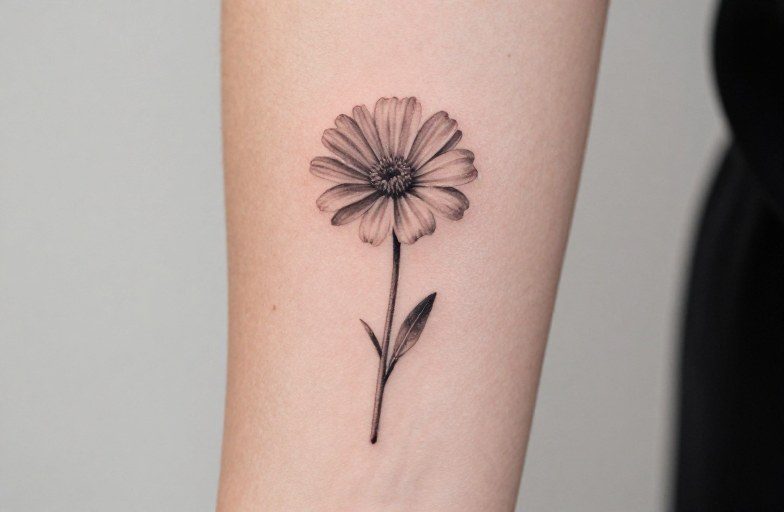
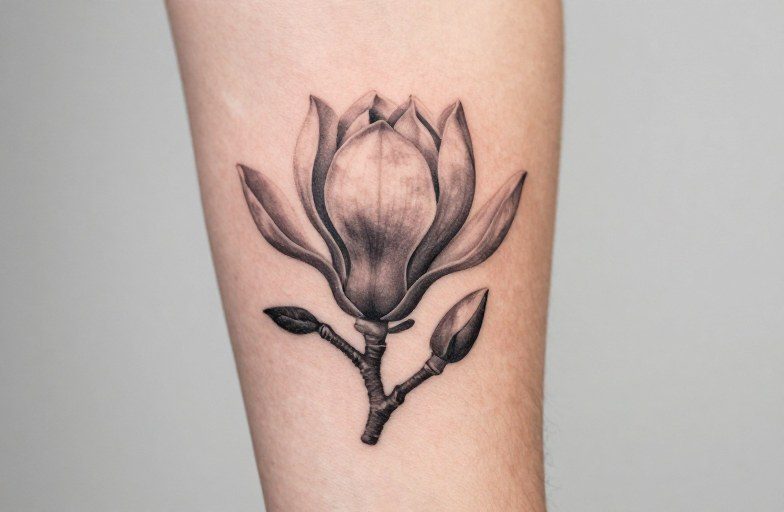
A magnolia tattoo most commonly represents dignity, perseverance, and a beauty that doesn’t need to shout. The flower blooms on a tree that predates bees, carrying associations with endurance, feminine strength, and rootedness in place. Depending on design choices, it can lean toward memorial symbolism, Southern identity, or personal resilience through hardship.
History & Cultural Roots
The magnolia’s symbolic weight comes from its actual biology as much as human culture. Magnolia grandiflora and its relatives are ancient angiosperms, with fossil records stretching back roughly 95 million years. That deep timeline gives the flower an inherent association with endurance and primordial persistence.
American South & Regional Identity
In the United States, the magnolia is inseparable from Southern identity. Mississippi designated it the state flower in 1900; Louisiana and Texas feature it prominently in regional iconography. For many, the tattoo marks birthplace, family lineage, or complicated relationship with a region, pride mixed with critical awareness of its history. The flower’s waxy, almost artificial-looking perfection alongside its tough, dark leaves creates a visual metaphor for the tension between surface hospitality and underlying resilience.
East Asian Associations
In Chinese art and symbolism, magnolia (玉兰花, yulan hua) often carries connotations of nobility and purity, sometimes linked to the concept of feminine beauty and gentleness. Korean tradition associates it with spring and renewal. Japanese hanakotoba (flower language) sometimes assigns it meanings of natural love or dignity. These traditions occasionally influence Western tattoo designs, particularly when clients want to honor mixed heritage or specific cultural connections.
Who Chooses This Tattoo
The magnolia attracts a specific psychological profile more than a demographic one. People drawn to it often want floral imagery without the delicacy cliché, roses read romantic, cherry blossoms read fleeting, but magnolias occupy a middle space of strength and longevity.
- Survivors of prolonged hardship gravitate toward the tree’s toughness; the flower is beautiful but the wood is hard.
- Mothers and daughters sometimes choose matching or complementary magnolias, referencing the “Steel Magnolia” archetype of feminine resilience.
- Transplants and expatriates from the American South use it as geographic anchor, sometimes paired with coordinates or state outlines.
- People avoiding overt femininity in floral work appreciate the magnolia’s structural weight and dark foliage.
It’s less common as a first tattoo than roses or lotuses, which suggests people who choose it have usually considered alternatives and want something with more specific resonance.
Similar & Related Symbols
Understanding what the magnolia isn’t helps clarify what it is. Tattoo symbolism operates partly through contrast and substitution.
Flowers It Gets Confused With
Gardenias share the white-waxy-Southern association but lean more toward secret love and pure attraction. Camellias, also common in Southern gardens, carry more melancholy weight, think of the tuberculosis symbolism in La Dame aux Camélias. Lotuses share the “beauty from murky origins” narrative but are more spiritually explicit. The magnolia’s dirt is literal (acidic, swampy soil) rather than metaphorical, which changes the symbolic texture.
Common Pairings & Their Effects
- Magnolia + compass or map: reinforces the geographic/rooted meaning
- Magnolia + honeybee: references the flower’s pre-bee evolution and adds industry/productivity
- Magnolia + broken chain or cracked vessel: survival and rebuilding
- Magnolia + moon phases: cyclical return, seasonal blooming
- Magnolia + magnolia leaf alone: the leaf’s russet underside and glossy green top create duality symbolism
Pairing with snakes is increasingly common, playing on the Garden of Eden imagery but substituting the magnolia’s particular regional and resilient qualities for the apple’s forbidden knowledge.
Design Tips & Pairings
The magnolia’s physical structure dictates certain design constraints. The flower is large, cup-shaped, and composed of numerous thick tepals (petal-like structures, since magnolias don’t have true petals and sepals separately). This makes small, highly detailed versions problematic.
Line Work vs. Shading Approaches
Single-needle fine line magnolias are popular on Instagram but age poorly. The flower’s impact comes from volume and contrast, the waxy white against dark green, the velvet interior shadow. Fine line loses this quickly. Medium-weight linework (7-9RL) with whip shading or soft gray wash preserves the form better. Traditional Japanese-influenced approaches use bold outlines and flat color blocks, which hold excellently but sacrifice the flower’s particular softness.
Black and gray versions work well if the artist understands that magnolia petals have subtle warm undertones; pure cool gray reads as generic flower rather than specific species. A touch of warm gray or brown in the shading helps identification.
Color Realism Considerations
True Magnolia grandiflora flowers are white to cream with pale pink or purple at the base. “Saucer magnolia” (Magnolia x soulangeana) varieties bloom in deep pink and purple before leafing. Color choice significantly shifts meaning: white reads purity, endurance, memorial; pink reads spring, renewal, gentler femininity; deep purple reads drama, individuality, deliberate aesthetic choice. Yellow magnolias exist but are rare in tattooing; they would read as idiosyncratic or botanically specific.
Best Placements
The magnolia’s natural scale suits certain body areas better than others. A single full bloom with leaves typically needs at least 4-5 inches in one dimension to read clearly.
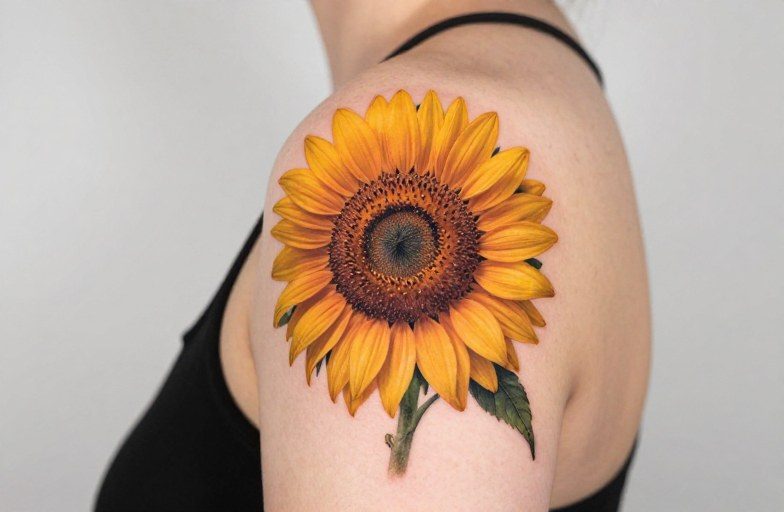
- Upper arm/shoulder: classic placement, allows for the flower’s cup shape to follow deltoid curve; leaves can extend toward chest or back
- Ribcage: vertical compositions work well here, with stem and leaves trailing; pain is significant but the canvas suits the flower’s elongated forms
- Thigh: excellent for larger, multi-flower compositions; the muscle’s flat plane suits detailed petal work
- Forearm: works for smaller, simplified versions or single blooms; wrist-to-elbow length accommodates a nice stem curve
- Back of neck/upper back: less common but effective for symmetrical, centered compositions
Finger and hand placements are generally poor choices. The flower’s identifying detail requires more space than these areas allow, and the high-movement, high-sun-exposure nature of hand skin accelerates aging dramatically.
How It Ages on Skin
All tattoos age, but magnolias have specific vulnerabilities. The pale petal areas, especially in white or very light yellow, are most susceptible to fading and sun damage. White ink particularly tends to yellow or disappear entirely within 5-10 years depending on skin tone and sun exposure.
Specific Aging Patterns
The contrast between dark leaves and light flowers is what makes the design readable. As the light areas fade faster, the composition can invert visually: the dark leaves dominate, the flower becomes a vague lighter shape. Artists compensate by building slightly darker shadows in the petal centers than strictly realistic, anticipating this fade. The thick, leathery leaves actually age well, their solid dark green (or black in grayscale) holds density.
Line-heavy versions without solid black backing age faster because the defining edges blur while the interior lacks structural darkness to maintain shape. Stippled or textured shading in the petals tends to settle and soften into a more uniform gray over time, which isn’t necessarily bad but changes the initial delicate effect.
Touch-ups are common and expected with magnolia work, particularly on the pale petal highlights. Plan for this financially and temporally.
What to Remember
The magnolia tattoo works best when chosen for its specific qualities rather than as a generic “pretty flower.” Its meanings, endurance, rootedness, dignified strength, regional identity, require the wearer to actually connect with them. The design demands enough space to show the flower’s structural distinctiveness; cramped or miniature versions lose the very characteristics that make it symbolically interesting. Work with an artist who understands botanical form rather than just floral tattoo conventions, and prioritize long-term readability over immediate Instagram impact. The flower itself persists for millions of years; your version should aim for decades of clarity.
Frequently Asked Questions
Does a magnolia tattoo always mean something about the American South?
No. While regional identity is one common meaning, the flower also symbolizes general endurance, feminine strength, and personal resilience. Many people choose it with no Southern connection, drawn to its botanical uniqueness or the contrast between delicate bloom and tough tree.
How big does a magnolia tattoo need to be to look good?
A single bloom with leaves generally needs at least 4-5 inches in one dimension to show the flower’s structural detail. Smaller than that, and it becomes generic flower-shaped rather than recognizably magnolia. Simplified single-needle versions can go smaller but sacrifice longevity.
Will white ink in the petals disappear completely?
White ink often fades to skin tone or yellows within 5-10 years, especially with sun exposure. Good artists build slightly darker shadows in petal centers to maintain contrast as the white fades, and recommend touch-ups to preserve the flower’s readable form.
What’s the difference between a magnolia and gardenia tattoo symbolically?
Gardenias lean toward secret love, attraction, and intimacy. Magnolias carry more weight of endurance, public dignity, and rootedness in place or identity. The magnolia is a tree; the gardenia is a shrub, this structural difference often mirrors the symbolic one.