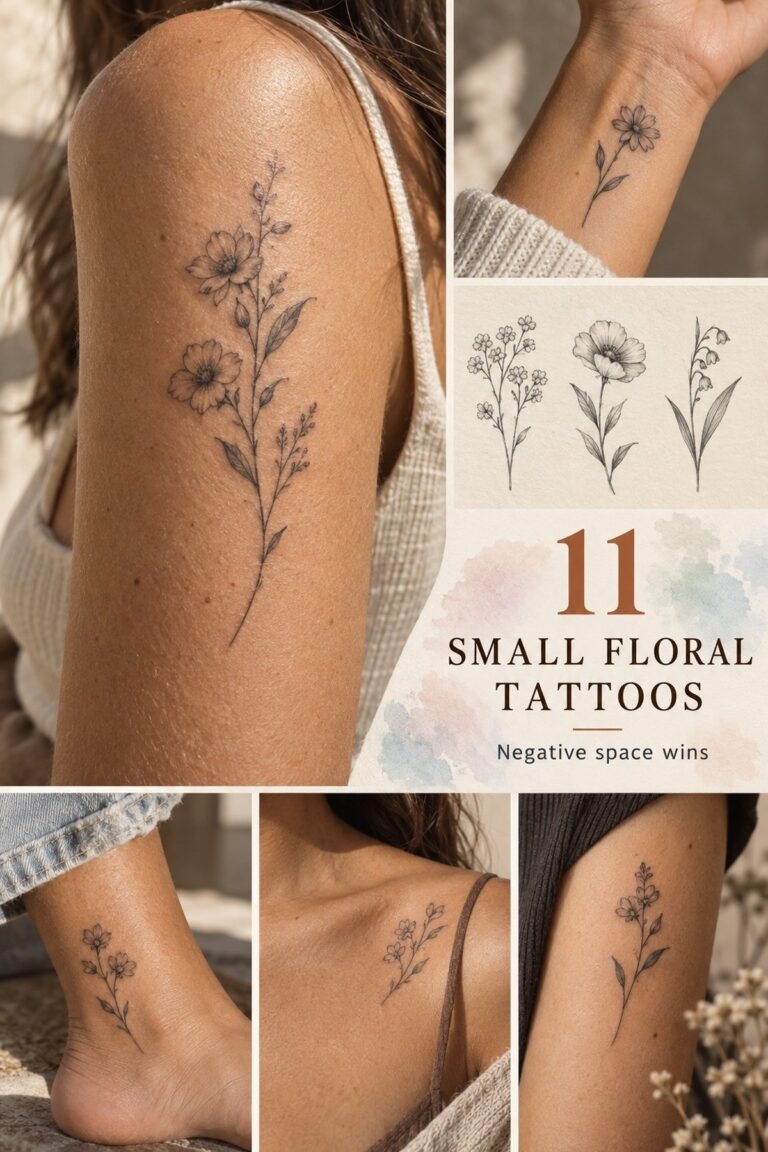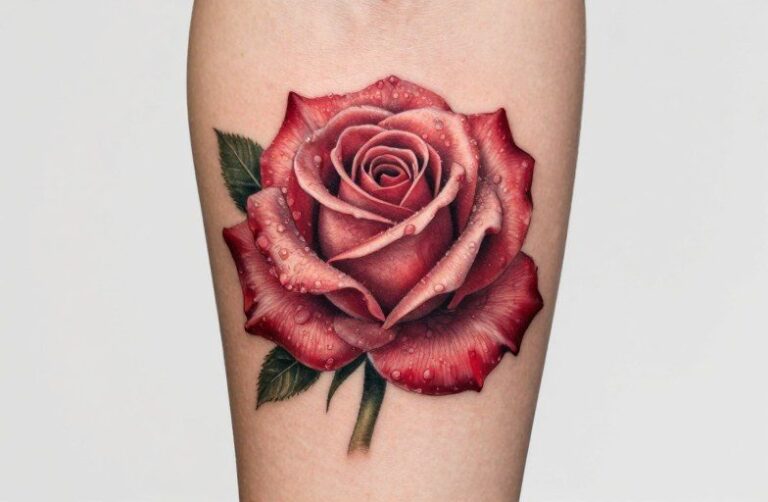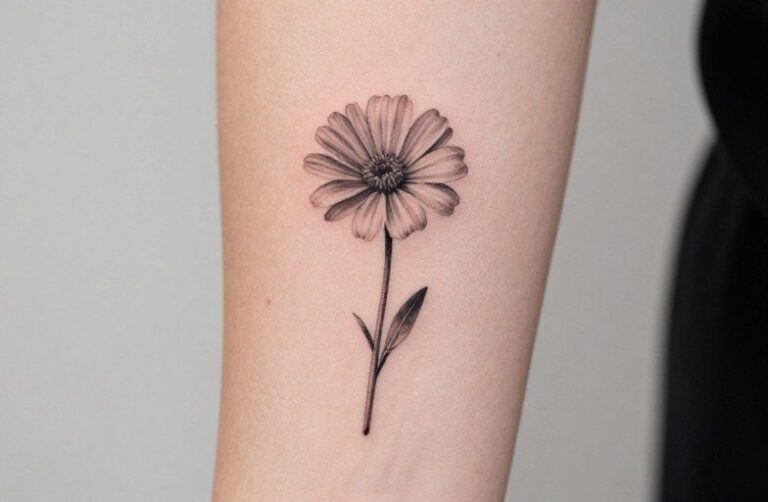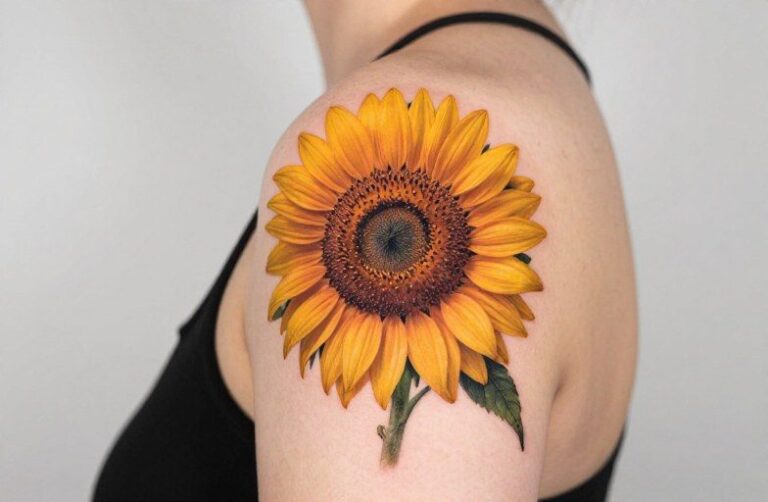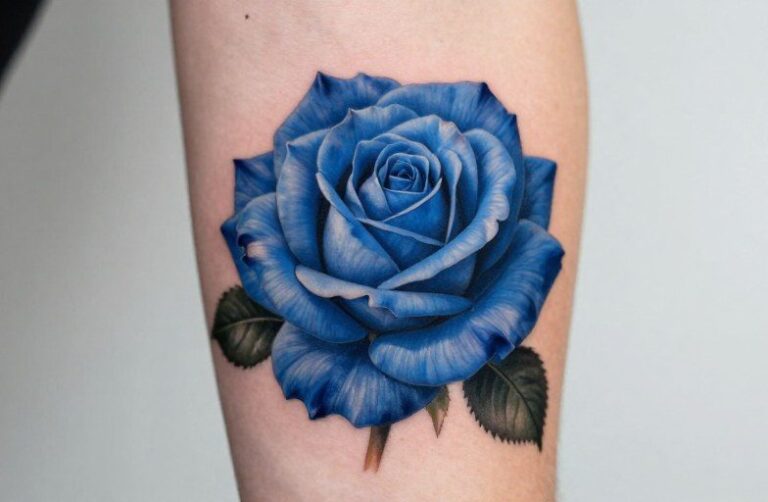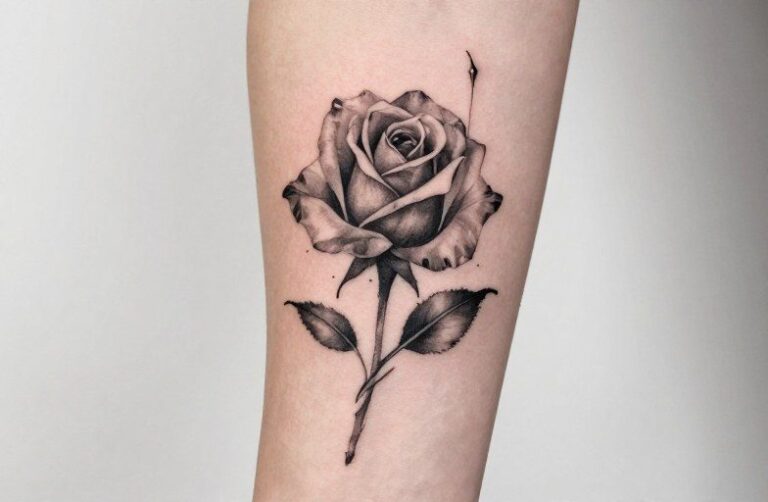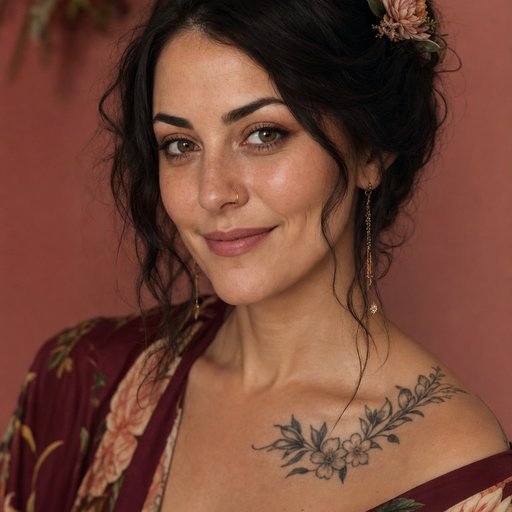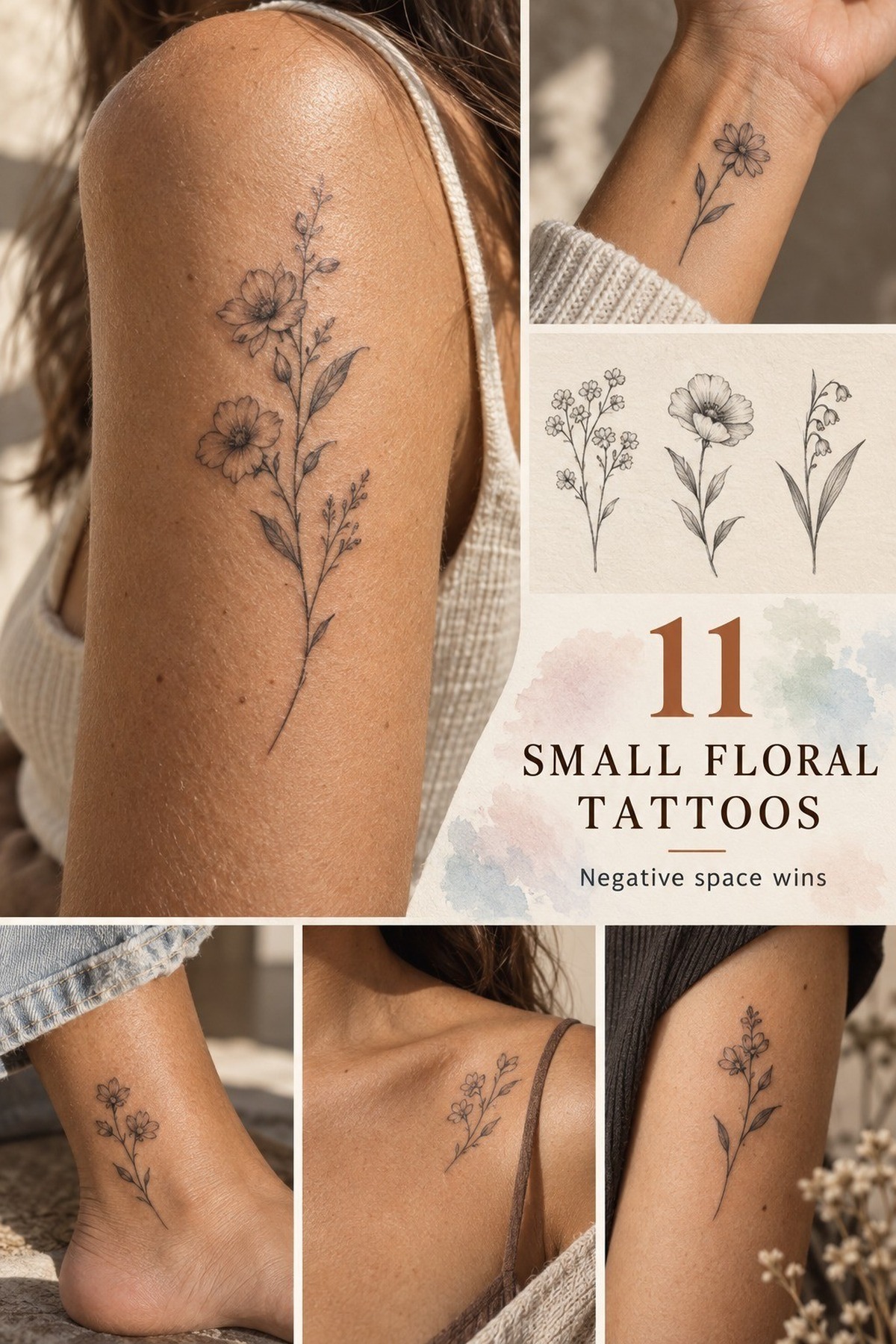
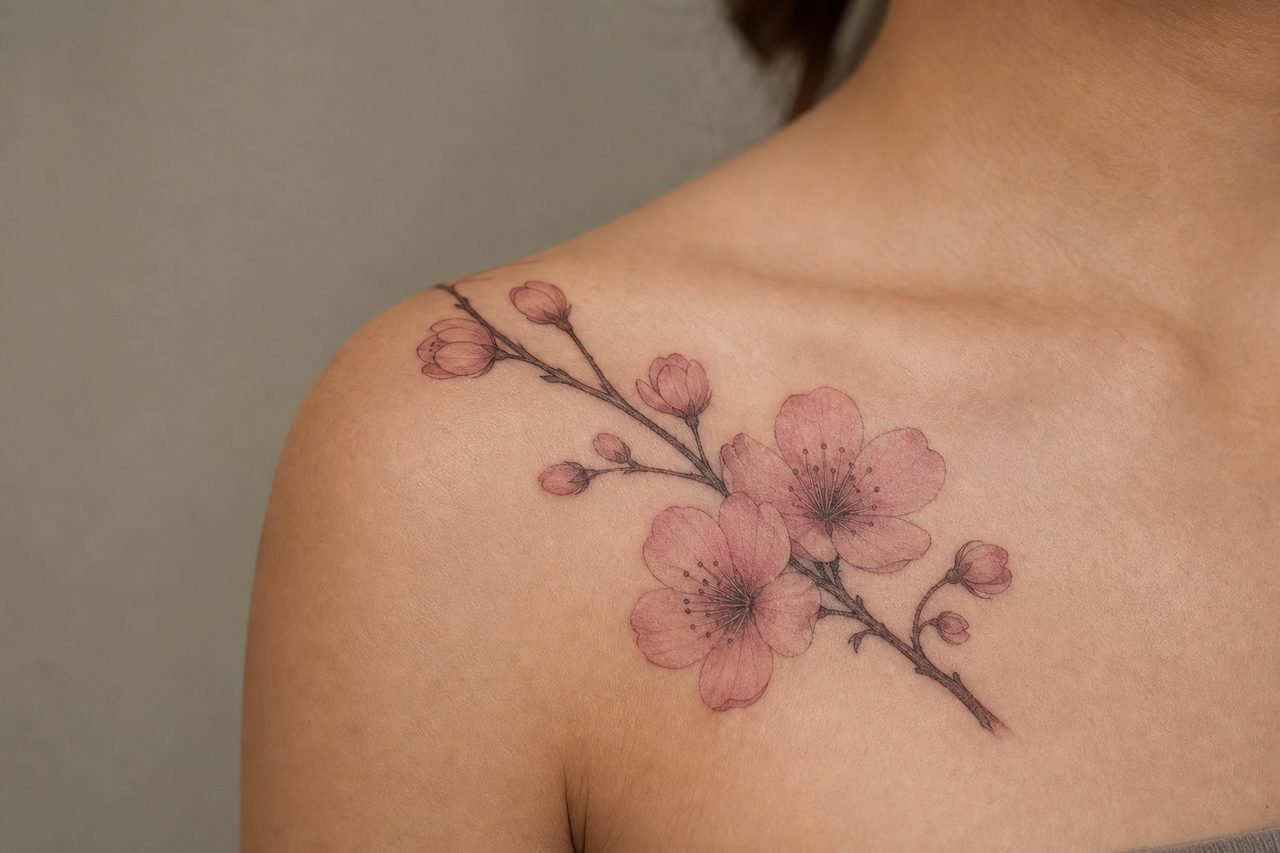
Cherry flower tattoos most commonly symbolize the transient nature of beauty and life itself. Rooted in East Asian traditions, particularly Japanese sakura imagery, these blossoms represent mortality, renewal, and the quiet courage to accept impermanence. Modern wearers also gravitate toward cherry flowers for personal markers of new beginnings, resilience through hardship, or simply an aesthetic connection to spring and rebirth.
Personal & Modern Meanings
Today, people choose cherry flower tattoos for reasons that stretch well beyond traditional symbolism. The meaning often tightens around specific life events rather than broad philosophical concepts.
Markers of Change
Graduations, sobriety anniversaries, recovery from illness, or leaving a difficult relationship, cherry blossoms mark thresholds. The flower’s brief blooming period mirrors these transitional moments: intense, beautiful, and necessarily temporary. Someone might place a single falling petal near a wrist scar, or cluster blossoms around a significant date in numerals. The visual language stays soft, but the personal weight can be substantial.
Quiet Strength vs. Fragility
There’s a deliberate tension in cherry flower imagery. The petals look delicate, almost tissue-thin, yet the trees themselves endure harsh winters and live for decades. This duality appeals to people who want to signal resilience without aggressive imagery. A forearm piece with blossoms emerging from cracked bark captures this specifically, fragility and endurance coexisting.
Best Placements
Cherry flowers adapt to body contours unusually well because of their organic, irregular shapes. The flowing branches follow natural muscle lines and can wrap joints without looking forced.
Where Detail Holds
- Upper ribs and side torso: Flat planes let fine petal lines stay crisp; the curve follows breath movement naturally
- Shoulder cap to upper arm: Branch structures read clearly here; blossoms can cascade toward the elbow or collarbone
- Thigh front or outer: Ample space for multi-branch compositions with falling petals; heals relatively evenly on this meatier area
- Behind the ear and down the neck: Single blossoms or small clusters work; the placement itself carries intimacy
Where They Struggle
Finger tattoos with cherry flowers face predictable problems. The fine lines blur within months, and the small scale forces oversimplification that loses the characteristic petal notching. Palm-side placement is essentially temporary. Foot tops can work for larger branch pieces, but the heavy wear area means touch-ups within two years are standard.
Similar & Related Symbols
Understanding adjacent imagery helps clarify what cherry flowers specifically communicate, and what they don’t.
Plum blossoms (ume): Often confused with cherry, but bloom earlier, have rounder petals, and carry more associations with perseverance through adversity rather than transience. The visual difference matters: plum blossoms show five distinct petals with visible stamens; cherry flowers have notched petal tips and grow in clusters on more pendulous branches.
Peonies: Share some East Asian floral tradition but symbolize prosperity, honor, and masculine power in Japanese tattooing. They’re fuller, denser, and carry more weight visually and symbolically. Cherry flowers offer airiness where peonies bring density.
Chrysanthemums: Associated with autumn, longevity, and the imperial family in Japan. The seasonal opposition matters, cherry for spring’s beginning, chrysanthemum for its end. Pairing them creates a full seasonal narrative.
Dogwood flowers: Visually similar to untrained eyes, with four notched petals, but carry Christian resurrection symbolism and American regional identity. The overlap causes occasional confusion in consultation; specifying branch structure and petal count prevents mismatched expectations.
Color vs. Black and Grey
This choice fundamentally changes how the tattoo reads and how it ages.
Color Realities
Authentic cherry blossom pink is surprisingly difficult to nail. Too magenta reads generic floral; too pale disappears into skin within months. The most successful color pieces use a gradient: deeper rose at the petal base, softening to near-white at edges, with a hint of warm yellow at stamen centers. This requires a colorist with specific floral experience, not just general color knowledge.
Color saturation also affects longevity. Watercolor-style cherry blossoms, soft, bleeding edges without outlines, fade fastest. The technique mimics the flower’s delicacy but sacrifices structural definition. Within three to five years, watercolor cherry pieces often resolve into vague pink clouds. Outlined petals with color fill inside last significantly longer.
Black and Grey Advantages
Stripped of color, cherry flowers rely on line weight and shading to suggest volume. This demands precise needle control, petal edges need crisp single-pass lines, while interior shading builds soft form through whip shading or stippling. The advantage is longevity: black ink holds contrast for decades, and the design reads clearly at distance and up close. Japanese traditional tattooing has used black and grey cherry blossoms for centuries; the aesthetic precedent is established and respected.
Some artists use negative space strategically, leaving skin tone as the “white” of petals while surrounding areas carry grey wash. This creates luminosity impossible with color, but requires sufficient surrounding ink to frame the effect.
Mythology & Folklore
Cherry blossom symbolism developed through specific cultural channels, and conflating them erases meaningful distinctions.
Japanese Sakura Tradition
In Japan, cherry blossoms were often linked to mono no aware, the pathos of things, or bittersweet awareness of impermanence. Samurai culture adopted the flower as an emblem of lives lived fully and ended cleanly, since the blossoms fall at their peak rather than wilting. This association with warrior mortality persists in some traditional Japanese tattooing, though modern wearers rarely intend that specific reference.
The practice of hanami (flower viewing) dates to the Nara period, though some trace it to aristocratic court culture specifically. The social aspect matters: blossoms were experienced collectively, their brief duration creating shared urgency. Tattoo imagery sometimes captures this through multiple figures or hands reaching toward branches.
Chinese Yinghua and Korean Associations
Chinese cherry blossom tradition carries stronger feminine associations, beauty, love, and the reproductive cycle. Korean usage often links cherry flowers to purity and innocence, particularly in spring festival contexts. These distinctions blur in Western tattooing, where generic “Asian-inspired” cherry blossoms predominate, but knowing the lineage helps intentional design choices.
Design Tips & Pairings
Effective cherry flower composition requires understanding what supports the blossoms without competing.
- Branch structure: Realistic cherry branches fork at sharp angles with rough bark texture; smooth, flowing curves read as generic tree branch, losing specificity
- Petals in motion: Falling petals add narrative time to a static image, some still attached, some mid-fall, some resting on implied ground. This requires spatial planning; random scattered petals look accidental rather than composed
- Background elements: Subtle grey wash suggesting moon, mist, or distant mountains frames cherry blossoms without overwhelming. Heavy geometric backgrounds fight the organic forms
- Pairing with koi: Common but effective, koi swim upward against current, cherry blossoms drift downward with it. The directional opposition creates visual rhythm
- Pairing with birds: Small songbirds (sparrows, warblers) scale appropriately; large birds of prey dominate and shift the mood from contemplative to aggressive
- Script integration: Japanese or Chinese characters interwoven with branches require a calligrapher’s eye for spacing; awkward placement breaks the natural flow
Scale decisions matter enormously. A single blossom at two inches across allows petal detail and subtle shading. The same size for a five-blossom cluster forces simplification that loses character. Either commit to a single large focal flower or accept that multiple blossoms will read more graphically, with less individual detail.
What to Remember
Cherry flower tattoos carry genuine symbolic weight, but that weight depends on execution. The difference between a meaningful piece and decorative floral wallpaper lies in specificity, accurate branch anatomy, intentional petal placement, and a color or black-and-grey approach chosen for how it will look in ten years, not just ten weeks. The transience the flowers represent applies to the tattoo itself: fine lines soften, bright pinks mute, and the image settles into something closer to memory than photograph. Designing with that inevitable change in mind, building in enough structural bones to survive the softening, is what separates lasting cherry blossom work from the forgettable.
Frequently Asked Questions
How well do cherry blossom tattoos age compared to other floral designs?
They age moderately well if built with strong outlines and sufficient contrast. The fine petal details and soft pinks that make them beautiful fresh are the first elements to fade. Black and grey versions with clear line structure hold their readability much longer than watercolor or heavily color-blended approaches.
Can cherry flower tattoos work on darker skin tones?
Absolutely, but the approach shifts. Soft pinks and pale washes disappear or heal unpredictably. High-contrast black and grey with bold line work reads clearly, and deeper magentas or crimsons can substitute for pastel pinks while maintaining the floral identity. An experienced artist adjusts value ranges to the specific skin tone.
What’s the difference between cherry blossoms and plum blossoms in tattoo design?
Cherry blossoms have notched petal tips, grow in clusters on drooping branches, and carry associations of transience and spring’s arrival. Plum blossoms have rounder, unnotched petals, emerge on gnarled, more upright branches in late winter, and symbolize perseverance through hardship. The branch structure and petal shape differences are visually distinct to trained eyes.
Are cherry flower tattoos culturally appropriative if I’m not Japanese?
Context and execution matter. A single generic blossom is broadly neutral floral imagery. Heavy replication of specific Japanese tattooing conventions, full sleeves with cherry blossoms, waves, and wind bars in classical composition, without understanding that tradition’s history and protocols risks appropriation. Consulting with artists educated in Japanese tattooing, or designing original compositions that borrow visual language respectfully, navigates this distinction.