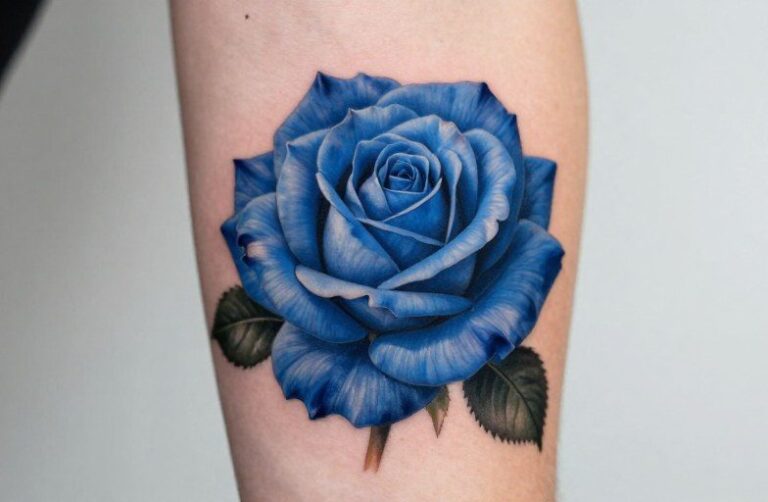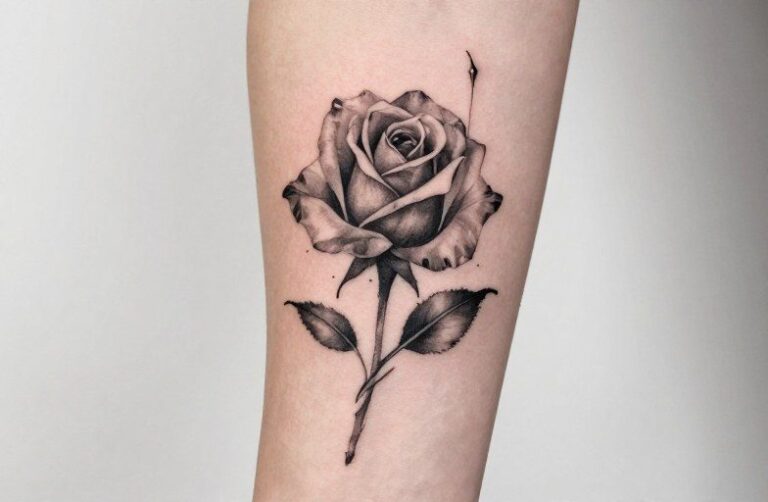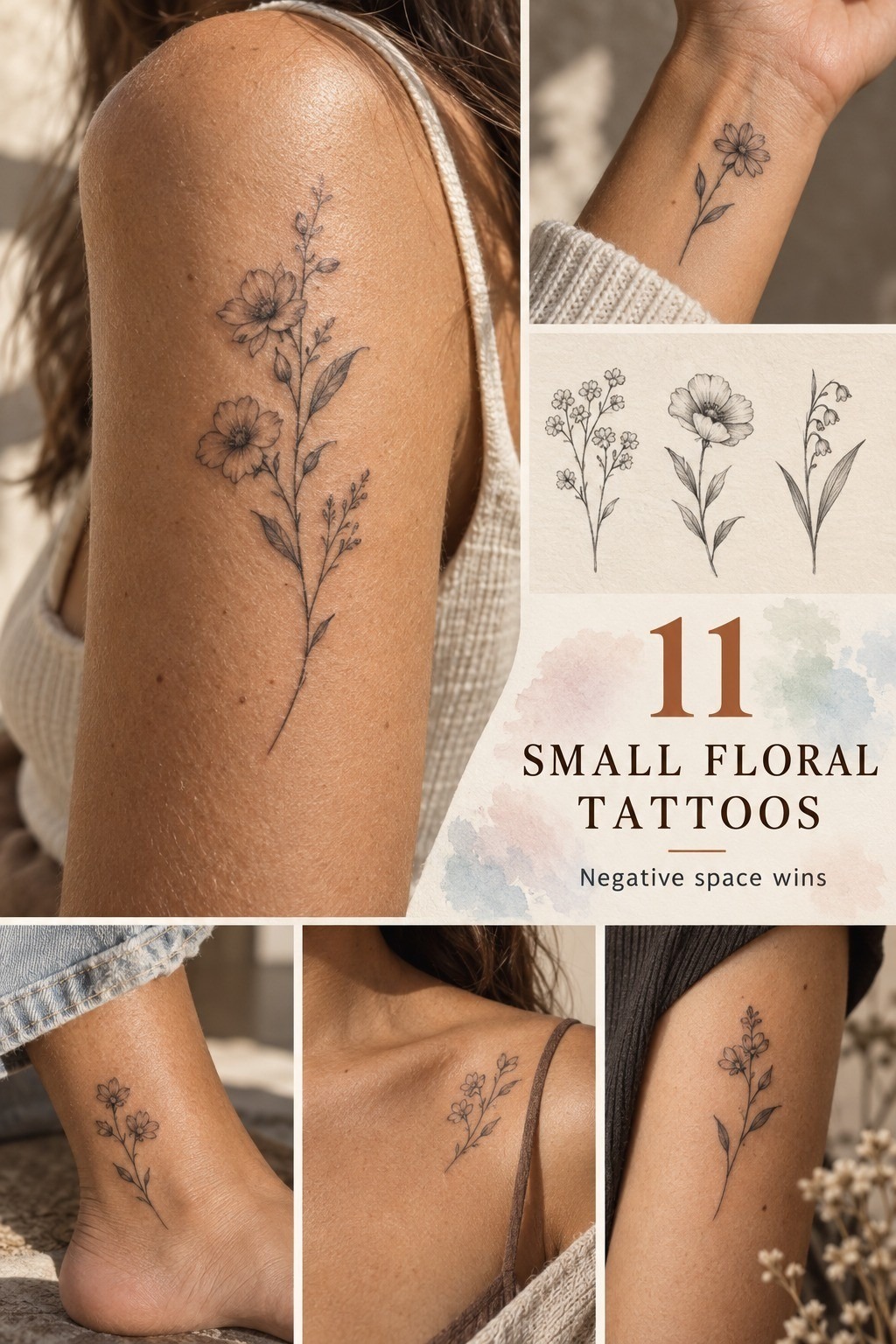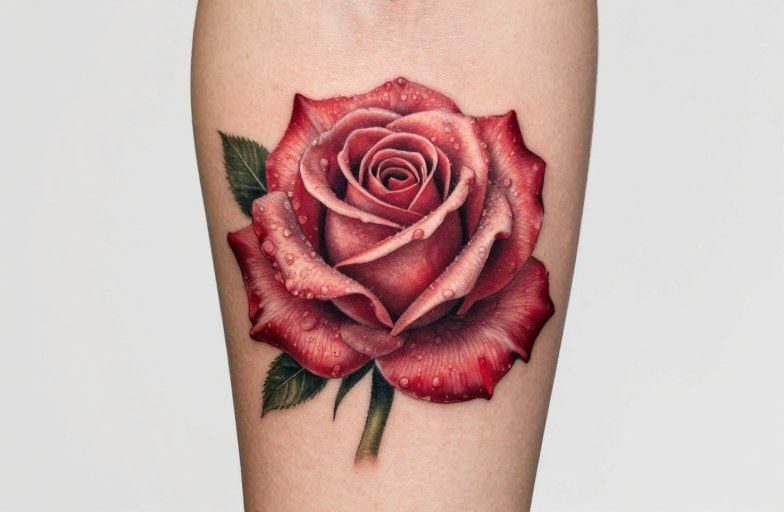
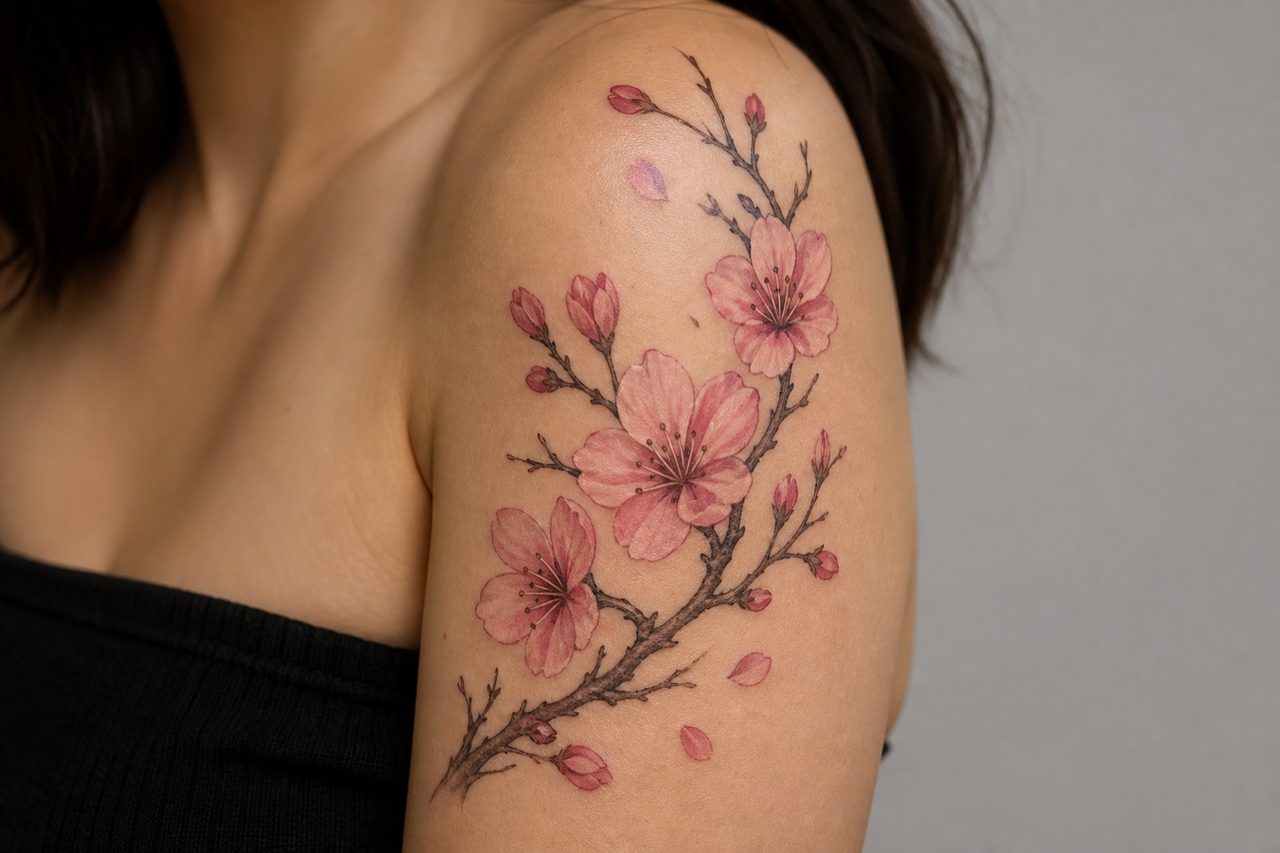
A sakura flower tattoo primarily symbolizes the transient nature of life, beauty that is intense because it is temporary. Rooted in Japanese culture, the cherry blossom blooms extravagantly for roughly two weeks before petals scatter, making it a visual meditation on impermanence, renewal, and the quiet acceptance of mortality known as mono no aware.
Religious & Spiritual Angles
Buddhist Readings
In Buddhist contexts, particularly within Japanese schools like Zen, the sakura embodies mujō, the doctrine of impermanence. The blossom’s brief existence mirrors the teaching that all conditioned phenomena arise and pass away. A tattoo here functions less as decoration and more as a permanent reminder of anicca, the Pali term for impermanence. Some practitioners choose placement near the heart or along the ribcage, where the body’s own vulnerability feels proximate to the symbol.
Shinto Associations
Shinto, Japan’s indigenous spirituality, does not separate the sacred from the natural world. Cherry trees themselves are often considered yorishiro, spiritual vessels or resting places for kami, the divine spirits of place and natural force. A sakura tattoo can quietly invoke this animist current, suggesting reverence for nature’s cycles rather than worship of a distant deity. The distinction matters: this is not about religious affiliation but about a worldview where the natural and spiritual interweave without hierarchy.
How It Ages on Skin
Line Work vs. Petal Shading
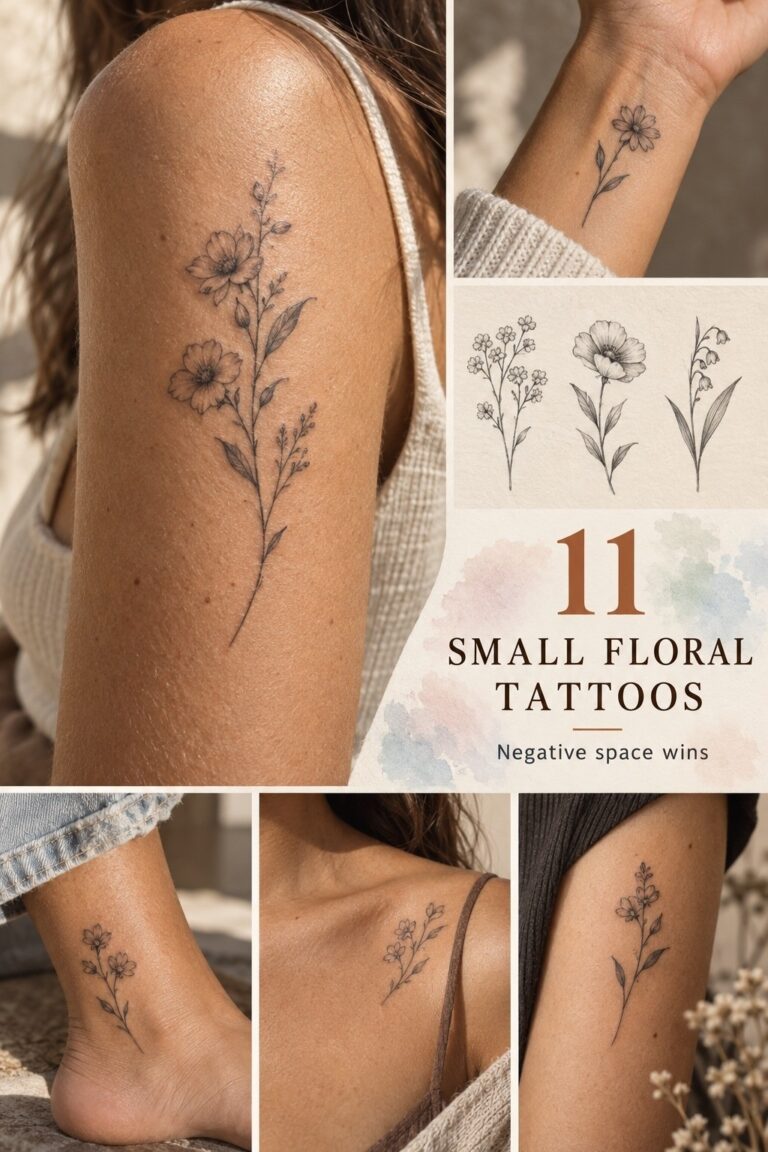
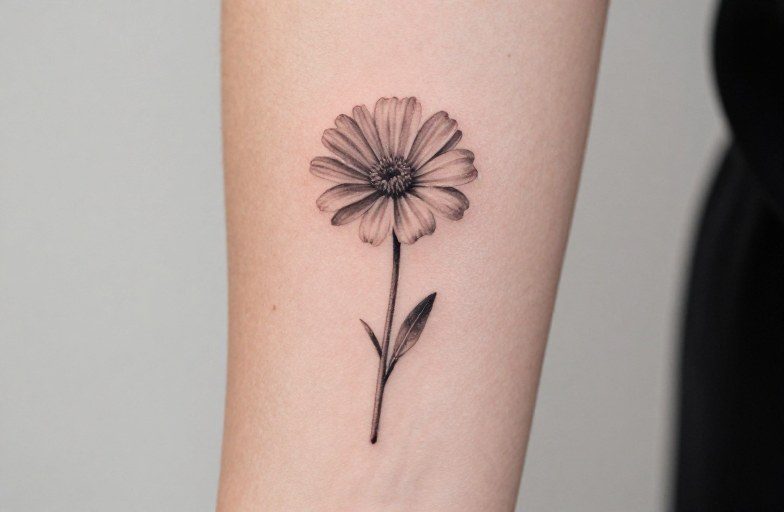
The sakura’s visual impact depends heavily on technique. Fine-line single-needle work can capture the delicate transparency of actual petals, but this precision degrades faster. Lines soften and blur over five to ten years, especially on high-movement areas like wrists or collarbones. Heavier line weight or strategic use of whip-shading preserves readability longer but sacrifices some of that ethereal quality.
Petals rendered with dotwork or stippling hold intermediate ground, texture remains visible even as individual dots merge slightly. The negative space between petals is crucial; too little, and the blossom becomes a pink blob within a decade. Experienced artists leave deliberate gaps where skin tone reads as highlight.
Placement and Sun Exposure
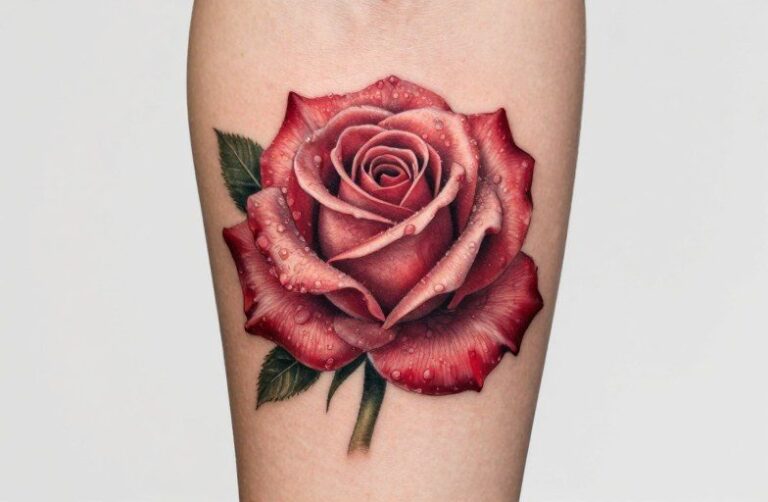
Color sakura tattoos, pinks, magentas, soft whites, fade predictably under UV exposure. The upper arm’s outer surface, the top of the foot, or any placement regularly exposed to sunlight will shift toward a muted peach or grey within several years. Protected areas like the inner bicep, ribcage under clothing, or upper thigh preserve pigment integrity significantly longer. Black and grey versions, while losing the specific chromatic association with cherry blossoms, maintain structural clarity far better over time.
Who Chooses This Tattoo
The sakura draws a broader demographic than purely Japanese heritage clients, though cultural connection remains common. People marking significant life transitions, recovery from illness, the end of a marriage, a move across continents, often gravitate toward this symbol of beautiful impermanence. The tattoo functions as a private timestamp, not a narrative shared with strangers.
There is also a notable cluster among those who have lived in Japan, studied Japanese arts, or practice martial disciplines with historical Japanese roots. The sakura appears on practitioners of aikido, kendo, and judo with some frequency, less as nationalism than as an embodiment of the philosophical underpinnings of those practices. Gender distribution is relatively even, though women more often choose the softer, watercolor-influenced treatments while men frequently opt for bolder, more graphic interpretations integrated with other Japanese imagery like waves or koi.
Color vs Black and Grey
The Pink Problem
Authentic sakura range from nearly white to deep magenta, but tattoo pigments behave differently than living flowers. Light pinks can heal patchy or disappear into lighter skin tones entirely. Magentas and deeper rose tones offer more reliable saturation. The “watercolor” trend applied to sakura often ages poorly; the diffuse, bleeding edges that look fresh at six months can become indistinct smears at five years.
Black and Grey Interpretations
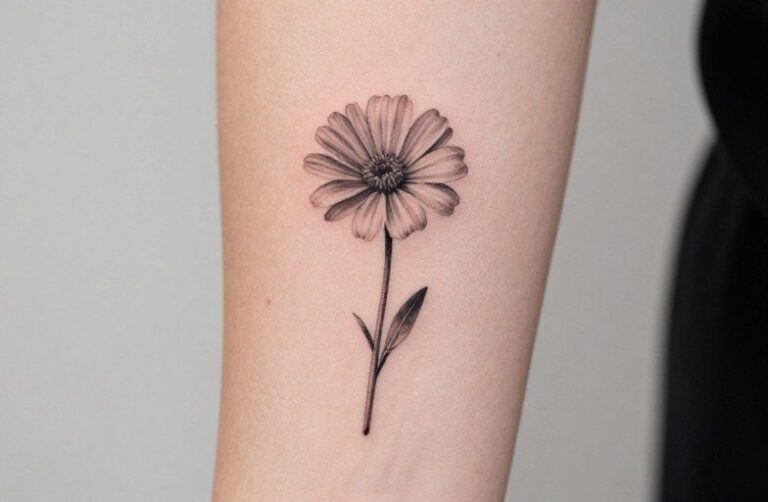
Removing color does not remove meaning. Greyscale sakura emphasize structure over sentiment, drawing attention to the asymmetry of the five-petaled form and the negative space that defines it. Some artists use heavy black contrast in branches or background elements while keeping petals light, creating a chiaroscuro effect that reads as dramatic rather than delicate. This approach suits larger pieces, full sleeves, back pieces, where the blossom integrates into a broader composition rather than standing alone as a small, singular icon.
Mythology & Folklore
The Samurai Connection
The association between cherry blossoms and the samurai class developed during the Edo period and was later amplified by 19th-century nationalist rhetoric. The idealized narrative suggests samurai appreciated the blossom’s brief, glorious life as analogous to their own expected death in service. Historical reality is more complex; the connection was cultivated and promoted rather than organically universal. Still, the symbolism persists in popular understanding and informs many tattoo choices, particularly among those drawn to bushido-derived philosophy rather than historical reenactment.
Legends of Origin
Several Japanese folk tales explain the sakura’s color. One commonly recounted version involves a deity who requested the plum tree, the peach tree, and the cherry tree each choose a season; the cherry, arriving last, received spring and wept petals of pink. Another story links the depth of color to fallen warriors, their blood said to saturate the roots. These are narrative traditions, not historical records, and their presence in tattoo culture tends toward atmospheric resonance rather than literal belief.
Similar & Related Symbols
The plum blossom (ume) blooms earlier, in colder weather, and carries connotations of perseverance and quiet endurance rather than transient beauty. Clients sometimes confuse the two or request combination pieces; the five-petaled structure is similar, though plum blossoms typically show more rounded petals and prominent stamens.
The chrysanthemum (kiku), by contrast, represents longevity and the imperial house. Where sakura speaks to what passes, chrysanthemum insists on what endures. Pairing them in a single tattoo creates deliberate tension, memento mori alongside memento vivere.
Peonies (botan) appear frequently in Japanese tattoo tradition as symbols of wealth and masculine beauty, often paired with lions or dragons. They share the sakura’s floral category but occupy a different symbolic register: opulence rather than austerity, permanence rather than ephemerality.
What to Remember
The sakura tattoo rewards intentionality and punishes casual appropriation. The symbol carries genuine cultural weight; wearing it without awareness of that weight can read as aesthetic tourism. Research matters, not to pass some authenticity test, but because the tattoo’s power deepens with understanding.
Technically, prioritize longevity over trend. The delicate, barely-there blossom that photographs beautifully fresh will not photograph at all in fifteen years. Discuss aging explicitly with your artist. Ask to see healed work, not just fresh tattoos.
Placement should serve the symbol’s meaning, not merely your pain tolerance. Visible daily, the sakura becomes a repeated meditation on impermanence. Hidden, it becomes a private anchor. Neither choice is superior; both should be deliberate.
Finally, the blossom’s meaning is not fixed but layered. Mortality and renewal are not opposites here, they are the same observation from different angles. The tattoo does not resolve this tension; it holds it, permanently, in skin.
Frequently Asked Questions
Does a sakura tattoo need to be Japanese-style to be respectful?
No. The symbol’s meaning transcends any single artistic tradition, though understanding its origins enriches the choice. Avoid combining it with unrelated cultural motifs purely for visual effect.
How small can a sakura tattoo be before detail is lost?
Below two inches, individual petals merge and the five-petaled structure becomes unrecognizable. For single blossoms, aim for at least three inches in diameter, or cluster smaller blossoms where collective shape matters more than individual detail.
Why do some sakura tattoos look brown after healing?
Pink pigments often contain white bases that yellow slightly during healing, especially if the artist overworked the skin. Deeper magentas and true reds resist this shift better than pastel pinks.
Can sakura be combined with non-Japanese elements meaningfully?
Yes, when the combination reflects genuine personal connection rather than visual collage. A sakura with native wildflowers from one’s own region, for instance, can speak to diaspora or hybrid identity without appropriating either tradition.