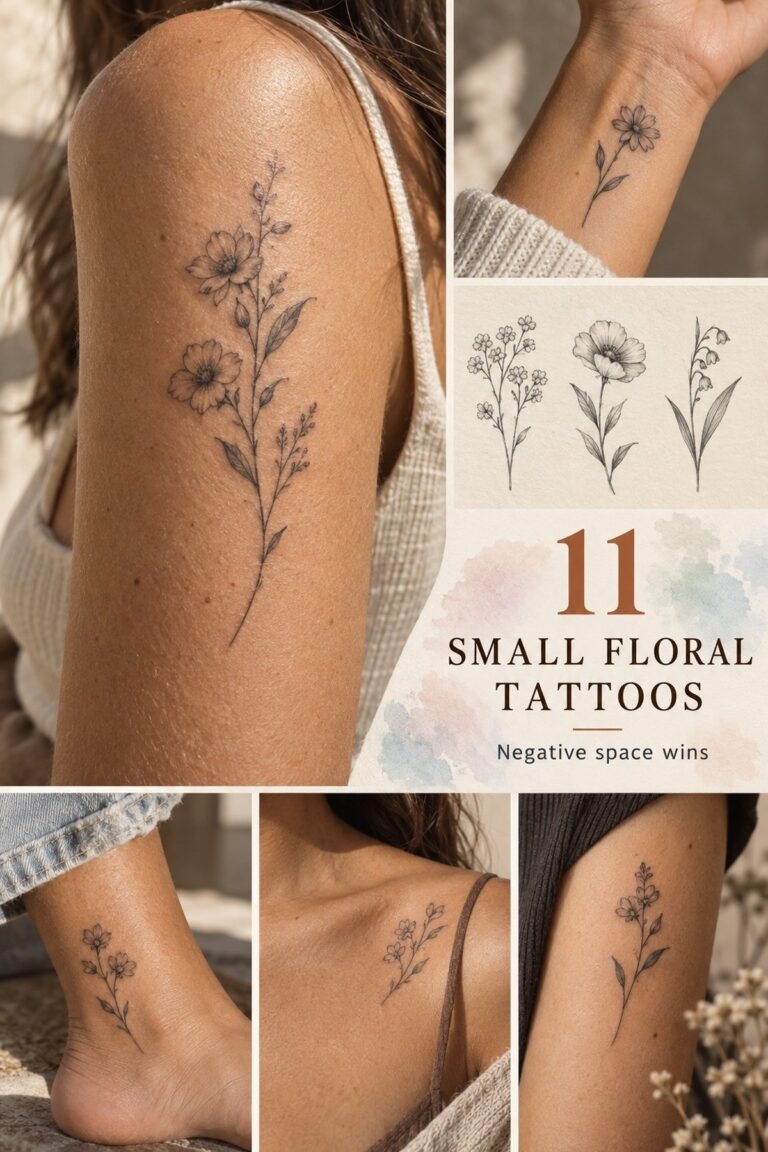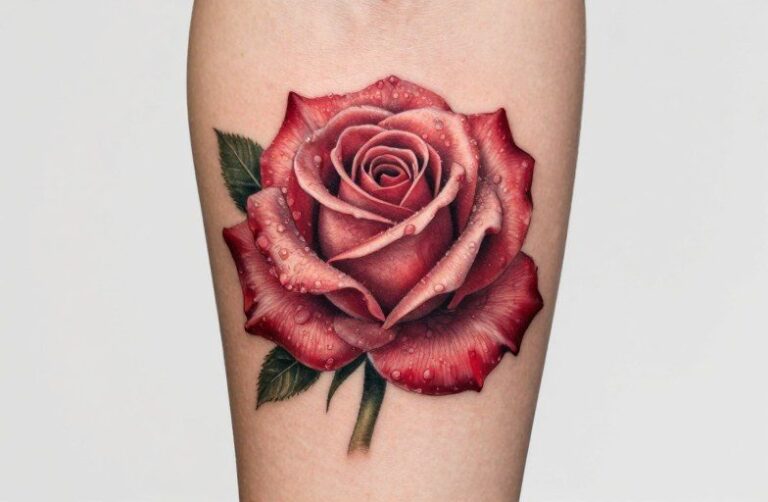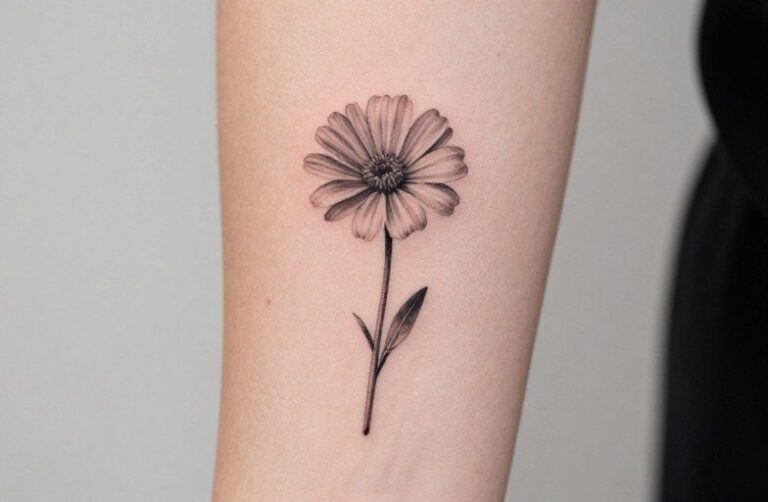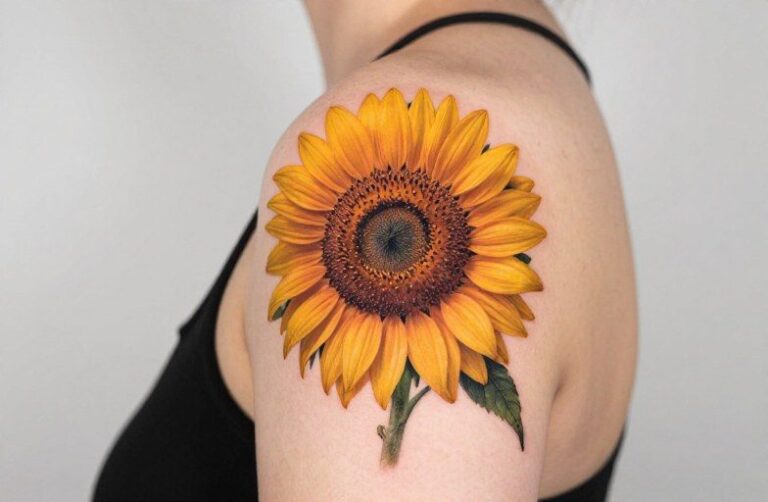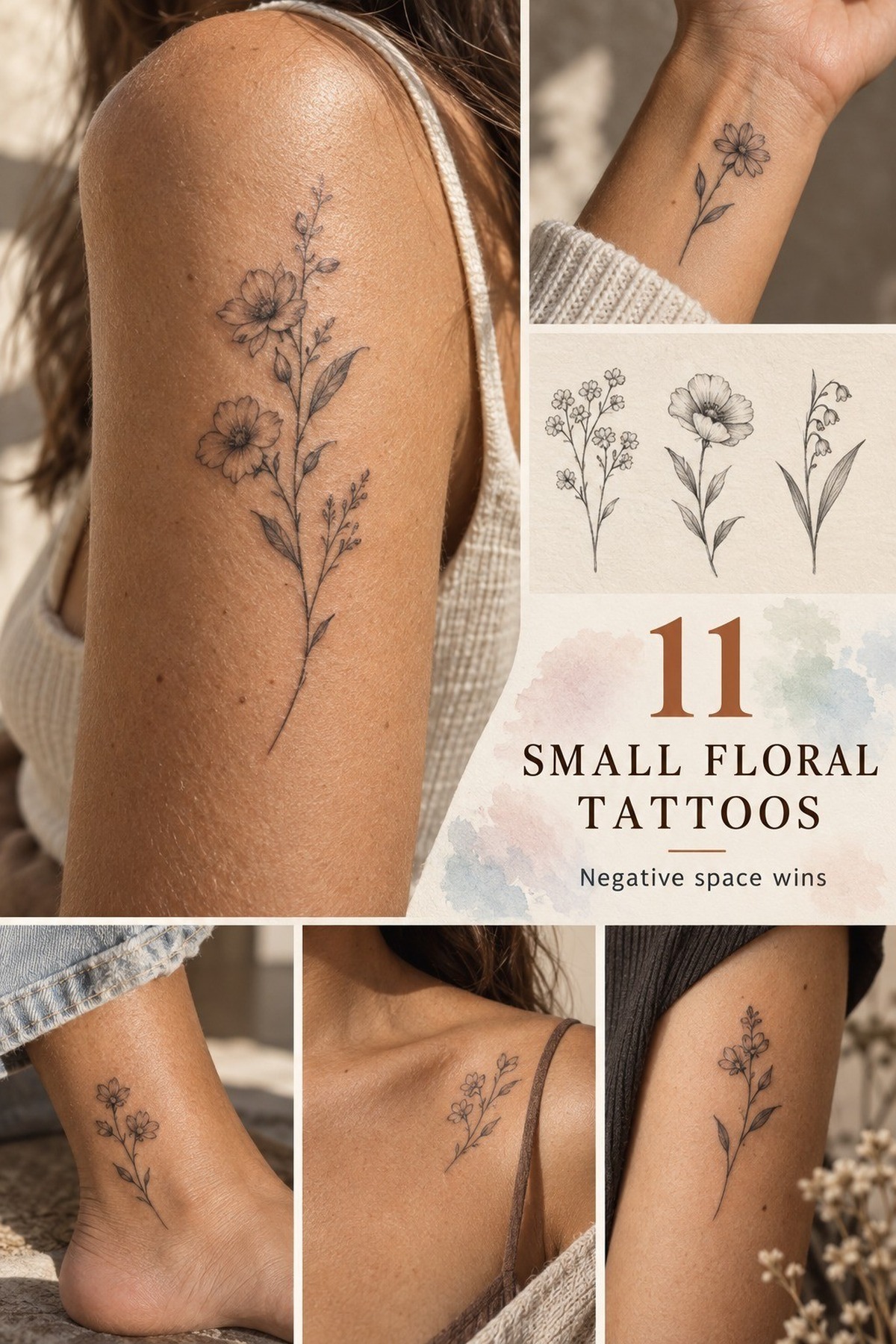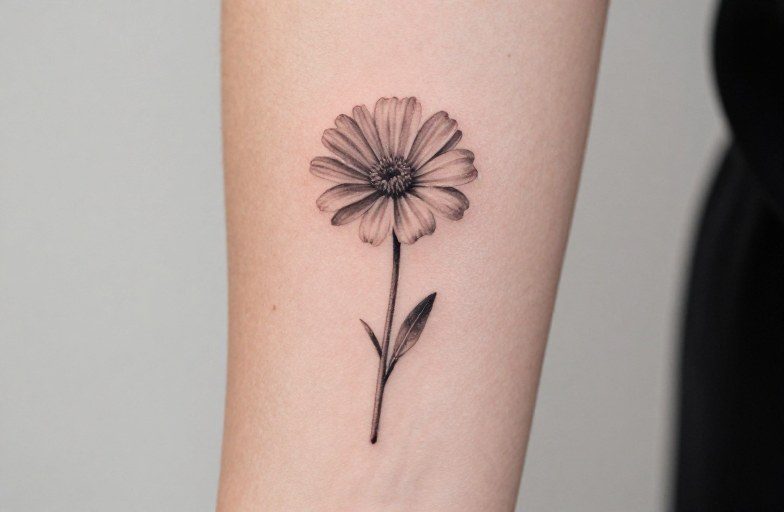
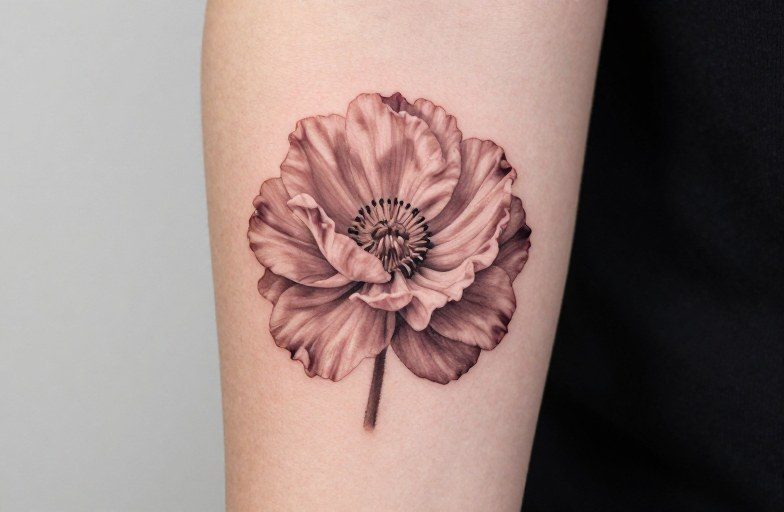
The May birth month flower is lily of the valley, a tiny bell-shaped bloom that carries weight far beyond its size. Its meaning ties to humility, sweetness, and the return of happiness, sentiments rooted in European folklore rather than invented tattoo marketing. For anyone born in May, or drawn to what this flower represents, the tattoo works as a quiet marker of personal significance without needing to announce itself.
Where the Symbolism Comes From
Lily of the valley’s symbolism developed through practical observation and cultural accumulation, not overnight branding. The flower grows low to the ground, hidden beneath broad leaves, which naturally suggested humility. Its intense fragrance from such small blossoms reinforced the idea that power need not announce itself. In Victorian floriography, the language of flowers, it communicated “you’ve made my life complete,” a phrase that translates awkwardly to modern ears but signals deep emotional connection.
Religious and Folklore Threads
Christian tradition often links lily of the valley to the Virgin Mary’s tears, though this connection surfaced in medieval art rather than scripture. Some modern pagan revival sources trace it to a goddess Ostara’s footsteps, with flowers springing up where she walked, but this narrative draws on sparse historical attestation and should be treated as contemporary interpretation rather than ancient tradition. These origins remain contested and layered; no single source owns the meaning. What persists across versions is the association with spring’s return, renewal after darkness, and modest beauty that rewards close attention.
Related reading: may birth month flower tattoo | may august birth flower tattoo | may october birth flower tattoo | may july birth flower tattoo
The “Return of Happiness” Thread
The most durable symbolic strand for tattoo purposes centers on happiness coming back after absence. This is not naive optimism. Lily of the valley blooms in shade, often in difficult soil conditions, suggesting earned rather than given joy. For memorial tattoos, this resonance proves especially sharp: the flower marks not denial of loss but belief in eventual restoration.
Where to Place It
Scale and detail requirements shape where lily of the valley tattoos work. The flower’s defining characteristic is its smallness, multiple tiny bells on a slender stem, which creates specific constraints.
- Along the collarbone: the natural curve follows the stem’s arc; bells can cluster near the shoulder or drift toward the sternum
- Behind the ear: accommodates a single stem with 3-5 bells, visible only when hair is up
- Inner forearm or wrist: vertical stem orientation suits the arm’s length; allows for wrapping or straight descent
- Ribcage or hip: larger compositions possible, multiple stems with leaves, room for additional elements
- Ankle or foot: traditional placement for floral designs, though ink longevity suffers here due to friction and sun exposure
Finger placement remains possible but problematic. The flower’s fine bells require detail that blurs within months on high-use skin. Hand tattoos also age faster from constant washing and movement.
Scale Considerations
Minimum viable size for recognizable lily of the valley bells sits around 8-10mm tall. Below this, bells become indistinct dots. Leaves need more width than height to read correctly, typically 15mm minimum. These constraints eliminate some micro-tattoo trends unless the design abstracts significantly.
Design Tips and Pairings
Composition options range from botanical accuracy to stylized interpretation. Each approach carries different demands.
- Single stem with 5-7 bells: classic, readable at small scale, emphasizes the flower’s modest nature
- Multiple stems in a small bunch: allows leaf variety, creates fuller composition, suits larger placements
- Wrapped around another element: common pairings include lockets, handwriting, or geometric frames
- With May’s birthstone (emerald): color coordination works naturally; green ink for leaves plus emerald accent stones or green geometric shapes
- Integrated with other birth flowers: for siblings, children, or parents, stems can intertwine or sequence chronologically
Line weight matters significantly. The stem requires consistent thinness; too heavy and the flower loses its characteristic delicacy. Bells need subtle shading to suggest their bell shape without becoming cartoonish. Leaves carry the most visual weight and can anchor an otherwise sparse design.
Common Companion Elements
Beyond birthstone references, people often add dates in minimal script, small insects (bees particularly suit the garden context), or dewdrops. Each addition risks cluttering the composition. The flower’s strength is its simplicity; overbuilding around it usually weakens rather than strengthens the result.
Color Versus Black and Grey
Lily of the valley presents a specific color challenge: the real flower is white, which tattoo ink cannot replicate. White ink alone appears translucent and yellows unpredictably. Artists solve this through workarounds that carry different visual results.
Color Approaches
Most color renditions use pale blue or lavender shading within the bells to suggest dimension against skin tone, with bright green leaves for contrast. Some artists add subtle pink at the bell’s base, referencing the flower’s natural bud color. The leaves provide the main color impact, vivid green that holds better than pale tints. Expect color refreshment every 3-5 years for the pale elements; green lasts longer.
Black and Grey Solutions
Without color, the design relies on negative space for the bells themselves, skin tone reads as white against shaded leaves and stem. This demands precise execution; sloppy grey wash fills the “white” space and destroys the flower’s identity. Strong black and grey work here emphasizes the graphic quality, almost illustrative rather than botanical. Healing tends to show cleaner results since there is no pale color to lose or muddy.
What It Means for Different Wearers
Contemporary wearers layer personal significance onto traditional symbolism without displacing it. The tattoo’s meaning works on several levels at once.
For May birthdays, it functions as identity marker, less common than zodiac imagery, more specific than generic floral. Parents choose it for children born in May, sometimes paired with the child’s name or birth date. The “return of happiness” meaning attracts people recovering from depression, grief, or major illness; the flower’s small-scale resilience mirrors their experience without requiring explicit narrative.
Some wearers connect to family heritage. Lily of the valley grows across Northern Europe and features prominently in French May Day traditions, where it is given as a token of luck. English woodland folklore also surrounds it. These cultural touchstones matter even when the wearer does not actively practice the originating tradition.
Beyond straightforward May birthdays, several patterns emerge. People with spring anniversaries, weddings, sobriety dates, or survival milestones select it for seasonal alignment. Gardeners and botanists choose it for species accuracy over generic “flower tattoo.” Those seeking alternatives to more common birth flowers (roses for June, marigolds for October) find its relative rarity appealing. The tattoo also attracts people who specifically reject larger, showier designs. Its natural scale suits those wanting meaningful but understated work. This is about matching personal temperament to visual volume, not about hiding the tattoo.
Gender and the Design
Historically marketed as feminine, lily of the valley’s symbolism, humility and quiet strength, applies universally. Modern execution varies the presentation rather than the flower itself: heavier blackwork framing, integration with non-floral elements, or placement in conventionally masculine locations. The flower does not change; the context around it does.
Age and Timing Patterns
First tattoos at significant birthdays (18, 21, 30, 50) frequently use birth month flowers as accessible entry points. The design’s modest size reduces commitment anxiety. Conversely, experienced collectors sometimes add it as a small piece within larger floral or family-themed work, completing a set rather than standing alone.
Before You Decide
Research your artist’s botanical work specifically. Lily of the valley’s recognizability depends on accurate bell proportions and leaf veining; generic flower tattoo experience does not guarantee this. Ask to see healed photos. Pale colors and fine lines show true skill only after settling.
Consider timing. Fresh lily of the valley tattoos photograph beautifully in spring when the actual flower blooms, but scheduling around your own skin’s readiness matters more than seasonal symbolism. Avoid booking during heavy travel periods, since aftercare consistency affects fine-line healing significantly.
Think about longevity from the start. The pale bell tones that make this tattoo distinctive are also what fade fastest. Budget for future touch-ups, especially if you choose color over black and grey. Discuss with your artist which green formulations they use for leaves; some yellow faster than others, and this affects the design’s readability for years to come.
Finally, sit with the design before committing. Lily of the valley’s appeal is partly its restraint. A smaller, simpler version often ages better than an elaborate composition that tries to compensate for the flower’s natural modesty. Trust the flower to carry its own weight.
Frequently Asked Questions
What does lily of the valley mean as a tattoo?
It primarily symbolizes humility, sweetness, and the return of happiness. For May birthdays, it serves as a personal identity marker. Many also choose it for memorial purposes, representing belief in restoration after loss, or to mark recovery from illness or difficult periods.
Why is white ink a problem for lily of the valley tattoos?
Real lily of the valley flowers are white, but white tattoo ink appears translucent and yellows unpredictably over time. Artists typically use pale blue or lavender shading within the bells, or rely on negative space in black and grey designs, letting your skin tone read as white against darker leaves and stems.
How small can a lily of the valley tattoo be?
The bells need to be at least 8-10mm tall to remain recognizable. Below that size, they become indistinct dots. Leaves need about 15mm width to read correctly. These constraints rule out most micro-tattoo approaches unless the design abstracts significantly.
Does lily of the valley work for men?
Yes. The symbolism, humility and quiet strength, applies universally. The flower itself does not change; modern execution varies through heavier blackwork framing, integration with non-floral elements, or placement in conventionally masculine locations.
How long do the colors last?
The vivid green leaves typically hold well for years. The pale bell tones, blues, lavenders, or pinks, fade faster and usually need refreshment every 3-5 years. Black and grey versions tend to age more predictably with less maintenance.