A delicate lotus flower tattoo can stay private, readable, and meaningful for years when placement and line weight work together. I learned that after choosing a design too small for its detail. Now I look at skin movement, sun exposure, and healing before I fall for a pretty sketch. These ideas keep the feeling, with fewer regrets.
- ✓ Start Small With the Wrist Lotus: The Quiet Stem Method
- ✓ Fine Line Lotus Behind the Ear: The Hidden Stem Placement
- ✓ Watercolor Delicate Lotus Rib Tattoo: The Soft Wash Rule
- Start Small With the Wrist Lotus: The Quiet Stem Method
- Fine Line Lotus Behind the Ear: The Hidden Stem Placement
- Watercolor Delicate Lotus Rib Tattoo: The Soft Wash Rule
- Choose the Minimal Ankle Lotus: The Open Petal Balance
- Ornate Lotus With Dotwork Shading: The Dotwork Halo Rule
- Unique Lotus Spine Tattoo Design: The Vertical Flow Formula
- Symbolic Lotus With Crescent Moon: What Should Your Symbol Carry?
- Delicate Lotus Finger Tattoo Ideas: The Wear-Aware Petal
- Botanical Lotus Forearm Linework: The Flowing Forearm Formula
- Bold Blackwork Lotus Shoulder Tattoo: Blackwork Over Fine-Line Detail
- Dainty Lotus Collarbone Tattoo Placement: The Gentle Collarbone Line
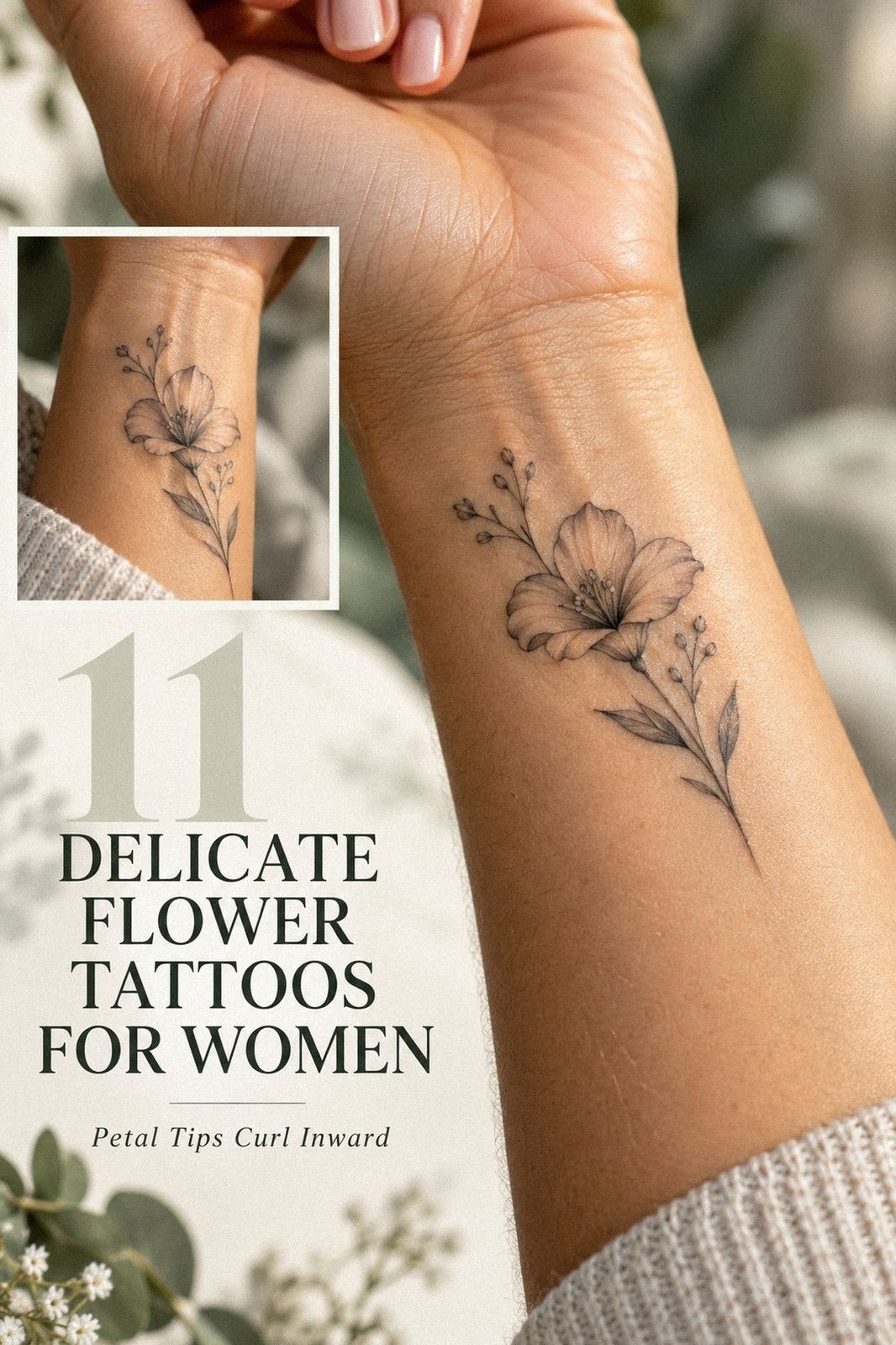
1Start Small With the Wrist Lotus: The Quiet Stem Method

The wrist suits a small lotus because you can see it without making it the first thing everyone notices. I’d keep the flower around one to two inches, with a slim stem and three or four open petals. Single-needle linework gives the design a crisp, understated look, but your artist still needs enough spacing between the petals to protect the shape as it heals.
For your version, ask for the lotus to sit slightly above the wrist crease rather than directly across it. Constant bending and rubbing can make a tiny design look less sharp over time. A fine-line needle can create graceful curves, while a small area of negative space keeps the center from becoming a dark knot.
I’ve seen people choose an ornate flower here because the sketch looks impressive on paper. I’d skip that move. Your wrist needs a design that can breathe when your hand turns, so a dark olive outline with a muted terracotta accent will age more clearly than crowded detail.
And your aftercare matters more than the original sketch. Wash gently, moisturize as directed, and keep the fresh tattoo away from direct sun and soaking water.
If you’re comparing tiny versions, save these small lotus flower tattoo ideas before you book. You can also compare the proportions with these tiny flower tattoo examples.
That restraint matters! A smaller design can still feel meaningful when every line has a reason. Before you commit, ask whether the tattoo budget feels worth it for a version you’ll actually enjoy seeing every day.
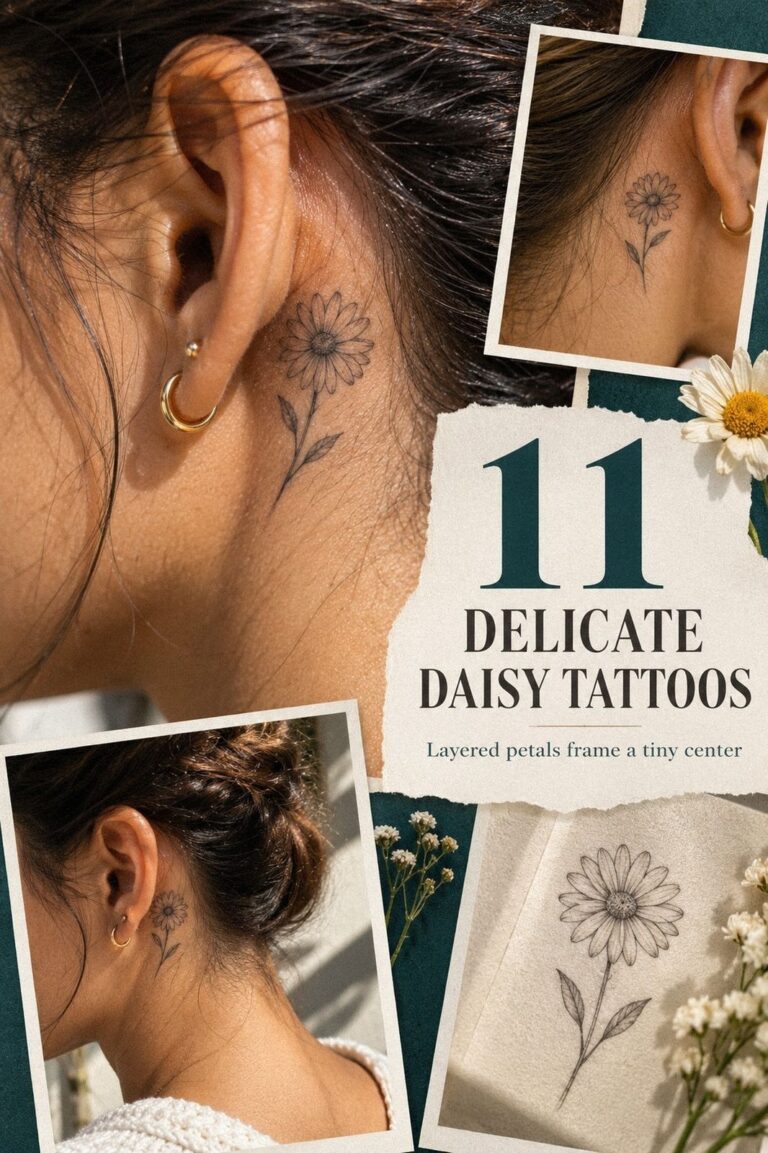
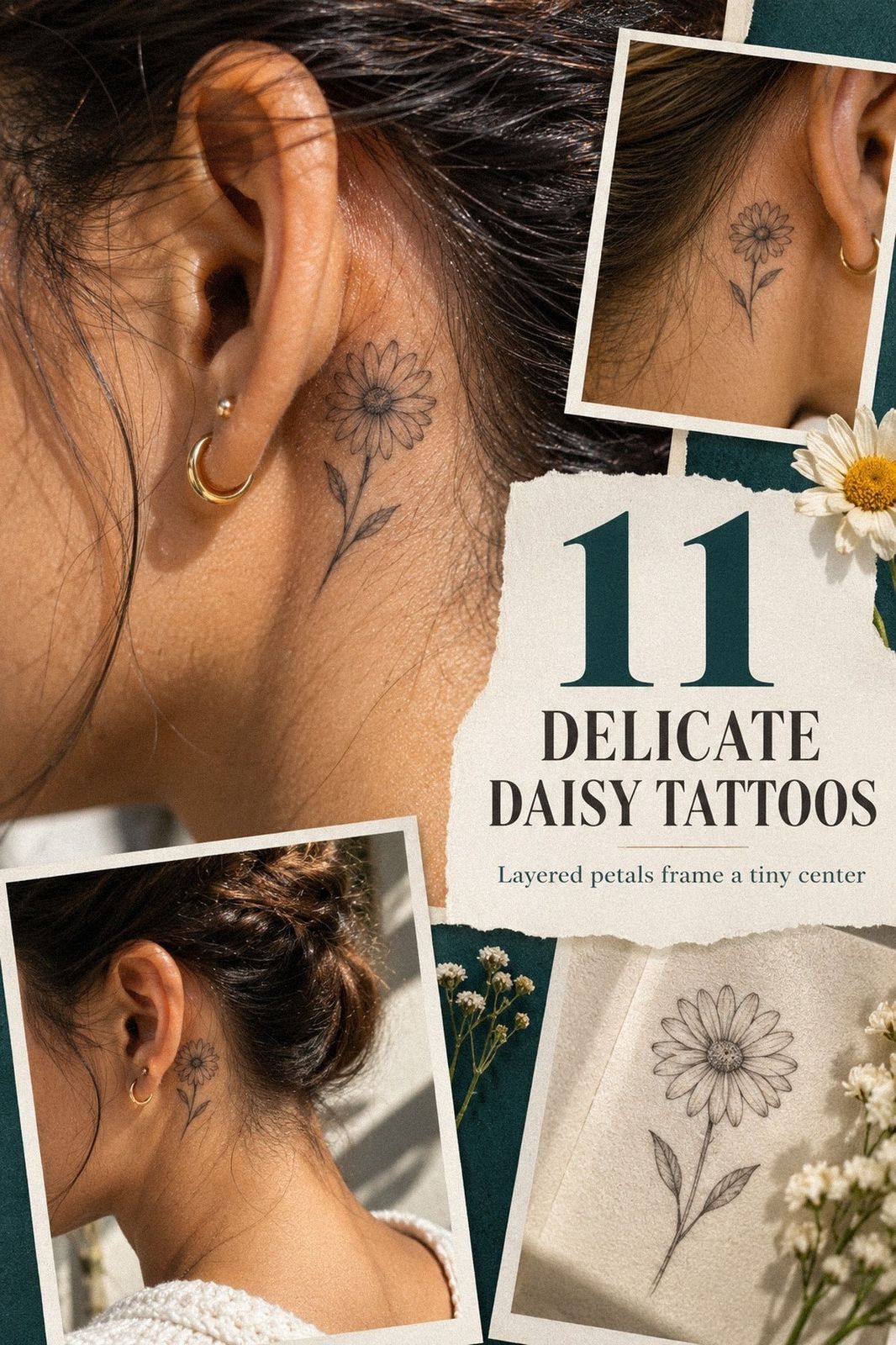
2Fine Line Lotus Behind the Ear: The Hidden Stem Placement

Behind the ear is a graceful choice when you want a meaningful tattoo that can disappear beneath your hair. Keep the design slim, with a short stem and enough open skin between the petals to preserve its shape. The behind-the-ear placement works best when the lotus remains simple rather than crowded.
3Watercolor Delicate Lotus Rib Tattoo: The Soft Wash Rule

A watercolor lotus on the ribs can feel personal because the placement stays covered most of the time. It suits someone who wants an expressive design that appears only when they choose to show it. I’d keep the flower larger than a wrist version so a plum watercolor wash has space to settle without swallowing the petals.
The main decision is whether you want painted color or a restrained tint. Watercolor tattoo pigment can create a romantic wash, especially with muted grey shading and a small rose-gold accent, but soft color usually needs more protection from sunlight than black linework. Ask your artist how the chosen hues behave on your skin and whether a darker structure should anchor the flower.
Rib skin moves with every breath, and that can make a long appointment feel more demanding. I’d bring a clear budget, ask whether the quoted cost includes the full design, and leave room for a touch-up if your artist recommends one. That makes the final value easier to judge before the rib appointment begins.
A lotus here can be symbolic without becoming obvious. You might use a single open bloom for renewal, a fading plum wash for grief, or one sharper petal to mark survival. The result can be ethereal, but it still needs a readable outline beneath the color.
Let the lotus symbolism guide the choices.
Wear loose clothing after the appointment and follow the studio’s healing instructions carefully. Don’t soak the area, scratch it, or expose it to direct sun while the surface is recovering.
If you’re deciding between black and color, compare purple lotus flower tattoo symbolism first. Your healing instructions should come from your artist, not a random shortcut.
4Choose the Minimal Ankle Lotus: The Open Petal Balance

An ankle lotus can look sleek when the stem follows the natural vertical line of the leg. The deep navy outline in this idea pairs well with two side leaves and petals that remain open at the center.
Your artist should place the stencil while you’re standing, since the ankle shape changes when your foot is relaxed. A small navy botanical outline keeps the result readable.
Choose botanical linework with a clean stem rather than a heavy ornamental frame. The ankle doesn’t need extra decoration to feel personal. A small open-petal lotus will look dainty from a distance and more intricate when you look closely.
I’d skip placing the flower directly over the ankle bone if you’re worried about discomfort. A position slightly above or behind the bone can be easier for you to tolerate, though your artist will know how your anatomy affects the final layout.
The skin there also meets socks and shoes, so friction deserves attention during healing. Protect the ankle bone carefully.
For your aftercare, use loose clothing and follow the studio’s instructions about washing and moisturizing. Surface healing often takes around two to three weeks, while complete healing can take around two to three months.
If you want an even smaller direction, compare these tiny lotus flower tattoo examples before you request a quote. Track the surface healing rather than rushing it.
An ankle tattoo can be a smart budget choice when you want a compact design, but a low price shouldn’t force rushed spacing. The best value comes from a flower that remains legible after the initial crispness fades.
Keep that in mind! It’s a small placement with a surprisingly timeless mood.
Ask for the tattoo quote in writing.

5Ornate Lotus With Dotwork Shading: The Dotwork Halo Rule

This idea gives you a more ornate lotus without losing its botanical center. Keep the outer petals open, then use dots around the lower bloom and leaves to build a controlled halo.
The composition can feel intricate without turning into a dense field of marks. Begin with a clear dotwork halo.
I’d keep the deepest emerald dotwork under the lower petals and around the stem, then use a restrained gold-toned accent near the upper edges. That contrast makes the flower feel bold and expressive without filling every gap. A stippling gradient can create shadow slowly, while the emerald dotwork anchors the design where it needs weight.
The mistake would be copying every tiny mark from a drawing. Paper doesn’t move, stretch, or collect sun exposure.
Your skin does. Ask your artist which design details need widening so they’ll remain recognizable after the surface settles.
You can still make the piece personal with one small change: a longer stem, a missing petal, or a circle of dots that represents a specific turning point. I’d choose that over adding random symbols. Let the personal symbol carry the meaning.
For a more symbolic direction, read about lotus tattoos connected with strength.
More detail usually means more time, and more time affects the final cost. Ask for a breakdown before you book so you know whether the design is worth it to you. A stippled shading pattern can feel powerful without requiring every area to be filled.
6Unique Lotus Spine Tattoo Design: The Vertical Flow Formula

A spine lotus is striking because the flower seems to grow with your body instead of sitting across it. The design works best with layered petals, two leaves, and generous skin visible around each mark.
Your artist should place the stencil while you’re standing straight. Keep the vertical lotus stem confident and uninterrupted.
The forest-green linework needs one confident line from top to bottom. If it wobbles or stops too often, the design can feel disconnected. I’d ask for a forest-green stem with restrained rust accents, slightly stronger outer petals, and open skin breaks inside the flower so the shape stays crisp.
This placement can be powerful, but it’s not where I’d start if you’re nervous about your first tattoo. The spine is close to bone, and lying still for a longer session may challenge you. If you’re committed, discuss the size in inches before the appointment so the flower won’t be forced into a narrow strip.
Respect the demands of the spine placement.
You’ll also want to think about visibility. A longer shirt can cover it, while swimwear may reveal it, so the placement gives you control.
I’d rather see a simple, expressive lotus here than a crowded design with details your artist can’t safely preserve. Consider the shirt length you wear most often.
A larger vertical piece may cost more than a wrist or ankle design, but the extra space can improve the value of the final result. The minimalist lotus flower tattoo guide can help you reduce visual weight before you request a quote.
This approach feels fierce without becoming noisy. Keep the minimalist lotus design intentional.
7Symbolic Lotus With Crescent Moon: What Should Your Symbol Carry?

A charcoal crescent moon gives this lotus a sacred, meaningful direction without overpowering the dusty-rose flower. Keep the moon slightly smaller than the bloom, and use a muted brass-gold detail only if your artist believes the pigment will suit your skin. The dusty-rose lotus should remain the first thing you read.
8Delicate Lotus Finger Tattoo Ideas: The Wear-Aware Petal

A finger lotus has an edgy, playful quality, but it asks for realistic expectations. The skin receives frequent washing, bending, sunlight, and friction, so the design may soften sooner than one on the forearm or calf. Treat the finger skin as a demanding placement.
I’d choose minimal black linework with one open bloom rather than a dense arrangement of petals. A tiny design needs breathing room, especially around the knuckle. Your artist may recommend a slightly larger shape than you first imagined so the center doesn’t disappear.
Finger tattoos can be more uncomfortable than their size suggests. The appointment may be short, but the placement still deserves careful aftercare.
Keep the area clean, avoid unnecessary rubbing, and follow the instructions you’re given. Good finger aftercare matters immediately.
This is where honesty matters. If you want a permanent design that looks identical for decades, a finger may not offer the best value. If you’re comfortable with possible softening or a future refresh, it can be a daring and personal choice.
Plan for a possible touch-up.
Before booking, ask whether the studio charges a minimum and whether touch-ups cost extra. That makes the true budget clearer.
You can compare the scale with these small lotus flower tattoo ideas and these lotus meaning references. Fingers are demanding!
Confirm the studio minimum first.
9Botanical Lotus Forearm Linework: The Flowing Forearm Formula
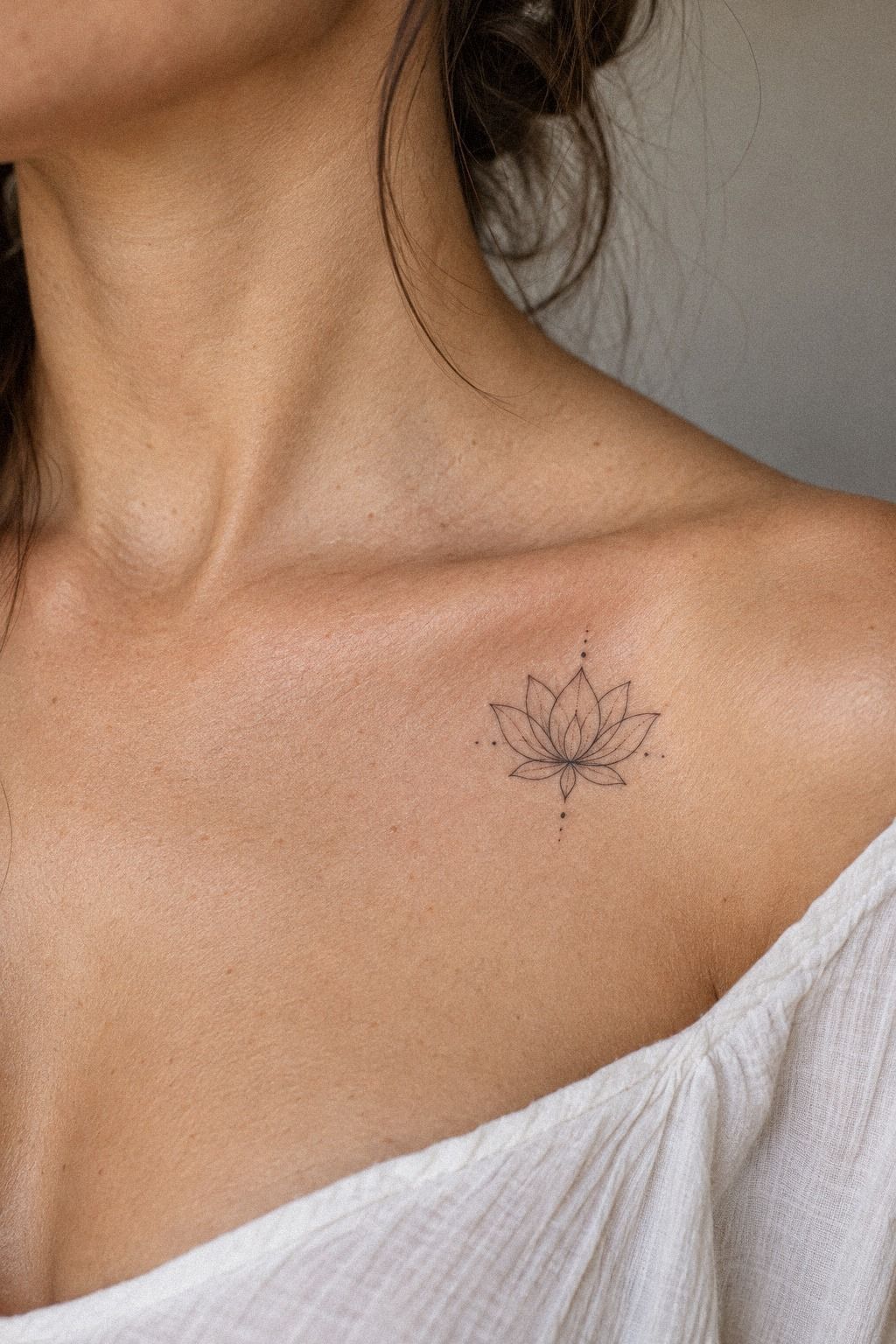
The forearm gives a botanical lotus enough length to look intentional without becoming loud. Use one stem, layered petals, and two leaves in a vertical arrangement. Your artist can angle the flower toward your wrist or elbow, depending on whether you want the tattoo facing you or the people looking at it.
Start with a clear botanical arrangement.
I’d choose midnight-blue linework with a slightly heavier outer contour and a small copper detail near the stem. That keeps the design delicate but gives it a crisp edge from several feet away. A little leaf veining can add an intricate touch, while unfilled petals keep the center bright and readable.
The forearm is one of the more tolerable placements for many people, and it gives you a practical healing advantage because you can watch the area. Still, your sleeve, desk edge, and sunlight can all affect comfort. If you type or lift often, you’ll want to plan the appointment around a quieter day.
Make forearm healing part of the decision.
My preference here is a longer stem over a larger bloom. The vertical flow looks more graceful, and it gives your lotus a sense of movement. For a related meaning, explore purple lotus flower tattoo symbolism before choosing whether the design stays blue or gains a copper accent.
Plan the appointment timing realistically.
A forearm tattoo can be worth it when you want easy visibility and enough space for clean spacing. It may cost more than a tiny wrist piece, but the added size can protect the design’s readability.
I’d call that a personal decision rather than a trend choice. Think about forearm visibility before booking.
10Bold Blackwork Lotus Shoulder Tattoo: Blackwork Over Fine-Line Detail

This shoulder placement gives you more space for layered petals, strong leaves, and controlled grey shading. Your artist should compare the stencil from several arm positions before increasing the size.
The flower needs to stay centered when your shoulder relaxes and when you lift your arm. Check the shoulder stencil carefully.
The charcoal blackwork lotus uses contrast as its main language. I’d keep the darkest pigment in the stem base and lower leaves, then let the upper petals open into sage-green shading with small warm-cream gaps. That approach looks fierce and polished without making every petal equally heavy.
A shoulder tattoo can age better than a very fine design in a high-friction spot, especially when you protect it from UV exposure. But I wouldn’t fill the entire flower simply because blackwork is popular.
Your skin should remain visible inside the petals, or the design may lose its breathing space. Prioritize UV exposure protection.
You’ll also want to consider how the tattoo moves with your arm. A stencil that looks centered while you’re seated may shift when you lift your shoulder. Ask your artist to check it standing, relaxed, and with your arm raised.
Test every arm position that matters to you.
If you’re choosing between softness and strength, I’d pick this version when you want the lotus to remain visible from several feet away. The cost can rise with heavier saturation, so ask whether the stronger style is truly worth it for your budget.
The result can feel iconic when the contrast is intentional. Ask about the artist’s minimum before committing.
11Dainty Lotus Collarbone Tattoo Placement: The Gentle Collarbone Line
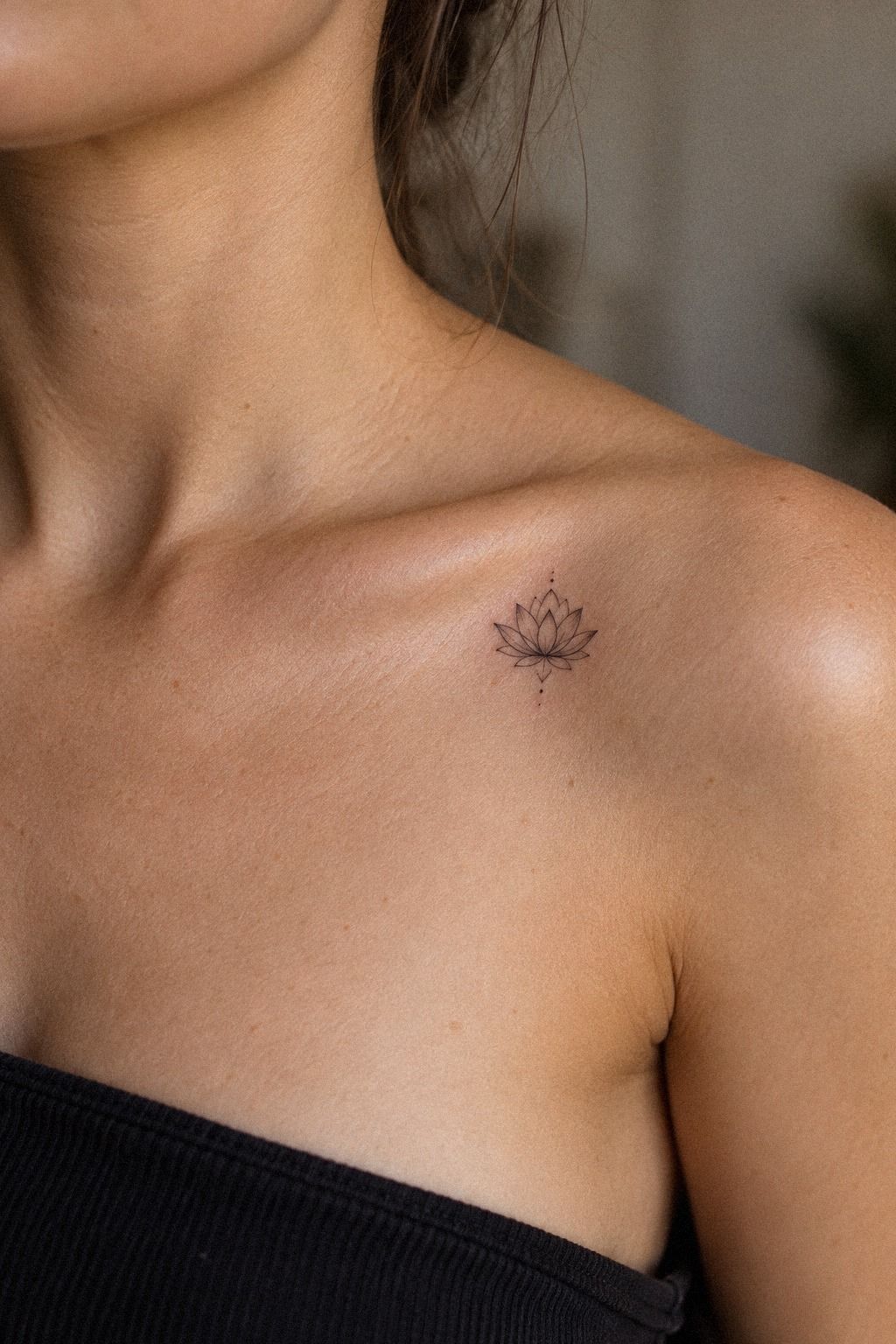
A collarbone lotus can feel personal and refined because the stem follows a natural horizontal curve while the flower points slightly upward. Keep the design balanced with the bone rather than forcing it into a perfectly straight line. Let the collarbone curve guide the stencil.
I’d use terracotta contouring with two or three open petals and a short olive stem. The collarbone already creates movement, so the tattoo doesn’t need extra symbols to feel expressive. A small leaf can guide the eye toward the shoulder without making the piece crowded.
This placement is visible in many tops, but it can also disappear beneath clothing when you want privacy. Consider how straps, seams, and sunlight will affect the area during healing. Your artist should check the stencil while you’re standing naturally, not holding your shoulders stiffly.
Watch for clothing friction.
The collarbone may be more sensitive than the outer shoulder, and the final cost depends on the artist’s minimum, detail, and color. Ask for the complete quote before booking so you can decide whether the design offers enough value. Request a complete quote before the appointment.
I’d keep this version understated, romantic, and slightly asymmetrical. If you want more symbolic direction, revisit what lotus flower tattoos represent before you settle on the final petals. A small adjustment can make the placement feel entirely yours.
Protect that custom placement.
What I’ve Learned From Choosing Delicate Linework
I used to think a delicate tattoo was mainly about finding the smallest possible design. That was my first mistake.
A tiny flower can look refined in a sketch and lose its identity on skin if the petals are too close, the stem is too thin, or the placement receives constant friction. A healed tattoo portfolio tells me what lasts.
Now I ask a less romantic but more useful question: will I still recognize the lotus after it has healed? A healed tattoo portfolio tells me more than a fresh result ever will.
I’d rather see honest softness than a freshly saturated design that hides future changes. Protect the line weight first.
I’ve also learned that “delicate” doesn’t mean weak. A well-placed black outline can be gentle and powerful at once, especially when the artist leaves intentional gaps.
Fine-line work needs restraint, but it also needs enough structure to survive normal skin movement. Respect skin movement when choosing the size.
Treat Line Weight as a Longevity Choice
My second error was choosing placement only from the design I liked most. A rib design might be meaningful, but it carries a different pain experience from a forearm or calf.
A finger tattoo might look edgy, but your hands wash, work, and see sunlight every day. Make the placement choice with your daily life in mind.
You’re not choosing a picture. You’re choosing how that picture will live with your body. Intentional negative space often protects that relationship better than adding another decorative mark.
A simple lotus can be more empowering than a crowded one when the shape stays readable. That’s the detail I’d protect first! Let the lotus shape lead every edit.
Place the Lotus Where Your Life Can Protect It
The practical details matter too. A surface usually heals in about two to three weeks, while complete healing can take around two to three months. During that period, gentle washing, approved moisturizer, limited sun, and no swimming are basic parts of protecting your investment.
Follow the healing period carefully.
I’d choose a simpler flower with honest longevity over a crowded design that looks impressive for one afternoon. Your lifestyle matters just as much as your pain tolerance.
If you work with your hands, a finger may require more patience than a forearm. Your daily routine should guide the placement.
Budget for the Design, Not Just the Appointment
The cheapest quote isn’t automatically the best deal. A skilled artist may charge more because they spend time adapting the lotus to your anatomy, simplifying fragile details, and checking healed work.
That can be better value than paying less for a design you’ll later want corrected. Ask about the consultation fee.
Ask whether the price includes the consultation, stencil changes, and any recommended touch-up. I’d rather set a realistic budget at the start than pretend a low minimum tells me the whole cost. Clarify the touch-up policy before booking.
Before You Book, Ask One Uncomfortable Question
Ask yourself whether you love the lotus itself or only the mood of the reference you saved. Trends change. Your connection to the symbol needs to survive that change.
Bring one saved reference that explains what you want.
If the answer is yes, bring your artist a few references and explain what must remain: the open center, the long stem, the moon, or the amount of black. A custom stencil should translate your intention, not copy someone else’s exact tattoo.
The Questions Worth Answering First
How much does a delicate lotus flower tattoo usually cost?
A delicate lotus flower tattoo in the US often costs about $100 to $300, depending on size, placement, artist, and region. Some shops have a minimum of roughly $50 to $100, while hourly rates commonly sit around $100 to $250. I’d ask for a full quote before deciding whether the design is worth it.
Are delicate lotus flower tattoos a good idea for a first tattoo?
Yes, especially on a forearm, outer shoulder, calf, or thigh. Those placements are often more tolerable than ribs, feet, hands, or sternum areas. I’d choose a design with clear line spacing and a meaning you’ll still care about after the novelty fades.
How do I choose a tattoo artist for delicate lotus flower tattoos?
Look for clean linework, healed photographs, and a portfolio that includes the placement you want. Ask about hygiene, needle choices, and how the artist adjusts detail for your skin.
I’d choose someone who can explain what they’d simplify and why, even if their quote is higher. Review the artist’s healed photographs closely.
How much do delicate lotus flower tattoos hurt?
Pain varies, but ribs, feet, hands, and sternum areas are commonly more sensitive. Forearms, thighs, and shoulders are often easier for many people.
I’d plan around your own tolerance rather than assuming a small tattoo will be painless. Your pain tolerance is the useful reference.
How long does a delicate lotus flower tattoo take to heal?
The surface commonly heals in about two to three weeks, while complete healing can take around two to three months. Wash gently, moisturize as instructed, avoid direct sun, and skip swimming until your artist says the skin is ready. Aftercare instructions matter more than internet shortcuts.
What’s the best placement for a delicate lotus flower tattoo?
The forearm and outer shoulder are strong choices if you want easier viewing, practical healing, and better protection from friction. The wrist, finger, and collarbone feel more visible and personal, but those areas may need more attention as lines soften. I’d choose based on your daily routine, not just appearance.
Consider your daily routine honestly.
Where can I buy a delicate lotus flower tattoo design?
You don’t need to buy a ready-made design. Bring your favorite references to a reputable tattoo artist and ask for an original sketch adapted to your anatomy. I don’t use affiliate links here, and I’d avoid copying another person’s exact tattoo.
A custom design usually offers better personal value.
Where I’d Start First
If I had to pick one, I’d start with the botanical forearm lotus. It gives your artist enough space for clean petals, it’s easier to protect during healing, and you can see the design without twisting around. The botanical forearm lotus is the most balanced starting point for me.
Pin the minimalist lotus guide for later and take your time choosing the stem. For a second comparison, review these small lotus flower ideas before you book. The right design doesn’t need to shout.
It needs to remain recognizably yours.