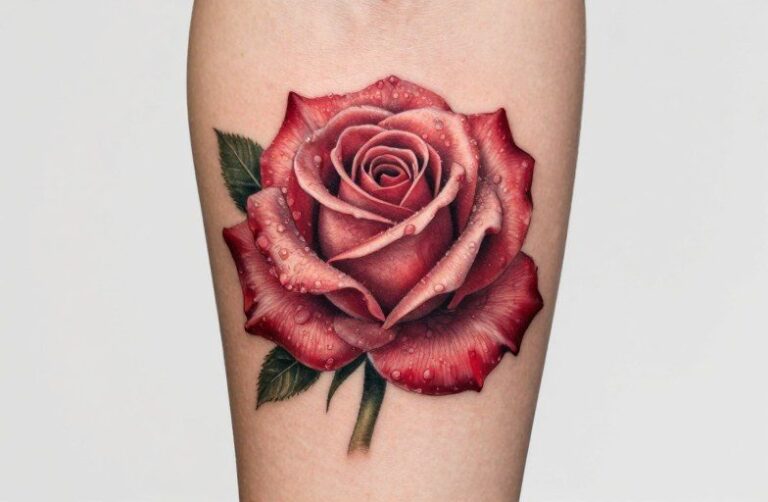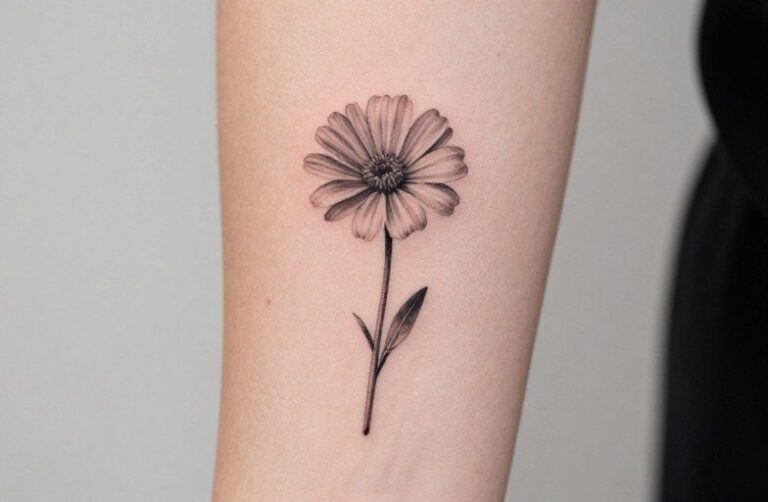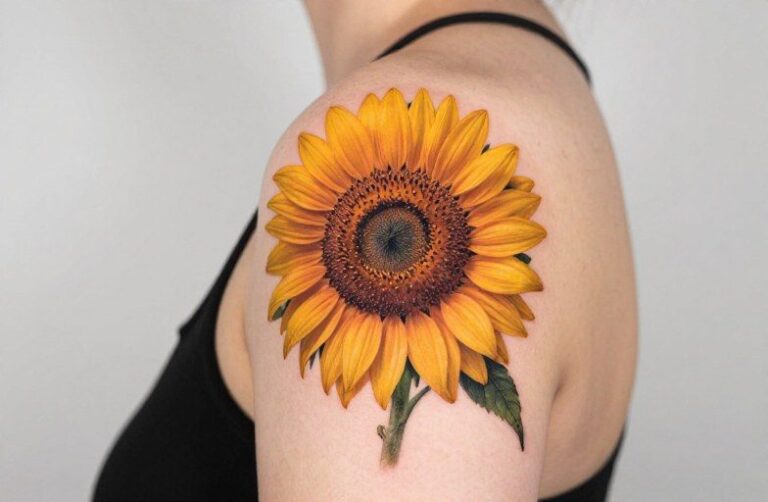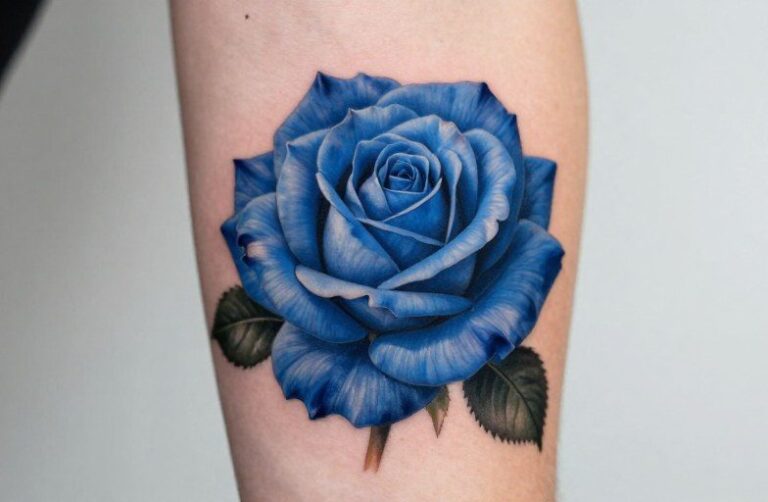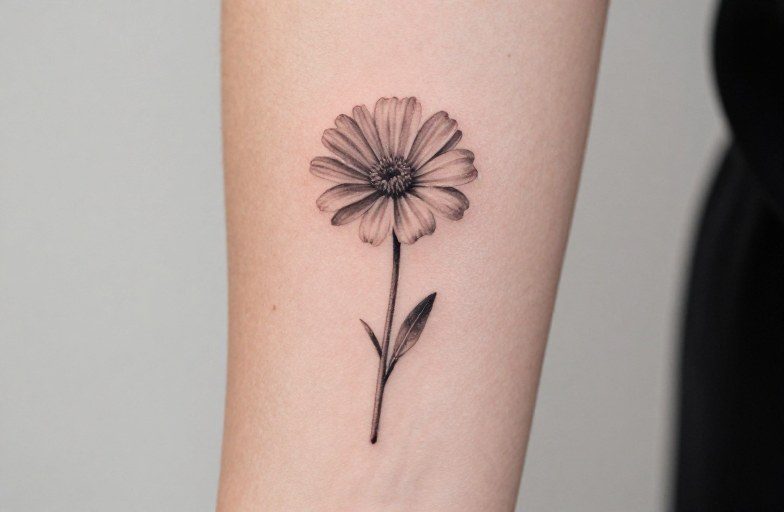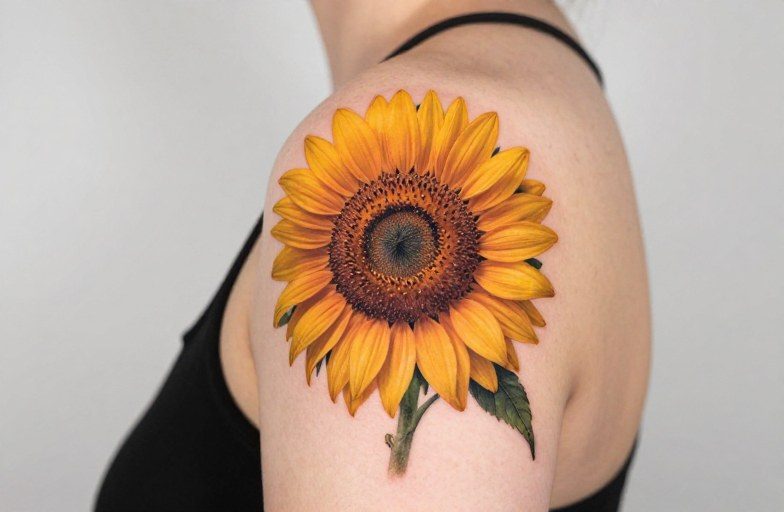
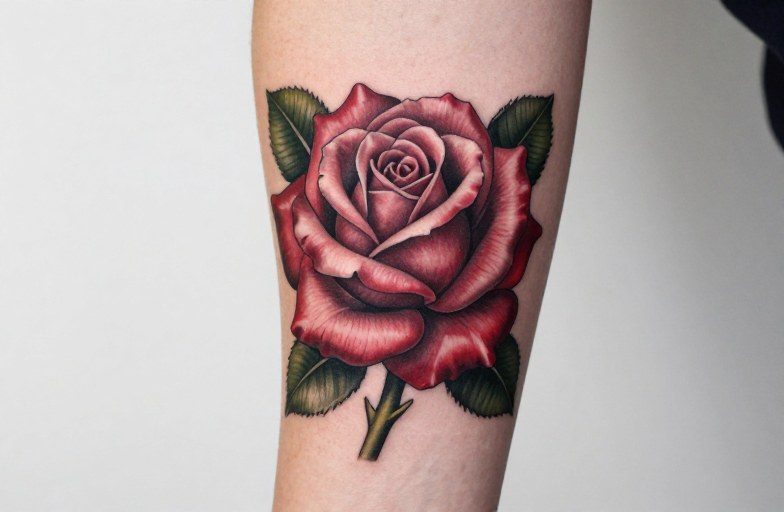
A rose paired with Dropkick Murphys imagery fuses two distinct symbols: the classic rose as emblems of love, loss, and resilience, and the band’s iconography of Boston Irish pride, working-class solidarity, and Celtic punk defiance. Together, they signal loyalty to heritage, remembrance of struggle, and a refusal to forget where you came from. The combination resonates deeply with fans who connect the band’s anthems to personal battles, family lineage, or fallen friends.
Similar & Related Symbols
Beyond the rose, several motifs orbit this same territory of Irish-American working-class identity. Understanding them helps clarify what the rose-Dropkick pairing does differently.
Celtic Knots and Claddaghs
Celtic interlace patterns often appear alongside Dropkick Murphys tattoos, sometimes framing the band’s skeleton-piper logo or boxing-arm crest. These knots carry connotations of eternal connection and unbroken lineage. The Claddagh, with its heart, hands, and crown, speaks to loyalty and friendship, themes the band returns to repeatedly. A rose threaded through a Celtic knot softens the aggressiveness of punk imagery without weakening it; the thorns remain.
Shamrocks and Harps
More literal Irish symbols sometimes accompany this tattoo, though they risk looking generic without the rose’s emotional weight. The harp, Ireland’s national emblem, carries aristocratic associations that can feel at odds with Dropkick Murphys’ gutter-poetry ethos. Shamrocks work better as small accents than central pieces. The rose succeeds because it universalizes the specific, anyone can read loss or devotion in a rose, while the band’s imagery anchors it to a particular community and sound.
- Skull and crossbones: shares punk’s confrontational stance but lacks the rose’s emotional range
- Anchor: nautical working-class roots, common in Boston tattooing, pairs well with both rose and band imagery
- boxing gloves: directly references the band’s logo and working-class fighting spirit
- Pipe and drum: military and funeral associations, connects to songs like “The Green Fields of France”
Symbolism & Core Meaning
The rose operates on multiple registers here. Its traditional meanings, romantic love, beauty, the fleeting nature of both, get recast through the band’s lens of working-class endurance and Irish diaspora experience. A rose in this context rarely reads as delicate or purely decorative.
The Thorn as Defiance
Dropkick Murphys built their sound on songs about dead-end jobs, union struggles, addiction, and the people who don’t make it out. The rose’s thorns map neatly onto that territory. They suggest that beauty and pain grow from the same stem, that love for family and place coexists with the damage those same loyalties can inflict. Someone might choose a thorn-heavy, tightly-wrapped rose bud to suggest struggle not yet resolved, or a fully bloomed flower with visible thorned stem to acknowledge survival.
Color Specificity
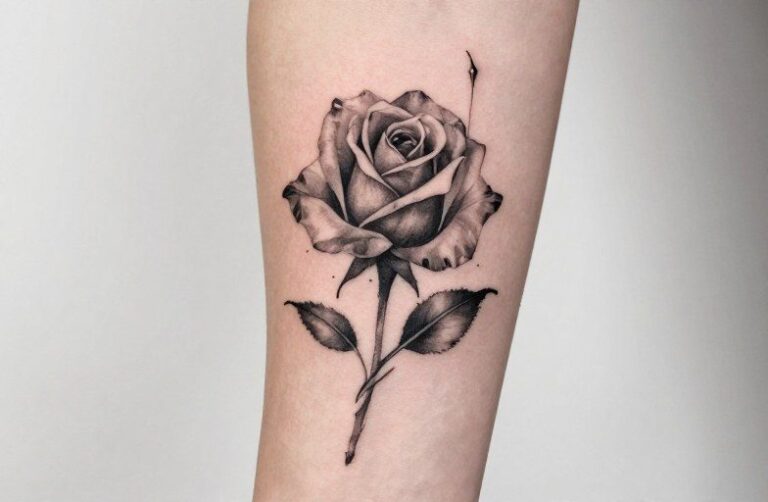
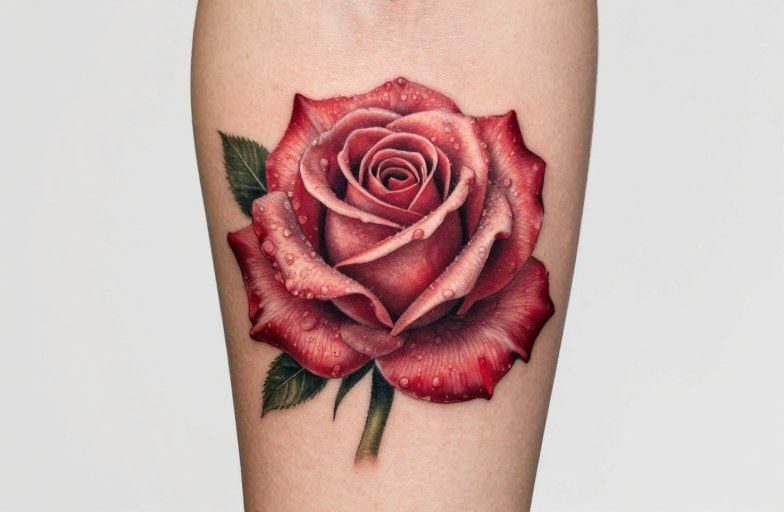
Red dominates for obvious reasons, blood, the Irish flag, passion, warning. Deep crimson ages better than bright fire-engine red, which tends to orange or pink within five years without touch-ups. Black and grey roses suit the band’s aesthetic more naturally than you might expect; the monochrome palette echoes their album art and the starkness of their lyrics. White roses appear for memorial pieces, particularly references to “The Fields of Athenry” or “The Green Fields of France,” songs about starvation and war dead. Yellow roses, traditional symbols of friendship and Texas rather than Ireland, rarely work here unless there’s a specific personal reason.
Design Tips & Pairings
Successful execution depends on respecting both traditions, the rose’s long history in tattooing and the band’s established visual language.
Integrating Band Imagery
The skeleton piper, boxing arm, or simple script logo can wrap around a rose stem, emerge from behind petals, or sit in a banner beneath the bloom. The key is scale: the band’s detailed logos need enough room to read clearly. A two-inch rose with a half-inch piper crammed beside it will blur together within a few years. Better to let one element dominate, either a large, detailed rose with small band lettering, or a bold logo with a simplified rose accent.
Script work matters enormously. The band’s name in their distinctive font carries instant recognition. Placing it on a scroll or ribbon that weaves through the rose composition works better than floating text above or below. For lyrics, choose short phrases, “I’ll tell me ma,” “For Boston,” “The state of Massachusetts”, rather than long passages that require tiny lettering.
Style Considerations
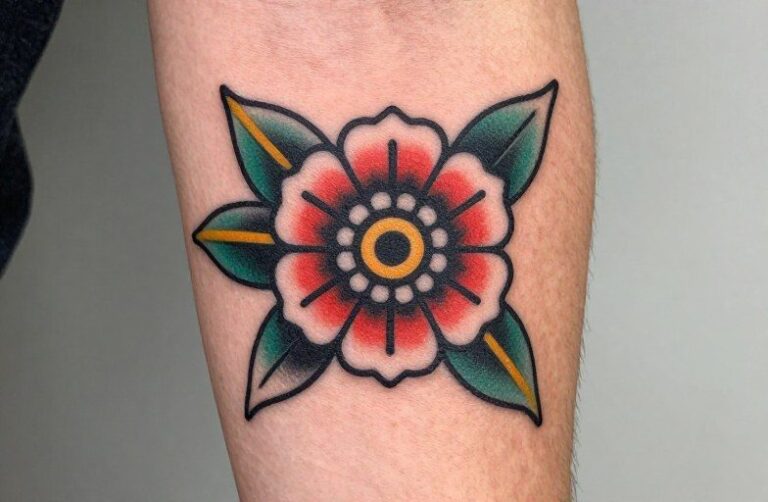
- Traditional American: bold lines, limited color palette, reads clearly from distance, ages well
- Neo-traditional: expanded color range, more dimensional shading, allows for more intricate band logo integration
- Black and grey realism: suits memorial pieces, requires skilled artist for rose texture
- Celtic blackwork: interlace patterns as background or frame, high contrast, long-lasting
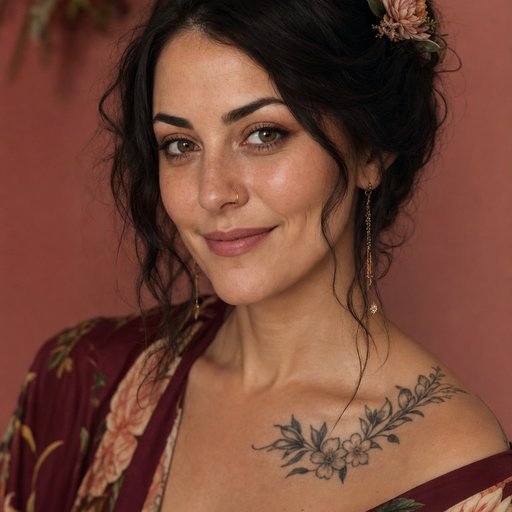
Watercolor and fine-line styles generally struggle with this subject. The imagery demands weight and permanence; ethereal techniques undermine that.
Best Placements
Where you put this tattoo shapes how it’s read and how it holds up.
High-Visibility Locations
Forearms remain the most common placement for band-related tattoos, visible at shows, in bars, at work if sleeves permit. The outer forearm offers flat, relatively stable skin that ages predictably. Inner forearm hurts more and sees more sun if you drive with windows down, accelerating fade. The rose’s curved form suits the forearm’s cylinder well, wrapping slightly around the bone.
Upper arms and shoulders provide more canvas for complex compositions integrating multiple elements. The deltoid’s rounded surface can distort a rose viewed straight on, so artists often design for the three-quarter angle most people see. Chest pieces work for larger memorial tattoos, the rose over heart with band imagery extending toward the shoulder.
Less Common but Effective Spots
Calves offer excellent flat surfaces for detailed work, though they’re less visible and carry less of the “badge” quality these tattoos often seek. Hands and necks are poor choices for roses, the fine detail blurs quickly on high-movement, high-sun skin, and the combination of band logo plus flower can look crowded. Ribs and sternum accommodate flowing compositions but hurt significantly more; the rose’s curved lines can follow the body’s natural contours there.
Religious & Spiritual Angles
The Dropkick Murphys’ catalog wrestles with Catholicism without preaching, a lapsed or cultural Catholicism, more about guilt and ritual than belief. The rose carries its own religious freight, particularly through the rosary and the Virgin Mary as the “Mystical Rose.”
Catholic Iconography
Some wearers explicitly combine the rose with a rosary, the band’s imagery tucked among the beads or replacing the crucifix. This isn’t sacrilege in intent; it’s an honest mapping of how Catholic symbolism persists even when practice lapses. The rose in Catholic tradition represents Mary’s purity and her sorrows, the seven sorrows sometimes depicted as seven swords piercing a rose. That maternal grief connects to the band’s songs about mothers left behind, sons lost to war or addiction.
Secular Memorial
For those without religious practice, the rose functions as a purely secular symbol of remembrance. Songs like “Fields of Athenry” and “The Green Fields of France” are already secular hymns; the rose extends that tradition. A name and date beneath a rose, with the band’s name above, creates a grave-marker aesthetic that many find more honest than religious imagery they don’t believe.
History & Cultural Roots
The rose’s tattoo history stretches back to the nineteenth century, often linked to sailors and soldiers marking sweethearts or mothers. In American traditional tattooing, the rose became a foundational motif, its meaning adaptable enough to suit almost any wearer. The Dropkick Murphys formed in 1996 in Quincy, Massachusetts, their sound and imagery emerging from a specific moment in Boston’s punk scene when Irish identity became explicit rather than assumed.
Boston’s Tattoo Tradition
Boston tattooing carries strong sailor and military roots, with shops in ports and near naval bases. The rose appeared constantly in this context, memorial, romantic, patriotic. The Dropkick Murphys’ imagery draws on that same visual vocabulary even when the band members weren’t directly referencing it. A rose with their logo thus completes a circle: working-class Boston skin art meets working-class Boston music.
The Irish Diaspora and American Punk
Irish punk, from the Pogues through Flogging Molly to Dropkick Murphys, often uses traditional symbols in deliberately rough or ironic contexts. The rose in this lineage isn’t ironic, it’s too sincerely mournful for that, but it’s recontextualized. The beauty isn’t idealized; it’s battered, thorned, sometimes wilting. That aesthetic of beautiful damage resonates with how the band presents Irish-American experience: proud but not romanticized, aware of the costs.
Before You Decide
This tattoo commits you publicly to a specific regional, musical, and ethnic identity. Consider whether that alignment will still feel true in ten or twenty years. The rose itself is timeless; the band’s specific imagery may date you. Some artists suggest incorporating the band’s elements in ways that could stand alone if your relationship to the music shifts, lyrics that work as general statements, or logos small enough to be covered or incorporated into larger pieces later.
Research your artist’s experience with both traditional rose work and band logo precision. A portfolio full of roses but no lettering, or vice versa, suggests potential weakness. Ask to see healed photos, not just fresh work; red ink’s behavior over time varies enormously by brand and skin type. The best tattoo of this type balances immediate recognition with long-term visual integrity, the rose should still read as a rose, the band’s name as text, even when lines soften and colors mute.
Finally, the most successful versions of this tattoo come from specific songs or moments rather than general fandom. Know exactly which lyric, which show, which loss or celebration you’re marking. That specificity gives the artist something concrete to design toward, and gives you something durable to carry.
Frequently Asked Questions
Does a Dropkick Murphys rose tattoo have to include the band’s logo?
No, some fans use lyrics alone, or choose imagery that evokes the band’s themes without direct reference. A rose with Boston-specific elements like the Zakim Bridge or shamrock accents can signal the connection to those who know the music, while remaining more broadly readable.
How well does red ink hold up in a rose tattoo over time?
Red fades faster than black and grey, especially on sun-exposed skin. Deep crimson and burgundy tones age more gracefully than bright reds. Expect to need touch-ups every 5-8 years if you want the color to stay bold, and use SPF consistently on the tattooed area.
Can this tattoo work if I’m not Irish or from Boston?
The imagery carries specific cultural weight that can feel appropriative if claimed without connection. However, many fans connect to the band’s working-class themes regardless of background. The key is honesty in your motivation, tattooing someone else’s ethnic pride without lived experience rarely sits right.
What’s the typical cost range for a medium-sized piece?
A forearm rose with band logo typically runs $400-800 in most US cities, depending on artist reputation and complexity. Large pieces with full color and multiple elements can reach $1,500 or more. Avoid bargain hunting; this combination requires precision in both botanical and lettering work.