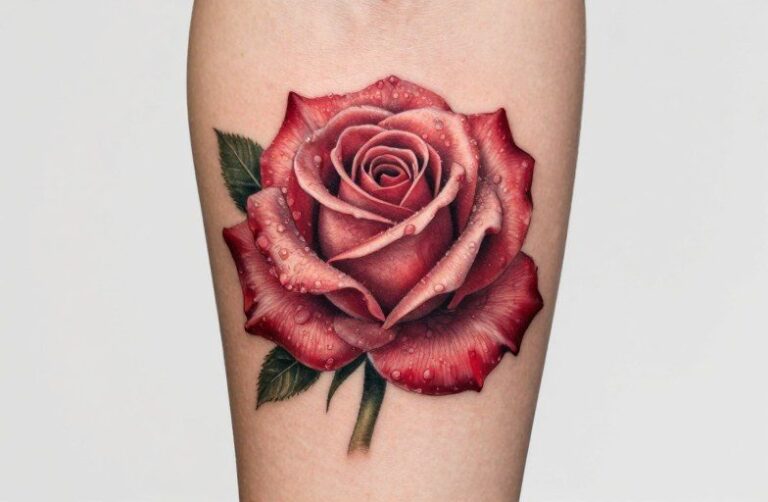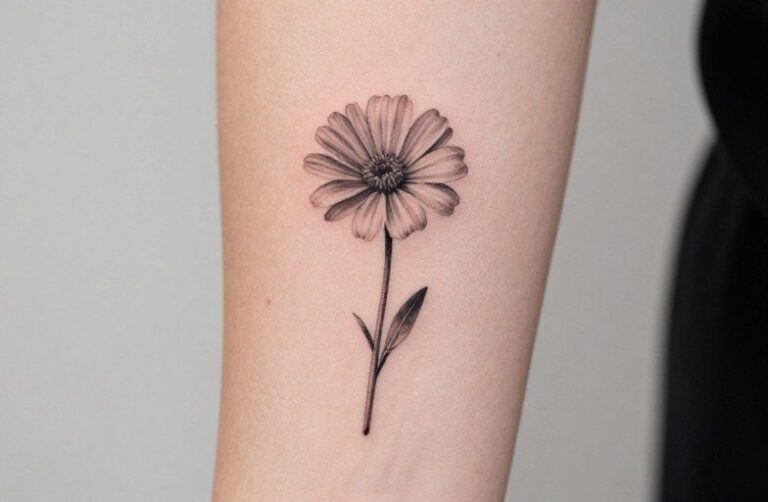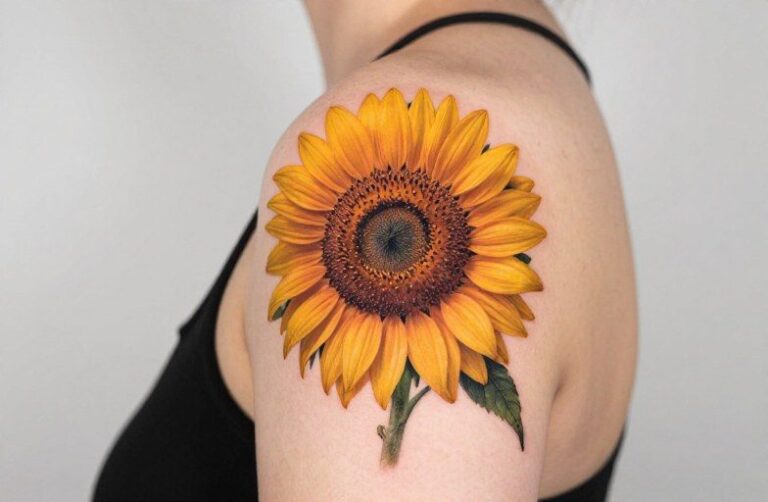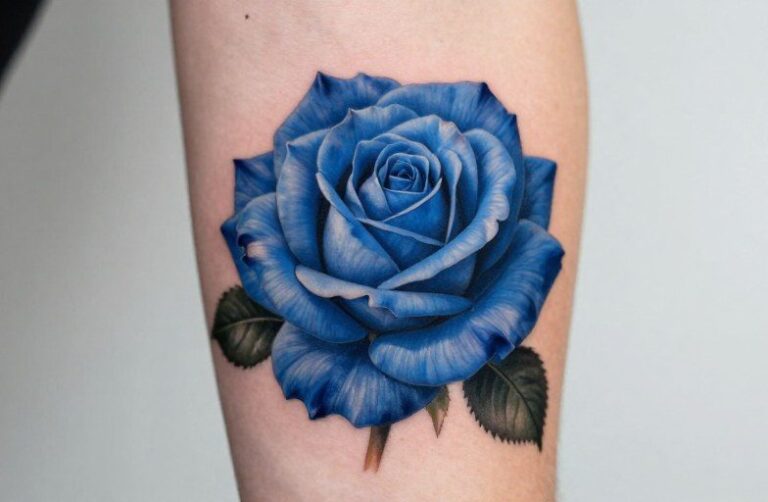
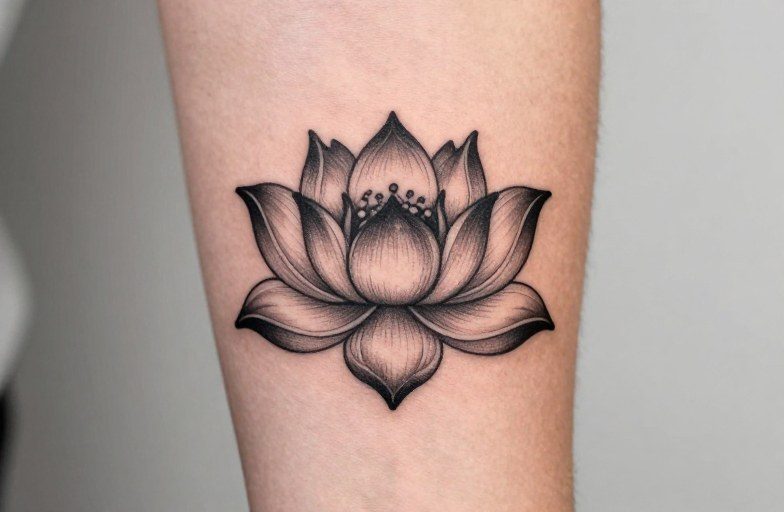
A tribal lotus tattoo combines two potent visual languages: the lotus flower’s symbolism of rising above difficulty, and the bold, graphic weight of tribal blackwork. Together, they create a design that reads as both spiritual anchor and personal armor. Most people choose this fusion to mark survival through hardship, transformation, or a deliberate break from their past, values the lotus has carried for millennia and tribal styling amplifies through its assertive, unapologetic presence.
Similar & Related Symbols
The lotus doesn’t exist in isolation. Understanding its neighbors helps clarify why someone might choose the tribal version over a more delicate rendering.
Lotus vs. Water Lily in Tattoo Culture
Botanically distinct, these two get conflated constantly in tattoo shops. True lotus (Nelumbo) roots in mud but emerges dry and clean, which is why it’s the preferred symbol for purity-through-struggle. Water lilies (Nymphaea) float on the surface without that same emergence narrative. In tattooing, the lotus wins for meaning; the water lily for decorative naturalism. Tribal work almost always references lotus specifically because the symbolism matters more than botanical accuracy.
Related Symbols That Pair Naturally
- Unalome: The spiral path to enlightenment, often emerging from or ascending through a lotus. Shares the same upward trajectory.
- Koi fish: Another creature of struggle, swimming upstream, transforming into dragon. Frequently combined with lotus in Japanese-influenced work.
- Phoenix: Rebirth through fire rather than water. The tribal lotus offers a quieter, more grounded version of the same theme.
- Om symbol: Direct spiritual linkage, though combining it with tribal lotus can feel cluttered unless the artist simplifies both elements aggressively.
Common Variations & Styles
“Tribal” covers more ground than most clients initially realize. The lotus adapts across several substyles, each with distinct visual rules and aging characteristics.
Polynesian-Influenced vs. Blackwork Neo-Tribal
Polynesian-influenced tribal lotus tattoos incorporate specific pattern languages, spearheads, ocean waves, shark teeth, often linked to protection and navigation. These require research or collaboration with artists versed in those traditions to avoid careless appropriation. Neo-tribal, born in the 1990s and resurging now, strips away cultural specificity for pure graphic impact: heavy black fill, sharp edges, symmetrical composition. It ages more predictably because there’s less fine detail to blur, but it can also look dated faster if the shapes feel too generic.
Stylized Petal Treatments
- Closed bud: Potential, not yet realized. Works well on smaller scales where open petals would tangle.
- Partial bloom: The most common choice, acknowledging ongoing growth rather than finished transformation.
- Full bloom with visible center: Maximum detail, requires larger size to avoid the center becoming a muddy blob over time.
- Deconstructed/dropped petals: Impermanence, acceptance of change. Riskier visually; petals can read as random black spots without careful composition.
Best Placements
Tribal lotus tattoos demand space. The blackwork needs room to breathe, and the symmetrical structure rewards centered placement.
Where the Design Thrives
The upper back, centered between shoulder blades, remains the classic location. The natural canvas shape accommodates the lotus’s radial structure, and the skin there ages relatively well, less sun exposure than arms, less stretching than abdomen. Chest pieces work similarly but require comfort with visibility; a tribal lotus there reads as statement, not subtlety.
Thighs and outer calves offer excellent real estate for larger versions. Calf skin holds blackwork well, though the muscle movement can slightly distort symmetry when flexed. Thighs allow for the most detail but may require touch-ups if weight fluctuates significantly.
Placements to Approach Cautiously
- Hands and feet: Constant friction and sun exposure fade blackwork fast. The lotus’s fine center details disappear within a few years.
- Ribs: Painful, yes, but more critically: the curved surface warps symmetrical designs. Artists must compensate with distortion that looks correct only on that specific body shape.
- Neck/throat: Visibility limits employment options, and the thin skin doesn’t hold heavy black as reliably as back or limb skin.
Who Chooses This Tattoo
Certain life contexts push people toward this specific fusion rather than a realistic lotus or purely abstract tribal piece.
Recovery and Survival Narratives
The lotus’s mud-to-bloom trajectory maps cleanly onto addiction recovery, escaping abusive situations, or surviving illness. The tribal element adds defiance, this wasn’t gentle growth, it was fought for. The blackwork’s aggression balances the flower’s softness, creating a design that acknowledges both the wound and the warrior.
Spiritual Practice Without Softness
People with established meditation or yoga practices sometimes want their commitment visible but resist the pastel, Instagram-aesthetic lotus common in wellness culture. Tribal styling masculinizes or hardens the symbol without stripping its meaning. It’s particularly common among practitioners who came to spirituality through hardship rather than privilege, prison yoga programs, veteran meditation groups, trauma-informed practices.
Mythology & Folklore
The lotus carries layered cultural weight that informs, but doesn’t confine, contemporary tattoo choices.
Origins Often Linked to Specific Traditions
In Buddhist iconography, the lotus frequently appears beneath deities’ feet or as their seat, symbolizing purity untainted by the world’s mud. The color matters: blue lotus for wisdom and victory, white for mental purity, red for love and compassion, pink for the historical Buddha. Tribal tattoos typically default to black, so these color associations get translated through other means, petal count, openness, surrounding elements.
Hindu traditions often link the lotus to creation and divine beauty, with gods and goddesses emerging from or holding lotus blooms. The thousand-petaled lotus at the crown chakra represents full awakening. Some trace Egyptian connections to the blue lotus (Nymphaea caerulea), associated with rebirth and the sun’s cycle, though this is commonly associated with water lily confusion rather than true lotus.
Modern Secular Adaptation
Most contemporary tribal lotus tattoos strip explicit religious reference, keeping only the structural narrative: emergence, struggle, transformation. The tribal frame provides cultural grounding that feels personal rather than doctrinal. This secularization frustrates some traditionalists but reflects how symbols evolve in diaspora, meaning held loosely, adapted to individual context.
Design Tips & Pairings
Getting this right requires more than picking a Pinterest image. The interaction between tribal pattern and lotus shape determines whether the piece holds together for decades.
Line Weight and Aging Reality
Tribal tattoos age through black expansion. Lines that read as crisp separation at month three become softer edges at year ten. Smart design anticipates this: generous negative space between elements, no hairline details in the lotus center, bold outer contours that can blur slightly without losing shape. Ask your artist to show healed photos from five-plus years back, not just fresh work.
Successful and Problematic Pairings
- Works well: Geometric frames around the tribal lotus, clean circles, hexagons, or mandala-adjacent structures that echo the radial symmetry without competing.
- Works well: Single-word script in negative space, if the lettering is heavy enough to match the blackwork’s visual weight.
- Problematic: Realistic color elements nearby. The contrast between soft color realism and hard black tribal creates visual warfare, not harmony.
- Problematic: Too many additional symbols. Lotus plus unalome plus om plus koi plus quote equals visual noise. Choose two elements maximum.
Placement of the tribal pattern itself matters. Petals outlined in tribal black with negative space centers read as lotus-first, tribal-accent. Petals filled solid with only hints of flower structure read as tribal-first, lotus-referenced. Neither is wrong, but the balance shifts meaning: one emphasizes the flower’s significance, the other the style’s graphic power.
Final Word
A tribal lotus tattoo succeeds when the blackwork’s boldness and the flower’s resilience narrative feel equally weighted. Skew too delicate and the tribal element looks apologetic; go too heavy and the lotus becomes unrecognizable abstraction. The best versions let you read either element first, depending on distance and mood, close up, the tribal patterns reward attention; from across the room, the lotus shape resolves clearly. That dual readability, earned through careful design and honest placement choice, is what separates a lasting piece from a trendy one.
Frequently Asked Questions
Does a tribal lotus tattoo have to be black, or can color work?
Pure black is traditional and ages most reliably, but deep red or dark blue accents in the center can work if kept minimal. Avoid bright colors in the tribal pattern itself, they fight the style’s graphic intent and fade faster than black.
How large should a tribal lotus tattoo be minimum?
At least four inches in diameter for the lotus to remain readable as it ages. Smaller versions lose petal separation and center detail within a few years as the black naturally spreads slightly.
Can a tribal lotus cover up an older tattoo?
Excellent cover-up candidate. The heavy black fill and symmetrical structure can obliterate or incorporate old work beneath it, though the artist needs to design specifically for what’s being covered rather than adapting a standard stencil.
Is it disrespectful to get this if I’m not Buddhist or Hindu?
The lotus appears across too many cultures to claim exclusive ownership, but specific accompanying symbols (certain deity depictions, exact mandala patterns) may carry stricter protocols. A straightforward tribal lotus in black is generally considered culturally available.