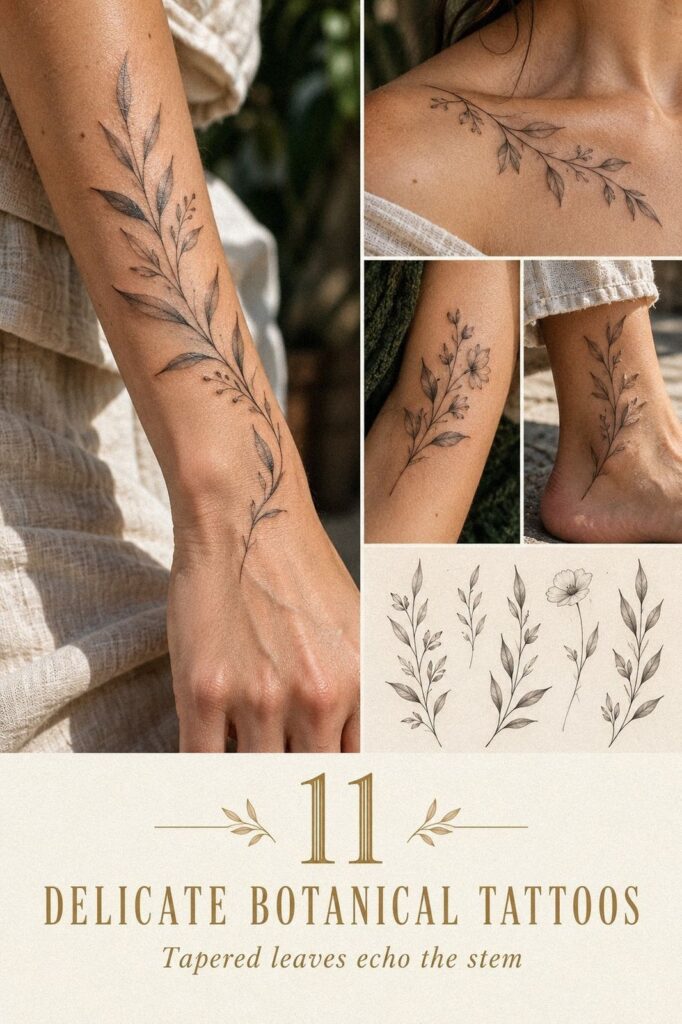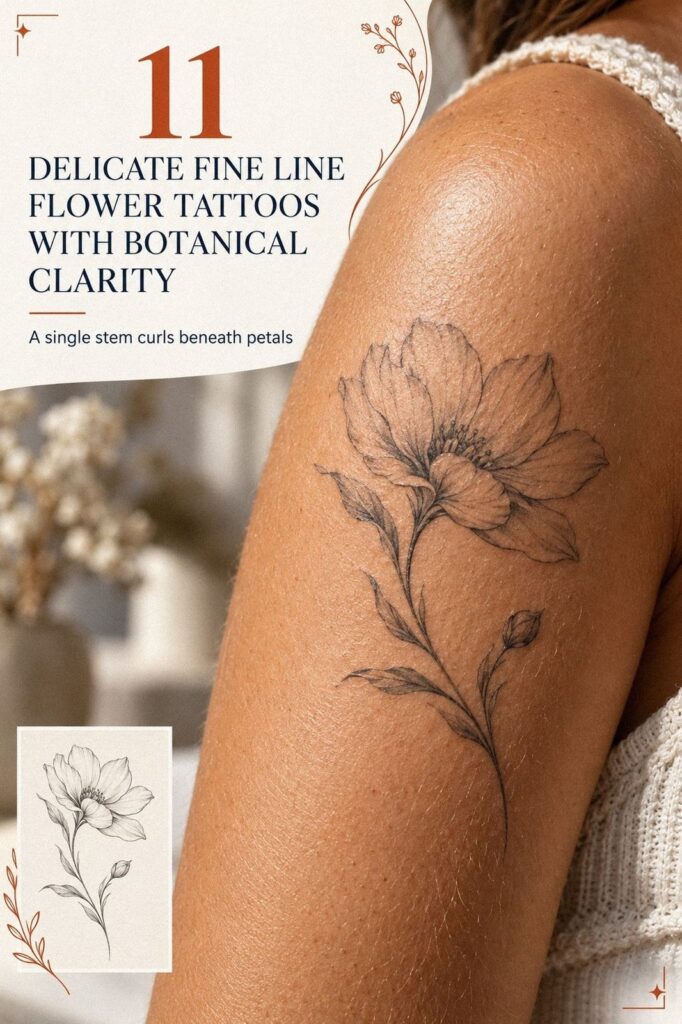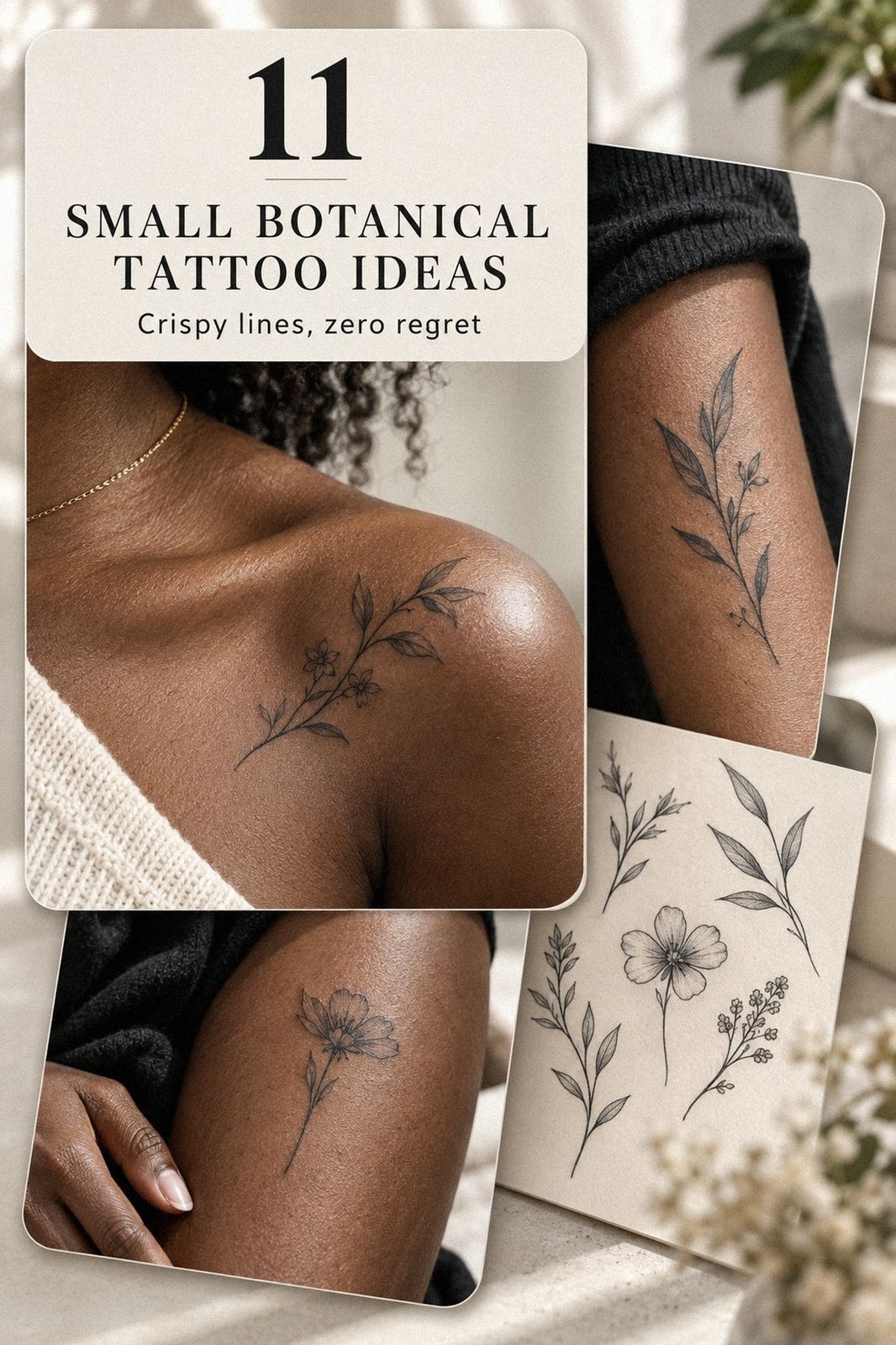
Small botanical tattoo designs can fit a $150 budget when you choose a practical placement, a compact composition, and an artist whose minimum suits the piece. I once went too delicate without checking healed work. That mistake taught me to plan for aging, not just the fresh result. These ideas keep the linework meaningful, crisp, and personal.
- Start With Fine-Line Small Botanical Tattoo Ideas
- Behind the Ear: A Quiet Botanical Placement
- Tiny Wildflowers With a Three-Petal Balance
- Can a Wrist Tattoo Stay Readable?
- Map the Ink Density With Fine Dotwork
- Which Meaning Will You Keep?
- Fern Fronds and Leaf Rhythm
- Bold Black Ink With Less Busy Detail
- Birth Flowers Make the Stem Personal
- Collarbone Placement: From Stencil to Healed
- Watercolor Color With Crisp Structure
1Start With Fine-Line Small Botanical Tattoo Ideas
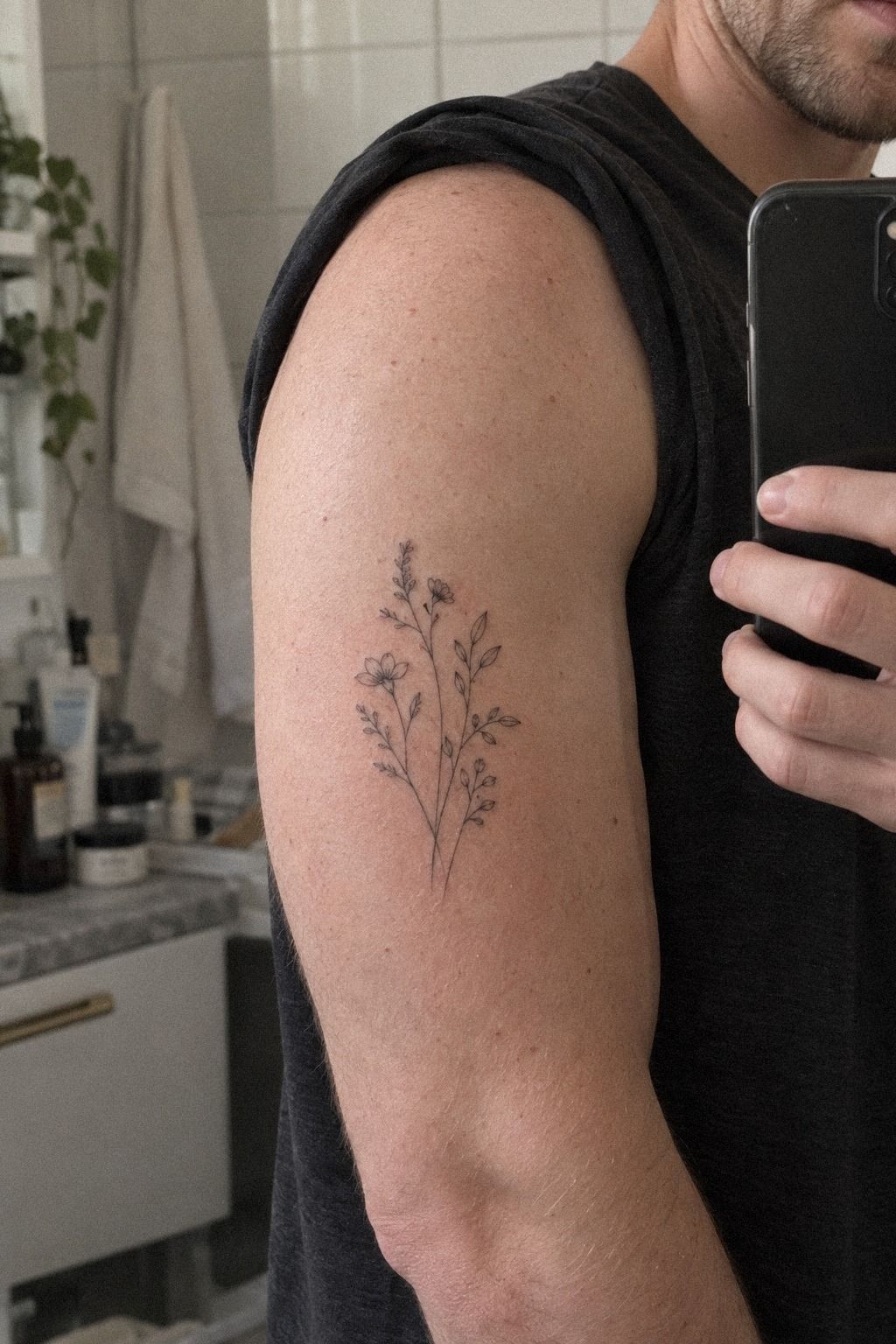
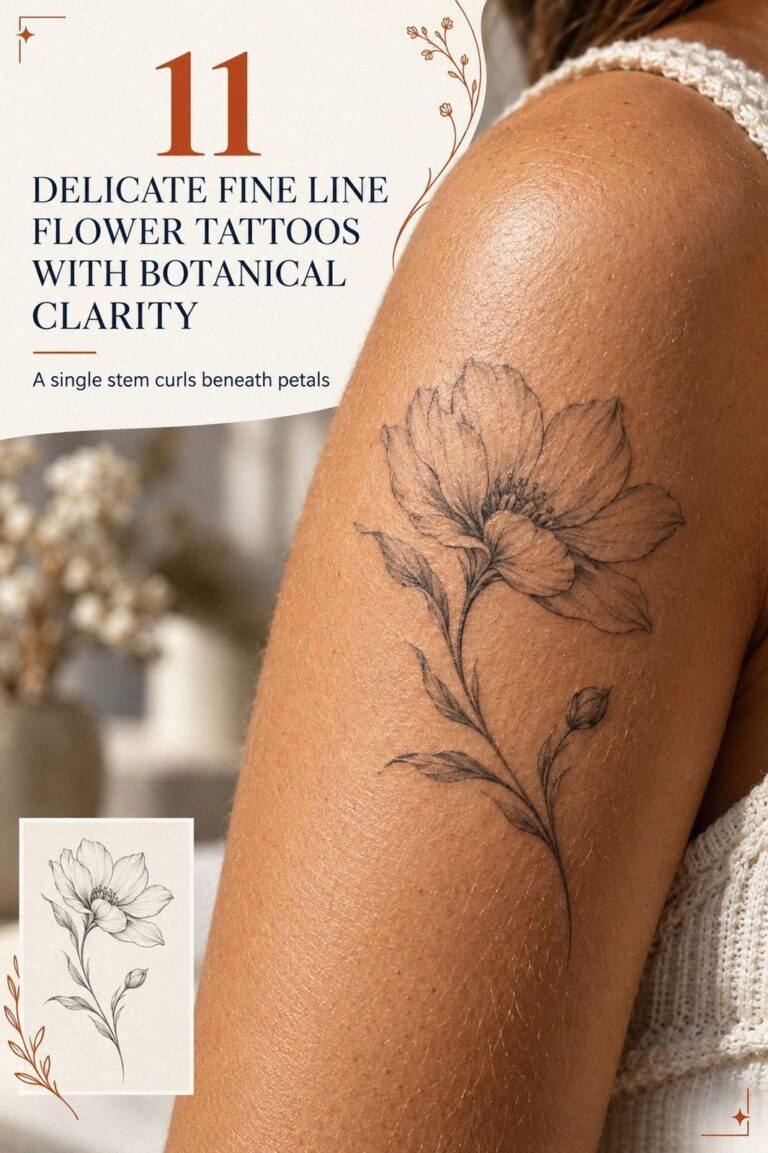
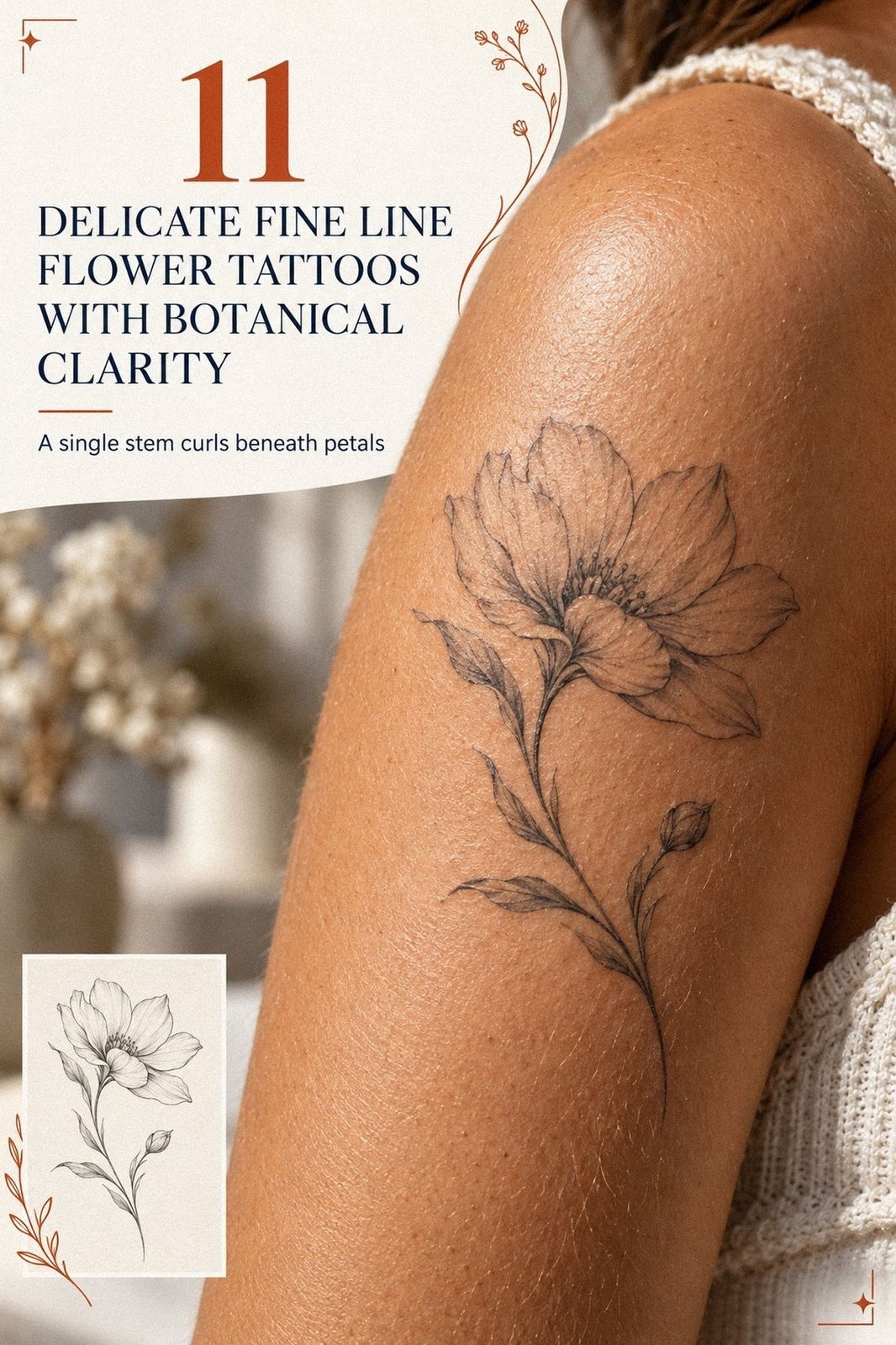
This upper-arm design uses hair-thin single-needle lines to draw a stem, two narrow leaves, and one open bloom. On fair cool-pink skin, single-needle linework can look delicate and crisp without heavy shading.
You’ll want the artist to leave visible space between the petals. Crowded lines can blur as your skin changes.
I’d keep the composition compact enough to fit your $150 budget, while still giving each leaf room to breathe. A tiny tattoo isn’t automatically minimal if every millimeter carries ink.
My preference is an intricate stem with one graceful bend. Five flowers fighting for attention can weaken the idea.
If you’re comparing references, browse these small fine line flower tattoo ideas before your consultation. You can ask yourself whether the design is worth it at this size. If the answer is yes, bring one favorite reference and one backup.
Don’t judge the work only from a fresh photograph. Ask for healed examples, especially on fair skin, and ask how the artist adjusts needle depth. A black botanical outline should look intentional rather than gray and hesitant after healing.
The upper arm is one of the more forgiving placements for a first tattoo. You’ll have more control over sun exposure, and the area is often more tolerable than ribs, feet, hands, or the sternum. That makes this an understated choice for someone who wants botanical detail without a loud visual statement.
Ask about the artist’s minimum before you book. A simple piece may still cost the shop minimum, and knowing that early protects your budget. You’ll feel more confident when the price matches the plan!
2Behind the Ear: A Quiet Botanical Placement
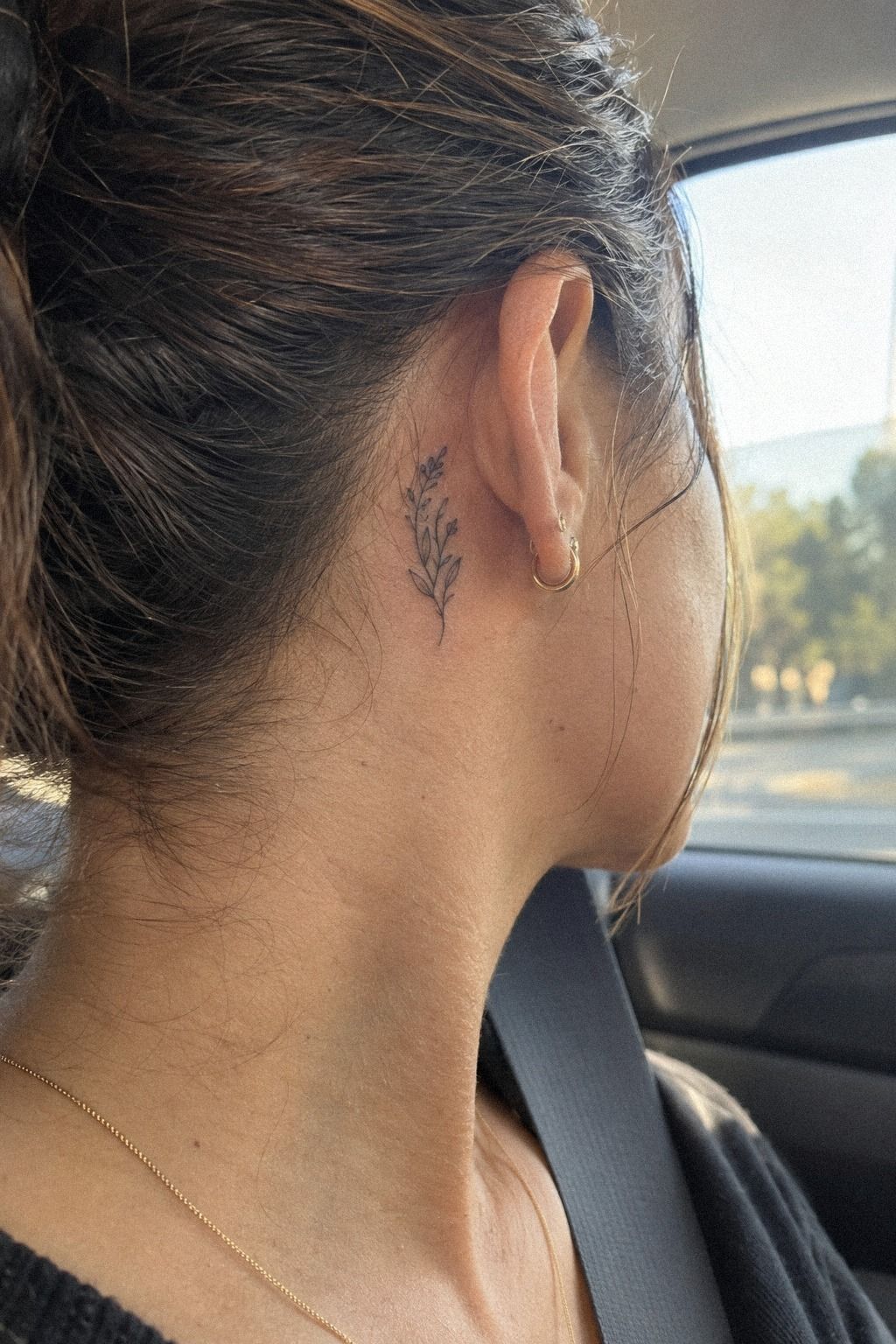
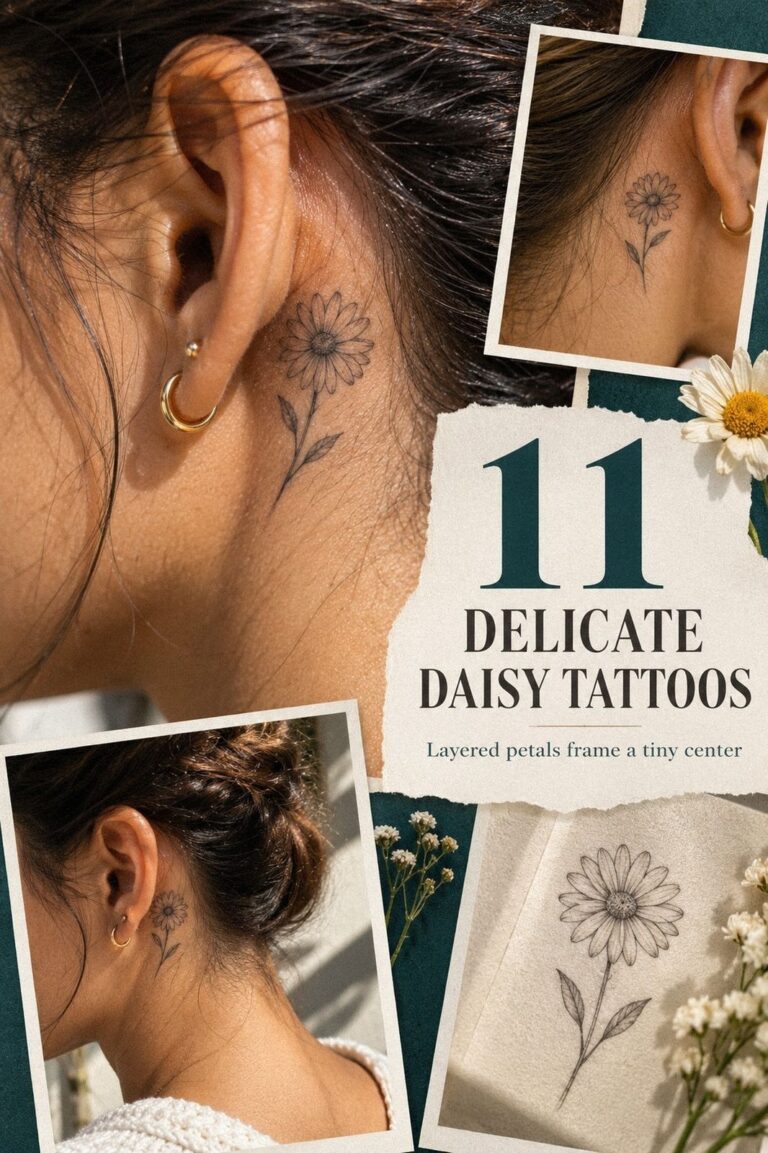
Behind the ear gives a unique small botanical tattoo an intimate, almost hidden quality. The design should stay narrow and vertical because the skin curves quickly. Fine-line black ink keeps the mark sleek, while one tiny leaf can make the silhouette feel expressive rather than generic.
You’ll want to think about hair, headphones, glasses, and daily friction before choosing this spot. I’d skip a wide leafy cluster here because it can look cramped against the curve. A single flowering sprig is more elegant, and it’ll remain legible when viewed from the side.
The skin can be sensitive, and you may find the sound and vibration more noticeable than expected. That doesn’t mean the session will be dramatic, but you should tell your artist if you need a pause. A sterile tattoo setup and clear aftercare instructions matter more than a trendy flash design.
For inspiration, compare the symbolism in these small wildflower tattoo references with the cleaner shape of a single stem. You can also save a small wildflower tattoo meaning guide if the story matters as much as the shape.
This placement can fade faster if hair products or sun exposure constantly reach it. You’ll need to protect your ink once it heals. The discreet placement is meaningful, but it may not offer the same long-term value as an upper-arm tattoo.
Consider the behind-ear placement as a personal choice, not simply a way to spend less. It’s stylish and understated, but the smaller canvas limits your options.
A crisp sprig may be worth it. A crowded bouquet probably isn’t.
3Tiny Wildflowers With a Three-Petal Balance
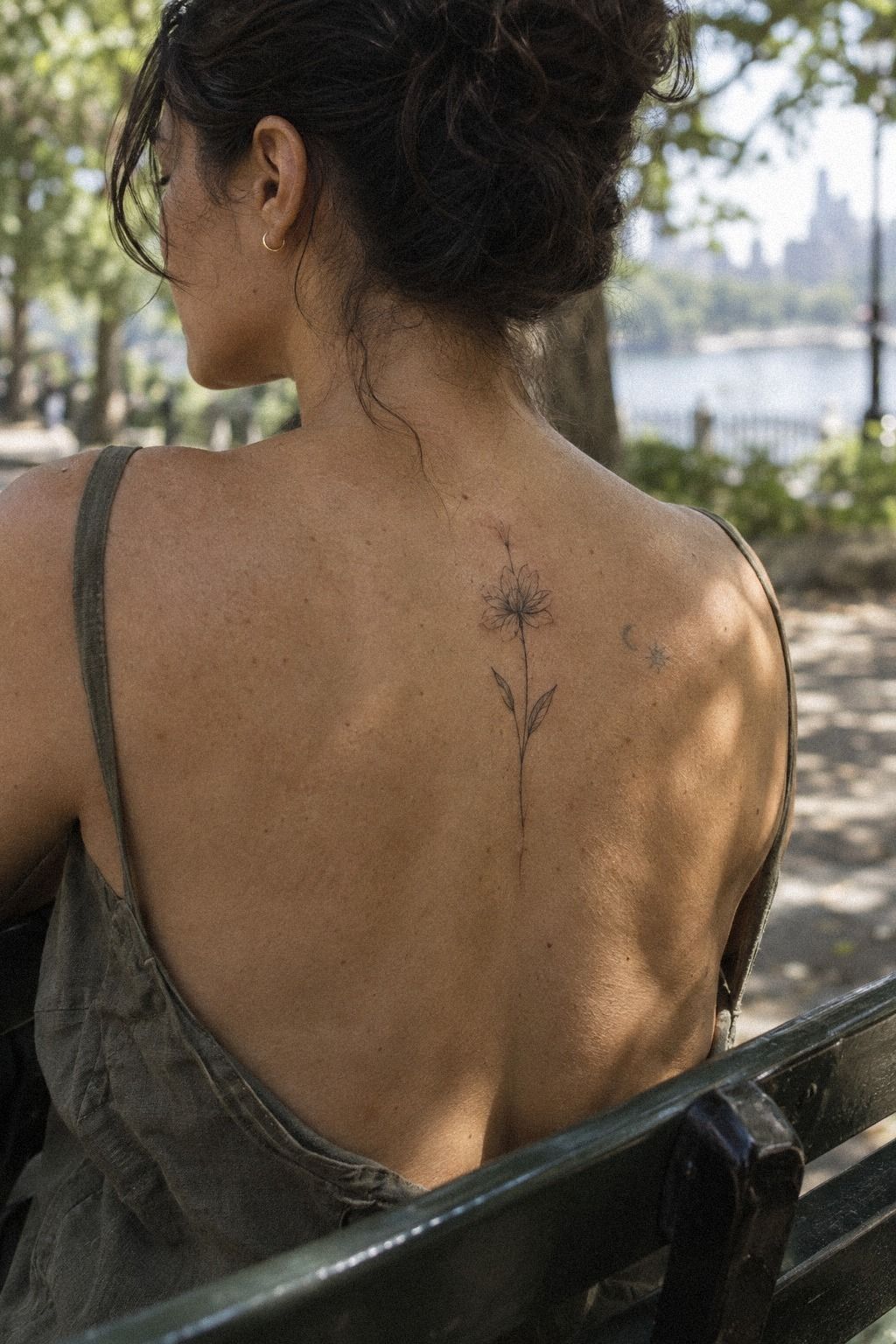
A spine tattoo with one stemmed flower and layered petals can look playful, romantic, and surprisingly powerful when the proportions are controlled.
4Can a Wrist Tattoo Stay Readable?
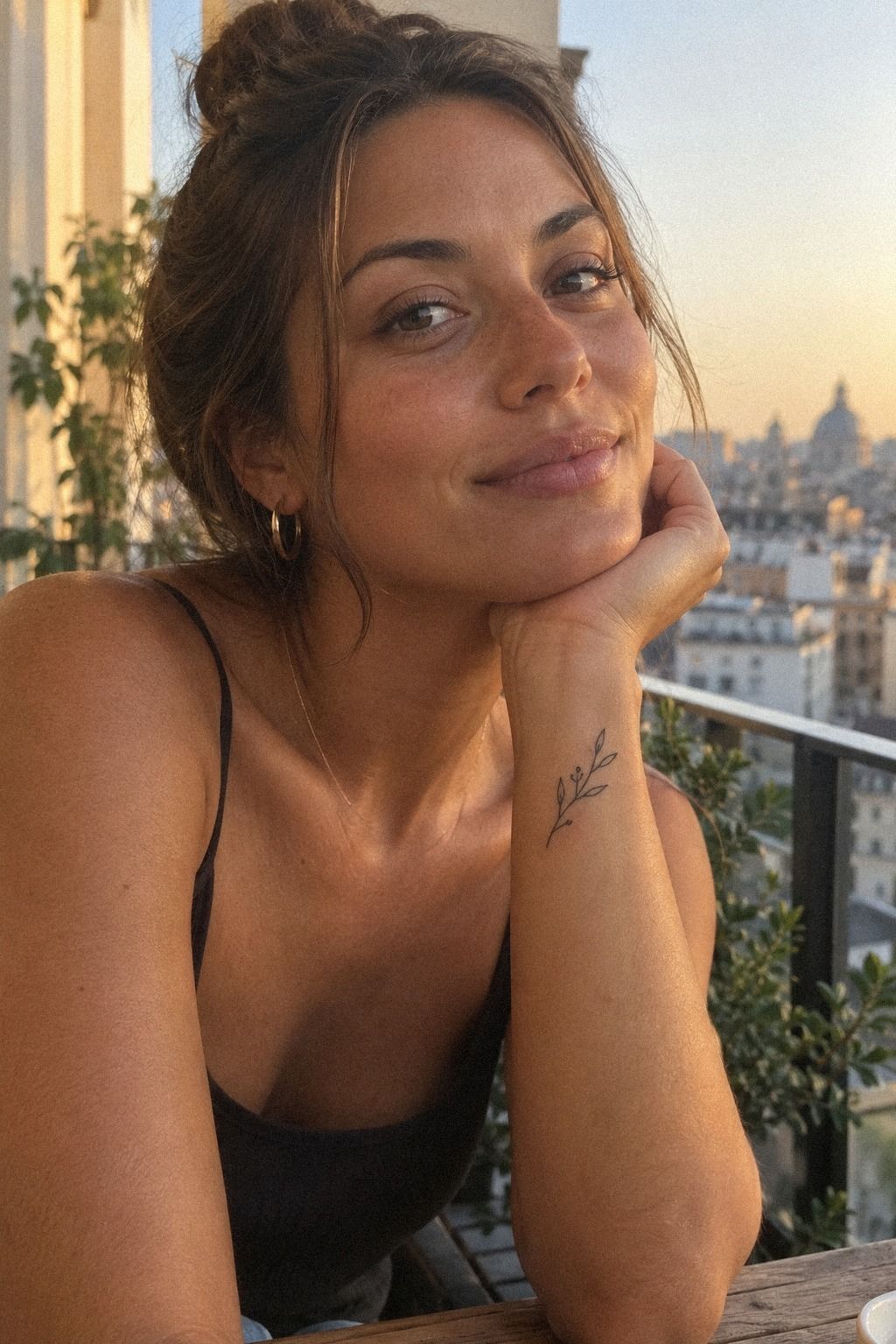
A wrist tattoo needs a design that reads quickly because you and everyone around you will see it from several angles. Wrist placement gives you constant visibility, so choose a silhouette you’ll enjoy seeing every day.
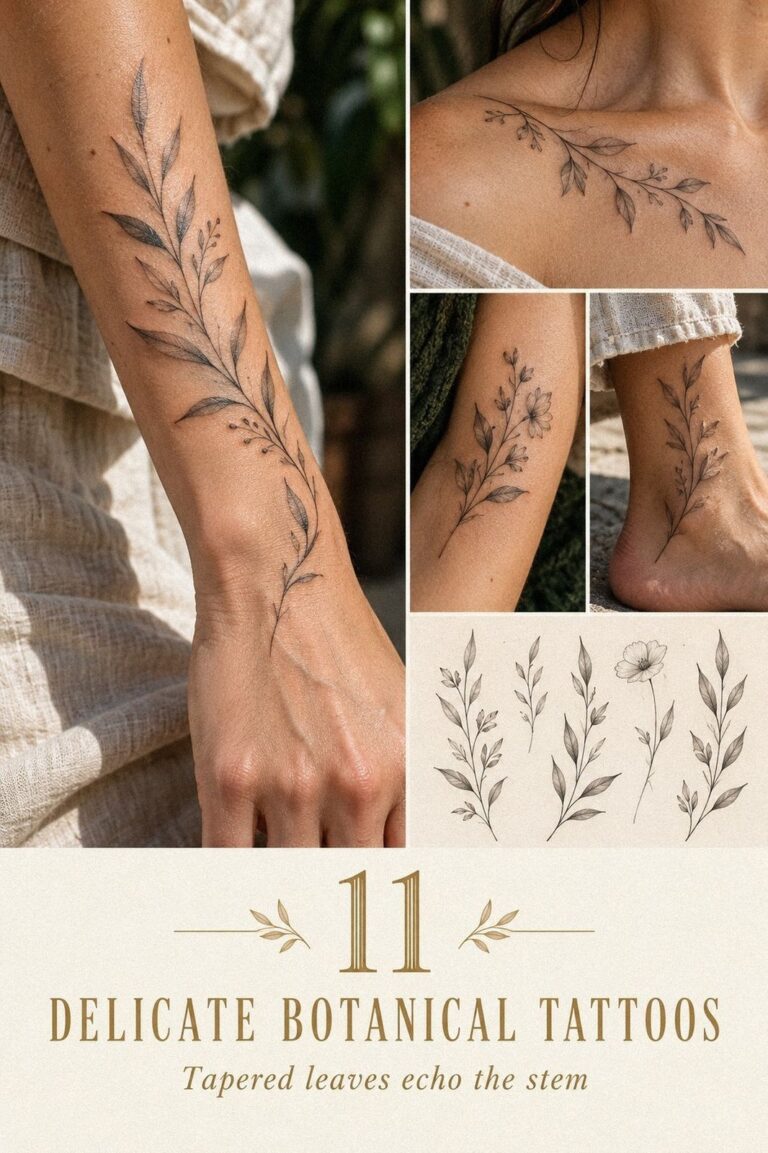
I’d use one stem, one bloom, and perhaps two leaves. A minimal botanical mark can feel more powerful than a crowded one. You’ll want the artist to avoid extremely close parallel lines, since the wrist moves often and the design has limited space.
A vertical sprig can follow the arm, while a small horizontal flower may wrap slightly around the side. Ask your artist to place the stencil first. Move your wrist, check it from above, and see whether the shape still feels elegant.
The wrist receives more sun and friction than a covered area. Watches, bracelets, and frequent washing can affect how the tattoo settles. Sun protection becomes part of protecting your investment after healing.
Before booking, compare the price with the amount of detail. A wrist tattoo consultation can save you from paying for a design that needs to be simplified later. You may find that a clean, personal mark offers better value than a more intricate concept that cannot breathe.
If you want a floral direction, save these small fine line flower tattoo ideas and ask which references will age best. Your favorite fresh design may not be your smartest healed design.
5Map the Ink Density With Fine Dotwork
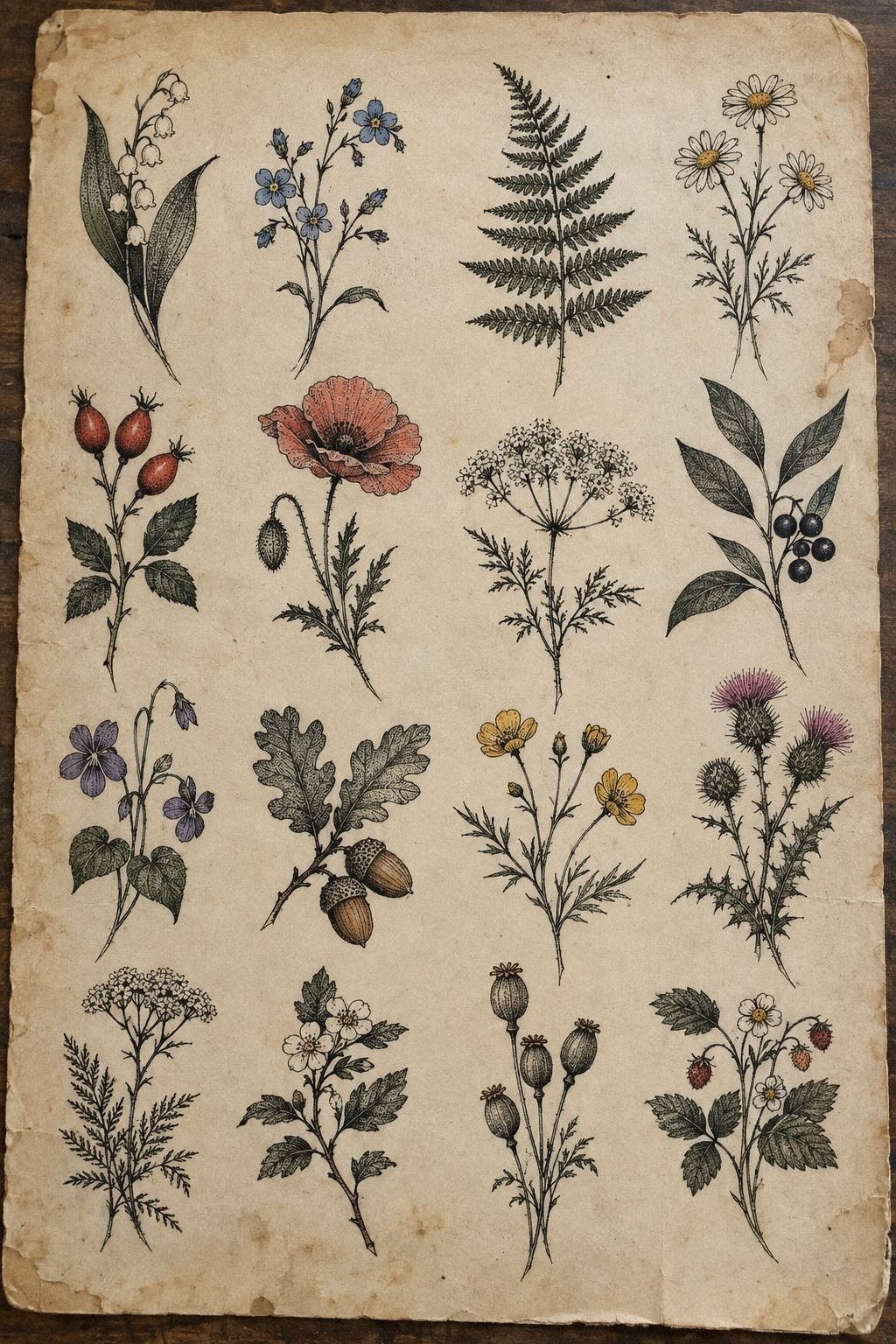
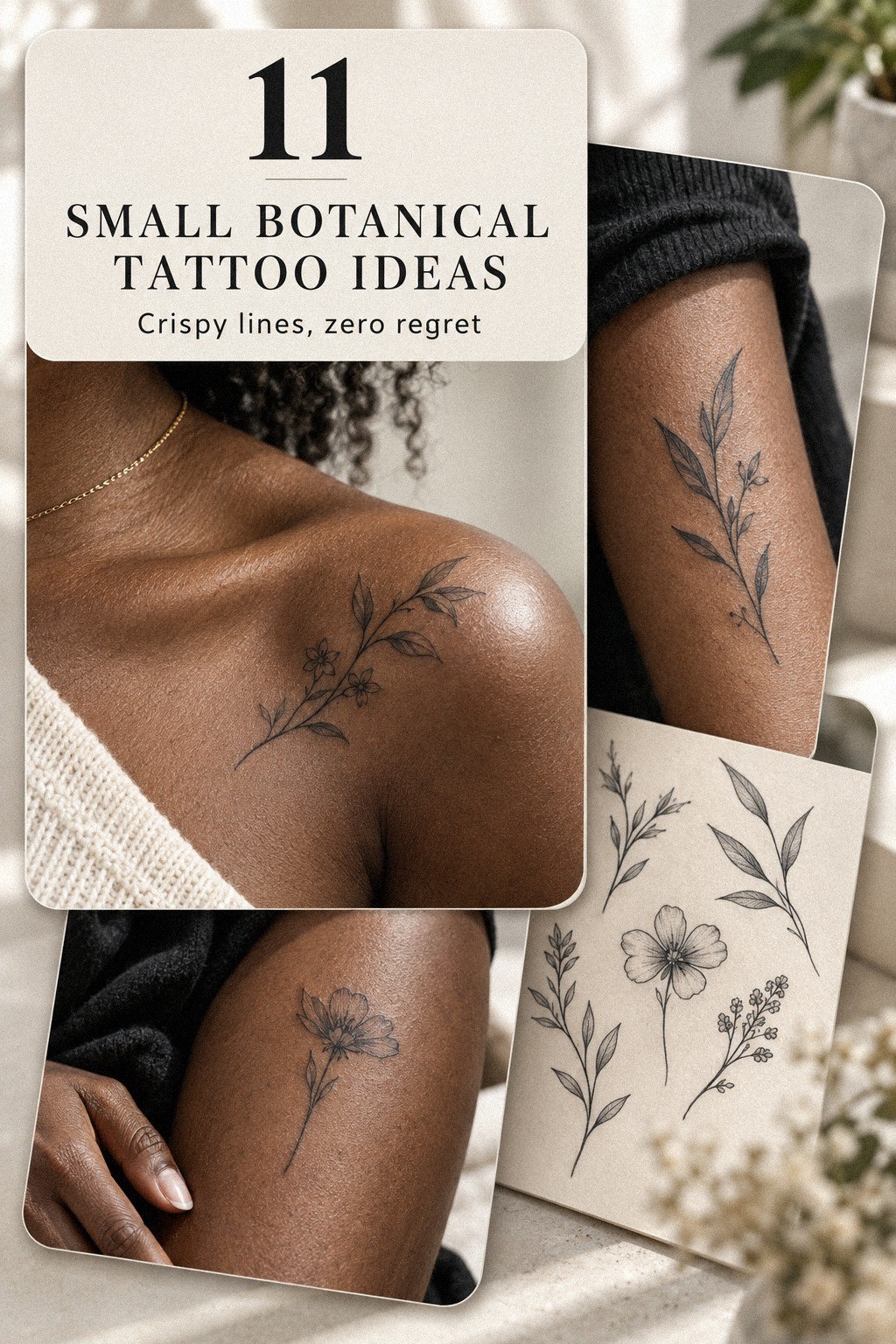
A traditional flash sheet can show several dotwork botanical designs at once, from compact leaves to tiny flower heads.
6Which Meaning Will You Keep?
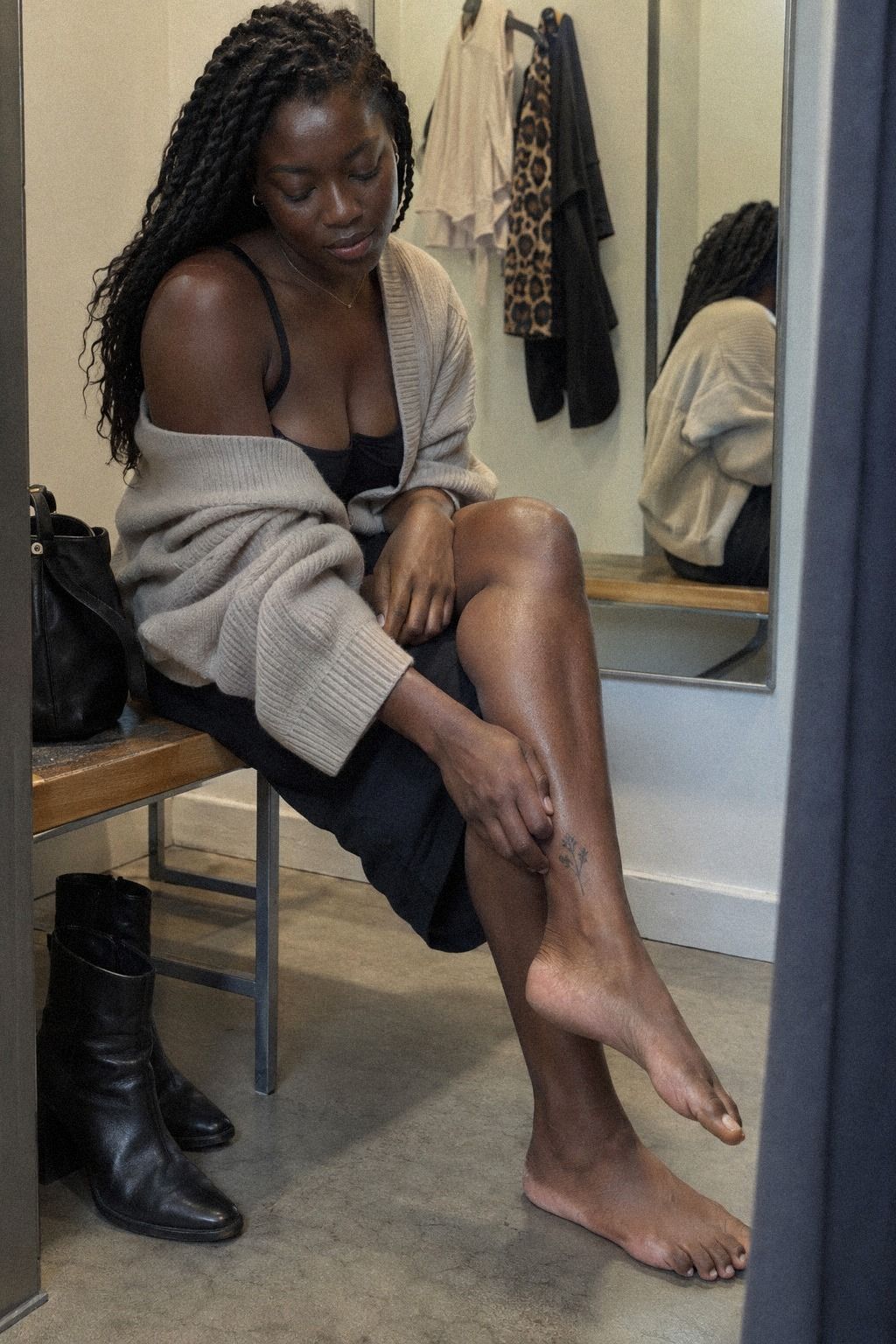
An ankle botanical tattoo can carry a sacred or meaningful connection while staying visually understated. Ankle placement lets you choose a small symbol that feels personal without dominating your appearance.
You may prefer a lotus for change, a fern for resilience, or a birth flower for family history. A symbolic tattoo works best when you can explain its meaning in one sentence. If you need a long explanation, the design may be carrying too many ideas.
The ankle is visible in some clothing and hidden in others. That flexibility can make it an empowering choice. Still, socks and shoes create friction, so you’ll need to ask how the artist expects the linework to age.
A symbolic botanical design can be minimal and still feel powerful. One curved stem may say more than a cluster of unrelated flowers. I’d rather see one expressive shape than several generic icons.
For a lotus direction, browse this small lotus flower tattoo guide. Compare the open bloom with a side-facing stem. The better choice is the one that fits your story and your ankle’s shape.
The price may remain close to the shop minimum, even if the tattoo takes only a short time. Ask about the ankle tattoo cost before you commit. A meaningful design is worth the price when you’ve planned for healing, placement, and future visibility.
7Fern Fronds and Leaf Rhythm
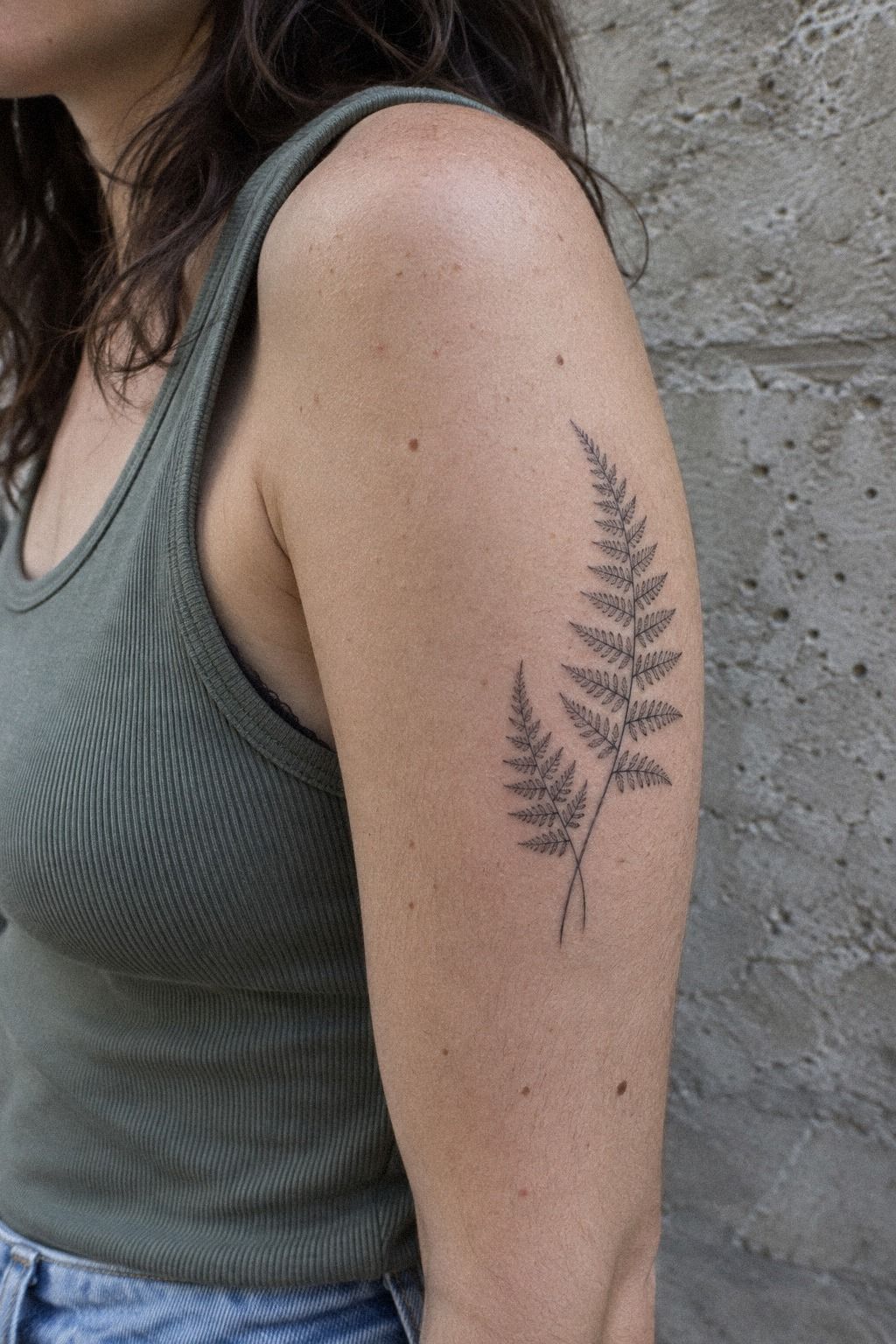
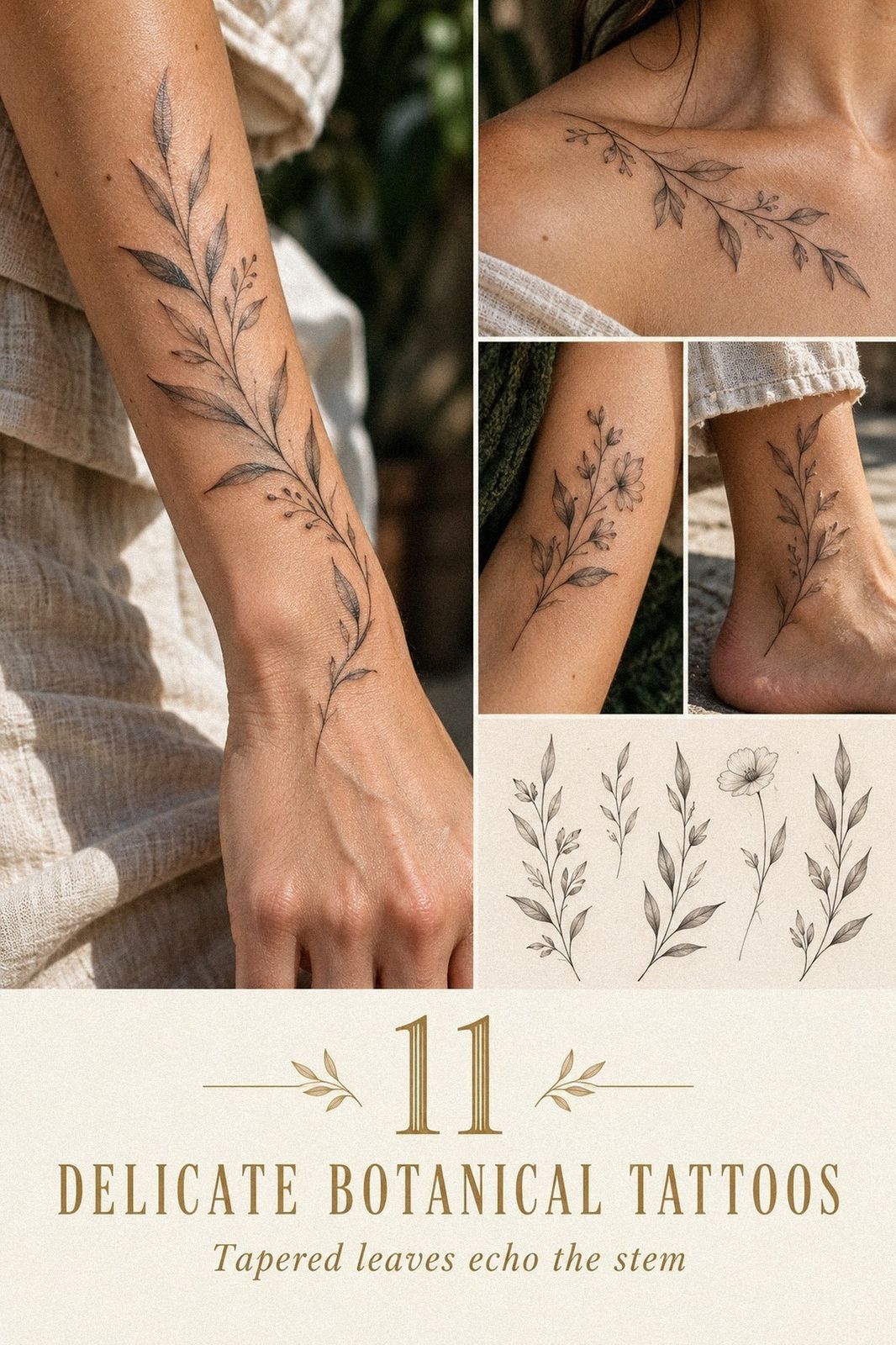
Fern fronds create a graceful rhythm because each leaflet repeats along a central stem. On fair cool-pink skin, delicate fern linework can look open without becoming weak. You’ll want the leaflets to graduate in size, with the widest forms near the center and smaller ones toward the tip.
I’d place the frond on the upper arm at a slight diagonal instead of running it perfectly straight. That angle feels more organic and gives your eye a direction to follow.
A striking fern doesn’t need heavy shadow. It needs consistent spacing between the leaves.
The artist’s hand pressure matters here. If the needle depth changes too much, some lines may heal darker while others soften quickly. Ask to see healed fern or botanical examples, and ask what line weight they’d recommend for your skin and placement.
For flowing references, save these small floral sleeve tattoo ideas even if you’re planning only one small piece. They can show how fern shapes connect to other plants. You’ll want to resist adding extra stems just because the larger composition looks enchanting.
A fern tattoo consultation should include questions about size, line weight, and the artist’s minimum. You can keep the design affordable by limiting the number of leaflets. The best value comes from thoughtful spacing, not from squeezing in more detail.
This is one of my favorite options for a first tattoo. It feels timeless, personal, and quietly expressive. If you want something delicate without making it precious, a fern is a strong place to start!
8Bold Black Ink With Less Busy Detail

A sternum botanical tattoo can be bold without becoming oversized. Black botanical ink can anchor the design while the surrounding skin keeps it light. You’ll want symmetry or a deliberate central line because the sternum makes uneven spacing more noticeable.
I’d choose one strong bloom with two controlled leaves over a dense bouquet. That gives you a crisp, sharp shape that remains readable from a distance. The sternum is also more sensitive, so a shorter session with less packed detail may be easier to manage.
If you’re tempted by elaborate shading, ask whether it improves the flower or merely fills empty space. My vote is for a polished outline with a small amount of black fill in the deepest folds. A daring tattoo can still be delicate around its edges.
Look at these small flower crown tattoo examples for ideas about curved botanical structure. You’ll see how a central shape can feel complete without many separate elements. That restraint keeps this sternum option expressive instead of crowded.
The sternum tattoo price may rise if the artist needs several sessions or more detailed shading. Ask for a written estimate and discuss your comfort level.
The design is worth it when the strong shape matters to you. It is less worthwhile when boldness only means adding more ink.
A sternum tattoo is not the cheapest place to experiment. Choose the symbol first. Then decide whether the placement gives it the impact you want.
9Birth Flowers Make the Stem Personal
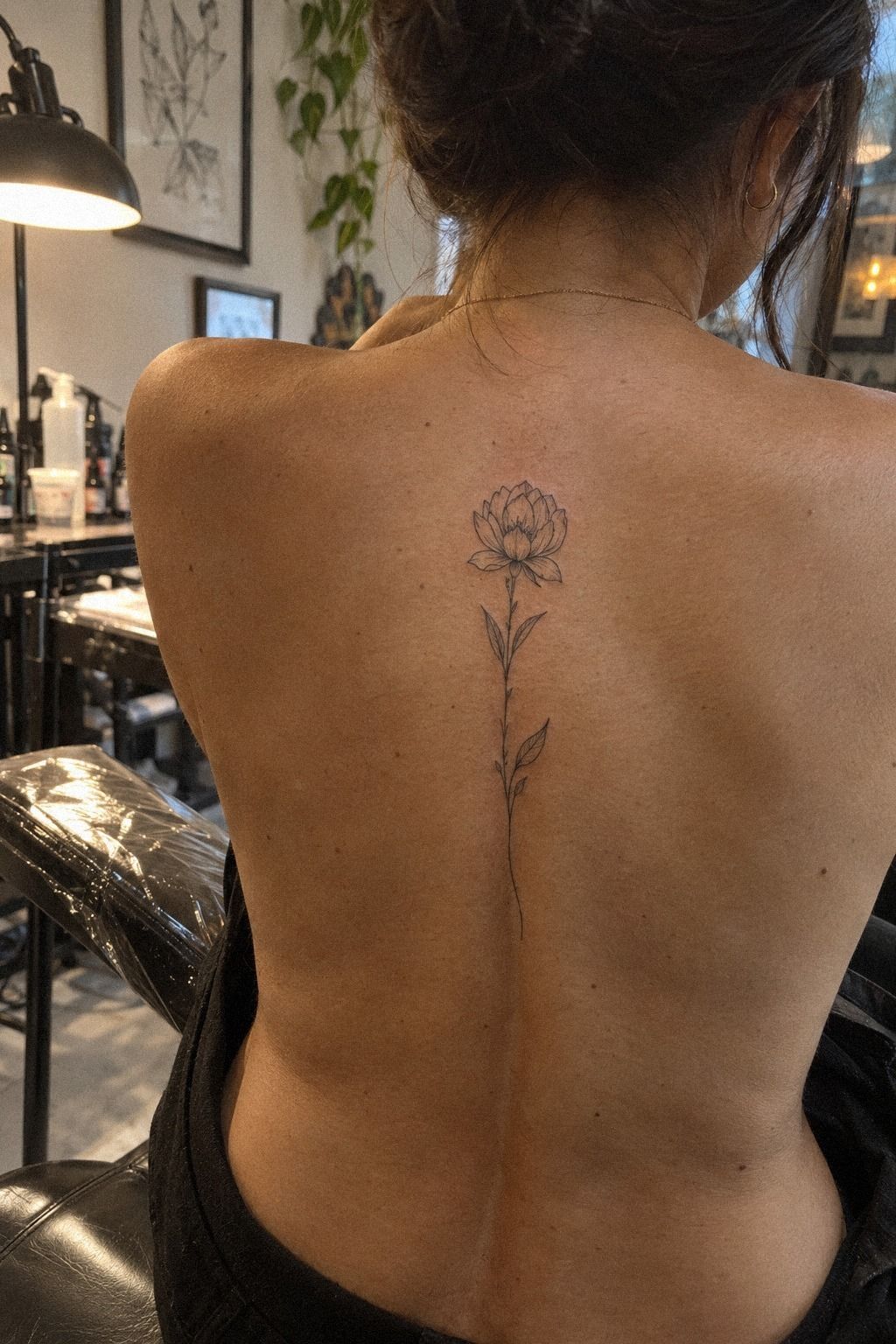
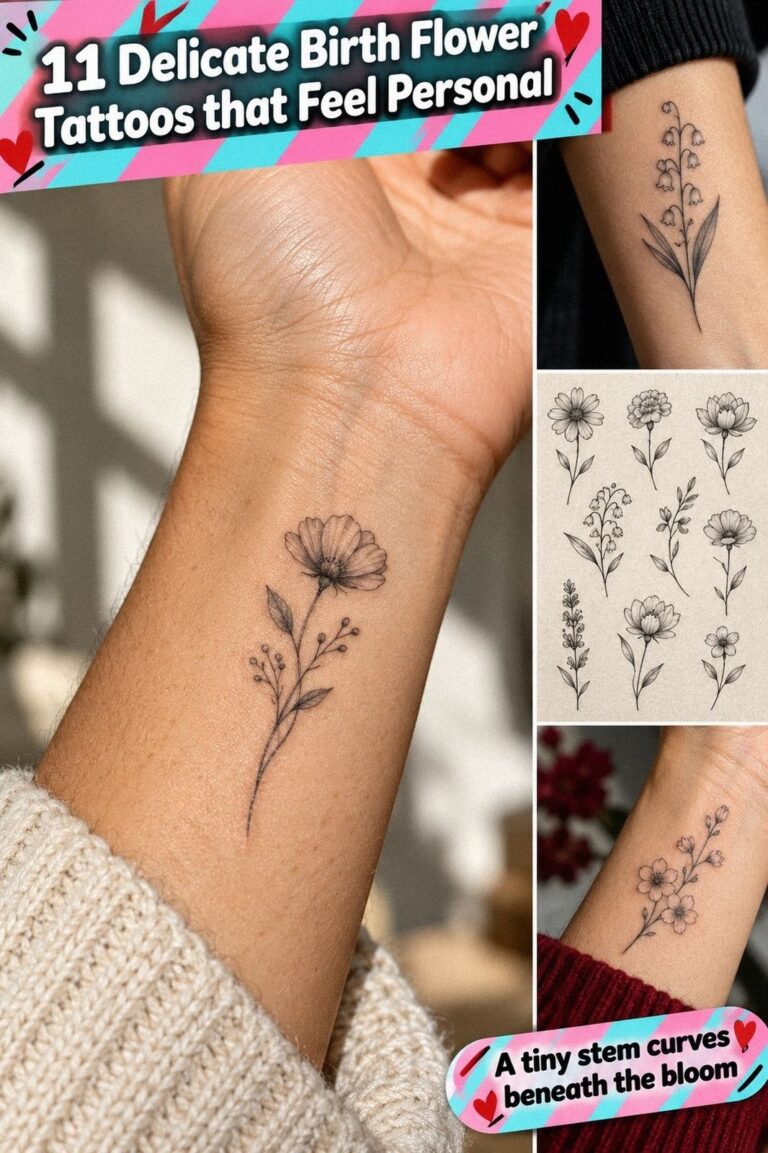
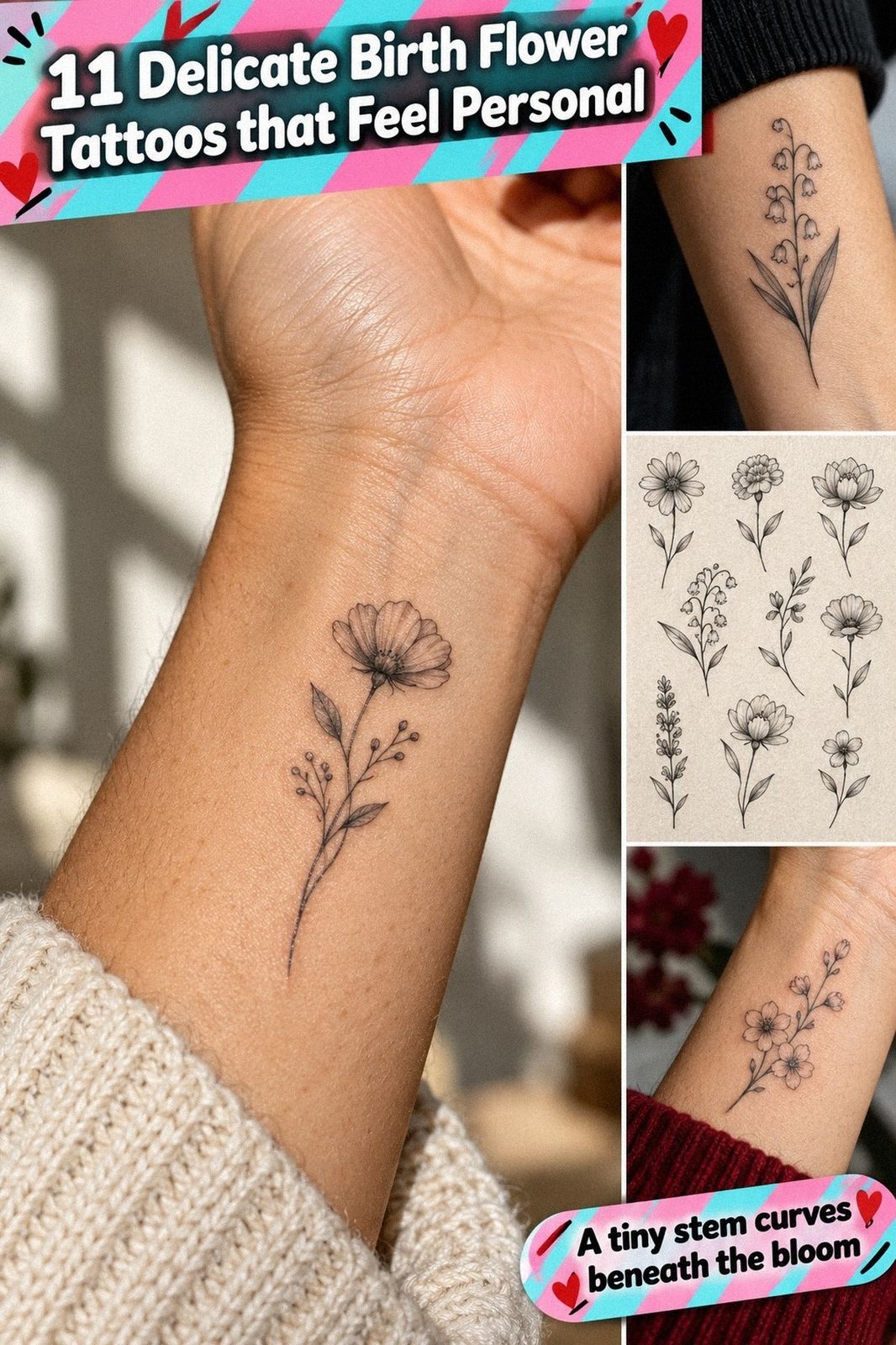
A birth-flower design gives you an immediate way to make a small botanical tattoo personal. The spine placement suits a single stemmed flower with layered petals. Layered birth-flower petals can carry the meaning while the stem keeps the composition narrow.
You’ll want to confirm the flower associated with your birth month. Then decide whether you prefer a literal botanical drawing or a simplified interpretation. I’d choose the version with a recognizable silhouette and fewer interior lines.
An intricate flower can lose its identity when every vein becomes a hairline.
Could you explain the symbolism in one sentence without overthinking it? If yes, the concept is probably strong enough. A personal flower can feel empowering when it marks a birthday, a family connection, or a fresh chapter without using text.
For another direction, browse these small wildflower tattoo designs and compare their looser shapes with a named birth flower. You can also revisit small daisy tattoo ideas if your birth flower has a similar open silhouette.
Ask the artist to show healed work in similar linework. Healed botanical work tells you more than a perfect first-day photograph. That check can prevent a romantic idea from becoming an indistinct blur later.
A birth-flower tattoo can offer strong value because the concept stays personal even when the design is small. You won’t need a large composition to make the story recognizable. You’ll need a meaningful flower and a clear silhouette.
10Collarbone Placement: From Stencil to Healed

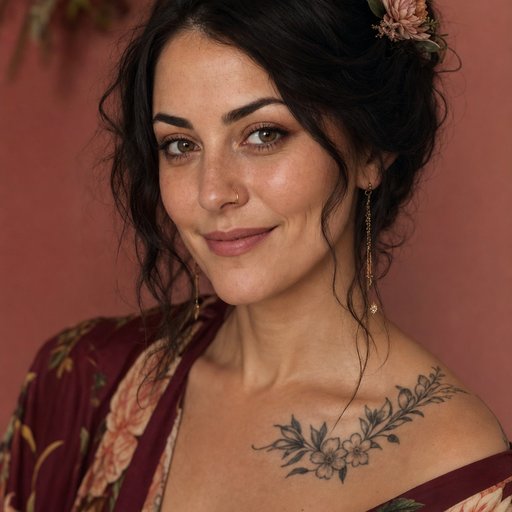
The collarbone gives a tiny botanical tattoo a graceful, visible line to follow. Collarbone placement can make a simple sprig feel elegant, but the skin moves with your shoulders and receives regular sun exposure.
I’d choose a narrow stem with one open flower rather than a dense cluster. The design should follow your natural line without looking forced. Ask your artist to place the stencil while you stand, sit, and turn your shoulders.
You should also check how the tattoo looks with the clothing you actually wear. A meaningful piece can feel different when a neckline cuts across the stem. That practical test may save you from choosing a placement that you won’t enjoy showing.
Compare these small flower tattoo ideas for women with a fern or wildflower stem. Look for references that use open skin and clear spacing. A collarbone stencil check is especially important because even a slight angle can change the whole impression.
Ask whether the artist charges by time or has a minimum. Your collarbone tattoo budget may stay near $150 if the design remains compact. The cost is worth it when the stencil follows your body instead of fighting it.
I’d choose a crisp, expressive sprig here. It can feel feminine, personal, and polished without needing ornate detail. Your best test is simple: does the stencil still look right when you move?
11Watercolor Color With Crisp Structure
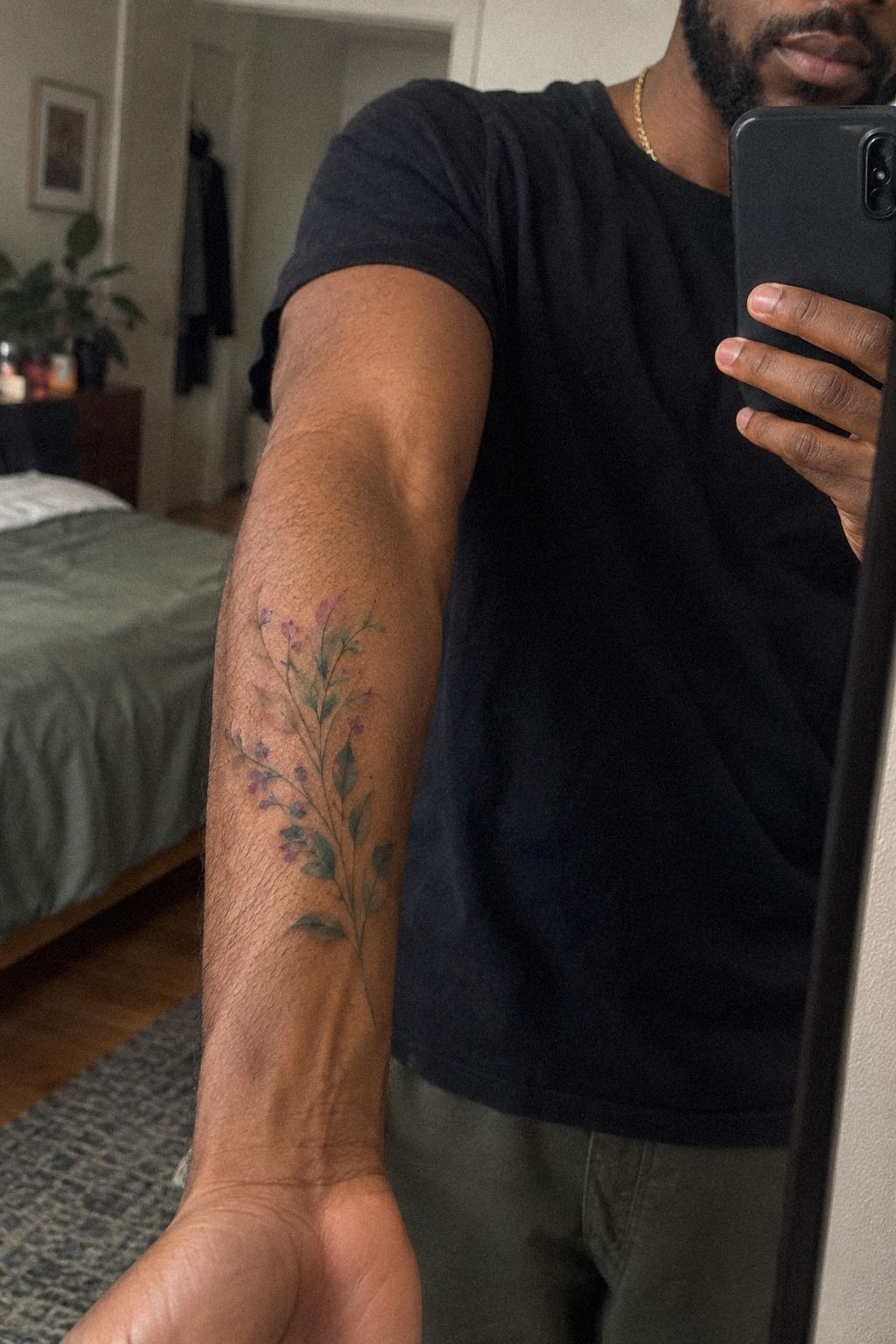
A watercolor botanical tattoo on deep brown skin with a warm undertone can look vibrant, expressive, and deeply personal. Transparent color wash should support the botanical outline rather than erase it. You’ll want the artist to show healed color work on a similar skin tone before choosing this direction.
Watercolor effects can be romantic, but they’re less forgiving when the structure is too faint. I’d keep one crisp black stem and use color sparingly through the petals or leaves. That contrast gives the design a sharp anchor while softer pigment creates movement.
Color tattoos require thoughtful sun protection once healed. You’ll need to follow the artist’s aftercare, wash gently, moisturize as directed, and avoid picking at peeling skin. The surface may look settled after 2 to 3 weeks, but deeper healing can continue for about 2 to 3 months.
For a black-ink alternative, compare these small flower tattoo ideas for women with small peony tattoo ideas. You’ll want to decide whether color carries the meaning or only adds decoration.
My preference is a vibrant wash with one clear botanical idea. A rainbow competing with the flower can make a small tattoo feel unfocused. A controlled color tattoo can be worth the cost when the artist understands healed color and your skin tone.
Before booking, ask for the color tattoo estimate, expected session length, and healed examples. You’ll have a clearer sense of value when you know what the artist can realistically achieve under your budget. Color can be daring and timeless when the structure remains readable!
The Botanical Tattoo Choice I’d Make
I’ve learned that the smallest tattoos demand the clearest decisions. You can’t hide a weak silhouette behind extra texture, and you can’t rely on a dramatic placement to rescue lines that weren’t planned for healing. The best small botanical tattoo has a readable shape, a reason for being there, and enough open skin to let the design breathe.
I’d treat the artist’s portfolio as evidence, not decoration. Fresh work tells you what the tattoo looks like on day one. Healed work tells you how the artist thinks about longevity, line weight, contrast, and skin.
That distinction matters when you’re considering fine-line, dotwork, or watercolor techniques.
My own mistake was chasing the thinnest possible line because the reference looked so delicate. I didn’t ask enough questions about how the design would settle. Now I’d rather choose a crisp, elegant line that holds its shape than a hairline that photographs beautifully for a week and fades into uncertainty.
You don’t need the most complicated flower to make the tattoo meaningful. A fern can mark resilience.
A daisy can feel playful. A birth flower can hold family history. A lotus can represent change.
The strongest choice is the one you’ll still understand when the trend has moved on.
Before paying a deposit, ask about the final tattoo price, the shop minimum, touch-up policy, and aftercare. You’ll know whether the piece is worth it when the design, artist, placement, and expected healing all make sense together.
The Questions Worth Answering First
How much does a small botanical tattoo usually cost?
A small botanical tattoo usually costs about $50 to $300 in the US, depending on the shop minimum, artist, region, placement, and detail. A clear price estimate helps you stay near $150, but an hourly artist may charge about $100 to $250.
– Shop minimum: about $50 to $100 – Hourly pricing: about $100 to $250 – Final cost: artist and design dependent
Are small botanical tattoos a good idea for a first tattoo?
Yes, small botanical tattoos can be a good first choice because you can select a manageable placement and a clear, personal subject. A tolerable placement such as the forearm, thigh, or shoulder may feel easier than ribs, feet, hands, or the sternum.
– Clean linework – Meaningful subject – Shorter planned session
How do I choose a tattoo artist for a small botanical tattoo?
Choose an artist with a portfolio showing clean botanical linework, healed photographs, and strong hygiene practices. A healed portfolio matters because fine lines can soften or widen over time. You’ll also want to confirm that the artist regularly works in your preferred style.
– Healed tattoo photos – Consistent line depth – Sterile studio procedures
How much do small botanical tattoos hurt?
Pain varies by person and placement. Ribs, feet, hands, and the sternum are often more painful because they’re bony or sensitive, while the forearm, thigh, and shoulder are usually more tolerable. Placement comfort can make a short session feel much easier.
– More sensitive: ribs, feet, hands, sternum – Often more tolerable: forearm, thigh, shoulder – Personal pain levels vary
How long does a small botanical tattoo take to heal?
The surface usually heals in about 2 to 3 weeks, while complete healing can take about 2 to 3 months. Gentle aftercare means washing as directed, moisturizing appropriately, avoiding picking, and keeping the tattoo away from sun and swimming during early healing.
– Surface healing: 2 to 3 weeks – Complete healing: 2 to 3 months – Care: gentle washing and sun protection
What’s the best placement for a small botanical tattoo?
The best placement depends on visibility, pain tolerance, and how you want the lines to age. The forearm, upper arm, thigh, and shoulder are often practical, while the wrist, ankle, sternum, and collarbone create more visible or sensitive options.
– Easier visibility: forearm or upper arm – More discreet: behind the ear or ankle – More sensitive: sternum, hands, feet, ribs
Where I’d Start First
If I had to pick one, I’d start with the upper-arm fine-line sprig. It gives the artist enough room for crisp leaves, heals more predictably than bony placements, and still feels personal. Pin the small flower tattoo guide for later, then bring one clear reference to your artist.
I’d choose the fern if you want something timeless, the birth flower if you want something meaningful, and the tiny wildflower if you want a more playful result. Your best tattoo does not need the most detail. It needs a clear reason, a confident shape, and an artist whose healed work earns your trust.