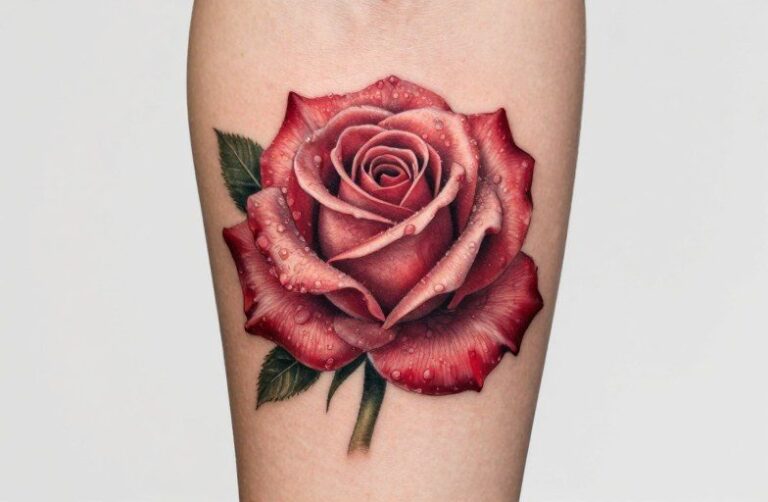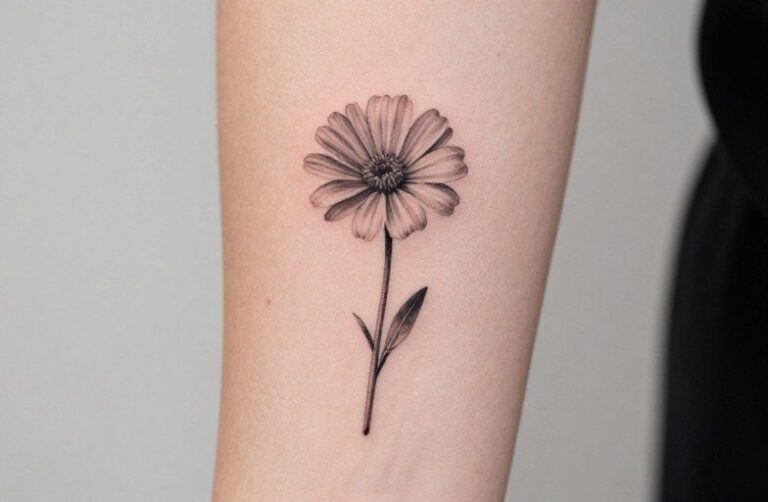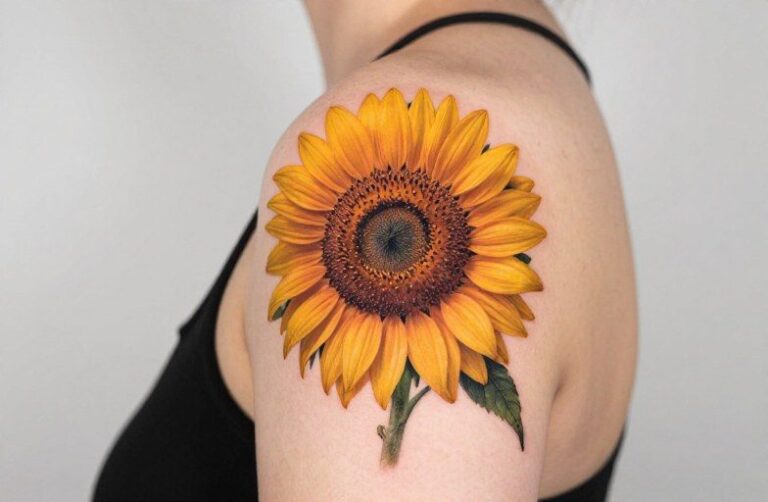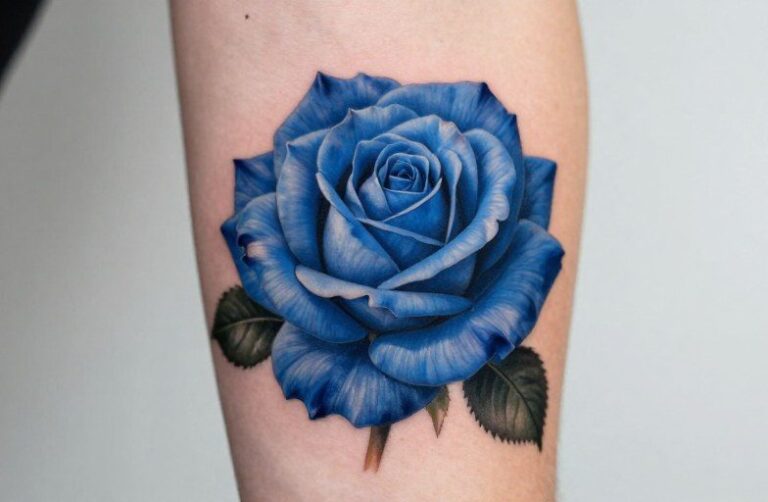
A peony tattoo most commonly signals prosperity, good fortune, romantic love, and honor. Across Japanese, Chinese, and Western tattoo traditions, the bloom carries weight without heaviness, soft petals, thornless stems, and a brief but spectacular flowering season that tattoo collectors have long translated into skin.
Symbolism & Core Meaning
The peony’s meaning splits along two tracks: what the flower does in nature, and what cultures have projected onto it. In nature, it’s a lush, full-headed bloom that collapses under its own weight, requiring staking or support. That physical vulnerability, paired with its extravagant beauty, feeds into its symbolic range.
Honor and Masculine Virtue
In Japanese tradition, the peony, botan, holds surprising masculine associations. Paired with lions or foo dogs in classic irezumi, it represents the balance of strength and beauty, the warrior’s capacity for both ferocity and refinement. This isn’t a gentle flower assigned to passive femininity; it’s a badge of courage and high status.
Wealth and Social Standing
Chinese culture links the peony to prosperity and rank. The flower was cultivated in imperial gardens, and its appearance in tattoo work often signals material success or aspiration. A peony sleeve or chest piece can function as a coded status marker, particularly when rendered in the saturated reds and golds of traditional Chinese painting.
- Romantic love and marriage: the full bloom suggests a relationship in its prime
- Fragility and transience: the short flowering season, the petals that drop cleanly
- Resilience: the plant returns reliably, perennial, despite its delicate appearance
- Shame and bashfulness: the “bashful” or “shame” etymology in some European traditions, from the way the flower hangs its head
Color vs Black and Grey
Color choice radically shifts a peony tattoo’s impact and longevity. This isn’t merely aesthetic preference, it changes how the piece reads across decades.
Working in Color
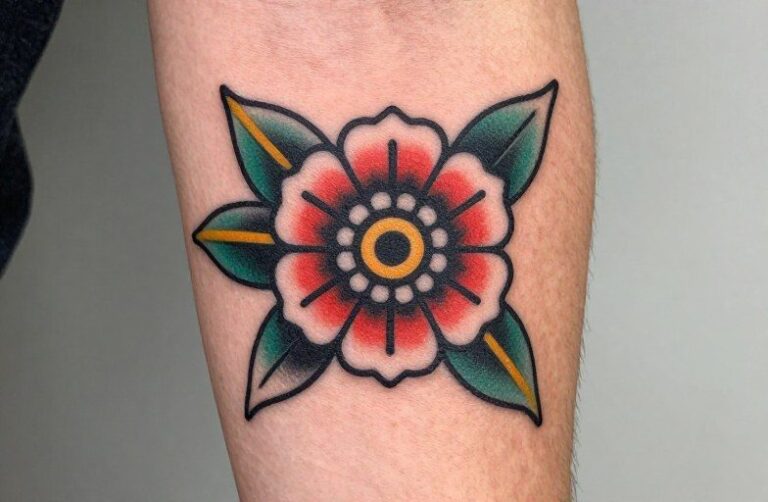
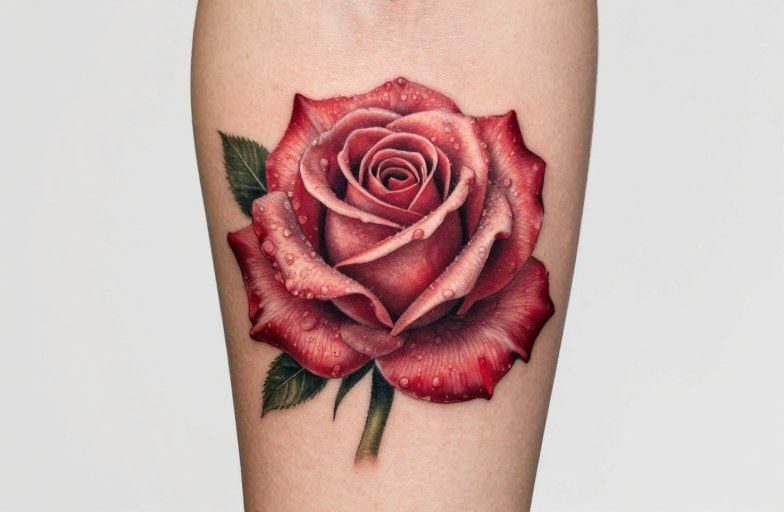
Red peonies dominate Japanese and Chinese traditional work. The pigment load is heavy, and quality reds (cadmium-based or organic alternatives) hold reasonably well, though they soften and warm toward orange-brown over fifteen to twenty years. Pink and coral versions read more softly, often chosen for their association with romance rather than wealth or status. White peonies, rendered with subtle grey backing and perhaps a hint of cool purple shadow, carry funerary or memorial weight in some East Asian contexts.
Black and Grey Realism
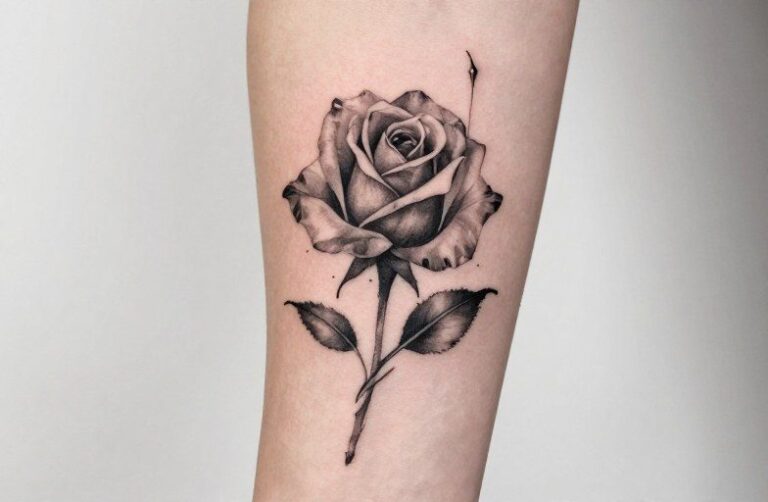
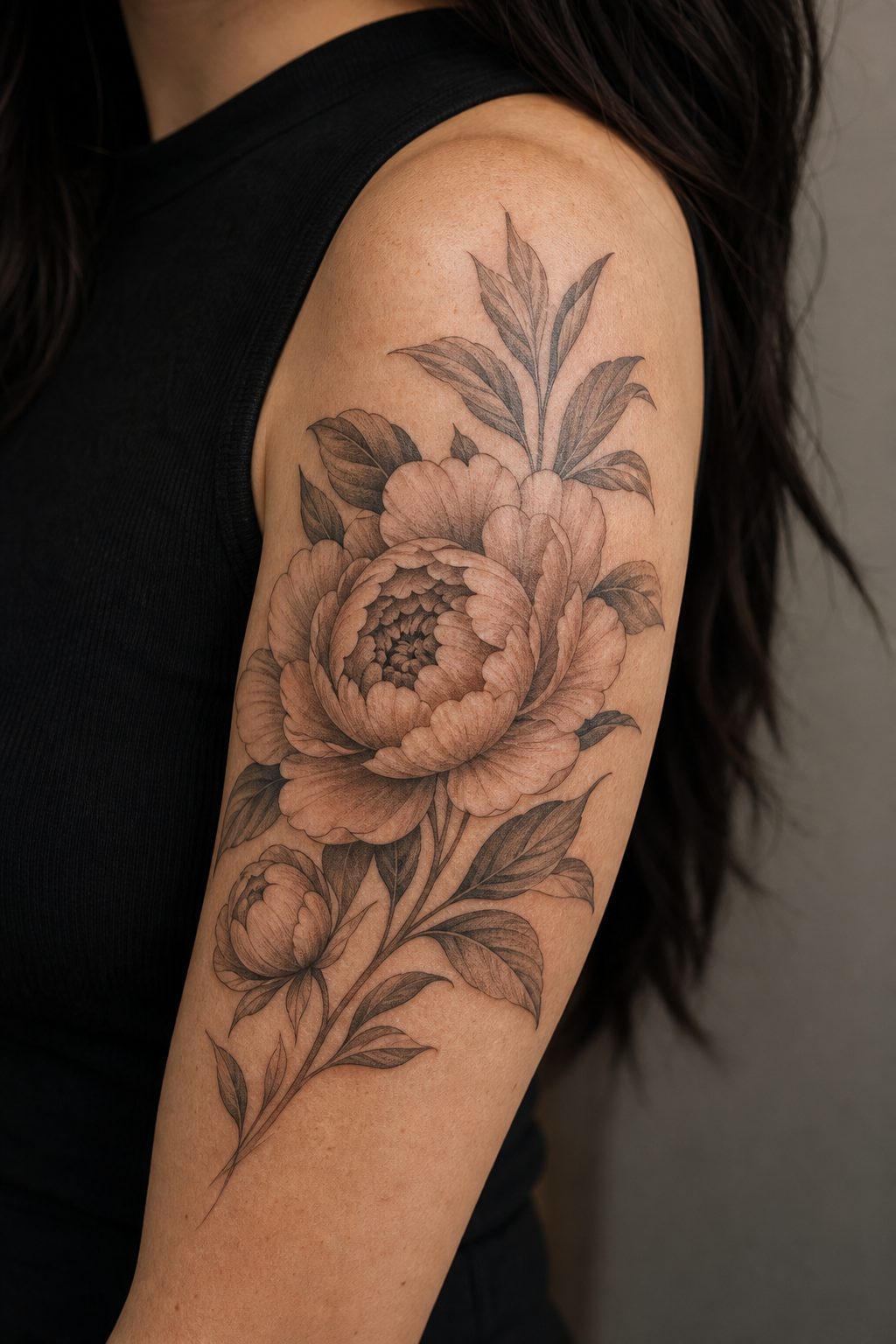
Black and grey peony tattoos excel in photorealistic or fine-line styles. Without color distraction, the artist’s handling of petal texture, negative space, and depth becomes the entire show. The downside: peonies rely on subtle color temperature shifts in nature, cool undersides, warm tops, that greywash struggles to replicate. A skilled artist compensates with contrast discipline, keeping the darkest darks (petal bases, center clusters) crisp against mid-tone rolls. These pieces age cleanly if the line foundation is solid, but muddy quickly if the artist over-blends.
Placement affects color choice. A peony on the outer arm, constantly sun-exposed, will fade faster in color; black and grey offers practical durability. On the torso or thigh, protected from UV, saturated color remains viable long-term.
Mythology & Folklore
The peony’s mythic associations are often linked to Greek healing traditions, some trace it to Paeon, a physician figure in Homeric mythology, though the etymological connection remains debated among scholars. What persists is the flower’s long association with medicinal use in Chinese and European herbal traditions, which tattoo collectors sometimes reference for personal recovery narratives.
Japanese Folktale Echoes
A common Japanese story pattern involves a peony garden haunted by a lion or protective spirit. The pairing of peony and lion in tattoo imagery draws directly from this tradition, representing the coexistence of beauty and danger, the cultivated and the wild. Not every collector knows the specific tale, but the visual grammar persists in contemporary Japanese-influenced work.
Chinese Ranking and Scholarship
The peony was designated a “king of flowers” in some Chinese horticultural classifications, and its appearance in scholarly or examination contexts linked it to intellectual achievement. A peony tattoo might quietly reference educational triumph or aspirational study, particularly when paired with books, scrolls, or scholarly implements.
Design Tips & Pairings
Peony tattoos succeed or fail on structural decisions. The flower’s natural form, layered, asymmetrical, top-heavy, presents specific challenges.
Placement and Flow
The shoulder cap and upper arm sleeve offer natural curves that echo the peony’s rounded form. A single large bloom, 4-6 inches minimum, allows petal detail to read clearly; smaller work sacrifices the subtle gradations that make the flower recognizable. For multiple blooms, stagger scale, a dominant flower with buds and scattered petals creates narrative sequence (bud, full bloom, fallen petal) without requiring explicit storytelling.
The thigh and hip accommodate the peony’s spread well, particularly for compositions that include foliage and stem. Ribs and sternum work demands compression; the flower often gets simplified, which can flatten its impact. Hand and foot placements struggle with the peony’s scale requirements and suffer from rapid fading in high-wear zones.
Common Pairings
- Koi or dragon: Japanese traditional, the peony softens and complements
- Skull: memento mori, the bloom’s brief beauty against permanent death
- Snake: danger nestled in beauty, garden and wild intertwined
- Butterfly or moth: transformation, pollination, ephemeral life cycles
- Geometric frames or mandala backgrounds: contemporary stylistic fusion, the organic contained
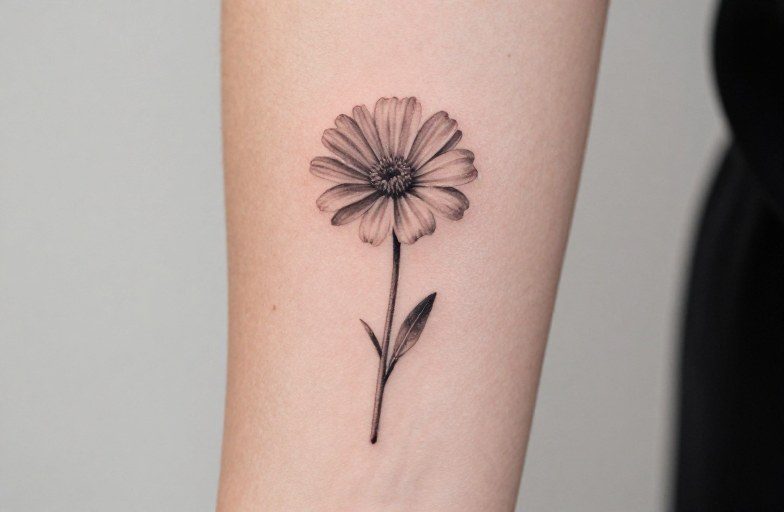
Line weight matters. Peony tattoos in traditional Japanese or Chinese styles use bold, confident outlines that hold through decades. Fine-line and single-needle approaches capture petal delicacy but require touch-ups sooner; the ink spreads slightly in skin, and what reads as subtle texture at six months may blur to indistinct grey by year five.
Religious & Spiritual Angles
The peony carries limited explicit religious affiliation, which makes it adaptable across belief systems. In Buddhist contexts, particularly some East Asian devotional art, the flower appears in paradise garden imagery, associated with the Pure Land and celestial beauty. It’s not a lotus, never substitute peony for lotus in explicitly Buddhist tattoo symbolism, but it occupies adjacent visual territory.
Contemporary spiritual adopters sometimes gravitate toward the peony for its seasonal cycle: the long dormancy, the brief explosive bloom, the return. This maps onto personal narratives of depression and renewal, creative drought and flowering, without requiring explicit religious language. The plant’s actual biology supports this, peonies can live fifty years or more, blooming reliably after harsh winters.
Who Chooses This Tattoo
Demographics here are less useful than motivation patterns. Peony collectors tend to arrive with specific visual reference, garden photographs, vintage botanical prints, existing tattoo flash, and a clear sense of whether they want traditional or contemporary rendering. The flower’s popularity in fine-art tattooing (watercolor, botanical realism) draws collectors who might otherwise avoid “meaning-heavy” imagery.
Gender and Style Evolution
Historically concentrated in Japanese and Chinese traditional work, often male-coded, the peony has expanded dramatically across gender and style boundaries. Neo-traditional, illustrative, and even abstract approaches now incorporate the bloom. The shift reflects broader tattoo democratization rather than any change in the flower’s core symbolism.
Cover-up applications are common. The peony’s layered petals provide excellent camouflage for older tattoos, particularly when rendered in color with dense pigment saturation. An experienced artist can nestle a skull, previous lettering, or failed design within the flower’s center, using the natural dark-to-light gradient of petal shading to obscure and transform.
Final Thoughts
A peony tattoo offers density without clutter, meanings accumulate naturally, from cultural tradition, personal circumstance, and the flower’s own physical characteristics. The best pieces honor that complexity through technical precision: proper scale, thoughtful color or greywash commitment, and placement that respects how the bloom sits on a body in motion. Whether drawn to prosperity symbolism, the Japanese warrior association, or simply the visual satisfaction of layered petals, you’re choosing a design with genuine historical weight and contemporary flexibility. The work lies in finding an artist who understands which layer of meaning you’re activating, and rendering it with the craft the subject deserves.
Frequently Asked Questions
Do peony tattoos hurt more than other flower designs?
Pain depends on placement and your personal sensitivity, not the design itself. Peonies often require larger scale to show petal detail, which may mean longer sessions. Rib, sternum, and foot placements hurt regardless of the flower type.
How well do colored peony tattoos age compared to black and grey?
Saturated reds and pinks soften toward warmer tones over fifteen to twenty years. Black and grey ages more predictably but can lose the subtle temperature shifts that define peony petals. Sun protection dramatically extends color longevity.
Can a peony tattoo work as a cover-up for dark existing ink?
Yes, particularly for designs with dense color saturation and layered petals. The flower’s natural structure, dark centers, lighter outer petals, provides excellent camouflage opportunity. Consult an artist experienced in cover-up work for feasibility.
What’s the difference between a peony and a lotus tattoo symbolically?
Lotus carries explicit Buddhist and Hindu spiritual associations, purity, enlightenment, rising from mud. Peony lacks that specific religious anchor, offering more flexible interpretation around prosperity, honor, romance, and transience. They’re not interchangeable symbols.