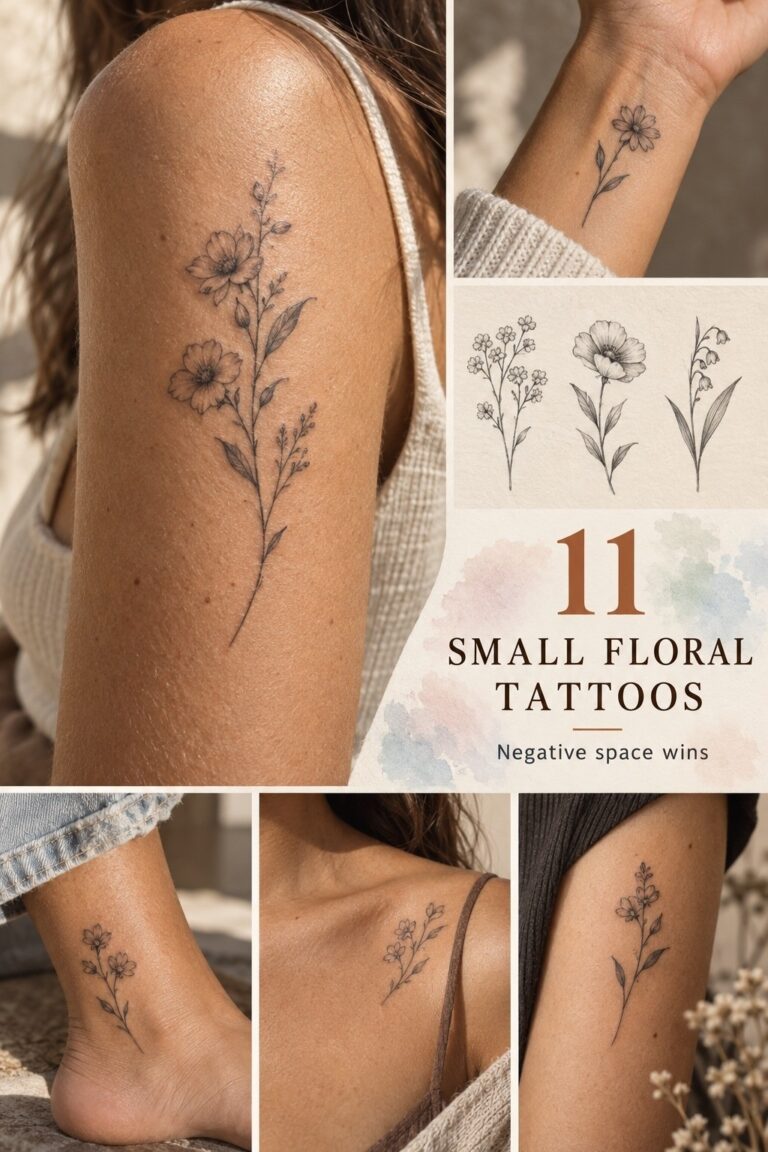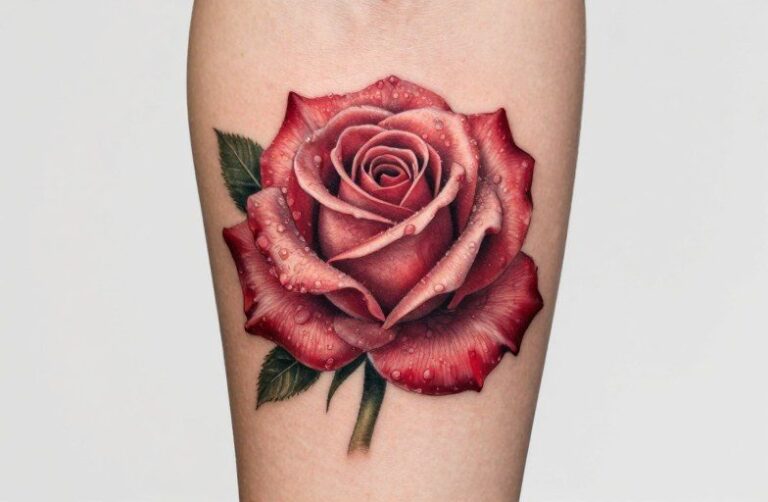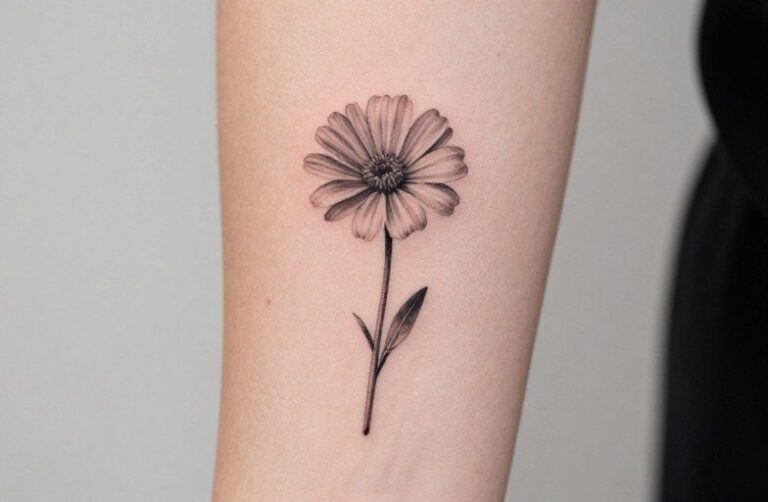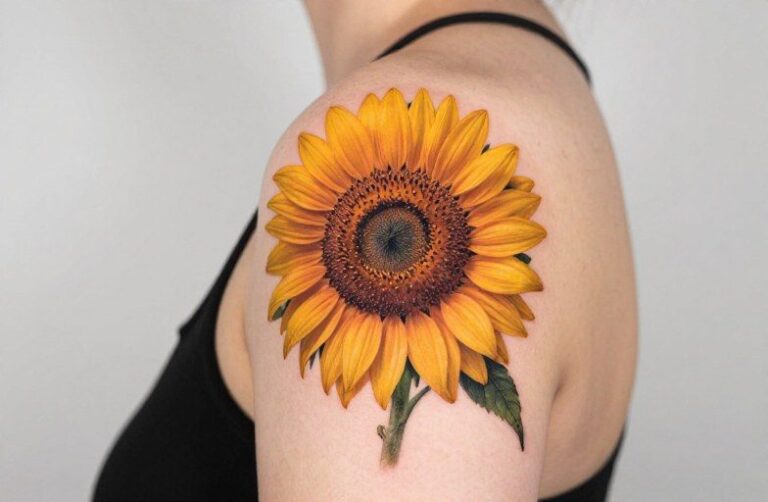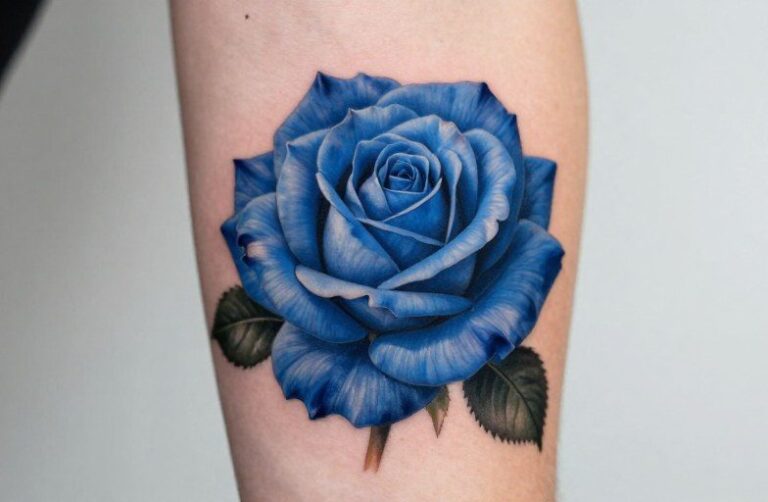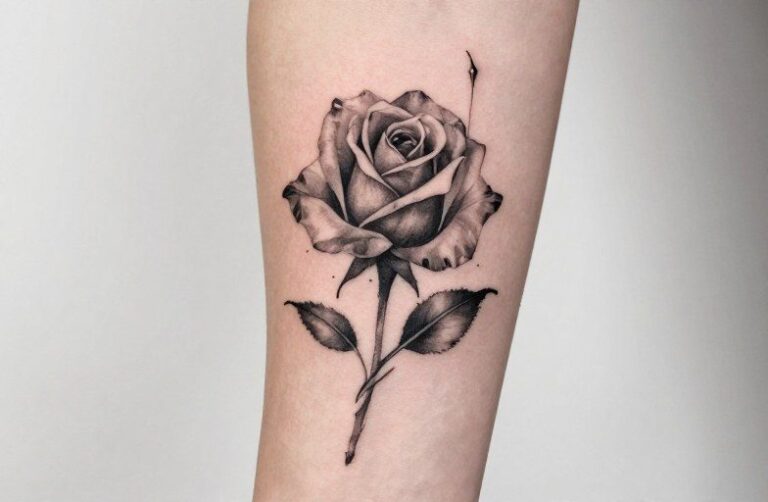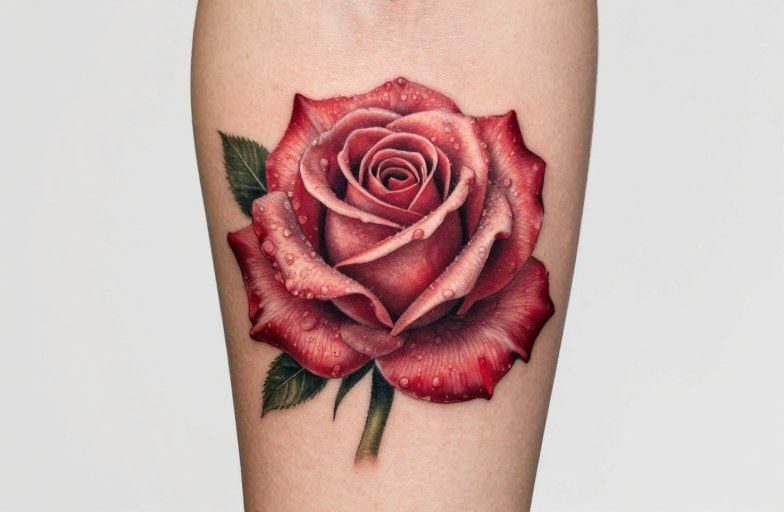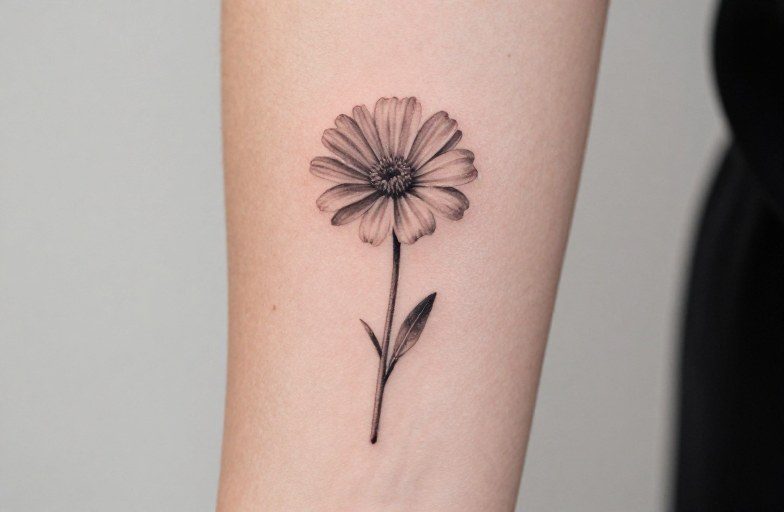
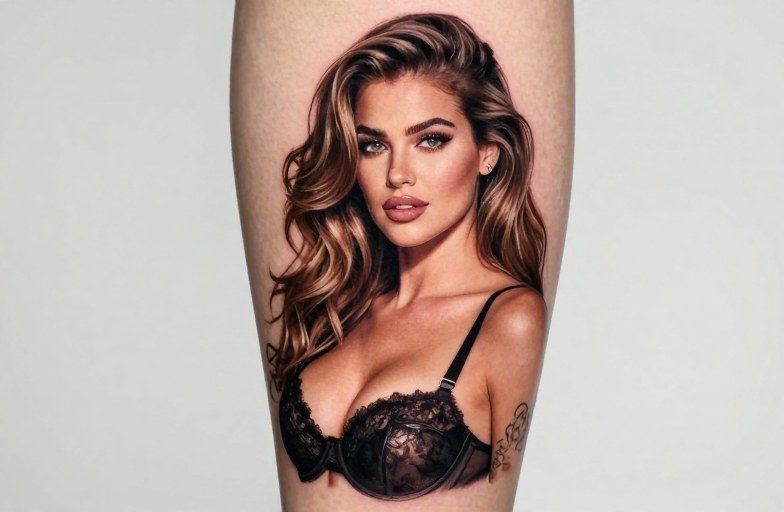
The “Loretta Rose sexy pics” tattoo refers to a specific style of ink that merges vintage pin-up portraiture, often evoking the aesthetic of mid-20th century glamour photography, with rose botanical elements. this design celebrates feminine confidence, nostalgic sensuality, and the contrast between human beauty and natural impermanence. The name “Loretta” carries Hollywood golden-age resonance, while the rose grounds the imagery in traditional tattoo symbolism of passion, secrecy, and fleeting beauty.
History & Cultural Roots
Pin-Up Photography and Tattoo Crossover
Vargas and Petty girl illustrations defined military-era Americana, and their influence on tattoo culture runs deep. Sailors carried these images across oceans, and by the 1940s, tattooists were translating magazine pages into skin. The “sexy pics” element in this tattoo style directly descends from that visual lineage, hourglass figures, coiffed hair, direct or playful gazes. Unlike modern explicit imagery, this aesthetic operates through suggestion and stylization, which is why it translates effectively to tattoo form without aging into visual cliché.
The addition of a specific name like “Loretta” personalizes the archetype. It transforms the generic pin-up into a particular woman, real or imagined, anchoring the design in narrative specificity. This practice of naming the figure mirrors sailor traditions of inking a sweetheart’s name alongside her portrait.
Rose Imagery in Traditional American Tattooing
Roses have been staple flash since the early 1900s, commonly associated with love, beauty, and the passage of time. In the Loretta Rose composition, the flower typically frames, obscures, or complements the figure rather than dominating the design. Traditional color palettes, deep reds, olive greens, heavy black outlines, remain the most durable choice for this combination.
Mythology & Folklore
Floral symbolism predates organized religion by millennia. The rose’s connection to secrecy emerges from Greek mythology: Aphrodite, often linked to the flower, was said to have given roses to her son Eros as tokens of trust. This “sub rosa” tradition, keeping matters beneath the rose, lingers in the visual language of the Loretta Rose tattoo, where the flower sometimes covers or veils the figure in strategic placement.
The Name Loretta in Folk Context
Derived from laurel, the name carries associations with poetic achievement and victory from classical tradition. Some trace it to Italian diminutives of Laura, a name immortalized in Petrarch’s sonnets. This literary undercurrent adds intellectual weight to the visual sensuality, creating tension between erotic appeal and cultural refinement that many collectors find compelling.
Symbolism & Core Meaning
The Loretta Rose design operates on several interpretive levels simultaneously. The pin-up figure embodies confidence, self-possession, and performative femininity, not necessarily for male consumption, but as self-definition. The rose introduces mortality: beauty that blooms, peaks, and inevitably fades. Together, they capture a specific philosophical stance about embracing presence over permanence.
Personal vs. Archetypal Interpretation
Some wearers choose this design to honor a specific Loretta, grandmother, partner, or cultural figure. Others select the name for its phonetic quality, its vintage cadence, or its resonance with country music royalty (Loretta Lynn’s particular brand of unapologetic femininity). The ambiguity serves the design well, allowing projection without demanding explanation.
- Confidence and self-ownership: The figure’s direct gaze and composed posture signal agency rather than objectification
- Nostalgia and temporal awareness: The vintage styling acknowledges irretrievable past eras
- Beauty’s impermanence: The rose’s brief blooming period underscores the figure’s frozen moment
- Dual nature: Thorns beneath petals, strength beneath surface glamour
Religious & Spiritual Angles
The rose carries significant weight in Catholic iconography, particularly through the Marian title “Mystical Rose.” This creates fascinating friction when paired with explicitly sensual imagery. Some collectors lean into this tension deliberately, exploring the historical coexistence of sacred and profane in Western art. Others simply appreciate the visual harmony without theological investment.
Sacred Heart and Suffering Imagery
In Mexican folk Catholicism and related tattoo traditions, roses frequently accompany Sacred Hearts and images of female saints. The Loretta Rose design can channel this energy when rendered with sufficient devotional seriousness, glowing hearts, flames, draped fabrics, though most contemporary versions maintain secular distance from explicit religious reference.
Buddhist and Hindu traditions less commonly inform this specific design, though the lotus-rose visual parallel occasionally appears in fusion pieces created by artists working across cultural symbol systems.
Design Tips & Pairings
Placement fundamentally shapes how this tattoo reads. Thigh and hip placements emphasize the sensual lineage; upper arm and chest treatments feel more declarative and public; ribs and sternum placements create intimate, concealed energy. The figure’s orientation matters significantly, forward-facing creates confrontation, profile suggests contemplation, three-quarter view offers classic compositional balance.
Technical Considerations for Line and Color
Black and grey realism suits the photographic source material but demands exceptional technical execution to avoid muddying over time. Traditional bold-line approaches with limited color palette prove more forgiving long-term. The rose element specifically benefits from heavy black whip-shading in the leaves and solid saturation in petal folds; soft watercolor techniques age poorly in this context, bleeding into illegibility within five to seven years.
- Complementary pairings: Banners with names or dates, pocket watch or clock faces, swallow or sparrow motifs for travel/navigation themes
- Frame treatments: Victorian oval frames, film strip borders, or Polaroid-style white borders reference the photographic origin
- Scale requirements: Minimum palm-sized for facial detail; smaller renders lose the likeness quality and become generic
- Background options: Solid black negative space, traditional scrollwork, or minimal skin-break for contrast
Typography and Lettering Integration
When incorporating “Loretta” or additional text, script selection carries weight. 1940s cursive or sign-painter style lettering maintains period coherence. Avoid modern sans-serif fonts; they create temporal dissonance that undermines the design’s internal logic. Lettering should be substantial enough to hold, fine script below 10mm height blurs unpredictably.
How It Ages on Skin
This design presents specific aging challenges due to its combined figurative and botanical elements. Faces require precise line weights; too fine, and they blur into featureless ovals within a decade. Too heavy, and they appear cartoonish from inception. The sweet spot varies by skin type and sun exposure, but experienced artists generally recommend slightly bolder facial outlines than intuition suggests.
Color Fading Patterns
Red roses shift unpredictably, some hold vividness for decades, others pinken or grey within years depending on pigment batch and individual skin chemistry. Black and grey versions age more consistently but can develop the “blue haze” common to portrait work when ink is worked too deep. The green in rose leaves and stems frequently outlasts surrounding colors, creating unbalanced compositions if not planned for.
UV exposure disproportionately damages figurative work; faces lose subtlety faster than abstract designs. Strategic placement under clothing, or committed sunscreen use, significantly extends readable lifespan. Touch-ups every eight to twelve years maintain intended appearance, though some collectors prefer the softened patina of aged work.
What to Remember
The Loretta Rose sexy pics tattoo succeeds when it commits fully to its aesthetic world, half-measures in rendering or period detail produce confused results. Select an artist with demonstrated strength in both portraiture and traditional floral work; these skill sets don’t automatically coexist. Consider the name’s personal resonance honestly, since generic choices read as borrowed identity rather than claimed symbolism. Most critically, accept the design’s temporal nature: the vintage reference, the fading rose, the frozen moment of a particular beauty standard, all of it acknowledges impermanence rather than resisting it. That acceptance becomes part of the tattoo’s genuine meaning.
Frequently Asked Questions
Does the Loretta Rose tattoo have to include an actual person’s name?
No, many collectors use “Loretta” for its vintage sound quality or cultural resonance without personal connection. The name functions as an archetype, though some wearers do honor specific individuals. The design works either way if the artistic execution supports the intent.
What’s the best tattoo style for this design, realism or traditional?
Traditional American handles aging better with bolder lines and limited color, while realism captures photographic nuance but demands more frequent touch-ups. Your pain tolerance, budget for maintenance, and visual preference should guide this choice with your artist.
Can this design work for male collectors, or is it strictly feminine?
Men have worn pin-up tattoos since the 1940s; the aesthetic carries no gender restriction. Some male collectors frame the design within larger military or nautical compositions, or select more stylized, less literal figure rendering.
How do I keep the facial details from blurring over time?
Start with slightly bolder line work than pure realism might suggest, avoid excessive sun exposure on the tattooed area, and plan for a refresh around year eight to ten. Your artist can advise on specific needle groupings and ink saturation for your skin type.