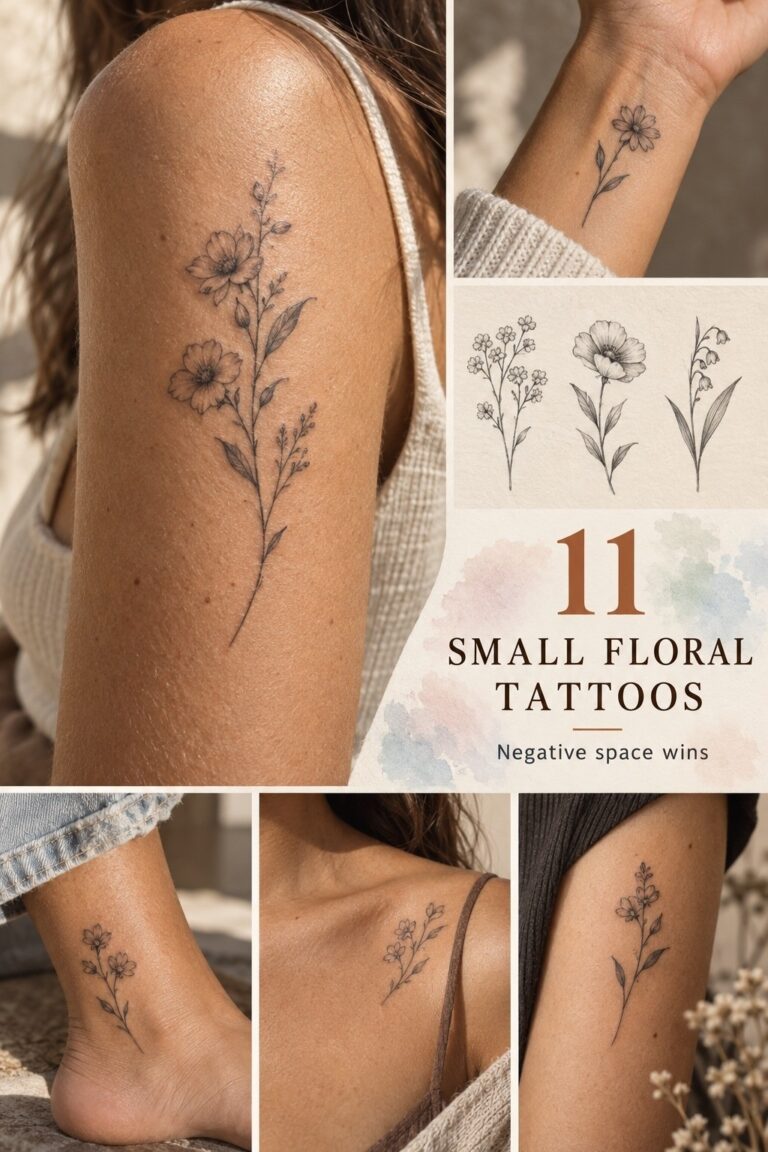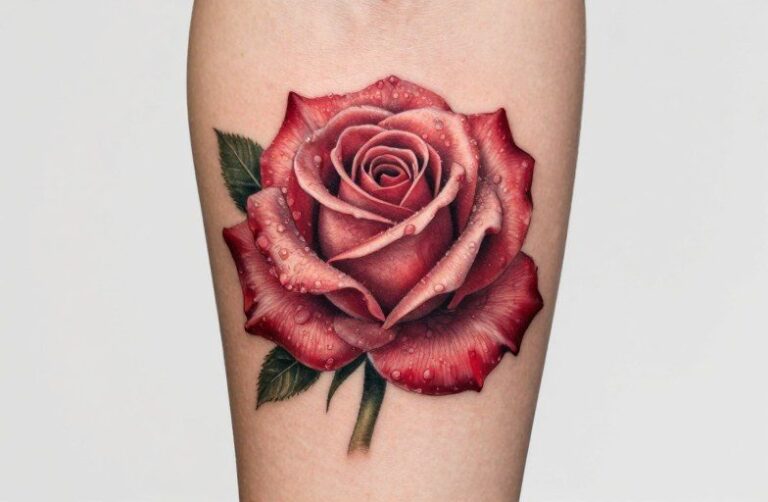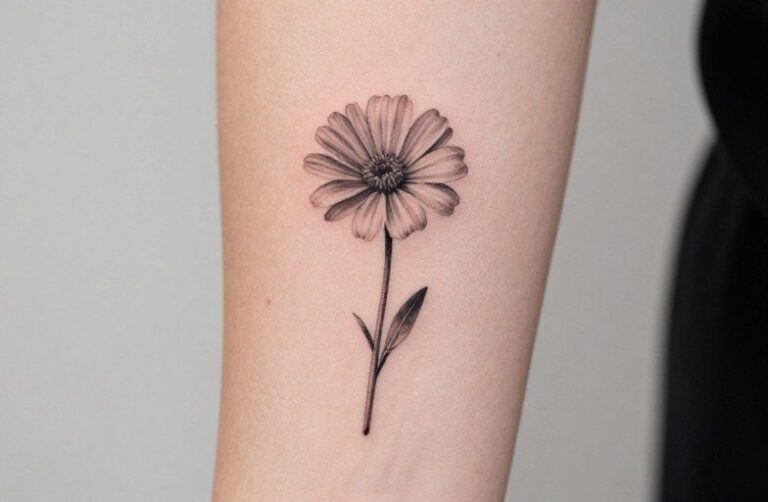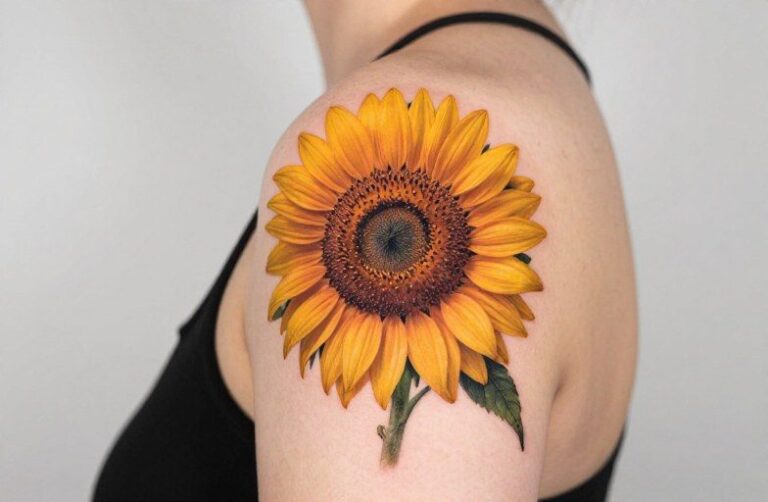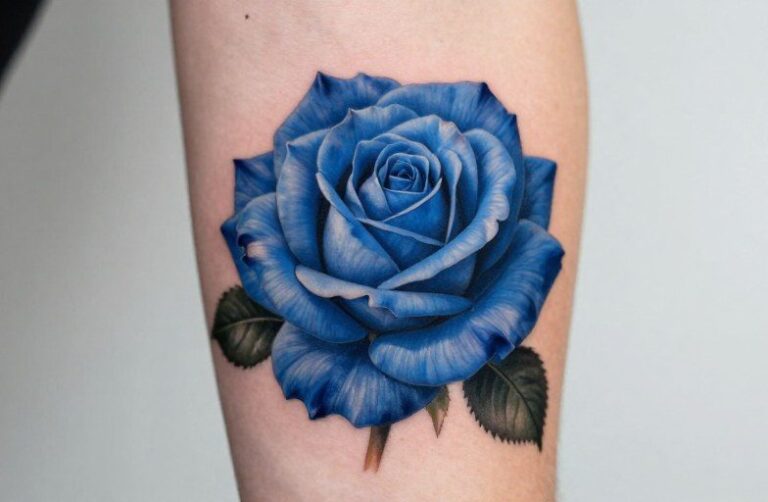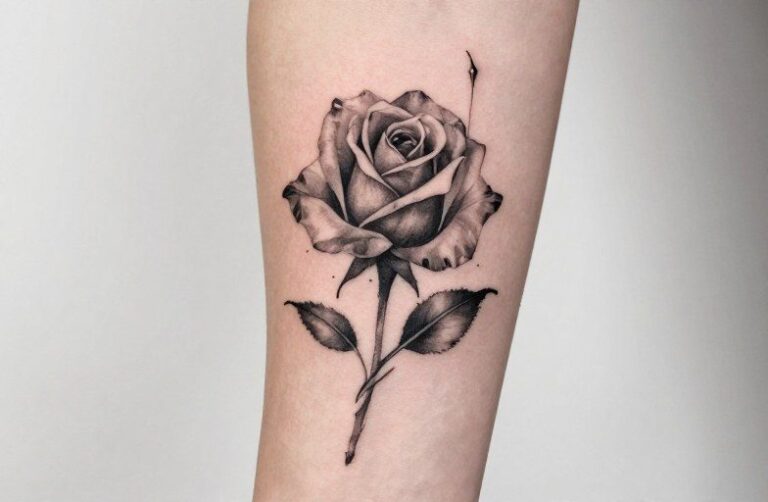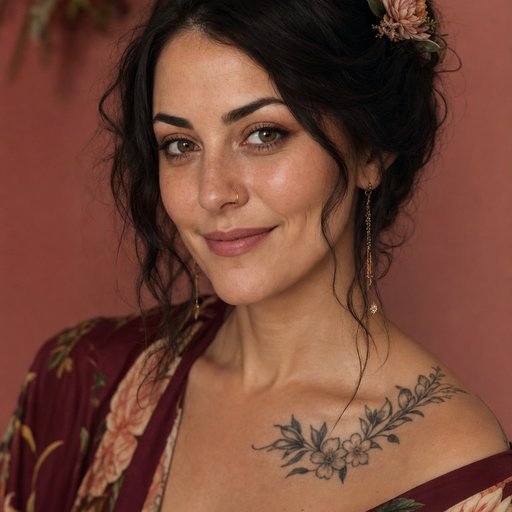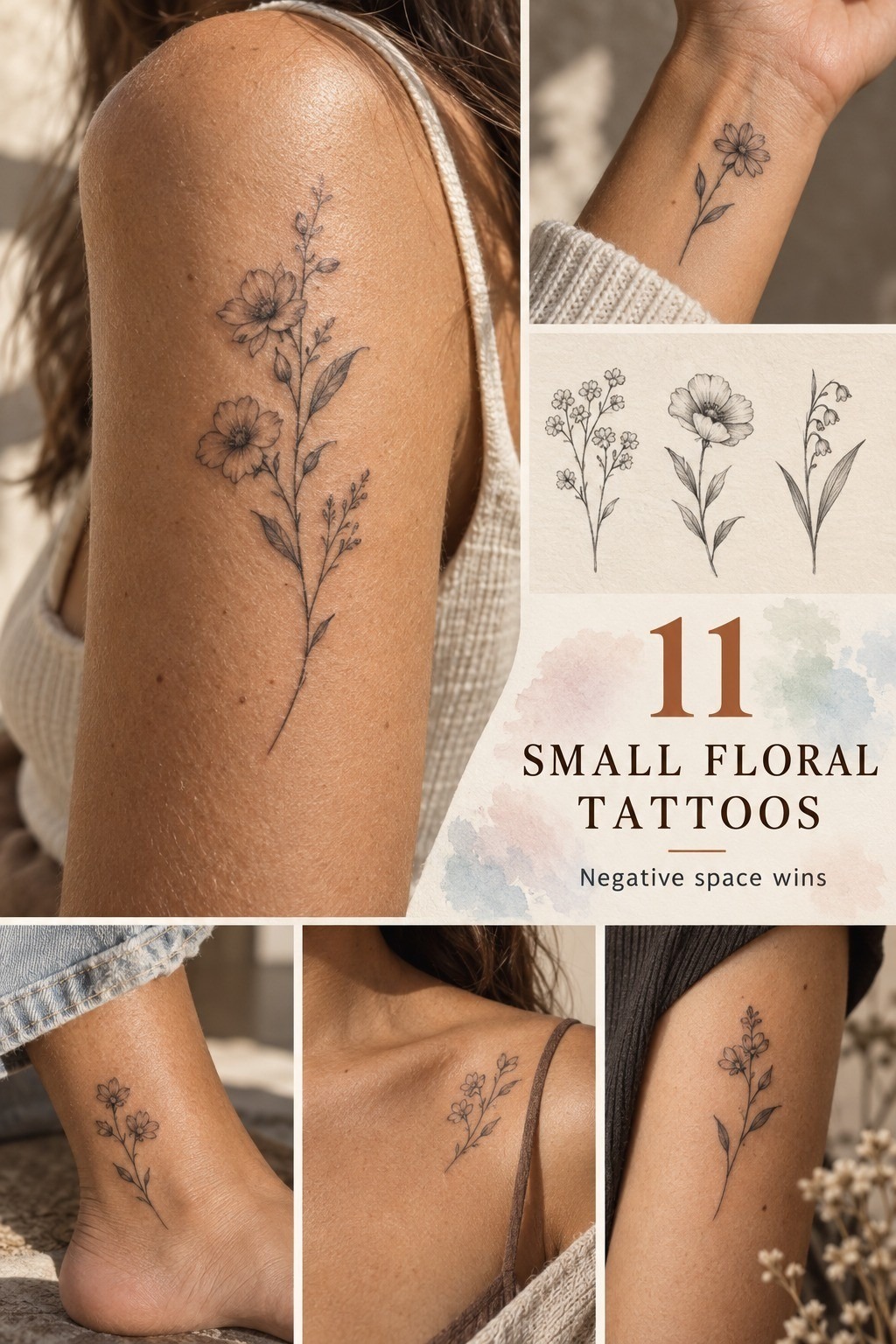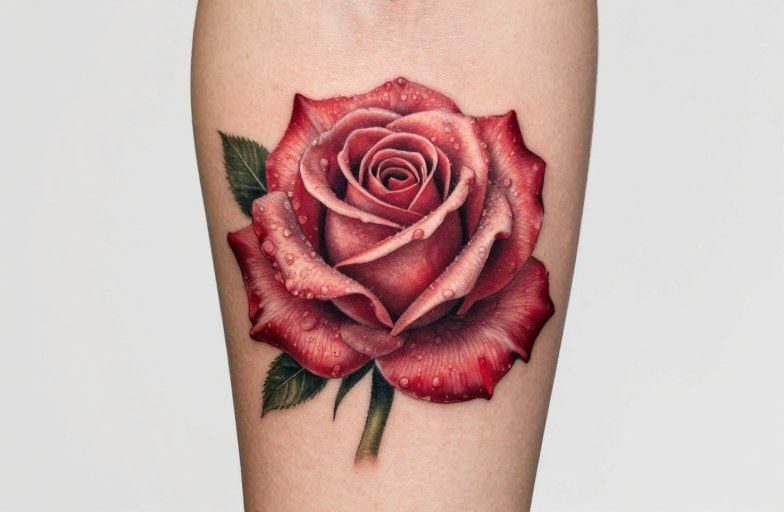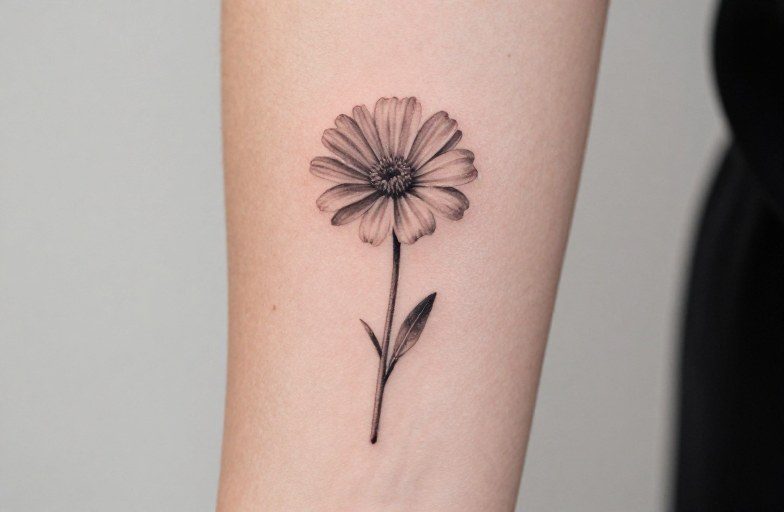
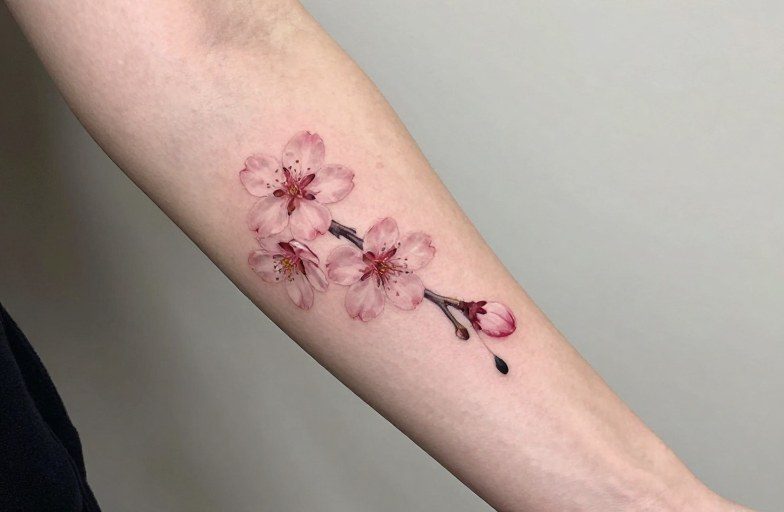
A cherry blossom arm tattoo most commonly represents the Japanese concept of mono no aware, the bittersweet awareness of impermanence. On the arm, this symbolism gains physical presence: the branch curves with muscle, petals appear to fall with movement, and the wearer literally carries a reminder that beauty is temporary but worth pursuing. The meaning deepens through placement, how the design wraps or flows, and what accompanies the blossoms.
Who Chooses This Tattoo
There’s no single profile, but patterns emerge in what people want expressed. The arm offers visibility, daily reminder, not hidden secret, and that choice itself signals something about intent.
Life Transition Markers
People marking significant endings or beginnings gravitate here: graduation, recovery, relocation, loss. The blossom’s brief lifespan mirrors these threshold moments. Upper arms and forearms both work, though the forearm tends toward more frequent self-viewing (the reminder function), while the upper arm allows larger, more contemplative compositions.
Cultural Connection vs. Aesthetic Appeal
Some wearers have direct Japanese heritage; others simply respond to the visual language. Both are valid, though the former sometimes incorporates family crests, specific regional blossom varieties (Somei Yoshino vs. Yaezakura), or memorial dates in kanji. The distinction matters for design consultation, cultural weight affects how literally traditional rules should apply.
Design Tips & Pairings
Arm placement shapes every technical decision. The cylinder of the arm, its curves and flat planes, determines how branches should flow.
Wrapping vs. Flat Composition
Wraparound designs use the arm’s dimensionality: blossoms on the outer forearm, buds transitioning to branches on the inner arm, creating 360-degree continuity. Flat compositions (all elements visible from one angle) suit the upper arm’s broader canvas or the forearm’s display surface. Wraparounds require more planning, your artist needs to account for how the design reads from multiple angles, not just the Instagram photo.
Common Pairings and Their Weight
- Koi: Perseverance against adversity; the swimming upward narrative pairs with blossom’s temporal quality
- Geometric frames: Modern contrast, but risks dating quickly, consider negative space approaches instead
- Script: Poems, names, dates; Japanese calligraphy demands a specialist, not a generalist trying kanji
- Skulls or Buddhist elements: Memento mori tradition; historically grounded but requires care to avoid kitsch
- Wind bars or water backgrounds: Traditional Japanese filler that contextualizes the blossom in seasonal narrative
Color vs. black and grey changes the symbolic temperature. Full pink reads feminine in Western contexts (though not exclusively); red tones suggest vitality, passion. Black and grey emphasizes form over sentiment, often aging more gracefully.
How It Ages on Skin
Cherry blossoms test technical execution because their appeal relies on subtlety, soft edges, delicate petal layers, fine stamens. Subtlety is what time attacks first.
Line Weight and Detail Survival
Thin lines defining individual petals blur within 5-10 years. The solution isn’t universally thicker lines (which can look cartoonish), but strategic contrast: slightly heavier branch outlines anchor the composition while petals soften into suggestion. Single-needle petal details rarely survive unchanged; plan for the softened version from day one.
Color Fading Realities
Pink pigments, especially lighter magentas and pastels, fade faster than black. Expect significant softening by year 7-10. Deeper reds (crimson, burgundy) hold longer. White highlights, often used for petal dimension, disappear into most skin tones within 2-3 years, becoming invisible. Your artist should design for the pigment’s eventual state, not the fresh photo.
Arm placement specifically: forearms see more sun exposure than upper arms, accelerating fade. The outer forearm tans and burns; sunscreen isn’t optional maintenance, it’s preservation of the investment. Inner forearm holds color longer but has different skin texture, more prone to slight spreading of fine detail.
Common Variations & Styles
Style choice determines not just appearance but how the symbolism reads. Same flower, different dialects.
Traditional Japanese (Irezumi)
Follows established rules: blossoms in seasonal context, specific accompanying elements, background patterns (waves, wind, clouds). Often linked to ukiyo-e woodblock prints. The arm here functions as part of a larger potential narrative, sleeve development, chest panel connection. Symbolic weight is collective, not isolated.
Illustrative and Neo-Traditional
More stylized, bolder outlines, sometimes exaggerated proportions. Petals may be larger, more graphic, less botanically accurate. The meaning shifts toward personal emblem rather than cultural participation. Works well for single-session pieces, upper arm or forearm standalone designs.
Fine Line and Minimalist
Single branch, sparse blossoms, extreme negative space. The impermanence theme becomes almost literal, visually fragile, easily overlooked. Risk: too minimal, and aging turns it into indistinct grey shapes. Requires excellent skin (minimal freckling, even tone) and disciplined aftercare. Best on inner forearm or upper arm flat planes.
Watercolor and Abstract
Pigment splashes, no black outlines, color bleeding beyond form. Visually dynamic fresh; unpredictable aged. The blossom becomes color-event rather than botanical study. Meaning leans emotional, less narrative. Some trace this style to contemporary Korean and Chinese tattoo movements, though it’s now widespread globally.
Similar & Related Symbols
Understanding alternatives clarifies whether cherry blossom is the right vehicle for your intended meaning.
- Plum blossom (ume): Blooms in winter, represents endurance and hope; harder, more austere character
- Peony: Wealth, honor, masculine yang energy in Japanese tradition; fuller, more opulent visually
- Lotus: Buddhist enlightenment, purity rising from mud; more explicitly spiritual, less temporal
- Maple leaf (momiji): Autumn, maturity, graceful decline; similar seasonal awareness but different life stage
- Chrysanthemum: Imperial symbol, longevity, nobility; often linked to Japanese nationalism historically
Each occupies overlapping symbolic territory. The cherry blossom’s specific gift is the tension between beauty and brevity, other flowers symbolize endurance, transcendence, or prosperity, but few carry that particular melancholy.
Religious & Spiritual Angles
The blossom itself carries no doctrinal weight, but its contexts do.
Buddhist Interpretation
Within Japanese Buddhism, particularly Zen, cherry blossoms exemplify the teaching that all compounded things are impermanent. The flower’s brief peak, often just days, mirrors human existence. Tattooing this symbol doesn’t make one Buddhist, but the resonance is available to practitioners. Some combine with Buddhist imagery (prayer beads, specific mudras, temple architecture) to deepen this connection.
Shinto and Nature Kami
Shinto, Japan’s indigenous spiritual practice, often linked cherry trees to mountain deities and agricultural spirits. The blossoms marked planting season, divine presence in nature. Modern wearers rarely invoke this directly, but the seasonal/sacred association persists in cultural memory.
Secular Humanist Readings
Many choose this symbol without religious framework: simply, life is short, beauty matters, pay attention. The arm placement suits this, visible, daily, non-dogmatic. The tattoo functions as philosophical reminder rather than devotional object.
The Bottom Line
A cherry blossom arm tattoo works when the technical execution respects the subject’s delicacy and the symbolism genuinely connects to your experience. The arm’s visibility means you’ll live with this daily, good for a meaningful reminder, demanding if chosen casually. Prioritize artists with demonstrated experience in the specific style you want, not just general floral capability. Ask to see healed photos, not just fresh work. Plan for aging: slightly bolder than you might initially prefer, color choices that fade gracefully, placement that accounts for your actual sun exposure habits. The meaning is already there in the flower, your job is making sure the tattoo survives well enough to keep communicating it.
Frequently Asked Questions
Does a cherry blossom arm tattoo have to be Japanese-style to be respectful?
Not necessarily. Appreciation differs from appropriation when you avoid sacred or restricted imagery and credit the source. A generic blossom branch in any style is generally acceptable; adding specific family crests, religious figures, or culturally weighted pairings without understanding crosses into problematic territory.
How much should I expect to pay for a quality cherry blossom arm piece?
Rates vary enormously by region and artist reputation, but expect to invest several hundred to over a thousand dollars for work that will last. This is not a design category where bargain hunting pays off, fine detail and color subtlety require time and skill that cheap work simply cannot deliver.
Will the pink color look realistic on darker skin tones?
Pinks and reds can work beautifully on all skin tones, but the specific shade must be selected to complement your undertone, not fight it. Deeper, more saturated reds often read better than pale pinks on melanin-rich skin. Consult an artist with demonstrated experience across diverse skin tones.
Can I cover an existing tattoo with cherry blossoms?
Cherry blossoms are sometimes used in cover-ups because the petal shapes can mask older work, but the light colors and fine detail that make them attractive are exactly what struggle to cover dark existing ink. Success depends entirely on the old tattoo’s size, color, and location, some situations require partial laser fading first.