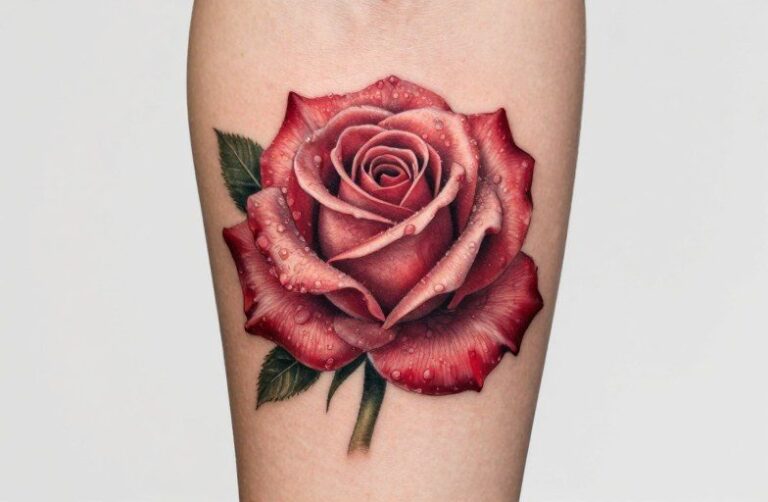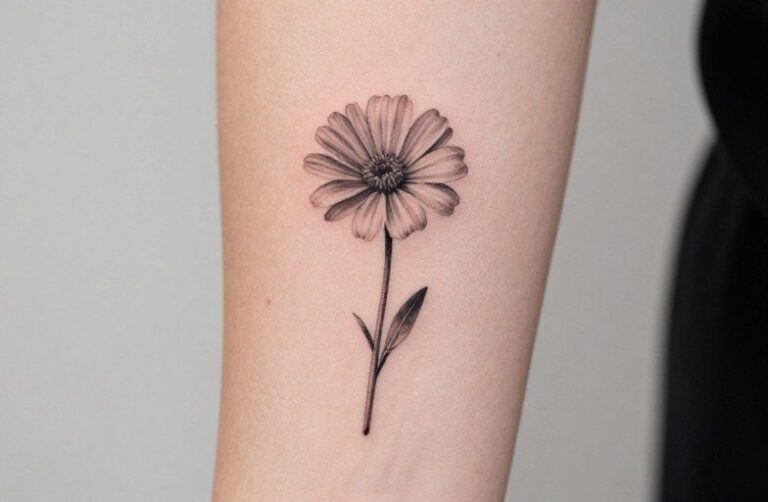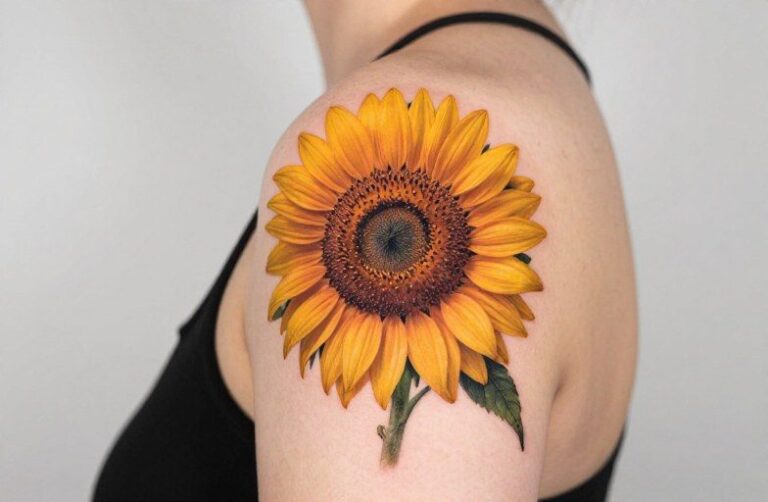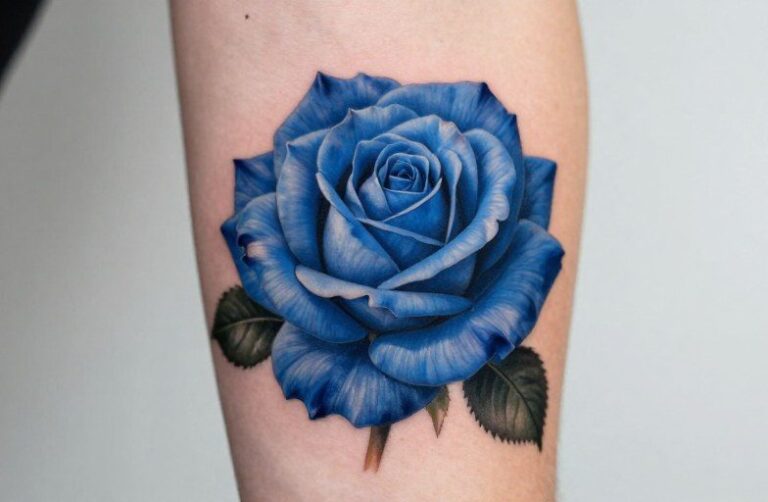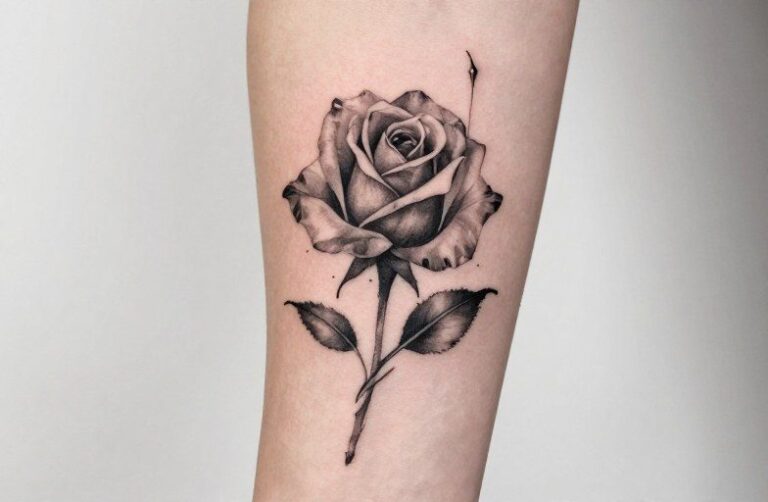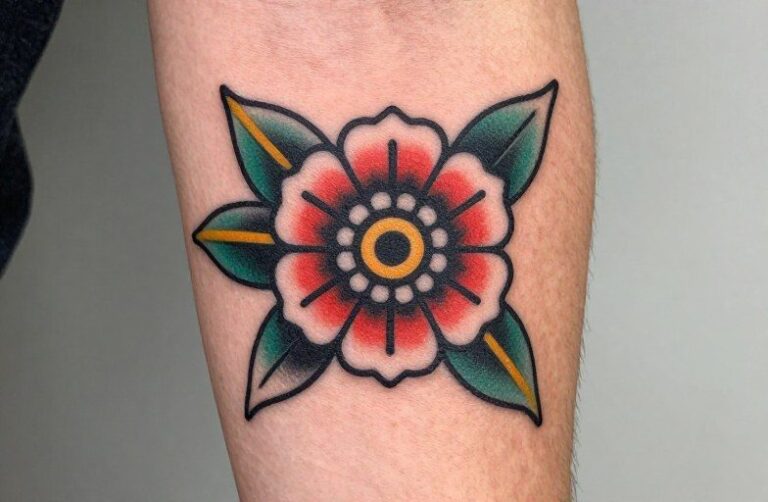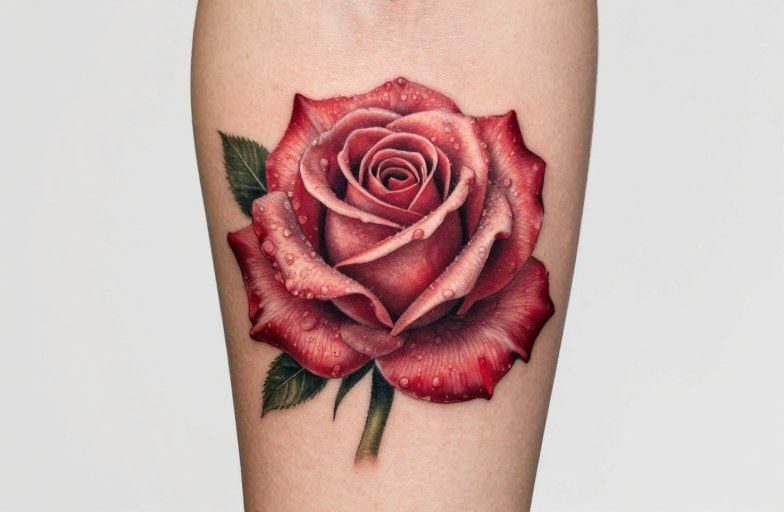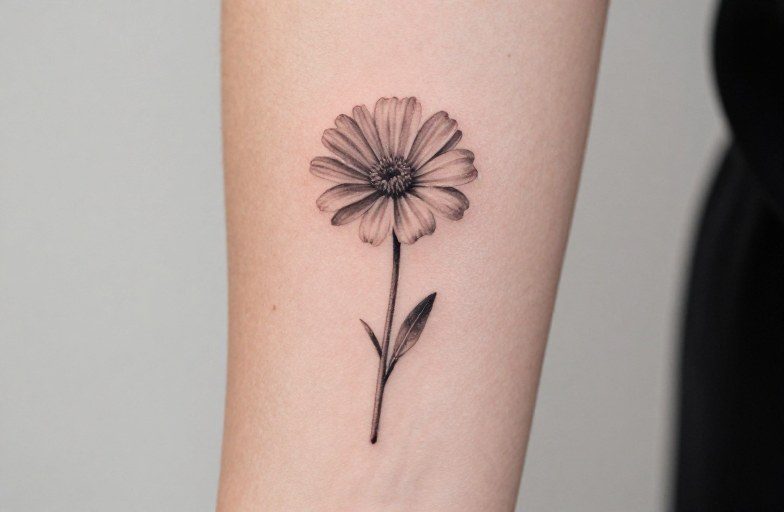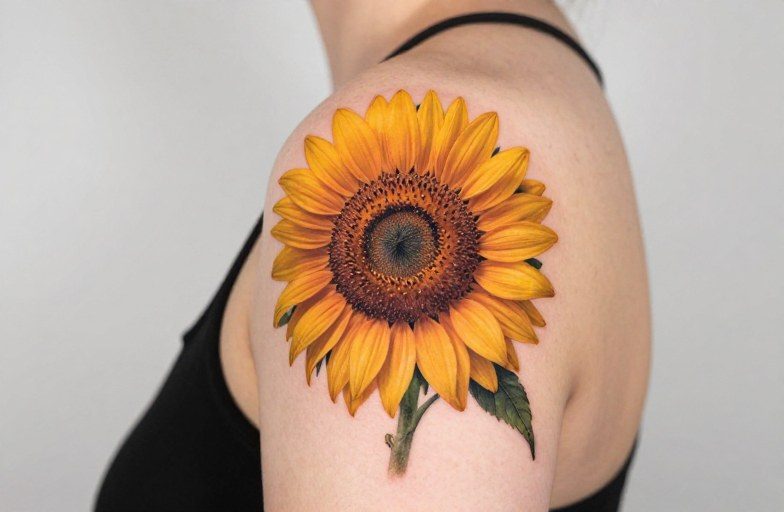
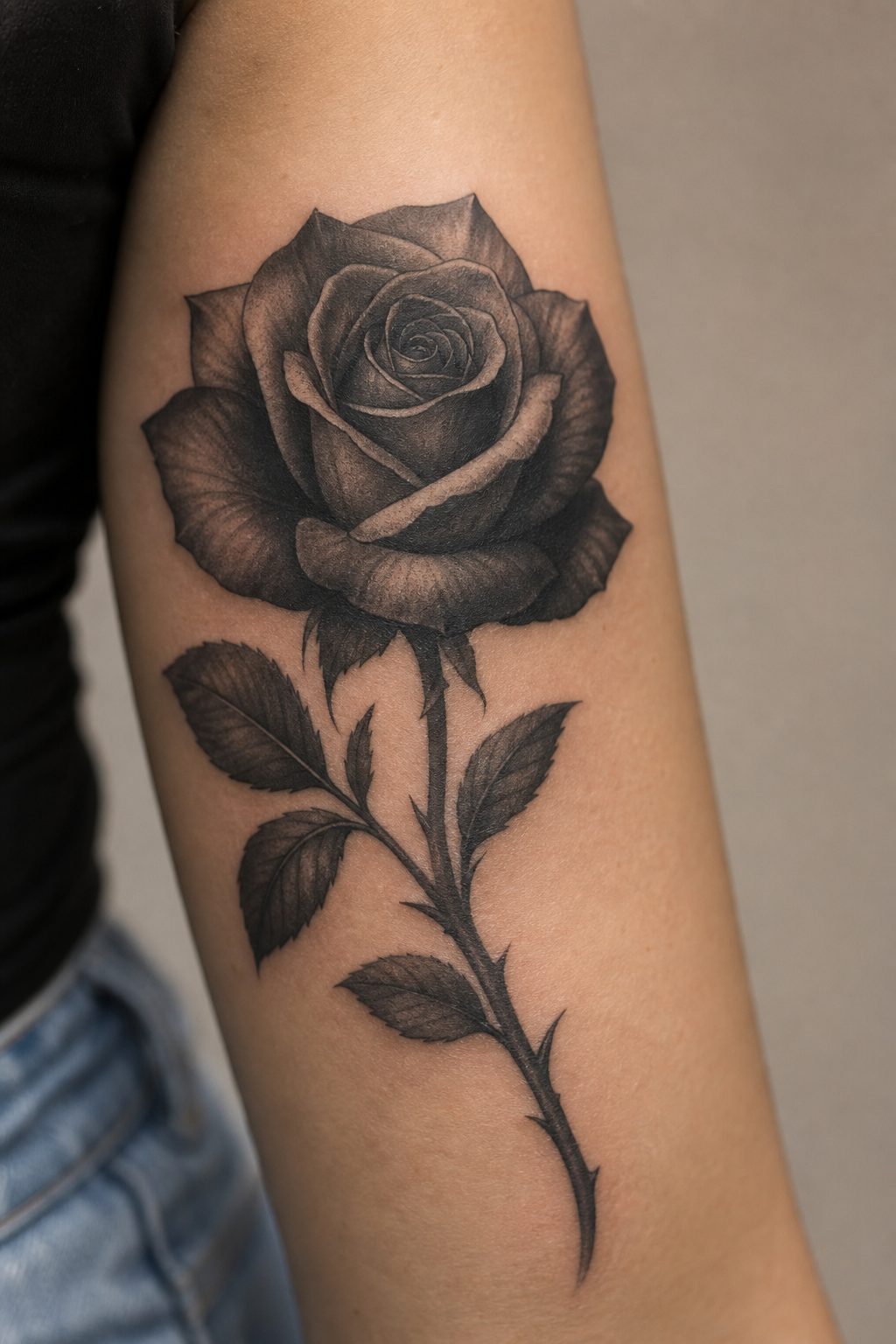
A black rose tattoo most commonly signals grief, loss, or the end of something significant, a relationship, a chapter of life, or even a former self. But the symbol isn’t locked to mourning. Depending on context, placement, and accompanying imagery, it can also mark rebellion, mystery, or the beauty found in darkness. The meaning shifts with what you build around it, not with vague personal interpretation.
Symbolism & Core Meaning
The black rose sits in a rare space where floral beauty meets deliberate shadow. Unlike a red rose tied to passion or a white rose to purity, the black rose carries weight precisely because it denies those expected associations.
Loss and Remembrance
Memorial black roses remain the most frequent request. The color absence reads as finality. Many choose this for parents, siblings, or partners, often paired with dates, names, or religious imagery. The rose itself becomes a container for what can’t be spoken directly. Inked on the chest over the heart, the forearm, or the ribs, the placement reinforces intimacy and proximity to pain.
Rebellion and Counterculture
Gothic, punk, and metal subcultures adopted the black rose early as an anti-romantic symbol. It rejects the softness of traditional floral tattoos. A black rose with thorns emphasized, stem wrapped in barbed wire, or paired with a dagger pushes this further into territory that reads as defiance rather than sorrow. Neck, hand, and behind-the-ear placements amplify this stance, visible, unapologetic, hard to hide.
- Single black rose: focused grief or personal transformation
- Black rose with falling petals: decay, acceptance of endings
- Black rose in a vase or with a clock: time, mortality, memento mori
- Black rose with a skull: death embraced, not feared
Mythology & Folklore
The black rose lacks a single origin story, which has allowed it to accumulate meanings across cultures. Some trace it to Turkish folklore, where a black rose in a dream supposedly signaled impending death or impossible love. In Irish legend, the “Black Rose” often linked to rebellion against English rule, particularly the Young Irelanders of the 1840s, where it became coded nationalist symbolism.
Anarchist movements across Europe adopted the black rose in the late 19th and early 20th centuries. The color black itself carried anti-state meaning; the rose softened the symbol without diluting it. This political lineage still surfaces in punk and radical tattoo culture, though many who wear it now don’t carry that specific intent.
Gaming and fiction have expanded the symbol’s reach. The “Black Rose” appears in Magic: The Gathering, League of Legends, and countless fantasy novels as a mark of dark power or hidden knowledge. These pop-culture layers mean a black rose tattoo today might reference grief, politics, fandom, or pure aesthetic preference, sometimes simultaneously.
How It Ages on Skin
Black roses age better than their colored counterparts for one reason: black ink holds. But “holds” doesn’t mean “stays crisp.”
Line Work vs. Shading
A black rose built from bold outlines with limited fill stays readable for decades. Heavy black-out shading, whip shading, or smooth gradients look stunning fresh but blur faster. The difference between black and skin tone creates contrast; as that contrast softens, the rose can become a dark blob if the design relies too heavily on subtle gradation rather than structure.
Small black roses, under two inches, suffer most. Petal detail disappears into surrounding black. For longevity, keep the design at least palm-sized, with clear separation between petals and enough negative space to maintain shape as ink spreads slightly in the dermis.
Placement and Sun Exposure
Black ink on high-exposure skin (hands, forearms, neck) fades faster to a charcoal gray. This isn’t always undesirable, some prefer the weathered look. But if you want deep black, plan for touch-ups every 5-8 years on sun-heavy placements. Upper arms, thighs, and torso protect better under clothing and maintain saturation longer.
Design Tips & Pairings
The black rose works as a standalone piece, but its real strength emerges in combination with other symbols.
Complementary Imagery
Clocks and pocket watches pair naturally, reinforcing mortality and time’s passage. Ravens or crows extend the gothic register without becoming cliché if rendered with anatomical accuracy rather than cartoon styling. Crosses, rosaries, or praying hands pull the meaning toward spiritual grief. Snakes coiled through the stem introduce temptation, danger, or transformation, the shedding of skin literalized.
Script and lettering require care. The black rose already carries visual weight; pairing it with heavy Old English or elaborate cursive fights for attention. Simple serif fonts or small, clean sans-serif text beneath or beside the rose integrate better.
Style Considerations
- Traditional/Americana: bold lines, limited shading, readable from distance, ages excellently
- Blackwork: solid blacks, geometric or ornamental framing, high contrast, dramatic but risks blurring
- Realism: requires skilled artist, photorealistic petals with depth, demands larger size and ongoing maintenance
- Neo-traditional: expanded color palette with black rose as anchor, jewel tones or muted greens in leaves
- Minimalist: single needle or fine line, delicate, high risk of fading, best for small, hidden placements
History & Cultural Roots
The black rose as a tattoo motif emerged alongside broader tattoo modernization in the mid-20th century. Sailor Jerry-era traditional work favored red and yellow roses; the black rose remained marginal until punk and goth subcultures of the 1970s and 1980s demanded darker palettes. Tattoo artists responded by developing denser black inks and shading techniques that could produce depth without color.
Botanically, true black roses don’t exist. The “Black Baccara” and similar cultivars achieve deep burgundy or purple-black under specific light. This impossibility feeds the symbol’s power, the black rose represents something nature doesn’t yield, something constructed through desire or grief. Tattooing one asserts that construction, making the impossible visible.
In Hispanic and Latin American traditions, particularly Día de los Muertos imagery, black roses sometimes appear alongside marigolds and other memorial flowers, though the color carries less specific cultural weight there than in Anglo-European contexts. Japanese tattooing (irezumi) rarely uses black roses in isolation; the motif appears more in Western-influenced work on Japanese artists rather than traditional body suits.
Common Variations & Styles
Beyond the standard bloom, several variations carry distinct connotations.
Bud vs. Full Bloom vs. Dying Rose
A tight black rosebud suggests potential cut short, a life ended before expansion. Full bloom black roses acknowledge completed lives, mature relationships, or fully realized grief. The wilting or petal-shedding version, often called a “dead rose”, speaks to acceptance, the beauty in decay, or the passage of time itself. These stages matter; choose deliberately rather than defaulting to full bloom because it’s easiest to reference.
Stem and Thorn Emphasis
A black rose with a long, thorned stem and minimal foliage reads as more aggressive, more “armed.” Removing the stem entirely, floating just the bloom, softens the image toward pure symbol rather than living plant. Leaves in black and gray add naturalism; their absence pushes toward graphic design or emblem.
Color accents, deep red droplets, subtle purple in petal folds, green stem, can reintroduce life into the black form. These work best in neo-traditional or illustrative styles where controlled color application doesn’t fight the dominant black.
The Takeaway
A black rose tattoo carries enough weight that it deserves more than impulse. The symbol functions across grief, rebellion, and aesthetic darkness, but its power comes from specificity, what you pair it with, where you place it, how large, how detailed. For longevity, prioritize bold structure over subtle shading, protect it from sun, and size it large enough that the form survives a decade of skin changes. The black rose doesn’t need your personal story to matter; it already holds centuries of accumulated meaning. Your job is to decide which threads you want to pull forward.
Frequently Asked Questions
Does a black rose tattoo always mean someone died?
No. While memorial use is common, the symbol also marks ended relationships, personal transformation, or subcultural identity. Context and accompanying imagery determine the specific meaning.
How well does a black rose tattoo hold up compared to colored roses?
Black ink generally ages better than color, but heavy shading can blur into a dark mass over time. Bold outlines with clear negative space between petals last the longest.
What’s the best size for a black rose tattoo to avoid looking like a blob later?
Palm-sized or larger preserves petal detail. Small black roses under two inches often lose definition as ink naturally spreads slightly in the skin.
Can you add color to a black rose tattoo later?
Yes, but it’s limited. Red accents, purple undertones, or green leaves can be added around or within a black rose, though the dominant black will always constrain the palette. Plan color integration from the start if you want it.