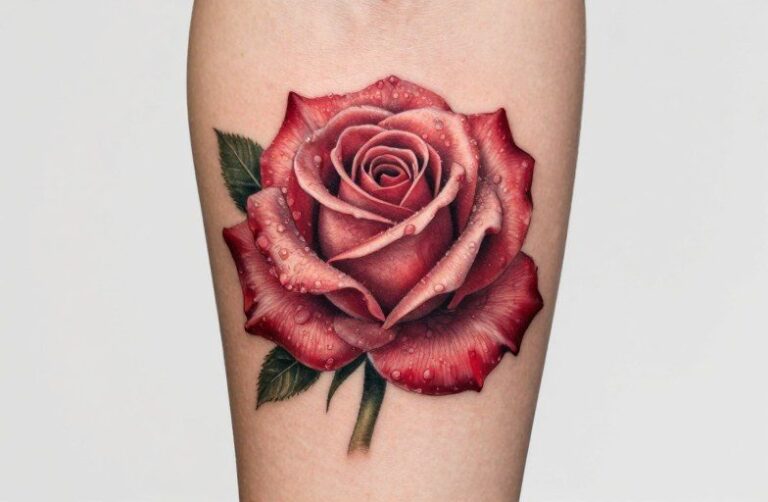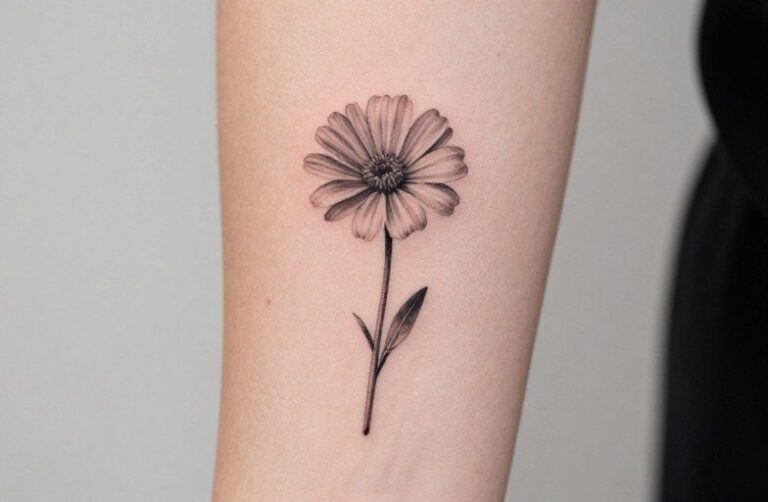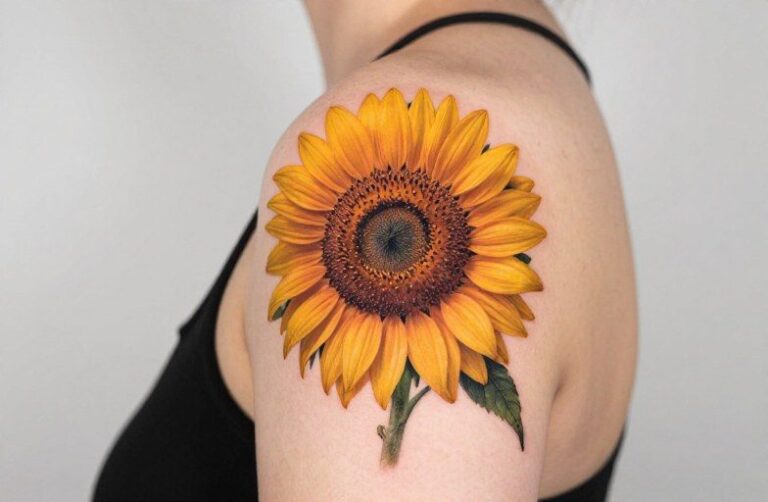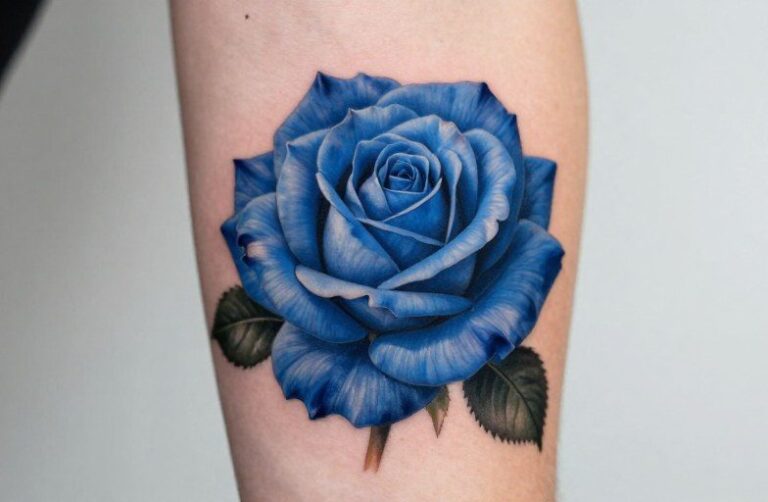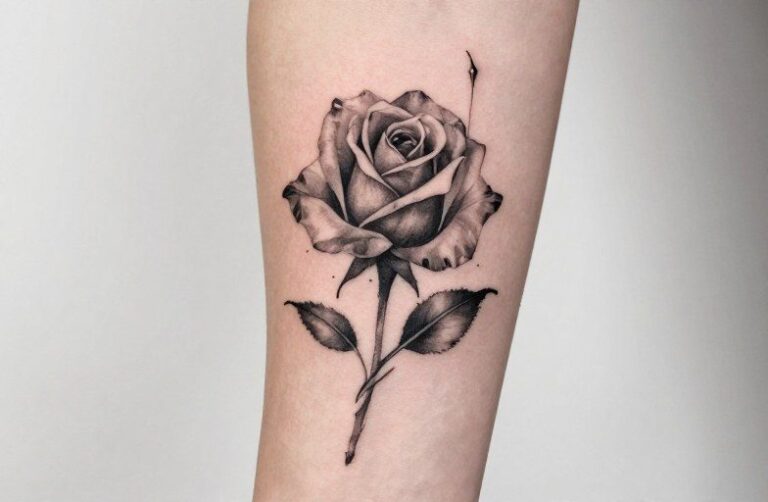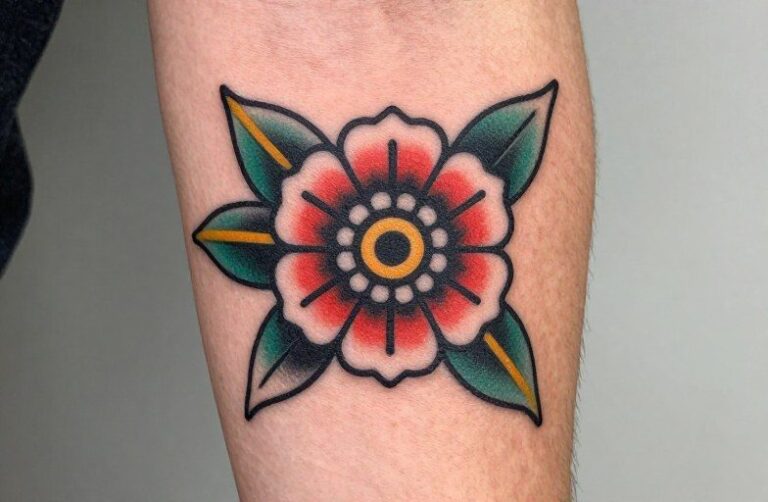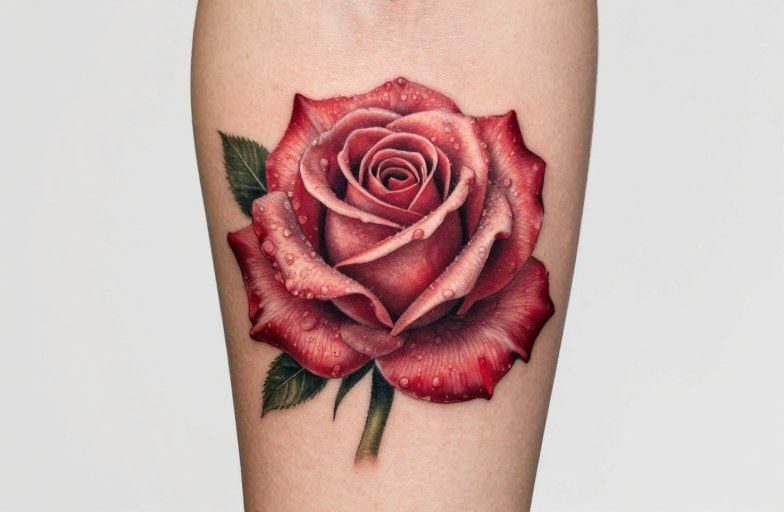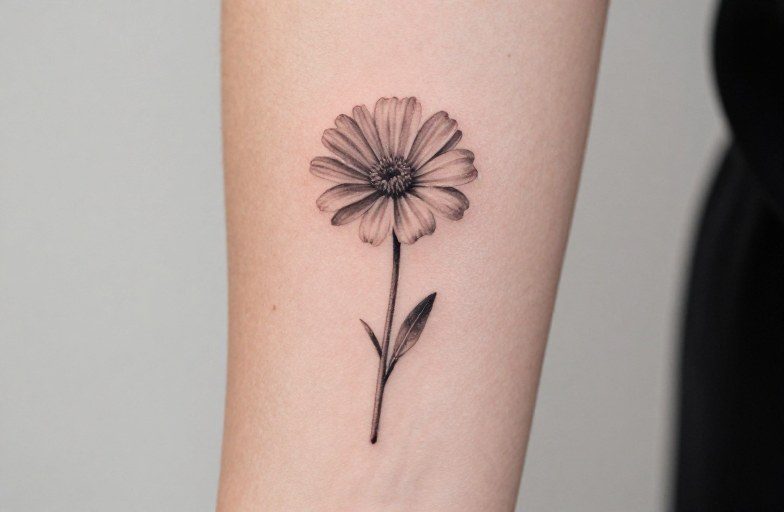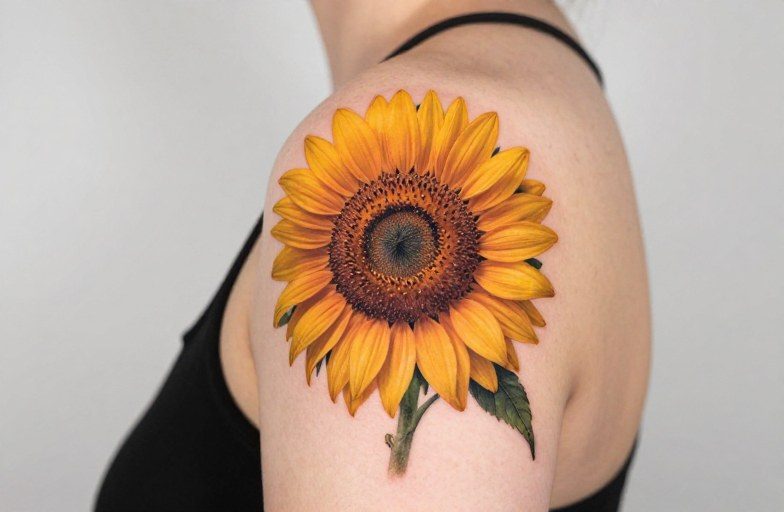
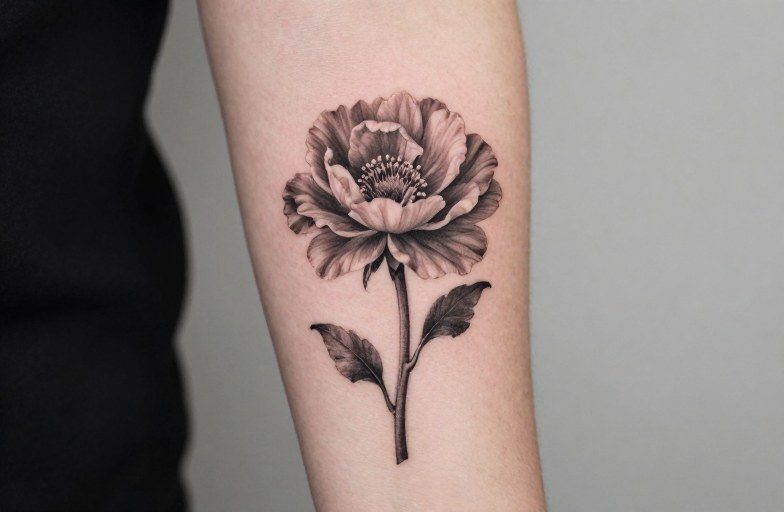
A May and August birth flower tattoo combines the lily (May) with the gladiolus (August). Together they represent a balance between innocence and moral integrity, and strength of character or remembrance. People choose this pairing to honor two birth months, often a couple, siblings, parent and child, or their own dual-sign identity if born on a cusp.
History & Cultural Roots
The Lily’s Long Standing
The lily’s association with May is relatively modern, tied to Victorian floriography and later standardized by the American floral industry in the early 20th century. Before that, lilies carried heavy religious freight across multiple cultures. In Greek myth, the white lily often linked to Hera’s milk, while in Christian iconography it became inseparable from the Virgin Mary. The May connection stuck because lilies bloom in late spring across temperate zones, making them seasonally accurate.
Gladiolus: From Sword to Symbol
The gladiolus name derives from Latin gladius, sword, referencing the leaf shape. Roman gladiators supposedly wore them for protection, though this origin is often linked to later romantic retelling rather than solid documentation. The August assignment is similarly modern, formalized alongside other monthly flowers in the same Victorian-to-early-American period. What endures is the flower’s actual morphology: tall, rigid, unbowing in wind, which made it a natural emblem for strength and steadfastness.
Symbolism & Core Meaning
Pairing these two flowers creates a specific symbolic tension rather than a simple accumulation of traits. The lily, especially the white Madonna variety, carries connotations of restored innocence, purity, and rebirth. The gladiolus adds infatuation, moral integrity, and remembrance (it’s a common funeral flower in the American South and parts of Europe). Together they suggest someone who maintains innocence not through ignorance but through deliberate moral strength.
- White lily + red gladiolus: purity tested by passion or conflict
- Stargazer lily + pastel gladiolus: theatricality balanced with softness
- Calla lily (technically not a true lily but often used) + gladiolus: elegance and resilience
- Both in black and grey: mourning two losses, or two lives intertwined
The dual-month aspect matters practically. This isn’t a generic “flower tattoo.” It’s specifically about relationship across difference, two people born in different seasons, or one person containing contradictory qualities. The May-August span covers late spring to late summer, the fullest growth period of the year, which some read as a comment on fruition or maturation.
How It Ages on Skin
Line Work vs. Color Saturation
Lilies depend on crisp petal edges and subtle gradation. Thin lines on lily petals blur within 5-8 years, especially on high-movement areas like wrists or ribs. The gladiolus, with its sword-like leaves and dense flower spike, holds structure better because its geometry is more forgiving. A gladiolus rendered in bold outline with limited interior shading ages significantly better than a photorealistic lily with dozens of delicate greywash layers.
Color choice affects longevity dramatically. White ink on lighter skin tones yellows or disappears entirely within 3-5 years. Yellow lily stamens and pale pink gladiolus petals fade fastest. Deep purples, true reds, and saturated oranges in gladiolus varieties maintain vibrancy longest. If you want this pairing to read clearly at distance for decades, prioritize the gladiolus’s stronger pigments and use the lily more for structural contribution.
Placement Realities
Both flowers are vertically oriented. The lily opens upward; the gladiolus spikes upward. Stacking them creates natural flow along limbs. On a forearm, lily below and gladiolus above draws the eye toward the shoulder. Reversed, the composition feels anchored, heavier. Rib placements work well for the height but suffer from movement blur. Thighs offer stable skin and enough real estate for both at scale. Avoid fingers and feet, fine petal details become unrecognizable blobs.
Design Tips & Pairings
Compositionally, these flowers offer contrasting shapes: the lily’s open, recurved petals against the gladiolus’s dense, vertical column. A skilled artist exploits this tension rather than smoothing it away. Wrapping the lily’s stem around the gladiolus spike creates interdependence. Separating them across a chest piece or two shoulders emphasizes duality.
- Add birth dates in small script near the stem bases, keeps it personal without dominating the botanical work
- Butterflies or moths: overused; if included, make them species-accurate to May or August emergence periods
- Geometric frames: art deco lines complement the gladiolus’s natural architecture
- Negative space: let skin show through lily petals for luminosity, but don’t overdo it, too much skin-break reads as unfinished after aging
Style matters. Japanese irezumi approaches to either flower exist but require an artist versed in that specific botanical tradition. Watercolor styles age poorly on both; the lily’s defined edges and the gladiolus’s structural lines need more anchoring than splashed pigment provides. Neo-traditional offers the best longevity-to-beauty ratio for this specific pairing.
Who Chooses This Tattoo
Common Motivations
Couples with May and August birthdays form the largest group, anniversary dates, wedding months, or simply the months they were born. Parents honoring children born in these months often choose smaller scale, single-needle work. Less commonly, individuals born on the Taurus-Leo cusp (rare, but technically possible in late May/early August overlap confusion) or those with significant life events in both months.
Memorial applications are significant. The gladiolus’s funeral associations plus the lily’s rebirth symbolism create a coded grief language. Two family members lost in different months, or one person’s death and another’s birth. The tattoo becomes readable only to those who know the calendar reference.
Gender and Scale Trends
There’s no inherent gender to either flower, though market trends show lilies more requested by women and gladiolus more mixed. Large-scale back pieces incorporating both tend toward male clients in current American shop data; delicate ankle or wrist pairings skew female. These are trends, not rules. The pairing works at any scale if the artist respects each flower’s minimum readable size, about 2.5 inches for lily detail, 3 inches for gladiolus spike density.
Religious & Spiritual Angles
Christian Contexts
The lily’s Marian association is unavoidable in Christian symbolism. A May lily specifically references the May crowning of Mary in Catholic practice. Pairing this with August’s gladiolus creates a liturgical calendar tattoo spanning two months of ordinary time, or potentially connecting to the Assumption (August 15) in some traditions. The gladiolus’s sword name adds a subtle Passion reference. This layering works for believers who want botanical rather than explicitly iconographic religious art.
Beyond Christianity
In Buddhist contexts, the lily (though not specifically May-associated) represents transience and the temporary nature of beauty. The gladiolus’s upright persistence offers a counterpoint, endurance within impermanence. Some neo-pagan practitioners map the pairing to Beltane (May 1) and Lammas (August 1), the first and third harvest festivals, creating a seasonal agricultural narrative.
Hedging is necessary here: the specific May-August pairing as a spiritual tool is largely modern synthesis rather than ancient tradition. Individual practitioners develop personal meaning; no unified religious doctrine governs this combination.
What to Remember
This tattoo succeeds or fails on botanical accuracy and technical execution. The symbolic meaning is accessible, even obvious, but the visual complexity is demanding. Lily petals require precise curvature to read as lilies rather than generic trumpets. Gladiolus florets must show their distinctive bilateral symmetry and overlapping arrangement on the spike.
Choose an artist with demonstrated flower work in their portfolio, not just “nature tattoos.” Ask to see healed photos from 2+ years prior. Fresh tattoos lie; healed skin tells the truth about line retention and color stability. Budget for the complexity, this pairing at meaningful scale typically requires 3-5 hours minimum, more with color or background elements.
Finally, the dual-month aspect is the point. If you don’t have a specific May-August connection, this pairing loses its primary resonance. The flowers are beautiful separately; together they gain meaning only through that temporal relationship. Know why you’re combining them, and let that reason guide every design decision.
Frequently Asked Questions
Can I use a different lily variety than the traditional May lily?
Yes. The ‘May lily’ designation isn’t botanically rigid, Easter lilies, stargazers, and even calla lilies (though not true lilies) appear in birth flower contexts. Match the variety to your visual preference and your artist’s strength with that specific form.
Will the colors fade at different rates since these are different flowers?
They will. Gladiolus reds and purples typically outlast lily whites and pale pinks. Plan for this asymmetry in your design, or choose a gladiolus variety with colors closer to your lily’s palette for more even aging.
Is this combination too feminine for a man?
No. Flower tattoos have no gender. Scale, placement, and styling determine masculinity or femininity more than subject matter. A bold black-and-grey gladiolus with structural lily on a forearm or thigh reads neutral to masculine in most contemporary contexts.
How do I fit both flowers without making the tattoo too large?
Focus on one bloom of each rather than full stems. A single lily head and a shortened gladiolus spike can read clearly at 4-5 inches. Alternatively, use one flower as primary and the other as a small bud or leaf detail integrated into the same stem structure.