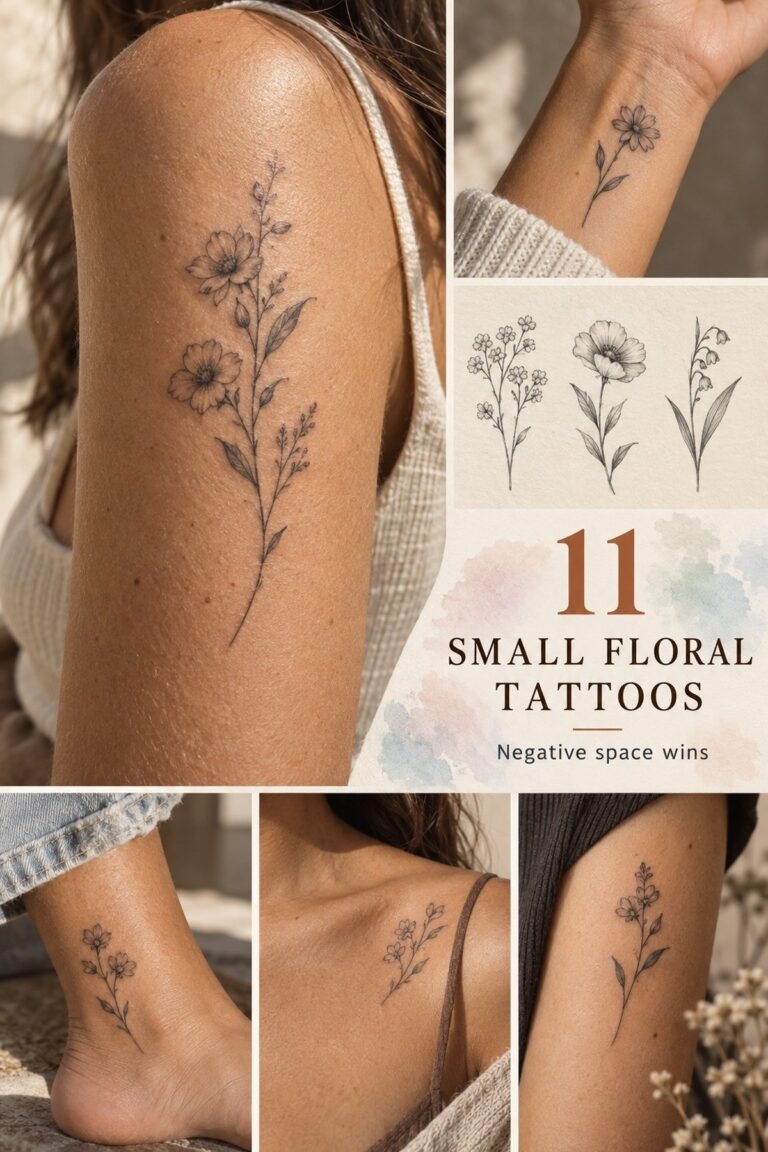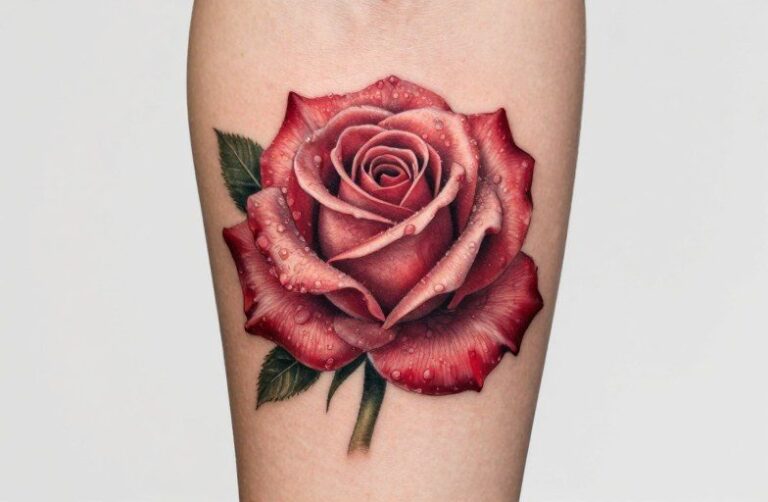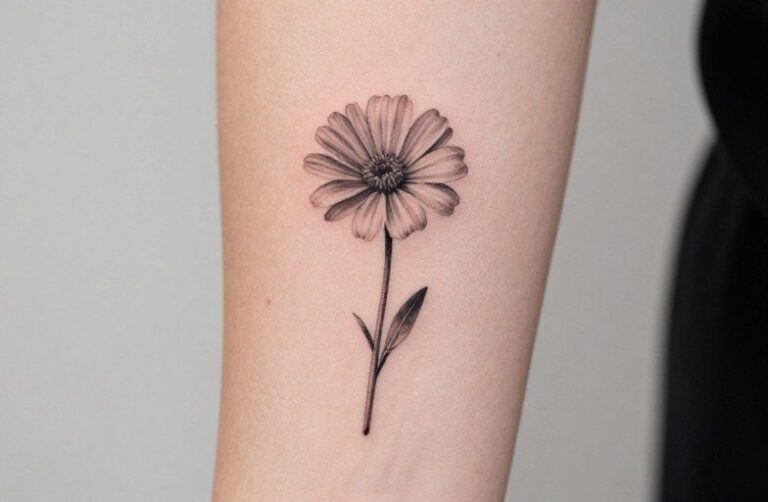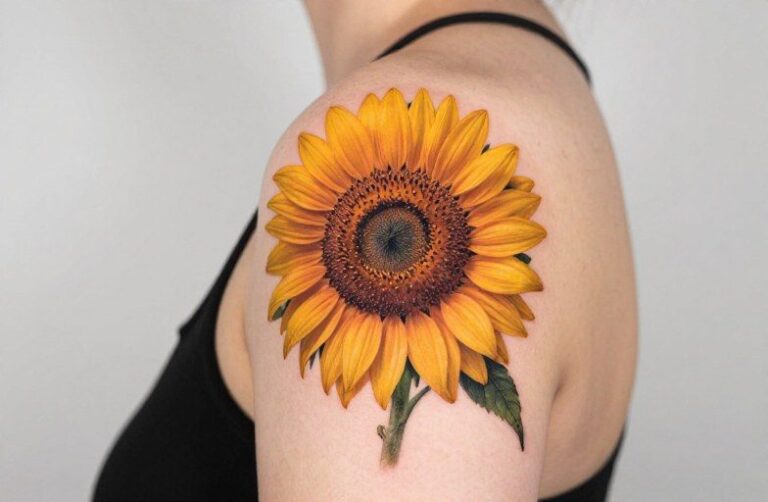
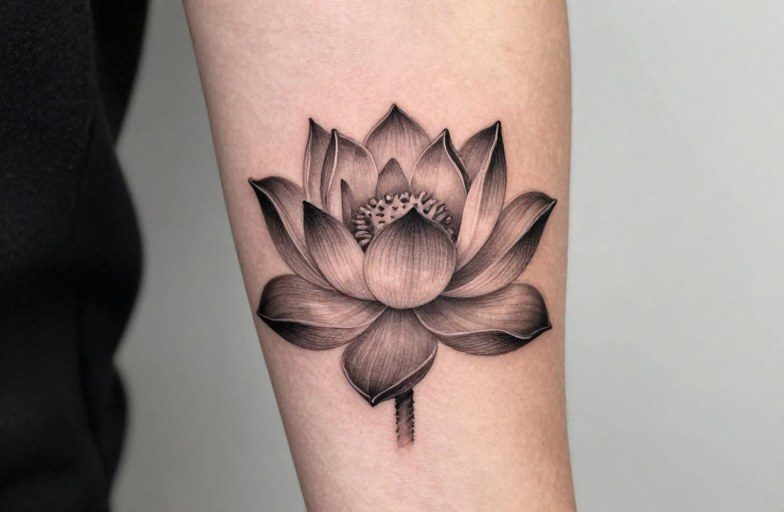
A lotus flower tattoo on a woman most commonly represents rising through difficulty to reach clarity and peace. The flower’s daily cycle, submerging in muddy water at night and blooming clean above the surface by morning, makes it a natural emblem of perseverance, rebirth, and spiritual awakening. For many women, this specific imagery resonates with personal transformation, surviving hardship, or choosing growth after a period of darkness.
Symbolism & Core Meaning
The lotus carries some of the oldest symbolic weight in tattoo culture, though its roots are often linked to Buddhist and Hindu traditions rather than originating there. The core idea remains consistent across cultures: beauty and purity emerging from murky conditions. For women specifically, the lotus frequently connects to cycles of change, motherhood, career shifts, recovery from illness or trauma, or leaving restrictive situations.
Color Changes Everything
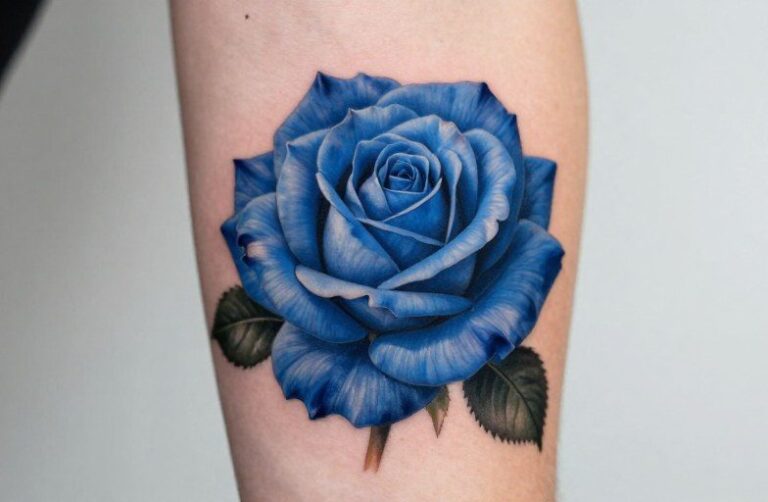
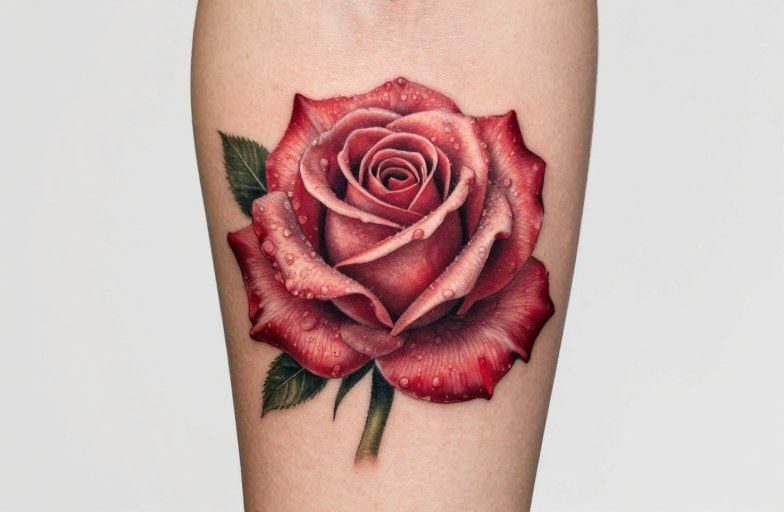
A pink lotus, commonly associated with Buddhist tradition, tends toward spiritual devotion and the heart’s journey. White suggests purity of mind and new beginnings. Red or deep magenta amplifies passion, love, or strong emotional roots. Blue lotus imagery, often linked to ancient Egyptian symbolism, points toward wisdom and the intellect. Black and grey versions strip away cultural specificity and focus purely on form and personal struggle. The color choice does more than aesthetic work, it redirects the tattoo’s entire emotional register.
Closed Bud vs. Fully Open Bloom
A tight bud suggests potential, something still forming, a woman at the start of a transformation. The full bloom indicates arrival, integration, completion of a hard-won phase. Some designs show both stages in one composition, the bud and the open flower connected by stem, which can represent generational connection or the self at two different life points.
Common Variations & Styles
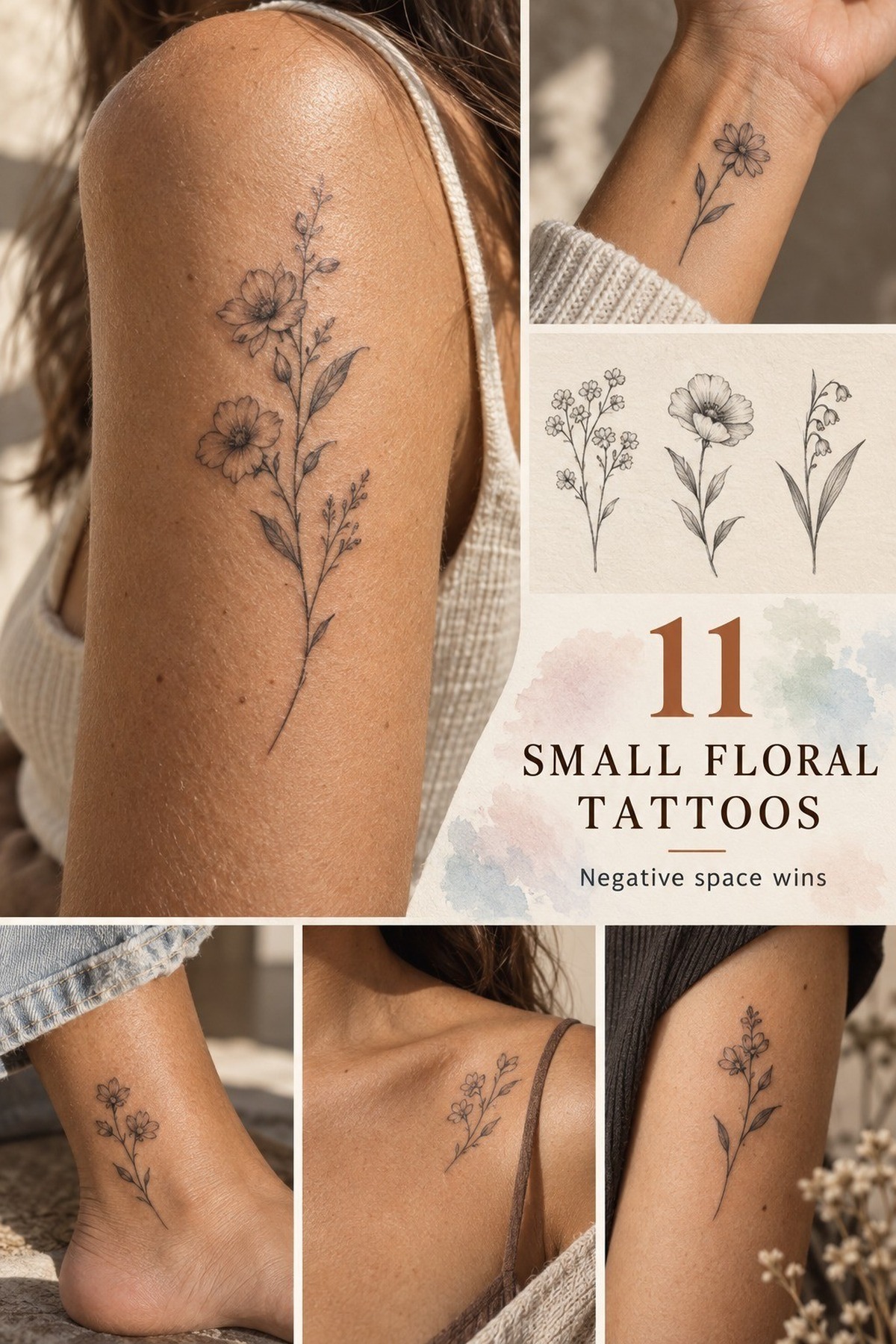
Line work lotus tattoos dominate current minimalist trends. Single-needle or fine-line versions age delicately and suit smaller scales, though the petal edges can blur over decades if drawn too thin. Traditional Japanese-style lotus, with bold outlines and saturated color, holds up better on larger pieces and carries different cultural associations, often paired with koi, waves, or wind bars in sleeve compositions.
- Geometric lotus: Triangular or mandala-derived petal structures, popular on ribs and forearms
- Watercolor splash: Color bleeding outside linework; striking when fresh but unpredictable long-term
- Dotwork/stipple shading: Creates soft gradients without solid black; requires experienced hand
- Realistic botanical: Scientific accuracy, often mixed with actual species like Nelumbo nucifera
- Abstract/deconstructed: Petals separating or dissolving, suggesting impermanence
Adding roots or mud at the base, rarely done but visually powerful, makes the struggle explicit rather than implied. Most designs omit this, letting the flower itself carry the weight.
Best Placements
Where a lotus sits on a woman’s body changes how it reads and how it survives.
High-Mobility Areas
Shoulder caps and upper back centerpieces allow for symmetrical, mandala-like compositions. The skin here ages relatively well, though sun exposure matters. Collarbones and sternum placements trend heavily for lotus work, the sternum’s vertical space suits the flower’s natural geometry, and the proximity to the heart adds intuitive resonance. These areas hurt more, and the thin skin can cause ink to spread slightly over time, softening fine details.
Lower Body & Limb Options
Thigh pieces offer large canvas for detailed petal layering and accompanying elements like water or lily pads. Hip and side placements follow the body’s curve, letting the stem flow with natural lines. Ankle and foot lotus tattoos are common but punishing, ink fades fast on feet, touch-ups are almost guaranteed, and the symbolic connection to “grounding” appeals to some women specifically. Forearm and wrist placements keep the image visible, which matters for those who want the reminder directed inward as much as outward.
How It Ages on Skin
Lotus tattoos face specific aging challenges. The petal tips, often drawn with fine tapering points, are the first areas to blur as skin loses elasticity and ink particles migrate. Solid black outline versions resist this better than purely shaded or color-wash pieces. White ink highlights, popular for suggesting dew or spiritual glow, yellow or disappear entirely within five to ten years.
Color saturation determines longevity. Deep magentas and purples, common in lotus work, tend to hold better than lighter pinks or yellows. Sunscreen on the tattooed area significantly extends clarity; without it, a lotus on the shoulder or forearm can look washed out within a decade. Touch-ups can restore petal definition but work best when the original artist understood how to build contrast for the long term.
Similar & Related Symbols
Women choosing lotus imagery sometimes consider these alternatives or combinations:
- Unalome: The spiral-to-line symbol representing the path to enlightenment, often integrated above or below a lotus in Buddhist-inspired designs
- Water lilies (Nymphaea): Visually similar but botanically different; rest on water rather than rising above it, changing the symbolic emphasis from transcendence to floating acceptance
- Phoenix: Similar rebirth narrative but more aggressive, fiery, total-destruction-total-return energy
- Butterfly/moth: Transformation symbolism, but more common and less specifically rooted in struggle-to-clarity narrative
- Ouroboros: Cyclical renewal without the emergence-from-mud specificity
Combining lotus with moon phases anchors the daily bloom cycle to monthly or life cycles. Snake imagery, less common but striking, pairs the flower’s purity with the snake’s shedding and renewal. These combinations work when they reflect actual personal symbolism rather than aesthetic stacking.
Personal & Modern Meanings
Contemporary lotus tattoos on women frequently detach from explicit religious reference. The meaning becomes individual: post-divorce rebuilding, sobriety milestones, surviving abuse, or simply honoring a temperament that tends toward resilience. Some women choose it before any major struggle, as a kind of preemptive anchor, a reminder of what they want to become capable of.
Social media has flattened some of the symbol’s specificity. A lotus on a fitness influencer reads differently than one on a woman who sought it after chemotherapy, though both can be genuine. The design’s popularity means it requires personal elements, specific color, placement, or accompanying imagery, to avoid feeling generic. A woman who wants the meaning to read clearly to herself, not just to others, usually benefits from customizing beyond the stock image.
Before You Decide
Consider whether you want the lotus as a private symbol or a visible declaration. Sternum and thigh placements lean private; forearm and wrist announce. Think about how the specific bloom stage matches where you actually are, not where you hope to be, aspirational tattoos can feel like accusations later. Ask your artist how they’d handle the petal edges for your skin type and age, not just how it’ll look in the portfolio photo. And if the religious origins matter to you, research enough to avoid accidentally wearing something that misrepresents a tradition you don’t intend to invoke.
The lotus works because its metaphor is structurally sound: ugly process, beautiful result, daily repetition. For women carrying particular weights around emergence and visibility, that structure holds real weight. Make sure the design specifics carry it too.
Frequently Asked Questions
Does a lotus flower tattoo always have spiritual meaning?
No. Many women choose it for purely personal reasons, surviving hardship, marking change, or simply loving the form. The spiritual associations are available but not required.
Will a fine-line lotus tattoo look good in ten years?
Fine line work on a lotus risks blurring at the petal tips. For longevity, ask for slightly bolder linework than the trendiest photos show, or choose placement on less mobile skin.
What’s the difference between a lotus and a water lily tattoo?
Botanically they’re different plants. Symbolically, the lotus rises above water (transcendence), while water lilies float on the surface (acceptance). Visually, lotus petals are more layered and symmetrical.
Is the sternum placement as painful as people say for a lotus design?
Yes, sternum and rib tattoos rank among the more painful placements. The bone proximity and thin skin mean most people need multiple sessions for detailed lotus work in that area.