May’s birth flower, the lily of the valley, carries a set of meanings that translate well to tattoo form: humility, sweetness, and the return of happiness after difficulty. The tiny bell-shaped blooms also mark May birthdays and anniversaries, which makes this design a frequent choice for personal commemoration rather than pure decoration.
Who Chooses This Tattoo
People born in May make up a noticeable portion of lily of the valley tattoos, but the appeal extends further. Parents sometimes choose it to honor a child born in that month. Others select it after surviving a difficult period; the flower’s traditional meaning of “return of happiness” resonates with anyone who has come through grief, illness, or major life disruption.
Beyond Birthdays
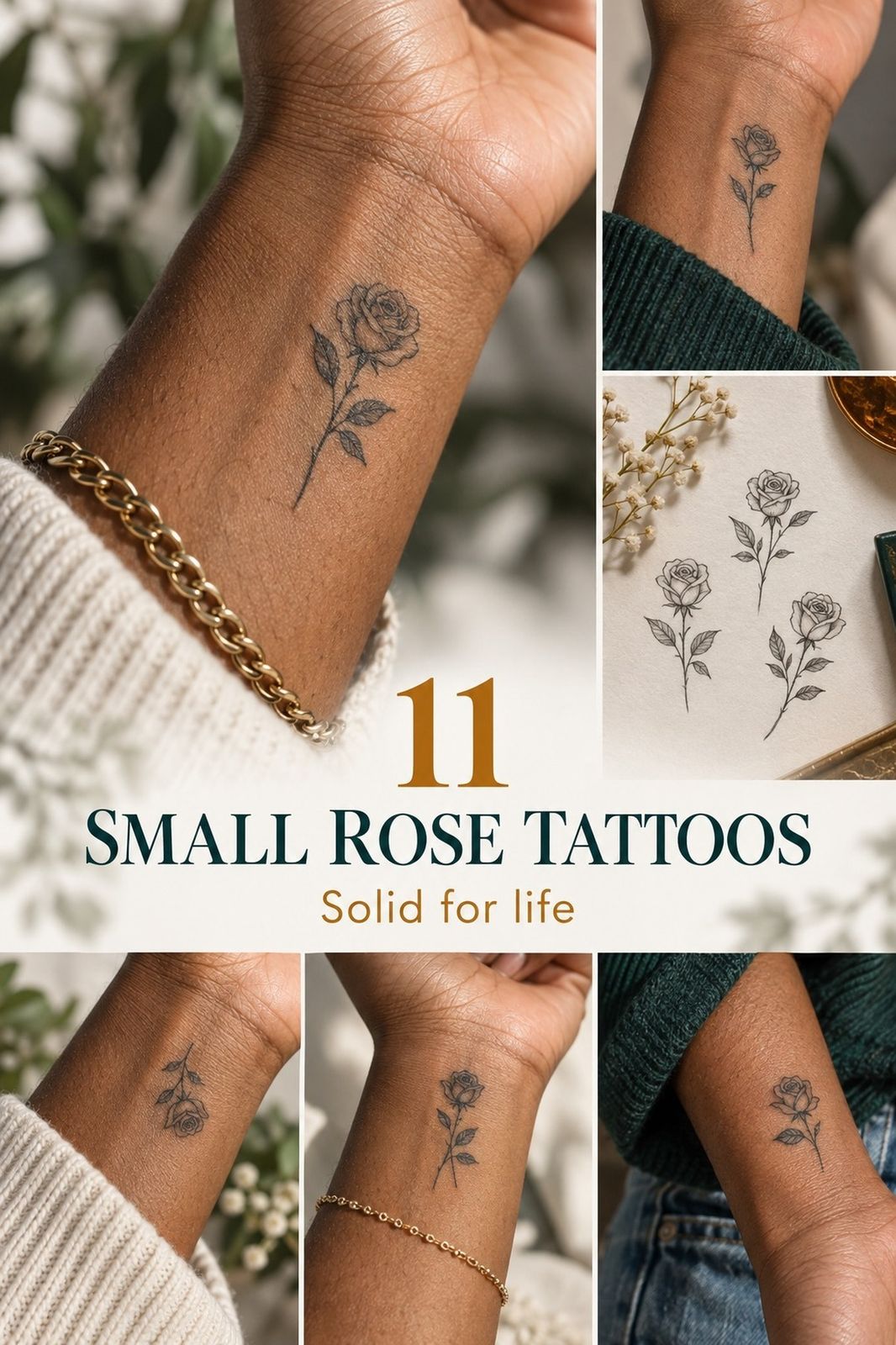
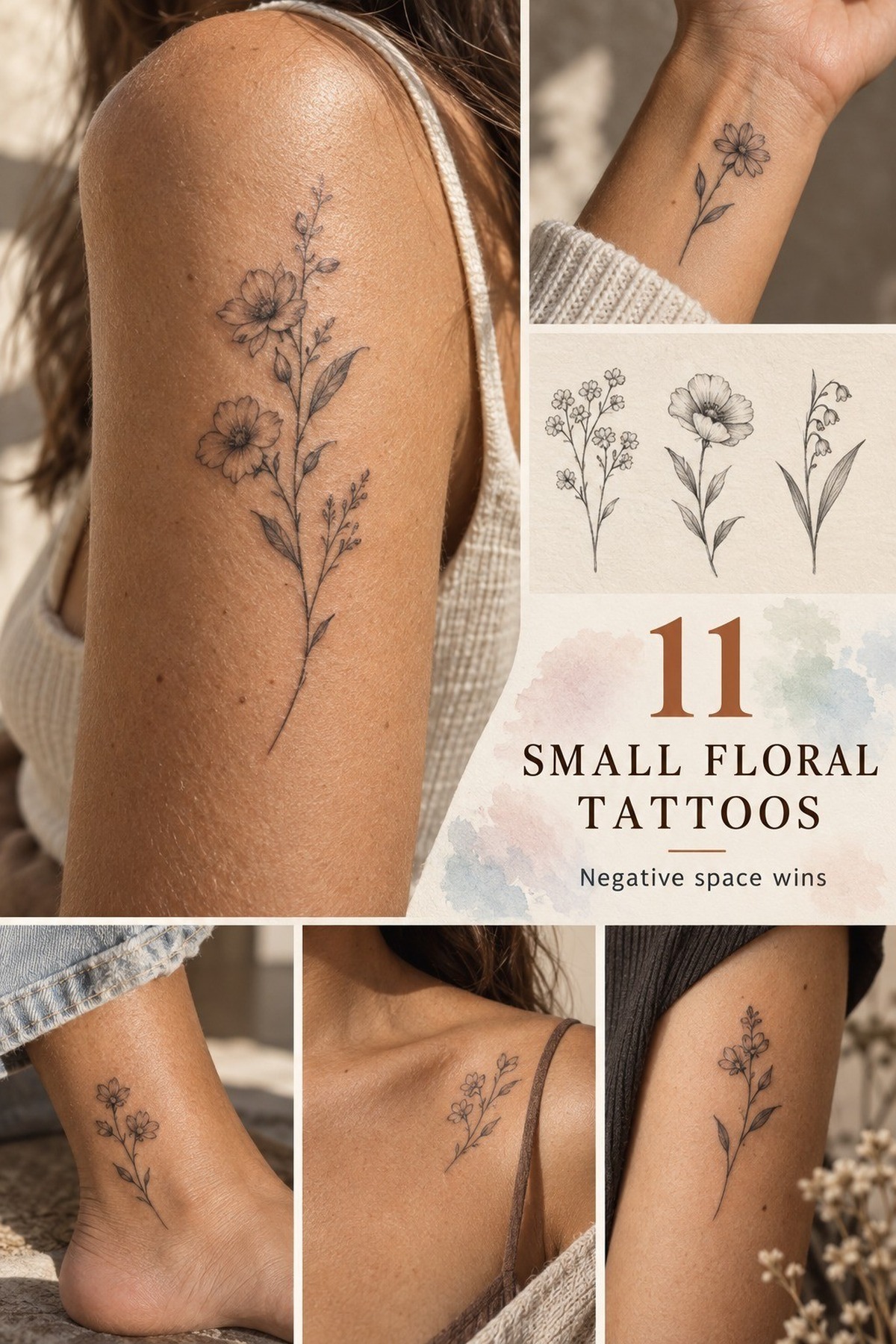
You will also see this design on people with no May connection whatsoever. The visual delicacy draws those who prefer understated botanical work over bold statement pieces. Its association with spring renewal appeals to anyone marking a fresh start, relocation, recovery, sobriety, or career change. The scale tends toward small: wrist, collarbone, behind the ear, ankle. These placements suit people who want personal meaning without broadcasting it.
Gender and Style Preferences
The lily of the valley carries no strong gender coding in tattoo culture, though execution style often splits along aesthetic lines. Fineline and single-needle work dominate, appealing across demographics. Some men opt for heavier blackwork stems with minimal bloom detail, integrating the flower into larger nature sleeves. Women frequently choose clustered compositions with subtle color washes. Neither approach is exclusive. The design adapts to whatever visual language the wearer already favors.
Symbolism and Core Meaning
European folklore long associated lily of the valley with humility due to its habit of growing low to the ground, hidden beneath larger plants. The drooping bells appear to bow rather than stand proud. This symbolism predates the tattoo industry by centuries and gives the design genuine cultural weight.
The “Return of Happiness” Layer
The most emotionally specific meaning attaches to recovery and restoration. Victorian-era floriography often linked this flower to renewed joy, and the interpretation persists because it serves a genuine purpose: people want to mark survival without literal trauma imagery. A small cluster of white bells accomplishes this quietly. The flower also carries Christian associations with Eve’s tears, adding spiritual redemption to the emotional arc for those who want it.
Poison and Protection
Every part of the actual plant is toxic. Some wearers embrace this duality: beauty that defends itself, sweetness with an edge. The contrast between fragile appearance and chemical weaponry appeals to people who have learned to protect boundaries after being underestimated. Tattoo artists sometimes emphasize this through composition, placing delicate blooms above thorny or dark-rooted elements below.
Color vs Black and Grey
Color lily of the valley tattoos typically use muted green stems with white or pale cream bells, occasionally touched with soft pink at the bell edges. The palette stays restrained by necessity; garish tones destroy the flower’s character. Watercolor backgrounds in sage or lavender have become common, though some prefer the blooms standing alone without atmospheric wash.
Black and Grey Realities
Without color, the design relies entirely on line weight and dotwork texture to distinguish bells from stems. This demands technical precision. Heavy black shading turns delicate bells into indistinct blobs within a few years. The best black and grey versions use whip shading and stippling, preserving negative space to suggest the bell’s hollow interior. Expect more frequent touch-ups than with bolder blackwork subjects.
Color Longevity Concerns
White ink in the bells fades fastest, often yellowing or disappearing entirely into lighter skin tones within several years. Green stems hold better but can shift blue-green as the yellow component degrades. Experienced artists now often suggest ivory or pale yellow rather than pure white, accepting slight warmth over certain disappearance. Darker skin carries color more stably but requires higher saturation to read clearly at small scale.
Religious and Spiritual Angles
Christian tradition links lily of the valley to the Virgin Mary’s tears and to Christ’s second coming; the phrase “the lily of the valleys” appears in Song of Solomon. This makes it suitable for devotional pieces without crucifixion imagery, appealing to believers who prefer organic symbolism. The flower also features in May crowning ceremonies in Catholic practice, connecting it specifically to Marian devotion.
Pagan and Seasonal Roots
Pre-Christian European traditions celebrated lily of the valley during Beltane and May Day festivities. Its sudden emergence in woodland shade marked the threshold between dark and light seasons. Modern pagan wearers sometimes choose it to honor this seasonal liminality rather than Christian narrative. The design pairs naturally with other threshold imagery: antlers, crescent moons, doorways.
How It Ages on Skin
Small scale is the defining challenge. A single lily of the valley bell might measure only a few millimeters in tattoo form. At that size, line spread becomes critical. What reads as delicate detail at six months becomes muddy suggestion after several years. The most successful aging examples started with slightly bolder lines than the client initially wanted. Artists must balance immediate beauty against biological reality.
Placement and Wear Patterns
- Wrist and forearm: high sun exposure fades greens quickly; consider inner forearm over outer
- Ankle and foot: friction from socks and shoes accelerates deterioration; not recommended for detailed work
- Ribs and side: excellent color retention but challenging healing due to movement and moisture
- Behind ear: trendy placement but difficult to execute cleanly; limited space forces oversimplification
- Upper arm and shoulder: most stable long-term option for color work, with adequate space for proper detail
The Touch-Up Timeline
Plan for a refresh within three to five years if you want the piece to maintain its original character. This is not failure; it is the nature of fine botanical work. Budget for this maintenance when choosing the design. Some wearers intentionally let the piece soften, embracing the faded quality as part of its life cycle. Others want perpetual crispness, which requires commitment.
Design Tips and Pairings
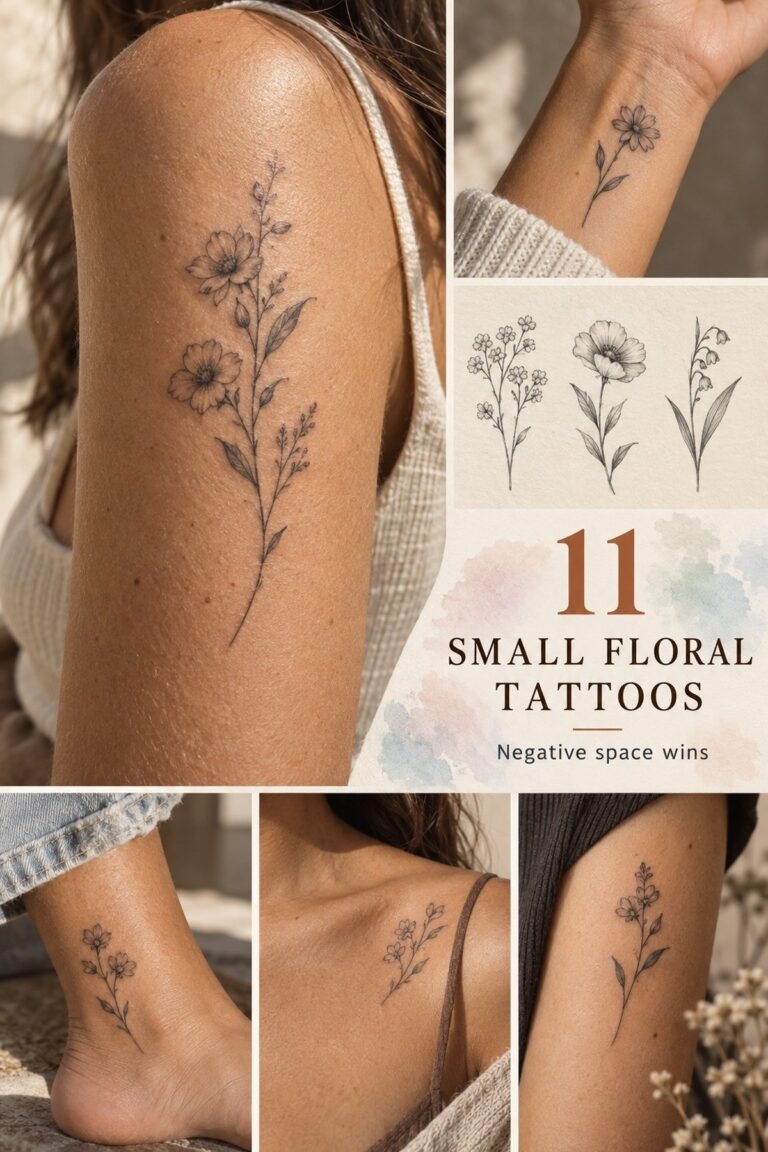
Composition matters enormously at small scale. A single stem with five to seven bells reads clearly; scattered individual bells do not. The stem’s curve creates natural flow for wrapping designs around limbs. Leaves provide crucial structural weight. Without them, the piece feels insubstantial and ages poorly.
Effective Pairings
- Birth month pairings: combined with other family members’ birth flowers as small bouquet or wreath
- Script integration: names or dates woven through the stem curve, not placed as separate element
- Insect accents: bees or butterflies at scale-appropriate size, positioned to interact with blooms
- Geometric frames: circular or diamond borders containing the floral element, popular for sternum or thigh
What to Avoid
Overcrowding kills this design. Resist adding every symbolic element you can imagine. The flower’s power lies in restraint. Similarly, avoid hyperrealism attempts at very small scale. Photographic reference translated literally into two square inches produces unreadable noise. Stylization preserves clarity. Discuss abstraction level with your artist before the appointment.
What to Remember
May’s lily of the valley tattoo works best when treated as a quiet marker rather than a bold declaration. Its meanings, humility, renewed happiness, protective hidden strength, suit people who value substance over spectacle. The design demands technical respect: small scale, delicate color, and inevitable fading require an artist experienced with botanical fineline work. Choose placement for longevity, budget for maintenance, and keep the composition simple. Marking a May birth, a survived hardship, or simply an affinity for woodland flora, this flower rewards thoughtful execution with decades of personal relevance.
Frequently Asked Questions
Does lily of the valley tattoo have to be white?
No, though white or cream is traditional. Some artists use pale yellow or leave skin-tone negative space for the bells. Pure white ink fades fastest and often disappears entirely on lighter skin tones. Ivory or pale yellow typically lasts longer while preserving the bell’s luminous quality.
How small can this tattoo be before it becomes unreadable?
Below two inches, you risk losing definition within a few years. Individual bells need enough space for line weight variation and interior negative space. A cluster of three to five bells on a short stem, roughly two to three inches, represents the practical minimum for longevity.
Can lily of the valley work in a larger piece?
Yes, though it is less common. At larger scale, the design shifts from personal marker to decorative botanical. Some artists integrate it into full sleeves as part of a woodland scene, or enlarge single stems for thigh or back pieces. The meaning stays intact, but the intimate quality often diminishes.
Is this flower culturally appropriative to wear?
The lily of the valley carries broad European associations without strong ties to any single closed cultural practice. Its Christian, pagan, and secular meanings are widely accessible. As with any botanical tattoo, respect the specific tradition you reference if you include accompanying elements like prayer ribbons or ceremonial objects.
How do I find an artist who specializes in this style?
Search portfolios for healed botanical work, not just fresh photos. Fineline flowers require different skills than bold traditional or blackwork. Look for consistent line quality in stems, confident negative space in bell interiors, and evidence of pieces aged two or more years. Ask specifically about their experience with white ink on your skin tone.