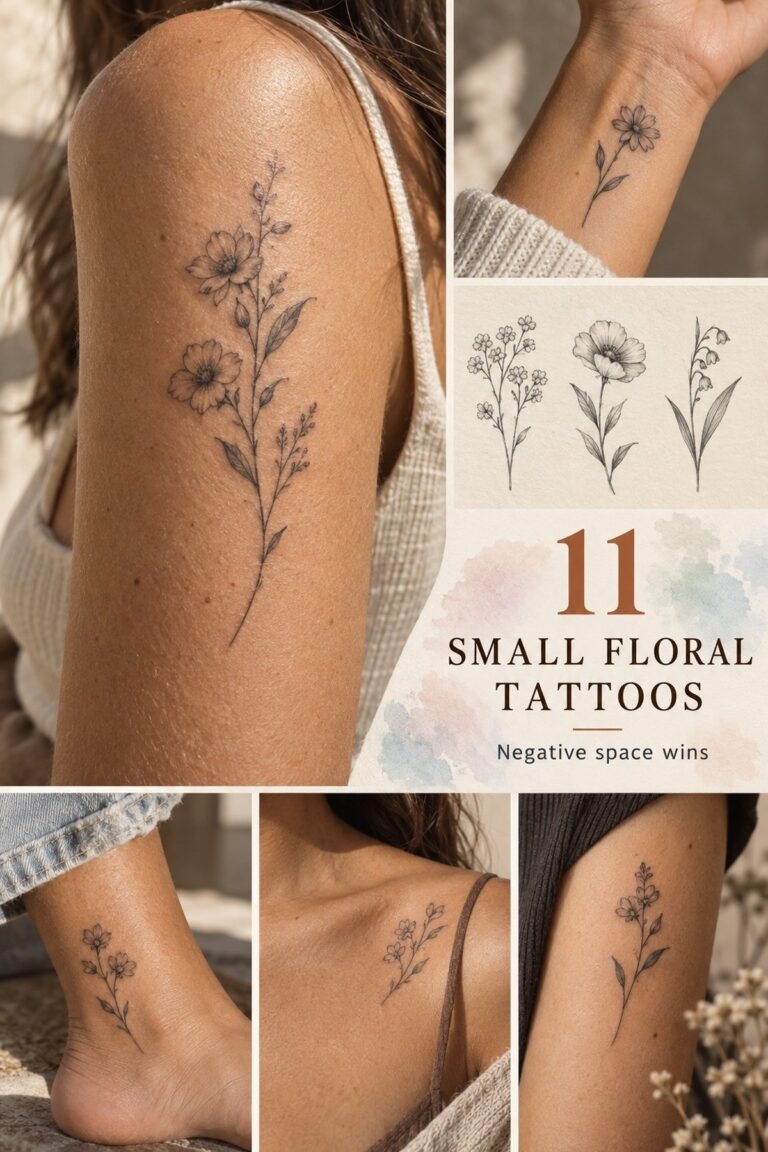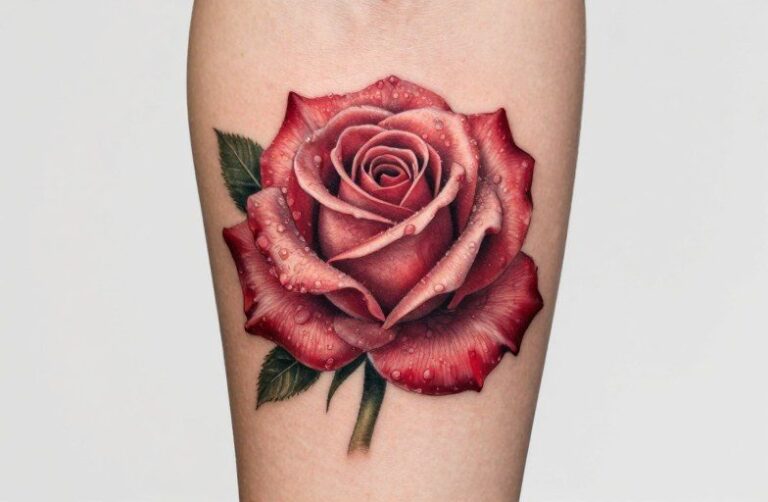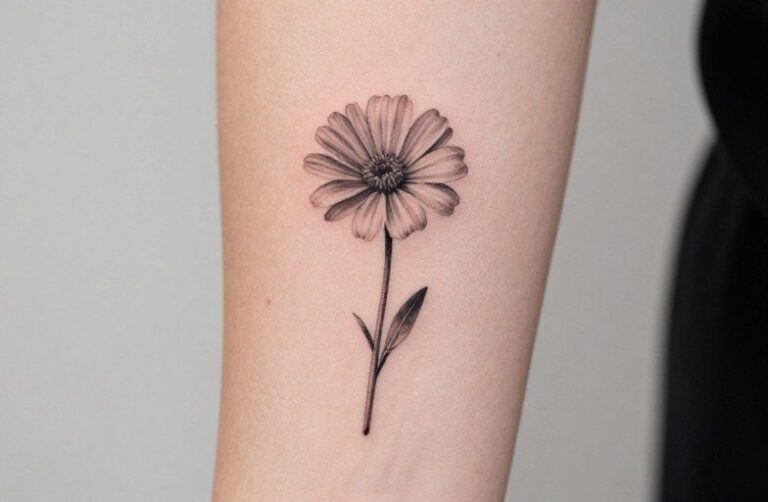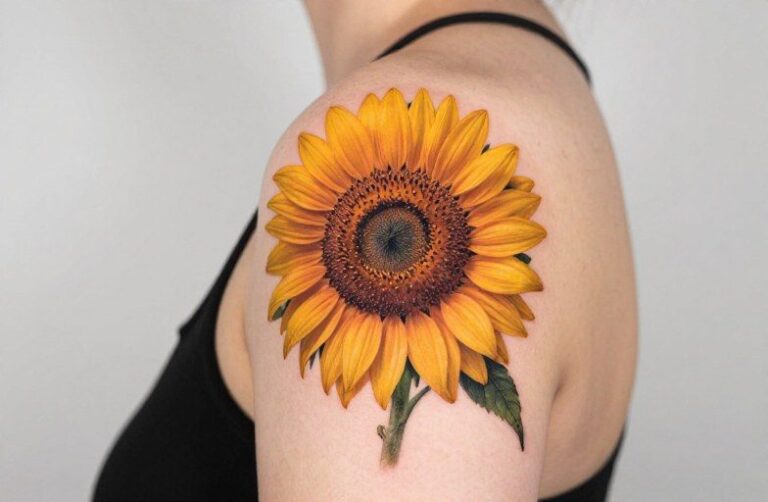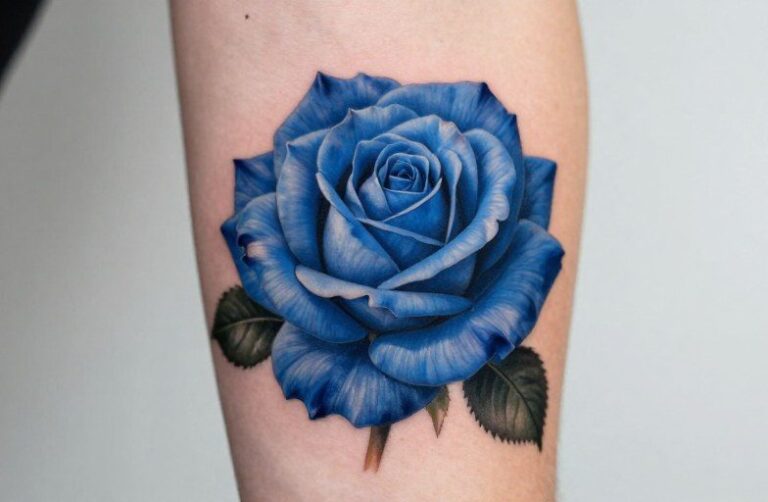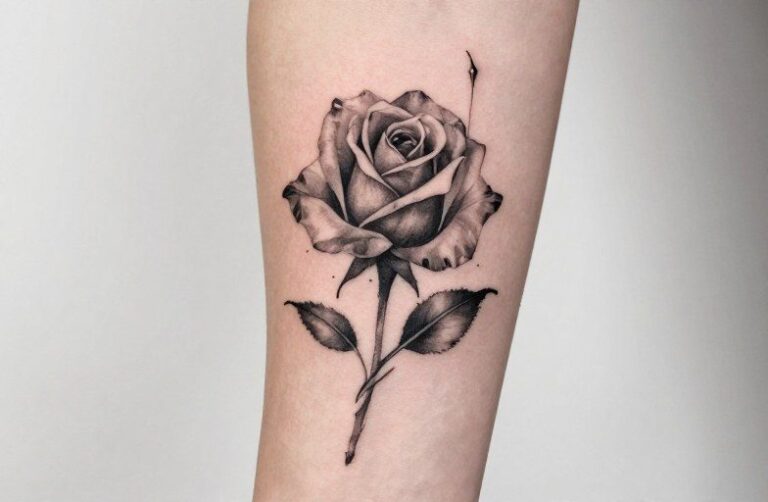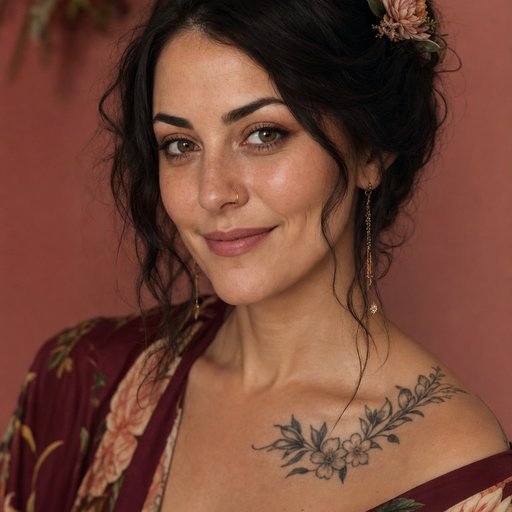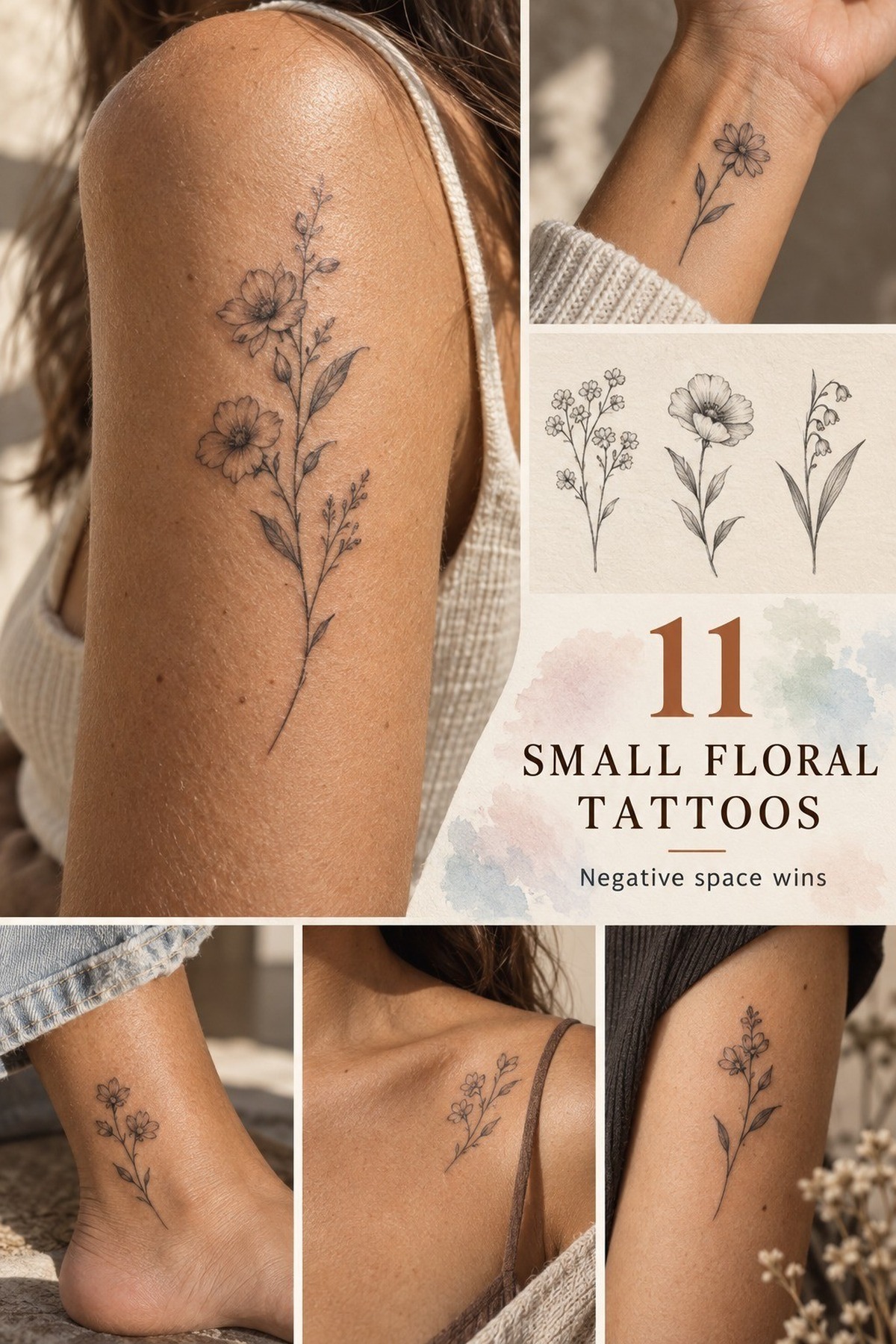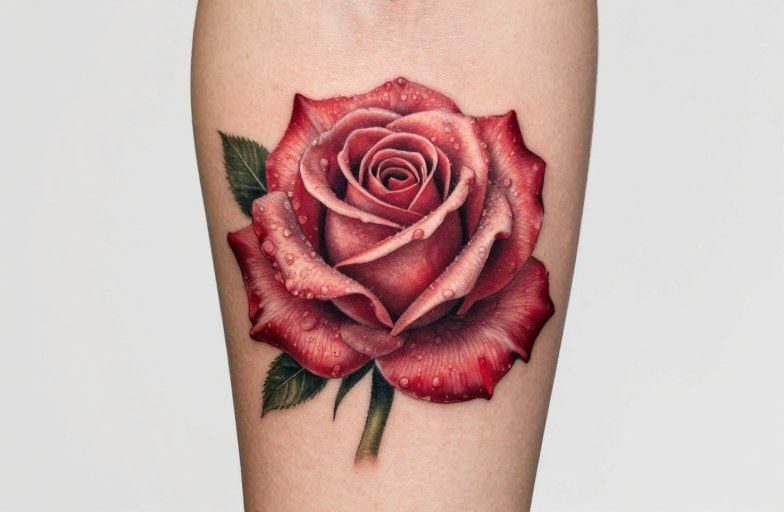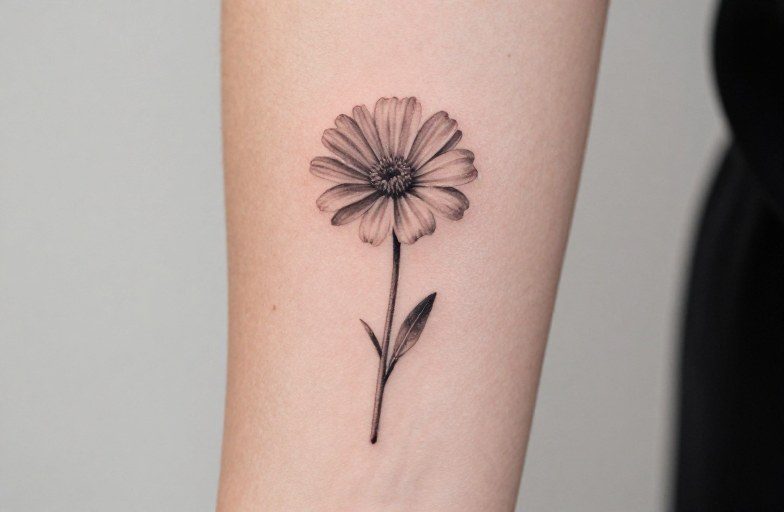
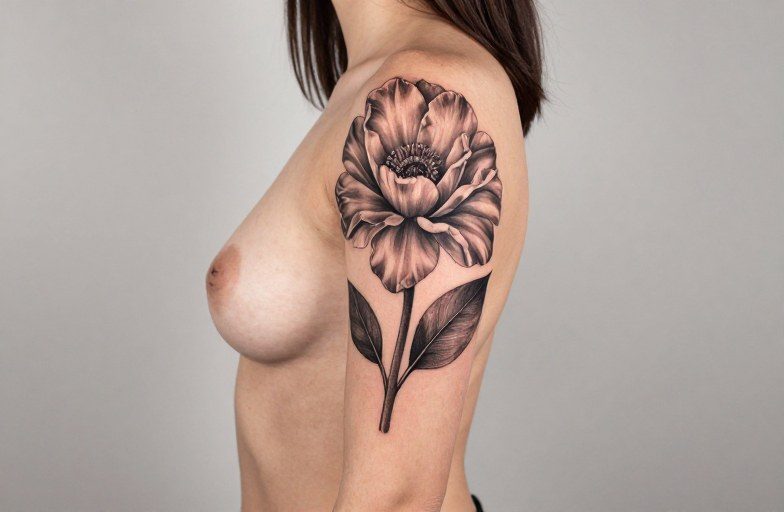
A flower full side body tattoo on a woman typically represents growth through adversity, the cyclical nature of life, and feminine resilience. The side placement, ribs to hip, follows the body’s natural lines while sitting on bone, making it one of the more physically demanding locations to receive and to heal. That pain becomes part of the meaning: beauty cultivated through endurance, visible only when you choose to reveal it.
Symbolism and Core Meaning
What the Placement Itself Communicates
The side body is not casual flash territory. It is concealed by standard clothing, revealed deliberately, at the beach, in intimacy, in moments of chosen vulnerability. This privacy amplifies the symbolism. A full side piece reads as personal archive rather than public announcement. The vertical sweep from underarm to hip bone traces the body’s central axis, creating a sense of growth direction: rooted below, blooming above, or the reverse depending on the design flow.
Flowers here often carry dual resonance. Botanical imagery traditionally encodes feminine cycles, blooming, wilting, regenerating. The side placement mirrors internal anatomy: ovaries, womb, the body’s generative core. Many women choose this placement specifically to mark survival: miscarriage, hysterectomy, cancer, or simply the accumulated weight of lived years. The flower becomes a way to honor process without explicit narrative.
Specific Flower Types and Their Weight
- Peonies: Prosperity and bashful beauty in Japanese tradition, but increasingly chosen for their lush, almost excessive fullness, unapologetic presence on a body part that expands and contracts with breath
- Lotus: Emergence from murky conditions, commonly associated with Buddhist and Hindu iconography; the stem’s verticality suits the side body’s length
- Cherry blossoms: Mono no aware, the Japanese aesthetic of transience; brief blooming matched to a placement that ages visibly with the body’s changes
- Wildflowers/meadow mixes: Refusal of single-symbol simplicity; collective resilience, biodiversity as metaphor for complex identity
- Roses with thorns: Protection and vulnerability intertwined; the thorned stem traces the rib cage’s protective structure
Color vs Black and Grey
How Color Ages on the Side
Side body skin experiences significant movement and stretching, breathing, weight fluctuation, pregnancy. Color saturation here demands technical precision. Reds and pinks, common in floral work, tend to hold better than yellows, which can fade to muddy peach within five to seven years. Purple shifts unpredictably, sometimes toward blue or grey depending on ink formulation and individual skin chemistry.
Color pieces on the side require more frequent touch-ups than black and grey. The trade-off is immediate visual impact: color reads as alive, botanical, present. For women who want the tattoo to function as deliberate ornament, revealed in specific contexts, concealed professionally, color maximizes that moment of revelation.
The Case for Black and Grey
Black and grey floral work relies on contrast and negative space. Without color distraction, line quality and shading gradients become the entire conversation. This approach ages more gracefully on mobile skin; there is less visual information to blur or migrate. The aesthetic tends toward illustration, engraving, or vintage botanical plate, intellectual rather than lush.
Some artists specialize in dark florals: blacked-out backgrounds with grey flowers emerging, or vice versa. This reversal of expected value, light flowers on dark ground rather than dark outlines on light skin, creates dramatic silhouette effects suited to the side body’s vertical canvas. The look is more graphic, less traditionally feminine, though that binary itself is increasingly rejected.
Common Variations and Styles
Composition Approaches
Full side pieces typically follow one of three structural logics. The vine and scatter approach trails stems with intermittent blooms, allowing the negative space between elements to breathe and accommodate future additions. The panel or cuff format treats the side as a framed rectangle or oval, denser in the center, softer at edges, common in traditional Japanese and neo-traditional work. The continuous sweep runs a single dominant stem from top to bottom, with secondary elements branching off, following the body’s natural curves.
Japanese-inspired pieces often incorporate wind bars, water backgrounds, or falling petals to create atmospheric depth. Neo-traditional work pushes saturation and stylization: impossible colors, exaggerated proportions, decorative borders. Fine-line single-needle approaches favor botanical accuracy, each stamen rendered, each leaf vein mapped, though this precision degrades faster on side skin.
Integration with Existing Work
The side body frequently connects larger pieces: back work extending around the torso, hip or thigh pieces reaching upward, underarm or chest work descending. Flower side pieces excel as transitional tissue, softening the boundary between disparate themes or styles. A skull on the hip might sprout roses upward; a back piece of geometric patterns might dissolve into organic stems at the side’s edge.
History and Cultural Roots
Western Traditions
Floral tattooing on women’s torsos carries different weights across cultures. In early 20th-century American tattooing, women with extensive body work were often circus performers or working-class figures; flowers offered a conventionally feminine frame for coverage that otherwise transgressed gender norms. The imagery softened the social transgression without eliminating it.
Contemporary Western practice has inverted earlier hierarchies. The flower became central subject in the 1990s and 2000s as tattooing democratized and women entered the industry as artists rather than solely canvas. The full side flower piece grew in visibility during this period, no longer background but complete statement. The specific popularity of side placement is often linked to shifting fashion silhouettes that emphasized the hip-to-waist zone, though this connection remains interpretive rather than documented.
Japanese and Asian Traditions
Japanese irezumi tradition placed flowers as secondary elements within larger narratives, background to dragons, tigers, mythological figures. Women’s full body suits in Japan were historically rare and carried complex social associations; floral streams sometimes created visual rhythm between larger pictorial elements. The flower was frequently connective tissue rather than primary subject.
This differs from contemporary Western practice, where the floral side piece often stands alone. Artists working in Japanese-informed styles today may preserve this background relationship or may treat flowers as central, depending on client intention and artistic lineage.
Religious and Spiritual Angles
Christian and Catholic Traditions
The Virgin Mary’s flower associations, lily for purity, rose for the rosary’s mysteries, translate into body art for some practitioners. A full side piece of lilies can encode Marian devotion without explicit iconography. The placement near the heart, upper side, and womb, lower, mirrors Catholic feminine ideal: purity and fertility unified. For lapsed or culturally Catholic women, the same imagery can mark complex relationship with that heritage, honoring the aesthetic while rejecting the dogma.
Buddhist and Hindu Frameworks
The lotus specifically carries established spiritual weight: emergence from samsara, non-attachment, the sahasrara chakra’s thousand-petaled form. Side placement does not diminish this symbolism, though some practitioners prefer locations associated with chakra points. The lotus on the side becomes more personal narrative than doctrinal statement, spiritual autobiography rather than religious identification.
Pagan and earth-based spiritualities often choose seasonal progression: spring blooms at the rib cage’s upper reach, summer fullness at the waist, autumn seed heads and bare stems descending toward the hip. This follows the body’s vertical axis as temporal axis, wearing the wheel of year.
Practical Considerations
The Physical Reality of Side Placement
The side body is among the more painful locations to tattoo. The skin sits directly over rib bone with minimal muscle or fat padding. Breathing causes constant motion during the session, requiring you to hold still on inhalation or exhalation depending on the artist’s preference. Sessions typically run shorter than back or thigh work because the discomfort accumulates rapidly.
Healing presents specific challenges. The side rubs against bra bands, waistbands, purse straps, seatbelts. Sleeping on your side becomes impossible for two to three weeks. Many women plan around menstrual cycles, as hormonal sensitivity can amplify pain perception. The area also sweats heavily during activity, requiring careful management during summer healing.
Long-Term Body Changes
If you plan pregnancy, understand that side tattoos stretch significantly. The skin expands across the ribs and lower flank; floral designs with tight geometric elements may distort. Post-pregnancy, some ink settles into stretch marks, creating unpredictable texture. Weight fluctuation of twenty pounds or more will alter the design’s proportions. These are not reasons to avoid the placement, but they are factors to discuss with your artist during design.
Surgical intervention poses additional considerations. Appendectomy, gallbladder removal, or cosmetic procedures may scar through existing work. If you have specific medical history, placement adjustments can preserve the design’s integrity around likely incision sites.
Related Symbols and Combinations
Butterflies and moths frequently accompany floral side pieces, creating pollinator-plant ecological relationships. This pairing emphasizes transformation more than either element alone. Snakes entwined with flowers, common in Art Nouveau reference, add danger, temptation, or medical symbolism depending on cultural reading.
Skulls nestled in blooms, particularly peonies or roses, reference memento mori tradition: beauty’s decay, life’s brevity. On the side body, this can read as particularly intimate acknowledgment of mortality carried close. Birds, hummingbirds, swallows, songbirds, extend the botanical into aerial space, suggesting aspiration or freedom from the body’s constraints.
Geometric frames or mandala backgrounds behind floral subjects create tension between organic and structured, a common contemporary approach that roots natural forms in deliberate composition. Script or lettering integrated into stems risks becoming dated; most experienced artists advise against words unless the text carries non-negotiable personal significance.
Before You Decide
A flower full side piece demands commitment: to the pain, to the healing discipline, to living with work that spans your most vulnerable anatomical zone. The symbolism you carry will evolve as your body changes, as the ink ages, as your relationship to the imagery deepens or shifts. This is not a placement for impulse.
Choose an artist with specific side body experience, not just floral portfolio. The technical demands of saturation on mobile skin, of design flow across breathing anatomy, require specialization. Request healed photos, not just fresh work. The piece you see on Instagram, swollen and saturated, will not be the piece you live with in five years.
The meaning you assign matters more than any dictionary of symbolism. A peony because your grandmother grew them. A lotus because you survived. A wildflower mix because you refuse singular identity. The side body keeps this meaning close, released only when you choose. That control, that intimacy, is perhaps the truest symbolism of all.
Frequently Asked Questions
How painful is a side body tattoo compared to other placements?
The side body is among the most painful locations due to minimal fat and muscle padding over rib bone. Breathing motion during the session adds difficulty. Most people rate it significantly more intense than arm or thigh work, comparable to rib cage or foot tattooing. Pain perception varies by individual, but plan for shorter sessions and possible numbing options discussed with your artist.
Will a side tattoo stretch during pregnancy?
Yes, significantly. The skin across ribs and lower flank expands substantially during pregnancy. Floral designs with tight geometric elements are most vulnerable to distortion. Some ink may settle into stretch marks post-pregnancy. Discuss pregnancy plans with your artist during design; some placement adjustments can minimize future impact, though no placement is entirely immune.
How long does a full side piece take to heal?
Surface healing typically takes two to three weeks, with full dermal healing at six to eight weeks. The side presents specific challenges: constant friction from clothing, inability to sleep on that side, and sweat accumulation during activity. Plan for loose waistbands, possible bra-free periods, and careful sleeping arrangements. Touch-ups are common at three to six months due to the location’s movement and healing difficulty.
Is color or black and grey better for side body floral work?
Each has trade-offs. Color, especially reds and pinks, offers immediate impact but fades faster on mobile skin and requires more frequent touch-ups. Black and grey ages more gracefully with less visual information to blur, but reads as more graphic and less traditionally botanical. Your skin tone, sun exposure habits, and willingness to maintain the work should guide this decision with your artist.