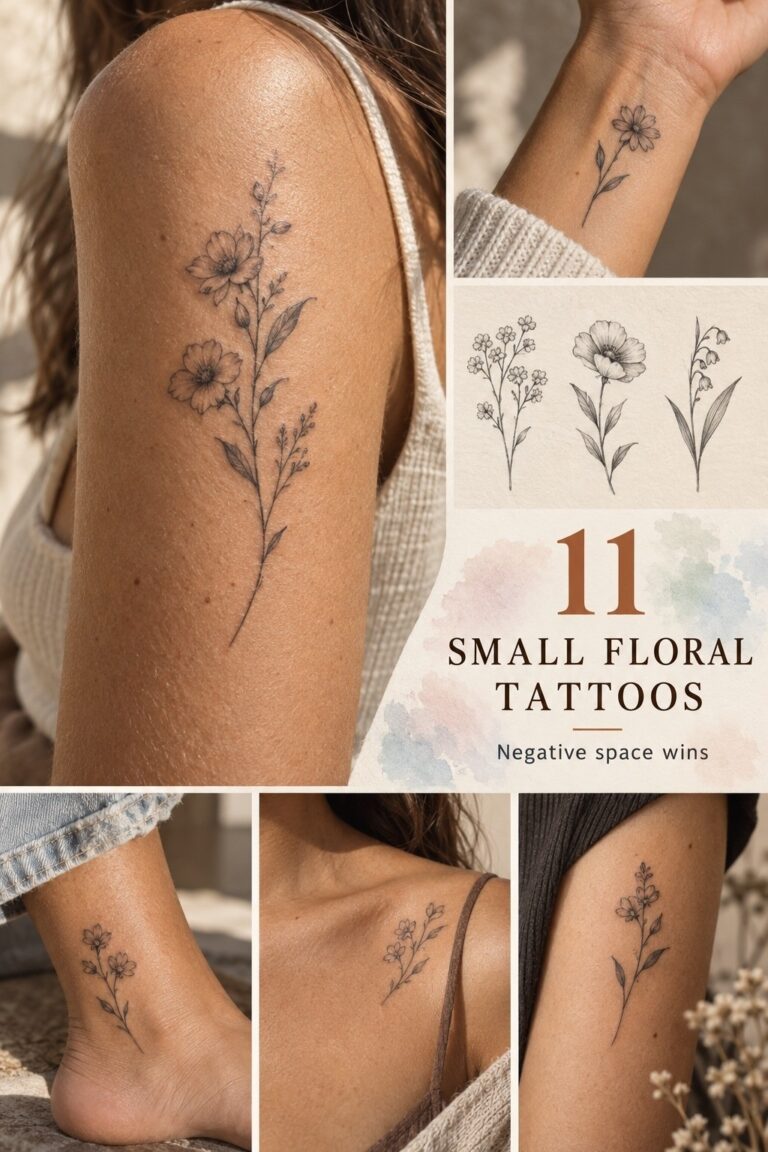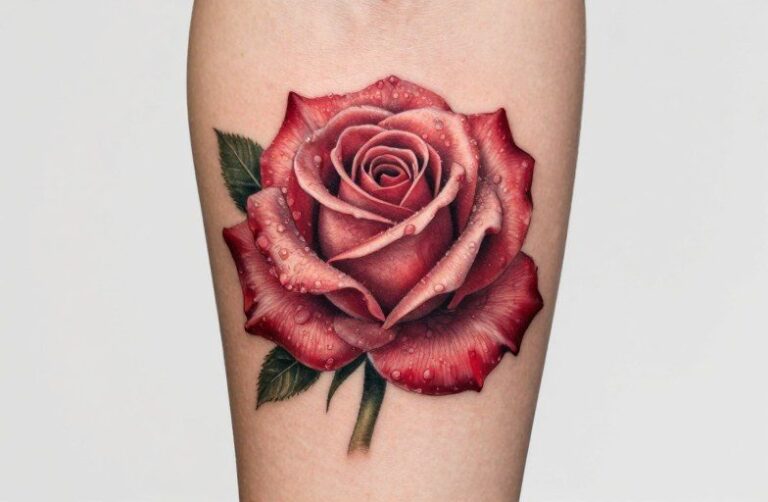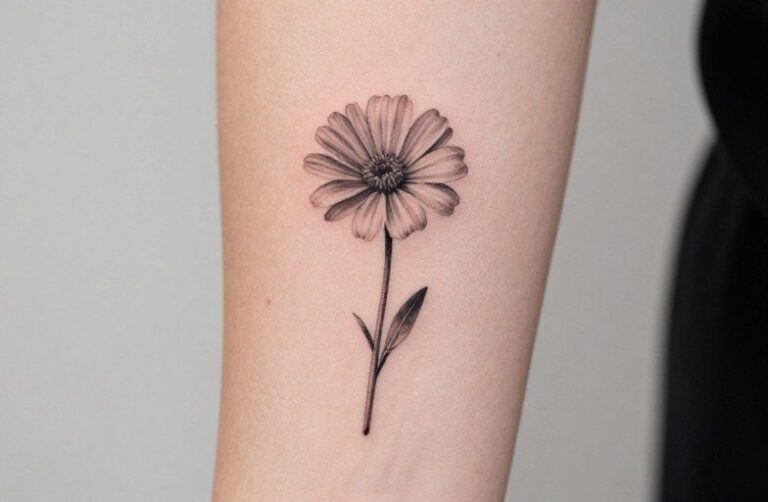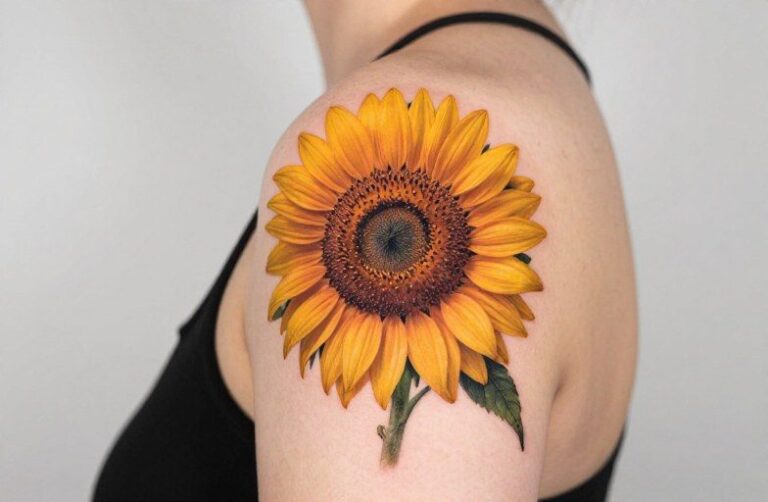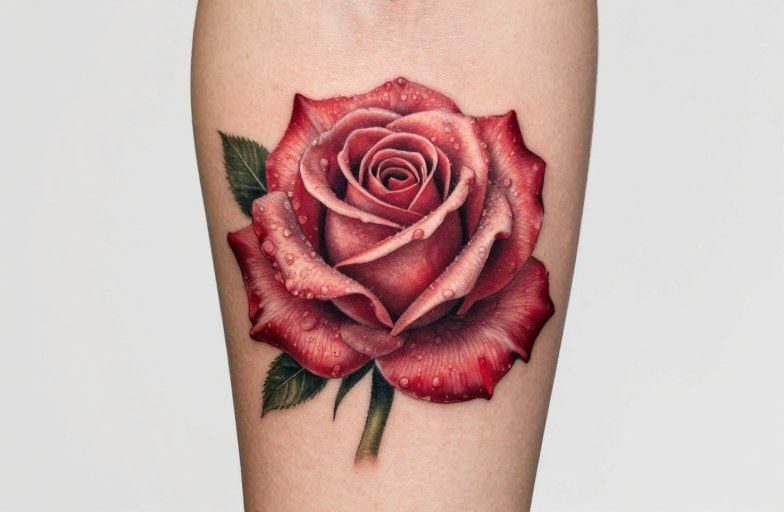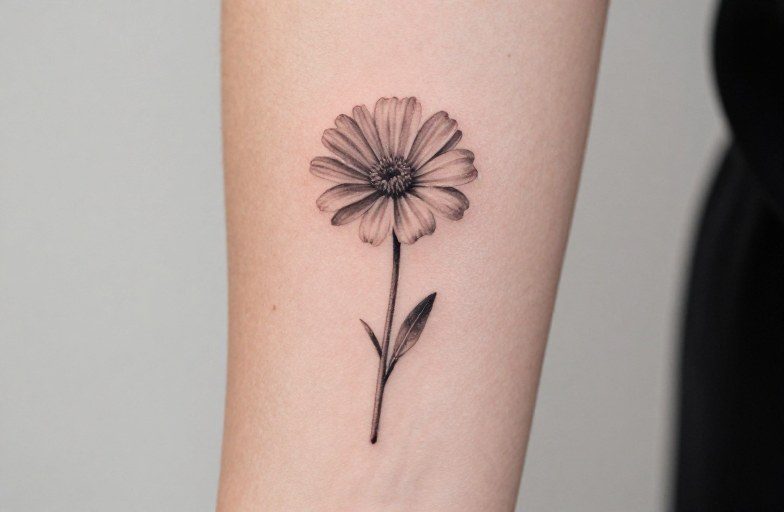
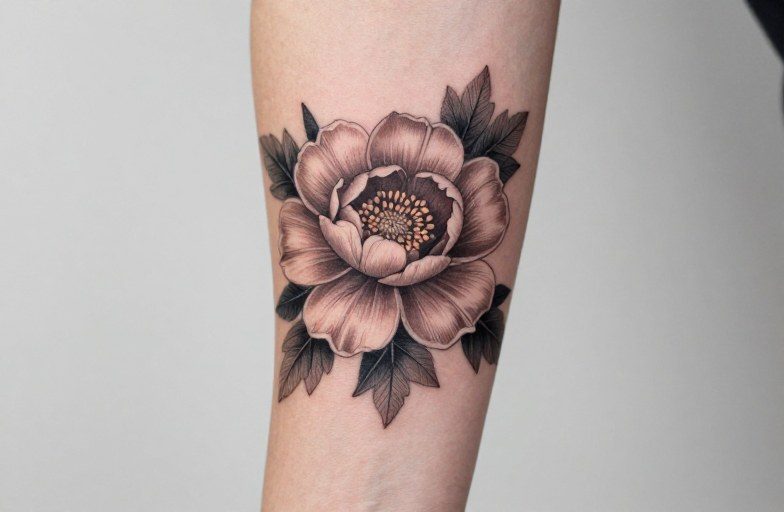
A Korean flower tattoo typically carries meaning tied to one of three blooms: the mugunghwa (rose of Sharon), Korea’s national flower; the plum blossom, associated with perseverance through hardship; or the lotus, linked to spiritual purity and rebirth. These aren’t interchangeable decorative choices, each flower anchors specific cultural values and visual traditions that separate Korean floral work from Japanese or Chinese counterparts.
Personal & Modern Meanings
People gravitate toward Korean flower tattoos for reasons that split between cultural connection and personal symbolism. The mugunghwa in particular resonates with Korean Americans and diaspora communities as a quiet nod to heritage without the overt nationalism of a flag or map outline.
What Each Flower Signals
- Mugunghwa: Often read as resilience and perseverance, blooms that wither overnight yet return each morning. For some, this maps onto immigration, recovery from illness, or surviving difficult chapters.
- Plum blossom (maehwa): Blooms in late winter snow, making it a marker of endurance and hope during bleak periods. Less common than mugunghwa but visually striking in black and grey.
- Lotus: Buddhist associations run strong here, rising clean from mud, cycles of death and rebirth. Korean lotus depictions tend toward simpler petal geometry than Thai or Tibetan versions.
Contemporary Twists
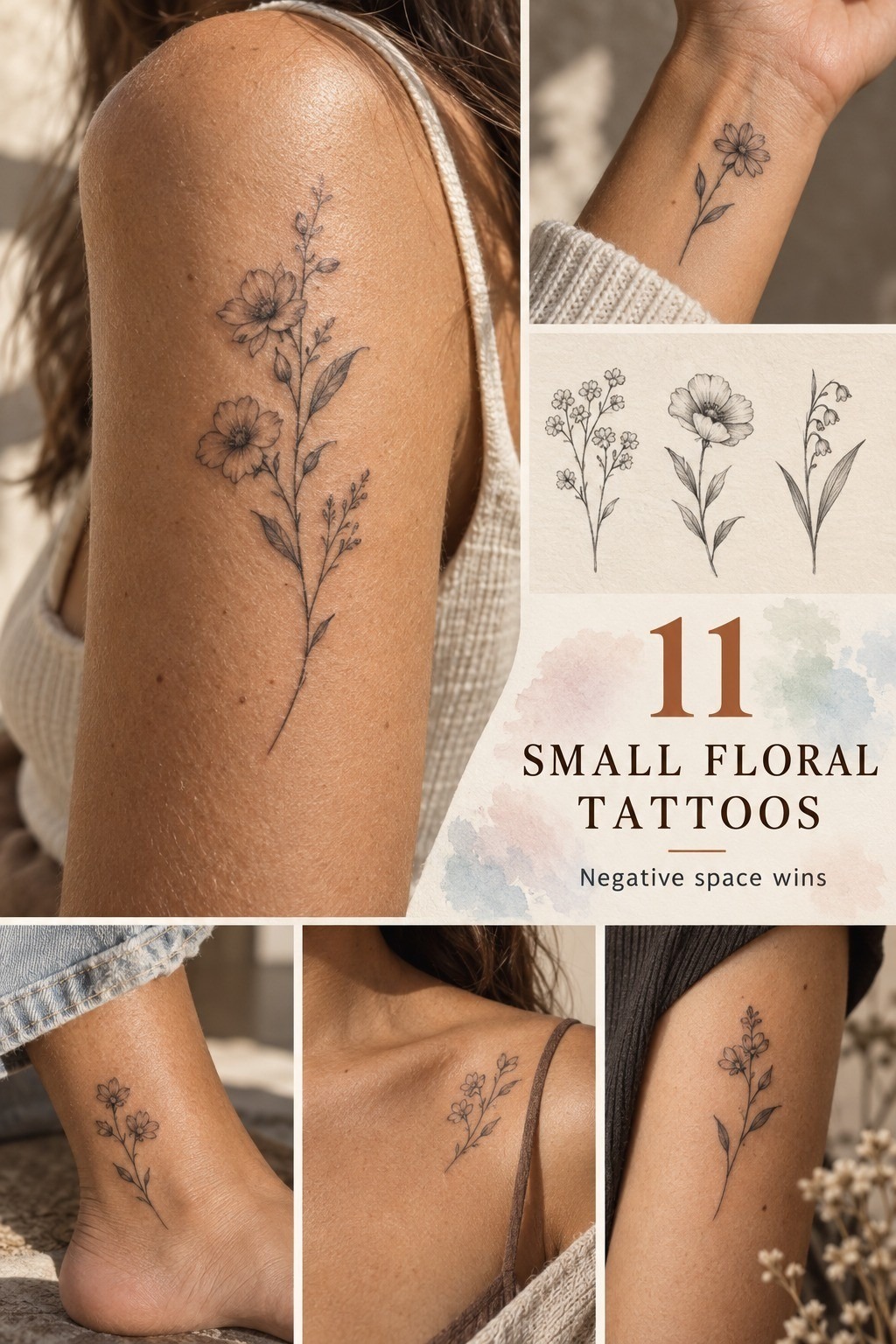
Modern Korean tattooing, particularly from Seoul-based artists, sometimes merges these flowers with minimalist line work or negative-space techniques. A single mugunghwa line drawing behind the ear reads differently than a fully shaded sleeve piece, same symbol, different emotional register. The meaning doesn’t change, but the visibility and commitment do.
Best Placements
Where you put a Korean flower tattoo changes how the symbolism lands and how the design functions visually.
High-Visibility Spots
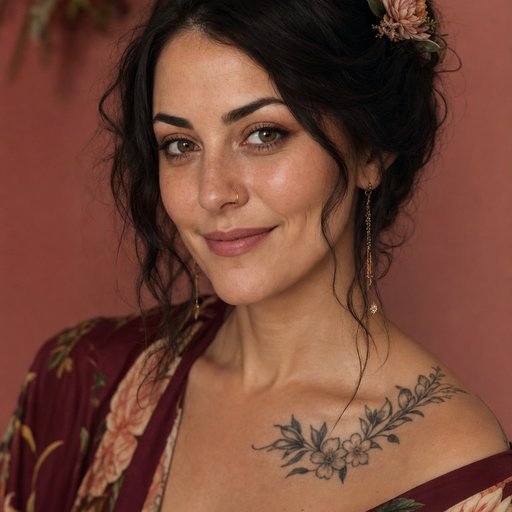
Forearms and collarbones dominate for single-bloom pieces. The mugunghwa’s five petals spread naturally across the shoulder cap or outer forearm. Collarbone placements work best with stem-and-leaf extensions that follow the bone line, awkward floating flowers here look like stickers, not integrated design.
Concealed or Intimate Areas
Ribs and upper thighs suit larger compositions: lotus ponds with multiple blooms, or plum branches sweeping across the torso. These areas accommodate the curved, asymmetrical flow that Korean painting tradition favors. Healing is rougher, ribs move constantly, thigh tattoos stick to clothing for weeks.
- Behind the ear: Tiny mugunghwa or single plum blossom. High fallout risk from hair products and friction.
- Hands and fingers: Rare for Korean floral specifically; the detail level rarely holds. If you insist, expect touch-ups every 1-2 years.
- Full back: Lotus pond scenes with moon and water elements. Demands a specialist in Korean ink-wash aesthetics.
Similar & Related Symbols
Korean flower tattoos don’t exist in isolation. Several adjacent motifs appear in the same visual vocabulary, and knowing the distinctions matters if you want accuracy.
Japanese Cherry Blossom vs. Korean Plum Blossom
Clients sometimes request “cherry blossom” when they mean Korean floral work. The visual difference: cherry blossom (sakura) petals have notched tips and cluster densely; Korean plum blossom (maehwa) petals are rounder, more spaced, and the branches twist more dramatically. The symbolism diverges too, sakura emphasizes transient beauty (mono no aware), while maehwa stresses enduring through adversity.
Peonies, Chrysanthemums, and Bamboo
These three appear frequently in Korean minhwa (folk painting) alongside flowers. Peonies signal wealth and honor; chrysanthemums, longevity; bamboo, integrity. A sleeve combining mugunwha with bamboo creates a coherent Korean symbolic statement. Mixed with unrelated Western imagery, skulls, daggers, script, the cultural coherence fractures.
History & Cultural Roots
The mugunghwa’s status as national flower dates to Japanese colonial period resistance, though its symbolic use in art stretches back further. Some trace it to the Samguk Sagi (Chronicles of the Three Kingdoms), where the flower’s name connects to “mugung”, eternity or inexhaustibility. The actual legal designation as national flower came later, in 1948, post-liberation.
From Painting to Skin
Traditional Korean flower depiction follows conventions from munjado (letter painting) and minhwa. Flowers often accompany characters or appear in bird-and-flower screens. The transition to tattooing means adapting these flat, graphic compositions to three-dimensional, moving skin. Artists working in this style study Joseon-era painting to get the branch angles and petal proportions right, not copy-paste from Google images.
Colonial and Post-Colonial Complexity
For Korean Americans, the mugunghwa can carry layered meaning: pride, loss, inherited resilience, complicated feelings about homeland. It’s worth sitting with if you’re drawn to the aesthetic or the heritage, because the tattoo will prompt questions. Having a ready answer beats stumbling through “I just thought it was pretty.”
Color vs Black and Grey
This choice fundamentally alters the tattoo’s reference point and longevity.
Color: The Minhwa Path
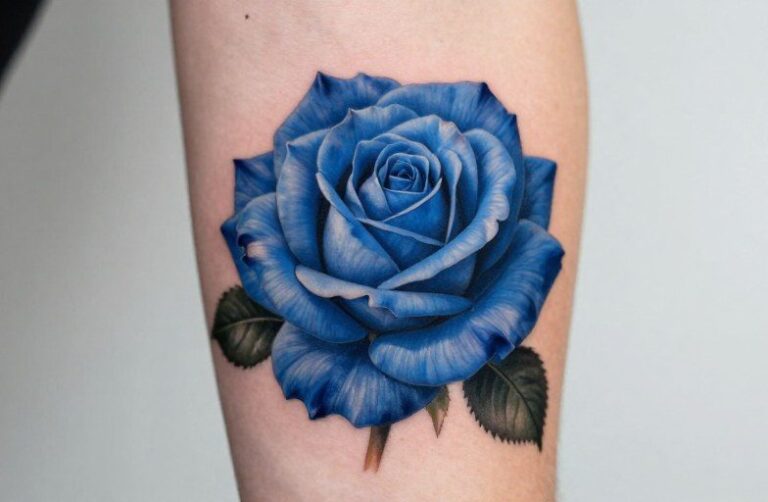
Bright pinks for mugunghwa, deep reds for plum blossom, layered greens for lotus leaves, this route references Korean folk painting directly. The downside: pinks and reds fade fastest. Expect significant softening by year five, especially on sun-exposed areas. Touch-ups restore vibrancy but never perfectly match fresh saturation.
Black and Grey: The Ink-Wash Tradition
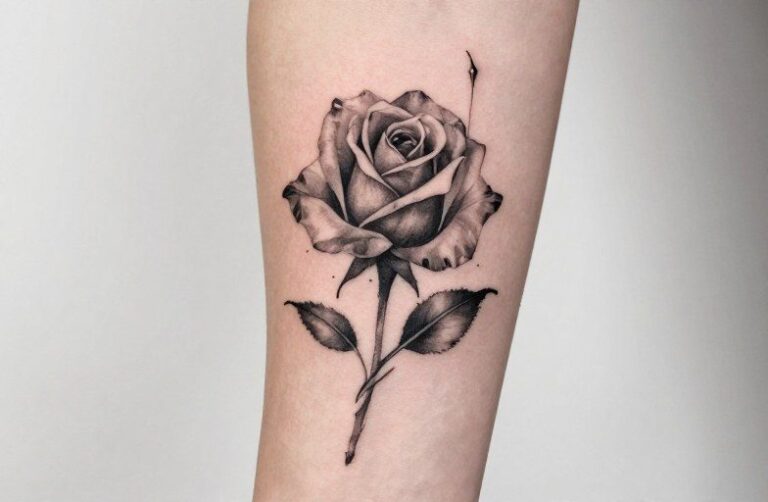
Korean sumukhwa (ink wash painting) translates naturally to tattooing. Varying grey densities create depth without color. This ages more gracefully, no hue shifts, just gradual lightening. The risk is muddiness: without color to separate elements, poorly planned grey values blend into grey soup. Demand that your artist show healed black and grey floral work, not just fresh photos.
- Color longevity ranking: Black > dark green > red > pink > light yellow (fastest to disappear).
- Skin tone considerations: On darker skin, black and grey with high contrast reads clearer than muted colors. Bold color is achievable but requires experienced practitioners.
How It Ages on Skin
All tattoos age. Korean flower designs have specific vulnerabilities.
Line Weight and Detail Loss
The delicate petal outlines and fine branch work that make Korean floral tattoos distinctive are exactly what blurs first. Single-needle detail that looks crisp at month one often spreads by year three. Wider line variation, thick main stems, medium branches, fine petal texture, creates hierarchy that survives better.
Ink Migration in Soft Tissue
Areas with more fat or movement (upper arms, thighs) see more ink spread over time. A perfectly placed petal tip can soften into a vague point. This matters less for stylized, bold designs; devastating for photorealistic or hyper-minimalist approaches.
Sun exposure accelerates everything. No amount of SPF 50 fully stops UV breakdown of pigment. A color mugunghwa on a shoulder that sees summer sun will need refresh work years before a rib piece on a covered torso. Plan for this maintenance or choose placement and color accordingly.
The Bottom Line
A Korean flower tattoo works best when the specific bloom, style reference, and placement align with your actual life, not a Pinterest aesthetic. The mugunghwa carries weight. The lotus carries different weight. Black and grey ages differently than color. These aren’t obstacles; they’re parameters that shape a tattoo you’ll still recognize in the mirror decades out. Research your artist’s healed work. Ask which Korean painting tradition they’re referencing. Know why you’re choosing this specific flower, in this specific form, on this specific part of your body. The tattoo lasts longer than your current mood. Make sure the reasoning does too.
Frequently Asked Questions
Is a Korean flower tattoo culturally appropriative if I’m not Korean?
The mugunghwa specifically carries national identity weight, so non-Koreans should approach with research and respect. Lotus and general floral motifs are more universally accessible. When in doubt, consult Korean tattooers or cultural practitioners about context.
How much does a Korean flower sleeve typically cost?
Specialists in Korean ink-wash or minhwa-style tattooing command premium rates. Expect $150-300+ per hour with multi-session sleeves running into thousands. Budget artists rarely execute this style’s subtlety well.
Can I combine a Korean flower with non-Korean elements?
You can, but visual coherence suffers. Mixing mugunghwa with American traditional sailor imagery, for instance, creates stylistic dissonance. Better approaches: Korean flowers with Korean calligraphy, moon motifs, or tiger imagery from the same tradition.
What’s the typical healing time for a detailed color Korean flower piece?
Surface healing runs 2-3 weeks; full settling of color saturation takes 6-8 weeks. Color work often looks dull and cloudy at week two, this is normal, not a sign of failure. Follow your artist’s aftercare without adding internet remedies.