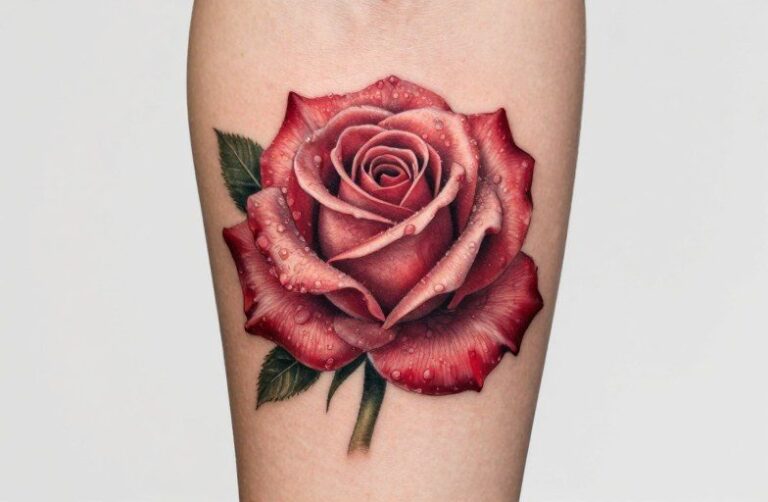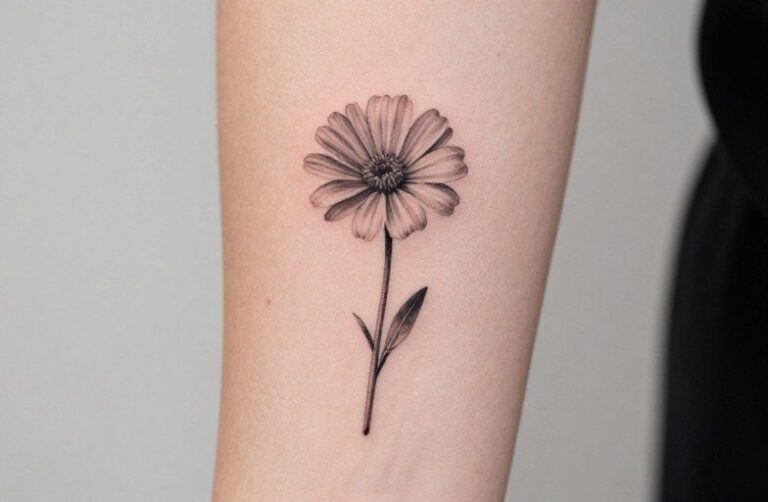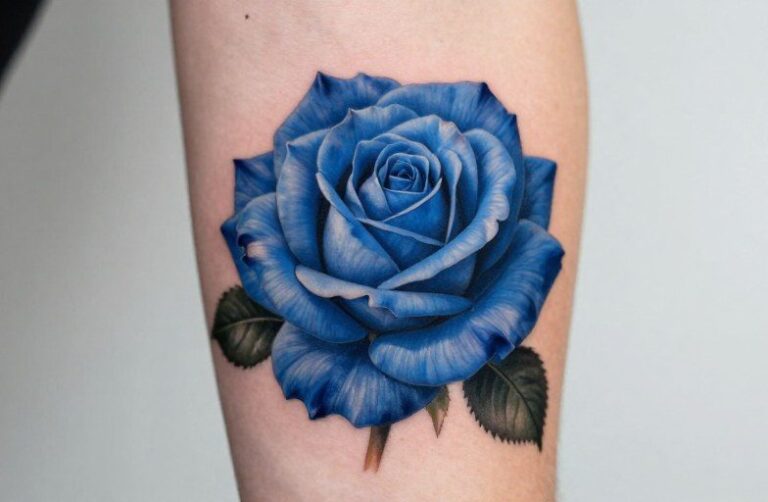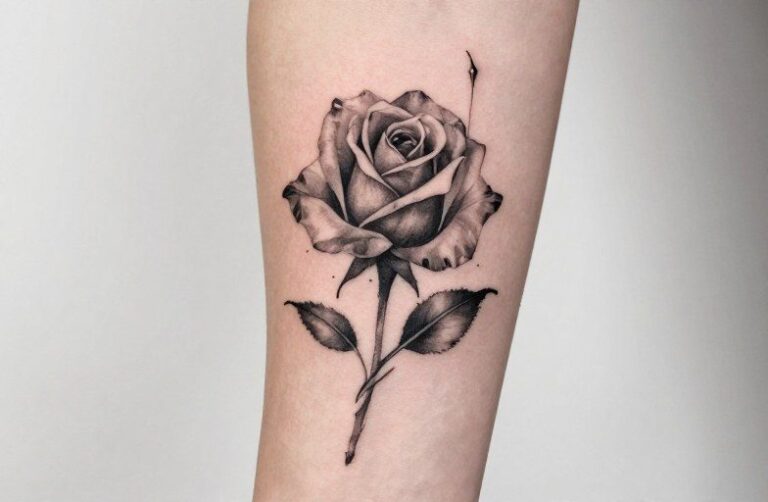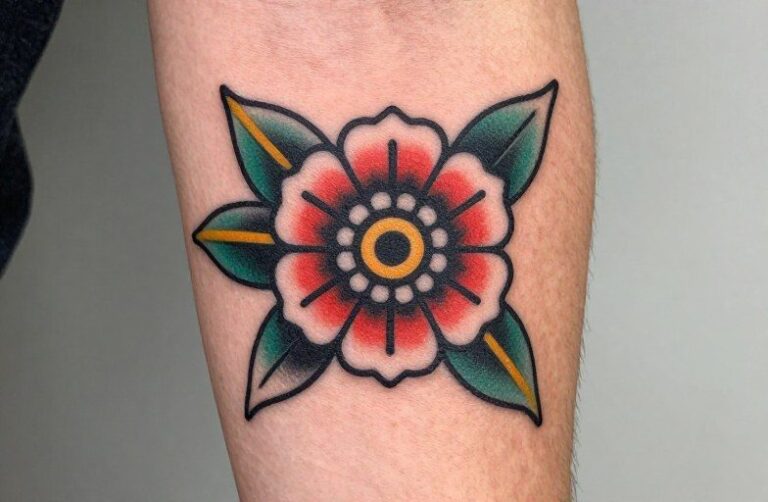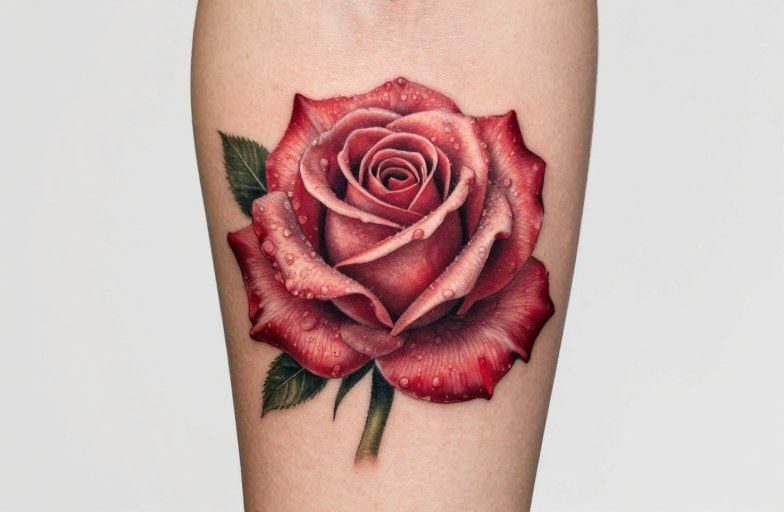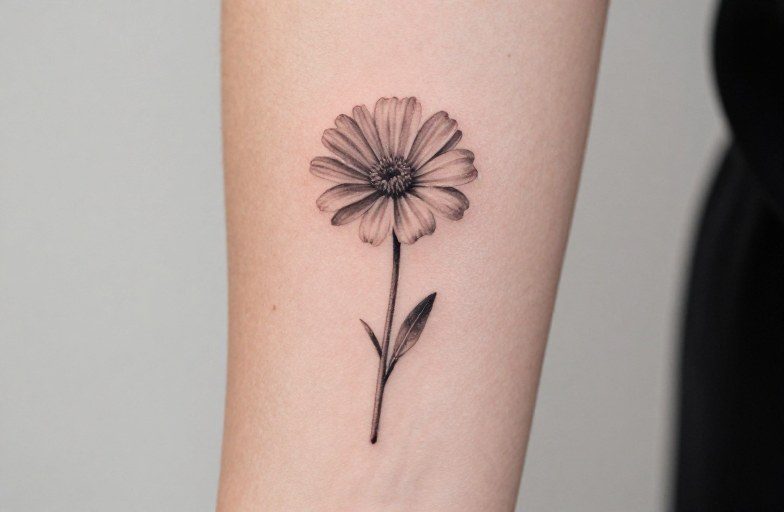
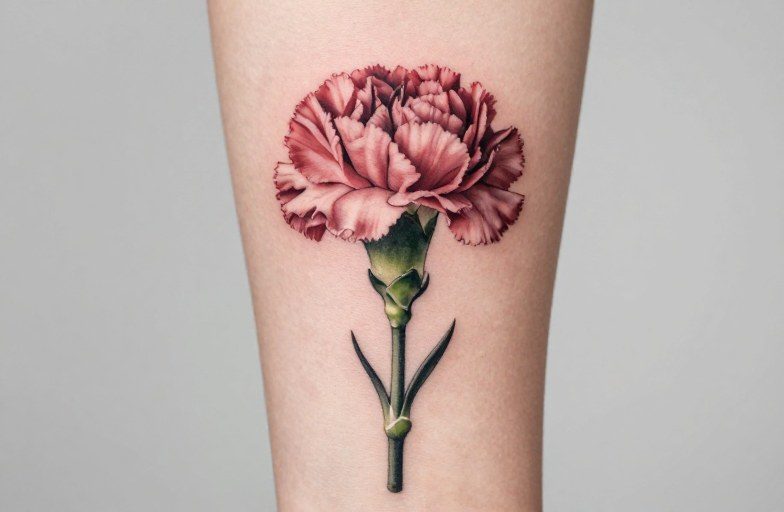
A carnation tattoo most commonly signals love, admiration, and distinction. The flower’s meaning shifts dramatically with its color: red for deep affection and passion, pink for gratitude and maternal love, white for purity and good luck, and purple for capriciousness or unpredictability. Unlike roses, which dominate tattoo culture, carnations carry a quieter, more specific vocabulary of sentiment that rewards anyone who looks closer.
Symbolism & Core Meaning
The carnation’s symbolic weight comes from centuries of cultural use, not just aesthetic appeal. Understanding the core meanings helps you choose a design that actually says what you intend.
Color as Language
Color drives carnation symbolism more than almost any other flower. Red carnations tattooed alone or in a bouquet speak to romantic love and admiration, the same meaning they carry in traditional bouquets. Pink shades, especially the softer salmon and coral tones, connect to maternal love and gratitude, why they’re standard for Mother’s Day in many countries. White carnations carry dual meaning: purity and innocence, but also good fortune and prosperity. Yellow, less common in tattoos, can represent disappointment or rejection, though some use it for simple cheerfulness. Purple sits in ambiguous territory, often linked to capriciousness, though modern wearers sometimes reclaim it for creativity and unpredictability.
Historical Associations
The flower’s name is often linked to “coronation” or “corone,” referencing its use in Greek and Roman ceremonial garlands. Some trace it to the word “carnis” (flesh), describing its original pinkish hue. In 19th-century American culture, white carnations became specifically associated with motherly love through Anna Jarvis’s campaign for Mother’s Day. This isn’t ancient mythology, it’s documented, recent history that still shapes why people choose the flower today.
Similar & Related Symbols
Carnations rarely stand alone in tattoo composition. Their meaning shifts depending on what surrounds them, and they pair naturally with several related symbols.
- Roses: The most common pairing. Where roses carry broad, almost generic romantic weight, carnations add specificity, admiration rather than passion, gratitude rather than desire.
- Baby’s breath: Creates a vintage bouquet aesthetic, pushing the carnation toward innocence, new beginnings, or memorial meaning.
- Swords or military insignia: Red carnations hold specific leftist and labor-movement associations in many European and Latin American contexts, often linked to historical events rather than vague rebellion.
- Names and dates: Carnations frame memorial pieces with softer emotion than the harder symbolism of roses or lilies.
- Snakes or skulls: A newer juxtaposition that plays capriciousness (purple carnations) against mortality, creating tension between fleeting beauty and permanent decay.
Butterflies paired with carnations emphasize transformation and the fleeting nature of affection, effective but increasingly common. Consider less expected pairings for original work.
Who Chooses This Tattoo
Placement and context reveal who actually gets carnation tattoos and why. This isn’t random decoration; specific life events tend to prompt the choice.
Common Motivations
Memorial work dominates. Adult children tattoo carnations, usually pink or white, for mothers who’ve passed, often incorporating handwriting or dates. January birthdays motivate another cluster: the carnation is the birth flower for January, making it a natural choice for those born in that month who want floral work without the obviousness of a zodiac symbol. People with Spanish, Portuguese, or Korean heritage sometimes choose carnations for cultural reasons, the flower holds particular significance in those traditions, especially around family and celebration.
Less commonly, people choose carnations after difficult relationship endings, using the purple shade’s association with unpredictability or capriciousness to mark a partner’s fickleness. This reads as more specific and less bitter than generic “betrayal” imagery.
Where People Put Them
Forearms and shoulders carry carnations for visibility and conversation. Ribs and hips hide more intimate meanings, often maternal or romantic. Ankle and wrist placements work for smaller, single-bloom designs that read as delicate rather than dramatic. The flower’s layered petals suit both large-scale composition and compact, fine-line work, making it genuinely versatile across body areas.
Religious & Spiritual Angles
Christian tradition often links the carnation to the Virgin Mary, with legend, though not doctrinal fact, suggesting the flower sprang from her tears. This makes white carnations particularly significant for Catholic wearers seeking Marian imagery without explicit iconography. The flower also appears in some Buddhist contexts, though less centrally than lotus or cherry blossom imagery.
Modern spiritual use tends toward the personal rather than doctrinal. Carnation tattoos sometimes mark spiritual rebirth or gratitude practices, with the flower’s association with thankfulness (pink shades) translating into non-religious but intentional living. The distinction matters: this isn’t claiming sacred power for the image, but using established symbolic vocabulary to mark personal commitment.
Common Variations & Styles
Style choices dramatically change how a carnation tattoo reads and how it ages. This matters for a flower whose impact depends on delicate petal structure.
Line Work vs. Shading
Single-needle and fine-line carnations look exquisite fresh but face real aging challenges. The flower’s ruffled edges blur faster than simpler shapes. Bold outline work with limited shading holds definition longer, especially on high-movement areas like wrists and ankles. Traditional American styling, thick black outlines, limited color palette, strong contrast, creates carnations that read immediately and age gracefully, though some find the style too aggressive for the flower’s soft associations.
Watercolor techniques, popular for floral work generally, struggle specifically with carnations. The layered petal structure becomes muddy without sufficient definition. Effective watercolor carnations require an experienced artist who builds negative space and line anchors into the color wash, not just free pigment.
Black and Gray Realism
This approach solves the color-meaning problem by focusing on form over symbolic hue. A black and gray carnation becomes more universally interpretable, memorial, birth flower, or simple appreciation of the flower’s structure. It also ages more predictably than color work, with less risk of the pink-to-brown shift that degrades many floral tattoos over decades.
Personal & Modern Meanings
Contemporary tattoo culture has expanded carnation symbolism beyond traditional boundaries. Some choose the flower for its underdog quality, beautiful, commercially available, but rarely celebrated in tattoo iconography compared to roses, peonies, or lotuses. This appeals to people who identify with being overlooked despite genuine worth.
Gender associations have shifted too. Carnations were historically coded feminine in tattoo culture, but contemporary placement and styling, larger scale, bolder linework, integration with non-floral elements, have made them increasingly gender-neutral. The meaning doesn’t change, but who feels permitted to wear it has.
Modern collectors also play with the “capriciousness” meaning more ironically. Purple carnations mark unpredictable life phases, creative careers, or deliberate resistance to stability. This reclaims a traditionally negative association as something active and chosen rather than suffered.
Key Takeaways
Color determines meaning more than almost any other factor in carnation tattoos, choose deliberately, not just for aesthetic preference. The flower’s documented cultural associations (January birth flower, Mother’s Day symbolism, specific political history) give it more concrete meaning than many floral choices, which can help or constrain depending on your intent. Aging considerations favor bolder line work over extreme fine-line delicacy, especially for visible placements. Pairing choices dramatically shift interpretation: roses broaden to romance, military/labor symbols politicize, memorial elements personalize. The carnation rewards specificity, vague placement and generic styling waste its actual symbolic vocabulary.
Frequently Asked Questions
Do carnation tattoos only work for women?
Not anymore. While historically coded feminine, contemporary styling, bolder lines, larger scale, mixed imagery, has made carnations genuinely gender-neutral. The flower’s symbolic range (military history, political use, memorial) supports this shift.
Why choose a carnation over a rose tattoo?
Roses carry broad, almost default romantic meaning. Carnations offer specificity: gratitude, admiration, capriciousness, or January birth identity. They’re also less visually common, which matters for collectors seeking distinction.
How well do fine-line carnation tattoos age?
Poorly without structural planning. The ruffled petal edges blur faster than simpler shapes. Effective long-term carnation tattoos need sufficient line weight or strategic negative space, especially on high-movement areas.
Can a carnation tattoo work as a cover-up?
The layered petal structure can disguise older work, but light colors (white, pale pink) won’t cover dark existing ink. Darker red or purple carnations with bold outlines offer better cover-up potential, though consultation with an experienced artist is essential.