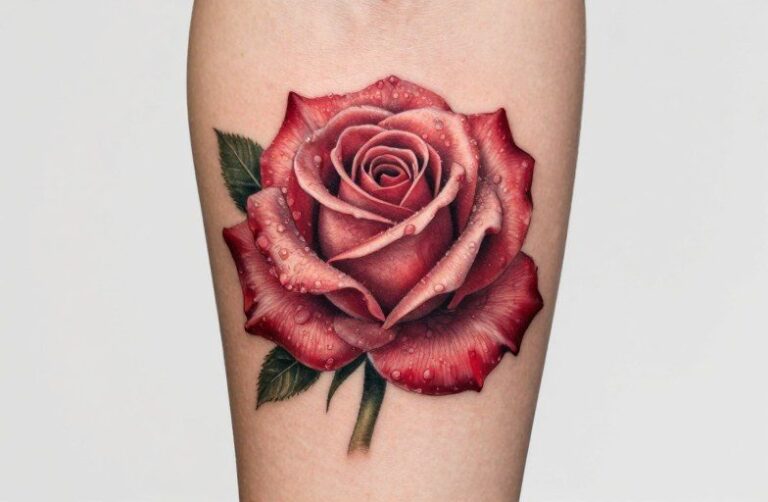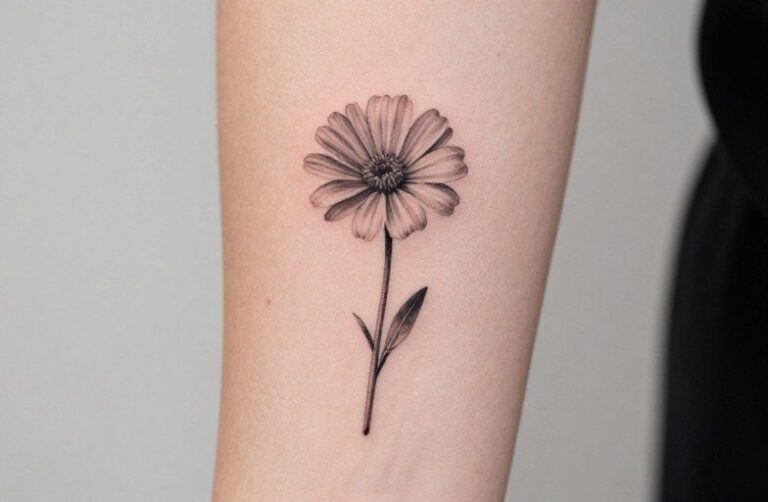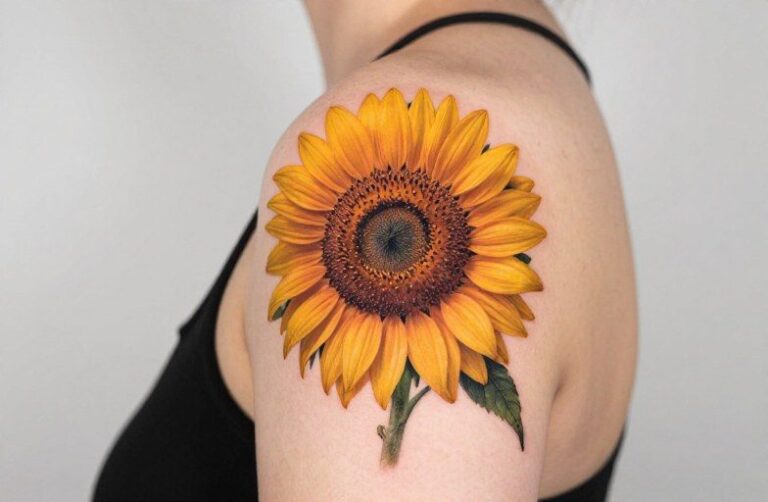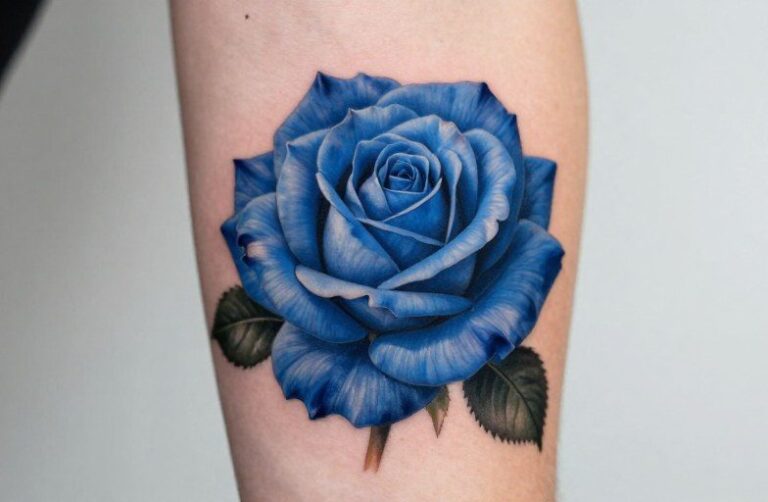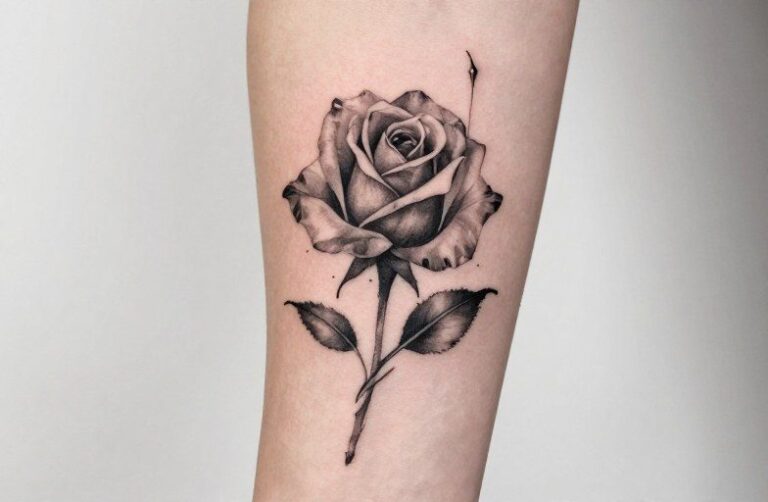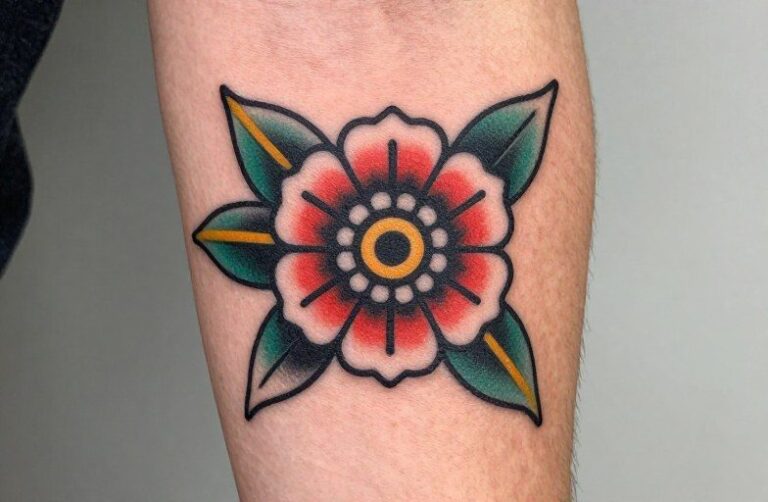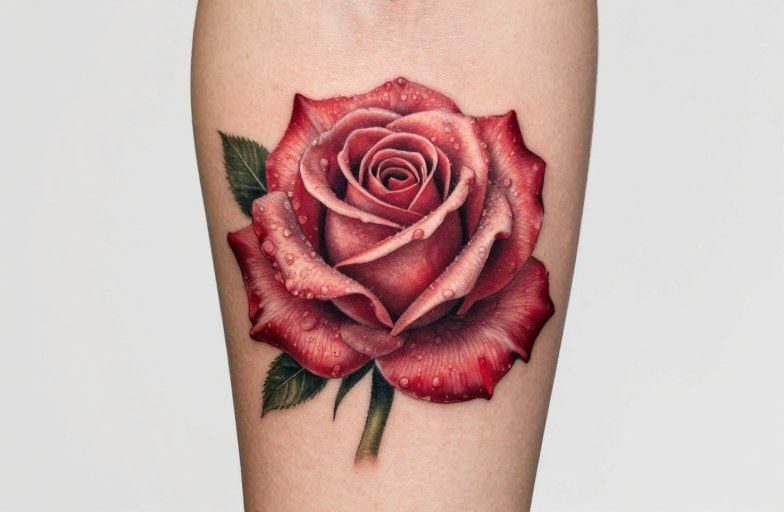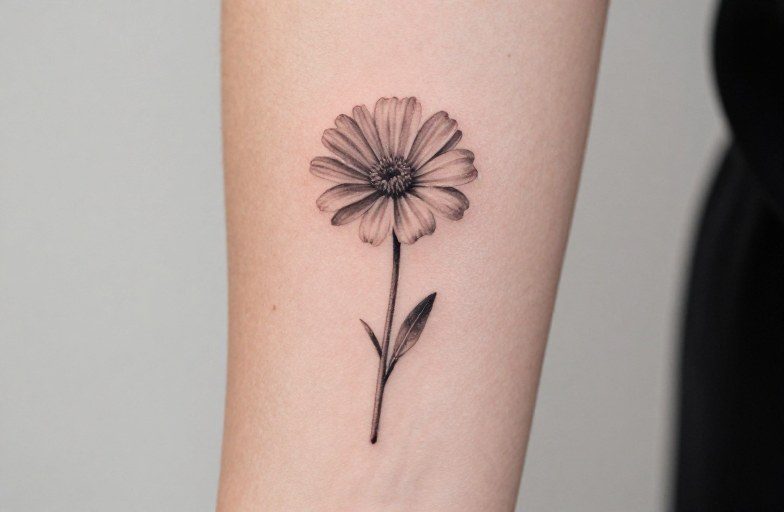
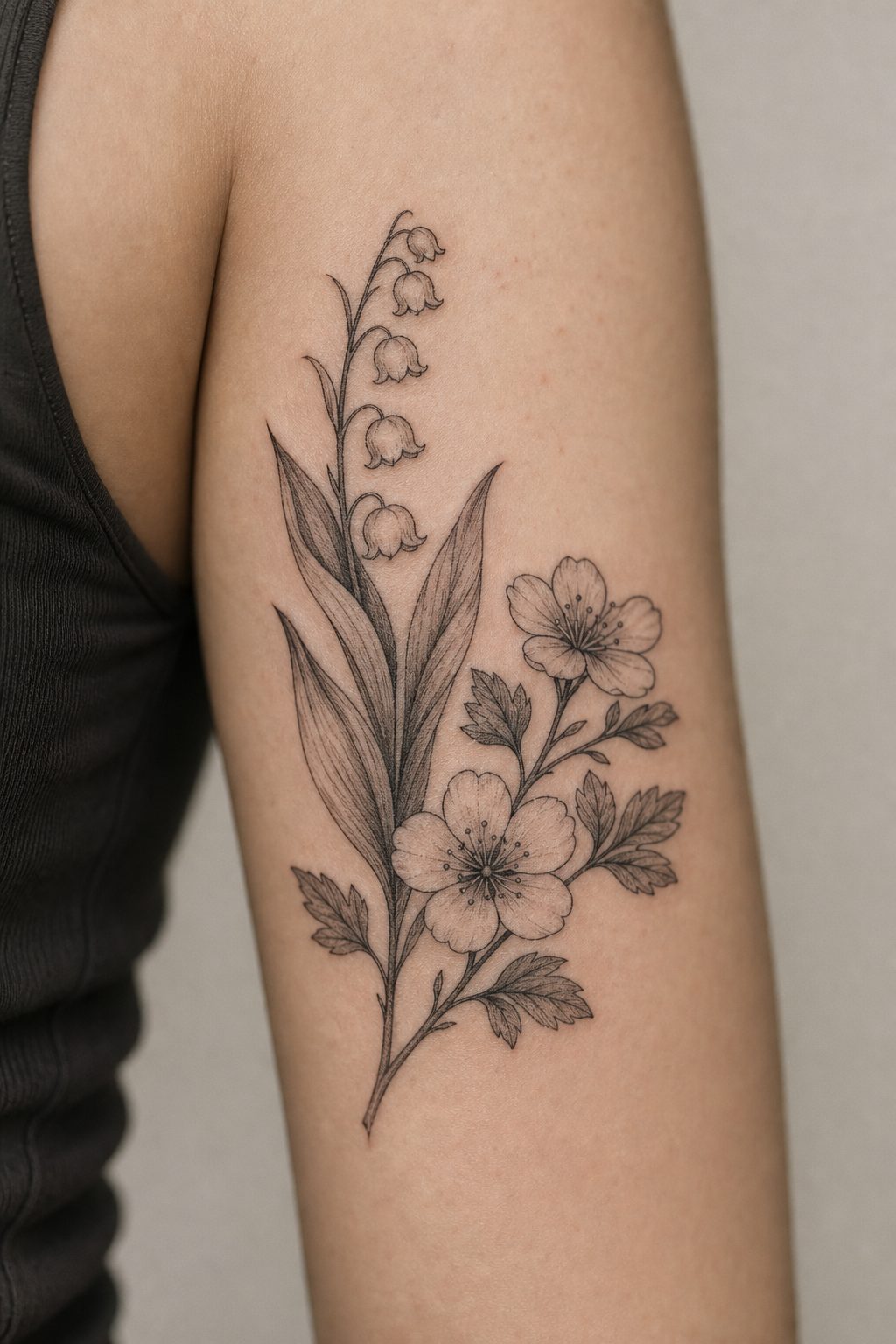
The May birth flower tattoo centers on the lily of the valley, a plant loaded with quiet symbolism. Its small, bell-shaped blooms traditionally signal humility, sweetness, and the return of happiness after hardship. People drawn to this design often connect with its understated beauty rather than loud display, there’s a reason it shows up in royal wedding bouquets and funeral arrangements alike.
How It Ages on Skin
Fine-line floral work demands honest conversation about longevity. The lily of the valley’s charm lives in its delicacy, tiny bells, slender stems, minute leaves, which creates tension with how tattoo ink behaves in skin over decades.
Line Weight and Detail Loss
Thin lines blur. It’s physics, not opinion. A single-needle stem at 0.25mm might look crisp for two years, but by year eight that same line spreads to 0.5mm or wider. The bell shapes that read so clearly fresh can collapse into ambiguous blobs. Plan for this: slightly thicker initial linework (0.35-0.5mm) preserves the silhouette longer. Negative space inside the bells, rather than solid fill, gives you wiggle room as edges soften.
Placement and Sun Exposure
- Inner forearm: moderate fading, easy to check and touch up
- Collarbone/shoulder: high sun exposure, plan for more frequent refresh sessions
- Ribs/side: protected but prone to blowout from breathing movement and thinner skin
- Ankle/foot: fastest fading due to cell turnover and friction; the lily of the valley’s vertical stem shape actually suits this placement well
White ink highlights on the bells? They yellow or disappear entirely within 3-7 years. Use skin tone as your highlight instead.
Color vs Black and Grey
The lily of the valley’s natural color palette, white bells, deep green leaves, seems to beg for color, but black and grey often serves the symbolism better.
Color Realities
White ink never stays white. It settles into ivory, then cream, then possibly greyish depending on your skin’s undertone. Bright green leaves shift toward blue-green or olive as the yellow component fades faster. The contrast between “white” bells and green foliage actually increases over time in some cases, but not predictably. If you want color, consider a muted sage or dusty green rather than saturated emerald, less shock when it mutes.
Black and Grey Advantages
Without color dependency, the focus lands on form: the drooping arc of stems, the clustered bell shapes, the negative space that defines each bloom. Grey wash can suggest the soft interior of the bells without committing to white ink. This approach ages cleaner and connects more directly to the flower’s associations with modesty and quiet presence.
Religious & Spiritual Angles
The lily of the valley carries layered spiritual weight, though none of it is exclusive or mandatory for a tattoo.
In Christian tradition, it’s often linked to the Virgin Mary, sometimes called “Our Lady’s Tears”, and appears in medieval art as a symbol of Christ’s second coming. The May 1st French tradition of “muguet” (offering the flower for luck) blends pagan spring rites with Catholic feast days. Some trace the association to Eve’s tears upon leaving Eden, though this origin is folkloric rather than scriptural.
Outside Abrahamic contexts, the flower’s habit of thriving in shade and spreading through underground rhizomes resonates with themes of hidden resilience, quiet persistence beneath the surface. For someone marking recovery from depression or loss, this botanical trait can matter more than any traditional meaning.
Similar & Related Symbols
The lily of the valley sits within a broader family of floral imagery worth understanding before you commit.
Close Botanical Cousins
- Bluebell: similar drooping shape, different color story, associated with gratitude and constancy
- Snowdrop: overlapping spring timing and white coloring, more heavily tied to hope and new beginnings
- Lily (true lily, Lilium genus): dramatically different flower structure, associated with purity and death in Western cultures, rebirth in East Asian ones
Don’t let an artist substitute a true lily or bluebell without discussion, the shapes read differently to informed viewers.
Complementary Imagery
Bees and butterflies pair naturally given the flower’s pollinator relationships. Hourglasses or pocket watches reference the May birth month connection and the fleeting nature of spring bloom. For someone born in May, the Gemini or Taurus zodiac symbols can integrate at the stem base or as background texture.
Design Tips & Pairings
Practical decisions separate memorable lily of the valley tattoos from forgettable ones.
Composition Approaches
A single stem with 5-7 bells reads botanical and precise. Multiple stems in a loose bundle feel more like a gathered bouquet. Wrapping around a wrist or ankle, the natural droop of the flower follows limb curvature gracefully. As a sternum piece, inverted stems with bells hanging downward mirror the body’s center line.
Consider scale carefully. At under 3 inches, individual bells become indistinct. At 8+ inches, you can include root structures or cross-section details that most people never see, an unexpected choice that rewards close looking.
Text Integration
Names or dates threaded through stems work better than banners, which fight the organic lines. The Latin name, Convallaria majalis, in small script at the base appeals to botany-minded collectors. Roman numerals for a May birth date (V for the month) integrate more subtly than full dates.
Who Chooses This Tattoo
Patterns emerge in consultation chairs, though every collector arrives with individual reasons.
May birthdays obviously dominate, but not exclusively. People marking the birth or loss of a May-born child often select this flower specifically for its association with the return of happiness, there’s a bittersweet duality built in. Gardeners and botanists gravitate toward the taxonomic accuracy possible with this species. Those who’ve endured hardship and prefer understated celebration over triumphant imagery find the small scale fitting.
The tattoo also attracts people who simply dislike the visual heaviness of their own zodiac symbol. Taurus bulls and Gemini twins carry more iconographic weight than some personalities want to wear. The lily of the valley offers birth-month connection without astrological literalism.
Before You Decide
Walk through a few final checks. Can you identify the lily of the valley confidently in a botanical illustration, or are you drawn to a Pinterest image that might actually be bluebells? Does your chosen artist have healed photos of fine floral work, or only fresh portfolio shots? The gap between those two states matters enormously for this design.
Consider timing. Booking in late winter for a spring tattoo session lets you see actual blooming lilies of the valley before finalizing your design, reference material beats imagination. If you’re combining with other birth flowers (parent and child pairings, for instance), check how the lily of the valley’s scale and density balance against larger blooms like roses or peonies.
Finally, the humility symbolism: does it genuinely resonate, or does it feel like the expected choice? There’s no wrong answer, but knowing your own motivation shapes placement, scale, and whether you add supporting imagery. A tattoo this specific deserves that clarity.
Frequently Asked Questions
Does the lily of the valley tattoo have different meanings in different cultures?
French tradition emphasizes luck and spring celebration through the May 1st muguet custom. Scandinavian cultures historically associated it with protection from evil spirits. The Christian Mary connection runs strongest in Catholic regions. Most contemporary Western tattooing blends these rather than adhering to one tradition.
How much detail can realistically fit in a small lily of the valley tattoo?
At 2-3 inches, you get recognizable stem structure and bell silhouette but lose individual stamens and leaf veining. At 4-5 inches, subtle interior bell texture becomes possible. Below 2 inches, consider a single stem with 3-4 simplified bells rather than a cluster.
Can lily of the valley be combined with other May symbols effectively?
Yes, but watch scale mismatches. The emerald (May birthstone) works as small geometric accents at the stem base. The Taurus bull or Gemini twins require significant size to read clearly, which can overwhelm the flower’s delicacy. A more balanced approach uses emerald green ink rather than literal gem imagery.
Is there any concern about the actual plant’s toxicity affecting tattoo meaning?
The lily of the valley is genuinely poisonous if ingested, which adds a protective or “beautiful but dangerous” layer some collectors embrace. This doesn’t affect the tattoo physically, but the botanical fact occasionally shapes personal symbolism, particularly for people who’ve been underestimated based on quiet appearance.