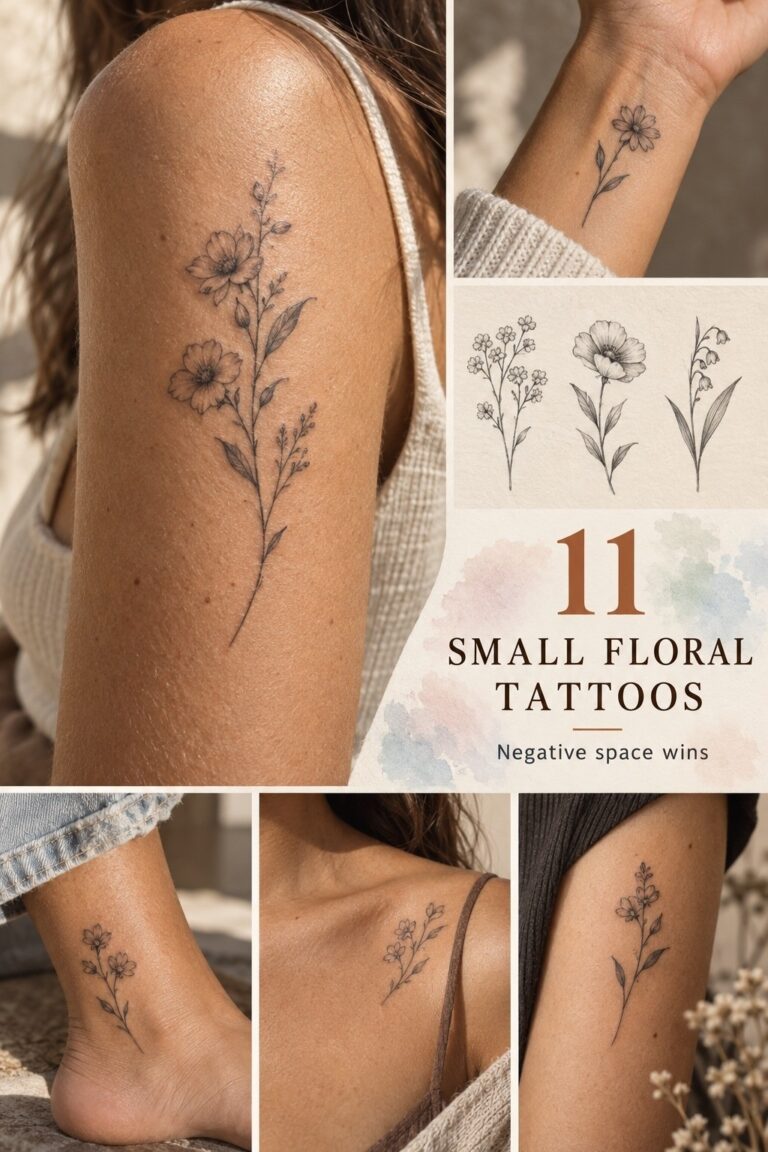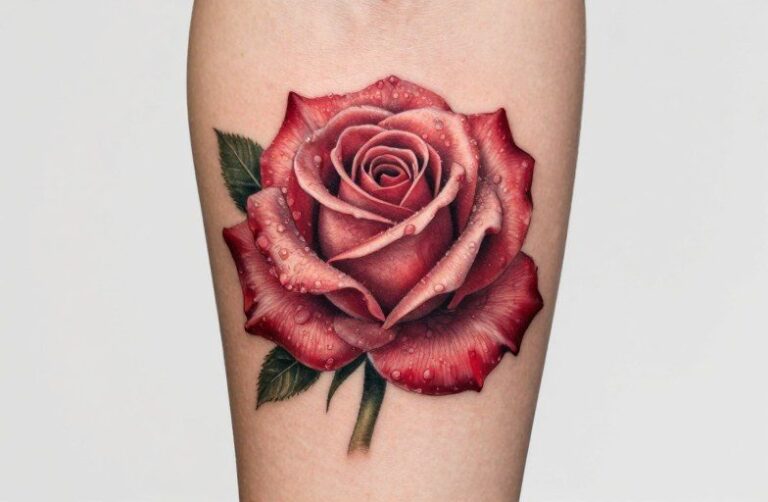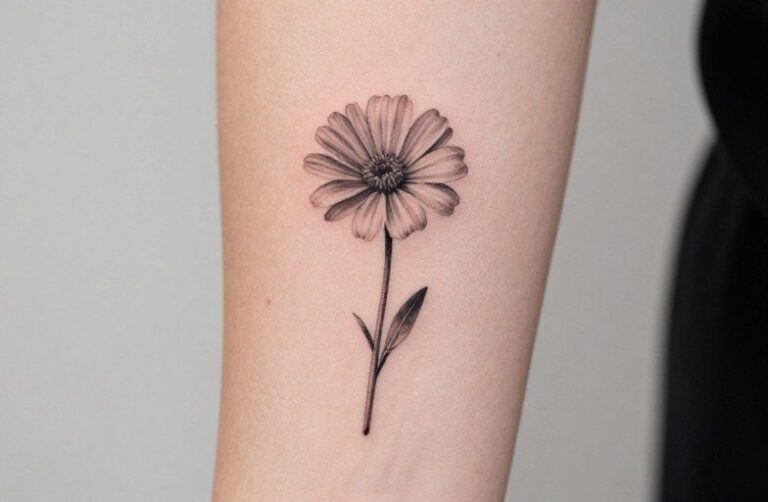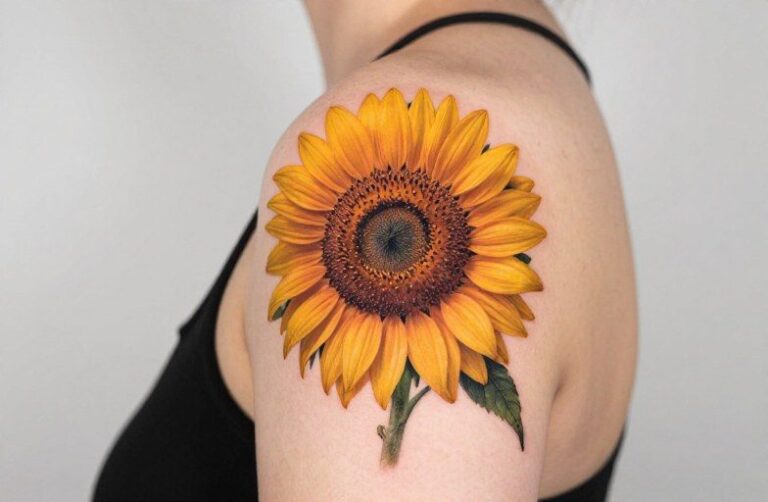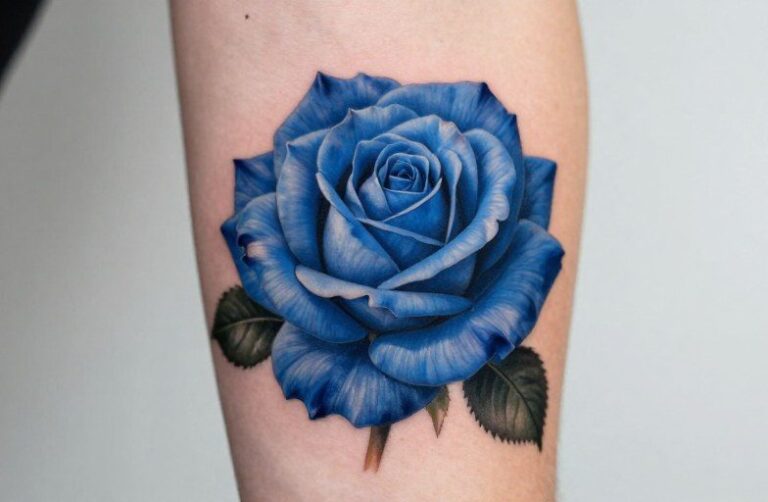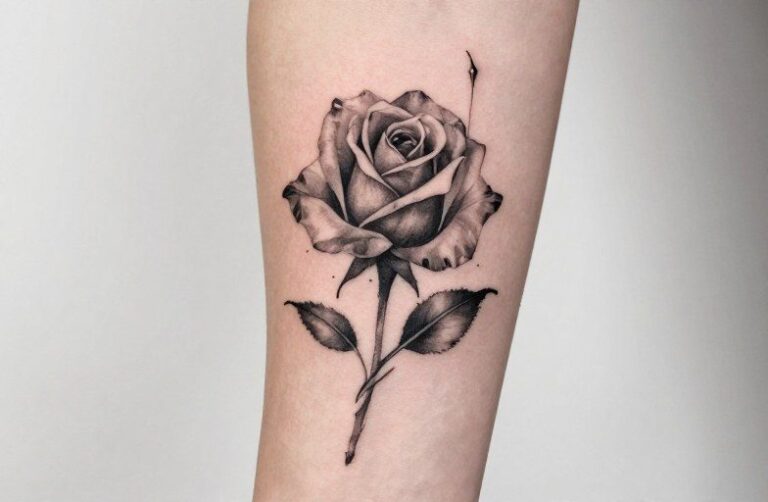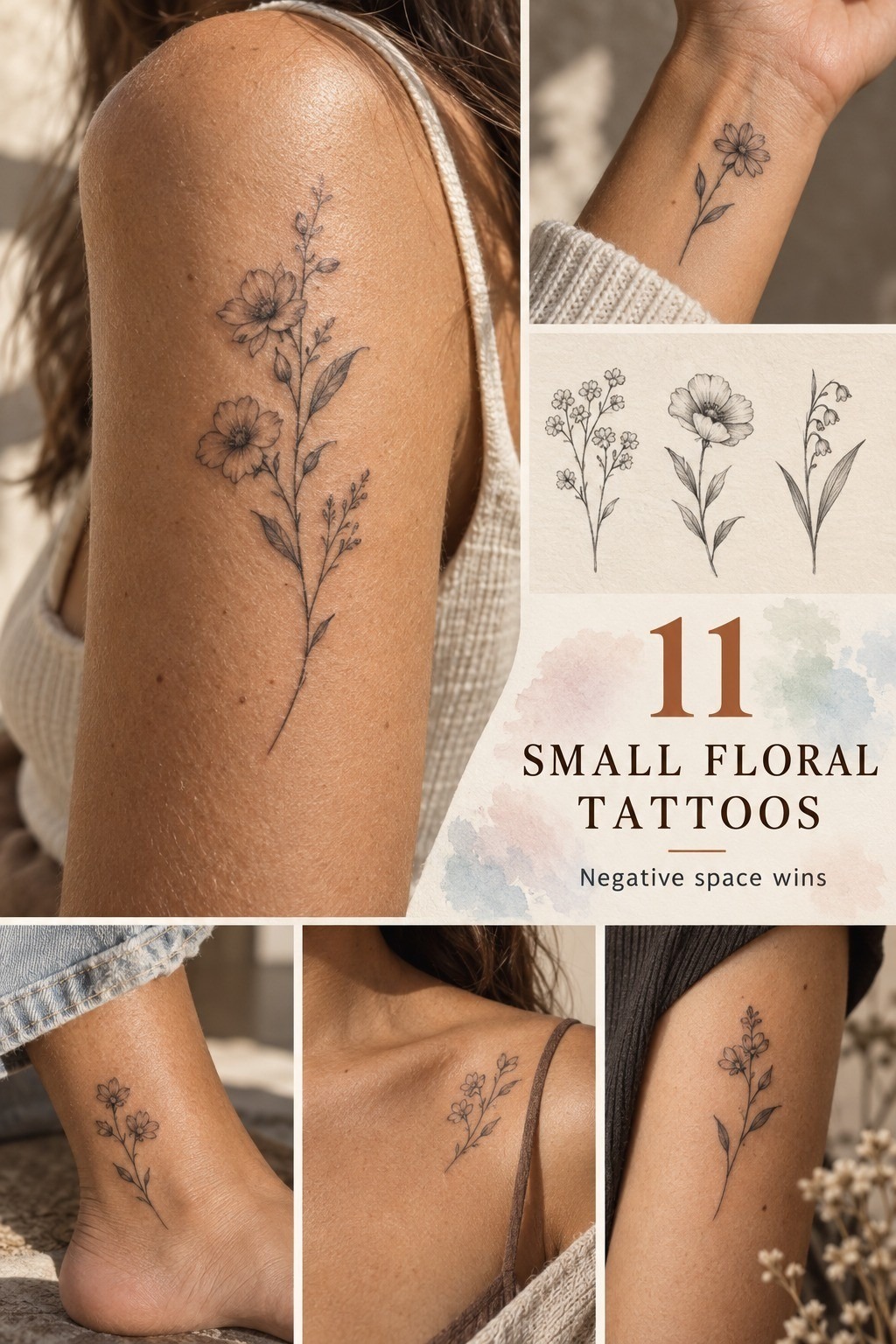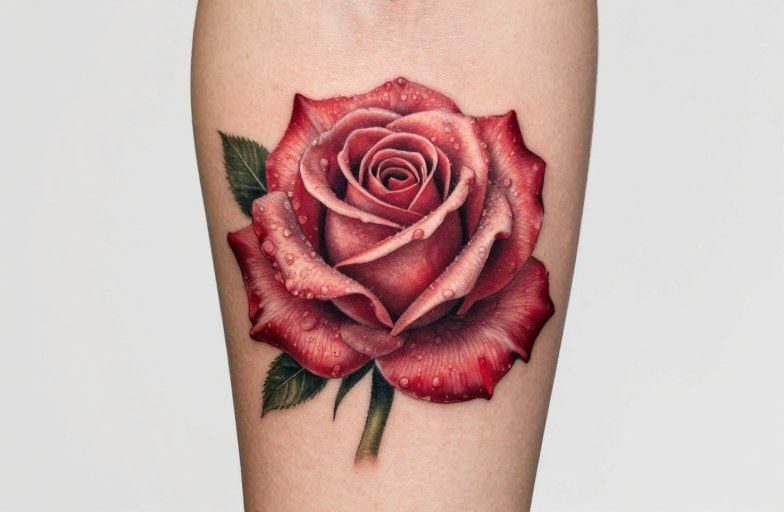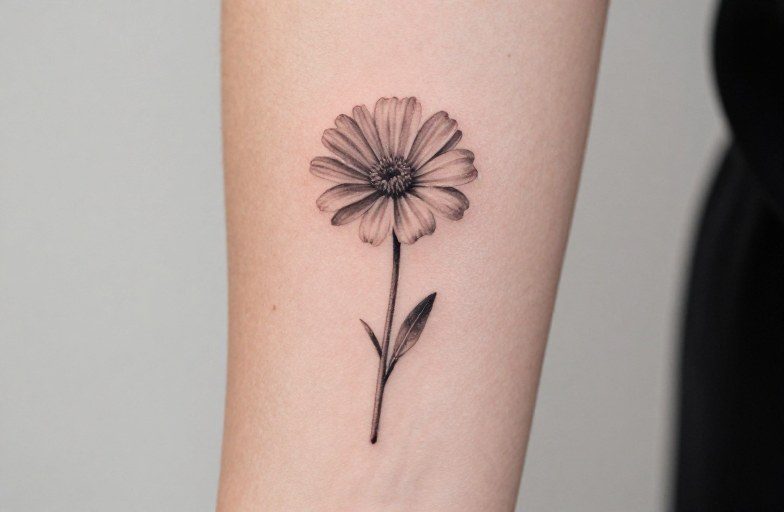
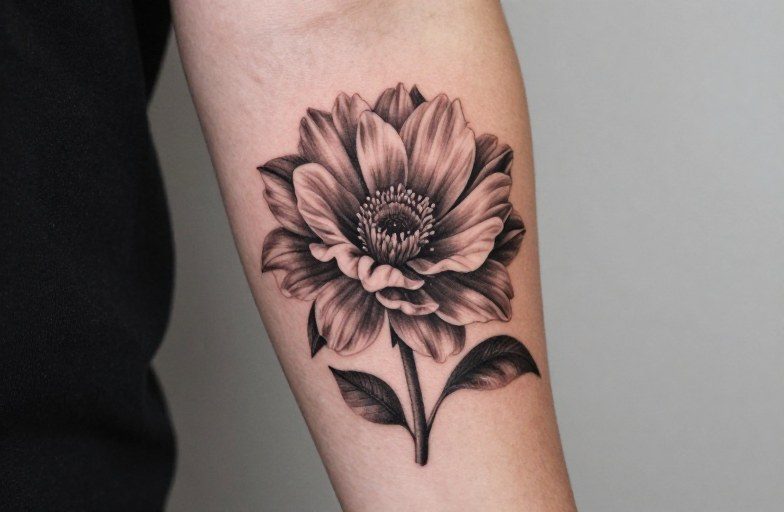
The Flower City tattoo convention design merges Rochester, New York’s lilac heritage with the communal spirit of tattoo gatherings. Most wearers choose this motif to signal hometown pride, artistic community membership, or personal growth through difficult seasons, blooming where planted, as the city’s signature flowers do each May.
Symbolism & Core Meaning
Rochester earned its “Flower City” nickname in the mid-1800s through the nursery industry, particularly Ellwanger and Barry’s massive operations. Lilacs became the defining bloom, hardy enough for Upstate New York’s brutal winters, fragrant and showy when the thaw finally arrives. That tension, survival through cold, explosive color after grey, drives most of the tattoo’s emotional weight.
The Convention Layer
Adding “convention” shifts the meaning from pure regionalism into tattoo culture itself. Conventions are where portfolios get judged, apprentices network, and collectors hunt specific artists. A Flower City convention piece marks you as someone who moves through that ecosystem: maybe you attended the Rochester show, maybe you met your artist there, maybe you simply value the temporary city that forms when hundreds of tattooed people occupy the same hotel ballroom for a weekend.
Personal Blooming
Beyond geography, the lilac carries personal symbolism for many. The bloom is brief, two weeks at most, making it a memento mori of sorts. Some pair it with dates, names, or small script to mark periods of depression ended, relationships begun, or sobriety maintained. The flower’s short life becomes the point, not a flaw.
Mythology & Folklore
Greek origin stories for the lilac often link it to Pan and the nymph Syringa, who escaped his pursuit by turning into hollow reeds, the syrinx, which became panpipes. The flower’s name derives from this, though the common lilac Syringa vulgaris is botanically distinct from the reed genus. That confusion has persisted for centuries, and tattoo designs rarely distinguish between them.
Victorian Language of Flowers
In 19th-century floriography, lilacs carried specific coded meanings: purple for first emotions of love, white for youthful innocence, magenta for passion. A Flower City tattoo drawing on this tradition might arrange color deliberately, single purple blooms for new romance, white clusters for memorial pieces, mixed sprays for complex emotional states. The convention context doesn’t erase these older readings; it layers over them.
Personal & Modern Meanings
Contemporary wearers rarely stick to pure historical symbolism. The design mutates through individual need. Some common modern inflections:
- Tech industry transplants in Rochester’s growing sector use it to claim belonging without native-born status
- Former Kodak or Xerox employees reference the city’s industrial past through flower imagery, not corporate logos
- Tattooers themselves get convention-specific versions to commemorate particular shows, years, or milestone wins
- College students from University of Rochester or RIT mark temporary residence before scattering post-graduation
The Queer Connection
Lilac and lavender have functioned as coded queer symbols since at least the early 20th century, when “lavender men” described effeminate males and the Lavender Scare purged gay federal employees. Reclaimed, purple lilac tattoos can signal identity without explicit labeling. In Rochester specifically, the Lilac Festival’s family-friendly atmosphere provides cover for public queer display that might feel riskier elsewhere.
How It Ages on Skin
Lilac tattoos face specific aging challenges. The flower’s delicate color, soft purples, pale lavenders, white with grey shadow, fades faster than saturated blues or blacks. Within five to seven years, subtle gradients often flatten into muddy grey unless refreshed.
Placement Realities
Inner bicep and upper chest placements preserve color longest by limiting sun exposure. Forearms, hands, and calves show faster degradation, especially if the wearer works outdoors or skips sunscreen. The convention banner or lettering accompanying the flower needs bold enough lines to stay readable; script under 3mm tall blurs significantly within a decade.
Line Weight Strategy
Successful long-term lilac tattoos use heavier outer contours than the flower naturally suggests. A 7-9 needle outline for main stems, 5-7 for secondary branches, prevents the design from dissolving into unrecognizable purple smears. Shading should stay relatively high-contrast; soft airbrushed effects that look stunning fresh age poorly.
Color vs Black and Grey
Color captures the lilac’s essence but demands commitment to maintenance. Purple ink, particularly the lighter violet tones, contains red pigments that fade unpredictably, sometimes shifting pink, sometimes greying out entirely. Quality purples from established brands like Eternal or Fusion hold better than budget alternatives, but no purple equals black’s longevity.
Black and Grey Adaptation
Greywash lilac tattoos sacrifice immediate recognition for durability. The design reads as floral through shape and arrangement rather than color cue. Skilled artists build texture through whip shading and stippling to suggest petal softness without relying on hue. This approach suits collectors who prefer cohesive black and grey sleeves or who work in professions where visible color draws unwanted attention.
Accent Color Compromise
A middle path: black and grey construction with small strategic color accents, perhaps a single purple bloom among grey sisters, or a convention banner in limited red. The eye reads the piece as color while most of the ink remains stable black. Touch-ups focus only the fading accents, reducing long-term cost and pain.
Similar & Related Symbols
Other flower-city tattoos operate in adjacent territory. Portland’s rose, Pasadena’s crown of roses, and Victoria BC’s cherry blossoms all serve comparable regional-pride functions. The lilac distinguishes itself through hardiness; roses need coddling, cherry blossoms are famously fragile. Rochester’s flower survives neglect, poor soil, aggressive pruning.
- Apple blossoms reference the city’s “other” horticultural identity before lilacs dominated; older designs sometimes use these
- Flour/grain imagery nods to Rochester’s “Flour City” predecessor nickname, occasionally combined with flowers in dual-era pieces
- Photography motifs (aperture blades, film strips) merge with lilacs for Kodak heritage tattoos
- Convention-specific imagery like hotel architecture, banner shapes, or artist logos personalize the Flower City framework
Japanese tattoo tradition offers useful formal parallels. The peony, another lush multi-petaled bloom, demonstrates how bold outline and saturated color can make flowers read powerfully at tattoo scale. Lilac designs borrowing that structural confidence, larger blooms, stronger negative space, age better than timid, botanically precise small pieces.
Key Takeaways
The Flower City convention tattoo works on multiple registers: geographic identity, tattoo culture participation, personal resilience narrative, and sometimes queer or memorial coding. Its longevity depends heavily on technical choices, bold outlines, strategic placement, realistic color maintenance expectations. The lilac’s actual horticultural character, tough and brief and fragrant, mirrors what most wearers want to say about themselves. Whether rendered in saturated purple or durable grey, the design succeeds when it honors that contradiction: something beautiful that doesn’t last, something fragile that refuses to die.
Frequently Asked Questions
Does a Flower City tattoo have to include actual lilac flowers?
No. Some designs use the words “Flower City” with convention imagery, or abstract floral shapes that suggest lilacs without botanical accuracy. The reference is usually clear enough to locals and fellow tattoo enthusiasts.
How much does a color lilac tattoo cost compared to black and grey?
Color work typically runs 20-30% higher due to more needle changes, ink saturation time, and the complexity of purple mixing. Long-term maintenance also costs more since purple fades faster.
Can I get a Flower City tattoo if I’ve never been to Rochester?
Yes, though it reads differently. Without regional connection, the meaning shifts toward general convention culture or personal growth symbolism. Some artists may ask about your motivation to avoid cultural appropriation concerns.
What’s the best season to get this tattoo for healing?
Late fall through early spring in cold climates. Fresh tattoos need sun avoidance during healing, and Rochester’s lilac season in May tempts premature exposure. Winter booking also secures better artist availability before convention season.