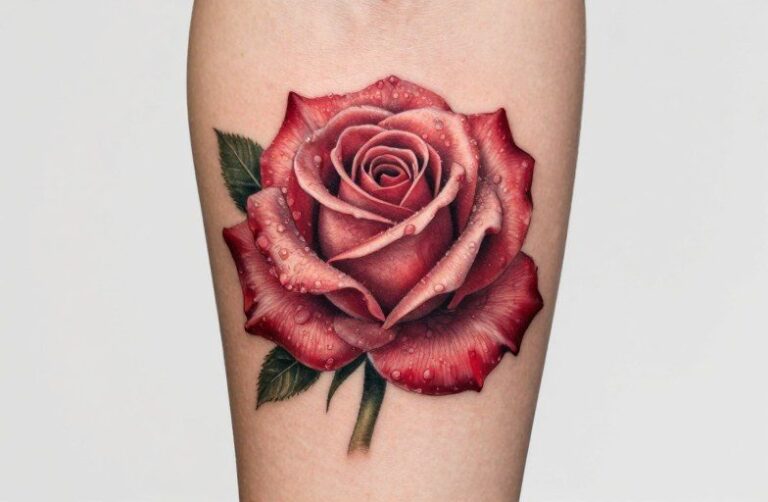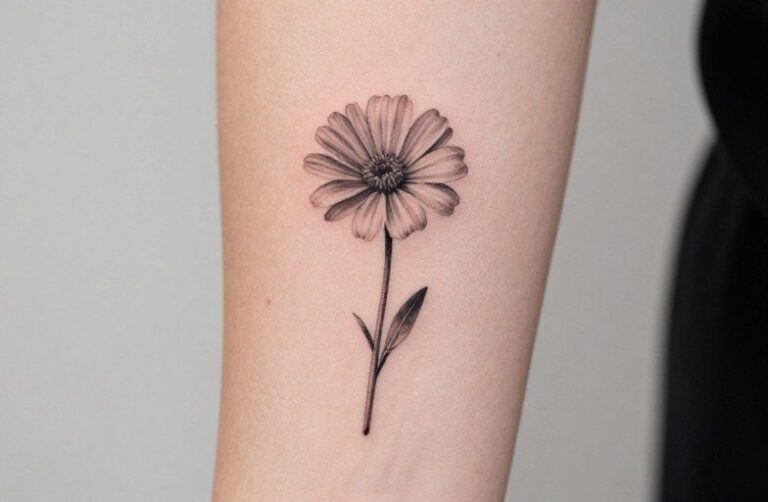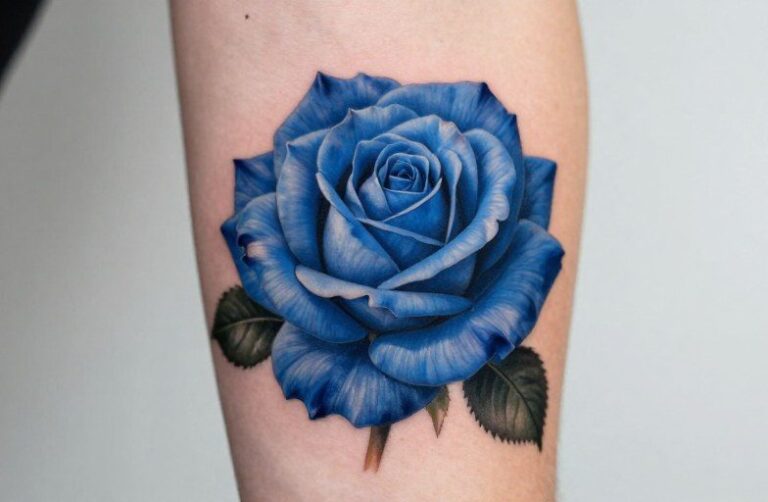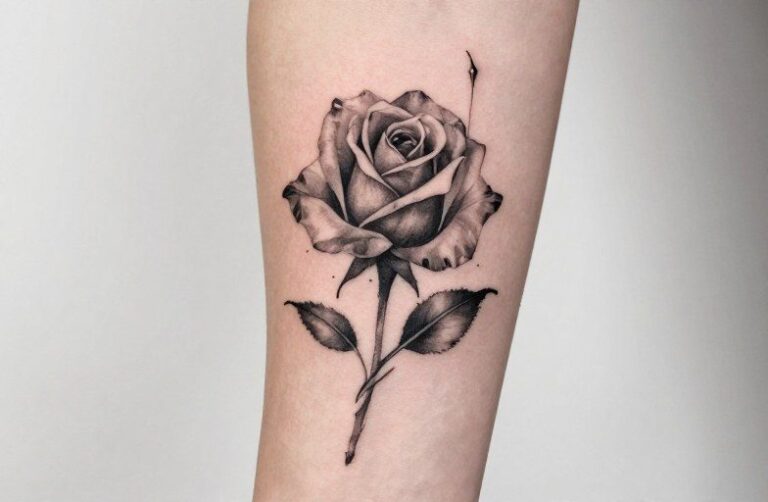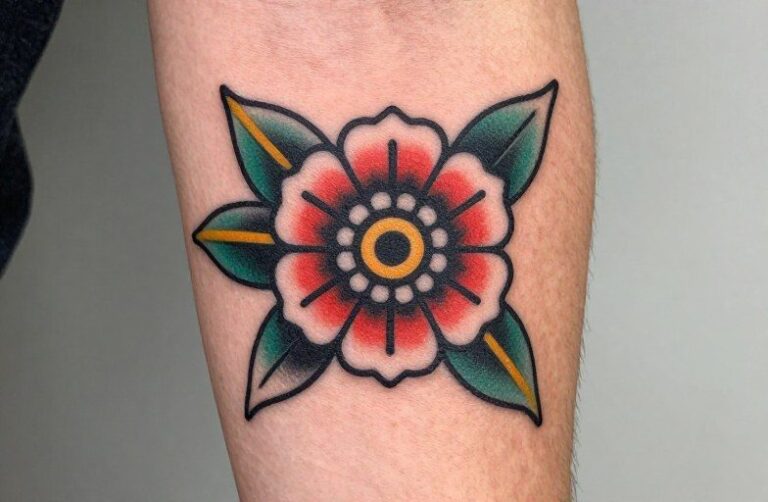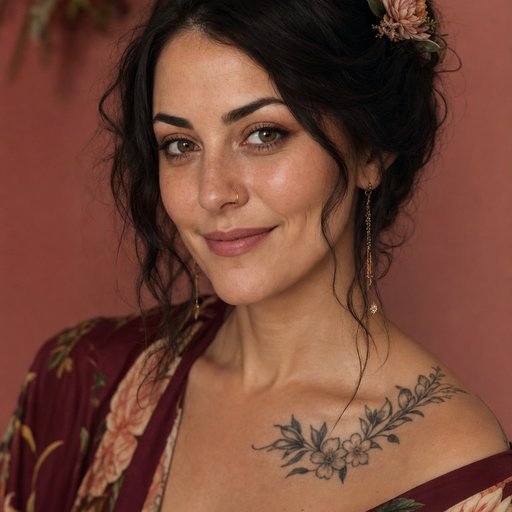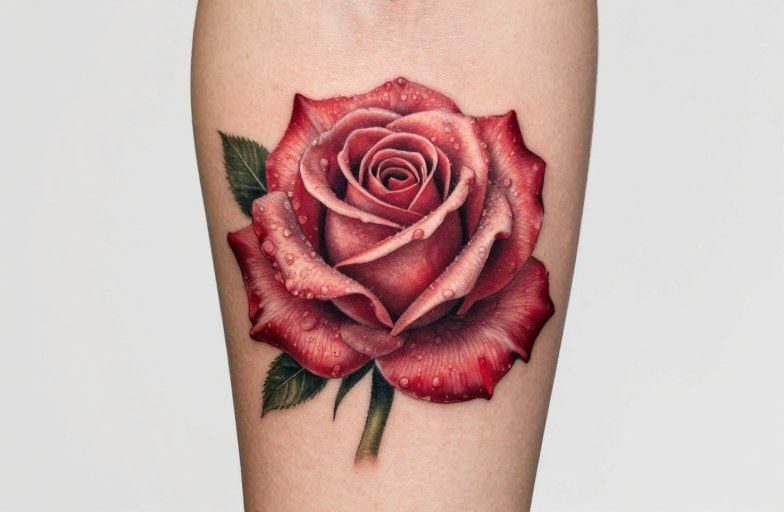
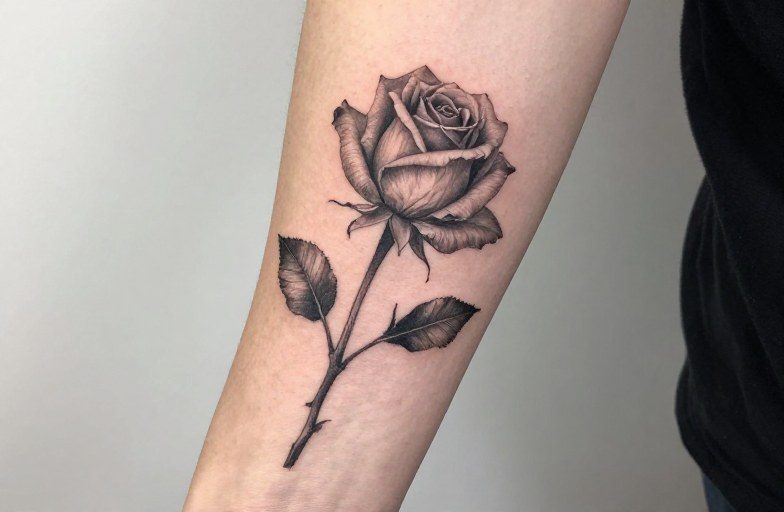
A dead rose drawing tattoo typically symbolizes the end of a relationship, the passage of time, or acceptance of mortality. The wilted, dried, or skeletal rose carries weightier themes than its fresh counterpart: loss that still matters, love that once burned hot, or the understanding that everything precious is temporary. The drawing-style rendering, with sketch lines, crosshatching, or illustrative draftsmanship, adds a raw, unfinished quality that amplifies the vulnerability of the subject.
Who Chooses This Tattoo
People drawn to dead rose imagery usually arrive with something specific to process, not a vague aesthetic impulse. Memorial pieces rank high: someone marking the anniversary of a parent’s death, an ended marriage, or a version of themselves they have outgrown. The dead rose offers a visual language for grief that does not demand tears. It sits quietly on skin as evidence of survival.
This design also appears among those who have worked through addiction or major health crises. The bloom that once thrived, then withered, gets chosen deliberately, not as self-punishment but as documentation. There is a difference between scars you hide and symbols you elect to carry visibly.
Related reading: dead rose drawing tattoo | bleeding rose tattoo meaning | upside down rose tattoo | red rose tattoo meaning
Placement Tells Its Own Story
Forearms and calves function as public testimony, the dead rose visible during daily routines. Ribs, upper thighs, and sternum placements stay more intimate, viewed selectively, often only by the wearer and chosen others. Chest placement, particularly over the heart, reads as direct address: this loss lived here. Smaller dead roses behind ears or on wrists operate as private reminders rather than declarations.
Consider how the drawing style interacts with body contours. A heavily hatched design on a bony ankle will age differently than the same image on softer, fleshier upper arm tissue. The artist should map the design against your specific anatomy, not apply a template.
Color vs Black and Grey
This choice fundamentally alters what the tattoo communicates. Black and grey dead roses dominate the style, and for sound reason. The absence of color strips away romance and sentimentality. You see structure: the skeleton of petals, the twist of thorned stem, the negative space where vitality once resided. Grey wash allows subtle gradation from intact petal to crumbling edge, a visual fade that color struggles to replicate with equivalent nuance.
When Color Works
Selective color, faded burgundy clinging to one petal, a single brown leaf among grey ones, creates focal points that guide the eye and suggest persistence. Full-color dead roses carry different weight: the yellowed cream of aged petals, the rust-orange of autumn decay, the purple-brown of true decomposition. These read less as symbolic and more as documentary, almost botanical.
Be aware that warm tones in dead rose tattoos tend to shift unpredictably as they age. What reads as subtle fading at two years can become muddy brown at ten. Black and grey offers more predictable long-term behavior. If you choose color, plan for periodic refresh sessions and select an artist with demonstrated experience in aged-color realism.
Common Variations and Styles
The drawing aspect matters as much as the dead rose itself. Sketch-style execution, visible pencil-like strokes, construction lines that would normally get erased, asymmetrical hatching, creates immediacy. It looks like thought captured mid-process, appropriate for a subject dwelling on transition.
- Single stem vs bouquet: One dead rose isolates the symbol; a cluster suggests cumulative loss or multiple chapters. Bouquet arrangements require more space to avoid muddled composition as ink spreads over decades.
- Incorporated elements: Pocket watches, hourglasses, and broken chains partner naturally with dead roses, though these combinations risk becoming visually busy. A simpler approach: the rose with a single fallen petal, or roots exposed where soil once held them.
- Negative space techniques: Some artists render the dead rose as absence, the bloom formed by surrounding black fill, the petals existing only as un-inked skin. This demands confident technical execution and heals with less margin for error.
- Stippled or pointillist shading: Builds tone through density of dots rather than lines. Heals with softer edges but requires longer sessions; the sustained concentration is demanding for both artist and client.
Line Weight and Aging Considerations
Dead rose drawings relying on extremely fine lines, common in single-needle work, face accelerated degradation. The thin lines that define delicate petal edges blur fastest as skin changes. A dead rose with varied line weight maintains legibility longer: bold outlines on stem and thorns, medium weight on primary petal structures, fine detail only in select areas. Shading density also matters. Areas of solid black hold reliably; patchy mid-tones often require reinforcement after five to seven years.
History and Cultural Roots
The rose as symbol carries ancient weight, though the dead or dying rose specifically emerges more distinctly in European artistic traditions. Vanitas paintings of the 16th and 17th centuries, still lifes featuring wilting flowers, skulls, and extinguished candles, established visual vocabulary for mortality that tattooing later borrowed. These were not morbid for morbidity’s sake; they served as moral instruction, reminders that earthly pleasures and achievements dissolve.
In Victorian England, the language of flowers assigned specific meanings to botanical states. A fully open rose indicated love in full flower; a faded or drooping rose communicated beauty in decline or love that had passed its peak. This codification likely influenced how later generations interpreted and chose such imagery. Tattooing’s adoption of the dead rose accelerated during the 1970s and 1980s, often linked to the development of black and grey realism in Southern California and Chicano communities, where religious and memento mori traditions already ran deep.
Mythology and Folk Traditions
Greek mythology often links the rose to Aphrodite, with the flower said to have gained its red color from her blood or the blood of her wounded lover Adonis. The dead rose in this context can suggest love that costs, beauty that exacts payment. The brief blooming period of roses, some species lasting mere days, has long made them natural symbols for transient experience.
In English and Scottish folklore, a rose that dies unexpectedly in a home sometimes signaled approaching death or misfortune. Carrying this imagery permanently on the body inverts the superstition: rather than fearing the sign, you claim it. Some traditions connect dried roses to remembrance practices, where preserved flowers maintained bonds between separated lovers or the living and dead. The tattooed dead rose functions as permanent preservation, the bloom arrested at its chosen moment rather than allowed to complete full decay.
Religious and Spiritual Angles
Christian iconography frequently employs the rose, sometimes linked to the Virgin Mary as symbol of sinless birth. The dead rose complicates this: a faith tested, a spiritual winter, or the necessary death of old belief before renewal. In Mexican Catholic traditions surrounding Día de los Muertos, marigolds dominate, but roses, fresh and dried, appear on ofrendas and in related tattoo imagery as bridge between living memory and honored death.
Secular Spiritual Readings
Beyond organized religion, the dead rose resonates with concepts of impermanence without requiring doctrinal commitment. The wilted bloom makes visible what fresh flowers obscure: that existence is change, that attachment to form causes suffering. Some choose this imagery after meditation practice, psychedelic experience, or simply lived recognition that control over outcomes is limited. The drawing style, imperfect, hand-made, process-visible, reinforces this. Even the image itself is provisional, a moment captured rather than finished product.
Working With Your Artist
The dead rose drawing tattoo demands specific expertise. Not every black and grey specialist understands illustrative draftsmanship; not every sketch-style artist can render botanical structure accurately. Review portfolios for healed work, not just fresh photographs. Sketch-style tattoos often photograph dramatically when new but settle unpredictably. Ask to see examples from two to five years prior.
Communicate the emotional weight you want, not just the visual elements. An artist who understands why you want the stem broken at a specific angle, why the third petal crumbles more than the others, will make better decisions during the session than one following a reference photo literally. Bring source material that captures the feeling, not just the form: old letters, dried flowers from a specific event, even music that accompanied the experience you are marking.
Technical execution demands honesty from both artist and client. This design fails when rendered too cleanly. It needs the slight irregularity of hand work, the variation that machine-perfect stippling or line work can drain away. Find an artist whose portfolio shows comfort with illustrative, sketch-adjacent approaches that still respect anatomical structure. The dead rose should look drawn by a human hand, not generated by a process.
Before You Decide
The dead rose drawing tattoo works because it refuses easy resolution. It does not promise that loss transforms neatly into wisdom, that pain fully departs, that beauty fully departs either. The drawing style’s rawness, lines that show their making, shading that acknowledges its own artifice, prevents the image from becoming too polished, too resolved, too dead.
Consider whether you want this image for where you are now or where you hope to be. The dead rose does not move toward redemption; it sits with decay. If you are early in grief, the permanence may eventually feel like weight rather than witness. If you are further along, it may serve as precisely the anchor you need, something that does not demand progress or closure.
The best dead rose tattoos carry this tension visibly. They do not look like illustrations from a book of symbols. They look like someone drew them while thinking about something specific, something that still hurts a little, something that mattered enough to mark permanently. That quality cannot be faked through technique alone. It comes from the match between what you bring and what the artist understands.
Frequently Asked Questions
Does a dead rose tattoo always mean something sad?
Not necessarily. While it often marks loss or endings, many people choose it to honor survival, document transformation, or accept impermanence as natural rather than tragic. The meaning depends on your specific context and what you intend to carry.
How do I find an artist who specializes in this drawing style?
Search portfolios for healed illustrative work, not just fresh photos. Look for varied line weight, visible sketch-like strokes, and botanical accuracy. Ask specifically to see examples two to five years old, as sketch-style tattoos age differently than polished realism.
Will a dead rose tattoo in color age badly?
Warm tones (reds, oranges, yellows) tend to shift unpredictably toward muddy brown over time. Black and grey offers more predictable aging. If you want color, plan for refresh sessions and choose an artist with experience in aged-color realism.