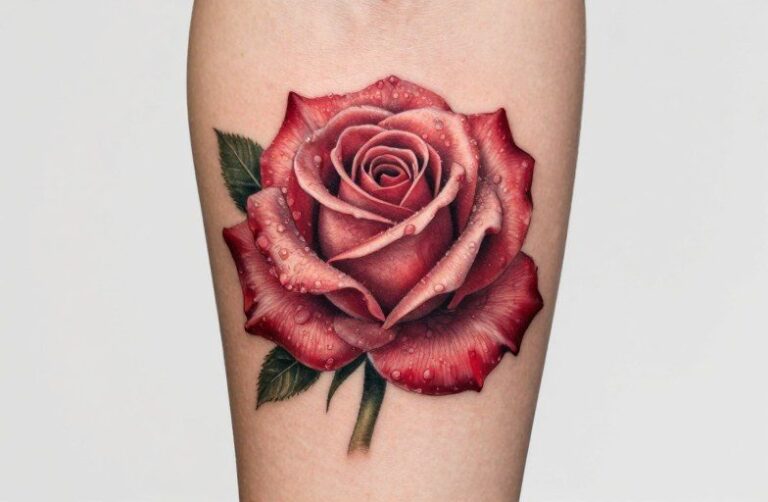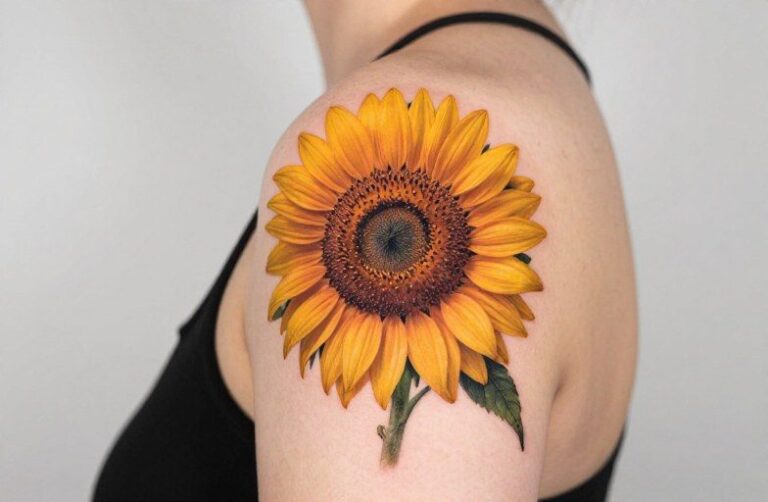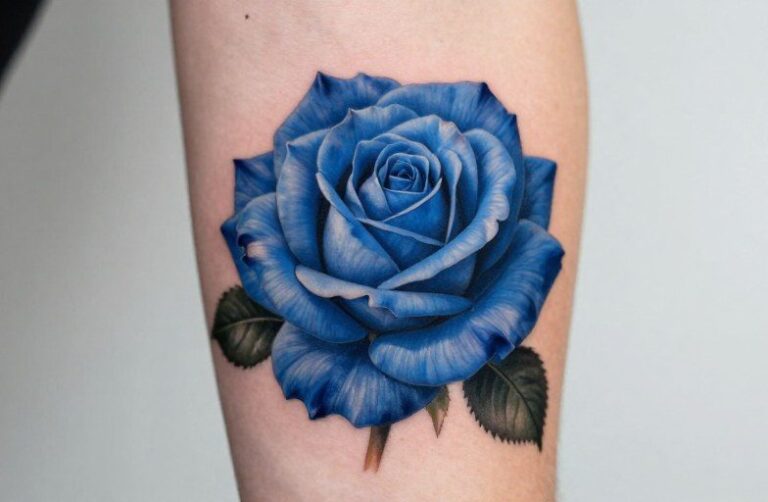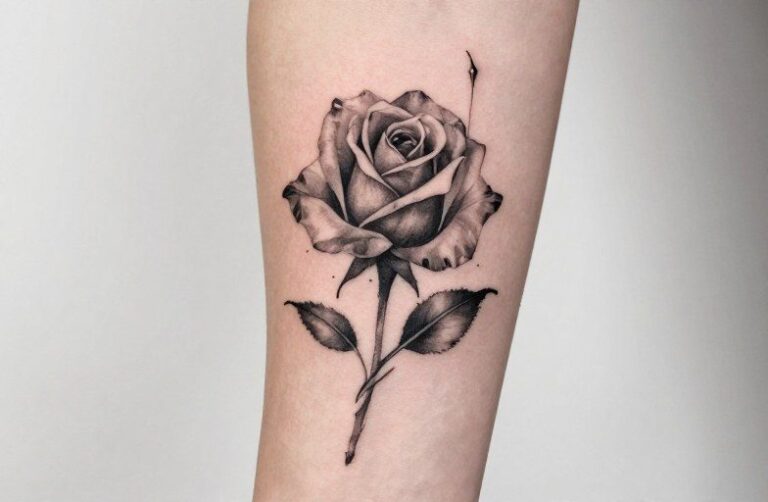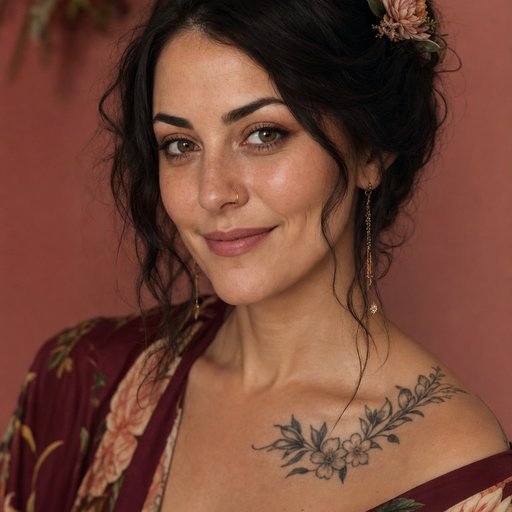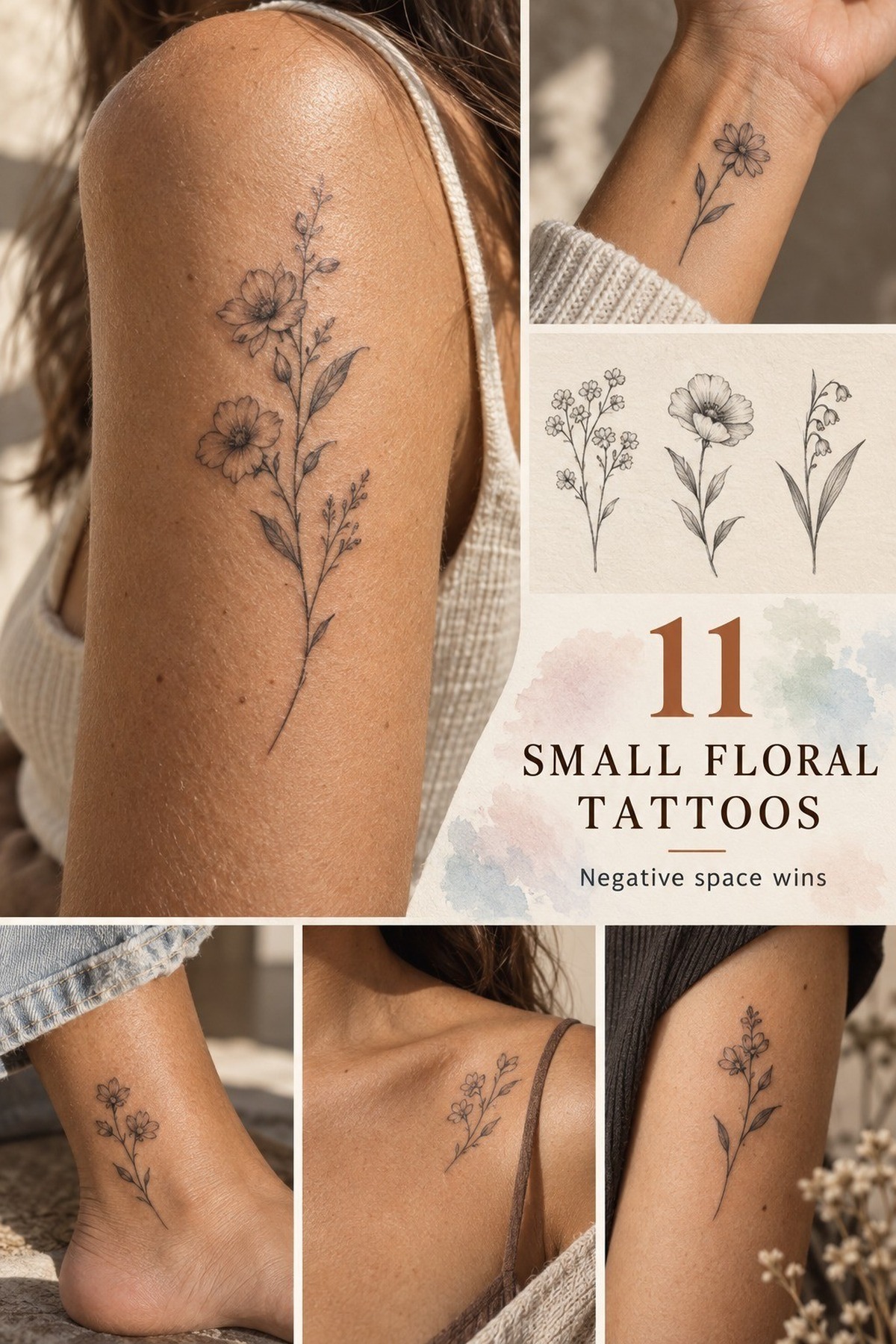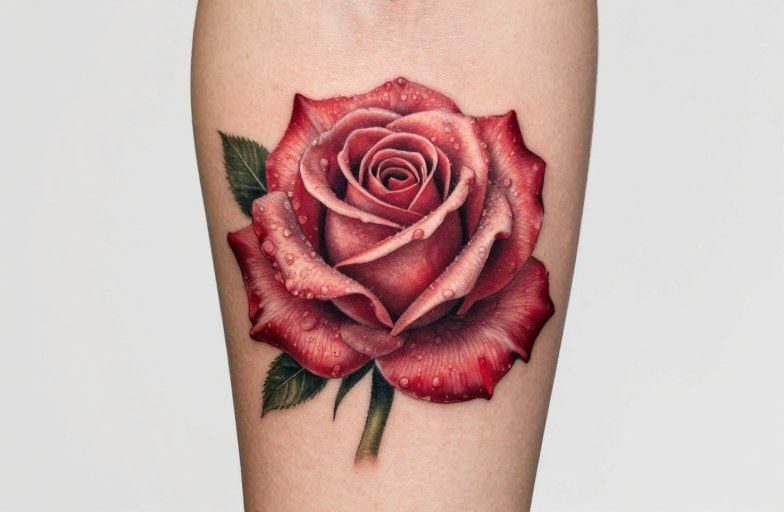
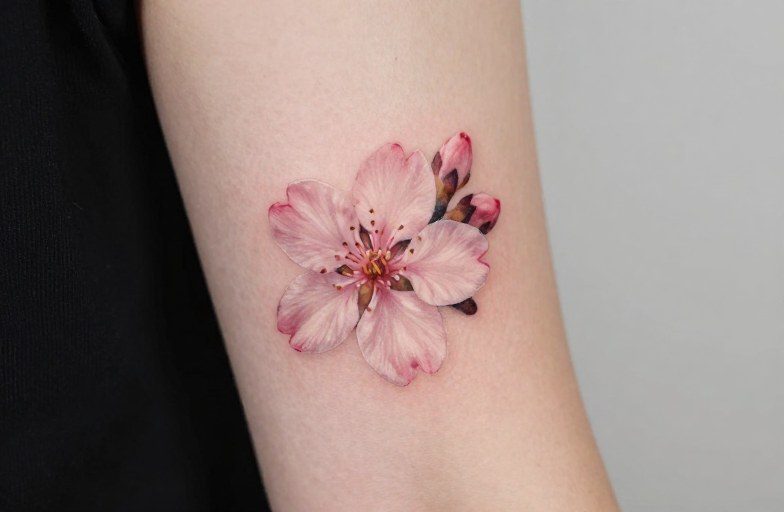
A realistic cherry blossom tattoo replicates the actual flower with photographic accuracy, soft pink gradients, delicate stamens, subtle veining on petals, and the irregular, organic edges that distinguish living blooms from stylized icons. Unlike traditional Japanese sakura designs with bold outlines and flat color blocks, this style relies on smooth shading, color saturation control, and fine detail work to create depth and dimension on skin.
Choosing the Right Artist
Realistic floral work demands a specific skill set that not every portrait or black-and-grey specialist possesses. The skin of a petal is translucent in nature; replicating that luminosity requires understanding how to build color from light to dark without muddying the tones.
Portfolio Red Flags and Green Lights
Look for healed photos, not just fresh work. Fresh realistic flowers look deceptively good, swollen skin tightens the image, and plasma sheen adds artificial vibrancy. Healed photos reveal whether the artist controls saturation enough to prevent the pinks from fading to muddy rose or disappearing entirely. Ask to see pieces that are two to five years old if possible. Green lights: smooth gradient transitions, visible stamen detail that survived healing, petals that retain dimensional form rather than flattening to grey blobs. Red flags: harsh dark outlines used to “save” edges, blotchy color patches, or an overreliance on white ink highlights that will yellow or disappear within months.
Consultation Questions That Matter
- “How do you handle the pinks to prevent them from healing too dark or too light?”
- “What needle groupings do you prefer for petal texture versus background softness?”
- “Can I see a healed piece with similar color density to what you’re proposing?”
Artists who hedge on showing healed work or who claim all their clients “just haven’t been back for photos” may lack the long-term technical control this style requires.
Origins & History
Cherry blossoms carry layered significance across cultures, though realistic rendering as a tattoo style is a relatively recent development tied to advances in equipment and pigment technology.
Cultural Roots and Modern Adaptation
In Japan, sakura imagery has adorned bodies for centuries through tebori and later machine work, traditionally rendered in the bold, graphic vocabulary of irezumi. The realistic approach emerged as tattoo machines achieved finer needle control and as Western realism conventions migrated into floral subjects. Some trace the crossover to the early 2000s, when artists began applying portrait techniques, airbrush-style shading, reference-photo fidelity, to organic subjects beyond faces. The cherry blossom proved particularly challenging and thus prestigious: its ephemeral quality contradicts the permanent medium, creating tension that skilled artists resolve through technical precision.
The flower’s cultural associations, often linked to mono no aware, the pathos of transient beauty, remain present in realistic work, though many clients today choose the image primarily for aesthetic rather than symbolic reasons.
Who It Suits
Realistic cherry blossom tattoos work best on specific skin types and personal commitment levels. The pale pinks and whites that define the flower’s character are inherently vulnerable to pigment rejection and sun damage.
Skin Tone Considerations
On fair to medium skin (Fitzpatrick I-III), the full pink spectrum remains achievable. On deeper skin tones, artists must adjust: the lightest pinks may not show sufficiently, and the contrast between highlight and shadow must be built through warmer, more saturated magentas rather than pale tints. This is not a limitation but a translation, excellent artists create stunning realistic sakura on all skin tones by respecting how melanin interacts with pigment. The key is honest consultation about what specific pink values will heal to, not whether the tattoo is possible.
Lifestyle and Longevity
This style suits people willing to commit to sun protection. UV exposure degrades the delicate pinks faster than darker, more saturated palettes. If you work outdoors, refuse sunscreen, or tan regularly, the realistic approach will age poorly regardless of artist skill. Consider if you’re prepared for touch-ups every three to five years to maintain the original color fidelity.
Modern Variations
Contemporary artists have expanded realistic cherry blossom work into several distinct substyles, each with different technical demands and aging profiles.
Single-bloom studies isolate one or two flowers at large scale, often 4-6 inches, allowing maximum detail in stamen structure and petal translucency. These read as botanical illustration transferred to skin.
Falling branch compositions incorporate negative space to suggest movement, with some petals rendered in sharp focus and others softening into background wash. The variation in focus creates visual rhythm but requires the artist to control multiple edge qualities in one session.
Integrated realism places the blossom among non-floral elements, clock faces, geometric frames, animal portraits, where the flower must hold its own against competing detail. These demand exceptional planning to prevent the cherry blossom from visually disappearing into busier surroundings.
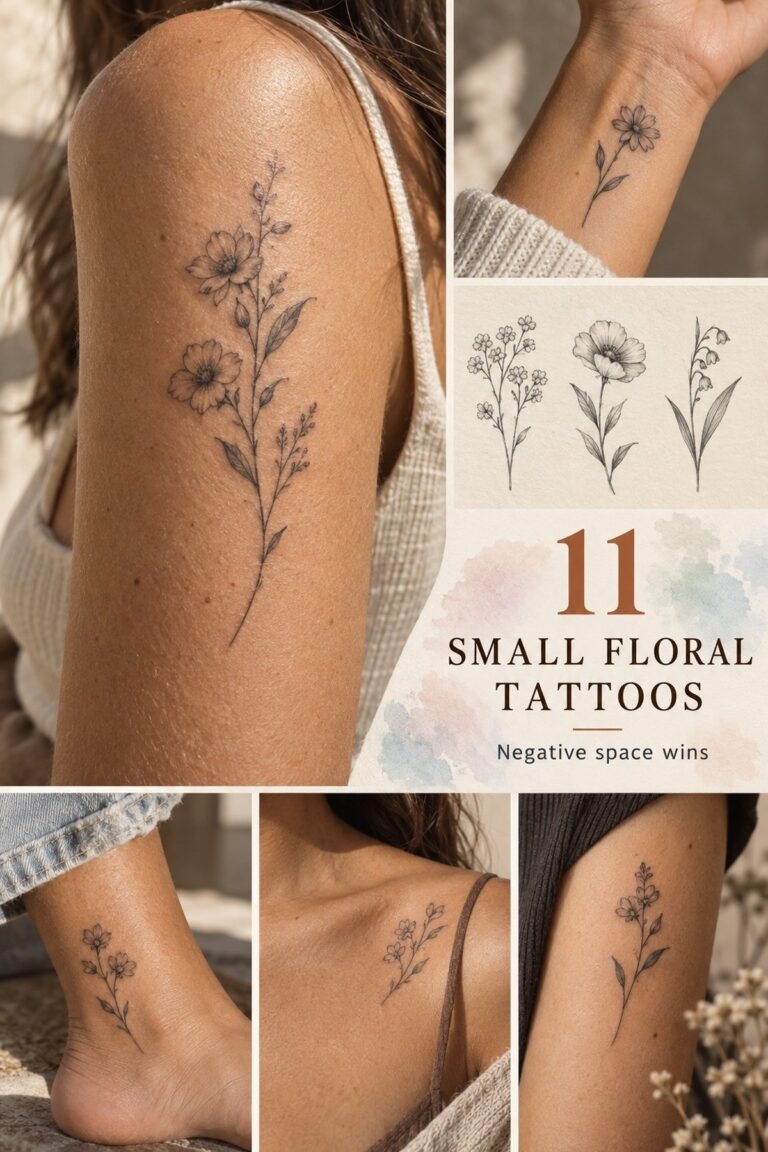
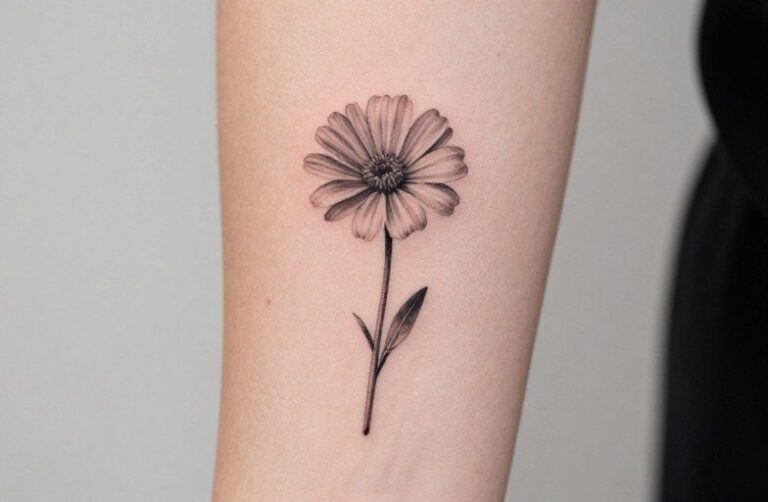
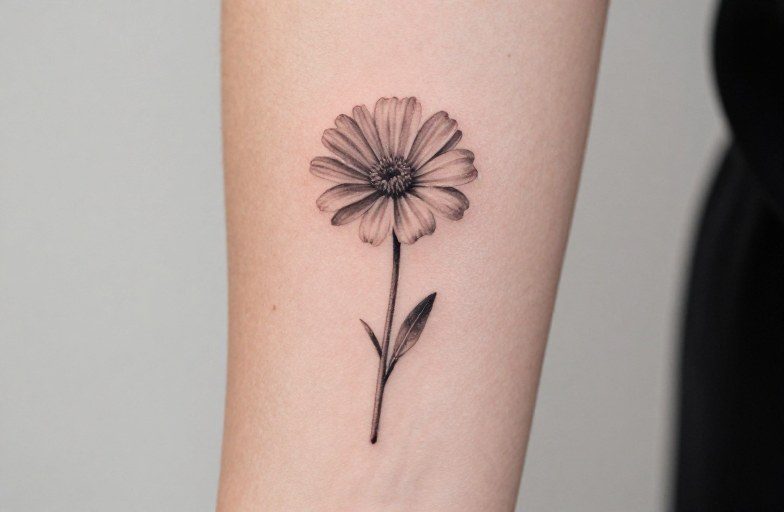
Black and grey realism abandons color entirely, relying on tone to suggest the flower’s form. This ages more gracefully but sacrifices the specific cultural and visual identity of the pink sakura. It suits clients prioritizing longevity over color accuracy.
Common Mistakes to Avoid
Both clients and artists make predictable errors with this subject. Awareness prevents permanent disappointment.
Design and Composition Errors
- Overcrowding: too many blossoms packed into too small a space, forcing the artist to miniaturize detail beyond what human skin can hold
- Symmetry obsession: perfectly mirrored petals look artificial; real flowers are irregular
- White ink overreliance: used for “glow” or highlights, it often heals to yellow or disappears, leaving grey scars
- Disconnected elements: blossoms floating without stems or branches read as sticker collections rather than organic growth
Technical Execution Pitfalls
Artists sometimes pack pink too densely, creating a solid magenta mass rather than layered translucency. Others work too lightly, and the color falls out entirely during healing. The sweet spot requires multiple passes at varying saturation levels, building depth gradually. Clients should be wary of artists who complete a realistic cherry blossom in a single short session, proper layering takes time, and rushing produces flat results.
Another frequent issue: improper needle depth on petal edges. Too shallow, and the color drops out leaving fuzzy, undefined boundaries. Too deep, and the trauma causes blowout, blurring the delicate edges that define realism.
Best Placements
Where you place a realistic cherry blossom affects both the design possibilities and how the tattoo ages.
High-Detail Zones
The outer upper arm, outer thigh, and upper back/shoulder blade offer flat, stable skin with minimal distortion from movement or weight fluctuation. These areas accommodate larger compositions with the space needed for full branch curves and multiple blooms at showable scale. The shoulder cap specifically allows the branch to follow natural musculature, enhancing the organic flow.
Challenging but Effective Locations
Inner bicep and ribs provide concealment but present difficulties: the inner arm’s thinner skin and higher movement frequency accelerate aging, while rib skin’s texture can make smooth gradients harder to achieve. Ankles and feet suffer from constant friction and sun exposure; realistic color work here often requires earlier touch-ups. The sternum and collarbone area, popular for visible placement, stretch and compress significantly, artists must design with this distortion in mind, avoiding faces or perfect circles that will warp.
Small, single-bloom placements behind the ear or on the wrist are technically possible but sacrifice the detail that defines realism. At miniature scale, the tattoo becomes illustrative by necessity, not by choice.
Before You Decide
A realistic cherry blossom tattoo is a long-term relationship with maintenance, not a one-time event. The color palette that makes it distinctive also makes it vulnerable. Before committing, verify your artist’s healed portfolio specifically for floral color work, not just fresh photography. Budget for future touch-ups. Consider whether your daily life accommodates the sun protection this style demands to persist recognizably.
The best realistic sakura tattoos result from matching honest technical understanding with genuine appreciation for the flower’s actual appearance, not the icon, not the symbol, but the specific way light passes through a petal’s edge and catches on anthers fine as thread. That specificity is what separates memorable work from generic floral decoration.
Frequently Asked Questions
How long does a realistic cherry blossom tattoo take to complete?
A single large bloom with detail typically requires 3-4 hours. Full branch compositions with multiple flowers and background elements often need two sessions of 4-5 hours each, separated by healing time to assess color saturation before adding layers.
Will the pink colors fade to grey or disappear completely?
Quality pinks from reputable manufacturers hold reasonably well with sun protection, but they do soften and cool over time. Magentas and deeper rose tones generally outlast pale baby pinks, which is why experienced artists often build depth with slightly warmer, more saturated bases than the final desired color.
Can realistic cherry blossoms be covered up or reworked later?
Cover-ups are challenging because the light pinks lack the density to mask underlying darker work. If you anticipate wanting to change the design later, placement and surrounding negative space become crucial, easier to expand a branch than to obliterate dense pink shading with new imagery.
How soon after getting this tattoo can I expose it to sunlight?
Keep it completely covered from direct sun during the 2-3 week healing period. After healing, consistent SPF 30+ application becomes permanent maintenance; unprotected UV exposure will degrade the pinks noticeably within one to two years, far faster than darker tattoo palettes.