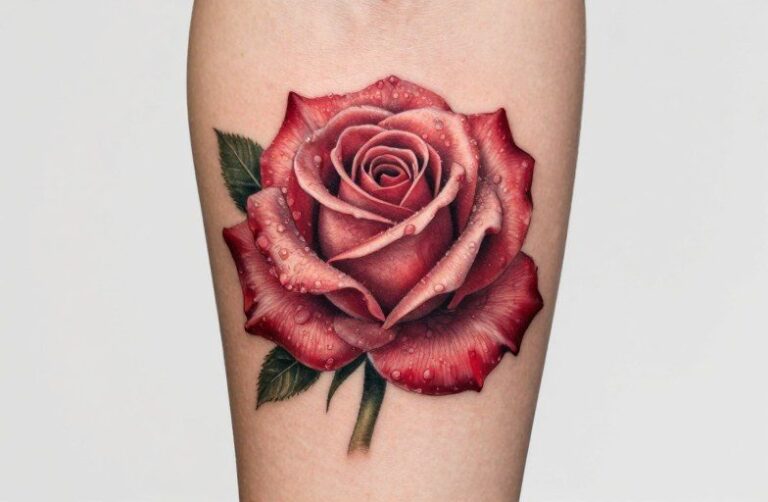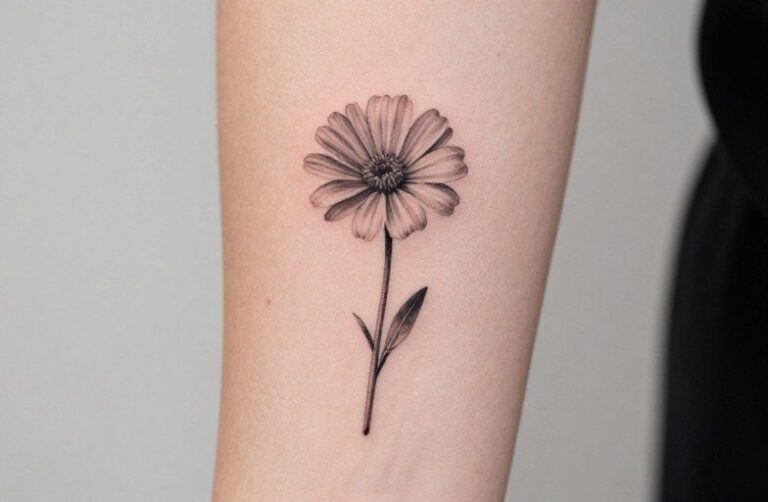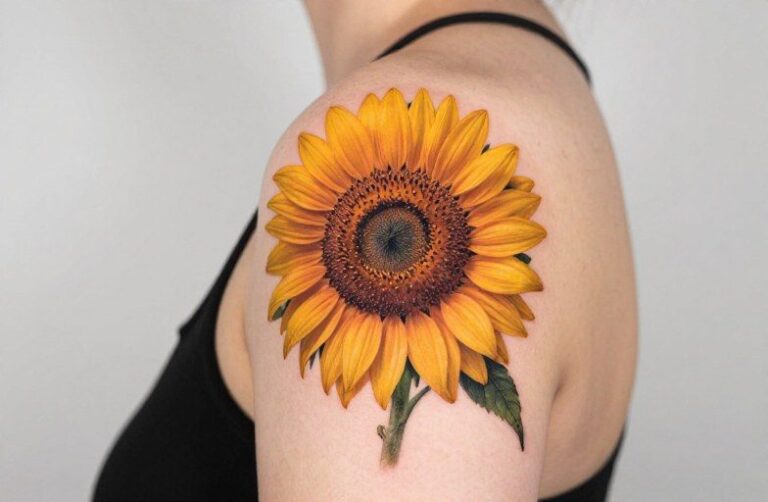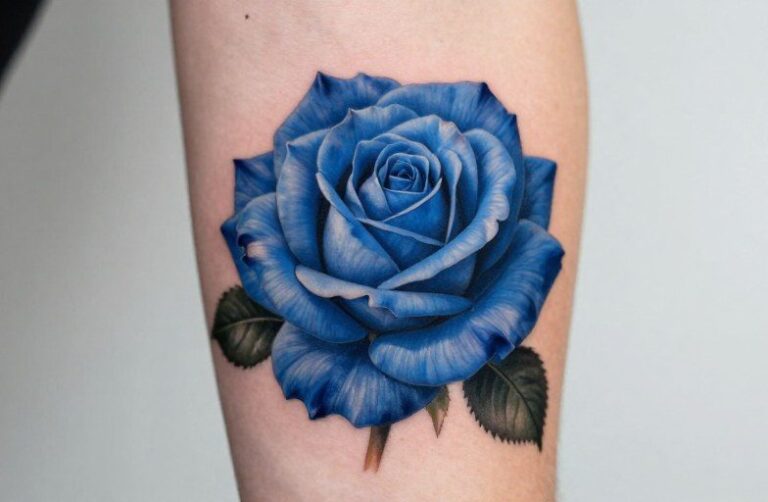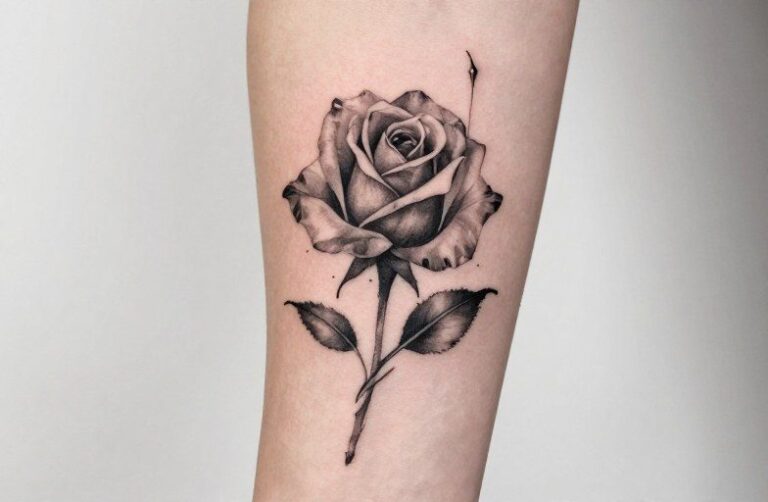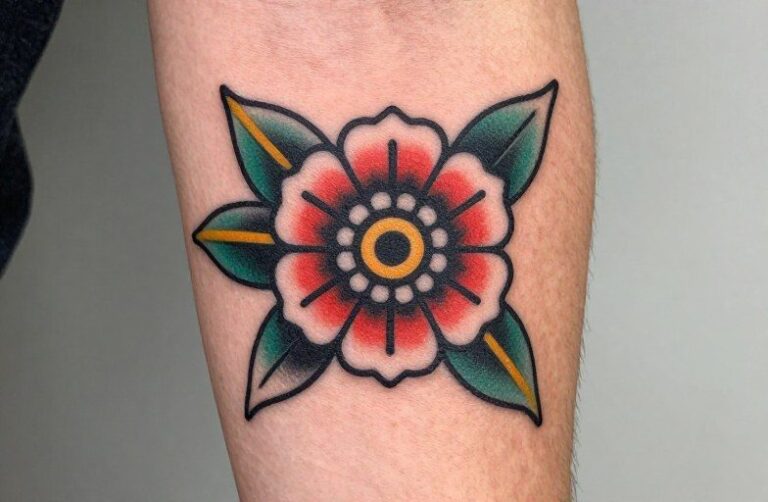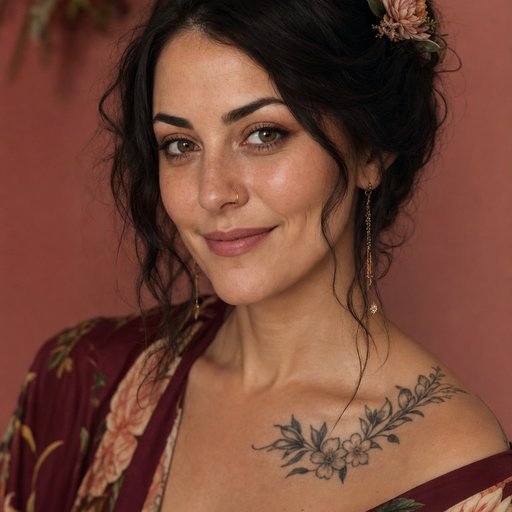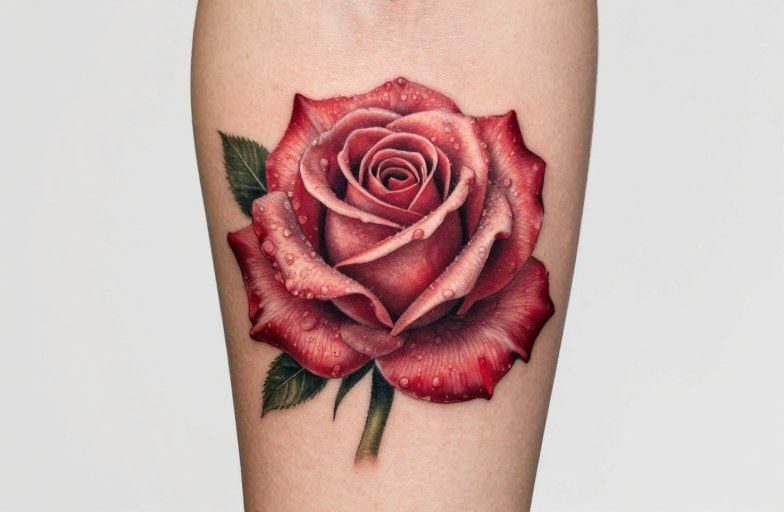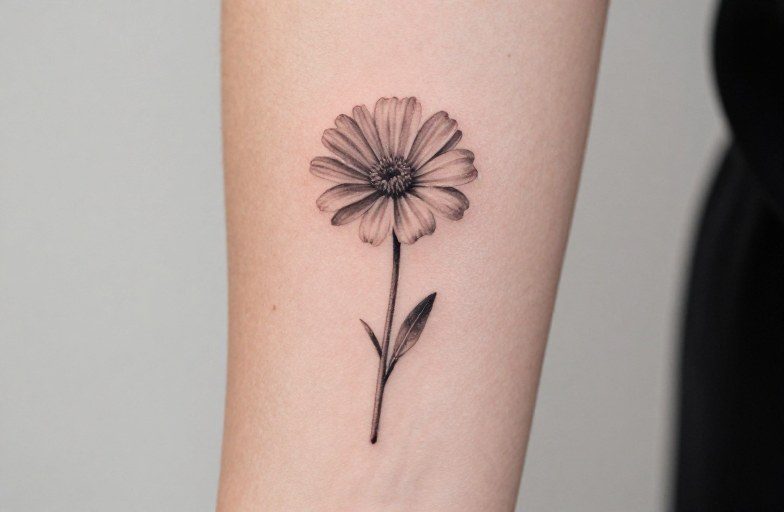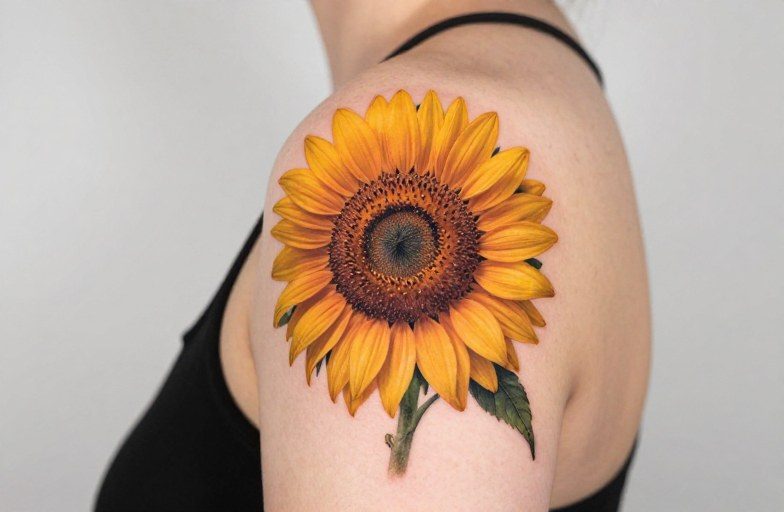
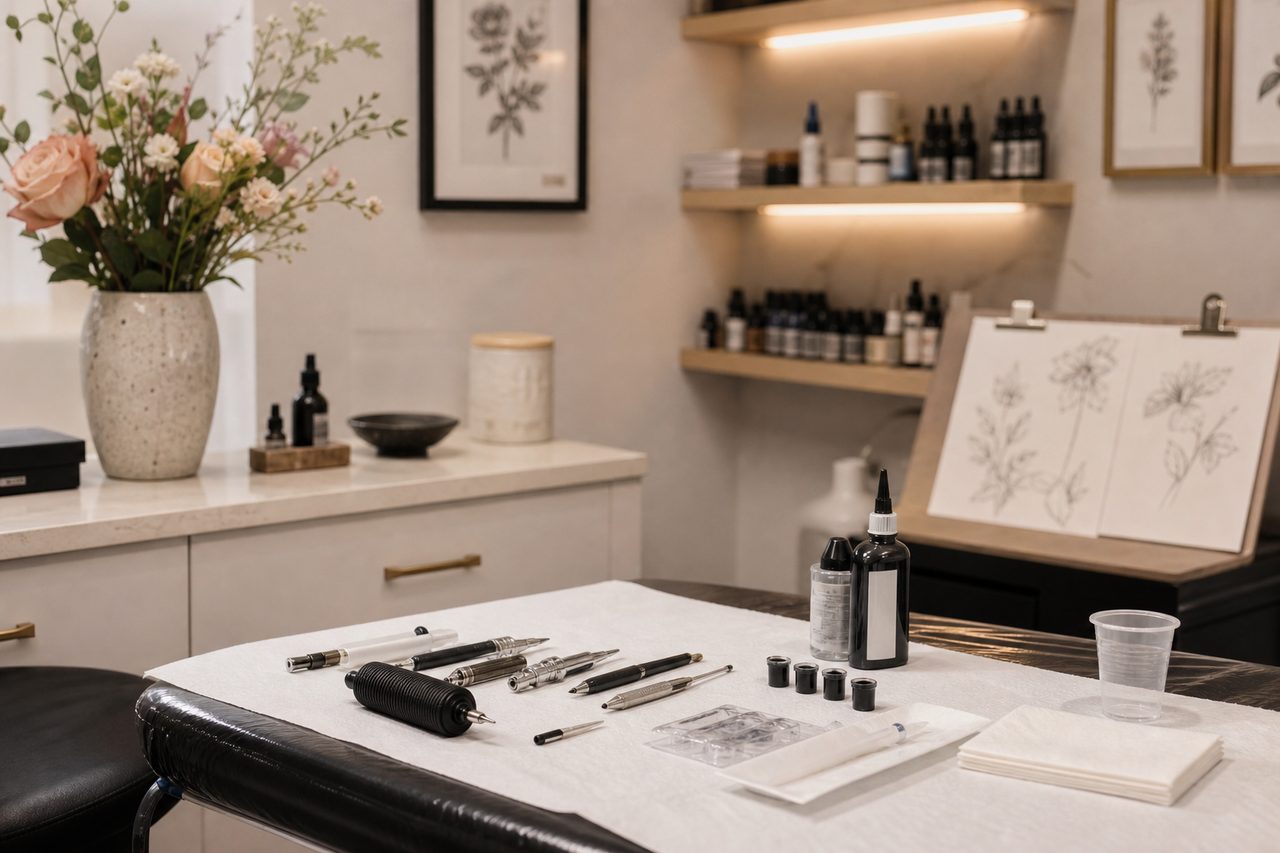
A flower tattoo artist design typically combines botanical imagery with tools of the trade, needles, machines, ink caps, or a steady hand at work. It honors the tattooist’s identity as someone who cultivates permanent art on living canvas, merging the patience of gardening with the precision of skin work. For collectors, it can mark a powerful piece received, a tribute to a beloved artist, or an emblem of their own creative aspirations.
Symbolism & Core Meaning
At its heart, this motif layers two living systems: the organic growth of flowers and the deliberate mark-making of tattooing. Flowers cycle through bloom and decay; tattoos settle, shift, and age with the body beneath. Pairing them acknowledges that both processes require tending, timing, and acceptance of change.
The Artist’s Hand as Gardener
The tattooist’s role maps neatly onto horticulture. Both select specimens for specific conditions, prepare the ground (or skin), implant pigment or seed, and trust time to finish what technique began. A design showing hands holding both a machine and a cutting emphasizes this parallel, creative labor as cultivation rather than manufacture.
Permanence Amid Impermanence
Cut flowers wilt. Tattoos blur. The juxtaposition can read as bittersweet acceptance or as defiance: capturing a bloom’s peak in ink that will outlast the original. This tension draws people who work in ephemeral mediums, florists, painters, chefs, who understand the drive to fix beauty against time’s erosion.
Who Chooses This Tattoo
Three distinct groups gravitate toward this design, each with different placement and detail preferences.
- Working tattooists: Often wear it as professional identifier, frequently on forearms or hands where clients notice. Machines rendered with botanical vines wrapping the coils signal craft pride without corporate logo stiffness.
- Collectors honoring an artist: Memorial pieces for deceased mentors or thank-you tattoos for powerful work. These tend toward softer imagery, single flowers with a machine tucked modestly among leaves rather than central and dominant.
- Creatives in adjacent fields: Illustrators, florists, bakers, and other makers who recognize the shared vocabulary of color theory, composition, and client collaboration. Placement varies widely, often hidden for personal significance.
Gender distribution skews slightly female in collector pieces, though working tattooists of all genders wear the design equally. Age tends toward 25-40 for first-time bearers, with older artists occasionally adding to existing machine-themed work.
Religious & Spiritual Angles
No single tradition claims this specific combination, but elements carry recognizable spiritual weight across cultures.
Christian Iconography
The Virgin Mary is often linked to roses, particularly the Rosa Mystica. A tattoo machine paired with such blooms could read as devotion to sacred art-making, though this interpretation remains relatively rare. More commonly, the general concept of “co-creating with the divine” appeals to religious tattooists who see their work as stewardship of bodies made in God’s image.
Eastern Traditions
Lotus imagery dominates here. The flower’s emergence from mud into clean bloom parallels the tattooist’s transformation of blood and pain into lasting beauty. Some trace this association to Japanese horimono traditions, where lotus frequently accompanies spiritual figures. The machine’s addition is modern, but the underlying symbolism of purification through deliberate suffering transfers cleanly.
Secular humanists often gravitate toward the design purely as celebration of human craft without supernatural framing, skill and patience as sufficient virtues.
Color vs Black and Grey
This choice dramatically alters the design’s emotional register and practical longevity.
Color Realism
Bright botanicals against steel machines create visual pop and immediate readability. Reds and magentas hold reasonably well; yellows and pale pinks fade fastest, often requiring touch-up within 5-7 years. Color saturation demands sufficient skin real estate, small pieces below 3 inches tend toward muddiness as neighboring hues bleed together during healing.
Black and Grey
Soft grey-wash flowers with solid black machines achieve striking contrast without color maintenance. This approach ages gracefully, with 10-year-old pieces often reading clearer than their color counterparts. The mood shifts toward memorial or documentary, less celebratory, more archival. Single-needle fine line work in this palette has gained particular traction since 2019, though it requires genuinely skilled execution; shaky lines in delicate grey-wash cannot be hidden by bold color.
Skin tone significantly impacts choice. Melanin-rich skin carries black and grey with subtle warmth; color must be selected carefully to avoid ashy or invisible results. Experienced artists adjust pigment selection individually rather than applying identical palettes universally.
Design Tips & Pairings
Successful execution requires balancing two visually distinct elements without clutter.
- Scale matching: A fine-line machine beside a bold traditional rose creates hierarchy confusion. Match visual weight, delicate with delicate, heavy with heavy.
- Negative space: Let skin breathe between mechanical and organic elements. Overpacking causes both to read as indistinct texture within a decade.
- Flow direction: Vines wrapping machines work best when following the object’s actual contours rather than floating arbitrarily. Study how real ivy climbs structures.
- Tool specificity: Coil machines offer more visual texture than rotaries; pen-style machines read sleeker but less identifiably “tattoo” to general viewers. Choose based on whether you want legibility to insiders or outsiders.
Complementary Additions
Hourglasses reference time’s passage. Moths or butterflies extend the metamorphosis theme. Scissors connect to floristry. Avoid crowding; this pairing already carries sufficient conceptual density.
Similar & Related Symbols
Understanding adjacent motifs helps clarify what this specific combination adds.
The rose and dagger shares beauty/pain juxtaposition but leans aggressive, masculine-coded in Western tradition. The flower and machine replaces violence with labor, creation rather than destruction. The artist’s palette with flowers is softer, more bourgeois, lacking tattooing’s edge of bodily intimacy and transgression. The traditional ship and flower carries nautical specificity unavailable to landlocked subjects.
Closest cousin: the pen and flower for writers, or camera and flower for photographers. These share the tool-plus-bloom structure but lack the unique connotations of permanence, pain, and skin-to-skin collaboration that distinguish tattooing from other arts.
Final Thoughts
The flower tattoo artist design works because it resists easy categorization. It is neither purely professional badge nor purely decorative botanical. It occupies the productive tension between growth and permanence, organic and mechanical, the given body and the made mark. Whether worn by the practitioner or the collector, it acknowledges that tattooing is slow, dirty, intimate work that nonetheless produces something lasting and beautiful, qualities flowers have symbolized since long before electric machines existed. Choose your specific blooms and machine style with care; this is one motif where generic flash undermines the very specificity that gives it power.
Frequently Asked Questions
What flowers pair best with tattoo machine imagery?
Roses and peonies offer enough visual weight to balance machines and carry established symbolic language. Wildflowers or botanicals specific to your region add personal resonance that generic blooms lack. Avoid extremely delicate species like baby’s breath that will blur into indistinct texture within a few years.
Is this design too cliché for working tattooists?
Execution matters more than concept. A custom-drawn machine with accurate mechanical detail and thoughtfully chosen botanicals distinguishes itself from Pinterest flash. The cliché is the lazy rose-and-coil combo; the category itself remains viable with genuine artistic investment.
How does this tattoo age on hands versus arms?
Hand placement fades faster due to constant use, sun exposure, and thinner skin. Fine details in machines become indistinct; bolder black-and-grey holds better than color. Inner forearm offers the best longevity-to-visibility ratio for pieces you want readable for decades.
Can non-tattooists wear this design respectfully?
Yes, particularly if you have meaningful connection to the craft, collector relationships, creative work in adjacent fields, or genuine appreciation. Avoid it as pure aesthetic grab without understanding; the machine is a real working tool, not decorative prop, and practitioners notice shallow appropriation.