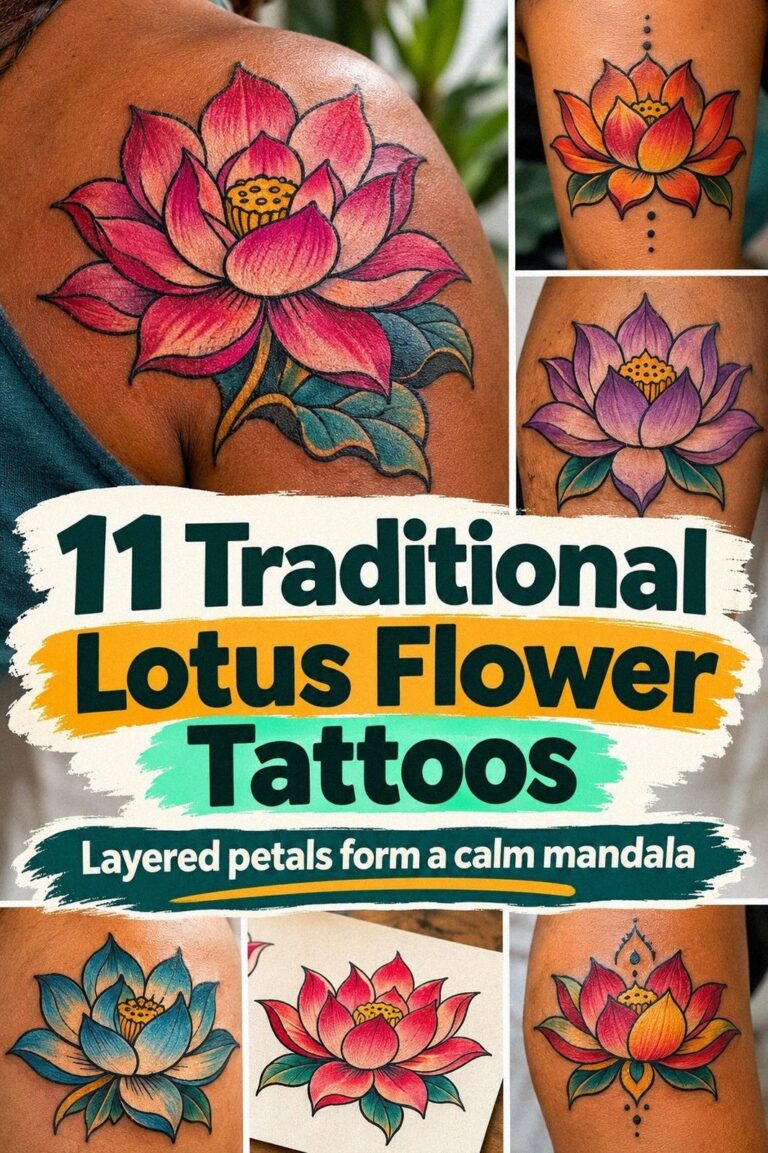
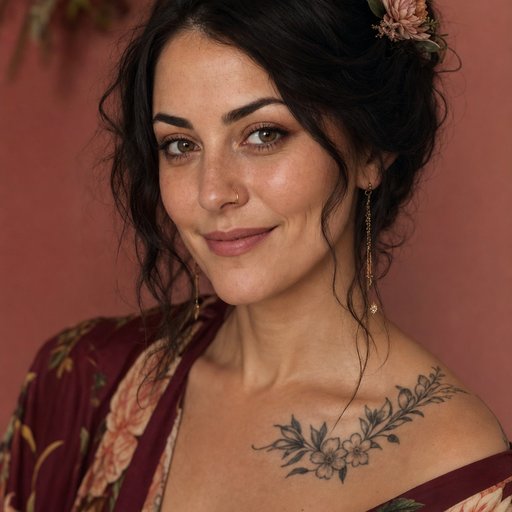
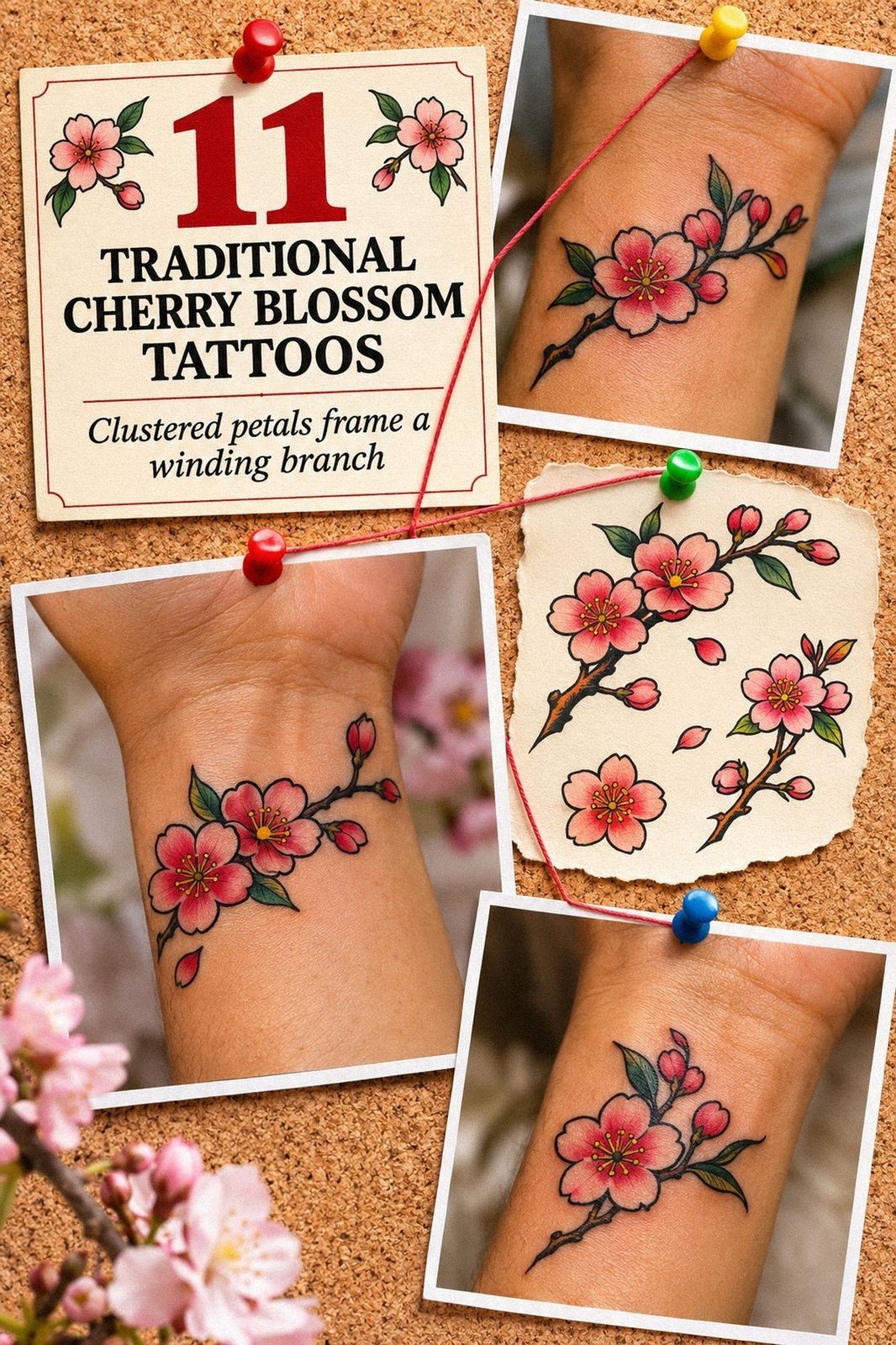
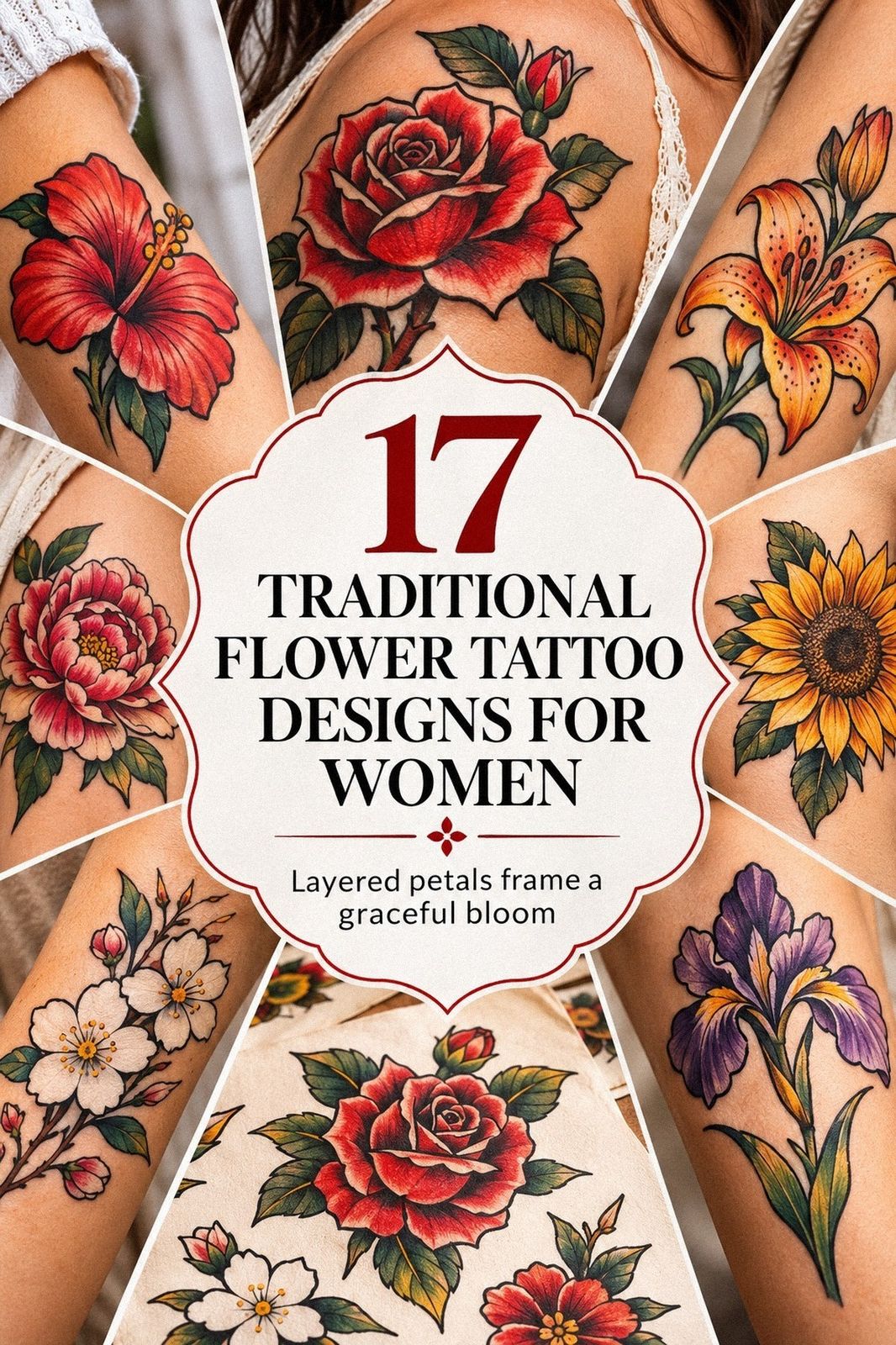
Traditional flower crown tattoos age gracefully when the outline has room to breathe, the placement suits your skin, and black pigment carries the structure. I once chose a design that was too fine and too crowded. It looked delicate at first, but the details softened quickly. That balance matters!
Editor’s note: Choose the flower, placement, scale, and feeling before choosing every tiny detail. A striking tattoo can stay personal without becoming complicated.
- Start with a Small Traditional Flower Crown Tattoo on the Wrist
- When Should You Choose a Bold Traditional Flower Crown Tattoo Across the Shoulder?
- Fine Line or Strong Outline for a Traditional Flower Crown Tattoo?
- Behind the Ear: A Unique Traditional Flower Crown Tattoo
- Skull and Flowers: A Traditional Crown with Contrast
- Choose Color for a Traditional Flower Crown Tattoo on the Forearm
- Sacred Symbols, Personal Meaning, and a Traditional Flower Crown
- Keep an Ankle Traditional Flower Crown Tattoo Delicate
- Blackwork or Color: A Traditional Flower Crown Tattoo with Edge
- Hide Initials Inside a Traditional Flower Crown Tattoo
- Thigh Placement for a Feminine Traditional Flower Crown Tattoo
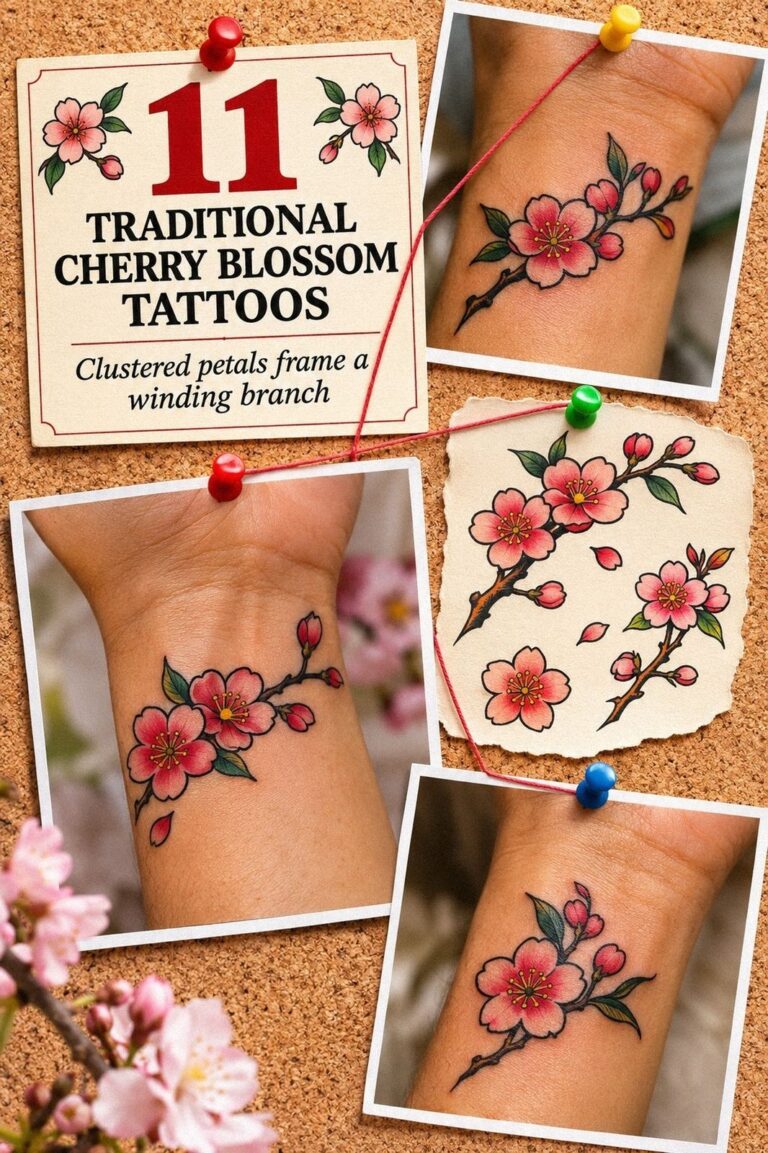
1Start with a Small Traditional Flower Crown Tattoo on the Wrist
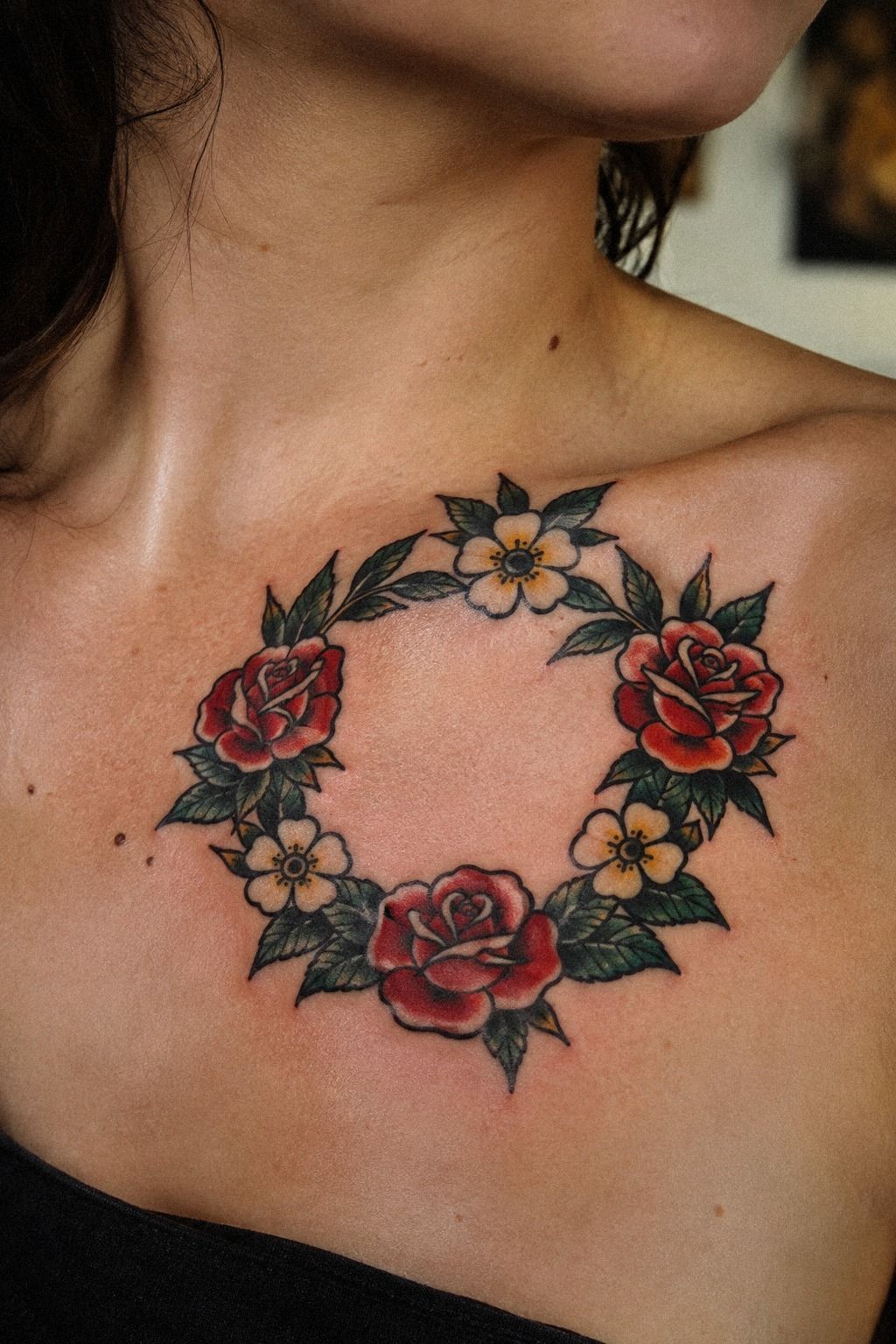
A small wrist flower crown works best with one clear stem and a few layered petals. Your carbon-black outline should carry the shape.
Restrained terracotta pigment can give the flower a crisp focal point. At roughly 2 inches, the motif can stay dainty without becoming vague.
I’d choose a strong border over pale grey for your wrist placement. The skin moves, catches sunlight, and gets washed often. A faint edge won’t give you the same sharp, polished read.
If you’re drawn to smaller pieces, compare your options with these small flower crown tattoo ideas before you book.
Your palette can stay minimal: terracotta petals, one olive leaf, and a stone-grey center. That’s enough.
You don’t need every flower in the bouquet. The result will feel more expressive when the negative space remains visible.
I’ve seen wrist designs become muddy when the stem is thinner than the petals. Ask your artist to show you a healed wrist tattoo, not only a fresh result. Your tattoo should still look graceful after the surface healing stage ends.
2When Should You Choose a Bold Traditional Flower Crown Tattoo Across the Shoulder?
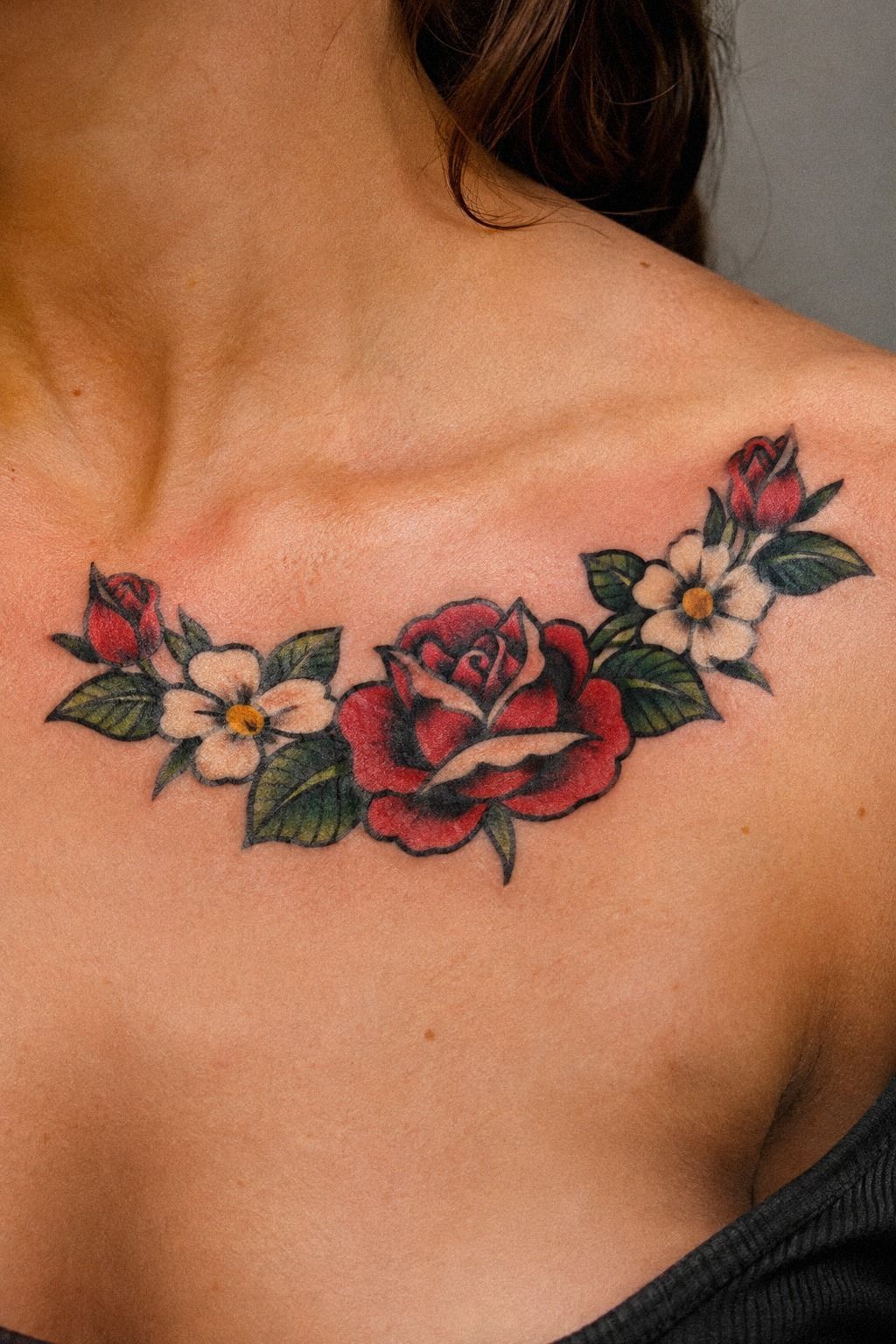
A shoulder placement gives your traditional flower crown tattoo more breathing distance. That makes a bold outline feel intentional instead of heavy. Your shoulder placement can support larger petals, stronger contrast, and an ornate arrangement without forcing every detail into a tight space.
I’d choose this area when you want a powerful tattoo that still feels elegant. The shoulder lets the flower follow the body’s curve. You can also keep it visible with a tank top or cover it with a sleeve when you’re in a more understated mood.
3Fine Line or Strong Outline for a Traditional Flower Crown Tattoo?
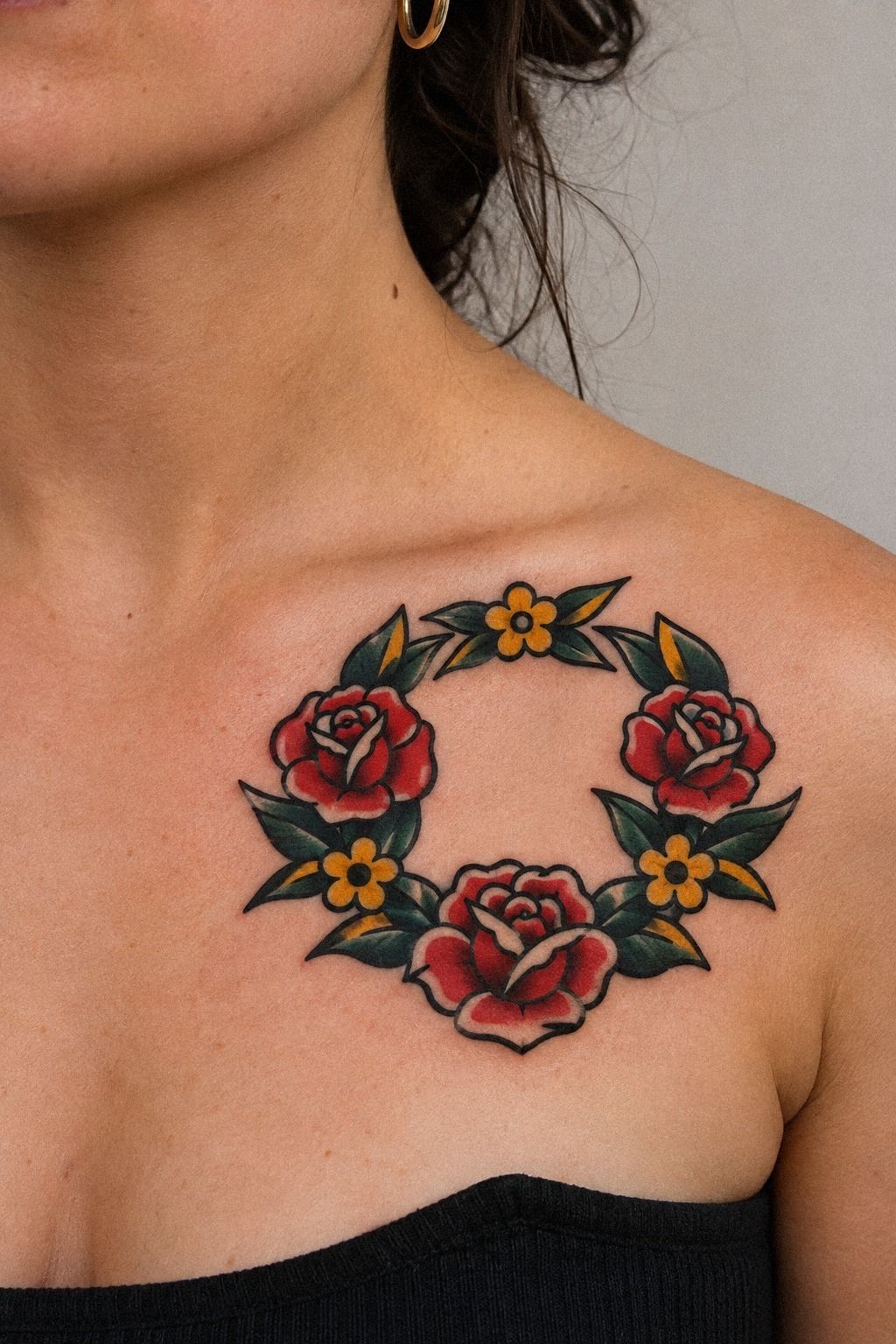
Fine linework can make a traditional flower crown tattoo feel intricate without losing its classic silhouette. Your single-needle linework needs clear separation between petals, leaves, and the central stem. Without that space, the design may collapse visually over time.
I’d ask for fine linework only when the artist has a strong healed portfolio. Fresh lines can look impossibly crisp.
The healed result shows whether spacing and pressure were controlled. Fine lines may widen as they age, so a generous gap is wiser than a crowded arrangement.
Your spine placement creates a graceful rhythm from the upper back downward. Keep the flower head near a natural shoulder-blade break.
Then let the stem travel with the body instead of forcing a perfectly straight path. That adjustment can make the tattoo feel flowing rather than pasted on.
Are you choosing fine line because you want subtlety, or because you’re worried bold work will feel too loud? Answer that before the appointment. For another restrained direction, look through these fine line flower crown tattoos.
4Behind the Ear: A Unique Traditional Flower Crown Tattoo
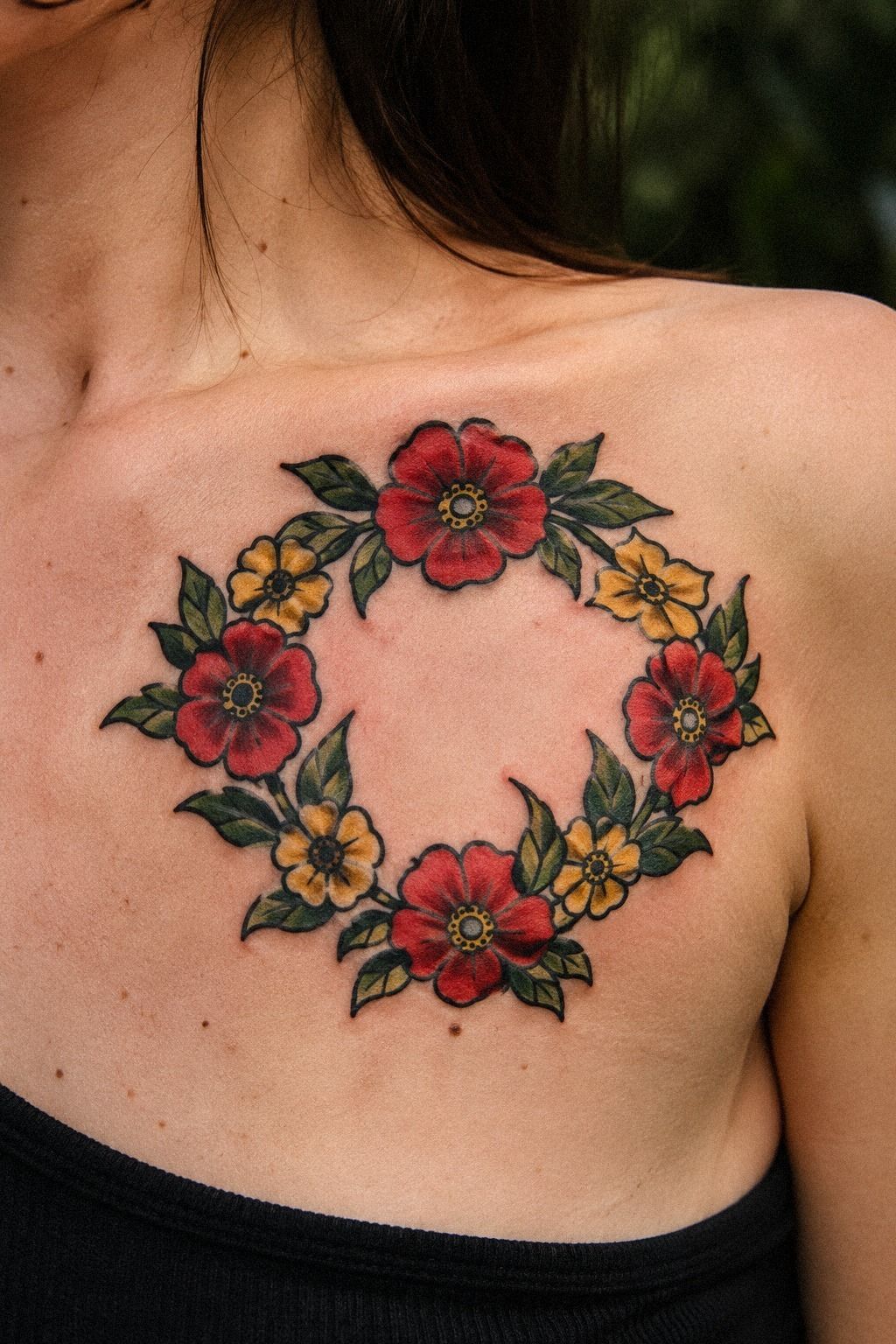
Behind the ear is a compact placement with an edgy personality.
5Skull and Flowers: A Traditional Crown with Contrast
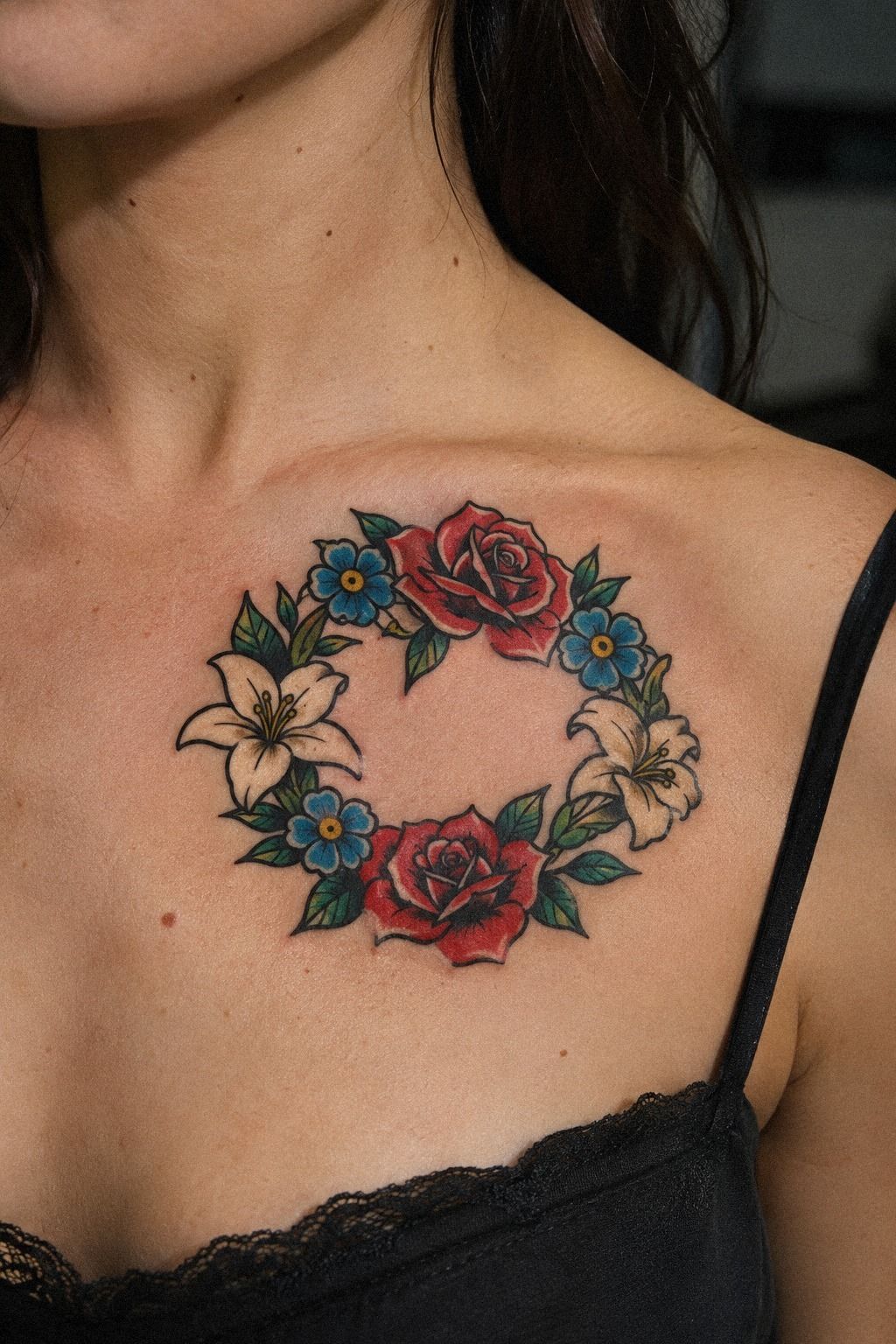
A skull framed by flowers creates a powerful contrast: mortality inside, renewal around it. Your American traditional skull should have open eye sockets, a readable jaw, and enough separation around the petals to keep the composition sharp.
I’d use a jewel-toned flash palette as inspiration, not as a reason to copy a published design. Bring references.
Then let your artist redraw the composition for your body. Deep charcoal pockets and a limited emerald, gold, and cream palette will usually age better than fussy shading.
Your flower choices can carry the emotional direction. Roses feel romantic and classic.
Daisies feel playful and bright. Marigold-like forms can look ornate and symbolic.
I’d skip mixing five different blossoms. The skull already gives the piece a gritty focal point.
This design suits a collector who wants something haunting but not hopeless. The crown softens the skull without making it sweet.
If you’re deciding between a realistic skull and a simplified flash shape, choose the simpler version for stronger aging. For darker references, browse these black flower crown tattoo designs.
6Choose Color for a Traditional Flower Crown Tattoo on the Forearm
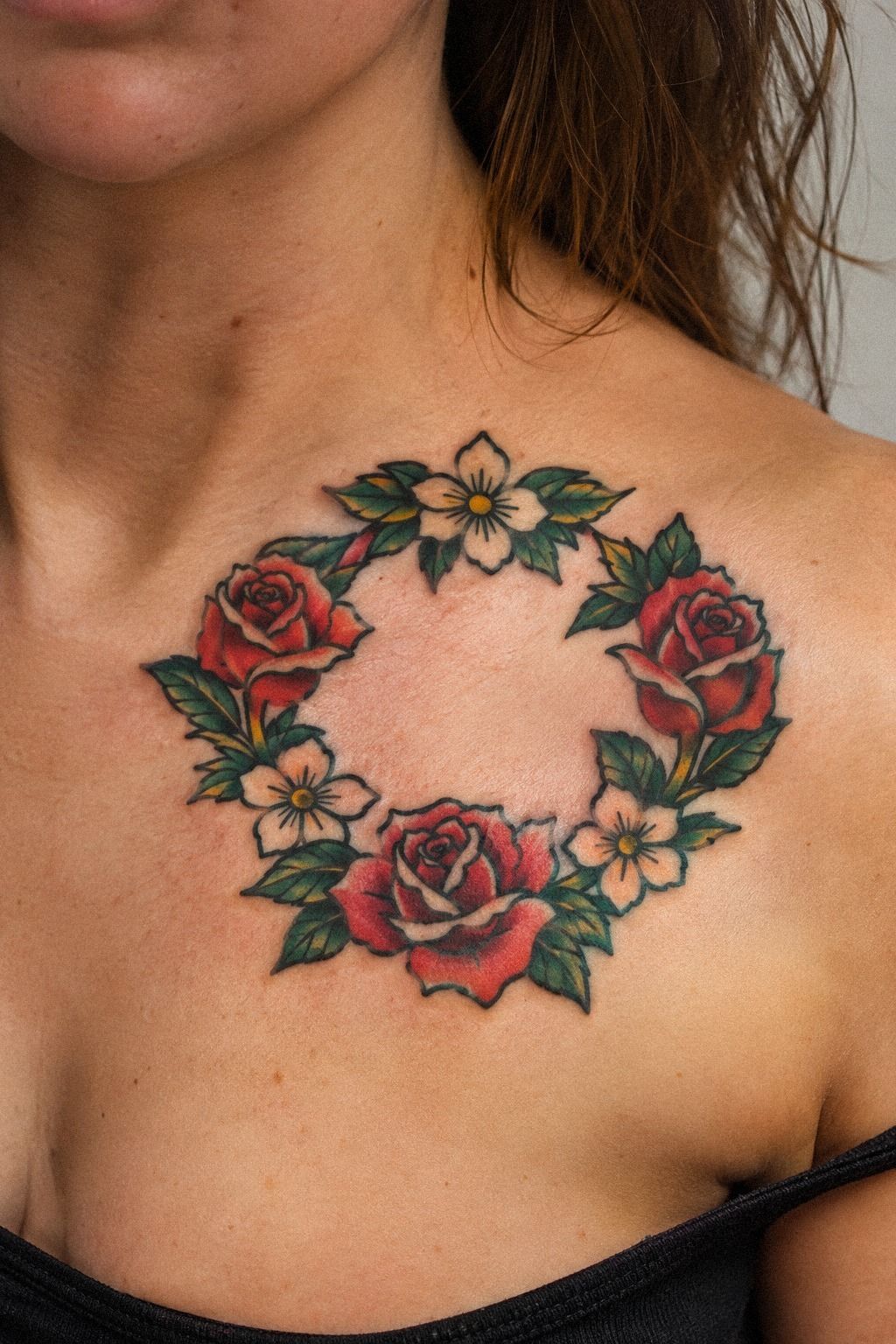
A colorful forearm tattoo gives you one of the clearest areas for a traditional flower crown. Your solid black linework should establish the structure before vibrant pigment enters the design. Your artist may need to adjust the colors so every petal stays distinct against your undertone.
I’d choose forest-green leaves, rust petals, and warm cream accents with a firm black border. Color should support the shape, not replace it. A bold outline lets the flower stay readable as the pigment settles.
Color can sing!
The forearm is practical for visibility. You can admire the tattoo easily, while a sleeve or watch can cover it when you want. If you prefer a darker direction, compare this concept with these black flower crown tattoo designs before settling on color.
Your budget should account for the artist’s minimum, drawing time, size, and color density. The value isn’t only the first price.
It’s also the clarity of the healed design and the confidence you’ll have wearing it. Ask about aftercare before you pay a deposit.
Prices vary by artist and region, so your quote may fall outside these typical US ranges. Your forearm is usually more manageable than your ribs, but you should still plan for sun protection and careful healing.
7Sacred Symbols, Personal Meaning, and a Traditional Flower Crown
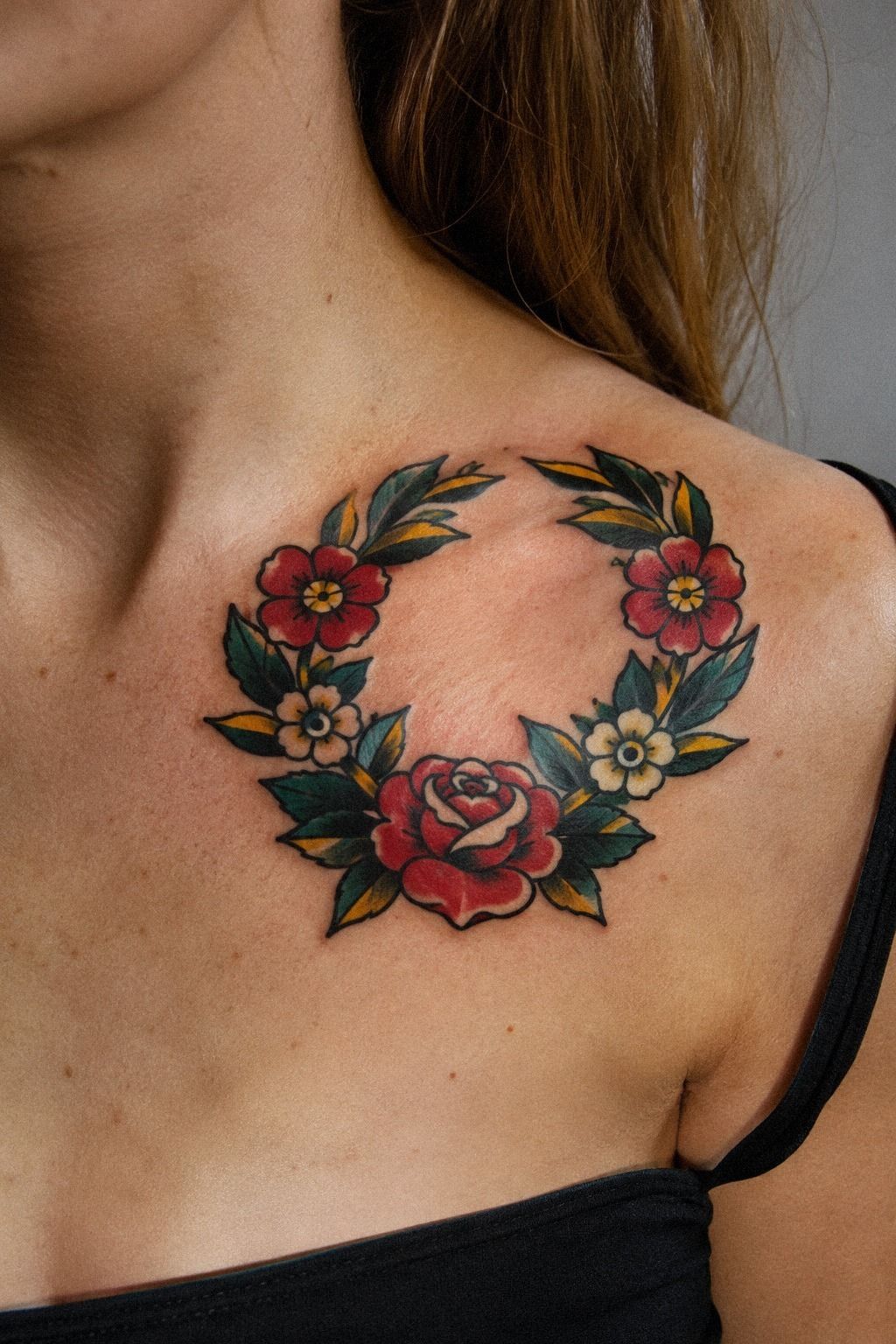
A sternum flower crown can feel sacred, intimate, and deeply personal.
8Keep an Ankle Traditional Flower Crown Tattoo Delicate
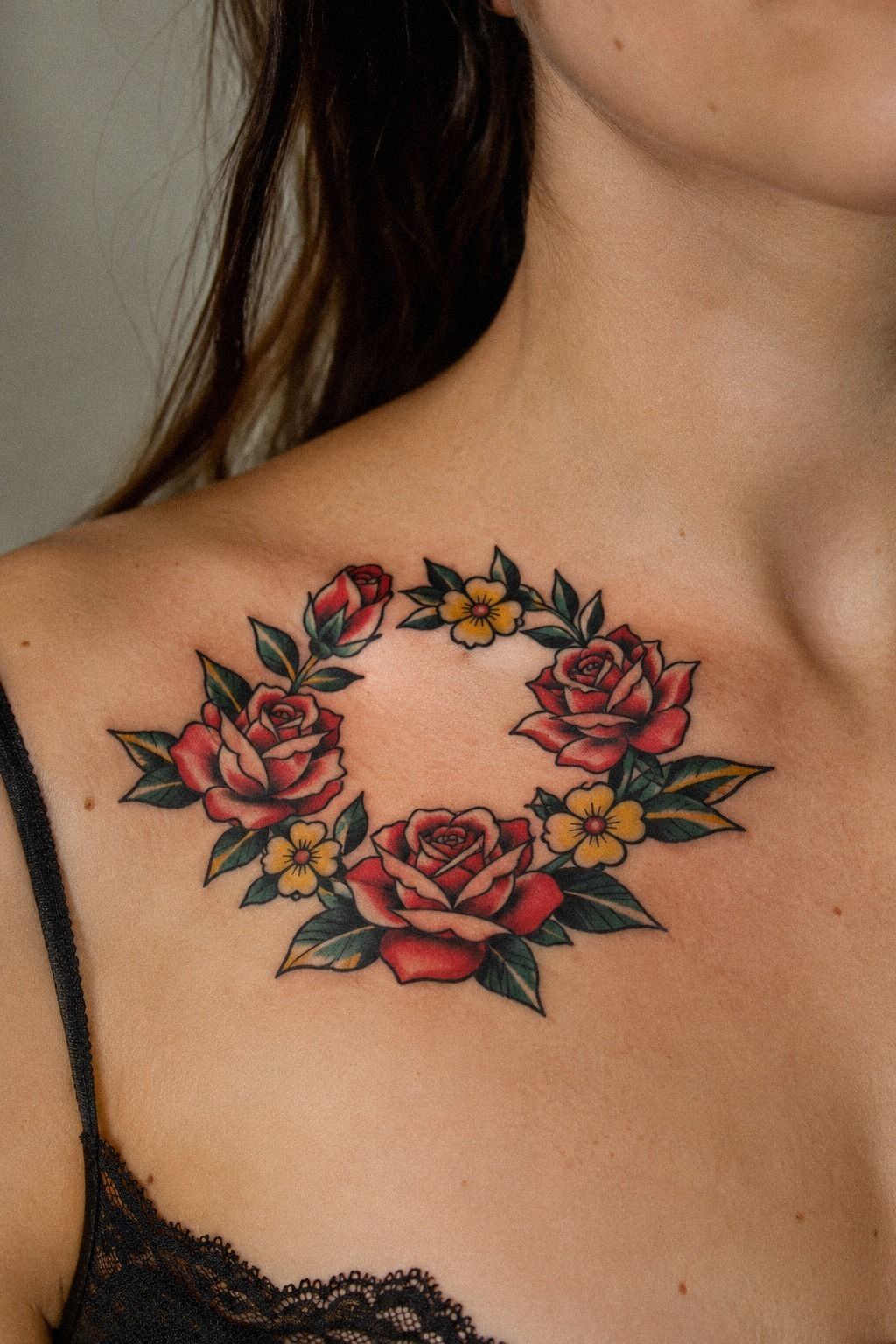
An ankle flower crown can be delicate while still carrying the crisp attitude of traditional tattooing. Your compact ankle stencil should leave breathing distance near the ankle bone. Avoid squeezing too many leaves into the curve.
I’d use warm white and camel pigment with black accents. That combination feels understated but not flat. If you want the design to remain dainty, let the stem create movement instead of filling the entire ankle.
Your footwear matters here. A fresh tattoo may rub against socks and shoes, so plan the appointment when you can protect the area from friction.
Surface healing generally takes about 2 to 3 weeks. Complete healing can take about 2 to 3 months.
Ankle tattoos can be more sensitive than outer-thigh or shoulder placements. Don’t choose this spot only because it looks stylish in a photograph.
Choose it because you like the way the flower follows your body. For a softer variation, see these delicate flower crown tattoo ideas.
9Blackwork or Color: A Traditional Flower Crown Tattoo with Edge
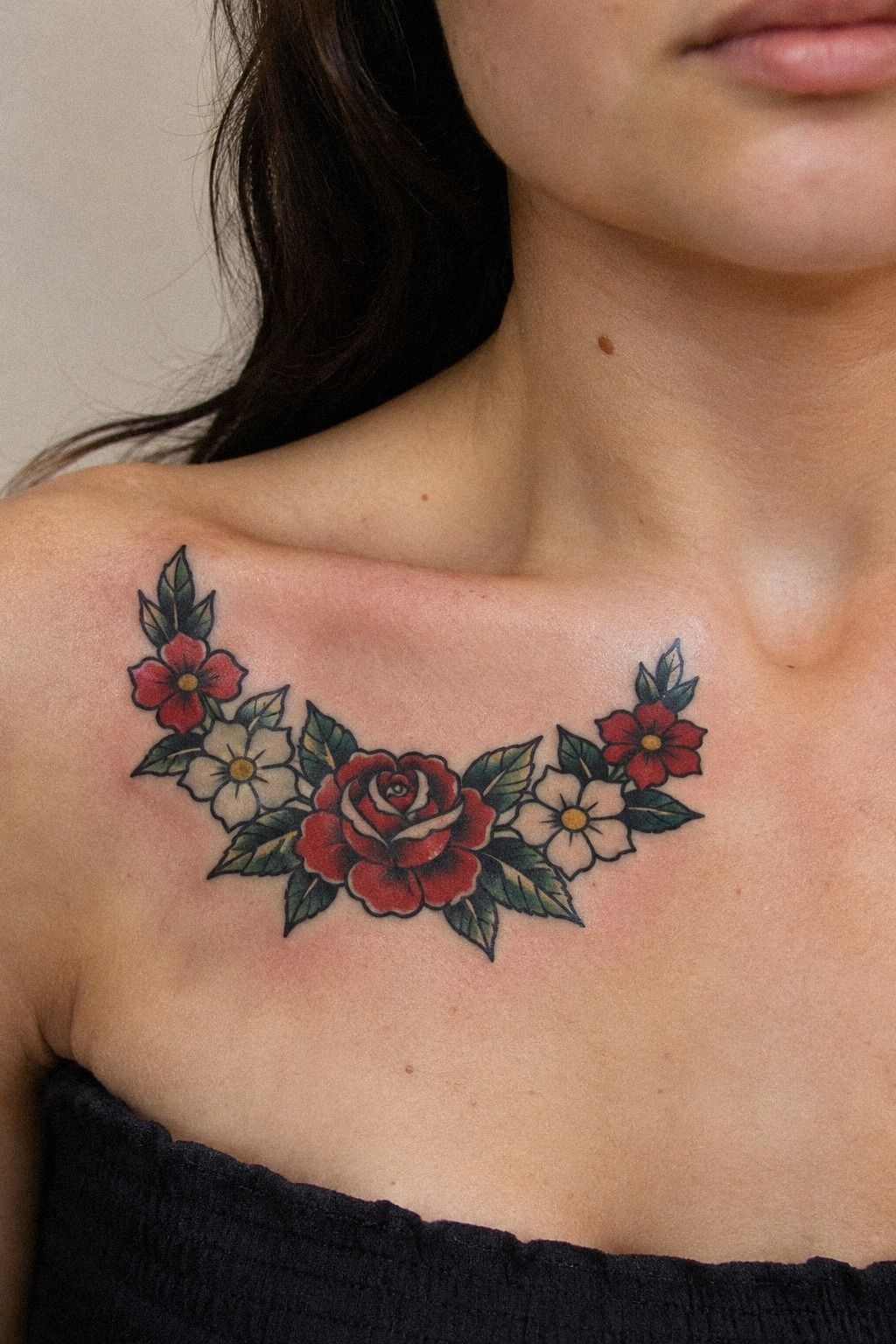
Blackwork gives a traditional flower crown tattoo a sharp, dramatic identity.
10Hide Initials Inside a Traditional Flower Crown Tattoo
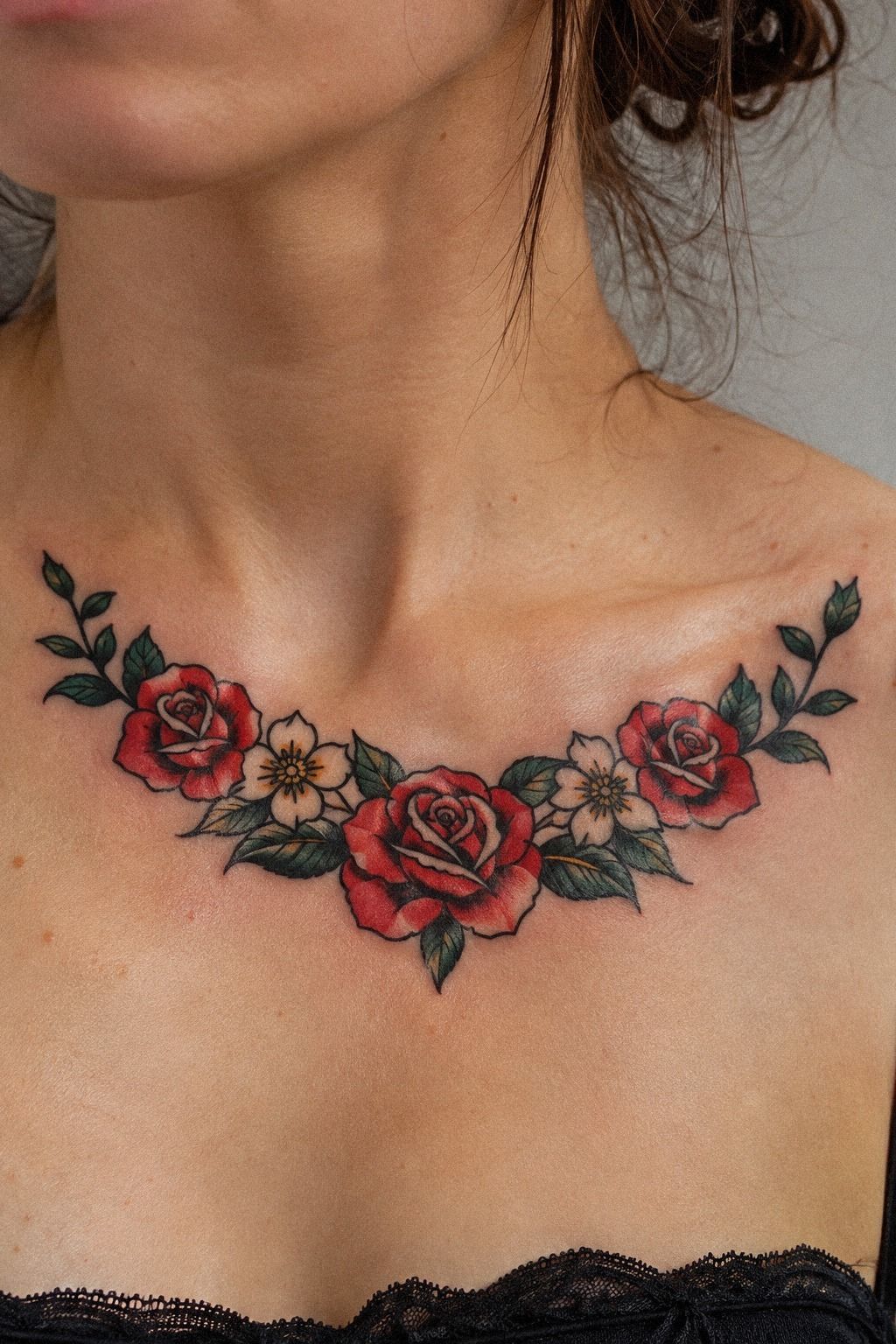
Hidden initials give your flower crown tattoo a private layer without disrupting the traditional shape. Your negative-space initials can sit inside a leaf vein, ribbon, or small opening between petals.
I’d use a full-size stencil to review the letters before your appointment. Tiny lettering can blur, especially when it’s hidden inside an intricate design. Keep the characters simple, with enough open skin around them for your eye to find later.
The best placement is visible only when you look closely. That makes the tattoo personal, symbolic, and a little playful.
You don’t need to explain the initials every time someone asks about the flower. Keeping one detail for yourself can make the piece feel more meaningful.
Choose letters that won’t lose their importance if a relationship changes. An initial can honor a child, family name, place, or former version of yourself.
I’d avoid squeezing an entire phrase into the crown. One discreet mark will look more polished and age more gracefully.
If your letters must stay tiny, compare the concept with these fine line flower crown tattoos before you commit. Your artist may recommend a slightly larger scale for cleaner long-term clarity.
11Thigh Placement for a Feminine Traditional Flower Crown Tattoo
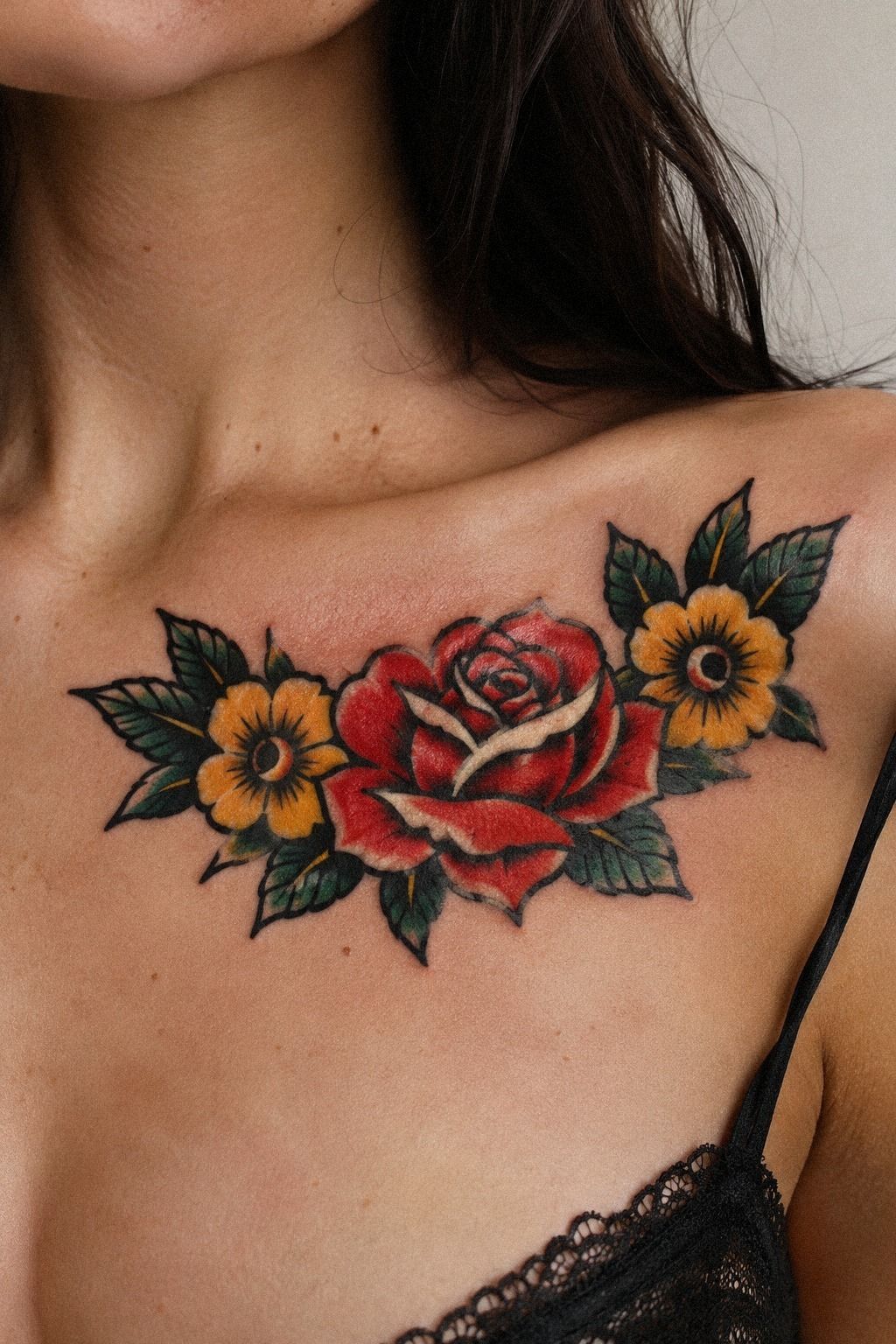
A thigh flower crown gives you enough canvas for a feminine, flowing composition without forcing the design to stay tiny.
What I’ve Learned About Traditional Flower Crown Tattoos
I’ve changed my mind about small tattoos. I used to believe the most delicate version was automatically the most elegant, but that isn’t true.
A flower crown needs a readable outline, and that outline needs distance between details. When every petal, leaf, and initial is compressed, the design loses its rhythm.
The best traditional flower crown tattoos balance softness with structure. That’s why I keep returning to black outlines, open skin, and one dominant flower.
Bold blackwork can look feminine. A colorful tattoo can feel understated.
A skull can feel romantic when the flowers are drawn with restraint.
Your placement should answer practical questions, too. Will you want to see it every day?
Will clothing rub against it? Does the area have enough space for the style you want?
A forearm, shoulder, or thigh gives you more tolerance for a bold image. A wrist or ankle asks you to simplify.
I made the mistake of choosing a design from a fresh result without asking for healed work. Don’t repeat that part.
Ask your artist for healed examples in the same style, especially if you’re considering fine lines or dense color. A fresh tattoo can look polished while long-term spacing tells a different story.
You don’t need to copy a flash sheet to get a classic result. Bring the flower, placement, palette, and feeling you want. Your artist can create a personal drawing with thermal stencil transfer, clean geometry, and the right scale.
That’s where a timeless tattoo starts.
Choose the Right Scale Before Your Appointment
Scale changes everything. A readable flower head needs enough diameter for its petals, center, and outline to remain distinct. If your preferred placement is small, simplify the crown before reducing every element.
Ask your artist to show you the stencil at the actual size you’ll wear. Your wrist may tolerate a 2-inch flower, while your thigh can support a larger arrangement with stronger contrast. The most stylish result is often the one that respects your anatomy.
A smaller tattoo can still be iconic, but it shouldn’t be overloaded. If you want a compact design, study these small flower crown tattoo ideas and decide which details you’d keep if only three could survive.
Fresh Lines Versus Healed Clarity
Fresh ink can look crisp, vibrant, and almost impossibly sharp. Your healed linework is the evidence that matters. It shows how the outline settled, whether the gaps stayed open, and whether the color remained distinct.
I’d ask your artist for healed examples in a similar placement and on a similar skin tone. A portfolio full of fresh work can’t answer every question about aging. You’re choosing a result that has to keep communicating after the initial brightness fades.
Fine line designs deserve extra scrutiny. Compare your plan with these fine line flower crown tattoos and ask where your artist would add separation. A slightly bolder detail may give you better long-term value.
Where Meaning Gets Personal
A meaningful flower crown doesn’t need a dramatic explanation. Your personal symbolism might come from a family member, a season of recovery, a spiritual belief, or a flower you’ve always associated with someone important.
I like designs that reveal themselves slowly. A hidden initial, a small skull, or one unusual leaf can carry more emotional weight than a dozen obvious symbols. That restraint keeps the tattoo expressive without making it feel like a public statement.
You can also let the style carry the feeling. A vibrant palette feels celebratory.
Blackwork can feel raw and powerful. A single delicate flower can feel ethereal.
Your artist’s job is to translate that mood into line, shape, and placement.
Plan the Budget Before Booking
Tattoo cost depends on the artist, region, placement, size, color, and custom drawing time. Your studio minimum may cover a small wrist tattoo, while a layered thigh or shoulder crown could require a longer appointment.
Ask what the quote includes. Some artists charge separately for drawing time or require a deposit before designing your piece. Knowing the full cost protects your budget and helps you decide whether the final result feels worth it.
The best value isn’t always the lowest price. A polished portfolio, strong hygiene practices, clear communication, and healed results all matter. If you’re comparing artists, these delicate flower crown tattoo ideas can help you identify the level of detail you actually want.
What People Always Want to Know
How much does a traditional flower crown tattoo usually cost?
A traditional flower crown tattoo usually costs about $100 to $300 in the US, depending on size, placement, artist, and region. Many studios have a minimum of about $50 to $100.
Hourly rates often sit around $100 to $250. Your tattoo cost may change if the design needs dense shading or custom drawing.
Bring a clear reference and ask for the artist’s minimum before reserving your date. If the design is small, these small flower crown tattoo ideas can help you discuss scale.
Are traditional flower crown tattoos a good idea for a first tattoo?
Yes, traditional flower crown tattoos can work well for a first tattoo because bold outlines stay readable. Placements like the forearm, shoulder, or thigh are often more tolerable.
Your design can also be meaningful without requiring a large piece. An outer forearm crown is a strong starting point.
I’d avoid beginning with a crowded sternum or tiny fine-line composition if you’re nervous. A crisp traditional outline can offer a clearer first experience than an overly detailed miniature.
How do I choose a tattoo artist for a traditional flower crown tattoo?
Choose an artist whose portfolio shows clean linework, healed results, and confident traditional compositions. Your artist should explain hygiene, stencil placement, pigment choices, and aftercare without rushing your questions. A healed portfolio is stronger evidence than fresh work alone.
Look for someone who understands American traditional tattooing and your chosen skin tone. These fine line flower crown tattoos may also help you explain the level of delicacy you want.
How much do traditional flower crown tattoos hurt?
Pain varies by placement. Ribs, feet, hands, and the sternum are often more sensitive.
The outer forearm, thigh, and shoulder are commonly more tolerable. Your session length, nerves, and personal pain tolerance matter, too.
You can ask for breaks, and you don’t need to prove anything. A calm appointment with a considerate artist can help your body stay relaxed and your lines stay crisp.
How long does a traditional flower crown tattoo take to heal?
The surface usually heals in about 2 to 3 weeks. Complete healing often takes about 2 to 3 months.
Follow your artist’s instructions because products and bandage methods can differ. Surface healing is only one stage of the process.
Wash your tattoo gently, moisturize as directed, and avoid swimming and direct sun during early healing. Don’t judge the final color before the skin has settled.
What’s the best placement for a traditional flower crown tattoo?
The best placement depends on your preferred visibility, pain tolerance, and design size. The shoulder, outer forearm, and thigh offer space for bold shapes.
The wrist, ankle, and behind-ear area suit smaller ideas. Your preferred visibility should guide the decision.
If you want the lines to remain readable, don’t force a large crown into a tiny space. Your artist can resize the design while protecting its main silhouette. For a compact option, revisit these minimalist flower crown tattoos.
Which colors work best for a traditional flower crown tattoo?
Traditional red, yellow, green, and black create a classic, vibrant palette. Black-and-grey shading gives your flower a more understated mood.
Your artist should adjust the saturation and contrast to your skin tone. A traditional palette can stay striking without using every color.
You don’t need a rainbow. One dominant petal shade, a firm black outline, and open skin can create a timeless result. If you prefer monochrome, these black flower crown tattoo designs are a useful comparison.
Where I’d Start First
If I had to pick one, I’d start with the bold shoulder flower crown. It gives your artist enough space for clean outlines, saturated petals, and graceful spacing.
The design won’t depend on tiny details to stay readable. That’s the one!
Pin that idea for later, then compare it with these minimalist flower crown tattoos before booking. Your strongest choice will be the tattoo that feels personal now and still looks crisp, expressive, and unmistakably yours years from now.