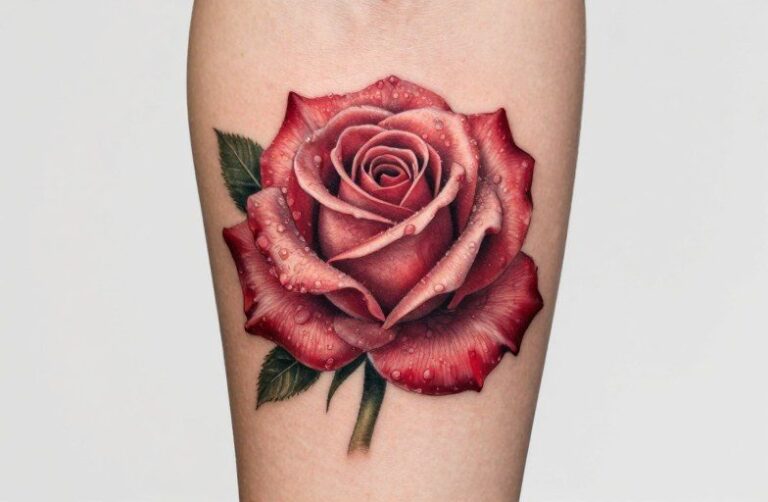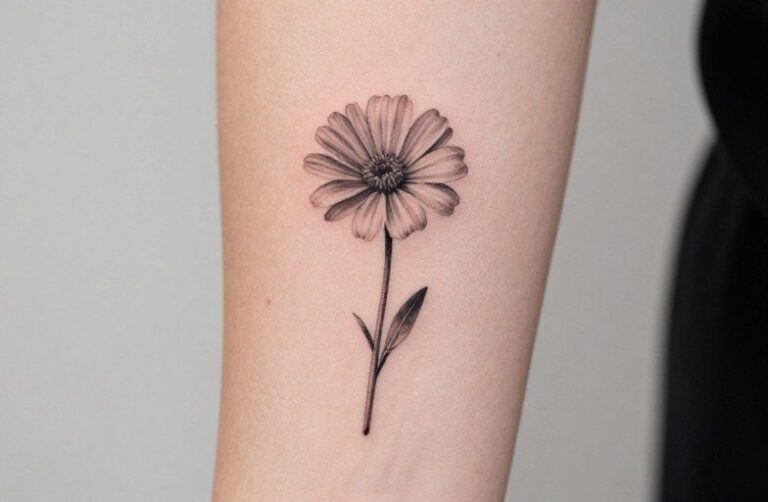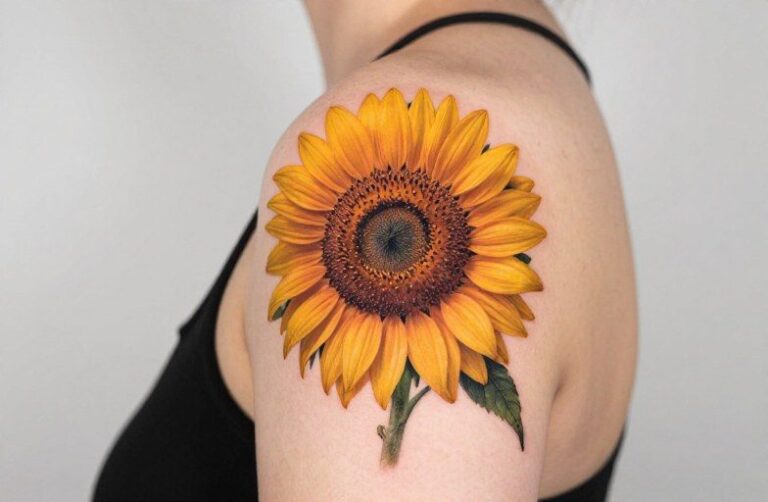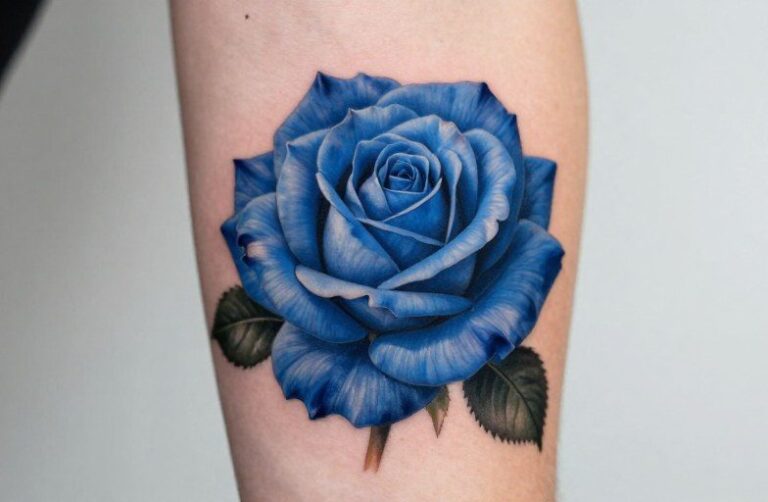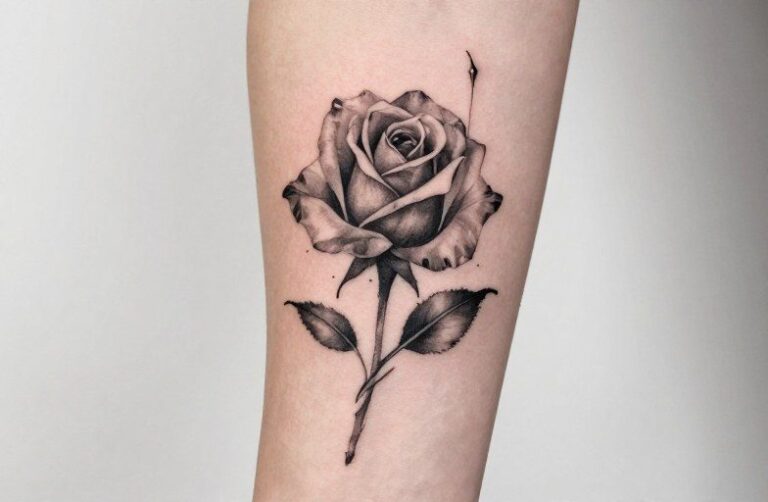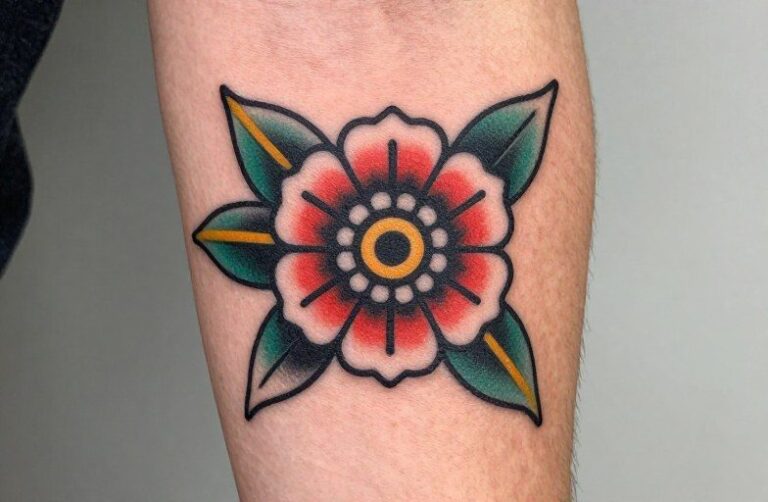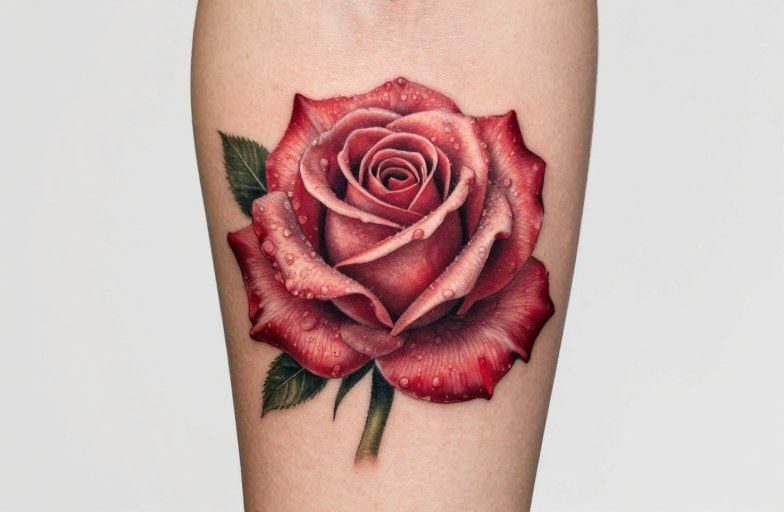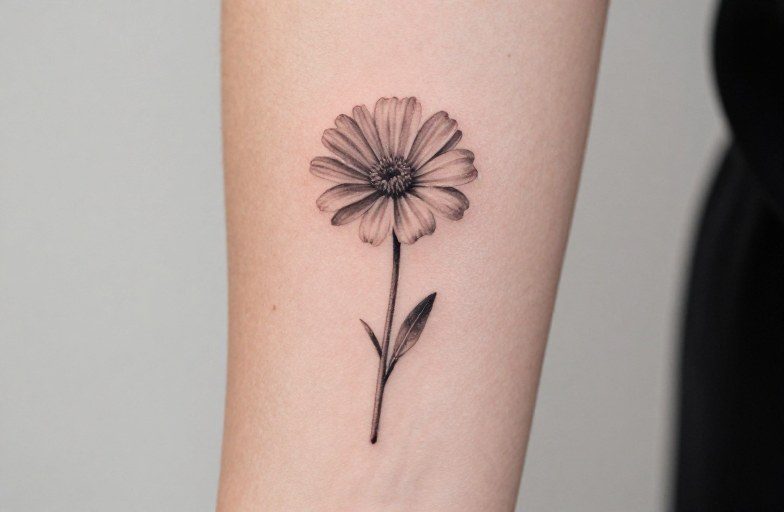
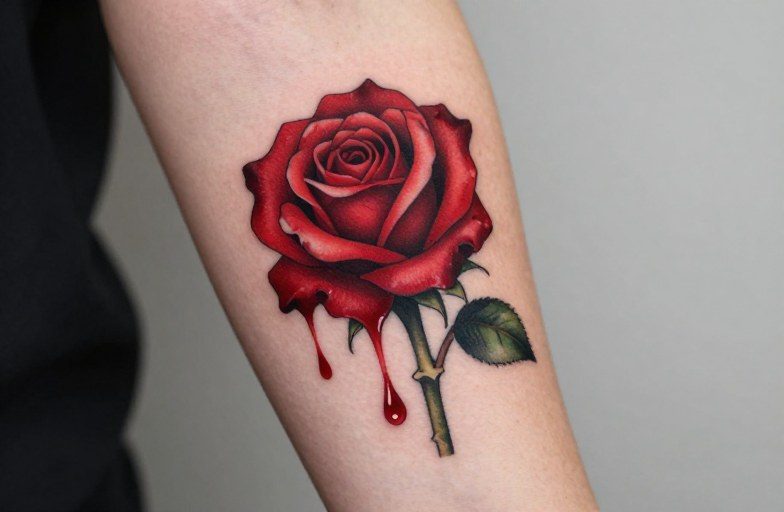
A bleeding rose tattoo typically represents love that hurts, romantic pain, sacrifice, or beauty surviving damage. The image combines the rose’s long association with passion and the visual shock of blood or liquid dripping from petals, creating a symbol that reads as both vulnerable and defiant. Most people choose it after heartbreak, during complicated relationships, or to mark survival through emotional wounds that did not kill their capacity to feel deeply.
Symbolism and Core Meaning
The bleeding rose operates on a simple visual paradox: something traditionally beautiful and delicate is shown as wounded or actively losing vitality. This contradiction is what gives the image its emotional weight.
Love and Loss as One Image
Roses carry centuries of association with romantic love, desire, and courtship. Adding blood or dripping liquid collapses that sweetness into something harder. The tattoo can signal that the wearer still believes in love but no longer expects it to be painless. It often marks specific losses, breakups, betrayals, deaths of partners, without using words or dates. The image does the mourning.
Related reading: bleeding heart flower tattoo | abstract rose tattoo meaning | red rose tattoo meaning | sketch rose tattoo meaning
Beauty Through Damage
Some interpretations lean toward resilience rather than tragedy. The rose is not dead; it is bleeding and still blooming. This reading appeals to people who have survived abuse, addiction, or mental health struggles and want to claim their scars as part of what makes them whole. The blood becomes evidence of endurance, not defeat.
- Red drips: passion, heartbreak, romantic wound
- Black drips: grief, depression, emotional toxicity
- Clear or water-like drips: tears, cleansing, moving through pain
- Gold or metallic drips: transformation, alchemy of suffering into value
Personal and Modern Meanings
Beyond the classic heartbreak reading, contemporary wearers attach more specific, sometimes darker meanings to this design.
Mental Health and Self-Harm Recovery
For some, the bleeding rose externalizes internal struggles without explicit self-harm imagery. It acknowledges pain that was once hidden, now visible and even aestheticized. This usage requires care. The tattoo should feel like claiming power, not glamorizing damage. Placement matters here: visible locations such as forearm or calf read as public declaration; covered spots such as ribs or thigh as private acknowledgment.
Relationship to Masculinity
The bleeding rose has become more common among men in recent years, partly through hip-hop and streetwear aesthetics that mix toughness with emotional display. For male wearers, it can complicate traditional masculinity, showing feeling without surrendering edge. The thorns stay sharp; the blood proves the flower was worth fighting for.
Placement and Practical Considerations
Where you put this tattoo changes how it is read and how well the design holds up over time.
Forearm
The most common placement. Offers enough flat surface for detail, stays visible for personal significance, and the vertical drip effect follows the arm’s natural line. Inner forearm shows to you; outer forearm shows to others. Choose based on whether this is private memory or public signal.
Chest and Over Heart
This placement intensifies the romantic meaning. It works well for larger pieces with stem and thorns wrapping toward the shoulder. Be aware that chest skin moves significantly with breathing and muscle flex. Fine lines blur faster here than on the forearm.
Thigh
Good scale, easy to cover, less sun exposure means slower fading. The curved surface can make symmetrical drips look distorted if the artist does not account for wrap-around.
Neck and Throat
Aggressive placement that reads as confrontation or warning. The bleeding rose here says you have been hurt and you remain dangerous. Job considerations are obvious.
Hand
Fast fading due to constant use and sun exposure. The small available space usually forces simplification that loses the drip detail. Generally not recommended unless you are committed to regular touch-ups.
Religious and Spiritual Angles
The bleeding rose carries specific weight in several spiritual traditions, though these connections are often adopted loosely rather than through strict doctrinal use.
Catholic and Marian Symbolism
The Rosa Mystica and related devotional images sometimes show roses with drops of blood, often linked to the Virgin Mary’s sorrows or the wounds of Christ. This is often linked to medieval mysticism where the rose represented divine love made incarnate, with blood signifying the cost of that love. Modern Catholic wearers sometimes use the bleeding rose as a less explicit alternative to crucifixion imagery, keeping religious devotion while avoiding the graphic intensity of a full Passion scene.
Occult and Alchemical Readings
In tarot and some hermetic traditions, the rose often appears in imagery related to balance, secrecy, or transformation. The bleeding variation sometimes gets adopted by practitioners working with themes of sacrifice, blood magic understood symbolically rather than literally, or the alchemical stage of nigredo, decomposition before renewal. These uses are less common but represent a distinct subculture of meaning.
How the Design Ages on Skin
This design has specific aging challenges that affect how you should plan it with your artist.
Drip Detail
Thin lines representing falling blood or liquid are the first to blur. What reads as a sharp droplet at year two becomes a smudge by year ten. Ask your artist to build drips with slight negative-space highlights rather than pure outline. This preserves the shape longer as lines spread.
Red Ink Considerations
The drips are usually red, and red pigments fade faster than black. Some reds, especially cheaper organic reds, can shift toward pink or orange. High-quality naphthol or quinacridone reds hold better. Expect the blood effect to soften significantly within five to seven years without touch-ups.
Shading Versus Line
A fully shaded rose with blood-red washes ages more gracefully than a line-drawing with isolated red drips. The integrated color approach lets the whole piece settle together rather than having crisp elements that blur at different rates.
White Highlights
Many bleeding rose designs use white ink for wet highlights on the drips. White fades fastest of all pigments and can yellow on some skin tones. Consider whether the immediate impact is worth the near-certainty of losing that effect.
Common Variations and Styles
The core concept adapts across tattoo traditions with different emotional results.
Traditional and Americana
Bold outlines, limited color palette, dagger through the rose with blood dripping from the cut. Reads as classic tough-guy heartbreak, often with banner lettering. The dagger adds explicit betrayal or self-destructive love to the meaning.
Black and Grey Realism
Photographic rose with subtle blood drops in dark red or even black. More somber, less dramatic. Often chosen for memorial pieces. The realism makes the damage look documentary rather than symbolic.
Neo-Traditional
Stylized but detailed, with decorative elements, jewels, chains, barbed wire, incorporating the drips into a more composed image. Allows for personal symbols without abandoning the readable rose form.
Trash Polka
Black and red splatter, geometric elements, the rose dissolving into abstract drips. High energy, chaotic, good for expressing ongoing turmoil rather than resolved narrative.
Minimalist and Linework
Single needle, small scale, just the rose outline with one or two simple drops. Deliberately fragile-looking. The understatement can feel more honest than theatrical gore, but the fine lines age poorly and the meaning depends heavily on viewer recognition.
What to Remember
The bleeding rose succeeds when it is specific to your experience rather than borrowed from trend. The image is common enough that without personal color choices, added elements, or meaningful placement, it risks becoming generic sad tattoo territory.
Consider what the liquid actually represents for you. Blood, tears, poison, something else. Communicate that to your artist. The difference between a dripping rose that resonates for decades and one you outgrow often lies in that specificity. A rose bleeding black ink instead of red, or melting rather than dripping, or growing from concrete with blood in the soil: these variations make the symbol yours.
Also be honest about your emotional state when you get it. A bleeding rose gotten during active grief may feel different once that grief shifts. This is not a reason to wait, but it is a reason to build in enough personal detail that the tattoo can carry multiple meanings as you change. The best ones do.
Finally, choose an artist who has done this design before or who shows you healed photos of similar work. The drip details are technically demanding, and a portfolio full of fresh photos only tells half the story. You want someone who understands how blood will look on skin in five years, not just five minutes.
Frequently Asked Questions
Does a bleeding rose tattoo always mean heartbreak?
No. While romantic pain is the most common reading, the design also serves for resilience, mental health recovery, religious devotion, and personal transformation. The meaning depends on what the wearer assigns to the liquid, blood, tears, poison, or something else entirely.
Do red ink drips fade faster than black linework?
Yes, generally. Red pigments fade faster than black, and cheaper organic reds can shift toward pink or orange. High-quality naphthol or quinacridone reds hold better, but expect significant softening within five to seven years without touch-ups.
Is the bleeding rose too common to be meaningful?
The design is popular, but that is only a problem if you choose a generic version without personal variation. Specific color choices, added elements, unusual placement, or custom liquid types, black ink instead of red, for example, make the symbol distinctively yours.