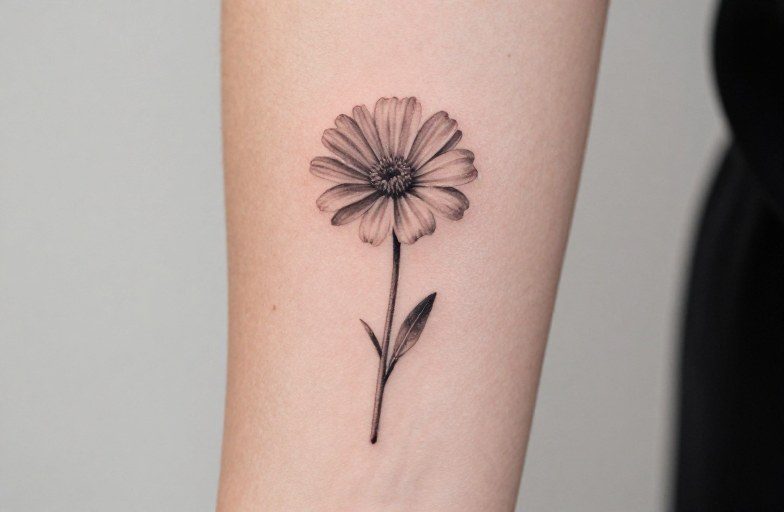
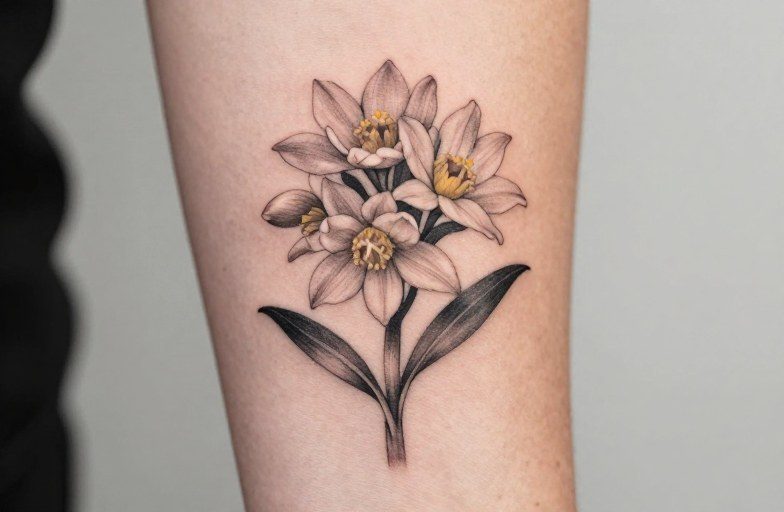
The edelweiss flower tattoo means endurance, rare devotion, and the kind of strength that doesn’t announce itself. Most people recognize it from The Sound of Music or Germanic folklore, but the tattoo carries weight beyond nostalgia. It suits someone who has survived something difficult, who values loyalty over flash, or who holds a private connection to mountain regions and the cultures shaped by them.
Who Chooses This Tattoo
Mountain-Born and Mountain-Drawn
People with alpine roots, Austrian, Bavarian, Swiss, Slovenian, often get edelweiss to mark where they come from. The flower grows above 5,000 feet on limestone cliffs, and harvesting it historically required dangerous climbs. That physical reality shapes the tattoo’s meaning: you don’t stumble upon edelweiss; you earn the sight of it. The tattoo functions as a permanent claim to that heritage without needing a flag or crest.
The Quiet Survivors
Beyond regional identity, this tattoo attracts people who have endured prolonged hardship, illness, isolation, grief, and don’t want a symbol that screams trauma. The edelweiss is small, white, unassuming. Its power lies in where it survives, not how it looks. That appeals to people who distrust loud symbolism and want something that reads gentle up close but carries geological weight in meaning.
- Hikers and climbers who’ve faced real alpine danger
- Descendants of Central European immigrants maintaining cultural thread
- People recovering from long-term illness who identify with slow, persistent growth
- Couples choosing matching pieces to signify devotion that withstands harsh conditions
Personal & Modern Meanings
Love That Endures Hardship
In modern tattoo culture, the edelweiss has become shorthand for love tested by difficulty. The flower’s folklore includes young men risking falls to gather it as proof of devotion. Translated to skin, that narrative fits long-distance relationships, partnerships that survived financial or health crises, or love that formed in unlikely circumstances. The meaning stays personal because the flower itself isn’t romantic in a conventional sense, no red petals, no soft curves. It’s star-shaped and woolly, almost defensive. That visual texture matters when inked.
Feminist Reclamation
Some women choose edelweiss to reclaim a symbol once collected by men as trophies. The flower’s actual biology is fierce: dense hairs protect it from UV and frost at altitude. A woman wearing it on her own terms, especially on upper arm, ribcage, or thigh, reframes the narrative from “prize won” to “self-possessed resilience.” This interpretation has grown in European tattoo scenes over the past decade, though it remains less common than heritage or endurance readings.
Religious & Spiritual Angles
Catholic and Alpine Piety
The edelweiss often linked to Catholic devotion in alpine regions, where its star shape connected to the Virgin Mary. Some trace it to 19th-century religious processions where the flower decorated shrines. For tattoo purposes, this creates a subtle devotional option: less explicit than a cross or Mary portrait, but readable to those familiar with the tradition. The eight to ten petals (technically bracts, not true petals) can echo the star that guided the Magi in folk interpretation.
Secular Spirituality
Outside organized religion, the edelweiss functions as a symbol of finding the sacred in harsh or lonely places. Mountain spirituality, whether Buddhist, pantheist, or simply nature-focused, aligns with the flower’s habitat. The tattoo works for people whose spiritual practice involves solitude, physical exertion, or attention to small, overlooked life. It doesn’t require doctrinal belief, just the experience of meaning emerging from difficulty rather than comfort.
Similar & Related Symbols
Edelweiss sits in a cluster of alpine and endurance symbols that tattoo collectors sometimes confuse or combine:
- Gentian: Blue alpine flower, less known in tattoo culture but sometimes paired with edelweiss for color contrast; represents bitterness that heals
- Edelweiss and edelweiss: Some confuse the flower with the Austrian military insignia (a stylized version worn on caps since 1907); the tattoo usually references the living plant, not the military badge, though veterans may intentionally blur this
- Mountain outline + edelweiss: Common combination that anchors the flower geographically; best executed with the flower in foreground detail and peaks in background silhouette
- Edelweiss and clock/compass: Represents time tested or direction found through hardship; popular among people who got tattoos after major life transitions
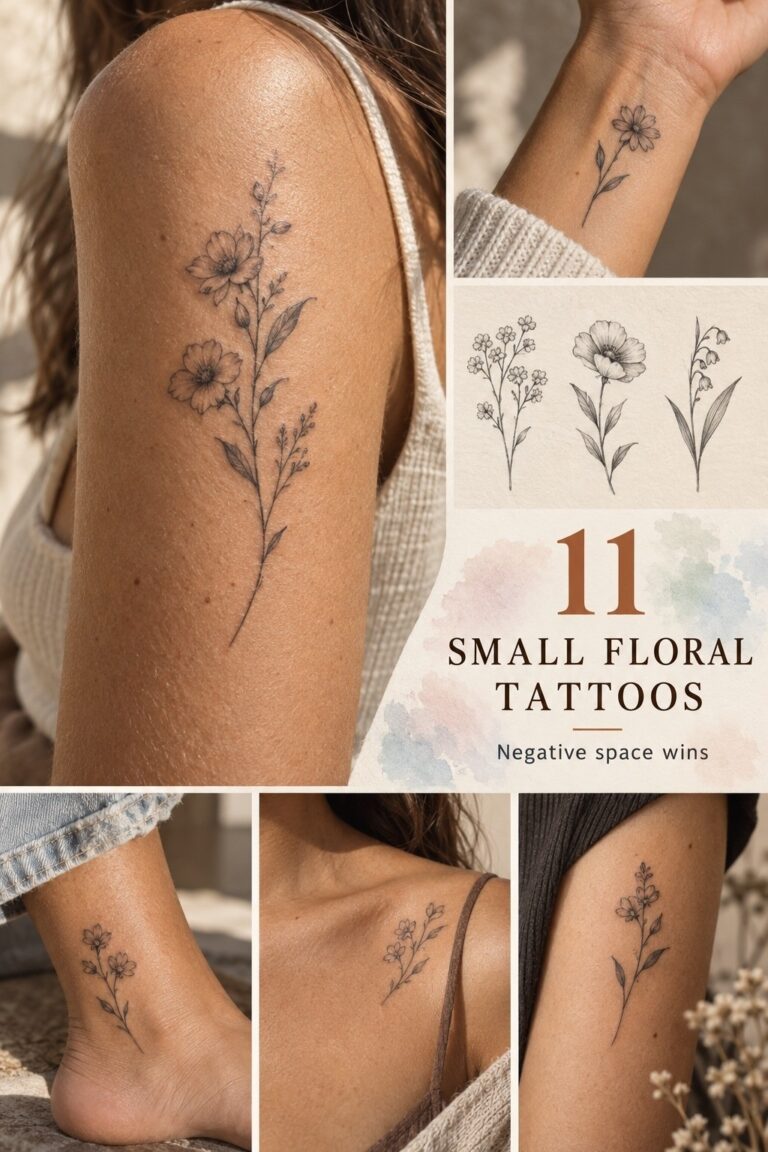
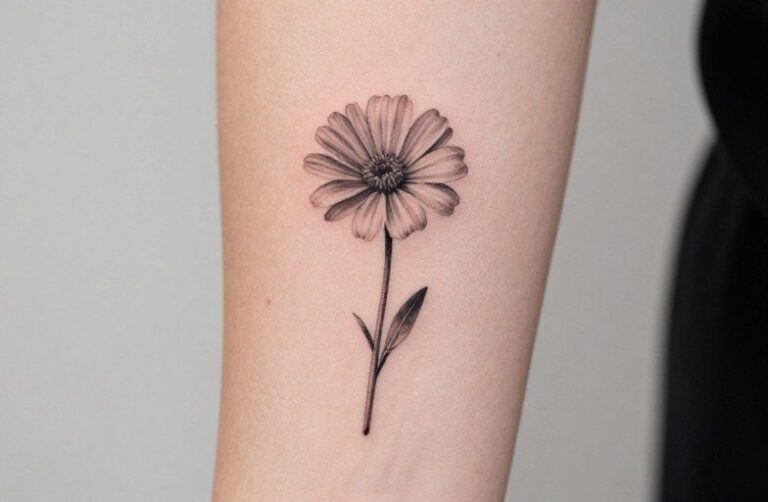
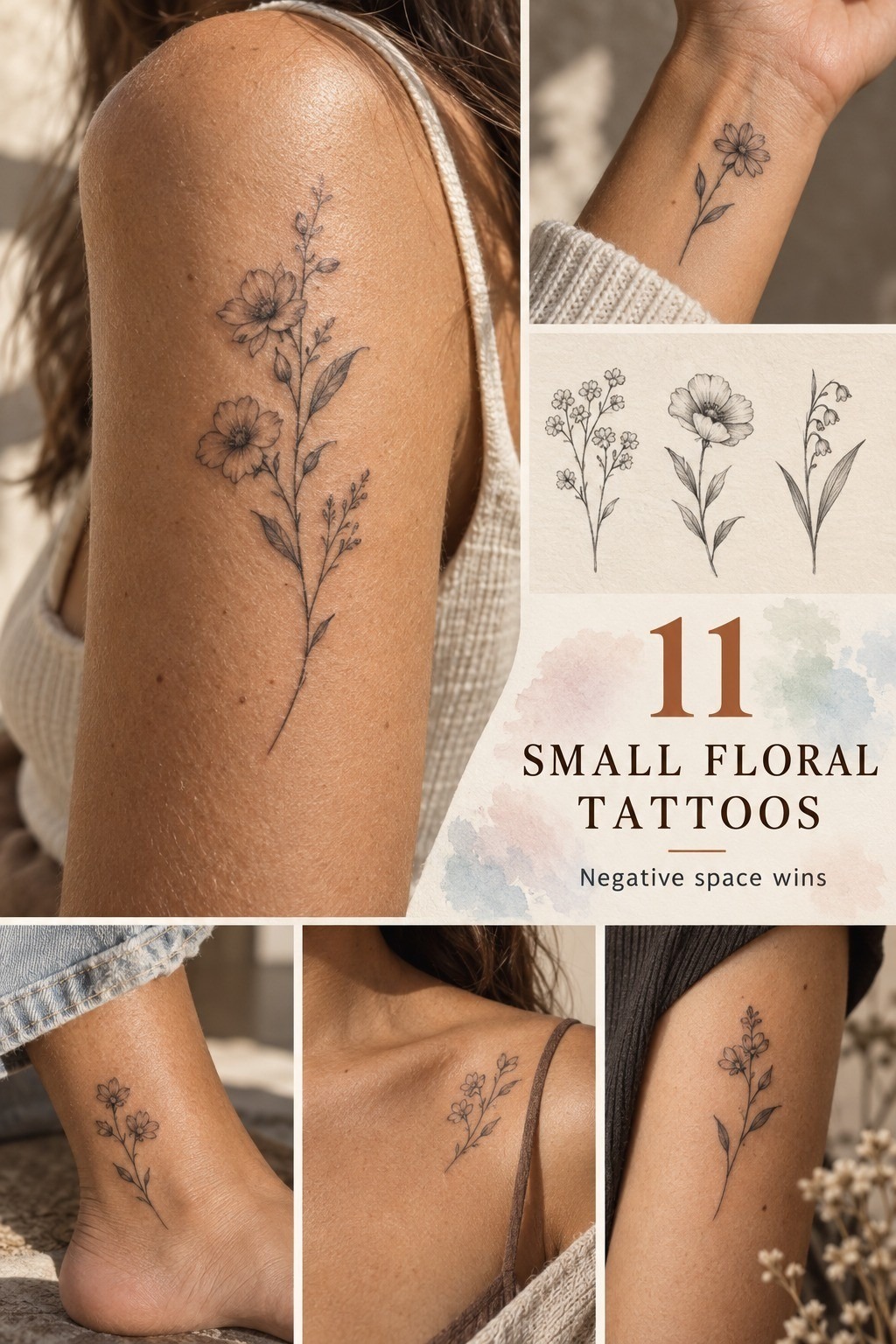
Line work versus shading changes the feel significantly. Fine single-needle lines capture the flower’s delicate structure but risk fading on high-movement areas like wrists or ankles. Soft black-and-grey shading emphasizes the woolly texture and ages better on shoulders or upper backs. Color is rare, most edelweiss tattoos stay black or grey, with occasional subtle yellow-green at the center. Bright white ink rarely holds; artists typically leave negative space for the “white” petals, which yellows slightly over time but maintains readability.
History & Cultural Roots
From Folk Symbol to National Emblem
The edelweiss gained symbolic weight in the 19th century as alpine tourism romanticized mountain culture. Before that, it was a regional curiosity, sometimes used medicinally for stomach ailments. The 1850s-1900s saw it become associated with purity, courage, and homeland, meanings that nationalist movements later exploited. The flower appeared on Austrian and German military insignia, which complicates its history. Modern tattoo wearers generally separate the botanical symbol from these political uses, but awareness matters, especially for pieces with traditional Germanic styling.
The Sound of Music Effect
Post-1965, global recognition spiked due to the film’s song “Edelweiss,” written by Rodgers and Hammerstein. For many Americans, this is the only reference point. The tattoo then carries layered meaning: the film’s anti-Nazi subtext (the song functions as resistance anthem in context), plus personal associations with family, childhood, or musical connection. This American interpretation often diverges from European wearers’ more place-based understanding.
Best Placements
Where Detail Survives
The edelweiss is small, typically 2-4 centimeters in nature, so tattoo scale matters. Too large, and the woolly texture looks blown out; too small, and the central star shape blurs into a blob over time. Ideal size ranges from 1.5 to 3 inches for single flowers, 4-6 inches for compositions with leaves or mountain backgrounds.
- Upper outer arm: Classic placement, visible but not aggressive, enough flat skin for clean detail
- Behind the ear or side of neck: Intimate scale, requires simplified design; best with bold line work rather than fine shading
- Ribcage: Painful but private; suits the “hidden strength” narrative many wearers want
- Ankle or top of foot: Popular among women, but ink fades faster here due to friction and thin skin; expect touch-ups
- Upper back, between shoulder blades: Accommodates detailed shading, ages well with sun protection
Healing Reality
The fine hairs and small petals mean lots of needle passes in compact areas. Expect slightly longer healing than simpler designs, 2-3 weeks for surface healing, 6-8 weeks for full settling. The woolly texture’s detail is vulnerable to scabbing; following aftercare precisely matters more than with bold, simple pieces. White highlights (if used) often drop out partially, so experienced artists plan for this by building contrast through grey wash rather than relying on white ink alone.
The Bottom Line
The edelweiss flower tattoo works best for people who want meaning without performance. It doesn’t read as tough, trendy, or obviously sentimental to casual observers. That ambiguity is the point. Whether marking alpine heritage, love that survived pressure, or personal endurance, the symbol gains power from its biological reality: a small, unglamorous thing that persists where little else can. Choose an artist who understands botanical structure, petal count, central cluster, leaf shape, because generic flower templates destroy the specificity that makes this tattoo matter. Get it where you can protect it from sun, and let it age into the quiet, weathered thing it represents.
Frequently Asked Questions
Does an edelweiss tattoo have to be black and grey?
No, but most are. The real flower is white with yellow-green center, so color attempts often look muddy. Black and grey with negative space for “white” petals ages better and stays readable longer.
Is the edelweiss tattoo connected to military or nationalist symbolism?
The flower appeared on Austrian and German military insignia historically, but most modern wearers choose it for botanical, regional, or personal reasons. If you’re concerned, avoid traditional Germanic styling or eagle imagery in the composition.
How small can an edelweiss tattoo be before it loses detail?
Below 1.5 inches, the central star shape and woolly texture blur together. For single-needle fine line work, 2 inches minimum is safer. Simplified versions with bolder outlines can go slightly smaller.
What’s the difference between edelweiss and gentian tattoos?
Edelweiss is white, star-shaped, and symbolizes endurance and devotion. Gentian is blue, trumpet-shaped, and represents healing through bitterness. They’re sometimes paired but carry distinct meanings and visual structures.