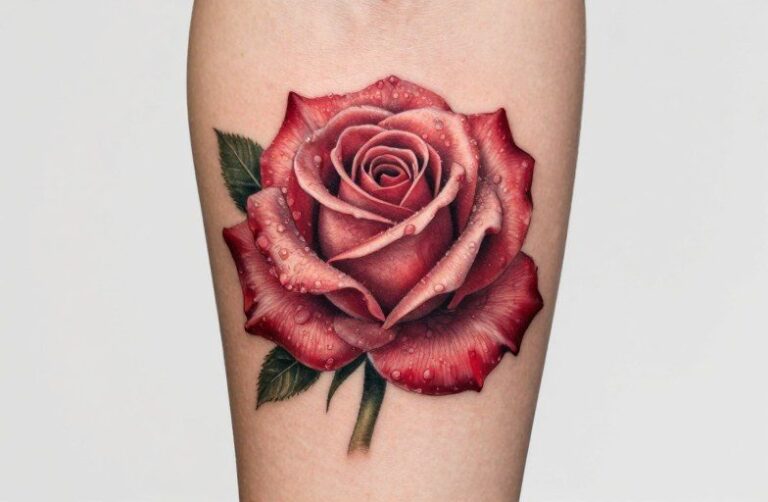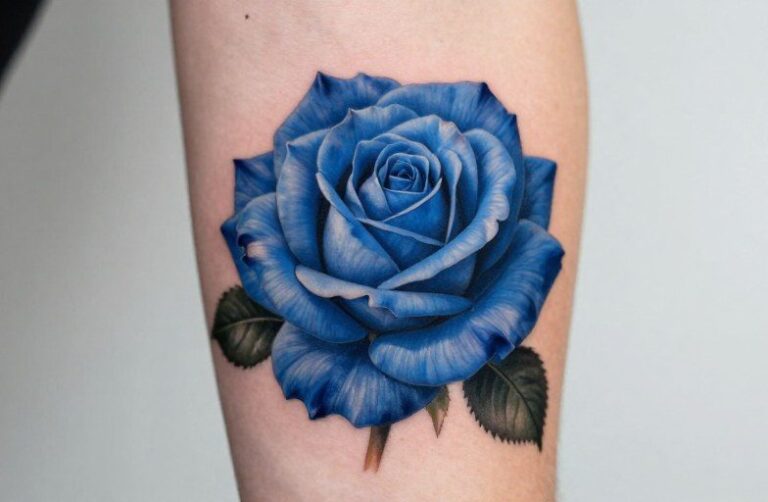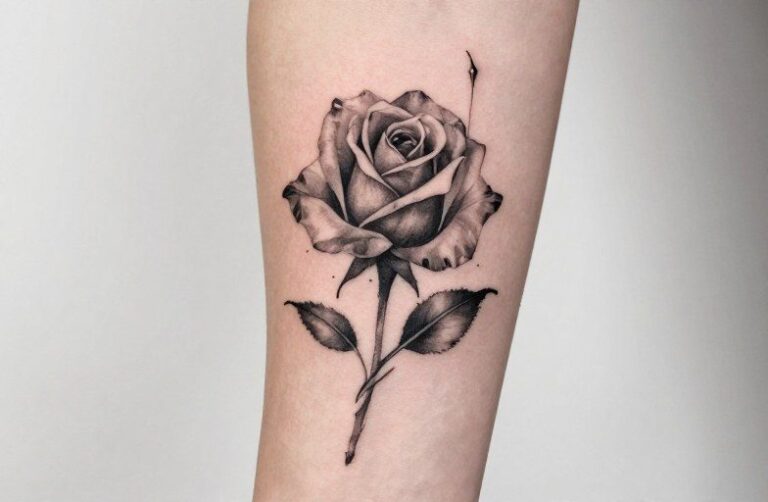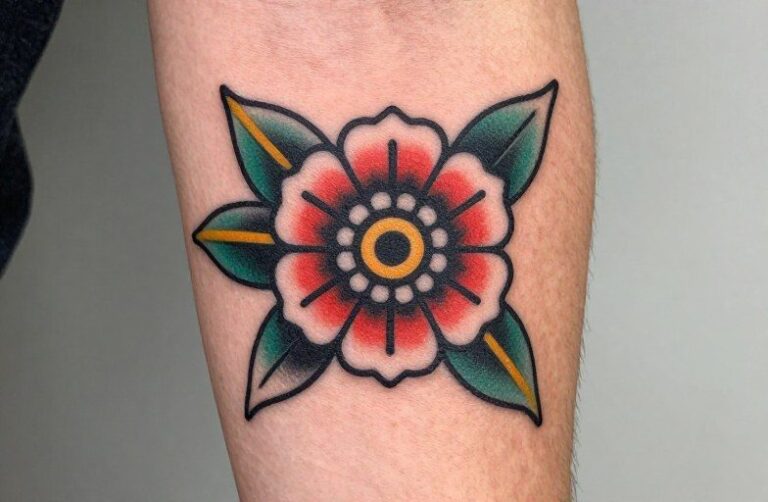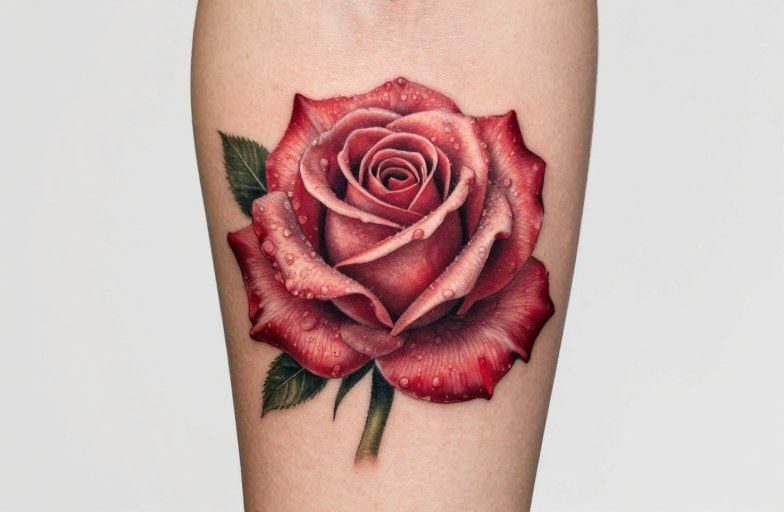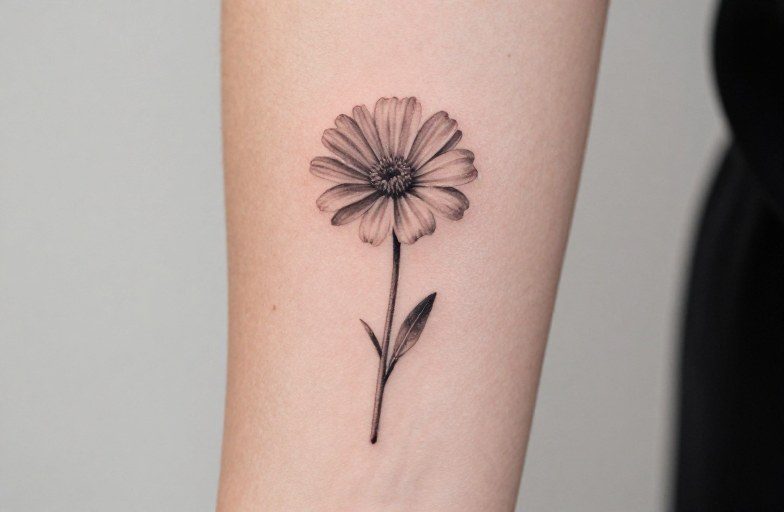
A money rose tattoo folds currency, usually dollar bills shaped into petals, into the classic form of a rose. The meaning centers on the pursuit of wealth, the work required to build it, and the truth that both money and beauty fade. Some wear it as a symbol of ambition; others use it to comment on materialism, loss, or the trade-offs of chasing financial security.
Symbolism and Core Meaning
The Double Edge of Wealth
The rose carries layered meaning: beauty, passion, and the thorns that guard it. When those petals become crisp bills, the symbolism sharpens. Attraction and danger intertwine. The money rose can celebrate financial success or warn against its costs, time sacrificed, relationships strained, health traded. That tension is what makes the design land harder than a straightforward cash stack or a simple flower.
The Grind and the Turning Point
For many, this tattoo marks a shift in life. Coming from little, building something, the difficult years compressed into an image. The rose form softens the aggression of money imagery; it suggests the wearer earned what they have. In some interpretations, the blooming stage matters. A tight bud signals potential wealth ahead, while a fully opened money rose claims the victory already achieved.
Common Variations and Styles
Realism and Graphic Treatments
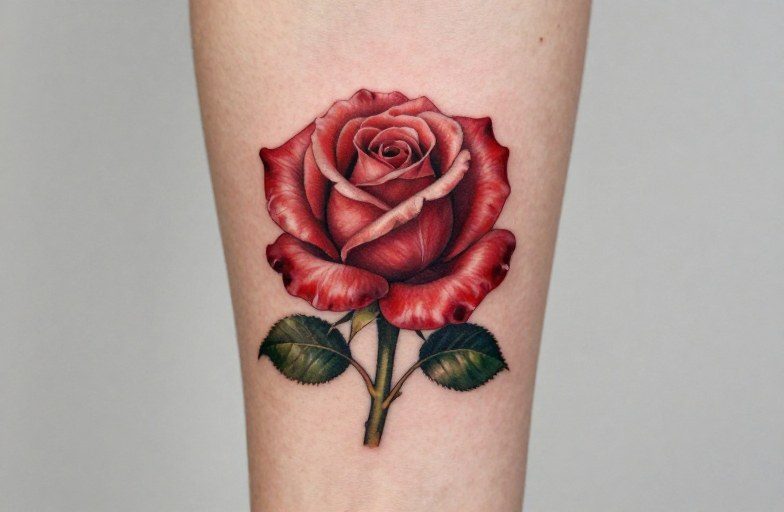
Photorealistic money roses dominate in black-and-grey work, with individual bill textures visible, serial numbers half-readable, the creases where paper folds into petals catching light like actual currency. These demand space, forearm, thigh, upper back, to read properly. Graphic or neo-traditional versions simplify the bill patterns into bold shapes, trading detail for immediate impact. Color choices split: some artists use green ink for the bills, others keep everything monochrome to avoid the tattoo looking like novelty merchandise.
- Single stem versus bouquet: One money rose reads personal, focused; a cluster suggests abundance, maybe excess.
- With thorns: Emphasizes the pain or risk of the wealth chase.
- Dropping petals: Explicitly references loss, impermanence, money slipping away.
- Wrapped in a ribbon with words: Names, dates, or phrases like “root of all evil” or family names ground the abstract symbol.
Currency Choices
US dollars dominate American tattooing for obvious reasons, but euros, pounds, or yen appear when the wearer has specific geographic ties. Bitcoin and Ethereum roses have appeared in recent years, same concept, updated medium. The cryptocurrency versions tend toward more graphic, less realistic styling since there is no physical bill to replicate.
How It Ages on Skin
The Detail Problem
Money roses live or die by fine lines. The tiny text on bills, the subtle shading that makes paper look crisp rather than flat, these blur faster than bold traditional work. Over years, “ONE” becomes a blob, intricate scrollwork merges into grey wash. Placement matters enormously here. Inner bicep or ribcage, where skin stretches and compresses, accelerates the degradation. Outer forearm, calf, or upper chest hold detail longer because the skin moves less and sees less direct sun.
Healing and Long-Term Care
Fresh, this tattoo looks darkest; the bills almost read as real during the first month. As the top layer of skin heals over, brightness drops noticeably, that is normal, not your artist’s fault. The green ink, if used, tends to fade faster than black, sometimes shifting toward a muddy teal. Touch-ups every few years keep the money readable, but many wearers embrace the softening, preferring the aged look to the hyper-sharp fresh piece.
Design Tips and Pairings
Pairing a money rose with other symbols multiplies the meaning without cluttering the design. Clocks or hourglasses press the time-is-money theme. Skulls underneath the bloom turn it into a reminder of mortality, wealth will not save you. Hands holding the rose suggest the gift or burden of money, depending on grip tension. Snakes coiled through the stem add deception or protection.
For composition, the natural diagonal of a rose stem works with the body’s lines. Wrapping around a forearm, the stem can follow the muscle curve; on a thigh, the bloom sits well on the outer face with leaves trailing toward the knee. Backgrounds of smoke, shattered glass, or city skylines extend the urban, hustle-oriented reading without fighting the main image.
- Script placement: Below the bloom, following the stem line, works better than floating text nearby.
- Scale minimum: For readable bill detail, the rose head needs at least palm-sized diameter.
- Color strategy: Green ink for bills, red for a single accent petal or blood-drop thorn, limited color pops more than full rainbow.
Similar and Related Symbols
The Cash Stack and the Rose Alone
Plain money tattoos, stacks of bills, money bags, imagery of throwing cash, read more aggressively, less contemplative. The rose adds the beauty and pain dimension. Conversely, a traditional rose without money carries romance, memorial, or religious weight that the currency version deliberately overrides. The money rose occupies a middle space: not purely materialist, not purely sentimental.
Other Hybrid Symbols
Money butterflies, money trees, and money hearts follow the same logic of combining currency with organic forms. The butterfly emphasizes transformation; the tree, slow growth; the heart, love bought or love of money. Each hits different. The rose remains the most visually established and technically developed of these hybrids, with the most reference material for artists to draw from.
Religious and Spiritual Angles
Christian Tension
The “love of money is the root of all evil” verse from Timothy creates obvious friction with this tattoo. Some Christian wearers use the money rose as a personal warning, a visible reminder of temptation. The thorns connect to Christ’s crown, the blood sacrifice, the suffering that purifies. Others simply separate the symbol from scripture, treating it as cultural rather than spiritual. The rose itself carries Marian associations in Catholic tradition, purity, the rosary, making the money version a deliberate secularization or a complex personal statement about sacred and profane overlap.
Prosperity Gospel and Secular Hustle
Outside organized religion, the money rose aligns with visualization practices, the belief that focusing on wealth attracts it. This is symbolism as tool, not just decoration. The tattoo becomes a commitment device, a public declaration of intent. Whether that reads as empowerment or self-deception depends on the viewer, but the wearer’s intent is usually earnest. The rose form softens the greed accusation; it suggests the wearer wants beauty and growth alongside security, not pure accumulation.
What to Remember
A money rose tattoo works because it refuses single meaning. It can celebrate the grind, mourn what the grind cost, warn against obsession, or simply look sharp on skin. The technical demands are real, fine detail that wants to blur, color choices that age unevenly. Go bigger than you think you need, place it where skin stays stable, and choose an artist who has actually rendered folded paper before, not just flowers. The best money rose tattoos carry the tension they depict: beautiful, sharp, and complicated.
Frequently Asked Questions
Does a money rose tattoo always mean someone is materialistic?
Not necessarily. Many people get it to represent hard work, financial recovery, or the temporary nature of wealth. The rose element specifically adds layers about beauty and loss that pure money imagery lacks.
How much detail can actually stay sharp in a money rose over time?
Fine text and intricate scrollwork on the bills will soften over years. Plan for the long-term look, not just the fresh tattoo, and expect touch-ups if you want crisp detail maintained.
Is it better to get a money rose in color or black and grey?
Black and grey ages more predictably and avoids the green-to-muddy-teal shift that color sometimes produces. Green accents can work but require more maintenance to stay bold.
What should I look for in an artist for this specific design?
Find someone with strong realism skills who has photographed or rendered folded paper and fabric. The way light hits creased currency is its own challenge, separate from standard flower tattooing.