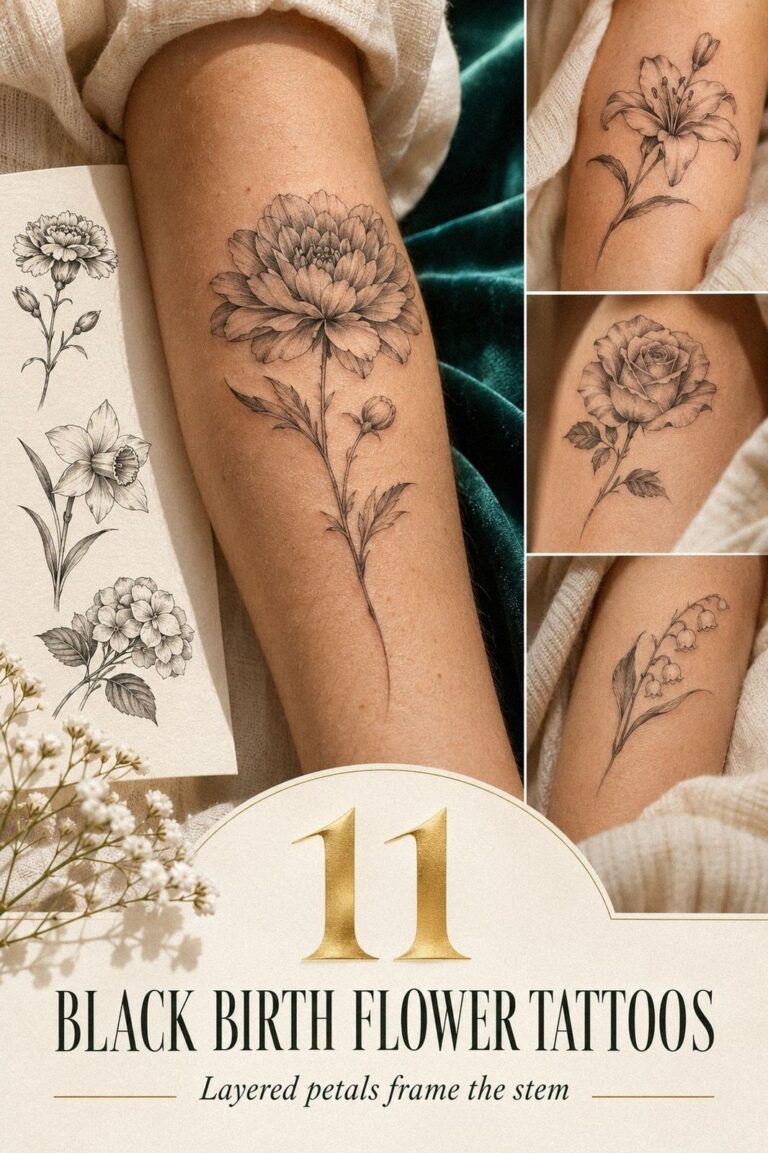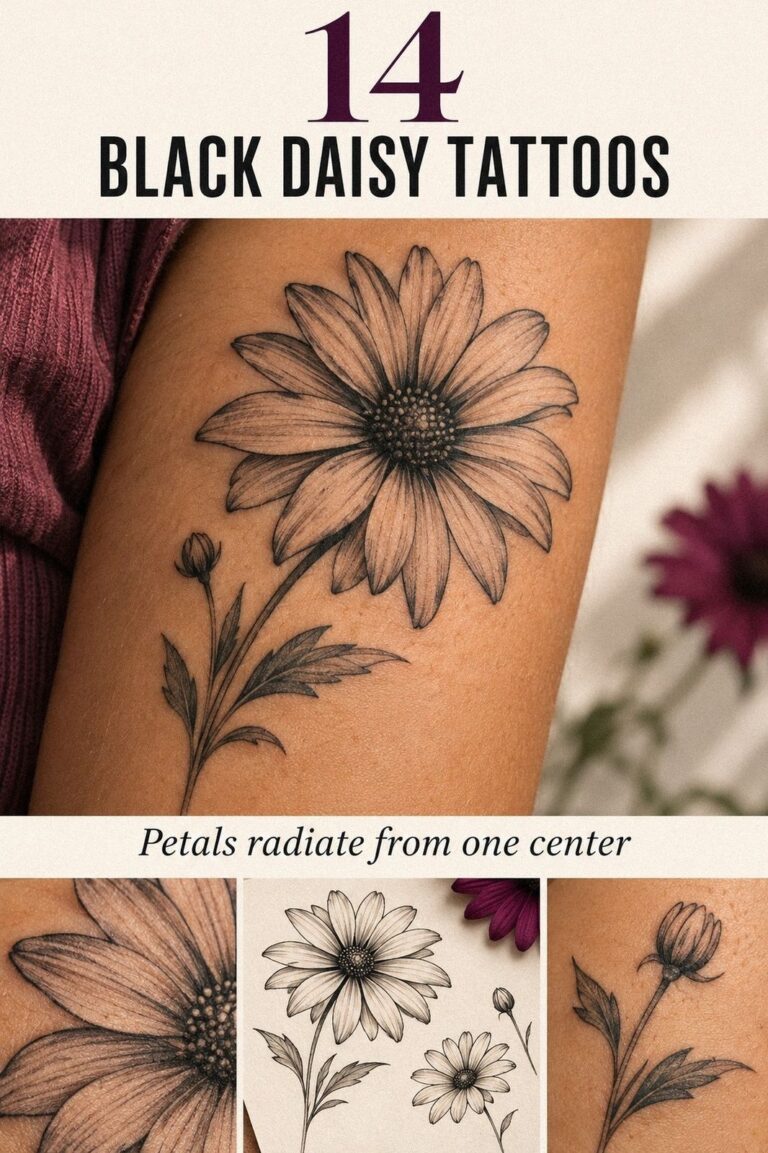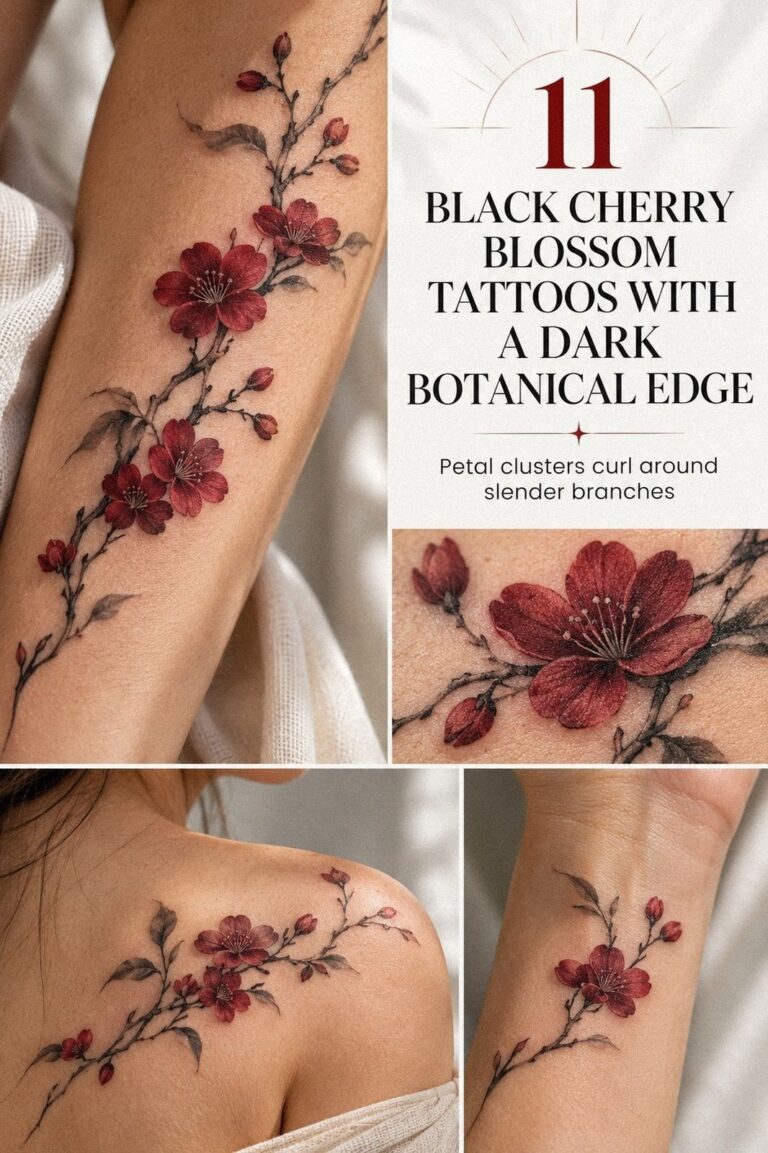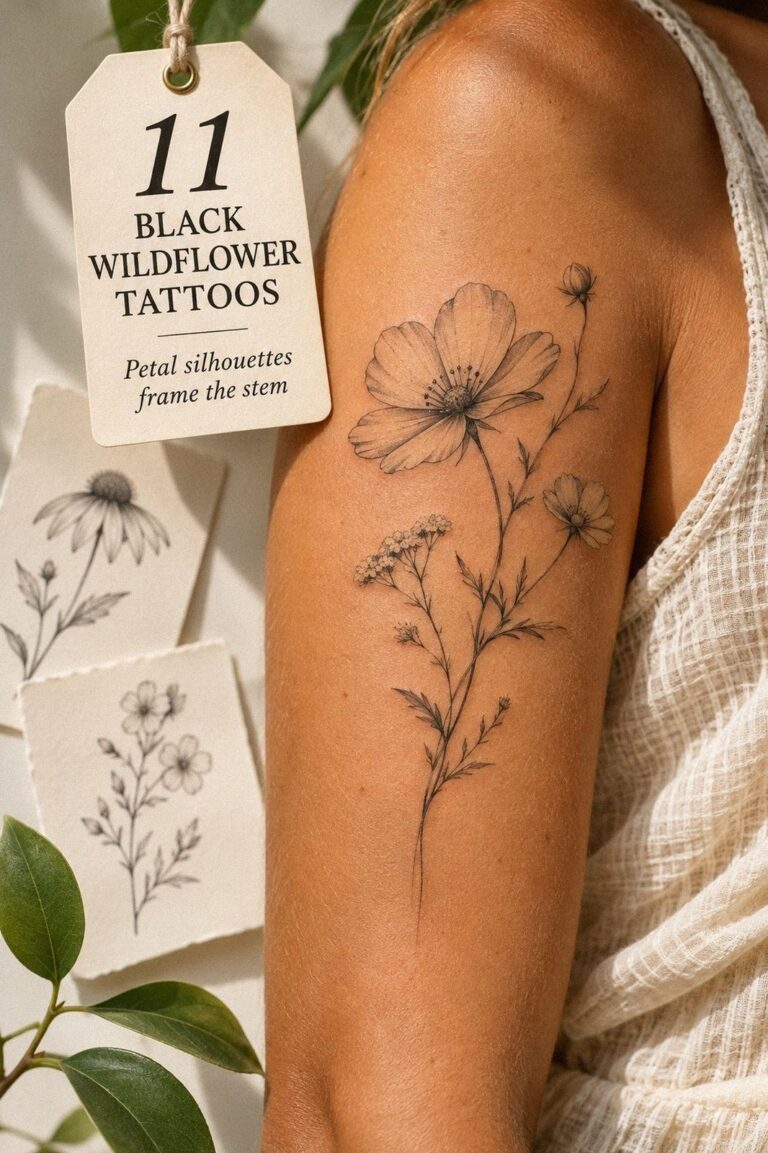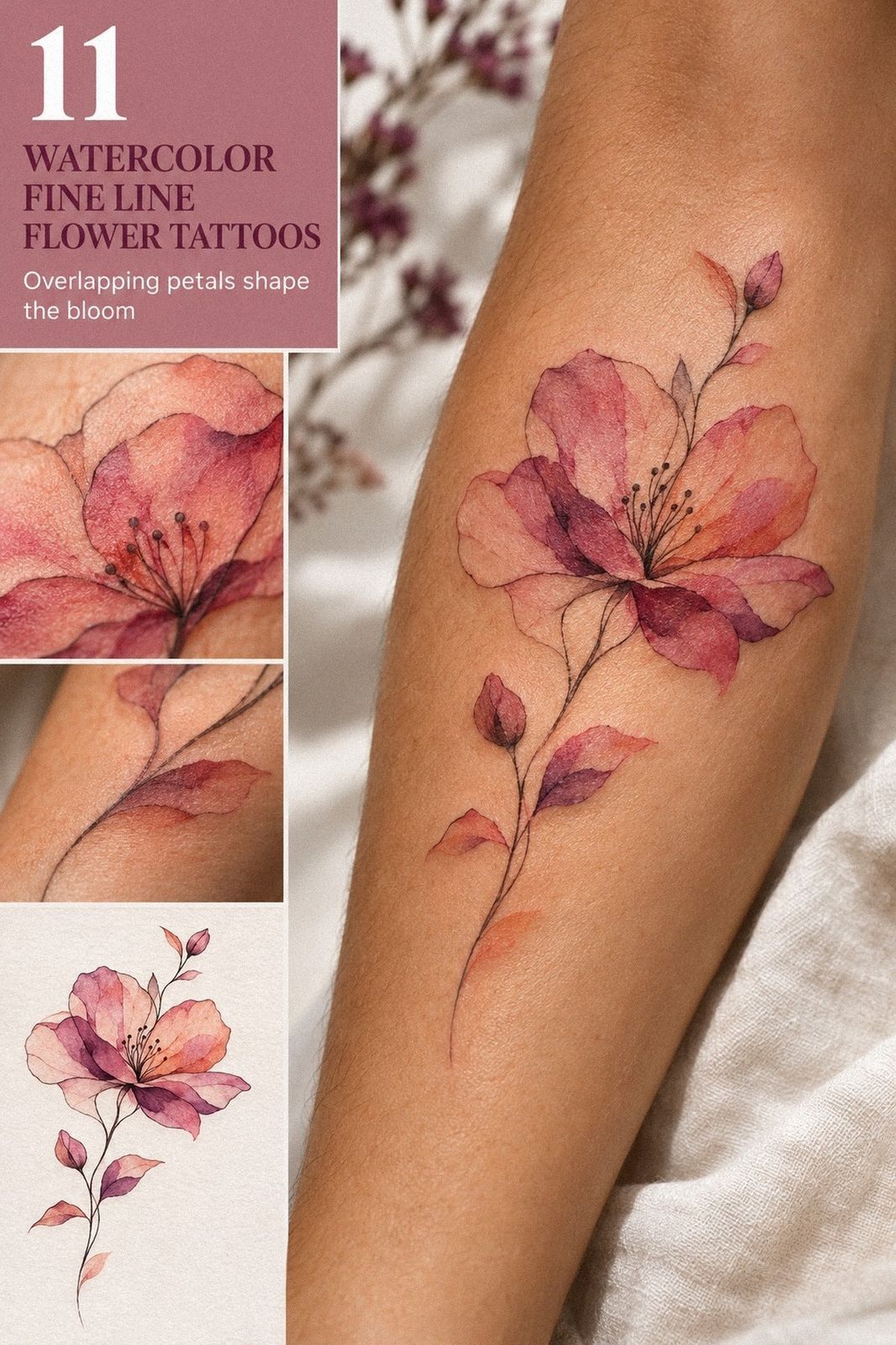
A watercolor fine line flower tattoo can be a meaningful first tattoo, but the drawing needs a plan before you book. I’ve learned that the hard part isn’t choosing a bloom. It’s balancing size, skin tone, placement, line weight, color, and healing. This guide walks you through 11 practical steps. Start small, but don’t think timidly!
- Start with a Small Watercolor Fine Line Flower Tattoo
- Pick Meaningful Blooms for Your Fine Line Tattoo
- What Watercolor Shades Complement Your Skin?
- Sketch Unique Petals with Crisp Fine Line Details
- Place Your Flower Tattoo Along Natural Body Curves
- Keep Delicate Linework Balanced with Color Washes
- Plan Symbolic Stems, Leaves, and Botanical Accents
- Match Watercolor Flower Ideas to Your Personal Style
- How Should You Think About Pain and Sensitive Placement?
- Protect Your Tattoo During the Healing Process
- Refresh Faded Watercolor Details with Careful Touchups
1Start with a Small Watercolor Fine Line Flower Tattoo

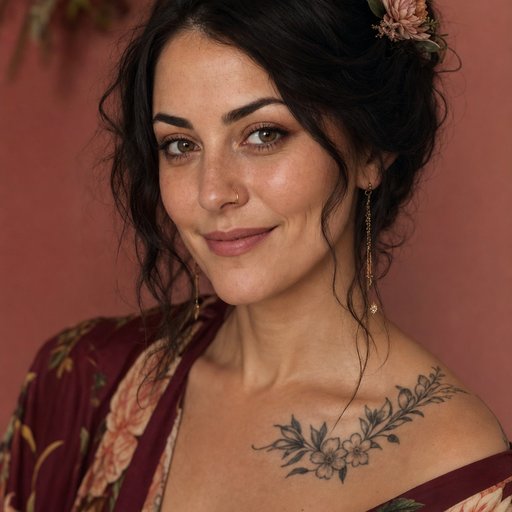
A small tattoo gives you room to learn what you like without committing your entire arm or back. For a first piece, I’d ask the artist to keep one flower, one stem, and a restrained watercolor wash. A single stemmed bloom on the upper back can look delicate and personal, especially with terracotta, stone, and olive tones that feel earthy but expressive.
I’d begin with a design that reads clearly from a few feet away. If the petals need a magnifying glass, you’ve gone too small. A clean stencil on transfer paper will show whether the flower still looks crisp before any ink touches your skin.
The size also affects cost. A compact design may fit a shop minimum, while added detail can push the price higher. Ask what the minimum includes, then decide whether the extra detail is worth it for your budget.
The Small-Scale Confidence Rule
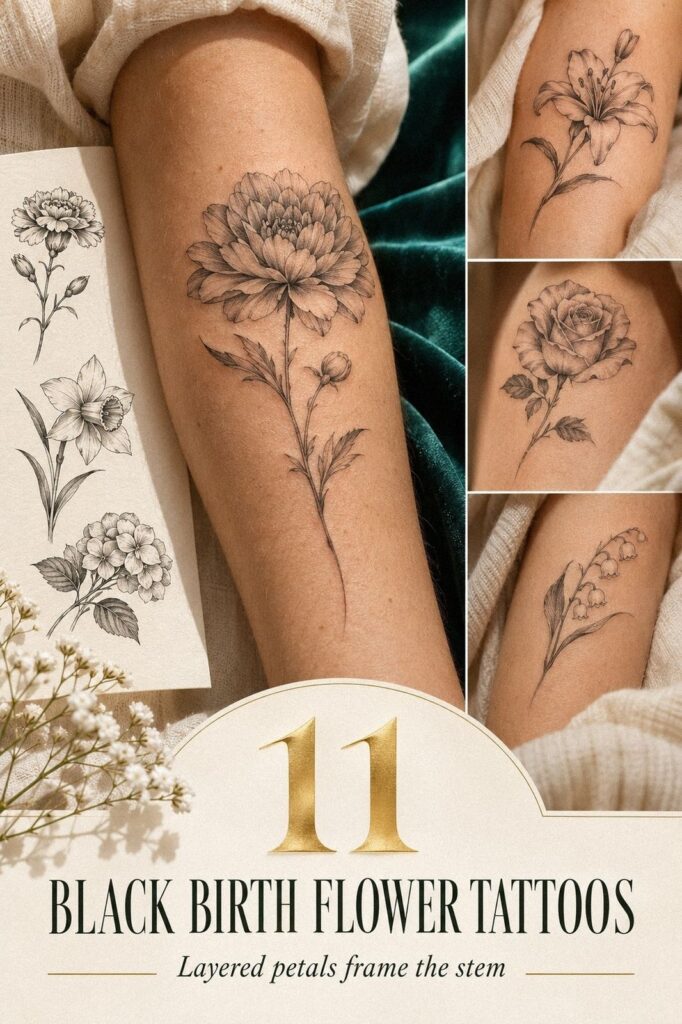
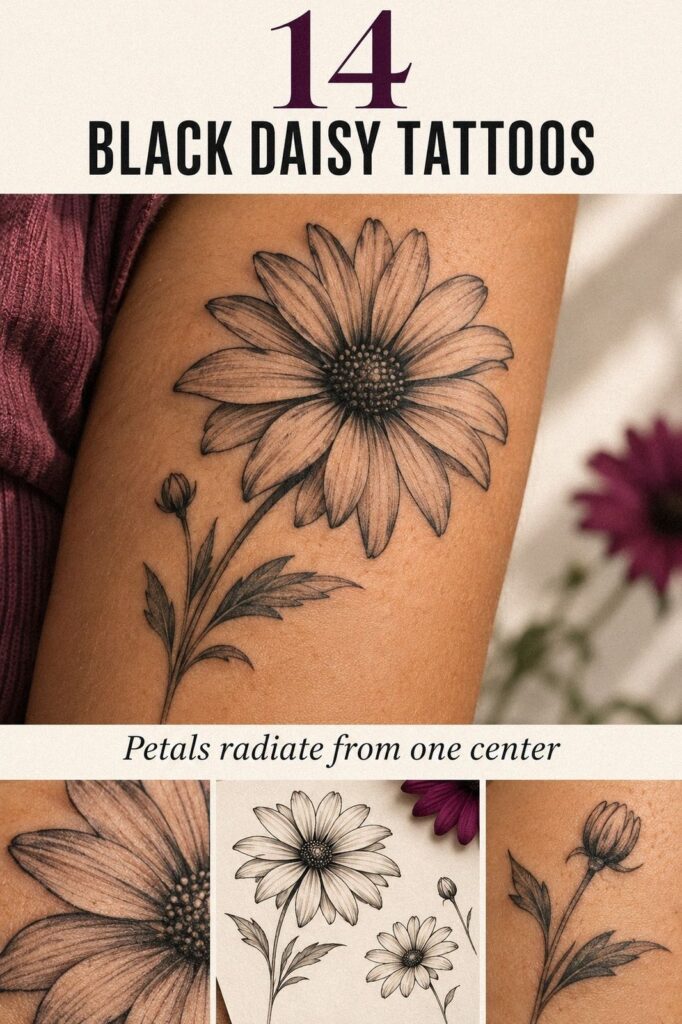
Your first design should have one dominant shape, not six competing details. A daisy, cosmos, poppy, or birth flower gives your eye an obvious center. You’ll get a more polished result if the fine line stays visible around the colored wash.
But small doesn’t mean generic. Ask for one personal change, such as a bent petal, a longer stem, or a leaf borrowed from a meaningful plant. Then compare your idea with small fine line flower tattoo examples before you save the final reference.
You can also review minimal flower tattoo references and mark the designs that still read clearly at a smaller scale. That comparison gives you better value than saving dozens of unrelated images.
2Pick Meaningful Blooms for Your Fine Line Tattoo

Choose the flower for its connection to you, not because a reference is popular. A bloom with clay, linen, or muted brass-inspired color notes can feel symbolic without becoming overly ornate. A rose may suggest love, while a marigold can feel vibrant, sacred, and celebratory.
3What Watercolor Shades Complement Your Skin?

Color should support the flower’s shape, not bury it. I’d choose the palette after considering your skin’s undertone, the line color, and how much contrast you want. A plum wash can feel striking, while softened rose and cool grey may look more understated.
On golden tan skin, plum, berry, rust, and deep violet can create a powerful focal point. On fair cool-pink skin, grey, rose, and softened mauve can look elegant without making the outline disappear. These are starting points, not rules.
The value is in seeing healed examples, not guessing from a screen. Ask the artist to explain which pigments tend to soften and whether the color plan fits your budget. A cheaper session is not automatically good value if the palette never had enough contrast.
A watercolor tattoo is not paint on paper. The skin remains part of the design, and the artist has to leave enough open space for the flower to breathe. That negative space can make a small tattoo feel more polished and timeless.

4Sketch Unique Petals with Crisp Fine Line Details

Petals create the personality of the flower. On golden tan skin, navy or softened charcoal lines can frame a watercolor bloom without making it look harsh. Ask your artist to sketch the petal edges first, then use small interior marks only where they clarify the curl or overlap.
I’d avoid copying every vein from a botanical illustration. At tattoo scale, too many lines can close up as the work ages. A few precise strokes from a sterile 3RL needle can suggest texture better than a dense network of tiny marks.
Your reference should show the flower from one clear angle. A side-facing bloom will give you a flowing silhouette, while a front-facing bloom feels more iconic and symmetrical. If you want a graceful but unusual shape, ask for one open petal and one folded petal.
The linework should still carry the design if the color becomes softer later. That’s why I’d choose crisp contours over decorative noise. You’ll get a more timeless result when every mark has a job, even if the finished flower feels ethereal and light.
For more examples, compare delicate fine line flower tattoo references with crisp botanical tattoo ideas. Look for spacing, not just pretty color.
5Place Your Flower Tattoo Along Natural Body Curves

Placement changes the drawing. A flash sheet may show several fine line flowers side by side, but your body needs only one position that follows its movement. Hold the paper reference against your upper arm, ribs, collarbone, or spine and check how the stencil placement follows your body.
The upper arm gives you a forgiving canvas and moderate visibility. The spine creates a sleek vertical path, while the collarbone makes the flower more visible but can feel sharper during the session. Your choice should match how often you want to see the tattoo, not only how striking it looks in a saved reference.
Ask how placement changes the session length and cost. A compact upper-arm piece may be easier to price than a detailed design that must follow a difficult curve. That conversation helps you protect your tattoo budget before the appointment.
The Curve-First Placement Rule
I’d place the stem before deciding the flower’s final tilt. A stem that follows the arm’s length can make a small tattoo appear more flowing, while a crosswise stem may fight the body’s shape. Ask your artist to move the stencil by small increments until the balance feels natural.
You can compare placements with delicate fine line flower tattoo references. But remember, your anatomy won’t match the model’s. A placement that looks understated on one person may feel edgy or highly visible on you, so take your time before approving the stencil.
I’d also review upper-arm flower tattoo examples and ask whether the stencil will remain readable when your arm moves. That small check can be worth it because placement affects both appearance and long-term value.
6Keep Delicate Linework Balanced with Color Washes

Deep ebony skin can carry a powerful watercolor flower, but the artist must plan contrast with care. Black linework, open skin, and saturated color need to cooperate. A wash of forest green or rust can create a rich focal point when the contour remains clear.
I’d ask to see healed tattoo work on a similar skin tone, not only fresh examples. Your artist may adjust the pigment choice, line weight, or spacing so the flower stays readable after the surface settles. That conversation is more useful than chasing a preset palette.
A worthwhile design gives each element a job. The line defines the shape, the wash adds mood, and the skin breaks keep the flower from becoming muddy. If the color does everything, the tattoo may lose its structure.
The Wash-to-Line Ratio
Think of the color as a soft field and the line as the map. If the wash spreads beyond every petal, the design can lose its crisp identity. If the line dominates every inch, the result may stop feeling watercolor-inspired.
Your artist can leave deliberate skin breaks between petals and use a darker center for structure. That balance often looks more polished than a fully filled bloom. For a darker, symbolic flower with clean edges, explore fine line flower tattoos for women and focus on spacing rather than gendered styling.
You can also compare meaningful flower tattoo compositions to see how open skin changes the mood. A minimal wash may feel elegant, while denser color can look bold and daring.
And don’t let anyone promise that every shade will appear the same on every complexion. Skin is part of the artwork. Your artist should explain what will remain vivid, what may soften, and how sun exposure can affect the result!
7Plan Symbolic Stems, Leaves, and Botanical Accents

The stem gives your flower direction, while leaves decide whether the design feels minimal or ornate. On a fair cool-pink upper arm, one narrow stem and two leaves can look dainty and polished. Dusty rose, charcoal, and a muted brass-like gold can add contrast without overwhelming the bloom.
I’d rather see one expressive leaf than five filler leaves. A leaf can point toward a scar, follow a muscle line, or mark a second person in the symbolism. Your design gains depth when each botanical accent has a reason to exist.
Use a pencil sketch or digital overlay to test whether the stem feels straight, curved, or slightly imperfect. A flowing stem may feel romantic, while a sharp bend can give the flower a fiercer edge. You’re not trying to make a botanical textbook plate.
For a more structured option, compare your idea with fine line flower crown tattoos. Then remove anything your own design doesn’t need. The most meaningful tattoo may be the one with enough empty skin around it to let the main bloom breathe.
8Match Watercolor Flower Ideas to Your Personal Style

Your existing style should influence the flower’s level of detail. Warm white, camel, and black accents can create a sleek, classic direction without forcing the design to look overly dramatic.
The Personal Contrast Test
Ask yourself whether you want the tattoo to blend into your style or interrupt it. A sleek black stem with a soft camel or warm-white wash feels understated.
A black flower with sharp leaves feels daring and more visible. Neither choice is more correct.
But don’t force a feminine or masculine style onto a flower if it doesn’t feel like you. A symbolic tattoo can be raw, sacred, elegant, or gritty depending on line weight and placement. For a wider range of references, browse unique watercolor fine line flower tattoo ideas and save only the images you’d still choose tomorrow.
You can also review personalized watercolor flower designs and ask what makes each one feel personal. Is it the petal shape, the color, the stem, or the negative space? Naming that detail will improve your consultation.
9How Should You Think About Pain and Sensitive Placement?
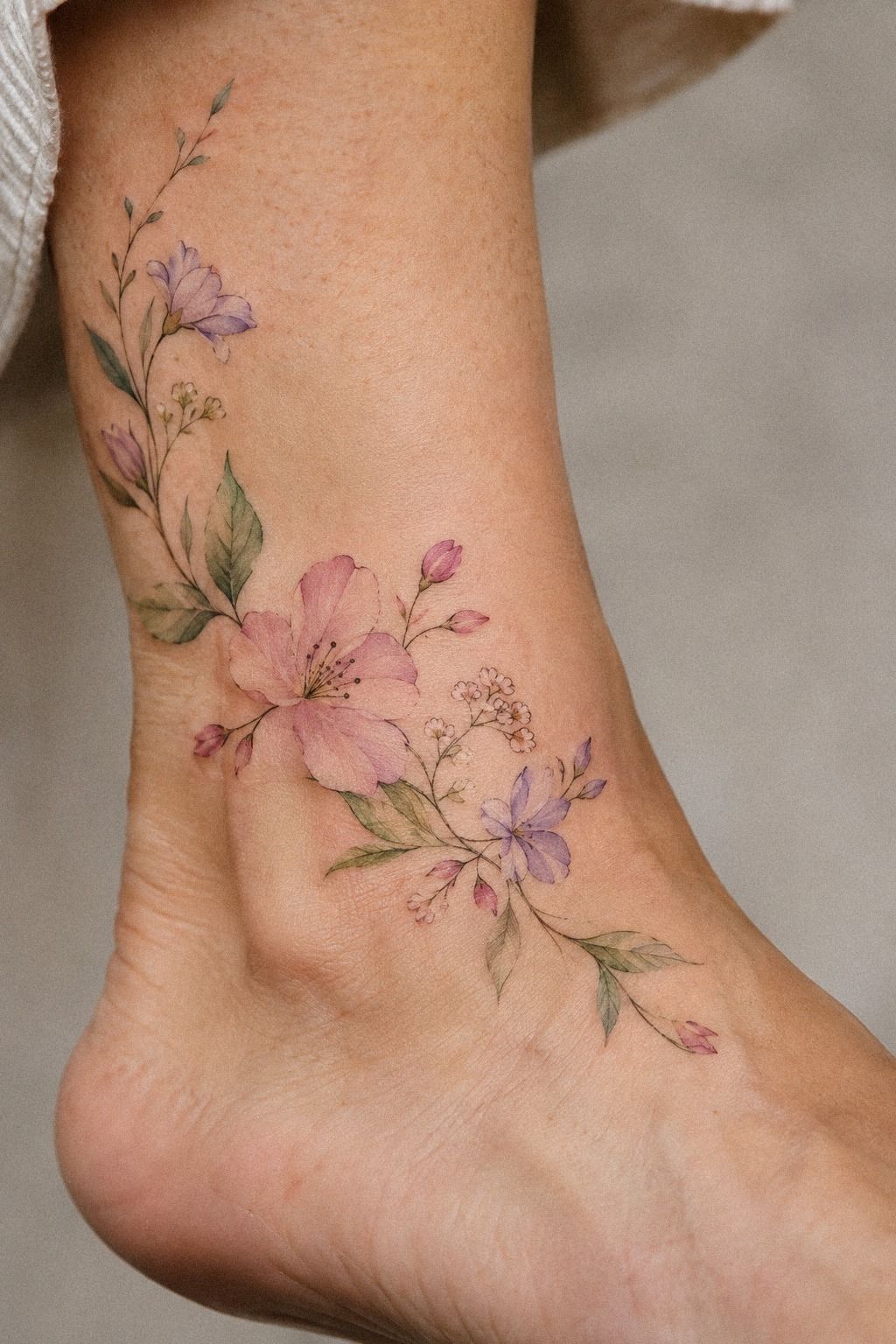
Pain varies by person, but placement gives you useful expectations. Ribs, feet, hands, sternum, and areas close to bone may feel sharper. The forearm, thigh, shoulder, and upper arm are often easier starting points, although everyone’s experience differs.
A small tattoo may take less time, but that doesn’t guarantee a painless session. Ask how long your design is likely to take and whether breaks are possible. If the appointment cost rises with time, you’ll also know what to expect from the final session price.
You don’t need to prove anything. A personal tattoo should feel empowering, not like a dare. If a different placement gives you better comfort and value, choose it.
That’s a useful test! If you feel pressured to ignore your limits because a placement looks edgy in a reference, pause before booking.
10Protect Your Tattoo During the Healing Process

Fresh tattoo care is part of the design process. The surface usually heals in about 2 to 3 weeks, while complete healing can take around 2 to 3 months. Your artist’s instructions should come first, especially if they use a protective film or a specific cleanser.
Wash gently with lukewarm water and a fragrance-free cleanser, then pat the area dry with a clean paper towel. Use a thin layer of plain moisturizer if your artist recommends it. You don’t need to suffocate the skin under a heavy coat of ointment.
Avoid direct sun and swimming while the surface heals. Scratching can pull at flakes, and picking can disturb the color before the skin settles. Your tattoo may look dull or uneven for a short period, which doesn’t automatically mean anything went wrong.
And keep progress notes about the stencil, healing, and settled color. A simple record can help you notice the normal shift from fresh saturation to settled color. For more delicate examples, compare delicate fine line flower tattoo styles while you wait.
You can also browse healed delicate flower tattoo examples to understand how soft color changes over time. Good aftercare protects the value of the work you already paid for.
11Refresh Faded Watercolor Details with Careful Touchups

Watercolor tattoos can soften with time, and very fine lines may spread slightly as the skin ages. A touchup can restore a faded accent, strengthen a weak contour, or refresh a color that no longer feels vibrant.
Before booking, ask whether the artist charges a touchup fee and how long they prefer you to wait after the first session. Some changes are normal settling, while others may need correction. A clear policy helps you plan the cost.
I wouldn’t rush into adding more color. First, inspect the healed silhouette and decide whether the original design still feels personal. Sometimes one crisp line or a small color adjustment gives better value than rebuilding the entire flower.
For another reference point, compare fine line flower tattoo styles and healed watercolor flower ideas before requesting changes. A thoughtful touchup should support the original concept, not erase it.
Why I Would Start with the Line Before the Color
I’ve seen people choose a watercolor tattoo by falling for the splash of color first. I understand it. A vibrant wash can make a small flower look expressive before you’ve thought about how the design will sit on your skin.
But I’d start with the line every time.
The line is the part that tells you whether the flower works. Cover the color in your reference with your hand and look only at the stem, petal shape, and negative space.
If the bloom still reads, you’ve got a strong foundation. If it becomes a vague blob, no amount of pink or blue will rescue the structure.
I learned this after saving a very ornate flower that looked impressive on paper but crowded the placement I wanted. The artist simplified three petals, removed two leaves, and kept one uneven edge.
I resisted at first. Then the stencil went on, and the smaller drawing looked more personal because it followed my body instead of competing with it.
I’m also cautious about promises that fine line always stays razor-sharp. Skin changes.
Sun changes it faster. A thoughtful artist will explain that very fine lines can widen and that open spacing gives the tattoo more room to age.
That honesty is empowering, not discouraging.
So choose the bloom, test the stencil, and inspect healed work before you chase color. Your first tattoo doesn’t need to prove that you can tolerate pain or collect every trend.
It needs to feel like a clear decision. A symbolic flower with crisp structure and one strong wash will usually serve you better than a complicated design you chose in a rush.
What People Always Want to Know
How much does a watercolor fine line flower tattoo usually cost?
I’d expect a watercolor fine line flower tattoo to cost about $100 to $300 in the United States, although a shop minimum may be around $50 to $100 and hourly rates often fall near $100 to $250. The artist, region, size, placement, and color plan all affect the total.
Are watercolor fine line flower tattoos worth it for a first tattoo?
I think they can be worth it when the placement and size are realistic. A single bloom gives you clear structure without demanding a long session. Choose an artist with healed fine line work, and keep the design personal rather than chasing a fashionable reference.
How do I choose a tattoo artist for this design?
I’d choose an artist whose portfolio shows clean linework, healed results, and watercolor pieces on skin tones similar to yours. I’d also inspect studio hygiene and ask about stencil placement, pigment choices, aftercare, and the expected cost before paying a deposit.
How much do watercolor fine line flower tattoos hurt?
I’d expect pain to vary by your threshold and the placement. Ribs, feet, hands, and sternum often feel more sensitive than the forearm, thigh, shoulder, or upper arm. A small flower may take less time, but thin skin and bone proximity can still feel sharp.
How long does a watercolor fine line flower tattoo take to heal?
I’d plan for about 2 to 3 weeks of surface healing and roughly 2 to 3 months for complete healing. I’d wash gently, moisturize only as advised, avoid picking, and protect the area from direct sun and swimming during the early stage.
What’s the best placement for a watercolor fine line flower tattoo?
I’d start by considering the forearm, upper arm, or shoulder because these areas offer readable space and are often more tolerable. The spine and collarbone can look sleek and visible, but I’d choose them only after testing the stencil on my own body.
Where I’d Start First
If I had to pick one step, I’d start with the stencil placement. Your artist can adjust the flower before the color makes the decision feel permanent, and a curve-following stem will help the design age with more grace.
Save the reference, compare small flower tattoo examples, test the stencil on your skin, and book only when the outline feels personal. A clear plan is worth it!