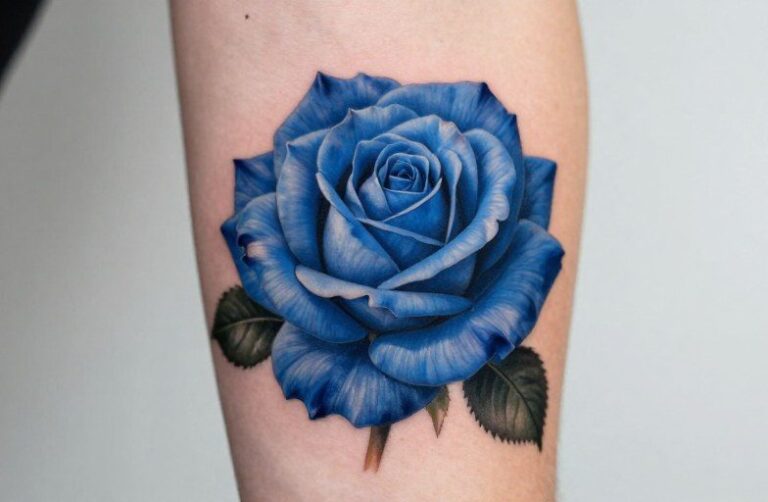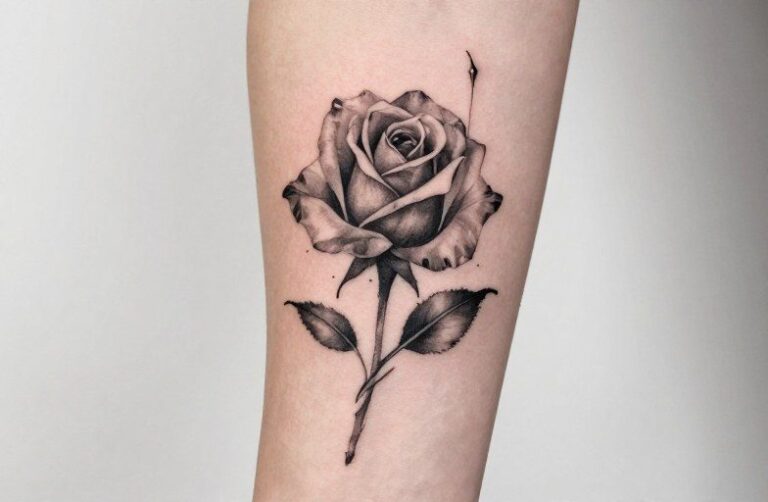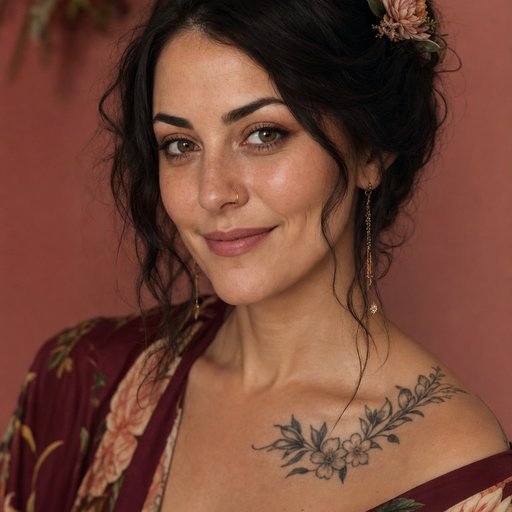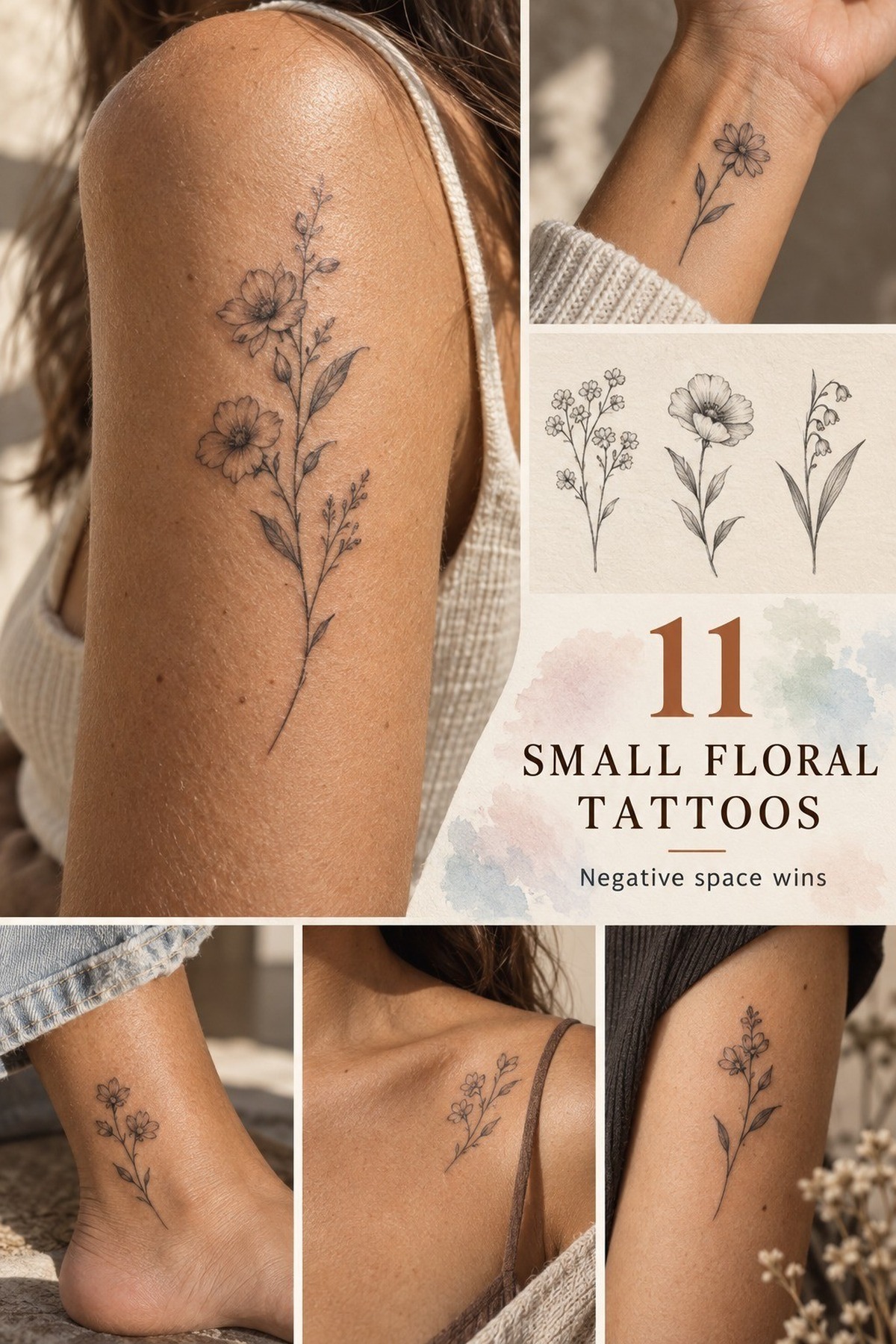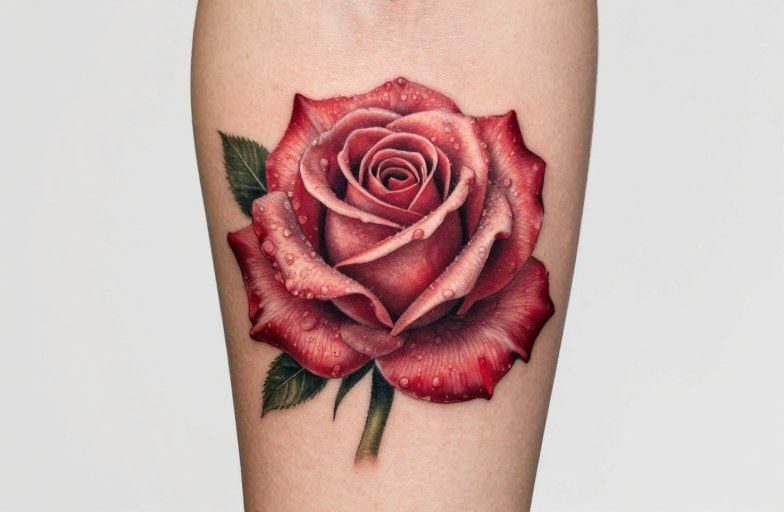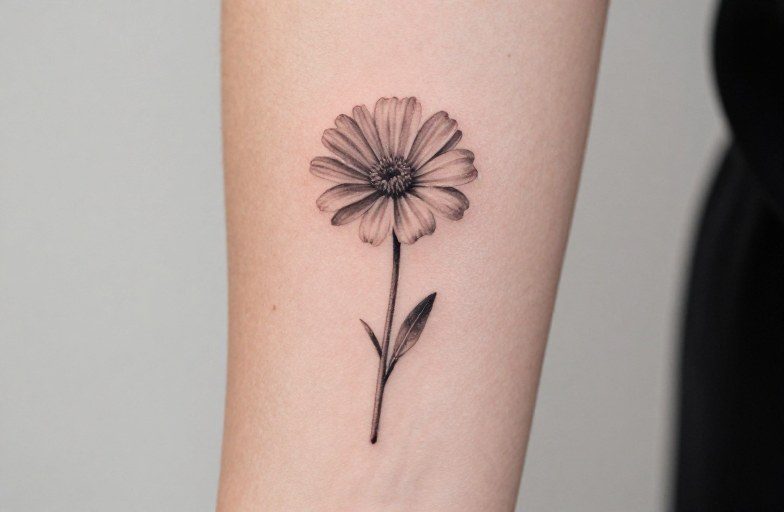
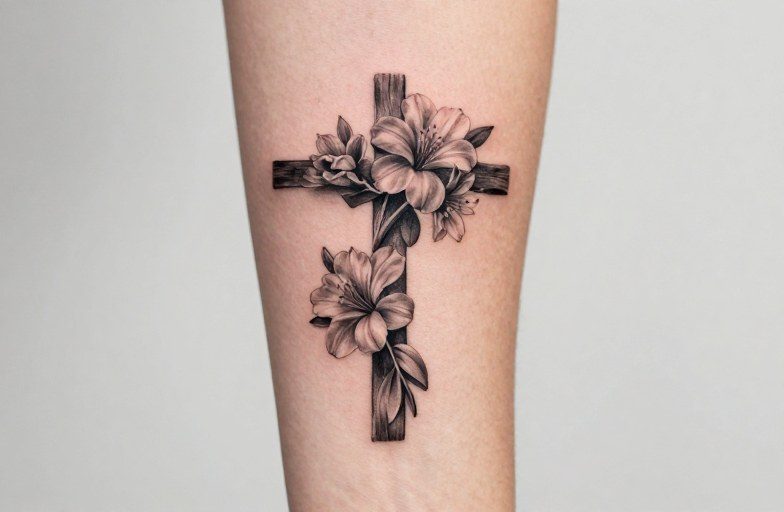
A faith tattoo with flowers merges two enduring visual languages: the written or symbolic declaration of belief, and the organic, fleeting beauty of blossoms. Together, they typically express trust in a higher power, gratitude for survival or transformation, or the tension between human fragility and spiritual endurance. The flowers chosen dramatically shift the specific reading, lilies lean toward purity and resurrection, while roses can signal sacrificial love or the blood of martyrs.
Symbolism & Core Meaning
The word “faith” itself functions as a commitment, a promise kept visible. Adding flowers complicates and enriches that statement. Petals soften the declaration; stems and roots ground it. The combination often speaks to belief that has been tested, flowers grow through dirt, after all, and bloom after dormancy.
What the Flowers Actually Change
Without botanical elements, a faith tattoo reads as straightforward conviction. With them, it becomes belief in process, in cycles, in something earned rather than inherited. Thorns acknowledge struggle. Wilted petals can honor loss survived. A bud rather than a full bloom suggests faith still unfolding. The pairing refuses to let belief look easy or static.
Common Interpretive Threads
- Trust despite uncertainty, faith as active choice, not settled fact
- Gratitude for recovery or survival, flowers as evidence of life after hardship
- Remembrance of someone whose belief sustained them
- Integration of body and spirit, organic matter carrying sacred language
Design Tips & Pairings
Placement and technical choices matter enormously for how this tattoo ages and reads. Script with flowers demands careful planning; competing focal points can muddle both.
Where It Sits Best
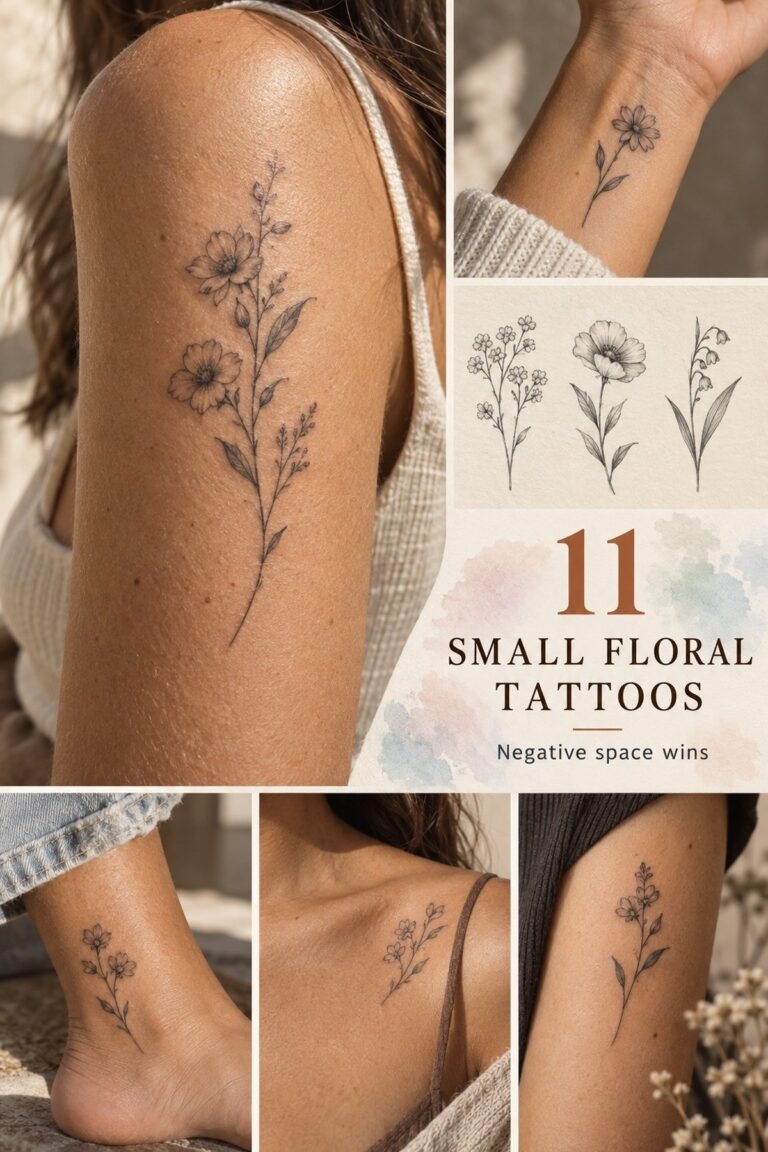
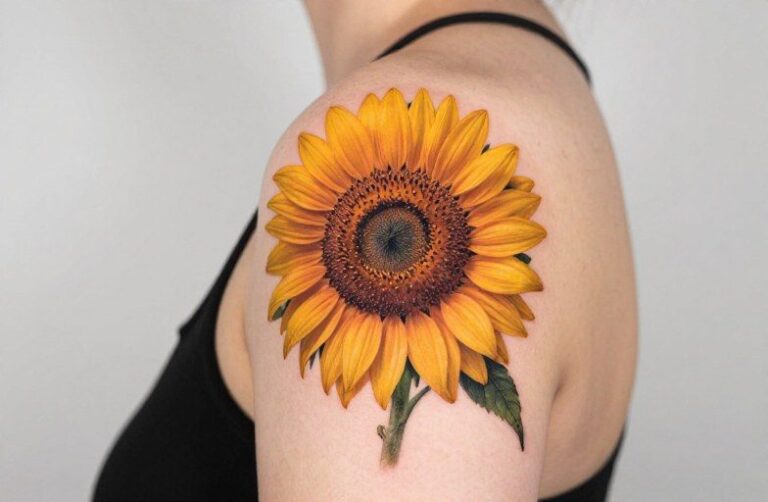
The forearm offers natural length for horizontal script with trailing stems. The ribs accommodate vertical arrangements where flowers frame or partially obscure lettering. Shoulder caps suit circular compositions, wreaths enclosing the word, or a single bloom breaking through a letter. Ankle and wrist placements tend to shrink the detail; small flowers there often blur into colored blobs within five to seven years unless kept bold and simple.
Technical Considerations
- Line weight: thicker outlines on script hold longer against flower shading that fades faster
- Color strategy: black and grey flowers with colored faith text, or vice versa, creates hierarchy
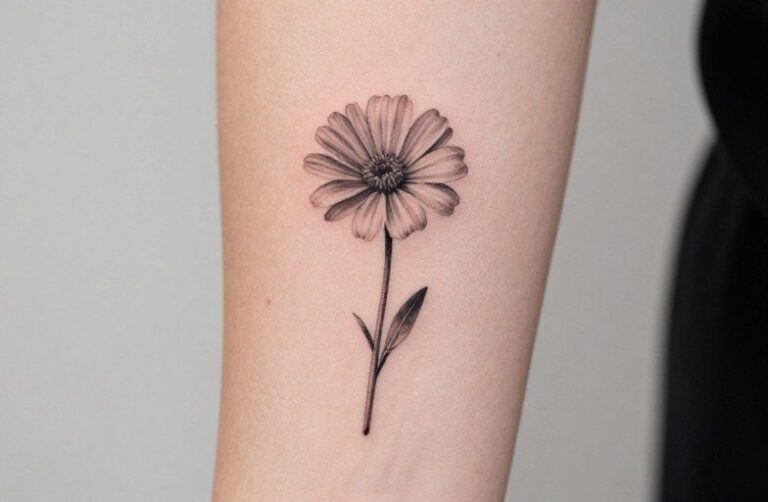
- Negative space: letting skin show through petals prevents muddy healing
- Font choice: flowing script pairs naturally with organic stems; block letters suit geometric floral arrangements
Shading around lettering requires particular care. Dense black behind text for readability can swallow delicate petals placed too close. Experienced artists usually establish the word first, then weave flowers around its established silhouette rather than layering both simultaneously.
History & Cultural Roots
The pairing of sacred text with botanical imagery has deep precedent, though exact origins resist neat attribution. Illuminated manuscripts from medieval Europe frequently surrounded psalms and prayers with marginalia of flowers, vines, and creatures, decoration that was never mere ornament but carried coded significance. A lily bordering the Annunciation scene signaled Mary’s purity; the enclosed garden motif represented her virginity.
Victorian flower language, or floriography, offered a secular parallel. Bouquets carried messages too improper or dangerous to write. Crossover with religious sentiment was common, a faith declaration paired with specific blooms allowed coded communication about the nature of that belief, its trials, its hopes. This layered reading persists in tattoo form today.
American Traditional Precedents
Sailor and military tattooing from the early-to-mid twentieth century often combined banners bearing names or virtues with roses or daggers. The format, scroll or ribbon with text, floral elements above and below, established a compositional template that contemporary faith-with-flowers pieces frequently echo, sometimes knowingly, often not.
Religious & Spiritual Angles
Christian contexts dominate much of this imagery, but the combination travels wider. The specific religious tradition shapes which flowers read as appropriate or heretical.
Christian Symbolism
The white lily, often linked to the resurrection, accompanies faith declarations in explicitly Christian pieces. The Passion flower, with its complex structure interpreted as Christ’s wounds and crown of thorns, offers dense symbolic loading. Dogwood blossoms, according to American folk tradition, carry the marks of crucifixion in their petal notches. These associations are commonly understood within the tradition but rarely universal outside it.
Beyond Christian Frameworks
Islamic aniconism generally discourages figurative representation, but calligraphic faith declarations, particularly in Arabic script, sometimes incorporate floral arabesques as geometric, non-representational decoration. Buddhist and Hindu contexts might pair lotus with mantras or sacred syllables; the lotus rising from mud to bloom parallels faith transcending worldly suffering. Jewish pieces occasionally combine Hebrew faith expressions with olive branches or pomegranates, referencing specific scriptural promises.
Secular wearers sometimes appropriate the form without doctrinal commitment, using “faith” in the broad sense of trust in process, in people, in oneself. This usage can provoke tension with religious audiences who see the word as specifically theistic, but the tattoo’s meaning ultimately belongs to its bearer.
Mythology & Folklore
Flowers carry mythic weight that shadows and deepens their religious associations. Understanding these layers adds dimension to design choices.
The rose’s connection to secrecy, sub rosa, under the rose, originates in Greek myth where Cupid gave a rose to Harpocrates, god of silence, to bribe him about divine indiscretions. Paired with faith, this suggests belief held privately, or secrets kept in trust. The lotus in Egyptian mythology emerged from the primordial waters, the sun itself born from its petals, a creation narrative that amplifies faith-as-origin stories.
Flowers of Death and Rebirth
- Marigolds: Mexican Day of the Dead tradition, guiding spirits with color and scent
- Hyacinth: Greek tragedy of accidental death, flower springing from blood, faith despite loss
- Narcissus: self-regard, but also in Chinese tradition, the flower of new year and new beginnings
- Poppy: sleep, death, but also remembrance and the persistence of life after war
These mythic resonances rarely operate consciously for most wearers, but they saturate cultural understanding. A poppy with faith touches wartime sacrifice whether intended or not.
Similar & Related Symbols
Understanding adjacent tattoo traditions helps clarify what faith-with-flowers specifically offers.
The cross with roses is older, more militantly Christian, less personal. The infinity symbol with flowers suggests eternal love or commitment, but lacks the active, uncertain quality of faith. Birds, particularly doves, with script offer peace and spirit, but less of the grounded, growing, seasonal quality that flowers provide. The anchor, classic symbol of hope, pairs with flowers less commonly; its nautical weight doesn’t suit botanical lightness.
Scripture citation tattoos, chapter and verse, function as proof-text, argument, authority. Faith with flowers is more experiential, less doctrinal. It testifies to a relationship rather than defending a proposition. The difference matters for placement and audience: verse tattoos invite debate; faith tattoos tend to disarm it.
Final Thoughts
A faith tattoo with flowers succeeds when the botanical choices are specific and meaningful, not decorative afterthought. The flowers should do symbolic work, acknowledging struggle, marking season, honoring particular loss or particular hope. Generic roses slapped beside generic script wastes what this combination can achieve.
Technical execution demands equal specificity. These pieces age unevenly: lettering holds, color fades, fine lines blur. Planning for that future state, choosing bold enough flowers, separated enough from text, with enough negative space to breathe, separates enduring work from regrettable impulse. The best faith-with-flowers tattoos look like they grew there, the word and the bloom emerging together from the same soil.
Frequently Asked Questions
What flowers pair best with a faith tattoo for someone who’s not religious?
Consider wildflowers, lavender, or sage, plants associated with resilience, calm, and natural cycles rather than doctrinal symbolism. The word ‘faith’ can mean trust in process, in people, or in yourself without theological baggage. Choose blooms that have personal significance from your own life or landscape.
Will the colors in flower tattoos fade faster than black faith text?
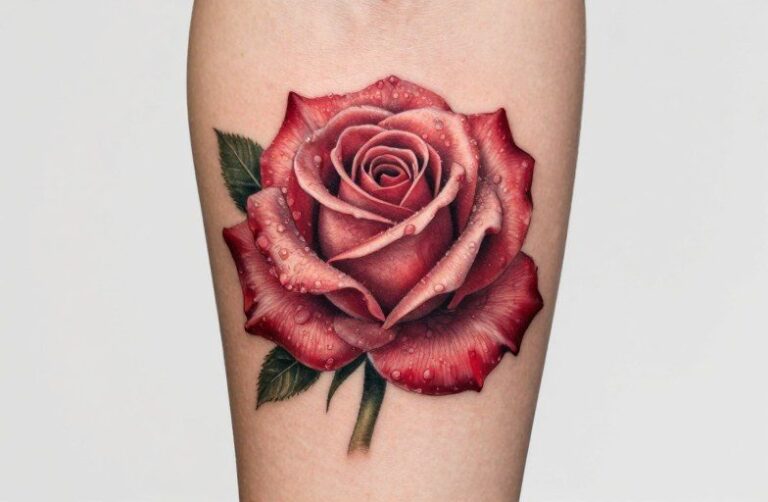
Yes. Reds, pinks, and yellows typically fade or shift within five to ten years, while black lettering remains relatively stable. Plan the composition so the text remains readable even as color softens, or commit to periodic touch-ups to maintain the original balance.
How much should I expect to pay for a quality faith and flower piece?
Custom script with detailed botanical work from an experienced artist generally runs $150-$400 per hour, with most pieces needing two to four hours depending on size and complexity. Extremely small or extremely large work may fall outside this range. Portfolio quality matters more than hourly rate for something you’ll wear permanently.
Is it disrespectful to get this tattoo if I don’t follow a specific religion?
The word ‘faith’ has secular usage stretching back centuries, and flowers carry universal symbolic weight. However, if your design incorporates specific religious iconography, crosses, Virgin Mary lilies, Hebrew or Arabic script, some believers may find non-religious use appropriative. Secular botanical choices avoid this tension entirely.