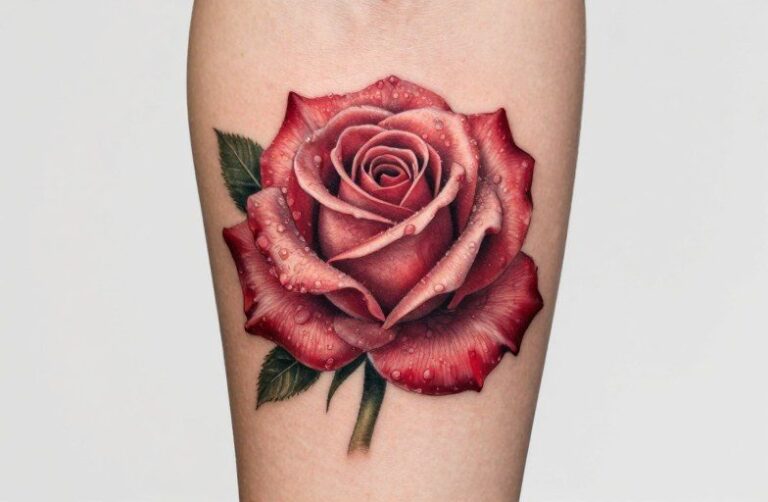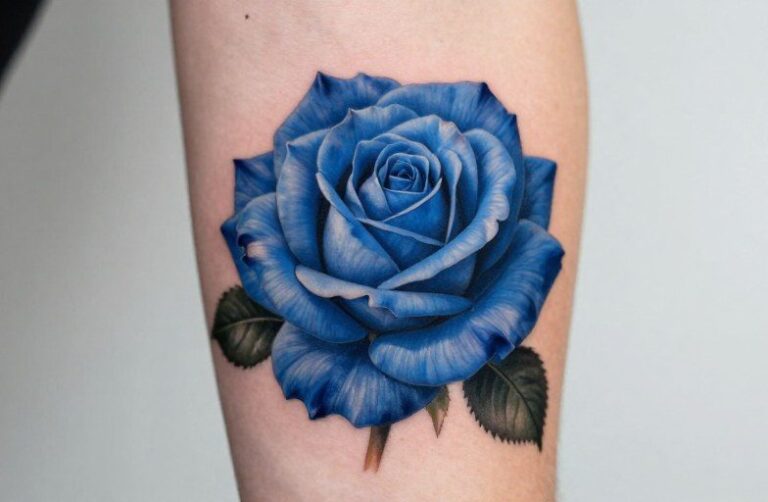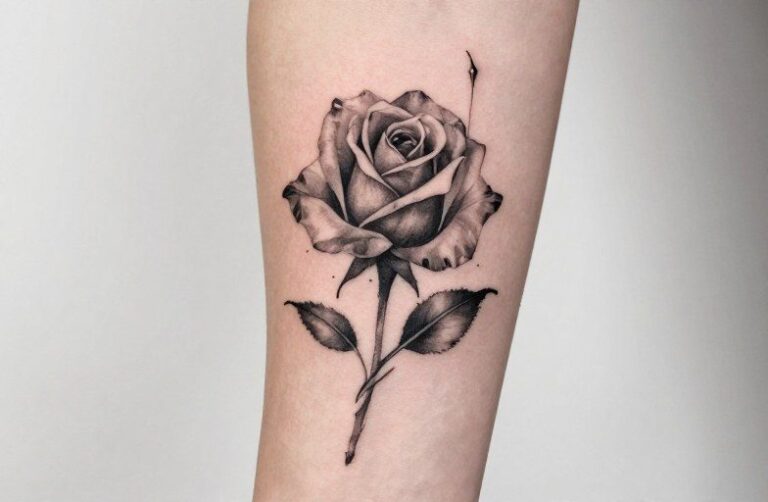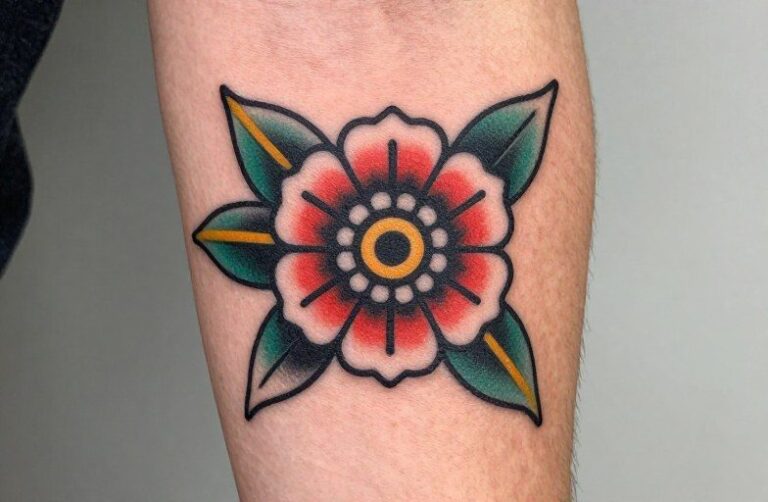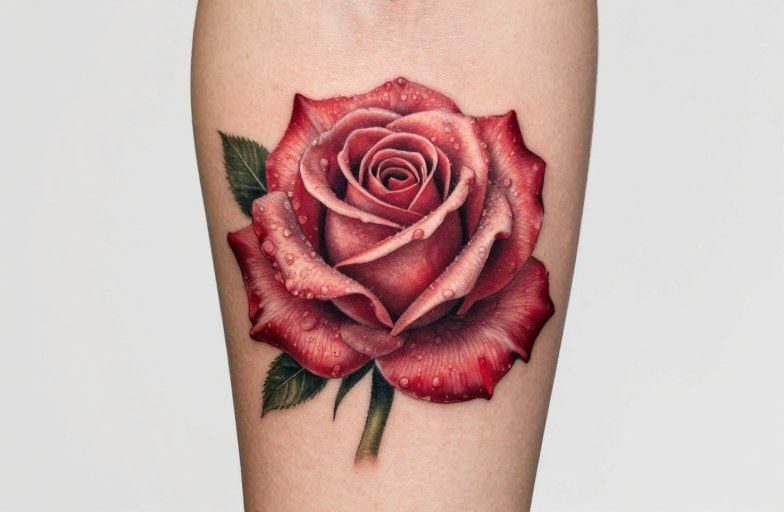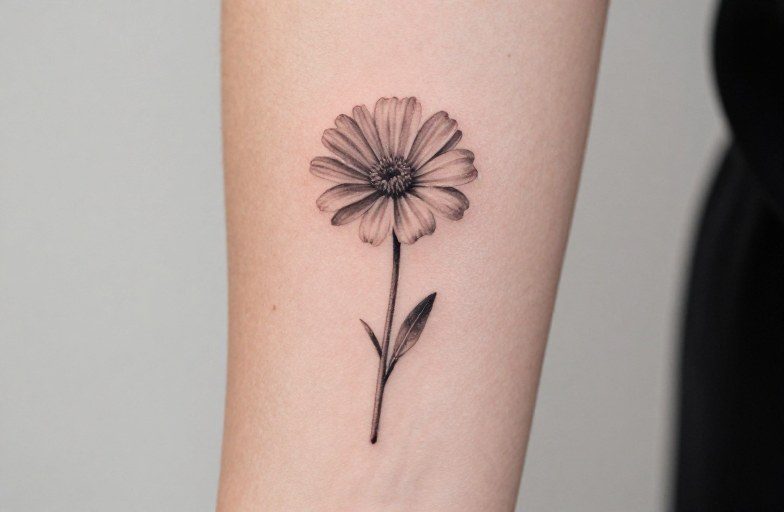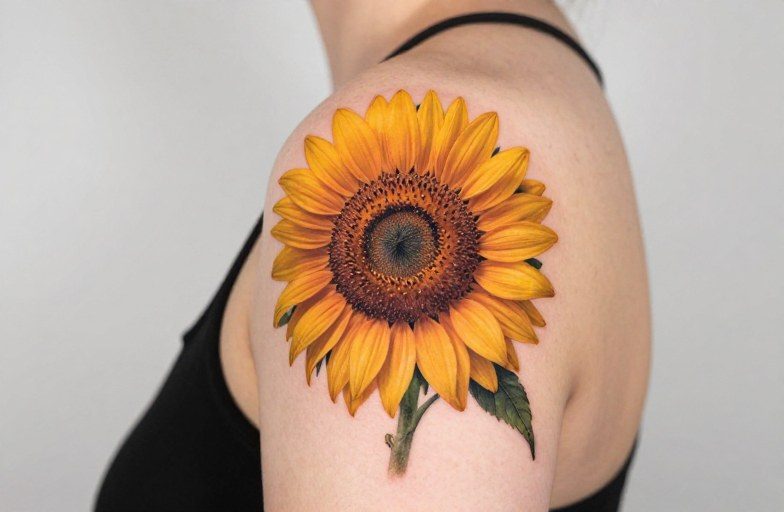
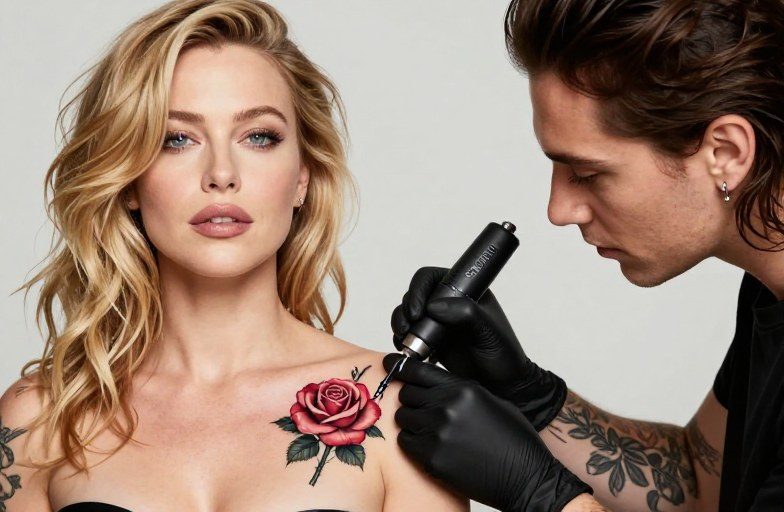
The rose McGowan tattoo pairs a rose with the Irish surname McGowan, sometimes rendered in its older form Mac Gabhann, often linked to the meaning “son of the smith.” Most people choosing this design want something that acknowledges Irish heritage while carrying the rose’s older symbolism of beauty, pain, and resilience. The result reads as feminine without being delicate, and proud without being aggressive. You are not required to have Irish ancestry to wear it, but you should understand what the components carry before asking an artist to draw it.
History and Cultural Roots
Roses hold weight across European traditions, but the McGowan name anchors this design to Irish lineage specifically. The surname is often linked to the Gaelic Mac Gabhann, historically associated with metalworkers and smiths, craftspeople who transformed raw material through fire and force. That history of making something under pressure pairs naturally with the rose’s own symbolism, though the exact etymological path is debated among scholars.
The Irish Connection
McGowan and its variants spread through Ireland before dispersing during the 19th-century emigrations. For descendants, the tattoo sometimes functions as a permanent marker of displacement and survival. Unlike a straightforward family crest or Celtic knot, the rose McGowan pairing lets you acknowledge heritage without defaulting to the most obvious Irish imagery. The thorned rose specifically echoes the smith’s craft, beauty that exists alongside the capacity to wound.
Rose Symbolism Across Traditions
Religious iconography often linked the rose to the Virgin Mary, but secular meanings took stronger hold in tattoo culture. Sailors wore roses to remember loves left at port. Prison ink used roses to mark time done. The flower’s meaning shifted with context, but the core tension, something gorgeous that will cut you, remained constant. That duality is what keeps the rose alive as a tattoo choice when flashier trends fade.
Color vs Black and Grey
This choice changes the entire read of the piece. Color roses hit harder initially but demand more technical precision to age well. Black and grey roses read as more timeless, more somber, and often integrate more cleanly with script lettering.
Color Approaches
Traditional red roses carry the strongest association with love and blood. Deep crimsons photograph well but require a skilled hand to prevent that red from muddying toward brown within five years. Pink and white roses soften the design significantly, which some want and others specifically avoid. Yellow roses, less common in this pairing, can read as friendship or remembrance depending on context. Color saturation matters enormously. Washed-out roses look like bruises after healing.
Black and Grey Execution
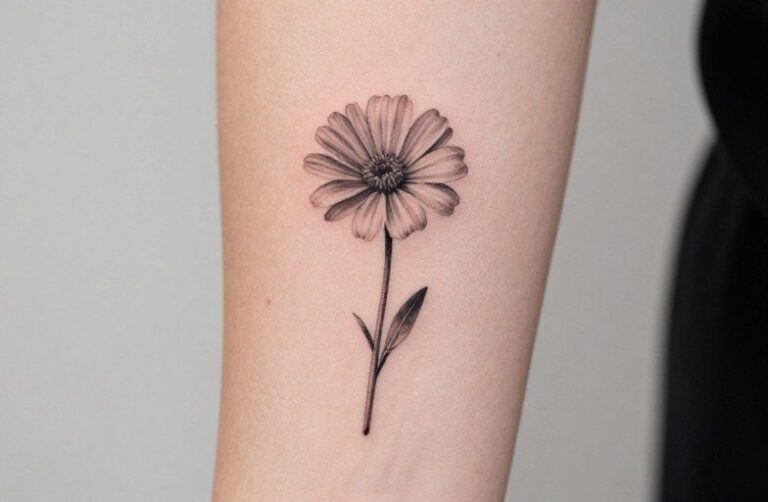
Without color, the rose becomes form and texture. Smooth petal gradients against the sharp geometry of thorns create visual rhythm that carries the design. Black and grey ages more gracefully on most skin tones, and the McGowan name in dark lettering integrates seamlessly rather than competing. For larger pieces, this approach allows the smithing heritage to surface through detail: hammered textures in the background, subtle anvil silhouettes, smoke wisps that read as both forge and memory.
Personal and Modern Meanings
Contemporary wearers layer their own narratives onto this foundation. The rose McGowan pairing has been adopted by survivors of abuse and trauma who found public voice, connecting to broader reclaiming contexts in tattoo culture. The thorns become boundaries; the bloom becomes visibility after silence.
Other common threads include:
- Mother-daughter pieces where both carry the name and rose in different scales
- Memorial work for Irish-born grandparents, with birth dates worked into thorn stems
- Recovery markers, the blooming rose representing survival after addiction or violence
- Professional transitions, leaving corporate work for craft trades, honoring the smith ancestor
What is notable is how rarely this design carries purely romantic meaning anymore. The McGowan anchor pulls it toward ancestry and survival, away from straightforward love tokens.
Similar and Related Symbols
You may be weighing alternatives that hit adjacent notes. Understanding the distinctions helps clarify whether the rose McGowan pairing is the right choice or a near-miss.
Close Alternatives
The black rose carries gothic and anarchist associations that can overlap with survival narratives but reads more nihilistic than resilient. A Celtic cross with family name offers clearer heritage signaling but lacks the organic complexity and gender flexibility. The Claddagh, with its heart-hands-crown arrangement, communicates Irish identity more immediately but can feel tourist-shop generic in execution. The rose McGowan sits between these: specific enough to avoid cliché, flexible enough to carry personal weight.
Complementary Additions
Some expand the design with shamrocks (usually too much), wolves (Irish wolfhound references work better than generic predators), or script in Gaelic typefaces. The most successful additions tend toward forge imagery, hammers, anvils, sparks, rather than more botanical elements that compete with the rose for attention.
Design Tips and Pairings
Placement and scale determine whether this design succeeds or becomes a muddled reference only you understand.
Strong placements include:
- Forearm outer face: enough flat plane for detail, visible for personal reminder, coverable if needed
- Upper arm, wrapping from inner to outer bicep: allows the rose to bloom at the shoulder and the name to anchor near the elbow
- Ribcage front: painful but gives the rose room to open fully, name running vertically alongside
- Thigh front or side: scale works well, less sun exposure preserves ink longer
Script integration trips people up. The McGowan name needs to read as part of the design, not a caption pasted underneath. Experienced artists weave lettering through thorns, curve it along stem lines, or place it in negative space within the bloom. Straight horizontal text beneath a rose reads as two separate tattoos that happen to be near each other.
Line weight matters. Fine linework roses trend heavily but blur faster on high-traffic skin areas. Bold outlines around petals maintain readability for decades. Shading should be packed solid enough that the rose does not become a pink or grey blob as skin texture changes with age.
How It Ages on Skin
Every tattoo changes; this one has specific vulnerabilities to plan around.
Short-Term Shifts
During healing, red ink can look scabbed and alarming. The rose’s detail becomes muddy before it clarifies. White highlights, often used for petal sheen, frequently drop out entirely or heal to a faint yellow. Expect the first month to look worse than the final result. Following proper aftercare, keeping it clean, not picking, avoiding sun, matters more for color saturation than for simpler black designs.
Long-Term Fading
After five to ten years, color roses typically need refresh. Reds shift toward brown, pinks toward skin tone. Black and grey roses hold structure longer but can develop a blue cast as the black ink disperses. The McGowan lettering, if done with consistent line weight, usually outlasts the rose detail, meaning the name remains readable while the flower becomes more suggestive than defined.
Sun exposure is the primary accelerator of fading. Placement on hands, forearms, or anywhere that sees daily UV without protection will degrade faster than covered skin. Plan for touch-ups or accept the weathered quality as part of the design’s evolution. Some prefer the softened look; others budget for maintenance.
Before You Decide
The rose McGowan tattoo works because it carries multiple entry points, heritage, survival, feminine strength, craft legacy, without requiring you to explain any of them. It ages best in black and grey, demands thoughtful script integration, and rewards placement that gives the rose room to breathe. Whether your connection is bloodline, adopted identity, or symbolic resonance, the design holds up because its components have centuries of weight behind them.
Choose an artist who understands both botanical tattooing and lettering. This piece fails when either element looks like an afterthought. The thorns should look like they could draw blood. The name should look carved, not written. Get that balance right, and the tattoo outlasts whatever prompted it.
Frequently Asked Questions
Does the rose McGowan tattoo require Irish ancestry?
No. While the design honors Irish heritage, many wearers choose it for the symbolic resonance of the rose paired with a name meaning linked to craft and transformation. You should understand the history, but ancestry is not a prerequisite.
What is the best color choice for longevity?
Black and grey typically ages more gracefully than color, especially for the rose itself. If you want color, deep saturated reds and crimsons hold longer than pastels, but all color requires more frequent touch-ups and strict sun protection.
How should the McGowan name be integrated into the design?
Avoid placing the name as a straight caption beneath the rose. The most successful pieces weave lettering through thorns, curve it along stem lines, or place it in negative space within the bloom so the name and rose read as one cohesive piece.
What forge imagery works as background detail?
Subtle anvil silhouettes, hammered textures, sparks, and smoke wisps can reference the smith heritage without competing with the rose. Keep these elements secondary and desaturated so they read as atmosphere rather than focal points.
How painful is ribcage placement for this design?
Ribcage front placement is among the more painful options due to thin skin over bone and the respiratory movement during the session. However, it offers excellent flat plane for the rose to open fully and allows vertical placement of the name alongside the stem.